New York City – Delegates at the United Nations headquarters navigated heated debates over the role of fisheries managers in implementing the high seas treaty during a key preparatory meeting. The session, held from March 23 to April 2, marked the third and final prep commission before the treaty’s first Conference of the Parties next year. Tensions arose as conservation advocates warned that fishing interests could undermine efforts to create marine protected areas in international waters, crucial for the global pledge to protect 30% of the ocean by 2030.
RFMOs Assert Mandate in MPA Decisions
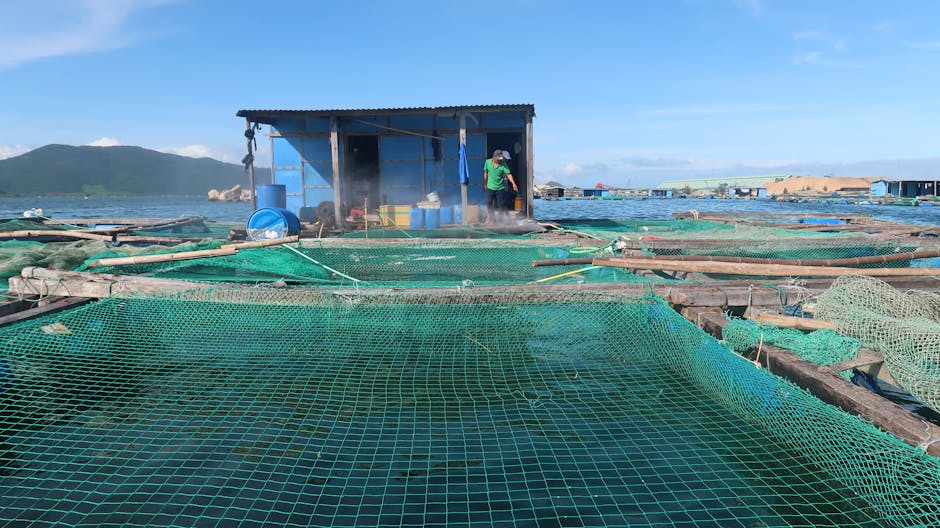
RFMOs Assert Mandate in MPA Decisions (Image Credits: Pexels)
Five regional fisheries management organizations, or RFMOs, jointly submitted proposals to safeguard their decision-making authority under the treaty. These bodies, responsible for regulating high seas fishing, sought assurances that the new framework would not duplicate or override their existing roles. Their intervention surprised some observers, who viewed it as an attempt to embed fisheries priorities into biodiversity conservation processes.
RFMO leaders emphasized the need for collaboration to avoid inefficiencies. They argued that consultations on area-based management tools, including MPAs, must include their expertise. Critics, however, pointed to RFMOs’ track record, noting that these groups often prioritize individual fish stocks over broader ecosystem health. The treaty, effective since January 2026, aims to fill gaps in such fragmented governance.
Conservation Groups Decry Power Grab
Environmental advocates expressed alarm that RFMO involvement could stall MPA establishment. A Greenpeace representative described the proposals as an unacceptable effort to rewrite the treaty in favor of fishing interests. Attendees highlighted RFMOs’ philosophical resistance to ecosystem-wide protections and their logistical challenges in addressing interconnected marine systems.[1]
One expert remarked that the treaty emerged precisely because current frameworks like RFMOs proved inadequate for comprehensive high seas protection. Reports indicate that industry representatives comprise nearly one-third of national delegations at RFMO meetings, raising questions about impartiality. Nations have achieved roughly one-third progress toward the 30% ocean protection target, making high seas MPAs indispensable given that these waters cover nearly half the planet.
Draft Rules Emerge Amid Compromises
The summit produced draft procedural rules now slated for future approval, incorporating language on “mandate complementarity” between the treaty and RFMOs. This phrasing nods to synergies while leveraging fisheries data in scientific reviews for MPAs. Debates also covered observer participation for NGOs and Indigenous groups, settling on a process where parties can object but majorities decide.
Another focal point involved selecting the treaty secretariat’s host from Belgium, Chile, or China. Discussions leaned toward a consensus or ballot system, with equity arguments favoring developing nations. While no final choices materialized, the drafts reflect balances struck amid divergent views. The Alliance of Small Island States called the outcome disappointing yet urged renewed commitment to the ocean’s future.
Unresolved Tensions Shape Next Steps
RFMO executives countered criticisms, insisting their input promotes efficient implementation without restricting protections. They stressed legal obligations for inclusion in overlapping areas. Still, observers urged treaty parties to align environment and fisheries ministries to prevent internal contradictions on MPAs.
- RFMOs manage specific high seas fisheries but face scrutiny for industry ties.
- The treaty enables MPAs without directly regulating fishing, relying on coordination.
- PrepCom drafts head to COP1 in January 2027 for ratification.
- High seas protection lags, with less than 1% currently covered despite global pledges.
- Stakeholders eye China’s potential host role warily due to its fishing fleet scale.
Key Takeaways
- Draft rules prioritize RFMO consultation, potentially slowing MPA progress.
- Conservationists demand robust independence for biodiversity goals.
- Global ocean targets hinge on high seas actions before 2030.
The preparatory summit underscored the treaty’s promise and pitfalls, as nations balance economic livelihoods with planetary health. Effective rules will determine if the high seas become a conservation beacon or remain exploitation frontiers. What steps should world leaders take next to secure ocean biodiversity? Share your views in the comments.