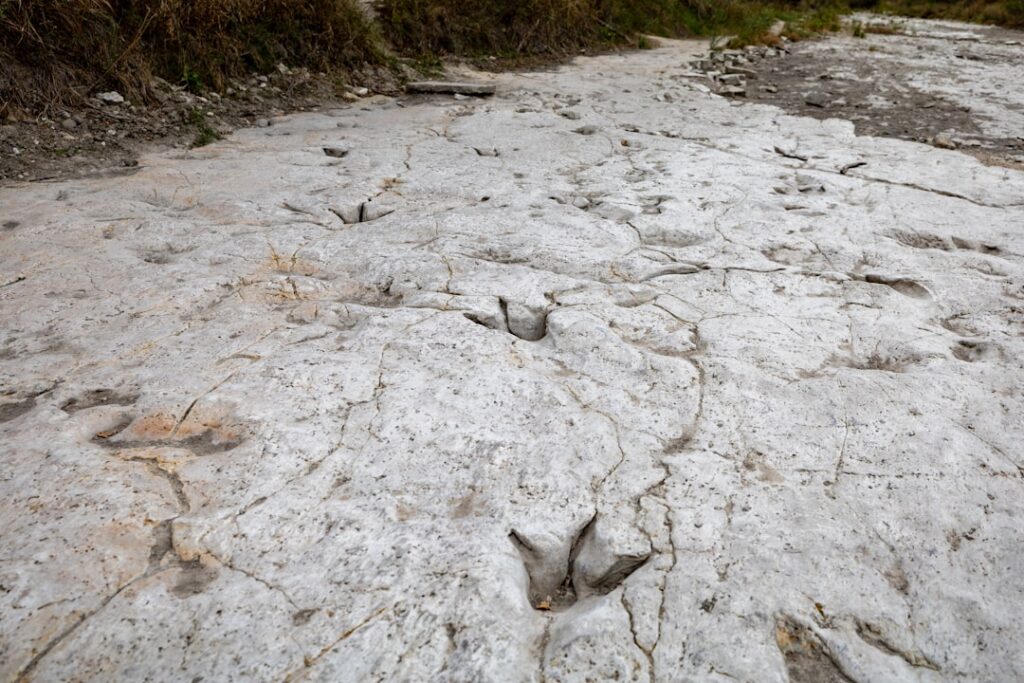
Dinosaurs have always captured our imagination – towering, prehistoric creatures that ruled the Earth for roughly 165 million years before vanishing in one of history’s most dramatic extinctions. For most of human history, all we had were bones, teeth, and stone impressions. Scattered puzzle pieces from an impossibly ancient world. Honestly, what we thought we knew about these animals was barely scratching the surface.
Over the past few decades, the pace of discovery has been nothing short of breathtaking. Paleontology has entered a new era of rapid discovery and scientific transformation, with breakthrough fossils unearthed across Asia, South America, North America, and Europe dramatically expanding our understanding of dinosaur evolution, biology, and behavior. Each new find doesn’t just add to the list. It reshapes the entire picture. So buckle up, because some of what you’re about to read will flip everything you thought you knew completely on its head. Let’s dive in.
1. Sinosauropteryx: The Feathered Bombshell That Redrew the Family Tree
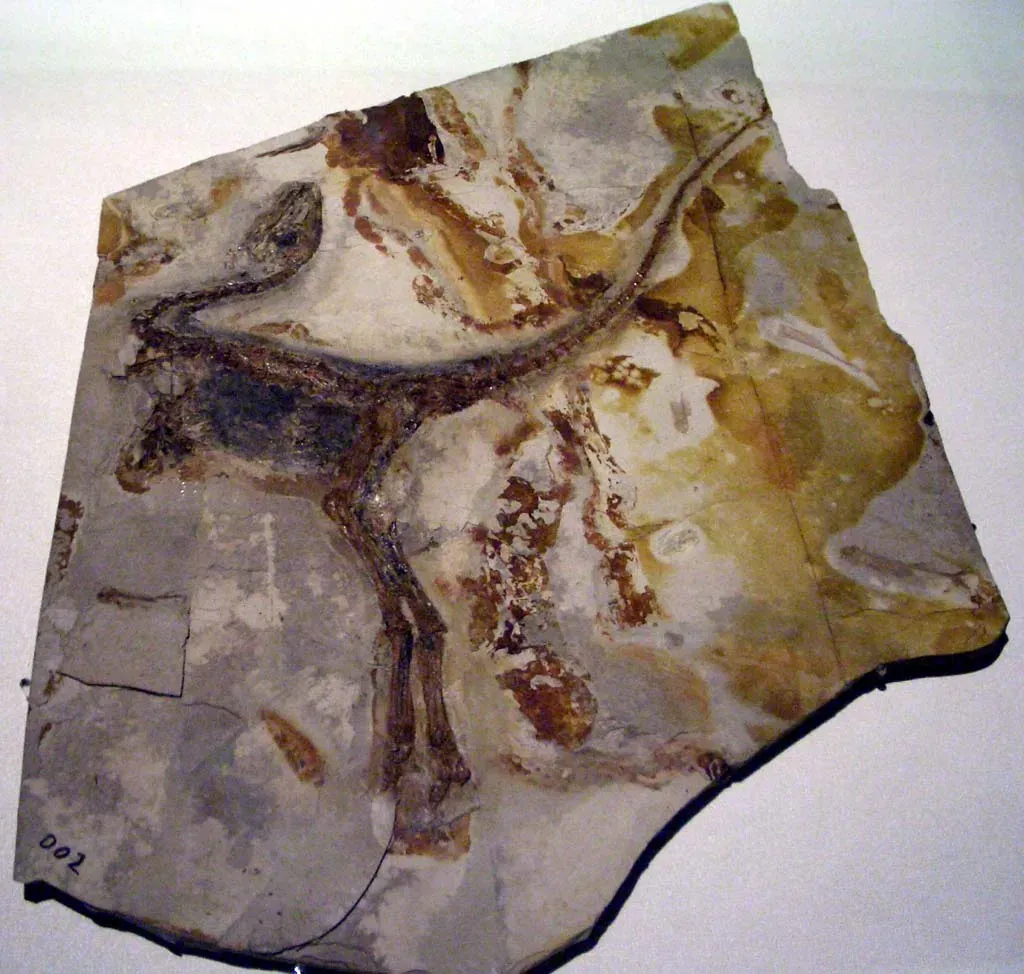
You might think the idea of a feathered dinosaur is old news by now. But imagine being a paleontologist in 1996, firmly believing dinosaurs were scaly reptiles, and then suddenly seeing this. Sinosauropteryx was the first dinosaur taxon outside of birds and their immediate relatives to be found with evidence of feathers. It was covered with a coat of very simple, filament-like feathers. The scientific world didn’t just take notice. It practically stopped breathing.
The Sinosauropteryx prima fossil came to light in 1996, unearthed by local farmers near Sihetun village in Liaoning Province, China – a region known for its rich fossil beds – and yielded a specimen that captured the attention of paleontologists worldwide. The discovery was exceptional due to the remarkable preservation of soft tissues, a rarity in the fossil record. What made it even more extraordinary is that Sinosauropteryx offered the first direct evidence of dinosaur coloration. Scientists identified microscopic structures called melanosomes within the fossilized feathers, which are pigment-containing organelles found in modern animals, and by analyzing their shape and arrangement, researchers inferred the dinosaur’s original color patterns.
In the 25 years that followed, thousands of feathered dinosaur fossils from China and elsewhere revolutionized our understanding of the origin of birds, of flight, of dinosaurian behaviour, and of the origins of endothermy in vertebrates. Think about that. One small, unremarkable-looking fossil found by a farmer essentially rewrote every textbook on the planet.
2. The Borealopelta Mummy: A Dinosaur So Preserved It Looks Alive
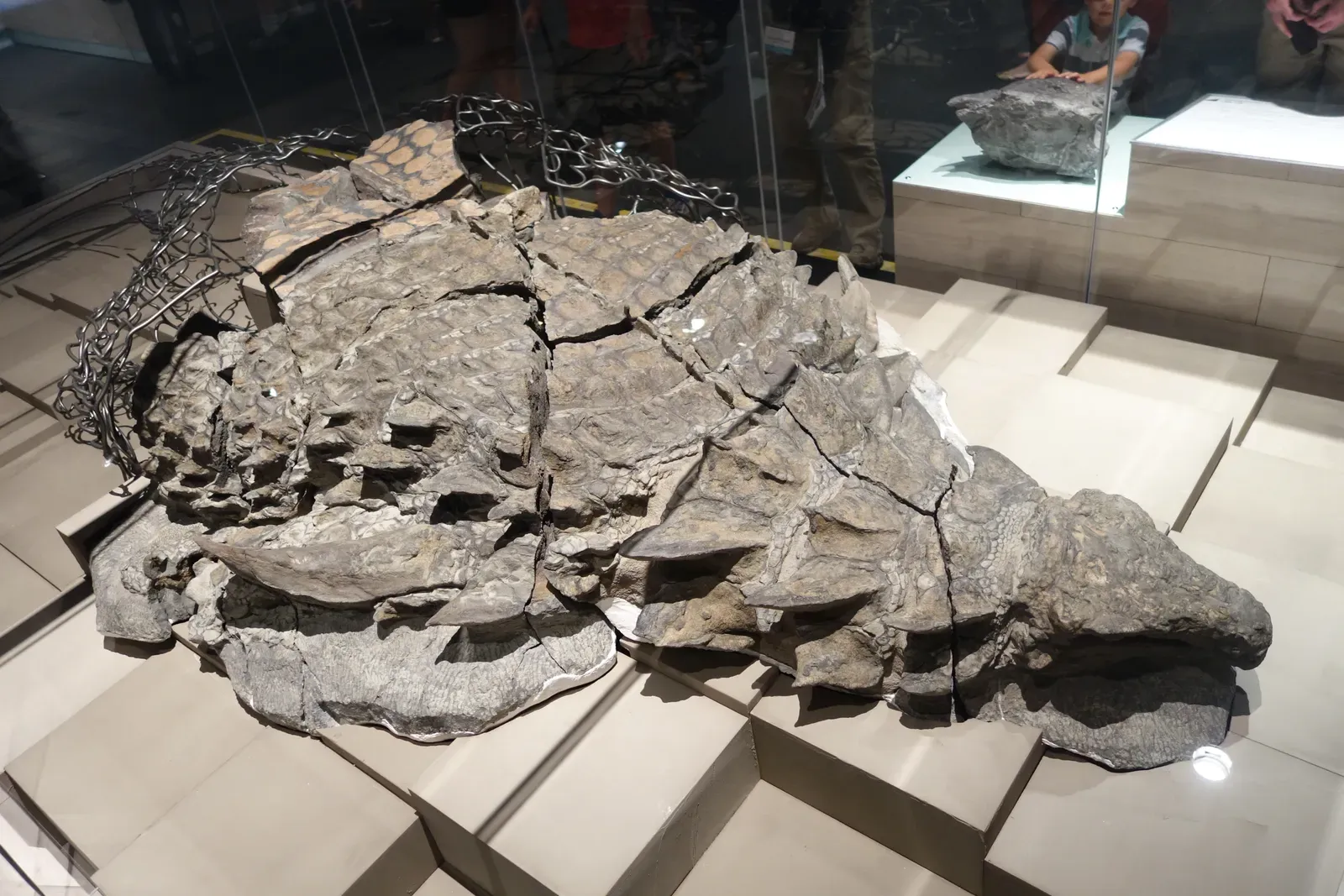
Here’s a discovery that sounds like it belongs in a science fiction novel. In 2011, a heavy-equipment operator named Shawn Funk was digging at the Suncor Millennium Mine in Alberta, Canada, when his excavator hit something solid. What appeared to be walnut brown rocks were actually the fossilized remains of a 110-million-year-old nodosaur, and the imposing herbivore was intact enough for the front half – from the snout to the hips – to be recovered. No one at that mine had any idea they were about to make paleontological history.
Discovered at an oil sands mine north of Fort McMurray, Alberta, the specimen is remarkable for being among the best-preserved dinosaur fossils of its size ever found. It preserved not only the armor in their life positions, but also remains of their keratin sheaths, overlying skin, and stomach contents from the animal’s last meal. Melanosomes were also found that indicate the animal had a reddish pinkish skin tone. Incredibly, examination of the specimen’s stomach contents indicates that ferns were a major part of the animal’s diet. The fact that ferns made up the majority of Borealopelta’s last meal suggested that it was a highly selective feeder, and roughly six percent of the stomach contents contained charcoal as well, leading to the conclusion that Borealopelta was feeding in an area that was experiencing regrowth after a recent wildfire. You can literally reconstruct what this creature ate for its last meal 110 million years ago. If that doesn’t make your jaw drop, I don’t know what will.
3. Patagotitan Mayorum: The Biggest Land Animal That Ever Lived
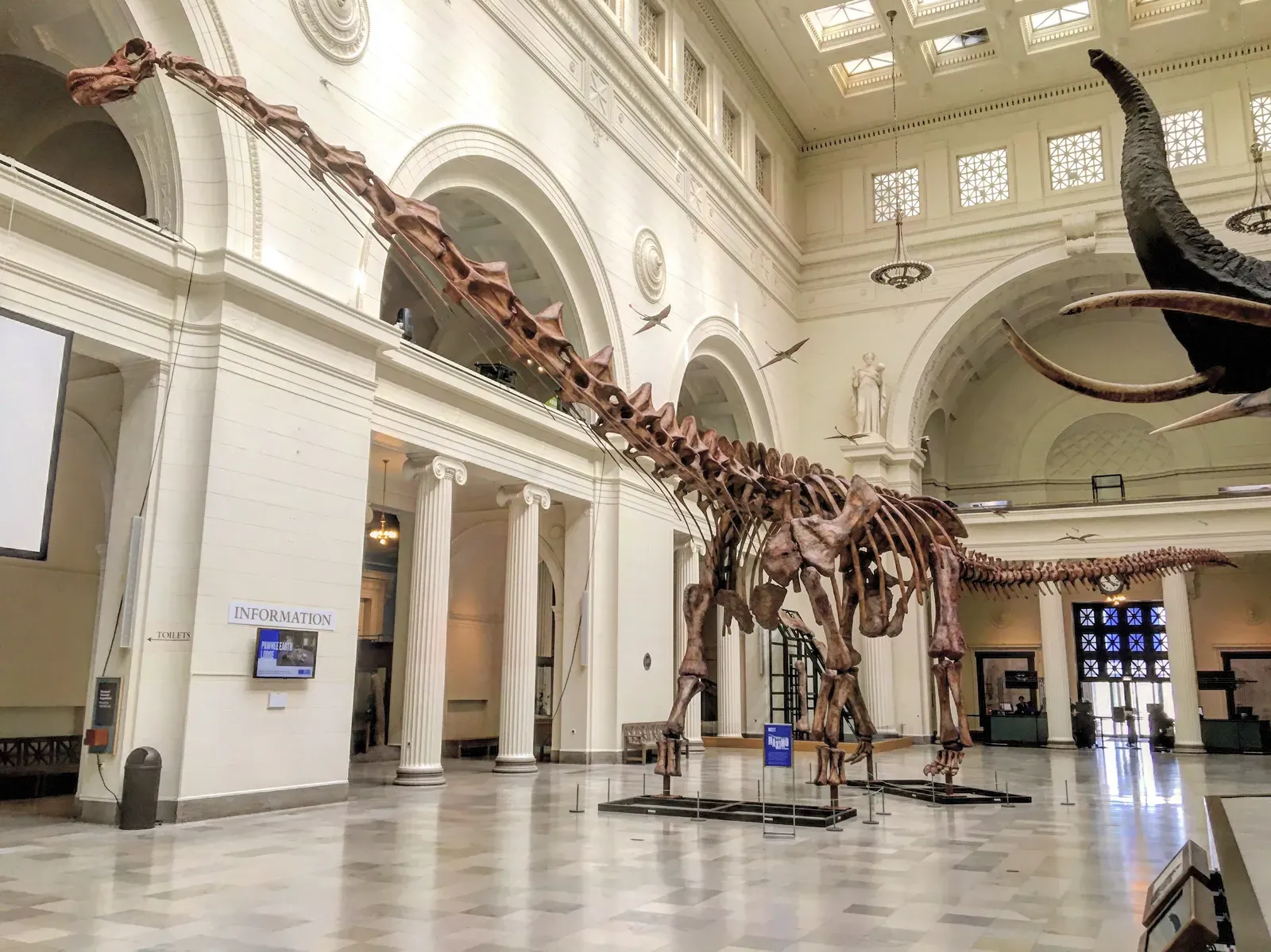
Let’s be real – the size of some dinosaurs is almost impossible for the human brain to fully process. We talk about big creatures all the time, but nothing truly prepares you for Patagotitan. In Patagonia, paleontologists uncovered the remains of Patagotitan mayorum, a massive titanosaur that quickly became a contender for the title of the largest land animal ever discovered. Estimated to exceed 120 feet in length and weighing around 69 tons, this colossal sauropod offered new insight into the size limits of terrestrial vertebrates.
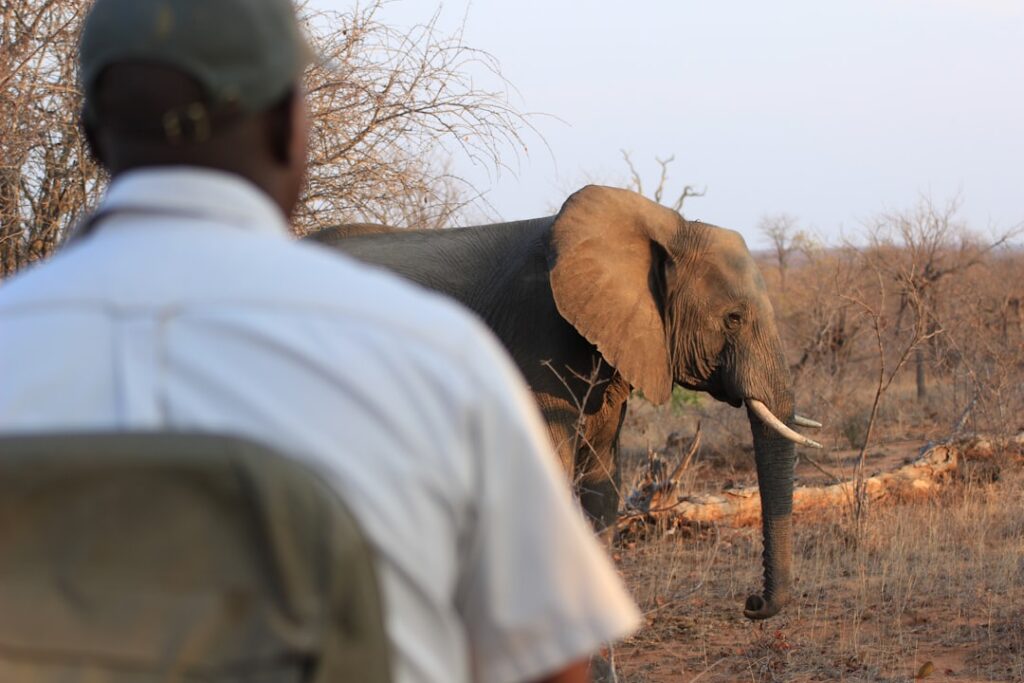
To put that in perspective, we’re talking about an animal heavier than a dozen African elephants stacked together. The sheer scale of such a creature forces you to rethink what is biologically possible. Dinosaurs didn’t start to get big until climate shifts allowed plants the animals craved to spread, and the answer to what allowed dinosaurs to become so successful in the Jurassic, paleontologists have proposed, has to do with what they ate. Climate change toward the end of the Triassic provided a new glut of food that herbivorous dinosaurs began to dine on, and as the plant-eaters became larger, so did the carnivores, and a broad array of impressive reptiles emerged that thrived through the Jurassic and Cretaceous. Patagotitan is the ultimate testament to just how far that evolutionary arms race could go.
4. The “Dueling Dinosaurs” and the Nanotyrannus Revelation
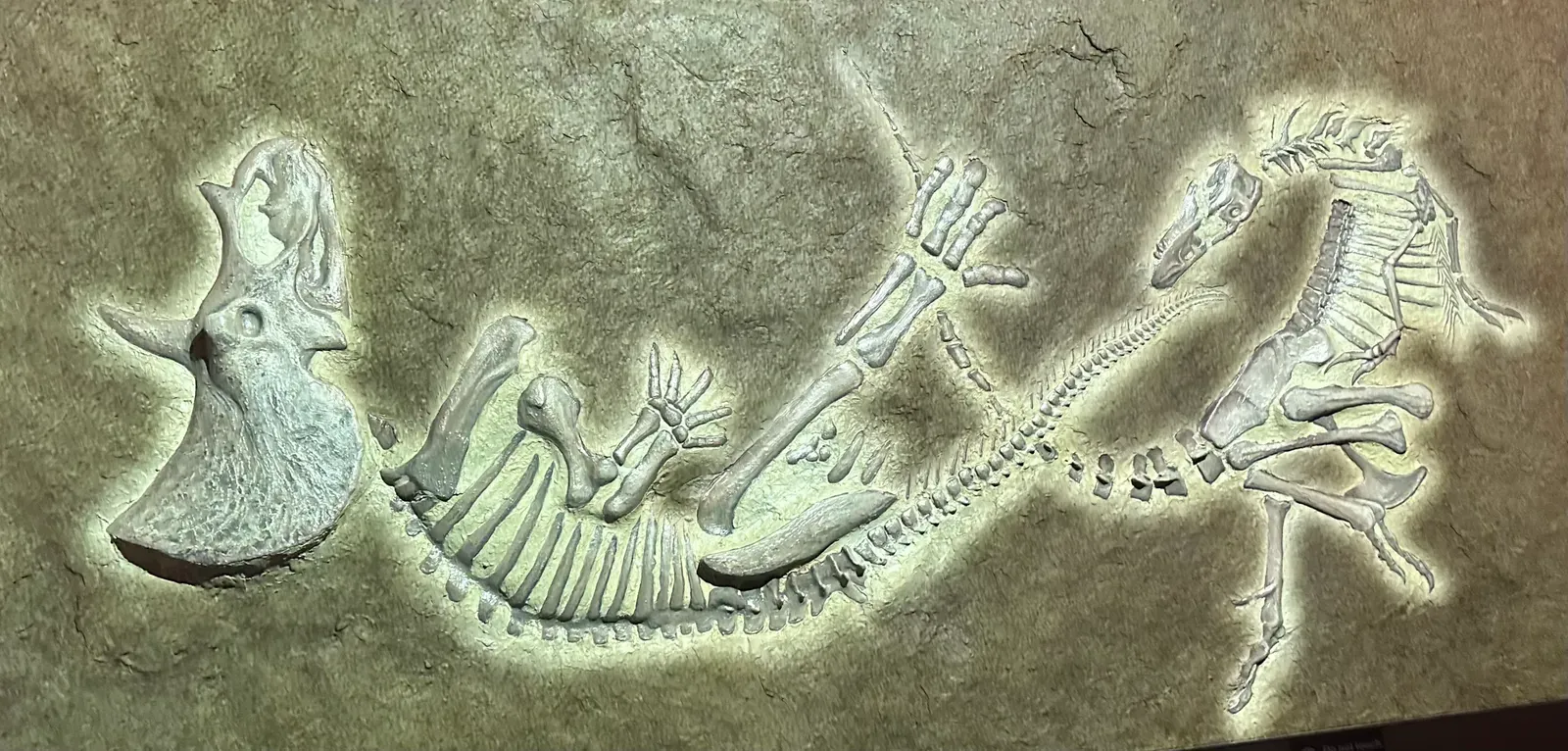
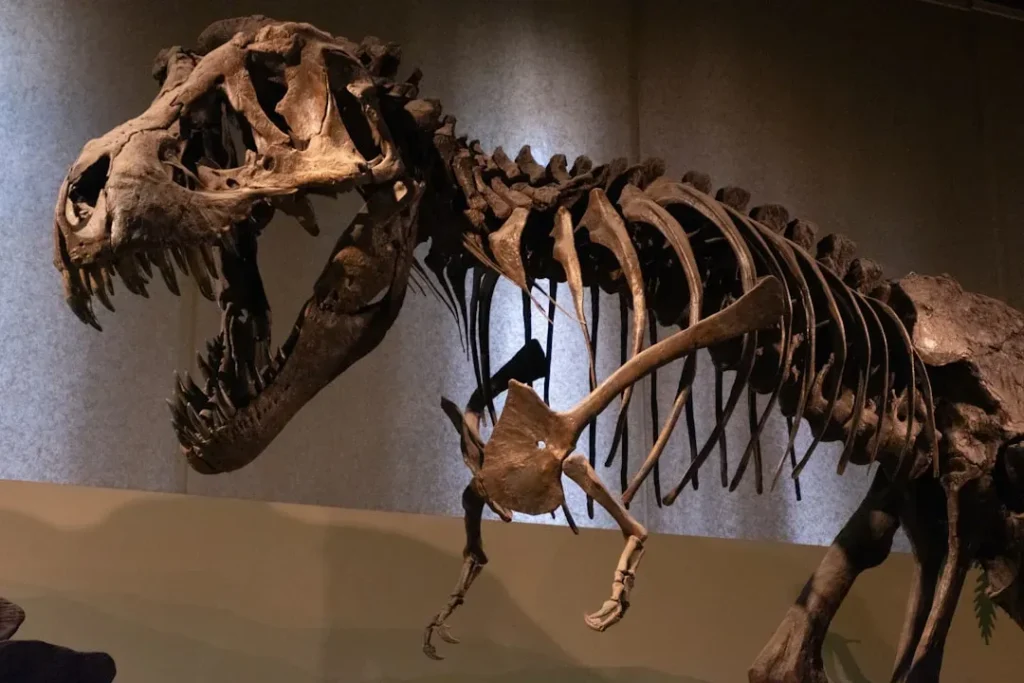
For over three decades, paleontologists argued about a deceptively simple question: was a particular smaller tyrannosaur just a teenage T. rex, or a completely different species? The answer, when it finally came, turned decades of research on its head. The most important dinosaur discovery of the decade is on display at the North Carolina Museum of Natural Sciences. The Dueling Dinosaurs fossil, found in Montana, contains two dinosaurs locked in prehistoric combat: a Triceratops and a small-bodied tyrannosaur. That tyrannosaur turns out to be the most complete skeleton ever found of Nanotyrannus lancensis – a dinosaur long debated as being either a distinct species or a teenage T. rex. This fossil categorically ends that debate. Nanotyrannus is not a juvenile T. rex. It belongs to a separate genus entirely.
The implications are profound. For decades, paleontologists have used Nanotyrannus fossils to model T. rex growth and behavior. New evidence reveals that those studies were based on two entirely different animals – and that multiple tyrannosaur species inhabited the same ecosystems in the final million years before an asteroid impact caused the mass extinction of dinosaurs. This discovery completely reframes the idea that T. rex was the lone predator of its time, challenging long-held assumptions about late Cretaceous ecosystem dynamics. We now know multiple tyrannosaur species coexisted in the last million years before the asteroid impact, suggesting a richer, more competitive ecosystem than previously imagined. The prehistoric world just got a whole lot more crowded and dangerous.
5. Dinosaur Eggs Were Soft – And Everything We Knew Was Wrong
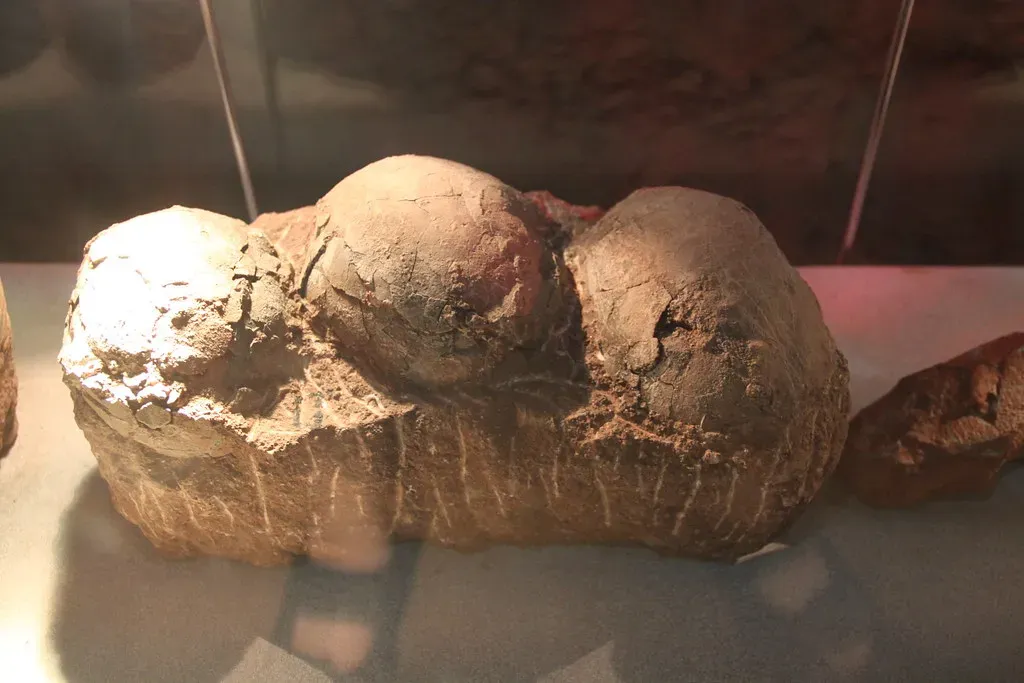
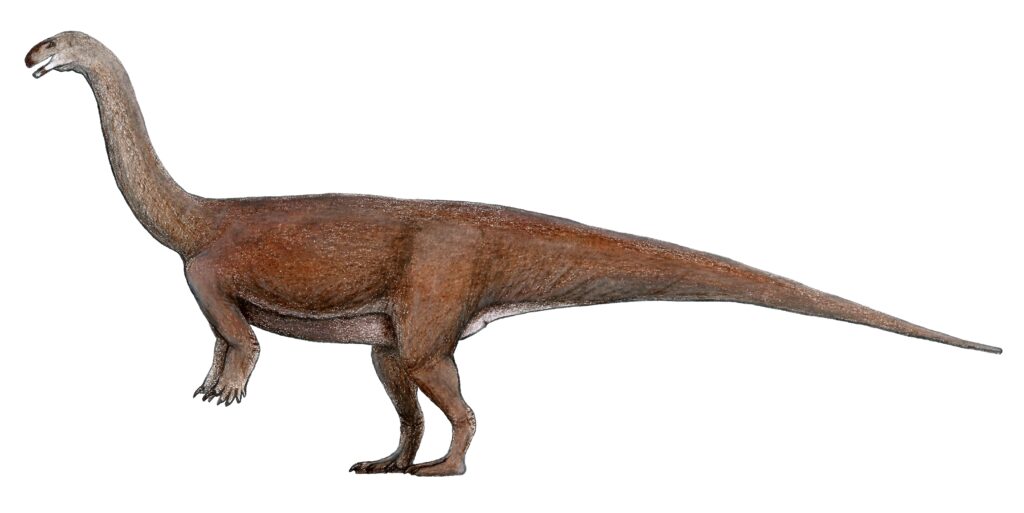
Here’s one that genuinely surprised me when I first came across it. For generations, scientists assumed dinosaurs laid hard-shelled eggs, just like the birds that evolved from them. It seemed so logical. It seemed so obvious. It was completely wrong. In 2020, two research teams revealed evidence that some of the earliest dinosaur eggs, specifically those associated with Protoceratops in Mongolia and Mussaurus in Argentina, were soft-shelled rather than hard and calcified. This discovery busted the long-held assumption that dinosaurs laid hard-shelled eggs similar to modern birds, and explains why early dinosaur eggs are exceedingly rare in the fossil record.
More importantly, the research suggests that hard-shelled eggs evolved independently multiple times within dinosaur lineages, reshaping the understanding of reproductive strategies and the evolutionary origins of birdlike reproduction. Think of it like discovering that your grandparents had a completely different language – it doesn’t change who they are, but it forces you to reconsider every assumption you had about their origins. Science is constantly evolving, and each new fossil discovery has the potential to completely overturn decades of accepted knowledge, proving that there’s still so much we don’t know about the incredible creatures that once ruled our planet.
6. Yi Qi: The Bat-Winged Dinosaur Nobody Saw Coming
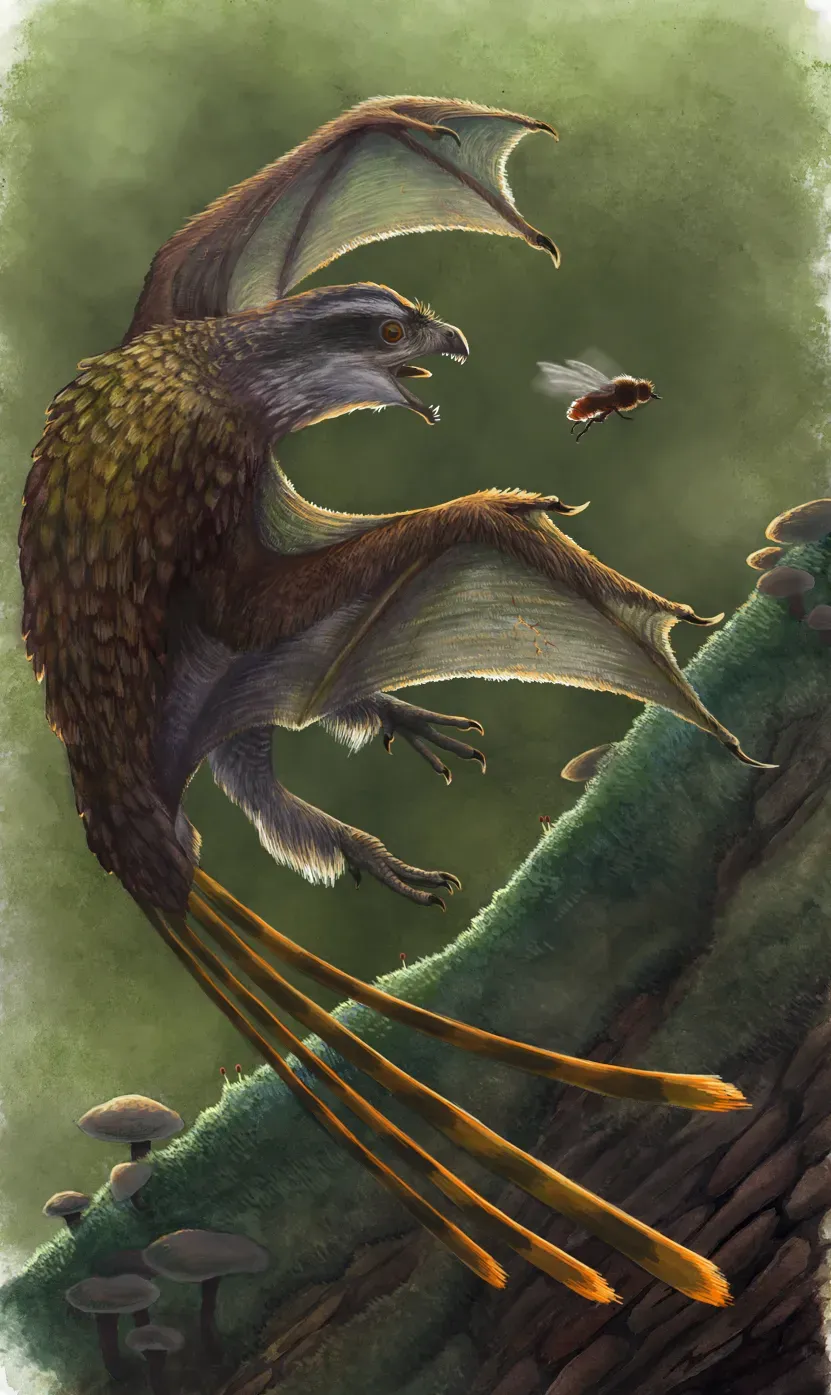
Just when you think you have a clear picture of what dinosaurs looked like, along comes something so bizarre it makes you question the entire category. Meet Yi qi – and no, that’s not a typo. Researchers in Hebei Province, China, found the remains of Yi qi, a small theropod dinosaur. The remains of the creature consisted of membranous, bat-like wings supported by an elongated rod of bone extending from its wrist. It’s like nature decided to run a completely unexpected experiment – part dinosaur, part bat, entirely unlike anything anyone had imagined.
The implications of this discovery go far beyond just adding a strange new species to the list. It showed scientists that dinosaur evolution was far more experimental, far more varied, and far more creative than anyone had previously modeled. These remarkable discoveries remind us that the prehistoric world was far more diverse, colorful, and bizarre than we ever imagined – from feathered giants to four-winged gliders, from semi-aquatic predators to creatures that challenge every assumption we’ve made about what dinosaurs looked like and how they lived. Yi qi is arguably the weirdest proof of that principle.
7. Deinocheirus: The Mystery Monster Finally Revealed
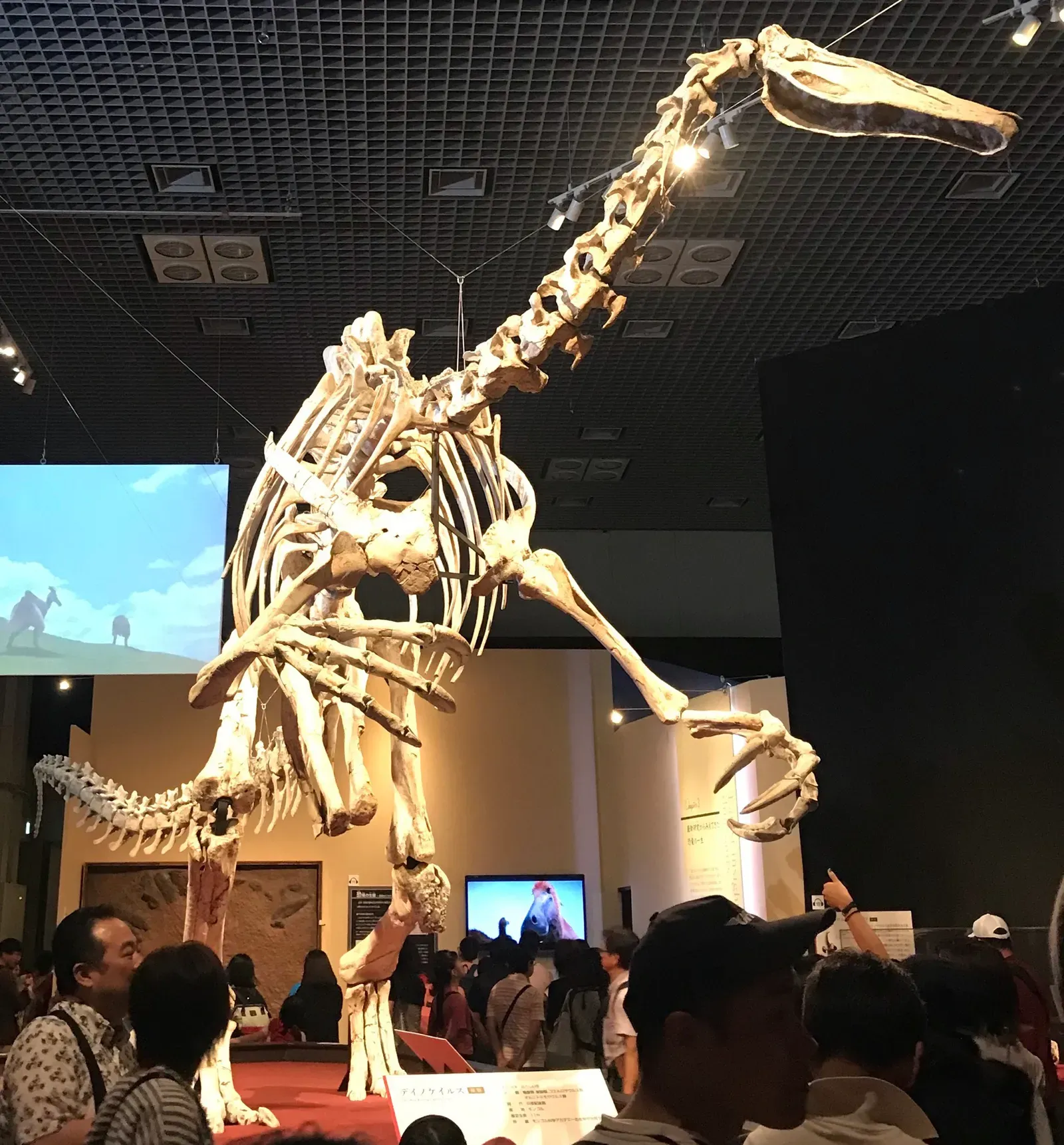
Imagine discovering a pair of enormous dinosaur arms in 1970 – each nearly eight feet long – and having absolutely no idea what the rest of the animal looked like. For over forty years, Deinocheirus was the greatest unsolved mystery in paleontology. No list of the biggest dinosaur discoveries of the decade would be complete without mentioning Deinocheirus. This dinosaur was named in 1970 from a set of enormous arms. It was thought that the rest of the animal was lost, and decade after decade, no one found another.
Then an additional two skeletons were uncovered, although some fossil rescue work was required to recover one of the skulls that had wound up on the black market. In the end, the bones revealed an animal far stranger than paleontologists ever expected – an enormous “ostrich mimic” dinosaur with a sail on its back and a shovel-like face. Paleontologists who grew up wondering what the rest of the animal looked like were overjoyed. It’s hard not to feel the thrill of that moment vicariously. Forty years of questions, answered at last – and the answer turned out to be even weirder than the question.
8. Arctic Dinosaurs: The Discovery That Shattered Climate Assumptions
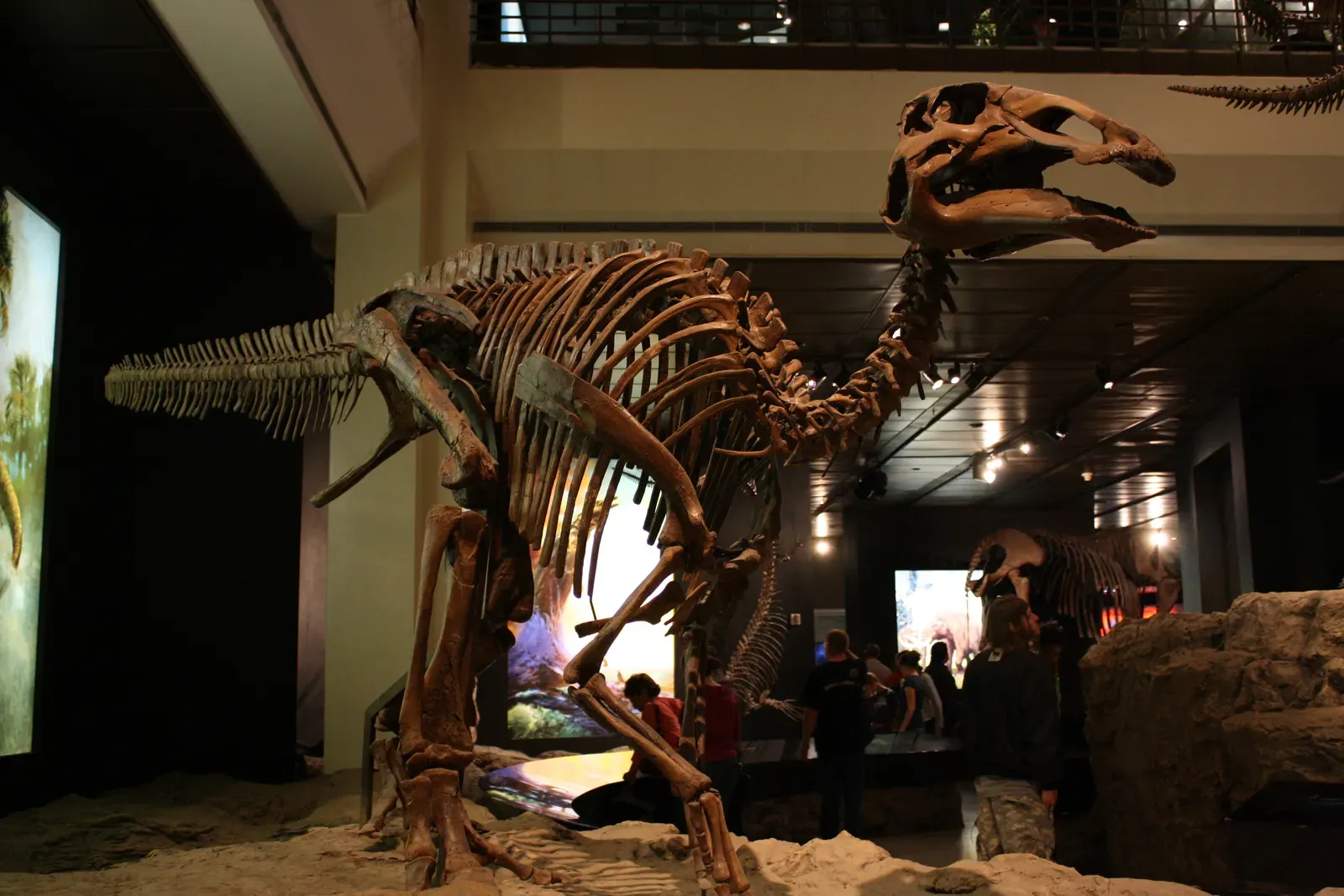
For over a century, dinosaurs were thought of as creatures of warm, tropical climates. They were reptiles. They needed heat. That assumption seemed rock solid – until it wasn’t. For over a century, scientists believed dinosaurs were exclusively tropical creatures, much like modern reptiles that bask in warm climates. This assumption seemed logical – after all, today’s crocodiles and lizards can’t survive freezing temperatures. But Arctic discoveries completely demolished this long-held belief, proving that dinosaurs were far more adaptable than anyone imagined.
Fossil evidence revealed sophisticated adaptations that allowed these ancient giants to thrive in polar conditions. Some species developed thick, insulating feathers, while others showed metabolic changes that enabled them to maintain body heat during harsh winters. This wasn’t just survival – it was evolutionary mastery of extreme environments. Perhaps the most intriguing aspect of Arctic dinosaur life was their migration patterns, with fossil evidence suggesting massive seasonal movements, entire herds traveling thousands of miles to escape the harshest winter conditions. These migrations would have been among the most spectacular natural phenomena in Earth’s history, involving creatures weighing several tons moving across vast frozen landscapes. Nature, it turns out, had far bigger ambitions than we gave it credit for.
9. Lokiceratops: The Asymmetrical Giant With a Flair for the Dramatic
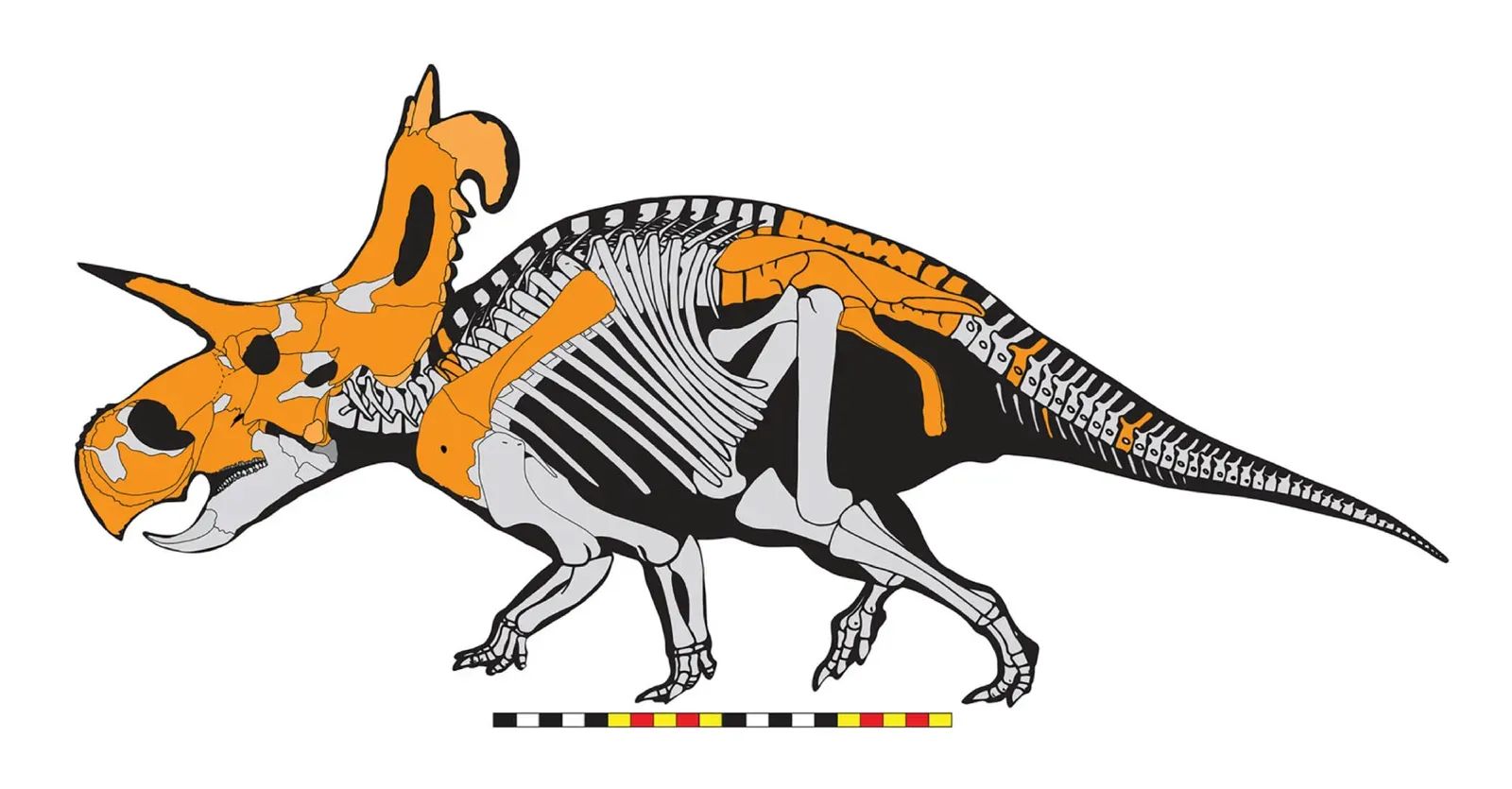
When you think of horned dinosaurs, your mind probably goes straight to Triceratops. Three horns, big frill, familiar shape. Well, Lokiceratops is about to make that image feel very ordinary by comparison. The discovery of Lokiceratops rangiformis, one of the largest ornamented horned dinosaurs ever found, came in 2024. Unearthed in Montana, this ceratopsian displayed striking, asymmetrical, blade-like horns on its frill. These features set it apart from all previously known relatives, and its extravagant frill ornamentation suggests rapid evolutionary turnover among horned dinosaurs and underscores the powerful role it plays in driving ceratopsian diversity.
The fossil further emphasizes the regional differences in dinosaur evolution across North America. What this means, practically speaking, is that the diversity of horned dinosaurs was far richer and stranger than the fossil record had previously suggested. It’s a bit like discovering that the neighbourhood you thought only had four types of houses actually has forty. A new species of dinosaur is named just about every two weeks, with each year bringing dozens of new analyses on how the “terrible lizards” moved, ate their food, shook their feathers, and were related to each other. Lokiceratops is among the most dramatic proof of that relentless pace of discovery.
10. North America’s Oldest Dinosaur: Ahvaytum and the Rewritten Origin Story
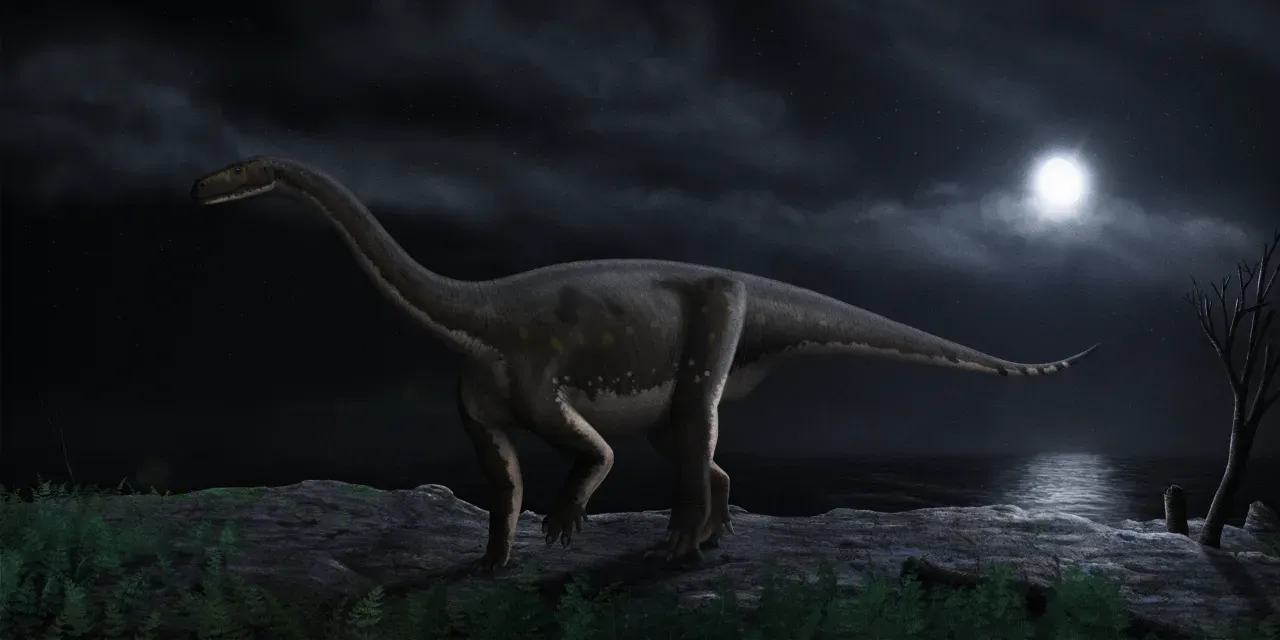
It’s one thing to find a new dinosaur. It’s another thing entirely to find one that fundamentally challenges where and when dinosaurs first appeared. That’s exactly what happened when paleontologists identified Ahvaytum bahndooiveche in Wyoming. Paleontologists in the United States uncovered the fossilized remains of a new species of sauropodomorph dinosaur that lived in the northern hemisphere during the Carnian age of the Late Triassic epoch, around 230 million years ago.
Until this discovery, the origin of dinosaurs was thought to be deeply rooted in the high-latitude southern hemisphere on the supercontinent Gondwana. Gondwanan dinosaur faunas and the oldest known dinosaur occurrence in the northern hemisphere were separated by 6 to 10 million years. However, the newly described Laurasian species lived at the same time as the oldest known southern dinosaurs. Named Ahvaytum bahndooiveche, this sauropodomorph is the oldest known Laurasian dinosaur. The presence of this 230-million-year-old, low-latitude, early sauropodomorph from the northern hemisphere challenges the hypothesis of a delayed dinosaurian dispersal out of high-latitude Gondwana. In other words, dinosaurs were global from almost the very beginning – and the story of where they came from just got a complete rewrite.
Conclusion: The Past Is Still Being Written
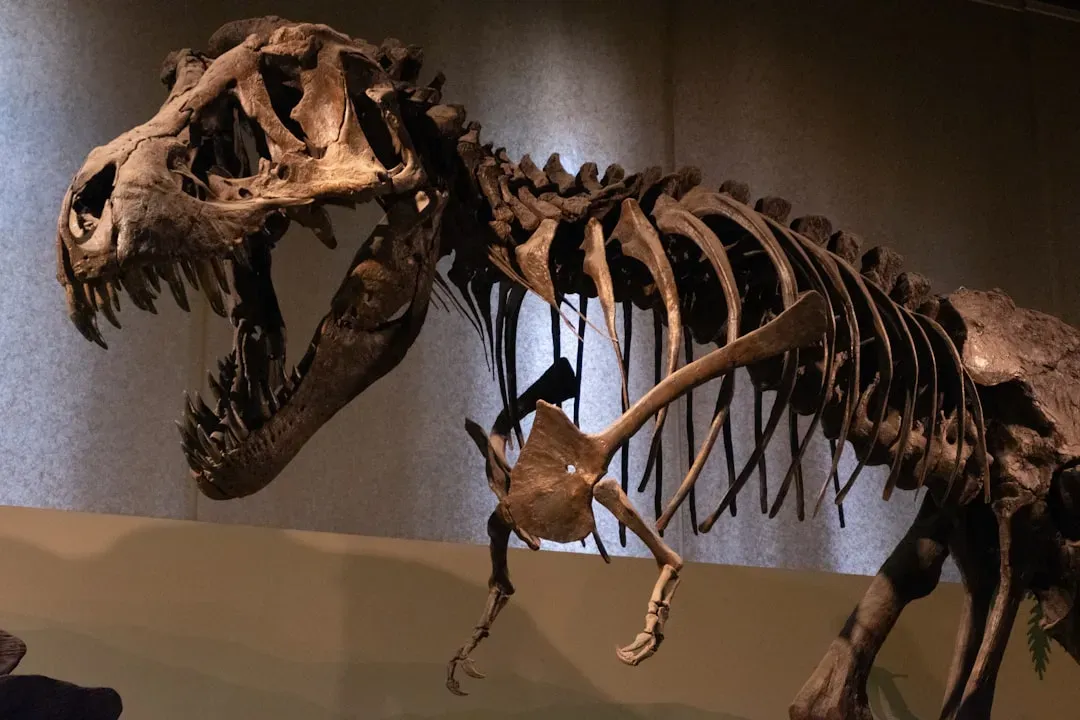
What strikes you most after reading through discoveries like these is not just how much we’ve learned, but how much of what we thought we knew was flat-out wrong. Featherless dinosaurs. Tropical-only dinosaurs. Hard-shelled eggs. T. rex as a lone apex predator. All of it challenged, revised, or overturned completely by careful scientific work and the right fossil appearing at the right moment. Together, these discoveries illustrate the vibrant pace of modern dinosaur research. From experimental wing structures and monumental sauropods to exquisitely preserved mummies and revelations about reproduction, each find reshapes our understanding of Mesozoic ecosystems.
The most thrilling part? There are almost certainly bigger, stranger, more mind-bending discoveries still waiting in the rock. Using Tyrannosaurus rex as a model, paleontologists have estimated that much more massive dinosaurs are still awaiting discovery. Paleontologists have certainly found some big T. rex, about 40 feet long and estimated at about nine tons. But by modeling a virtual T. rex population, a study anticipates that some T. rex were likely up to 70 percent more massive than any found so far – giants that may take hundreds if not thousands of years to uncover based on the current rate of fossil searches.
Every time science thinks it has dinosaurs figured out, the Earth offers up something that sends researchers back to the drawing board. And honestly, that’s the most exciting thing of all. What discovery do you think will shake the world of paleontology next? Drop your thoughts in the comments – we’d love to know.