Democratic Republic of Congo – Gunfire erupted just before dawn at Upemba National Park headquarters on March 3, 2026, catching staff off guard in what they first believed to be a routine drill. The assault by around 80 armed militants lasted nearly 12 hours, resulting in seven deaths and widespread trauma among survivors. This harrowing event highlights a deeper crisis in wildlife protection: rangers who risk their lives daily often lack adequate support for their psychological wellbeing.
A Brutal Assault Shakes Upemba
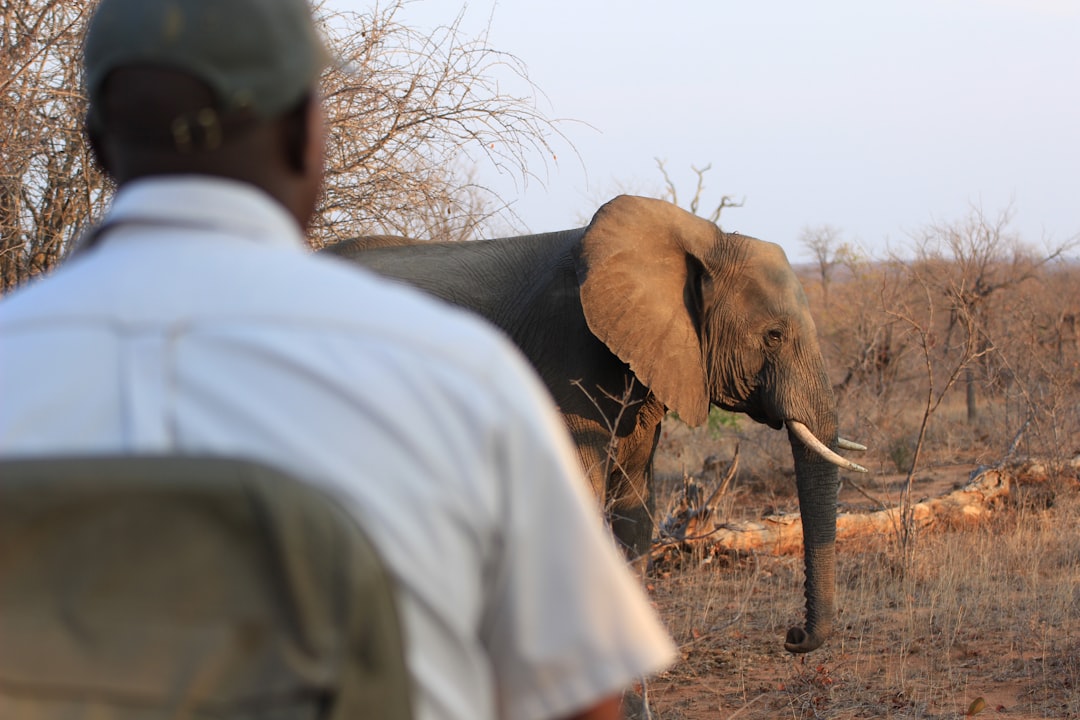
A Brutal Assault Shakes Upemba (Image Credits: Unsplash)
Christine Lain, the park’s director, recounted the chaos as bullets flew and attackers breached the perimeter. The militants, including a disciplined group of about 20 commandos in black uniforms equipped with machine guns and radios, targeted weapons stores and searched for her specifically. Three rangers and four civilian staff lost their lives, including grant manager Subira Bonhomme and veterinarian Ruth Osodu. Survivors hid in roof crawl spaces for hours or fled through tall, rain-soaked grass under fire.
The attackers belonged to the Stand Up Katanga Movement for the Liberation of Congo, a separatist group opposing park operations and recruitment. They looted equipment and issued demands to halt anti-poaching efforts. Upemba, spanning over 11,000 square kilometers of vital grasslands and forests, now faces rebuilding from scratch after the devastation.
Violence Escalates Across Protected Areas
Rangers worldwide confront mounting threats from poachers, militias, and insurgents. In Virunga National Park, director Emmanuel de Merode reported that 214 colleagues had died in clashes with armed groups. Luis Arranz, co-director of Salonga National Park, lost 37 rangers to the Lord’s Resistance Army in Garamba and 12 more in Zakouma. These figures reveal a pattern where conservation zones overlap with conflict hotspots.
Upemba’s incident marks one of Africa’s deadliest attacks on park staff since 2020. Militants often view rangers as obstacles to resource extraction or territorial control, especially in mineral-rich regions like Katanga. Low pay, outdated equipment, and vast territories exacerbate vulnerabilities for these frontline defenders.
| Park | Notable Ranger Losses |
|---|---|
| Virunga (DRC) | 214 to militias |
| Garamba (DRC) | 37 to LRA |
| Zakouma (Chad) | 12 rangers |
| Upemba (DRC) | 7 in March 2026 attack |
The Lasting Toll on Mental Health
Prolonged exposure to violence leaves deep scars. Lain noted that “everybody got traumatized” after Upemba, with staff witnessing colleagues’ deaths or fearing for their own survival. Research highlights how chronic stress impairs decision-making and patrol effectiveness, mirroring strains in high-risk professions like policing. Yet rangers receive far less institutional backing, often returning to duty without counseling.
Isolation, family separations, and relentless pressure compound the issue. Sean Willmore of the Thin Green Line Foundation observed rangers forced back to work immediately post-trauma. In South Africa, Elise Serfontein described the “relentless pressure” with no respite. A study in Conservation Letters warns that unaddressed mental health risks undermine conservation goals entirely.
- Extreme occupational stress from patrols and attacks
- Lack of mental health training for supervisors
- Irregular schedules and long absences from family
- Inadequate resources amplifying daily frustrations
- High turnover due to burnout and fear
Steps Toward Real Change
Organizations like the Game Rangers Association of Africa and Thin Green Line Foundation offer family aid and peer networks, but coverage remains spotty. Forgotten Parks arranged counseling for Upemba survivors after evacuating them to Lubumbashi. Experts urge monitoring programs, professional mental health access, and redefining ranger roles to include wellbeing protocols.
Arranz emphasized the fragility of wildlife recovery: “It takes 20 years to build a population and only a few months to destroy it.” Sustaining rangers requires treating them as whole individuals, not just enforcers. As protected areas expand globally, investments in their support become non-negotiable.
- Rangers face lethal threats daily, with hundreds killed in recent decades.
- Trauma erodes performance without prompt intervention.
- Fragmented initiatives show promise, but systemic reforms lag.
The Upemba tragedy serves as a stark reminder that conservation’s success hinges on resilient guardians. Stronger wellbeing measures could prevent future losses and bolster wildlife efforts. What steps should governments and NGOs take next? Share your thoughts in the comments.