
Have you ever wondered why people make the decisions they do? Why someone chooses to chase a dream despite enormous obstacles, while another person stays comfortable in predictability? The puzzle has captivated thinkers for centuries, yet the answer isn’t buried in complicated theories or inaccessible research. It sits right at the heart of something surprisingly simple: motivation.
When you understand what drives a person to act, think, or feel a certain way, you’re essentially holding the decoder ring to their entire behavioral pattern. Here’s the thing, though: motivation isn’t just a singular force pushing people forward. It’s a complex web of internal desires, external pressures, emotional reactions, and deeply rooted needs that shift and change depending on circumstances. Let’s dive in and explore how unlocking these motivational secrets can fundamentally change how you understand yourself and those around you.
The Hidden Power Behind Every Action

Motivation operates as an unobservable state of striving that drives and directs goal-pursuit behavior toward need fulfillment. Think of it as the invisible engine humming beneath every single thing you do. Whether you’re reaching for your morning coffee or deciding to switch careers, motivation is the silent puppeteer pulling the strings.
Motivations represent unmet needs which become salient to the organism, directing pursuit of need fulfillment experienced both affectively and cognitively. When a need surfaces, whether it’s hunger, recognition, or belonging, your brain immediately starts crafting a roadmap to satisfy it. This process happens so automatically that you barely notice it happening.
Two Forces Competing for Your Attention

Psychologists classify motivation into two groups: primary and secondary, with primary motivators being biological and rooted in survival. Your body demands food, water, sleep. These aren’t negotiable. They’re hardwired into your system, reminding you constantly that survival comes first.
Secondary motivators are more complex, involving psychological and social factors shaped by life experience, education, and cultural influences. Achievement, money, social belonging, approval – these become the driving forces that shape your quality of life. While primary motivators keep you alive, secondary motivators determine how well you actually live.
When Internal Drive Meets External Rewards

Motivation guides the direction, intensity, and persistence of performance behaviors and can be categorized into intrinsic and extrinsic forms, with extrinsic motivation leading to engagement when material or social considerations are expected. You might work overtime for a bonus, study hard for a good grade, or volunteer because it looks impressive on your resume. These are all extrinsic motivators at work.
Intrinsic motivation operates differently. It reflects the natural human propensity to learn and assimilate. When you lose track of time reading a book you love, or spend hours perfecting a hobby no one will ever see, that’s intrinsic motivation taking control. You’re doing it simply because it feels good, not because someone’s dangling a carrot in front of you.
The Emotional Undercurrent Steering Your Decisions

Emotions play a huge part in decision-making, and when we feel anxious, excited, angry, or hopeful, our brains release chemicals that affect our attention, memory, and ability to weigh options. Fear can paralyze you into avoiding calculated risks. Joy can make you impulsive, saying yes to expensive purchases you’ll regret later.
Many biases that most people believe are driven by limited cognitive ability are actually driven by emotions, like herding behavior which stems from fear of regret rather than cognitive laziness. Taking a wrong decision hurts less when everyone else was wrong. You follow the crowd not because you’re lazy, but because you’re protecting yourself from the sting of solo failure.
Your Brain’s Biological Blueprint
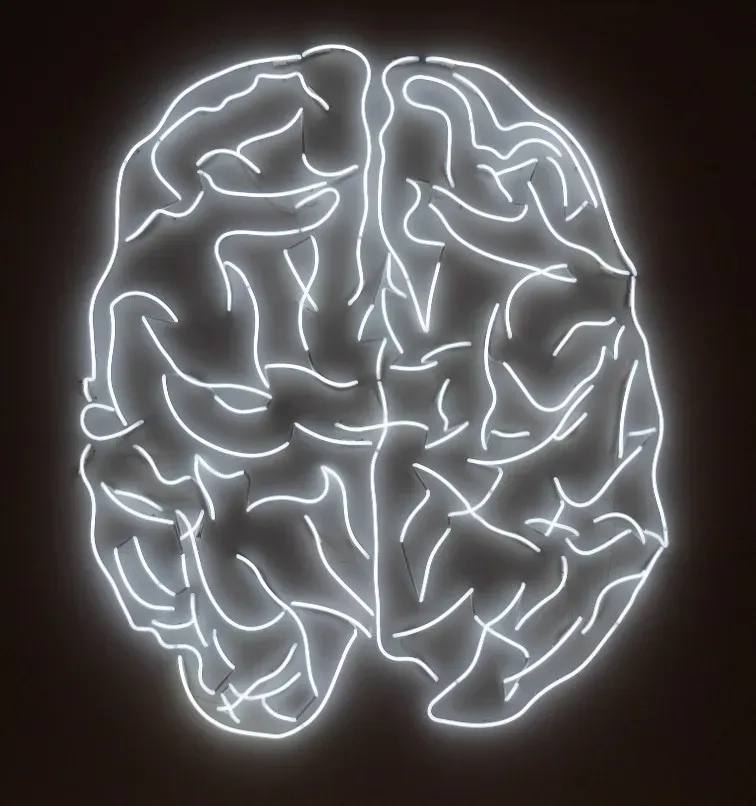
One of the most fundamental influences is our biological makeup, with genetics shaping our dispositions and behaviors, and the brain’s neurochemistry significantly affecting mood, decision-making, and behavior. The levels of serotonin and dopamine coursing through your system right now are literally dictating how optimistic or sluggish you feel.
Psychological factors are another key influence, with individual personalities shaped by a combination of innate traits and life experiences dictating a large part of our behavior. Your cognitive processes like perception, reasoning, and memory guide how you interpret and react to the world. Essentially, you’re viewing reality through a uniquely tinted lens constructed by your biology and experiences.
The Social Mirror Reflecting Back at You

Our behavior is often shaped by the people we interact with and by social norms and expectations, with the way we dress, talk, and behave in public influenced by cultural norms. You might not realize it, but you’re constantly adjusting your behavior based on who’s watching. That’s not fake – it’s just human.
A person’s natural makeup and the social-environmental context both contribute to human behavior. You’re not operating in a vacuum. Every interaction, every glance, every word from others feeds into your behavioral calculations. When someone praises you, you’re more likely to repeat that behavior. When someone criticizes you, you might retreat or double down depending on your personality.
Rewards and Punishments Shaping Tomorrow’s Actions

Rewards and punishments influence us greatly, with rewards offering positive reinforcement, and when a behavior has a positive outcome like praise, money, or success, we’ll probably want to do it again. This is basic conditioning, the kind of pattern-learning your brain is exceptionally good at.
Punishments have negative consequences, and when a behavior results in something unpleasant like embarrassment or loss, we’re less likely to repeat it. Sometimes avoidance is the strongest motivator. You skip the task that causes anxiety. You avoid the risk that might lead to failure. Psychology suggests that avoidance is subtle yet powerfully influential.
Three Basic Needs Driving Everything You Do

Self-determination theory proposes that individuals are motivated by their needs for autonomy, competence, and relatedness. Autonomy means you want control over your own life. Competence means you want to feel capable and effective. Relatedness means you need meaningful connections with others.
Psychological theories like Maslow’s Hierarchy of Needs and Self-Determination Theory suggest that people are motivated by a combination of survival needs, social belonging, personal growth, and autonomy. When these needs are met, you thrive. When they’re ignored, you struggle. It’s hard to focus on self-actualization when you’re worried about paying rent or feeling utterly alone.
Decoding Behavior to Transform Your World

When you truly understand why people behave the way they do, you can adjust your behavior to have more pleasant or productive interactions, and understanding what motivates people can help you keep your team engaged and driven. Knowing someone’s motivational style helps you communicate more effectively. Recognizing strengths and weaknesses allows you to build stronger, more efficient teams.
Leaders influence people, and unless leaders understand why people behave the way they do, their efforts to influence others will have random, perhaps unpredictable, even alienating effects. Whether you’re managing a team, parenting children, or navigating friendships, understanding motivation gives you a strategic advantage. You’re no longer guessing – you’re reading the map.
Bringing It All Together

Human behavior is a complex and multi-faceted aspect of life, with behavior determined by a combination of biological, psychological, and social factors, and understanding the science behind why people behave the way they do can help us better understand ourselves and others. The more you learn about these underlying forces, the more equipped you become to navigate life’s challenges with clarity.
Motivation isn’t some abstract concept reserved for psychology textbooks. It’s the beating heart of every decision you make, every relationship you nurture, every goal you chase. When you start paying attention to what truly drives you and those around you, everything shifts. You become more compassionate, more strategic, more effective in everything you do. What motivates you today? What will motivate you tomorrow?