The mysterious depths of our oceans hold countless secrets, from undiscovered species to ancient geological formations. Among the most intriguing possibilities is the presence of dinosaur fossils beneath the waves. While we typically associate dinosaur remains with dusty excavation sites in remote deserts or mountainsides, the reality of paleontological discovery extends to underwater environments as well. This exploration into underwater paleontology reveals surprising connections between prehistoric land creatures and marine environments, challenging our understanding of where dinosaur fossils can be found and how they got there.
The Basics of Underwater Fossil Formation
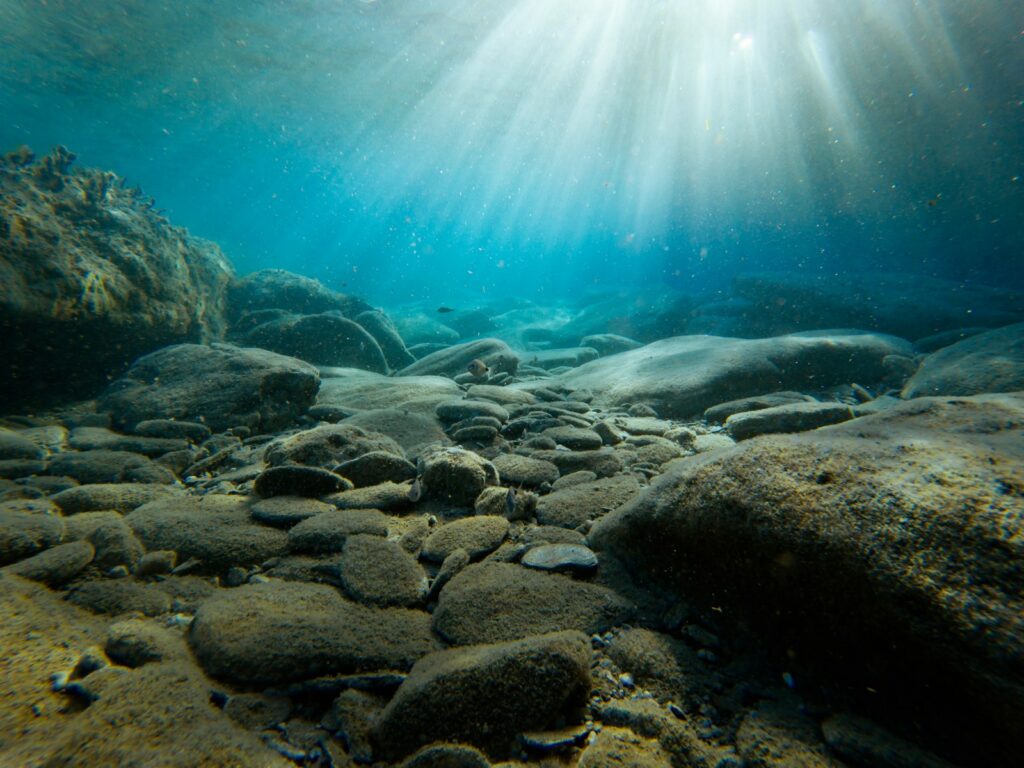
Underwater fossil formation follows many of the same principles as terrestrial fossilization, but with important differences in preservation conditions. For fossilization to occur in any environment, remains must be quickly buried to prevent decomposition and scavenging. In marine settings, sediments like sand and mud can rapidly cover deceased organisms, creating an oxygen-poor environment that slows decay. Ocean chemistry, particularly in deeper waters, can enhance preservation through processes like permineralization, where minerals in seawater replace organic materials in bones. Additionally, the relatively stable temperatures of deep ocean environments can protect remains from the freeze-thaw cycles that often damage fossils on land. This combination of factors means that underwater environments can provide exceptional preservation conditions for certain types of fossils.
Marine Dinosaurs vs. True Dinosaurs: An Important Distinction
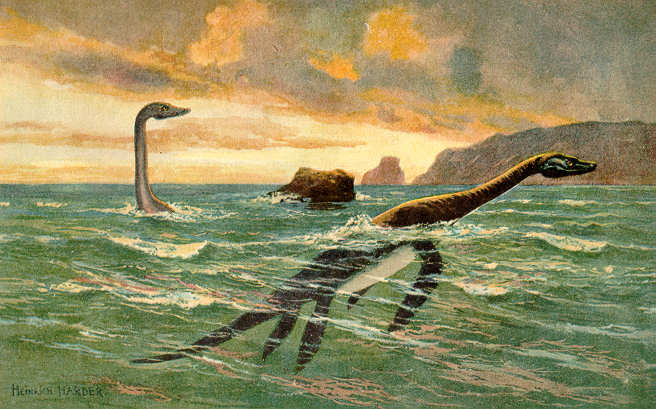
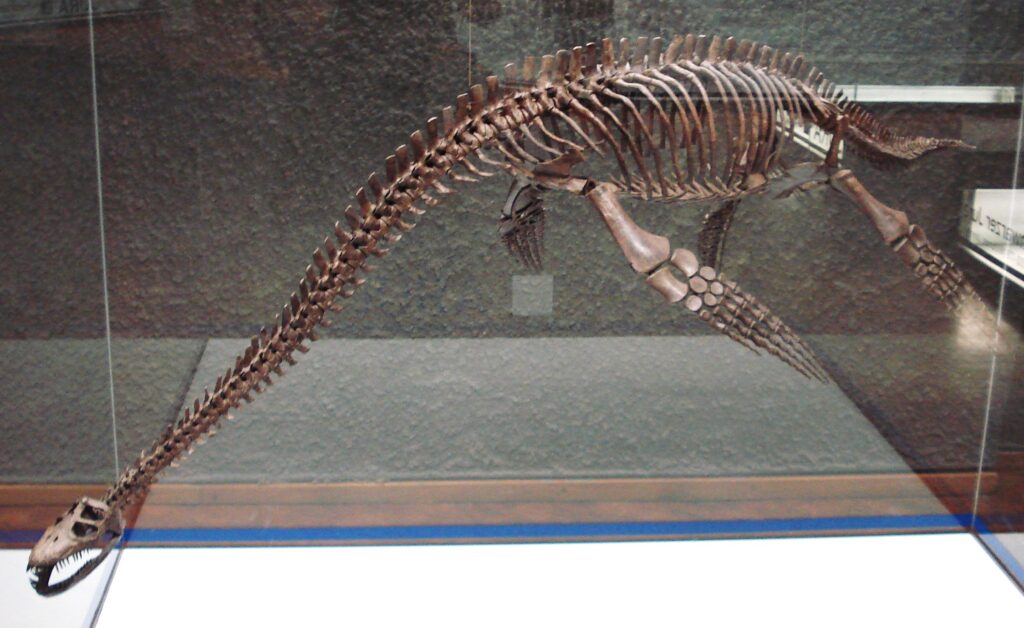
When discussing “dinosaurs” in oceans, a crucial scientific distinction must be made. True dinosaurs, belonging to the clade Dinosauria, were terrestrial animals—they lived and evolved exclusively on land. The marine reptiles often mistakenly called “sea dinosaurs”—like plesiosaurs, mosasaurs, and ichthyosaurs—were not dinosaurs at all but separate reptilian lineages that evolved to live in marine environments. These marine reptiles shared the Mesozoic Era with dinosaurs but followed different evolutionary paths. Their fossils are commonly found in marine deposits and ancient seabeds, while true dinosaur fossils predominantly occur in terrestrial rocks. This distinction helps explain why finding actual dinosaur fossils in marine environments is relatively rare and usually involves special circumstances that transported dinosaur remains from land to sea.
How Dinosaur Remains Reach Ocean Environments
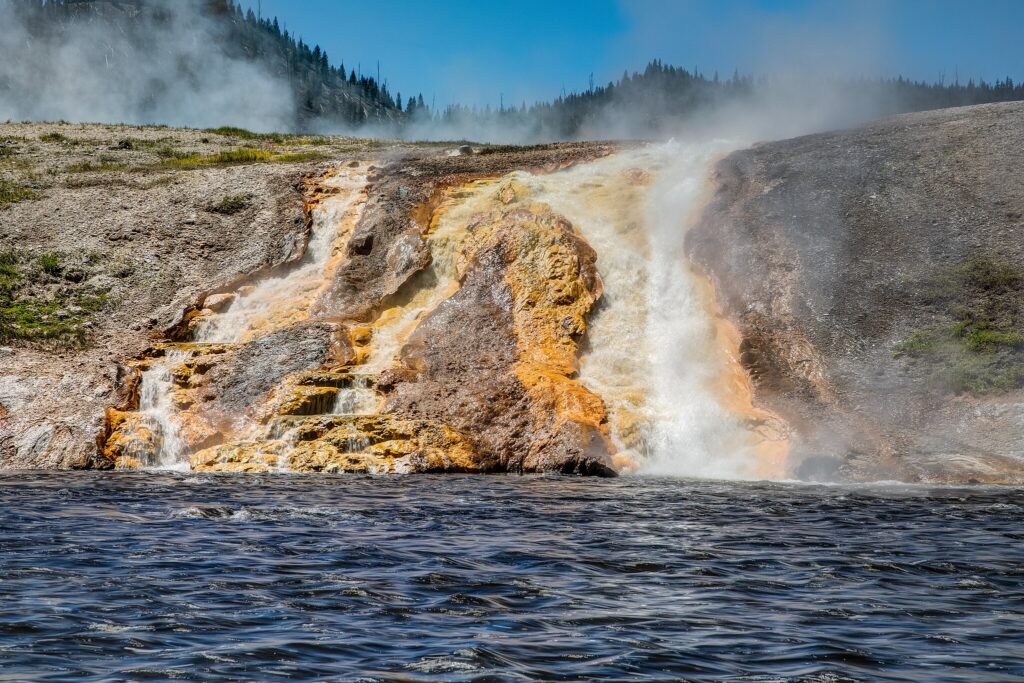
Despite being land-dwellers, dinosaur remains can indeed end up in marine environments through several natural transport mechanisms. Rivers and floods serve as primary vehicles, carrying dinosaur carcasses from inland areas to coastal regions and eventually into the sea. Dinosaurs living near coastlines might have died near water bodies, with their remains subsequently washed out to sea during storms or high-tide events. Catastrophic events like tsunamis could have swept inland dinosaur remains out to sea in massive sediment flows. Additionally, coastal erosion over millions of years has exposed and released dinosaur fossils from terrestrial deposits into the ocean environments. Perhaps most significantly, sea level changes throughout Earth’s history have submerged once-terrestrial environments where dinosaurs lived and died, effectively converting land-based fossil deposits into underwater ones without any physical movement of the remains themselves.
Famous Underwater Dinosaur Discoveries
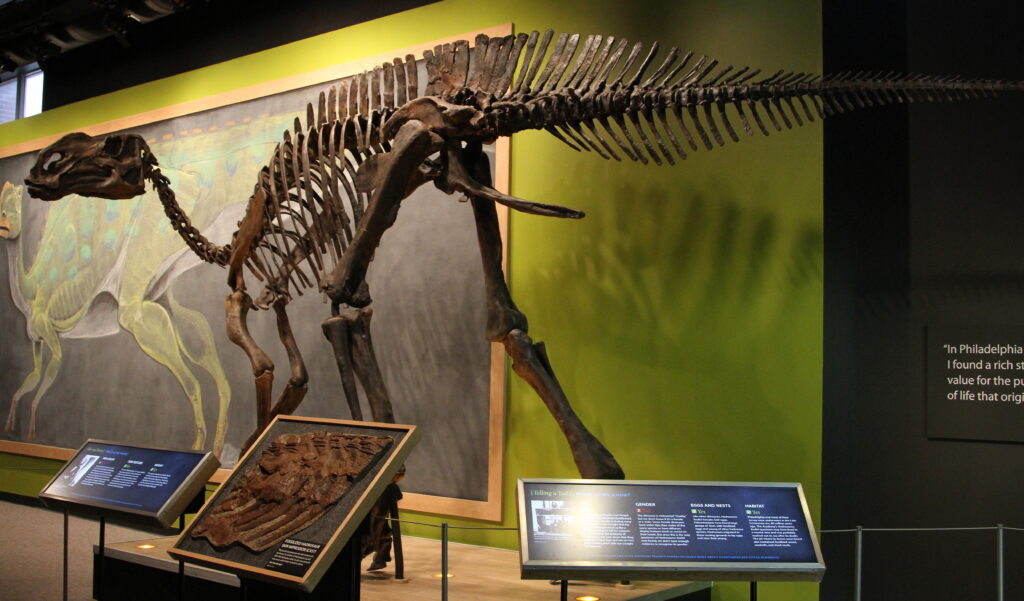
Several notable discoveries have confirmed the presence of dinosaur remains in marine environments. Among the most famous is the partial skeleton of a hadrosaur (duck-billed dinosaur) discovered by the research vessel JOIDES Resolution during deep-sea drilling operations in the Indian Ocean, approximately 1,000 miles from the nearest landmass. Paleontologists were stunned by this finding, which suggested the remains had been transported enormous distances by ocean currents. Along the North Carolina coast, researchers have recovered dinosaur vertebrae and other bone fragments during offshore excavations, many belonging to hadrosaurs and theropods from the late Cretaceous period. In the waters off Antarctica’s Seymour Island, scientists have discovered fragments of ankylosaurs and other dinosaurs preserved in marine sediments, providing crucial evidence of ancient Antarctic ecosystems. These discoveries, though relatively rare, demonstrate that dinosaur remains can indeed be preserved in oceanic environments under specific circumstances.
Challenges of Underwater Paleontology
Retrieving and studying fossils from underwater environments presents unique challenges not encountered in traditional terrestrial paleontology. The logistical difficulties begin with locating potential sites, as traditional fossil-hunting visual surveys are impossible in deep or turbid waters. Specialized and expensive equipment is required, including remotely operated vehicles (ROVs), sonar mapping technology, and underwater excavation tools adapted for marine conditions. Preservation issues arise immediately upon recovery, as fossils that have reached equilibrium in a marine environment can deteriorate rapidly when exposed to air without proper conservation techniques. The physical challenges of underwater excavation are substantial, with divers facing limited bottom time, poor visibility, and the physical constraints of working in a liquid environment. Additionally, many promising underwater sites lie in international waters or at depths beyond practical research capabilities, creating jurisdictional complexities and accessibility issues that further complicate underwater paleontological research.
Continental Shelf Fossils: Dinosaurs from Ancient Coastlines

Continental shelves represent particularly promising locations for underwater dinosaur discoveries due to their unique geological history. During the Cretaceous period, sea levels were significantly higher than today, submerging vast coastal plains where dinosaurs once lived and died. When sea levels dropped during subsequent geological periods, these areas became today’s continental shelves—underwater extensions of continents that slope gradually from the shoreline. Paleontologists have found that the continental shelves off the eastern coast of North America, particularly near the Carolinas and along the Gulf of Mexico, contain sedimentary deposits rich in Late Cretaceous fossils. Similar promising areas exist off the coasts of Argentina, Western Europe, and Western Australia. Technological advancements in underwater mapping and excavation have allowed researchers to increasingly target these submerged ancient coastlines, revealing dinosaur specimens that complement our understanding of terrestrial fossil assemblages from the same periods.
Sea Level Changes and Dinosaur Fossil Locations

The distribution of underwater dinosaur fossils is intimately tied to historical sea level fluctuations that have dramatically reshaped Earth’s geography since the Mesozoic Era. During the age of dinosaurs, sea levels underwent multiple significant changes, at times rising more than 100 meters higher than present levels, flooding vast continental areas. This phenomenon created the Western Interior Seaway that divided North America and formed shallow epicontinental seas across Europe and other continents. As these waters receded, they left behind marine sediments containing both aquatic organisms and any terrestrial dinosaur remains that had been transported into these environments. Later, during the Pleistocene ice ages, sea levels dropped dramatically as water became locked in glaciers, exposing continental shelves that were subsequently reflooded in our current interglacial period. This cycle of submergence and exposure means that some dinosaur-bearing rocks that formed on land are now underwater, while some marine deposits containing dinosaur remains are now exposed on land, creating a complex distribution pattern that paleontologists must decipher.
Distinguishing Between Land and Marine Dinosaur Fossils

Paleontologists use several key indicators to determine whether dinosaur fossils originated on land or were transported to marine environments. Taphonomic signatures—the physical characteristics left by the fossilization process—provide critical clues, with marine-transported specimens often showing signs of water abrasion, sorting by size, or alignment due to current flow. The sedimentary context surrounding fossils offers another important indicator, as terrestrial dinosaur remains found in marine limestone or shale were transported after death. Associated marine organisms like shark teeth, ammonites, or barnacle attachment points on dinosaur bones provide definitive evidence of marine deposition. Mineral composition analysis can reveal whether bones underwent diagenesis (mineral replacement) in freshwater or saltwater environments, as different chemical signatures are left behind. Furthermore, the completeness of specimens often differs, with land-preserved dinosaurs more frequently found as articulated skeletons, while marine-transported specimens tend to be disarticulated and fragmentary due to the rigors of water transport.
The Role of Underwater Technology in Fossil Hunting

Advances in underwater technology have revolutionized the search for submarine fossils, opening new frontiers in paleontological exploration. Side-scan sonar and multibeam bathymetry systems allow researchers to create detailed maps of the ocean floor, identifying exposed rock formations where fossils might be found without requiring direct observation. Remotely Operated Vehicles (ROVs) equipped with high-definition cameras can survey potential sites and even collect smaller specimens using manipulator arms, eliminating the depth limitations of human divers. Autonomous Underwater Vehicles (AUVs) can be programmed to systematically survey large areas of the seafloor, collecting photographic and bathymetric data for later analysis by paleontologists. For recoverable specimens, specialized underwater excavation tools have been developed, including airlift systems that gently remove sediment while leaving delicate fossils intact. Perhaps most importantly, underwater photogrammetry techniques allow researchers to create detailed 3D models of fossil sites before extraction, preserving crucial contextual information that might otherwise be lost during recovery operations.
Underwater Fossil Preservation: Better or Worse?
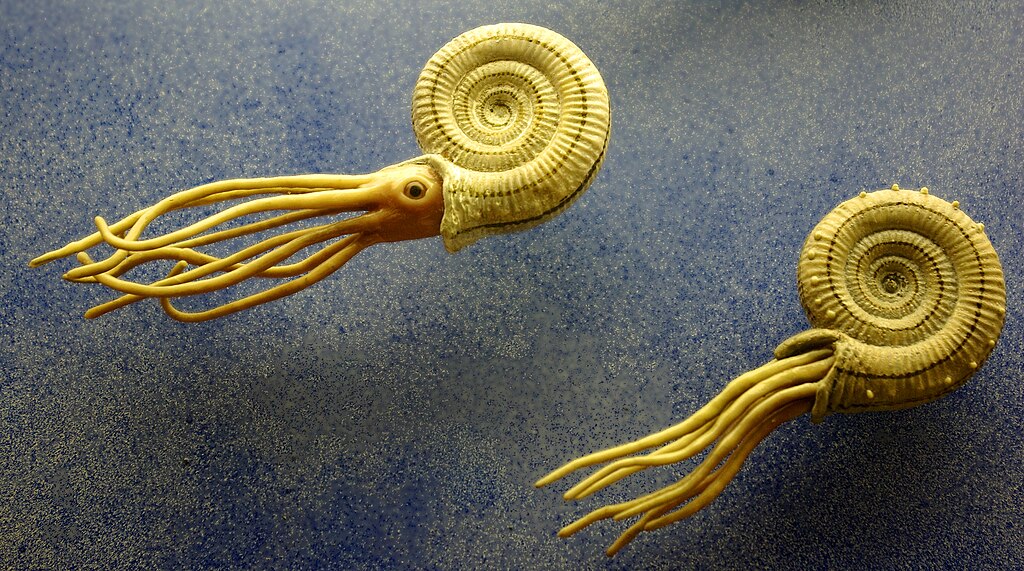
The quality of fossil preservation in underwater environments presents a fascinating paradox of exceptional advantages alongside significant challenges. On the positive side, deep ocean environments offer remarkable stability—constant cool temperatures, limited oxygen, and protection from weathering processes that typically degrade fossils on land. This can result in extraordinary preservation of certain features, including mineralized soft tissues that rarely survive in terrestrial contexts. Additionally, rapid burial in fine marine sediments can capture exquisite detail, as seen in some marine reptile fossils with preserved skin impressions. However, underwater environments also present preservation challenges, particularly in shallow, warm waters where biological activity and water movement can quickly disarticulate and scatter remains. The chemical composition of seawater can also be problematic, with some oceanic conditions accelerating bone dissolution rather than fossilization. Perhaps most significantly, marine organisms like boring mollusks, crustaceans, and bacteria can rapidly colonize and degrade bone material on the seafloor before fossilization can occur. The preservation quality ultimately depends on the specific local conditions where remains come to rest.
Legal and Ethical Considerations in Underwater Fossil Recovery

The recovery of underwater fossils exists at a complex intersection of national laws, international maritime agreements, and scientific ethics. In territorial waters, most nations extend their antiquities and natural heritage laws to underwater paleontological finds, requiring permits for exploration and excavation while prohibiting private collection. In international waters, the UNESCO Convention on the Protection of Underwater Cultural Heritage provides guidelines, though its application to paleontological remains (versus archaeological artifacts) remains somewhat ambiguous. Ethical considerations extend beyond legal frameworks, with the scientific community generally advocating that underwater fossils should be collected only by qualified researchers with proper documentation and preservation capabilities. The commercial market for fossils creates additional tensions, as underwater specimens often command premium prices, incentivizing unauthorized recovery efforts that may damage the scientific context. Indigenous rights present another important dimension, as some underwater fossil locations may hold cultural significance for coastal communities who maintain historical connections to these submerged landscapes. These complexities demand thoughtful navigation by researchers, policymakers, and conservation advocates working to protect underwater paleontological heritage.
Future Frontiers: Unexplored Ocean Basins

The future of underwater paleontology holds tremendous potential as vast regions of the ocean floor remain unexplored for fossil evidence. The continental shelves surrounding Antarctica represent one of the most promising frontiers, with areas that were once dinosaur-inhabited forests during the warmer Mesozoic era now lying beneath polar waters. The South China Sea and Indonesian archipelago contain numerous submerged landmasses that were exposed during periods of lower sea levels, potentially preserving fossils from regions with otherwise sparse dinosaur records. The Mediterranean Basin holds particular interest, as it has completely dried and reflooded multiple times throughout geological history, potentially preserving terrestrial dinosaur remains under layers of evaporite and marine sediments. Deep-water basins off the western coast of Africa might contain fossils from the early breakup of Gondwana, offering insights into dinosaur evolution during continental fragmentation. As underwater exploration technology becomes more sophisticated and accessible, these regions may yield fossil discoveries that significantly reshape our understanding of dinosaur distribution and evolution across ancient landscapes now hidden beneath the waves.
Connecting Ancient Land and Sea: The Bigger Picture

The study of underwater dinosaur fossils offers more than just new specimen discoveries—it provides critical context for understanding ancient ecosystems and Earth’s dynamic geological history. By examining dinosaur remains found in marine environments alongside those of truly marine creatures, paleontologists can reconstruct complete ecosystem interactions across the land-sea interface during the Mesozoic Era. These underwater discoveries help fill crucial gaps in the fossil record, particularly for coastal and riparian dinosaur species that are underrepresented in traditional terrestrial deposits. The distribution patterns of underwater dinosaur fossils also provide independent evidence for ancient shoreline configurations and sea level changes, complementing data from sedimentology and geophysics. Perhaps most significantly, underwater paleontology reminds us that our modern geography represents just a snapshot in Earth’s constantly changing face—lands where dinosaurs once roamed are now seafloor, while some modern mountains were once ocean basins. This integrated perspective connects dinosaur paleontology with oceanography, climate science, and plate tectonics, creating a more complete picture of our planet’s fascinating history and the creatures that inhabited its ever-changing landscapes.
Conclusion
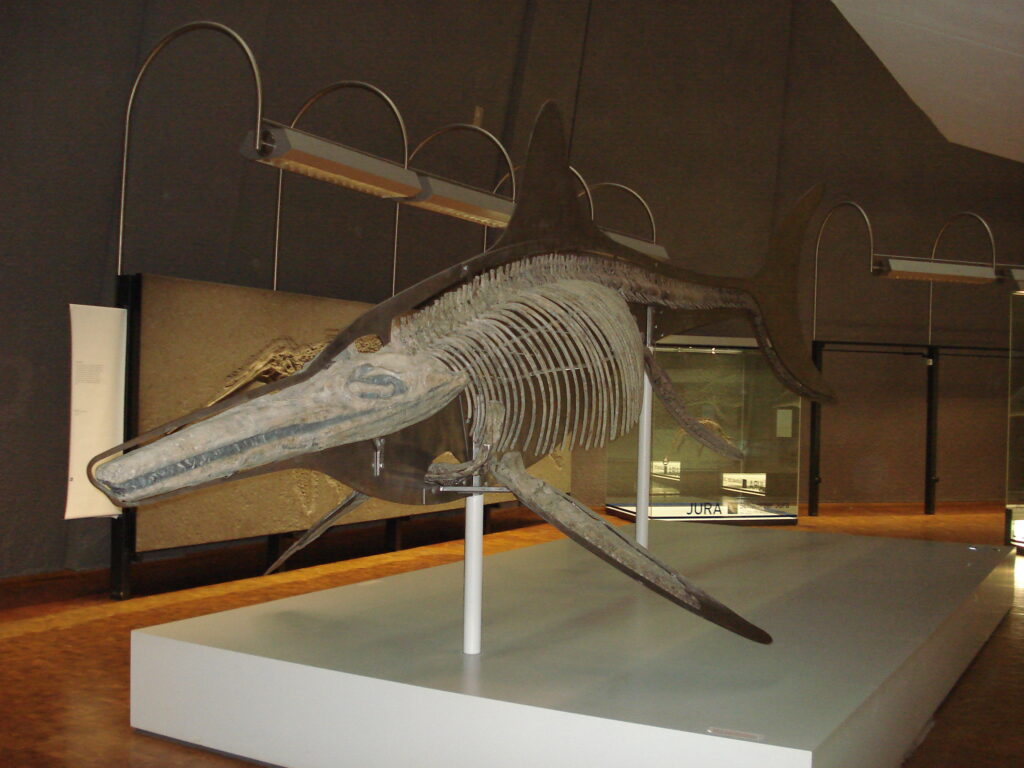
The quest for underwater dinosaur fossils continues to challenge our understanding of prehistoric life and expand the frontiers of paleontological research. While true dinosaurs were terrestrial creatures, their remains can indeed be found in marine environments through various transportation and geological processes. As technology advances and underwater exploration becomes more sophisticated, we can expect more discoveries that bridge the gap between land and sea in our understanding of Earth’s ancient past. These submerged fossils not only reveal new specimens but also help us understand the complex geological and environmental changes that have shaped our planet over millions of years, transforming once-thriving dinosaur habitats into the ocean depths we explore today.