You know what’s absolutely wild? When you think about dinosaurs, you probably picture massive creatures stomping around without a care in the world. Reality paints a totally different picture, though. These ancient giants didn’t just show up and dominate by accident. They conquered Earth for over 160 million years because they were astonishingly flexible, constantly adjusting to whatever the planet threw at them.
Dinosaurs survived for such an incredibly long stretch because they could adapt to new challenges that emerged. Think about that for a second. Climate shifts, geographic upheavals, fierce competition from other species. Through it all, they persisted and thrived. The secret wasn’t brute strength alone or massive size. Adaptability stood as a cornerstone of dinosaur success, with early herbivorous dinosaurs diversifying their diets to survive in fluctuating environments. Let’s dive into seven remarkable dinosaurs that absolutely mastered the art of survival through their ability to adapt.
Spinosaurus: The Aquatic Predator Who Conquered Two Worlds
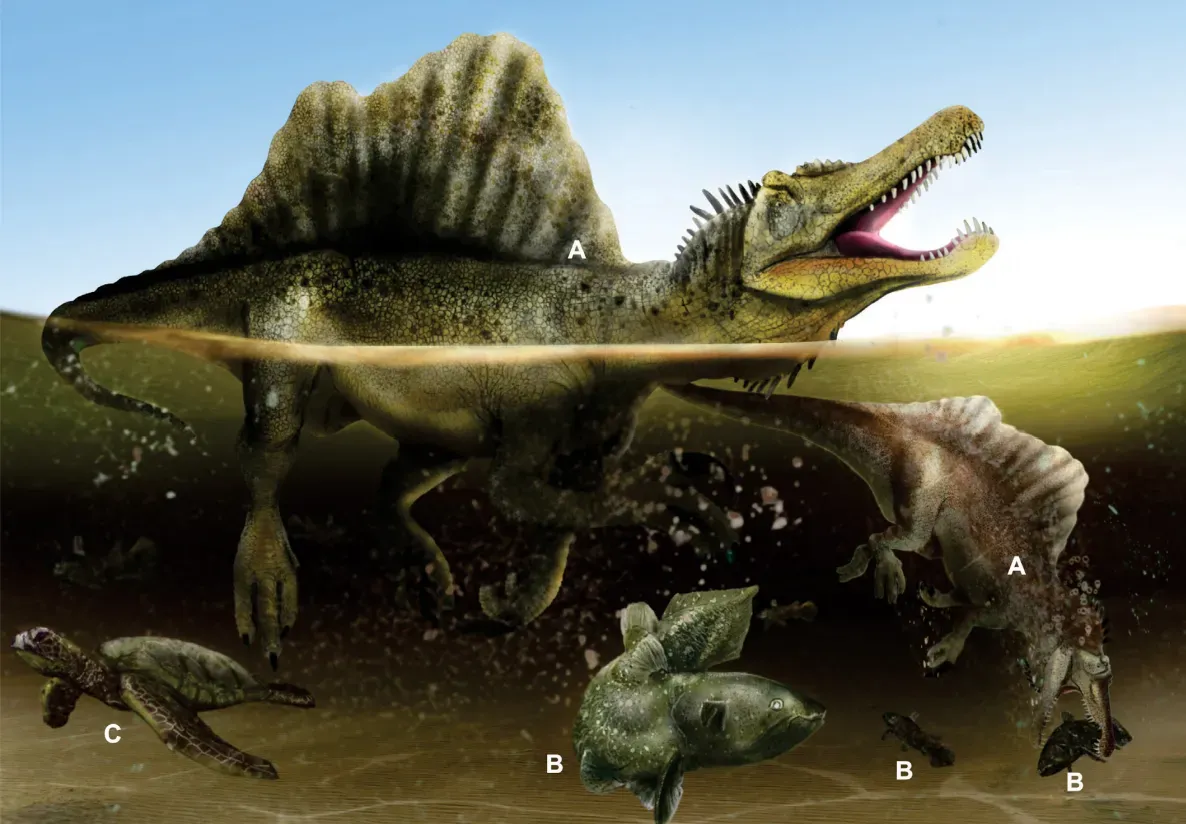
Spinosaurus was a massive carnivorous theropod dinosaur believed to have been a semi-aquatic predator, capable of hunting both on land and in the water, with its elongated crocodile-like snout and specialized spines along its back. Honestly, if you wanted to pick a dinosaur that screams adaptability, Spinosaurus would be near the top of the list. This thing basically lived a double life, functioning equally well in river systems and on dry ground.
Its powerful limbs and webbed feet allowed it to pursue prey in the water, while its robust frame and impressive size deterred potential predators. Imagine the evolutionary pressure required to develop webbed appendages for swimming while maintaining the muscle mass needed to hunt on land. That’s not just adaptation; that’s complete environmental mastery. Spinosaurus had a broad and flexible tail, likely used to produce thrust for swimming based on physical and modelling tests.
Theropods: Speed and Hollow Bones Became Their Winning Formula
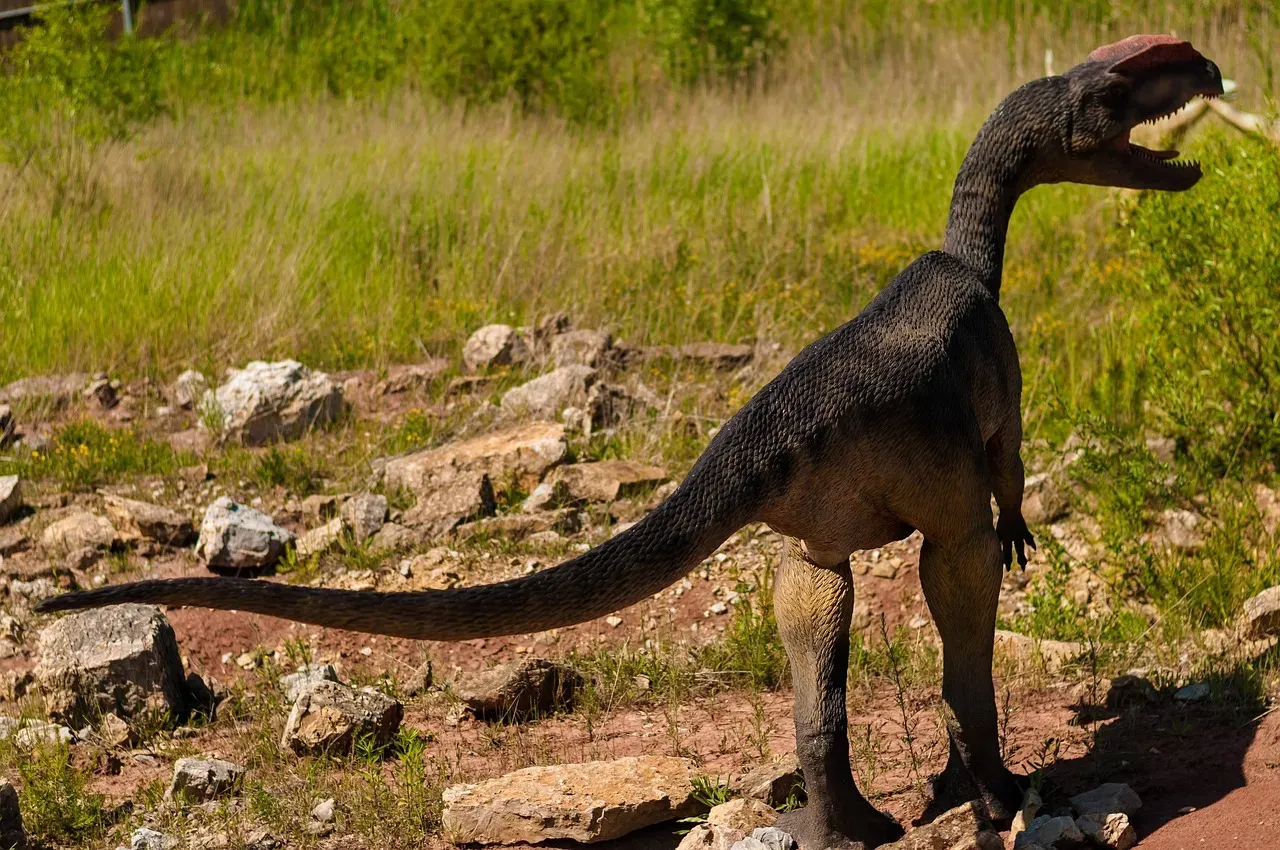
Here’s the thing about theropods that blows my mind. Hollow bones filled with little air sacs were so important to dinosaur survival that they evolved independently several times in different lineages, including theropods ranging from the crow-sized Microraptor to the huge Tyrannosaurus rex. This wasn’t some random quirk of nature. This adaptation fundamentally changed the game.
Hollow bones made theropods lightweight and presumably more agile, which helped in chasing down prey, with air sacs used throughout the body in respiration that allowed high levels of activity while releasing heat more efficiently. You’ve got massive predators moving with surprising speed because their skeletal systems evolved to be both strong and incredibly light. From the beginning, dinosaurs and their close relatives were bipedal and cursorial with limbs adapted for running, showing a much wider range of running styles than their competitors, maintaining a higher range of locomotory modes. Speed wasn’t everything, though. Versatility in movement gave them options other species simply didn’t have.
Sauropods: Giants Who Mastered Thermal Regulation Through Size
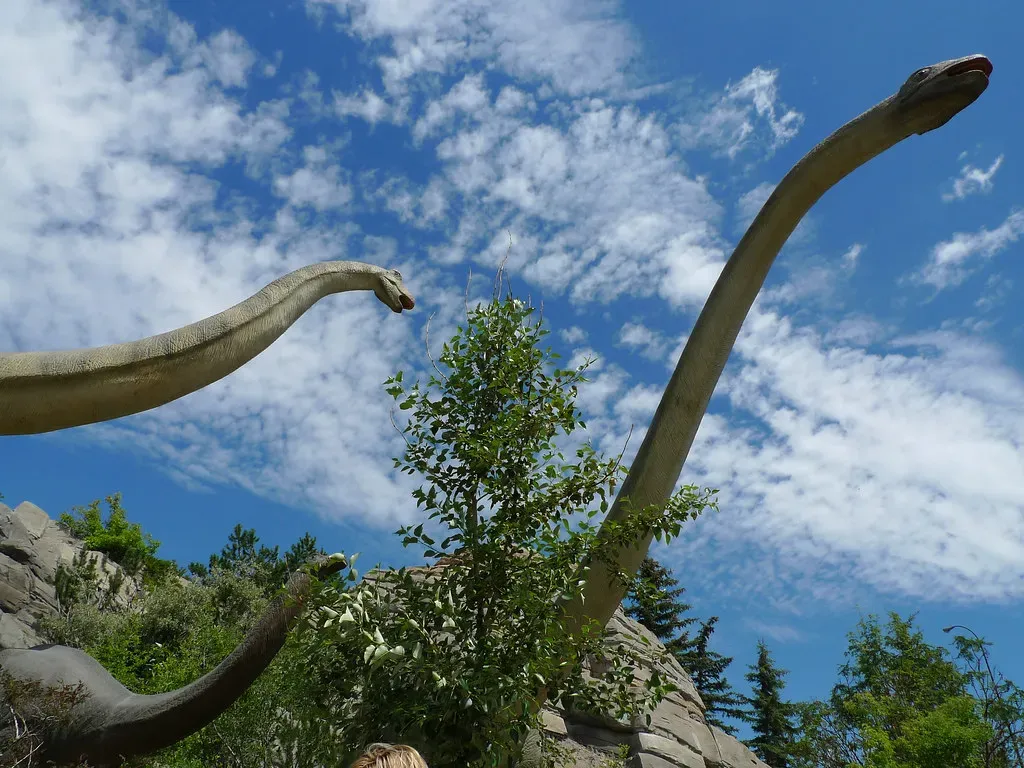
As the earth warmed during the Jurassic period, sauropods got larger due to a combination of high food availability, their efficient feeding strategies, and their high basal metabolic rate. Sauropods took a completely different approach to survival compared to their speedier cousins. Instead of running faster or hunting smarter, they simply grew bigger. Way bigger.
There’s no evidence to suggest they had protofeathers, which indicates they adapted to survive in warmer climates, with their long necks providing greater surface area to help regulate body temperature. These gentle giants, including the Brontosaurus and Diplodocus, stuck to warmer climates by growing to enormous sizes, which helped them retain heat due to their smaller surface area to volume ratio. Their necks weren’t just for reaching tall trees. They were sophisticated thermoregulation tools that helped these giants maintain stable body temperatures in fluctuating conditions.
Feathered Dinosaurs: Insulation Specialists of the Cold Frontier
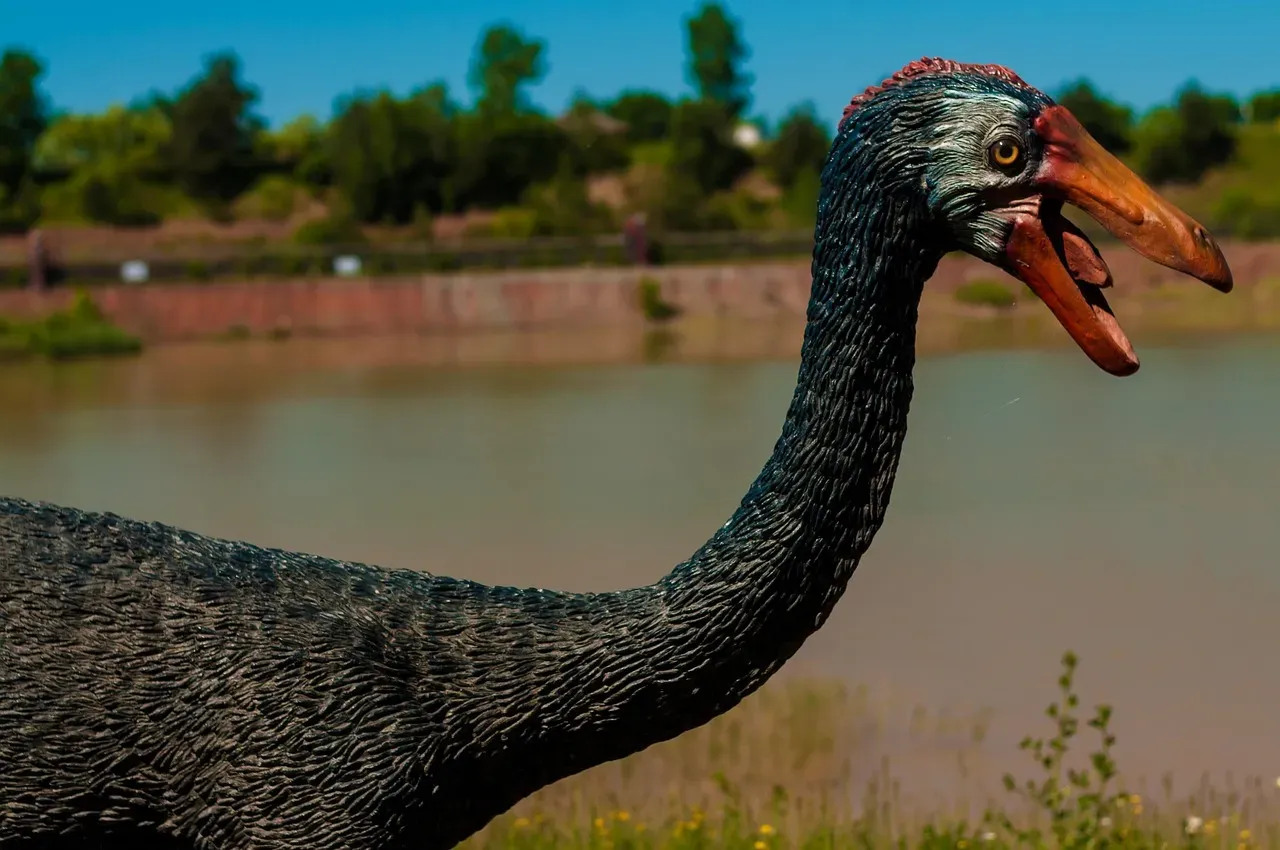
Let’s be real: the discovery that many dinosaurs had feathers completely changed how we view these creatures. Research shed light on the ability of dinosaurs to adapt to cold climates, with fossil evidence from northern regions like northwest China suggesting dinosaurs thrived in freezing conditions, with fuzzy feathers similar to insulation found in modern birds. This wasn’t about flight initially. This was pure survival innovation.
Dinosaurs were not originally adapted for warm, tropical environments as previously thought; rather, in the beginning they were primarily adapted for the cold, being insulated with feather-like structures called protofeathers. Volcanic eruptions at the end of the Triassic period resulted in cold and dark conditions known as volcanic winters, and dinosaurs showcased their resilience and adaptability by withstanding these harsh conditions. While other creatures struggled and disappeared, feathered dinosaurs expanded their range into territories that were completely off-limits to their competitors.
Pack-Hunting Raptors: Social Cooperation as an Adaptive Strategy
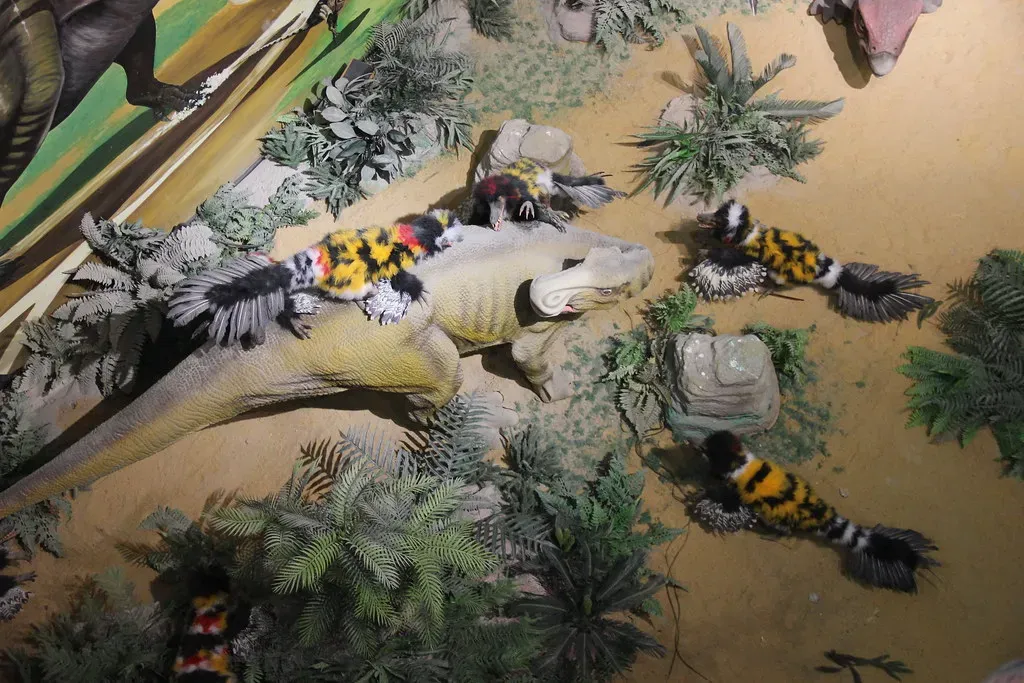
The strategy of pack hunting, as observed in Deinonychus, significantly increased their hunting success, with this cooperative behavior employing tactics and strength in numbers ensuring better survival rates in competitive ecosystems. Raptors figured out something crucial that goes beyond physical adaptation. Working together amplified their effectiveness exponentially.
Individual raptors weren’t particularly large compared to many predators. Yet by developing sophisticated social structures and coordinated hunting techniques, they could take down prey many times their size. The dromaeosaurs, colloquially known as raptors, are most identified by their second toe sickle claw, which was held above the ground. That specialized weapon combined with pack tactics created one of the most efficient predatory systems in the Mesozoic. Behavioral flexibility allowed them to shift strategies based on what the environment demanded at any given moment.
Herbivorous Ornithischians: Dietary Diversity Kept Them Thriving
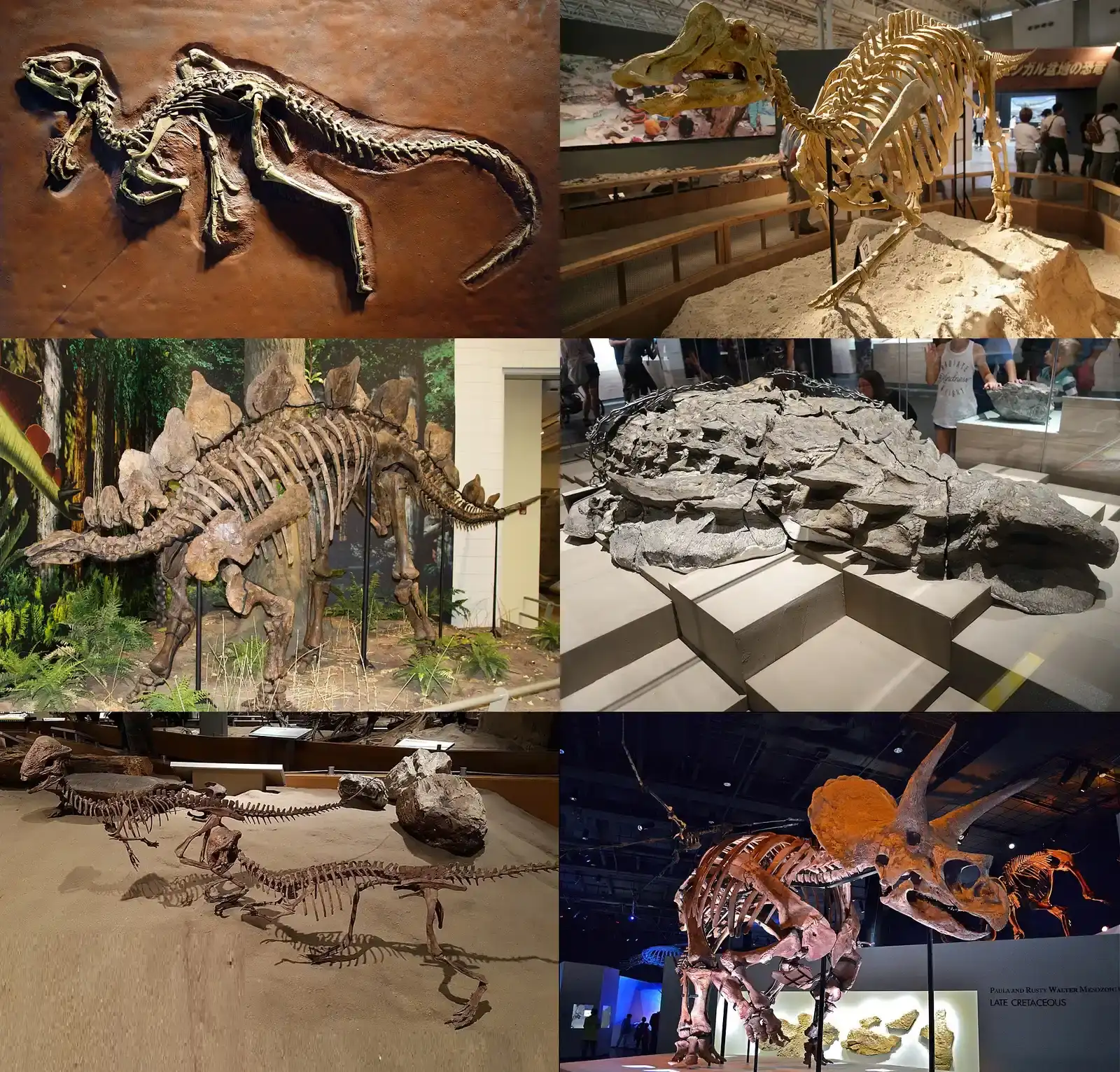
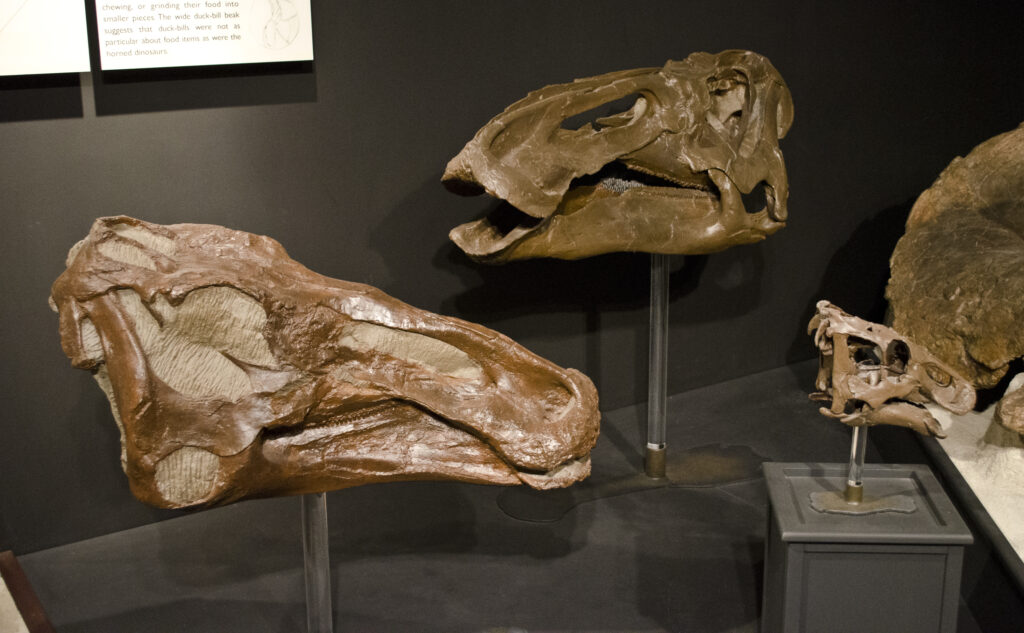
Dinosaurs had a diverse range of feeding adaptations reflecting their varied diets, with herbivorous dinosaurs developing adaptations like beaks, specialized teeth, and complex jaw mechanisms for processing plant material. Ornithischians deserve way more credit than they typically get. These plant-eaters weren’t just passive grazers waiting to become someone’s lunch.
Their ability to process different types of vegetation gave them incredible environmental flexibility. Ornithischians were evolving various means of dealing with food in the mouth, including potential cheek-like organs to keep food in the mouth and jaw motions to grind food. When plant life changed due to climate shifts, ornithischians could adjust their diets accordingly. Some developed specialized dental batteries for grinding tough foliage. Others evolved beak-like structures for precision cropping of specific plants. This dietary versatility meant they could occupy ecological niches across vastly different environments.
Theropods and Ornithischians: The Warm-Blooded Revolution
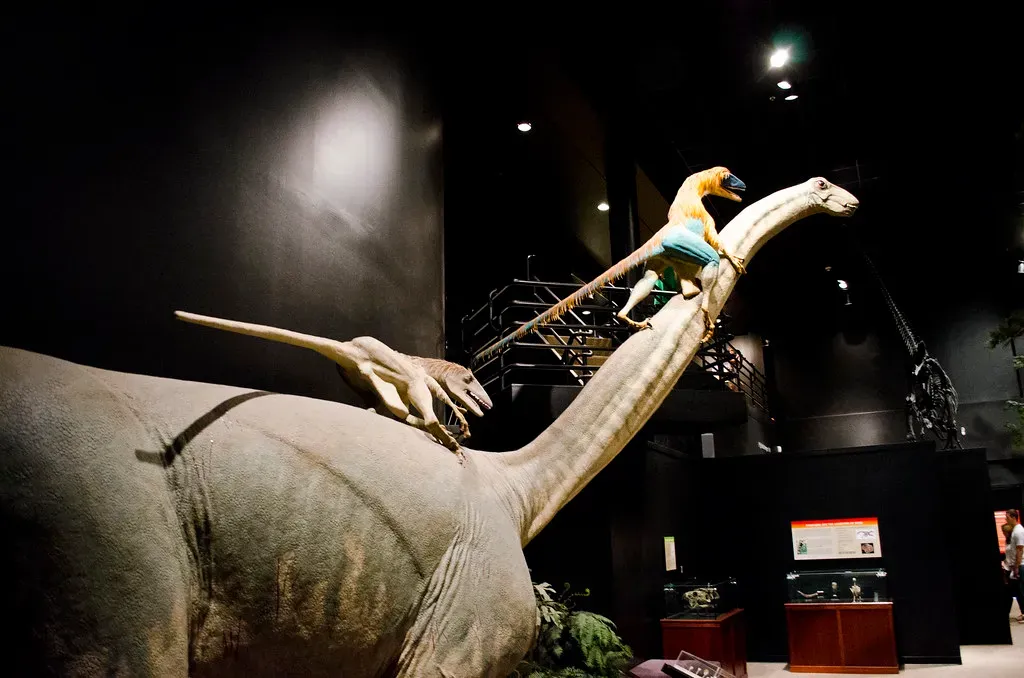
Perhaps the most profound adaptation involved something you couldn’t even see from the outside. An environmental crisis may have been the catalyst for endothermy, the ability to internally generate heat, which allowed certain dinosaurs to thrive in changing climates and maintain high activity levels in colder environments. This wasn’t just a minor tweak. This was a complete physiological overhaul.
The evolution of endothermy occurred in theropods and ornithischians during the Early Jurassic period, potentially triggered by environmental pressures, giving them a significant edge over their cold-blooded counterparts. Cold-blooded animals depend entirely on external temperatures to function. Warm-blooded creatures generate their own heat, which means they can stay active regardless of conditions. Evidence shows that their greater adaptability in walking and running played a key part, with surviving dinosaurs expanding their range of locomotion again after the end-Triassic mass extinction, taking over many empty niches. That adaptive advantage opened up entire continents and climate zones that would have otherwise remained inaccessible.
Conclusion: The Timeless Lesson of Flexibility
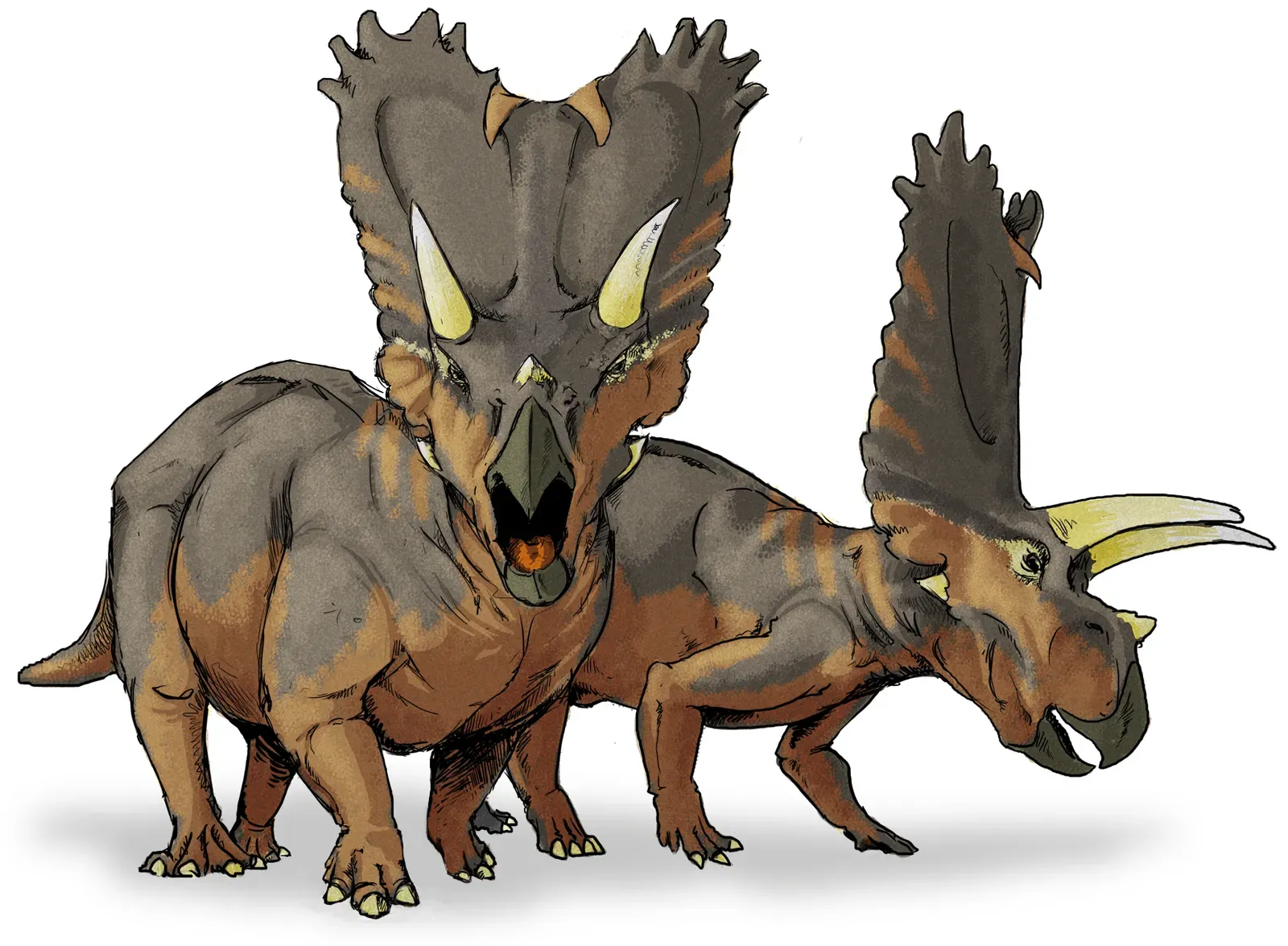
Dinosaurs demonstrate that adaptability is a life-saving quality, with their many adaptive changes allowing them to endure diverse unfavorable circumstances. Here’s what strikes me most about these seven examples. None of these dinosaurs succeeded through a single advantage. They combined multiple adaptive strategies, constantly refining their approach to survival.
After the end-Triassic mass extinction, we get truly huge dinosaurs over ten meters long, some with armor, many quadrupedal, but many still bipedal like their ancestors, with the diversity of their posture and gait meaning they were immensely adaptable. The dinosaurs that thrived weren’t necessarily the strongest or the biggest. They were the ones that could pivot when circumstances demanded it. They read their environment and responded with creativity that’s honestly inspiring.
What do you think about these ancient masters of adaptation? Did any of these survival strategies surprise you? Share your thoughts in the comments below.