Ever wonder what life was like on this continent before European ships appeared on the horizon? The story you’re about to discover challenges everything you thought you knew. Picture societies thriving for thousands of years, building cities that rivaled London and Paris, developing agricultural innovations that still feed the world today, and creating trade networks spanning entire continents.
The ancient tribes of the Americas weren’t simply wandering groups waiting for history to find them. They were architects, astronomers, engineers, and farmers whose accomplishments would make modern engineers scratch their heads in amazement. So let’s dive in and uncover truths that textbooks rarely emphasize.
They Arrived Way Earlier Than You Think
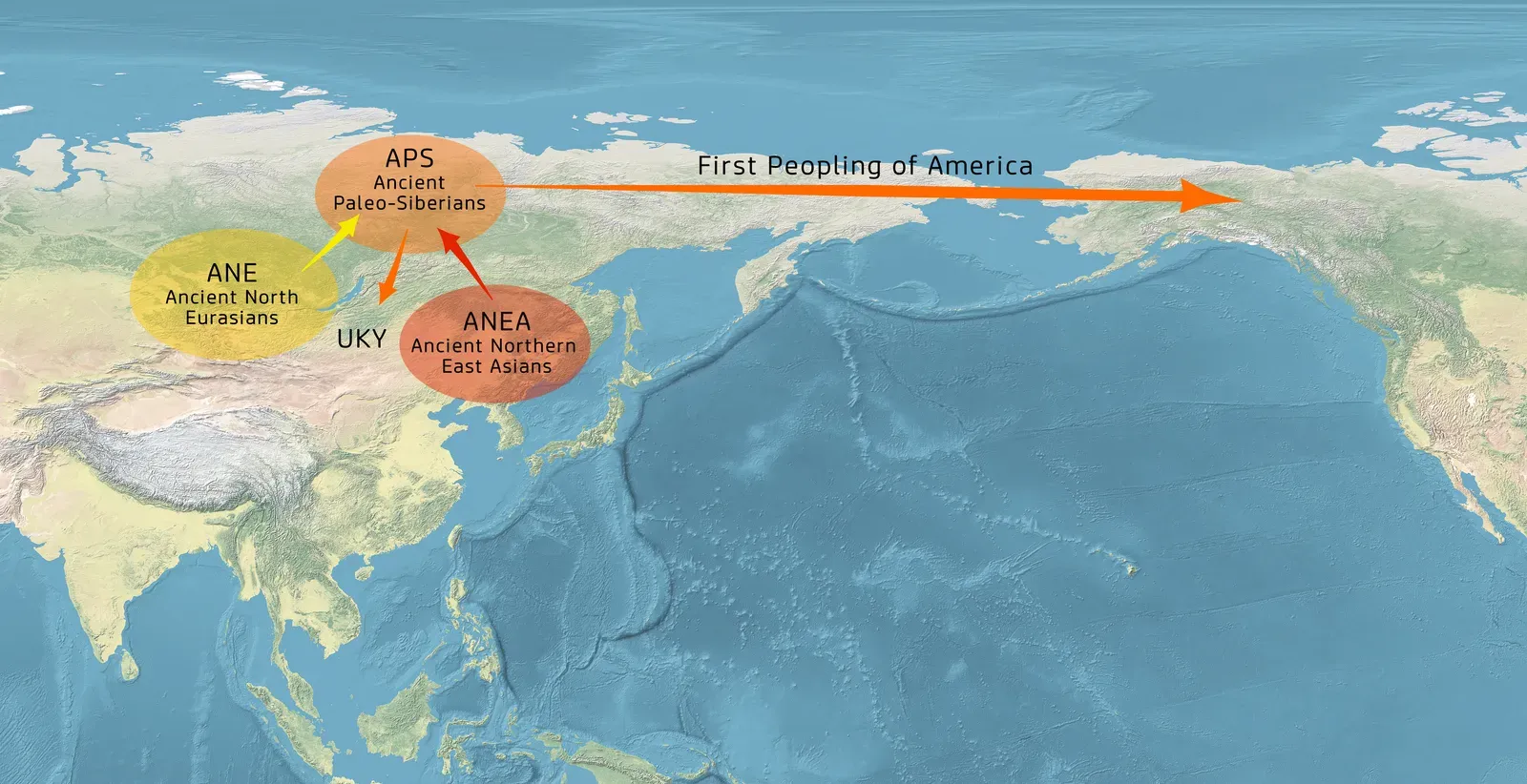
For years, you might have heard that people arrived in the Americas around thirteen thousand years ago, but new evidence suggests humans were already here between fifteen and twenty-six thousand years ago. That’s right. While ice sheets still covered massive portions of the continent, ancient peoples had already begun making their home here.
At Cooper’s Ferry in Idaho, archaeologists discovered stemmed projectile points dating to nearly sixteen thousand years ago, tools that look completely different from the famous Clovis points that once dominated the textbooks. Honestly, it’s wild how each new dig site keeps pushing back our timeline. Some researchers even believe Pennsylvania’s Meadowcroft Rockshelter might have a history stretching back at least sixteen thousand years.
Ancient Cities Rivaled European Capitals
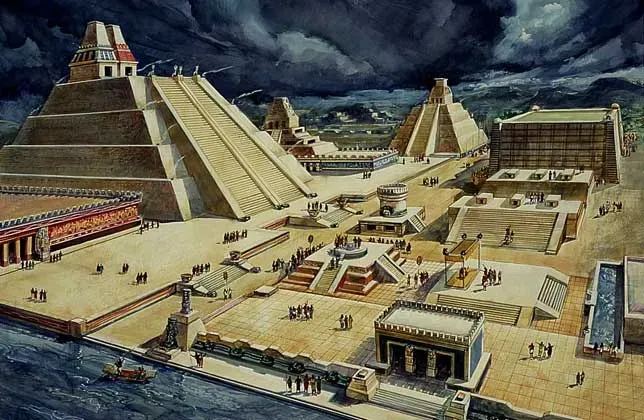
Let’s be real here. When you think of massive urban centers in the 1500s, your mind probably jumps to London or Paris.
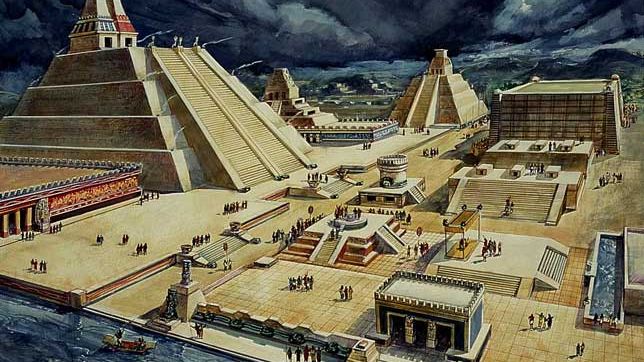
The Aztec capital Tenochtitlan had an estimated population of two hundred thousand people, matching Paris in size while London, Madrid, and Rome barely exceeded fifty thousand inhabitants. The engineering alone was mind-boggling. Earlier still, Cahokia in what’s now Illinois featured complex mounds and a population exceeding twenty thousand by 1250 CE. That’s a fully functioning city with sophisticated social structures while much of Europe was still figuring out basic sanitation.
They Hunted Animals You Can’t Even Imagine
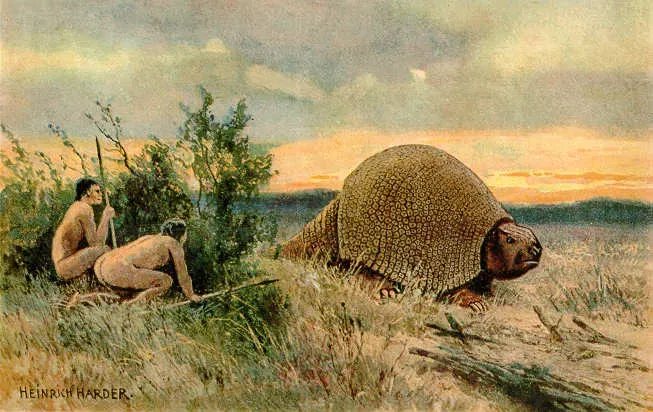
Picture this: massive beasts roaming across North America, creatures so enormous they seem straight out of fantasy novels.
The earliest inhabitants shared their landscape with Pleistocene megafauna including mammoths, mastodons, giant bison, giant ground sloths, sabre-toothed cats, and short-faced bears. These weren’t just animals to admire from a distance. At sites near Folsom, New Mexico and Clovis, New Mexico, archaeologists discovered ancient spear points embedded in the skeletons of extinct giant bison and mammoths, providing the first solid evidence that ancient Americans hunted these massive creatures. Try to wrap your head around the courage it took to face down a mammoth with nothing but stone-tipped spears.
Agriculture Started Here, Not Just The Old World
You’ve probably heard that farming began in Mesopotamia or Egypt, right? Well, the Americas tell a different story entirely.
Early inhabitants of the Americas independently developed agriculture, breeding wild teosinte into the modern corn we know today. Indigenous Americans domesticated an incredible variety of plants and animals, including corn, beans, squash, potatoes and other tubers, turkeys, llamas, and alpacas. Think about your last meal. Chances are pretty good that something on your plate originated from innovations made by ancient American tribes thousands of years ago. These weren’t accidental discoveries either but deliberate cultivation spanning generations.
Over One Thousand Languages Flourished
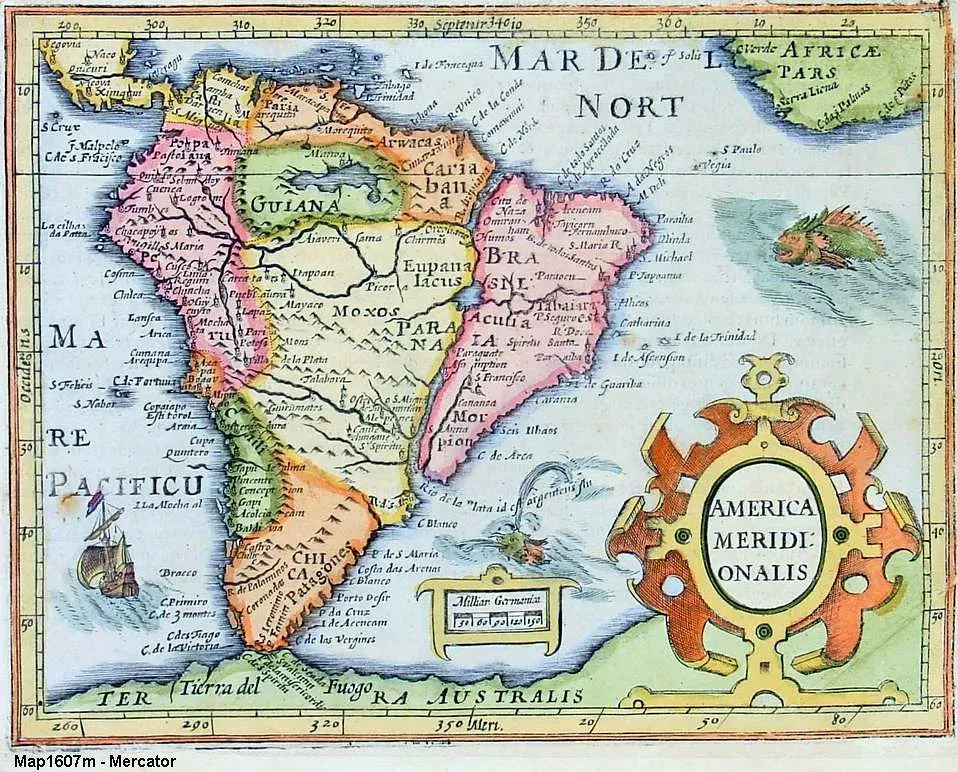
Imagine walking across the continent and encountering a completely new language every few hundred miles.
There are at least one thousand different Indigenous languages of the Americas, with some languages like Quechua, Arawak, Aymara, Guaraní, Nahuatl, and some Mayan languages having millions of speakers and even being recognized as official languages by governments. In California alone, it’s estimated that one hundred different tribes and groups spoke more than two hundred dialects before European contact. The linguistic diversity was staggering, reflecting thousands of years of separate cultural development and adaptation to wildly different environments.
Horses Returned After Seven Thousand Years
Here’s something that sounds crazy, but it’s absolutely true.
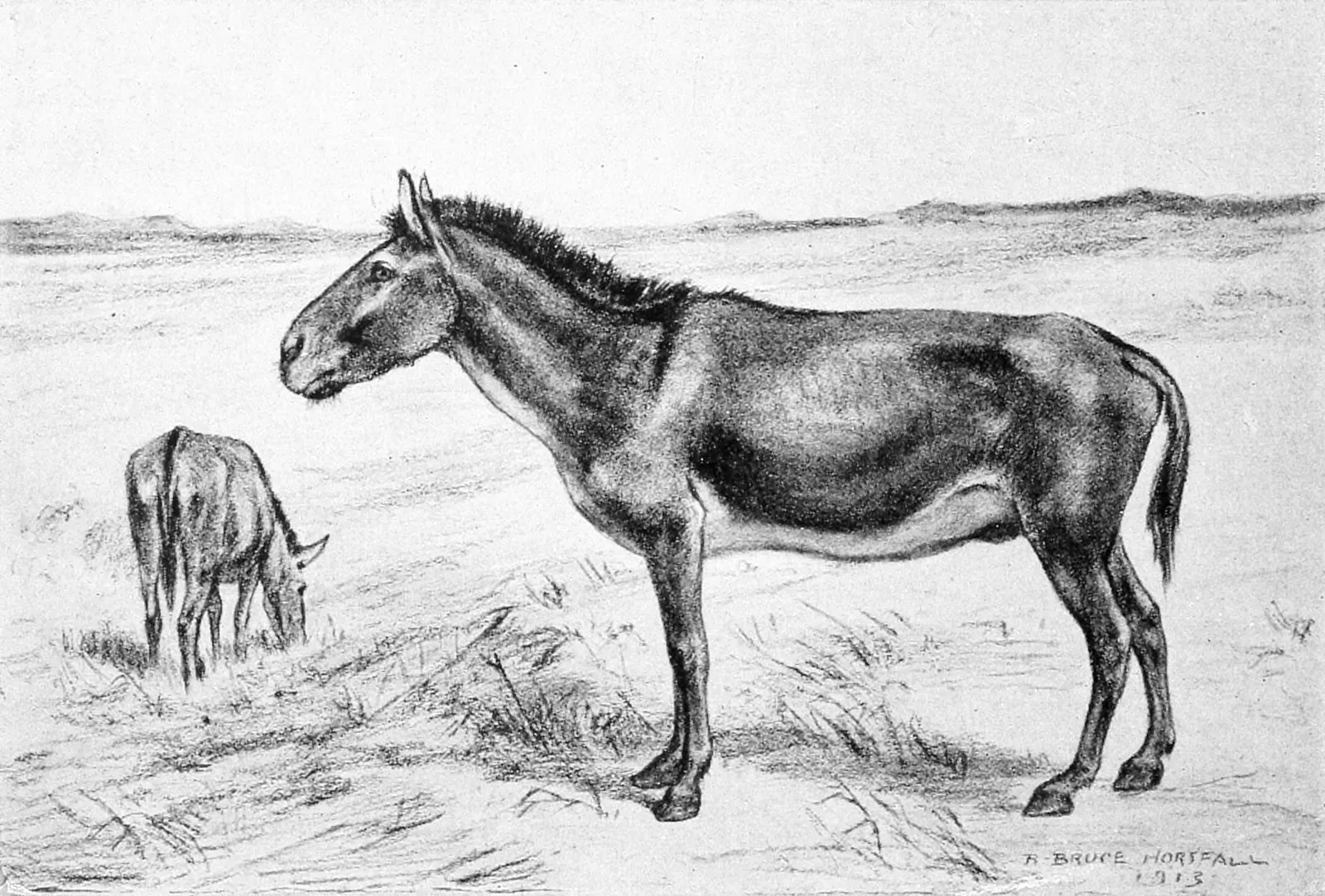
Horses had been extinct in the Americas for over seven thousand five hundred years before Europeans reintroduced them to the continent. After Spanish explorers brought horses back, these swift, strong animals quickly became prized among the buffalo-hunting Plains Indians. By domesticating horses, some tribes experienced great success as horses enabled them to expand their territories, exchange more goods with neighboring tribes, and more easily capture game like bison. It transformed entire ways of life in just a few generations.
They Built Earthworks That Still Baffle Engineers
Some of the most impressive structures left behind weren’t made of stone but earth itself.
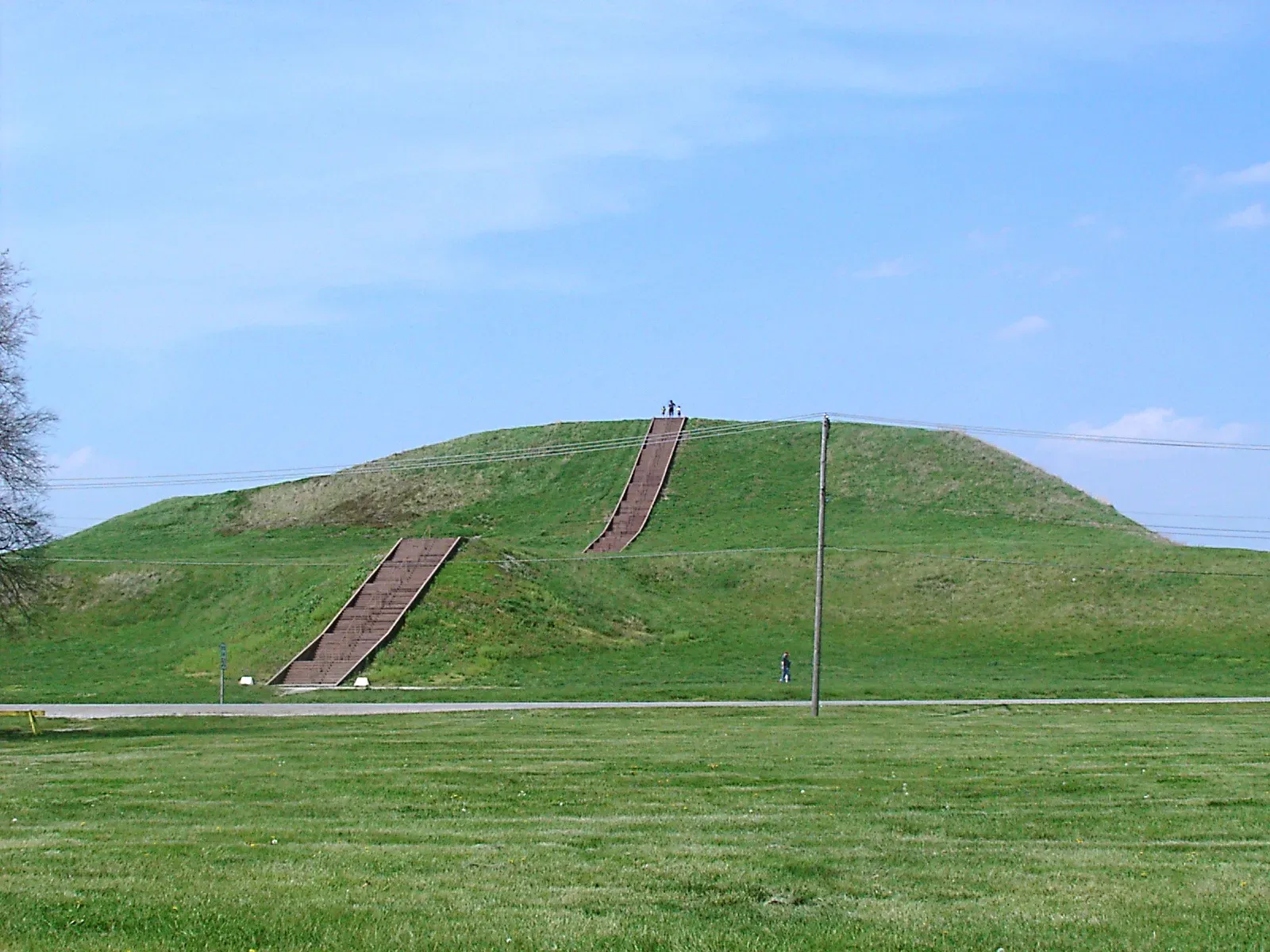
Monks Mound at Cahokia State Historic Site in Illinois is the largest man-made earthen structure in North America, covering some fifteen acres and rising approximately one hundred feet high. About thirty-five hundred years ago, while most North Americans remained nomadic, one group developed a planned community at Poverty Point spanning more than nine hundred acres to accommodate four thousand to five thousand inhabitants, including one of the oldest pyramids ever built on Earth. These weren’t random piles of dirt. They required precise planning, incredible labor coordination, and engineering knowledge that still impresses modern architects.
Trade Networks Spanned Thousands of Miles
Long before highways and railroads, ancient tribes created elaborate trade routes connecting distant regions.
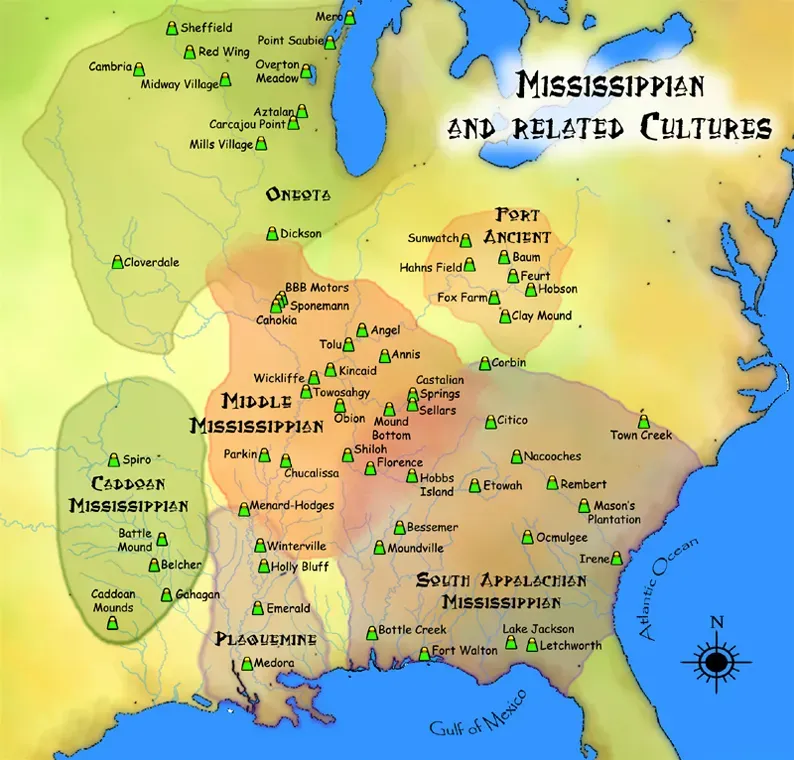
By 1000 BCE, Native societies in the Woodland period developed advanced social structures and trade networks, with the Hopewell tradition connecting the Eastern Woodlands to the Great Lakes and the Gulf of Mexico. Shark teeth found along the New Jersey and Delaware coasts have been discovered in Midwest burial sites, though during the Middle Woodland period this long-distance trade operation changed. Obsidian from distant quarries, shells from coastal areas, and copper from the Great Lakes region traveled hundreds or even thousands of miles through these sophisticated exchange networks.
Disease Devastated Nearly Ninety Percent of the Population
This is perhaps the most heartbreaking fact of all, yet it’s crucial to understanding American history.
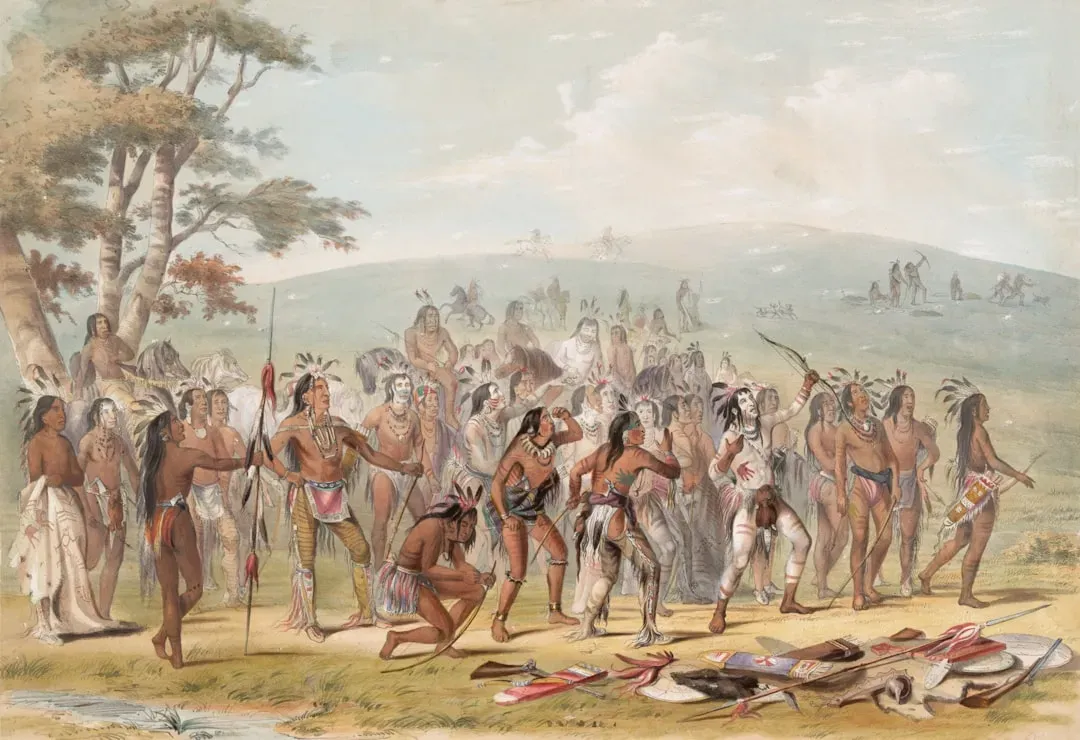
An estimated ninety percent of the American Indian population died from epidemics brought by European contact. The Taínos, numbering two hundred fifty thousand when Columbus first arrived, saw roughly seventy percent of their population die within thirty years due to lack of immunity to European diseases like measles and smallpox. Entire civilizations, languages, and cultural traditions vanished within a single generation. The scale of this tragedy cannot be overstated and fundamentally reshaped the demographic landscape of the entire hemisphere.
The Legacy Lives On
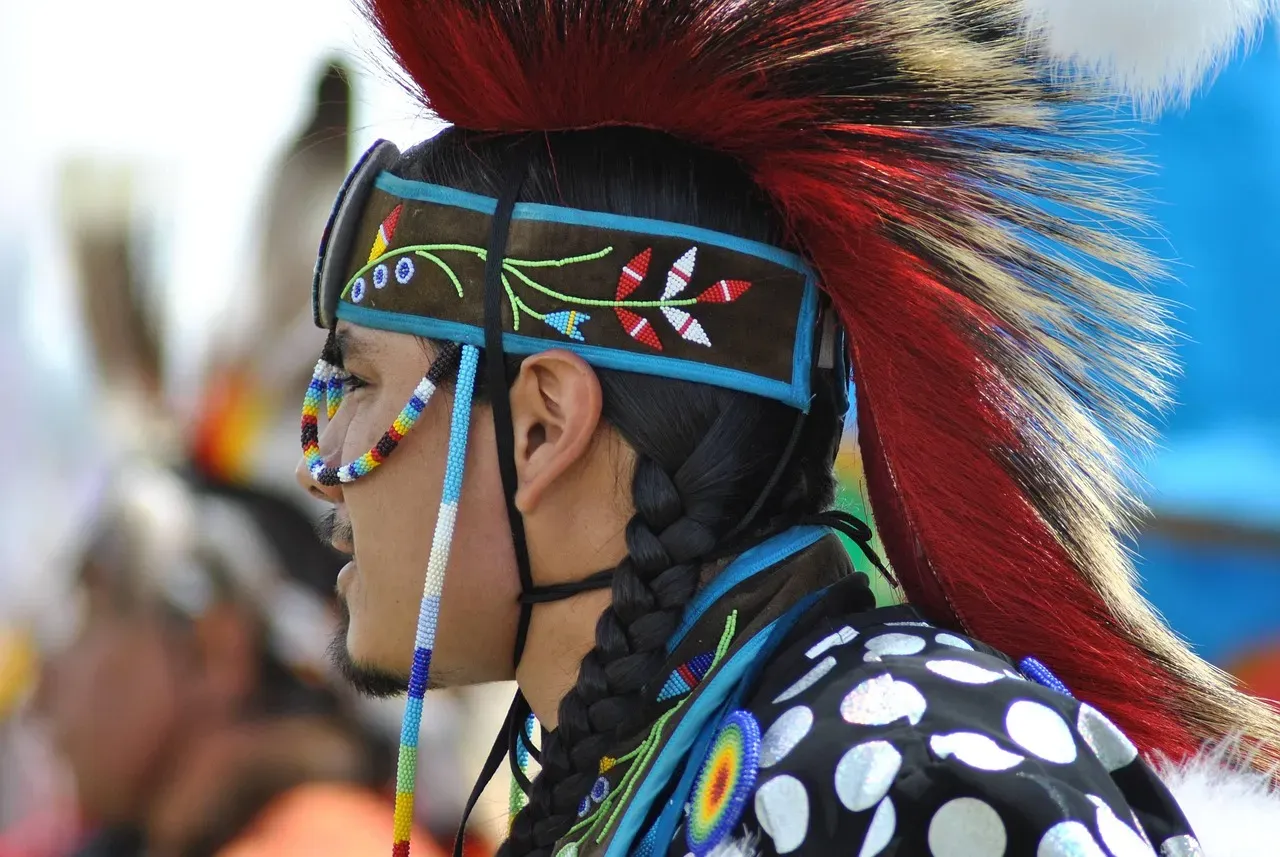
These ancient tribes weren’t just relics of the distant past. Their innovations, knowledge, and descendants continue shaping modern America in countless ways. From the crops feeding billions worldwide to land management techniques being rediscovered by modern ecologists, their influence remains undeniable.
The sophistication of these societies challenges outdated narratives of an empty wilderness waiting to be discovered. They built thriving civilizations adapted perfectly to their environments, developed technologies suited to their needs, and created cultural traditions that endured for millennia. Understanding this rich, complex history helps you appreciate the true depth of human achievement in the Americas.
What surprised you most about these ancient civilizations? Did anything challenge what you learned in school? The story of America’s first peoples deserves to be told with the respect and accuracy it demands, recognizing not just their struggles but their remarkable accomplishments that continue echoing through time.