Somewhere beneath our feet, in layers of rock millions of years old, giants are still waiting to be found. The story of dinosaur discovery is not just about bones. It is about shock, wonder, and the kind of awe you feel when you realize the Earth once belonged to creatures so massive they make modern animals look like toys. Every major find redefines what we thought we knew.
You might think the age of discovery is behind us. It is not. There has never been a better time for dinosaur science. A new species is named just about every two weeks, with each year bringing dozens of new analyses on how these ancient creatures moved, ate, and lived. So buckle up, because what follows is a tour through the seven most staggering .
1. Patagotitan Mayorum: The Heavyweight Champion of All Time
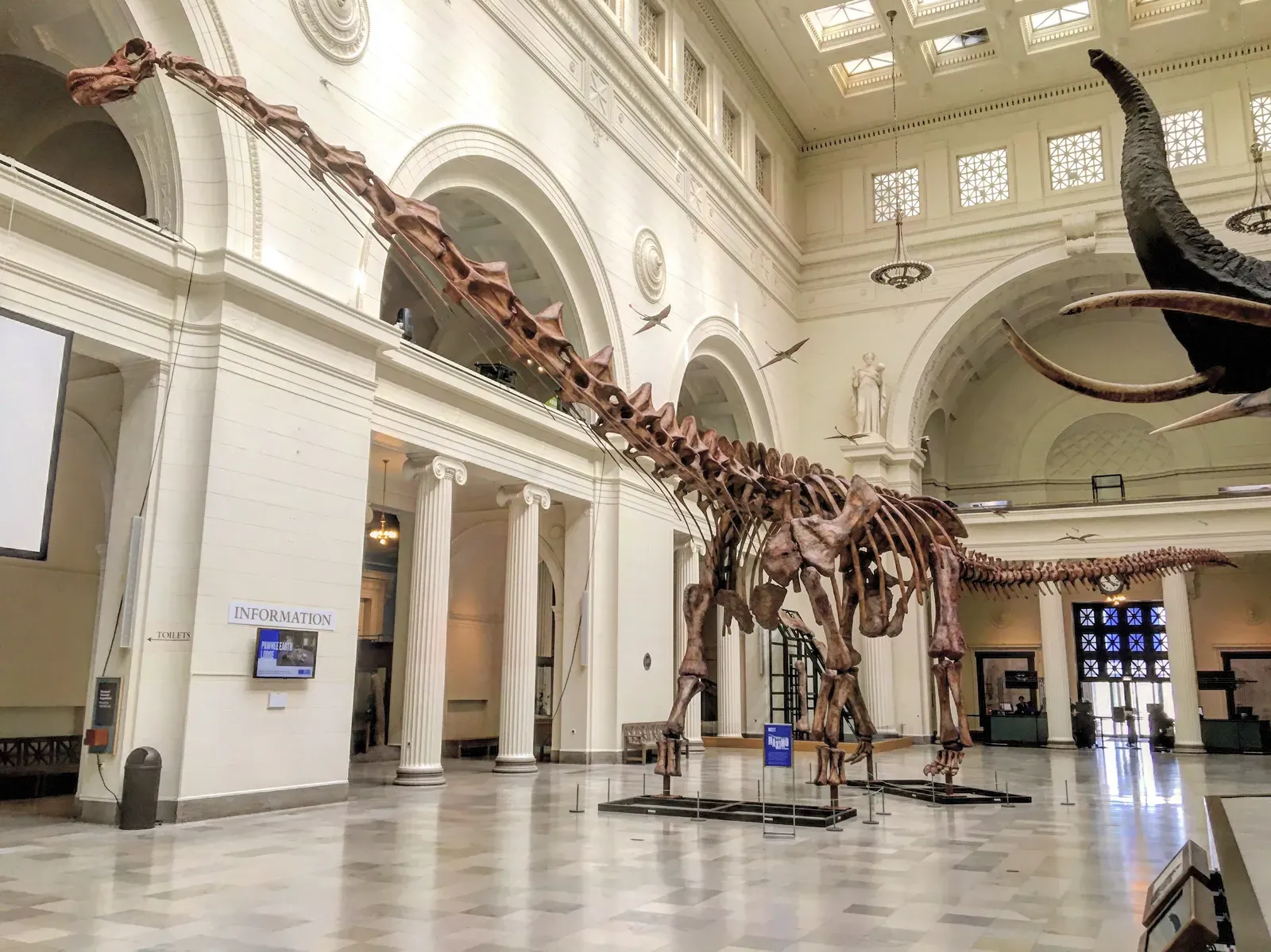
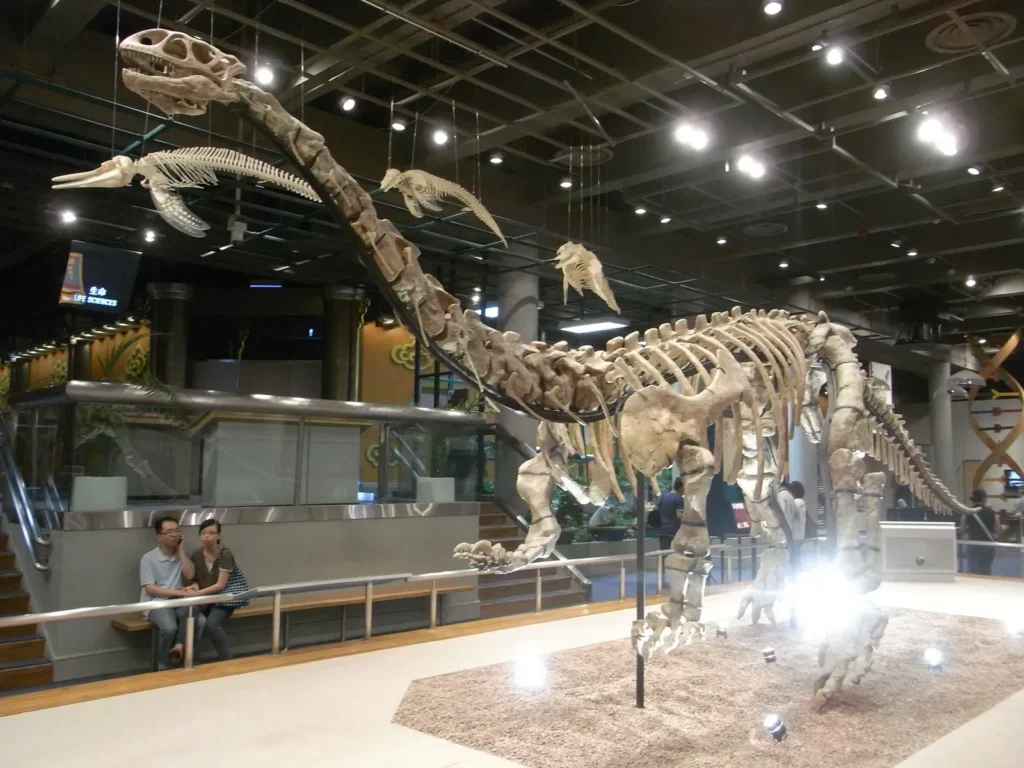
Here is a fact that will stop you in your tracks: imagine an animal so large that a single one of its leg bones stands taller than most grown adults. That is not a myth. That is Patagotitan mayorum. Weighing the equivalent of ten African elephants, this seventy-ton Titanosaur is believed to be the largest dinosaur ever to live, and its discovery began in 2012 when a worker managing sheep at La Flecha ranch in Patagonia stumbled across fossilized bones. The ranch’s owner suspected they were dinosaur bones and contacted paleontologists.
Researchers then spent one and a half years excavating the area, ultimately collecting more than two hundred fossilized bones, including a femur and significant sections of a spine. The fossils came from at least six individual dinosaurs, all belonging to a new genus of sauropod. As well as being a record weight, Patagotitan is also potentially the longest dinosaur ever to have lived, thought to have stood around eight metres tall, with one of its leg bones alone measuring over two metres long. That is taller than most people on Earth, from just one bone.
2. Argentinosaurus: The Titan That Rewrote the Record Books
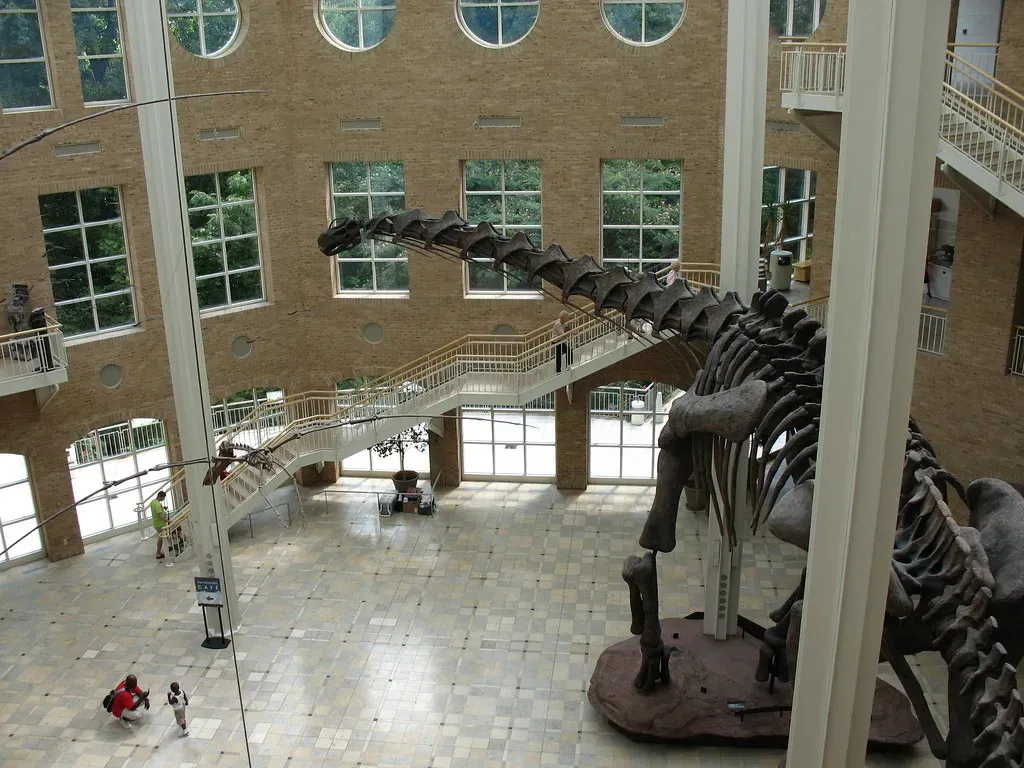
Let’s be real, the story of Argentinosaurus begins in the most wonderfully humble way possible. The very first Argentinosaurus bone was discovered in 1987 by a farmer named Guillermo Heredia on his farm near Plaza Huincul in Neuquén Province, Argentina. Heredia, initially believing he had discovered petrified logs, informed the local museum, whose staff members excavated the bone and stored it in their exhibition room. A farmer thought he found a log. He had actually found one of the greatest land animals in the history of life.
In early 1989, Argentine palaeontologist José F. Bonaparte initiated a larger excavation of the site involving palaeontologists of the Museo Argentino de Ciencias Naturales, yielding additional elements from the same individual. Although known only from fragmentary remains, Argentinosaurus is considered one of the largest known land animals of all time, perhaps the largest, measuring thirty to thirty-five metres long and weighing sixty-five to eighty tonnes. Scientists still debate its exact dimensions, which honestly makes it even more mysterious and exciting.
3. SUE the T. Rex: The Most Famous Fossil in the World
Uploaded by FunkMonk, CC BY-SA 2.0)
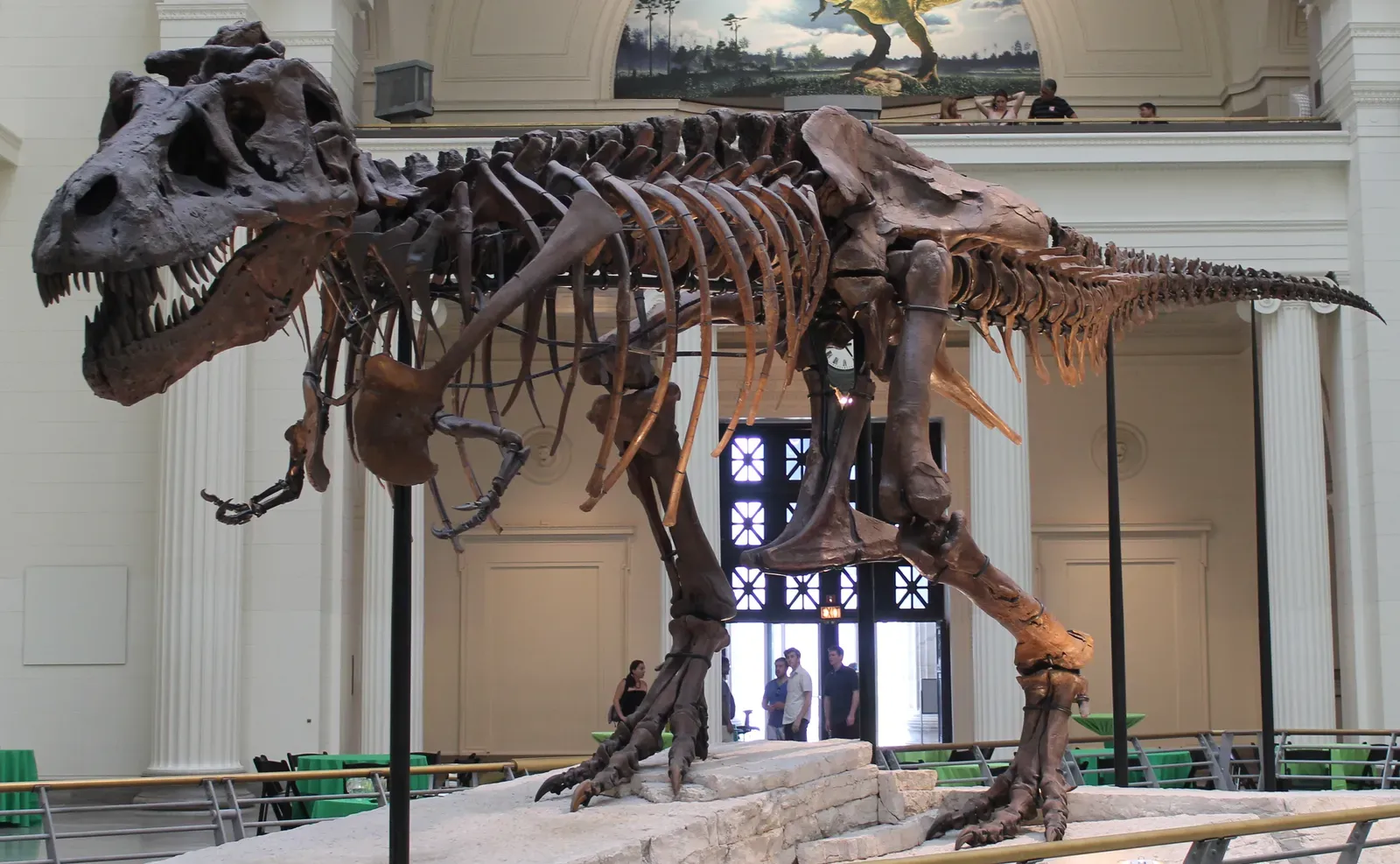
You have probably heard the name. SUE is not just a dinosaur fossil. SUE is a cultural phenomenon. On August 12, 1990, fossil hunter Sue Hendrickson set out across the scorching plains of western South Dakota while her team worked on fixing a flat tire. After hours of hiking in foggy conditions with her golden retriever, she reached a tall bluff and scanned the ground. Then she glanced up, and eight feet above her, three massive bones jutted from the rock face. A flat tire and a dog walk changed paleontology forever.
At more than forty feet long and thirteen feet tall at the hip, SUE is physically the largest Tyrannosaurus rex specimen discovered out of more than thirty T. rex skeletons ever found. SUE is also the most complete, at around ninety percent. Scientists recovered two hundred and fifty of the approximately three hundred and eighty known bones in a T. rex skeleton. After years of legal disputes, the fossil was auctioned at Sotheby’s in New York City in October 1997 and in only nine minutes it fetched a record-breaking eight point three six million dollars, the highest price ever paid for a fossil at the time.
4. Borealopelta: The Armored Dinosaur That Looked Like It Was Sleeping
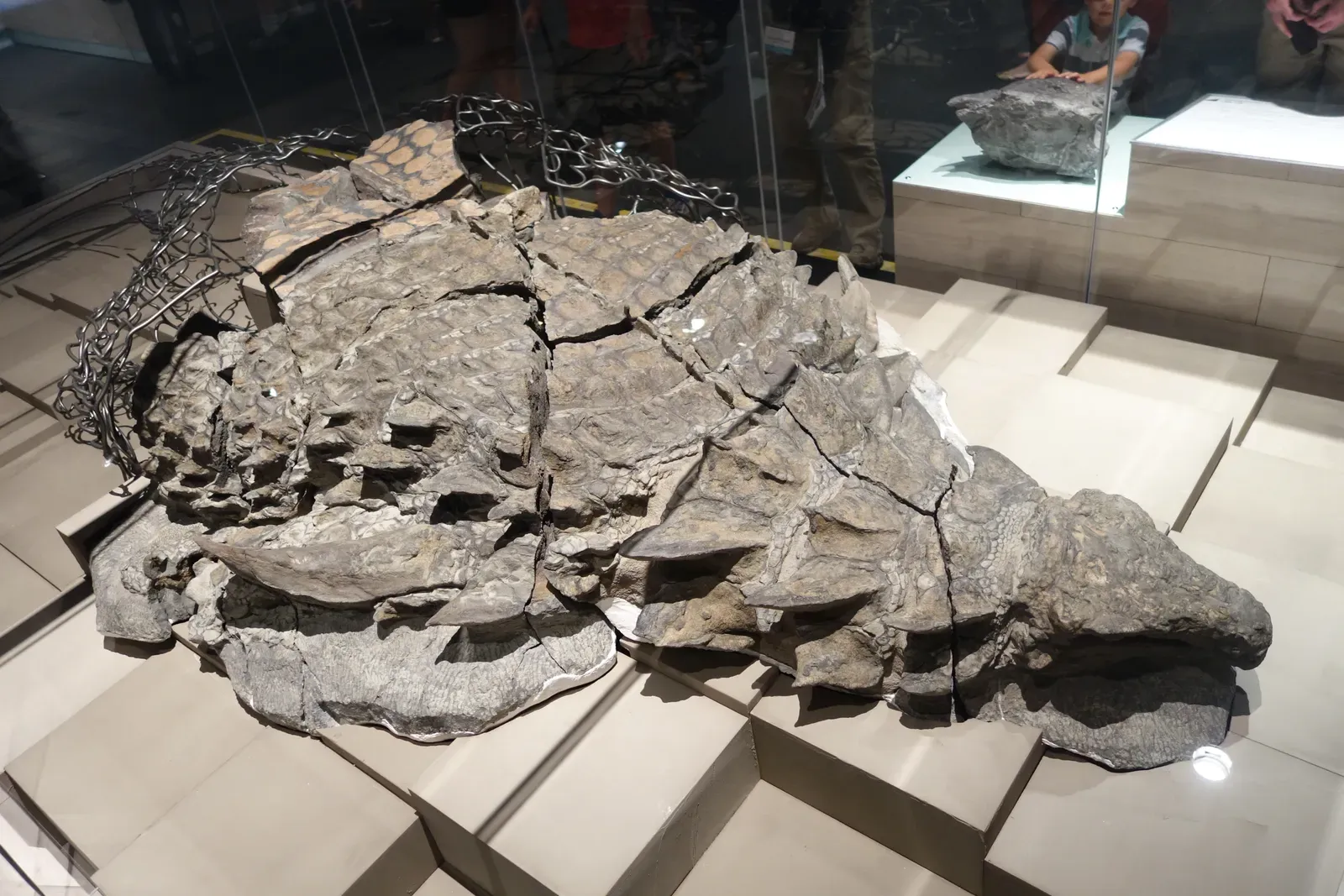
Honestly, this discovery sounds like something straight out of a science fiction movie. The discovery of Borealopelta markmitchelli was a happy accident. In 2011, a shovel operator at the Suncor Millennium mine in Fort McMurray, Canada, came across some rocks with a strange polka-dot pattern. He and his supervisor recognized the pattern as fossil bone and reported it to the Royal Tyrrell Museum. Those polka-dot shapes turned out to be the dinosaur’s bony armour.
Once the rock encasing the fossil was brought back to the museum, it took a staggering seven thousand hours over five and a half years to prepare the dinosaur. The Borealopelta was so well-preserved because it was quickly buried in mud. Even its stomach contents were preserved, which contained forty-eight different plant fossils. The Borealopelta lived around one hundred and ten million years ago. The fossil is so well-preserved that every armour piece is in place, with even the keratin covering of the spiky armour surviving. It is about as close a look as we are likely to get at an armored dinosaur.
5. Dreadnoughtus: Named After a Battleship, Built Like One Too
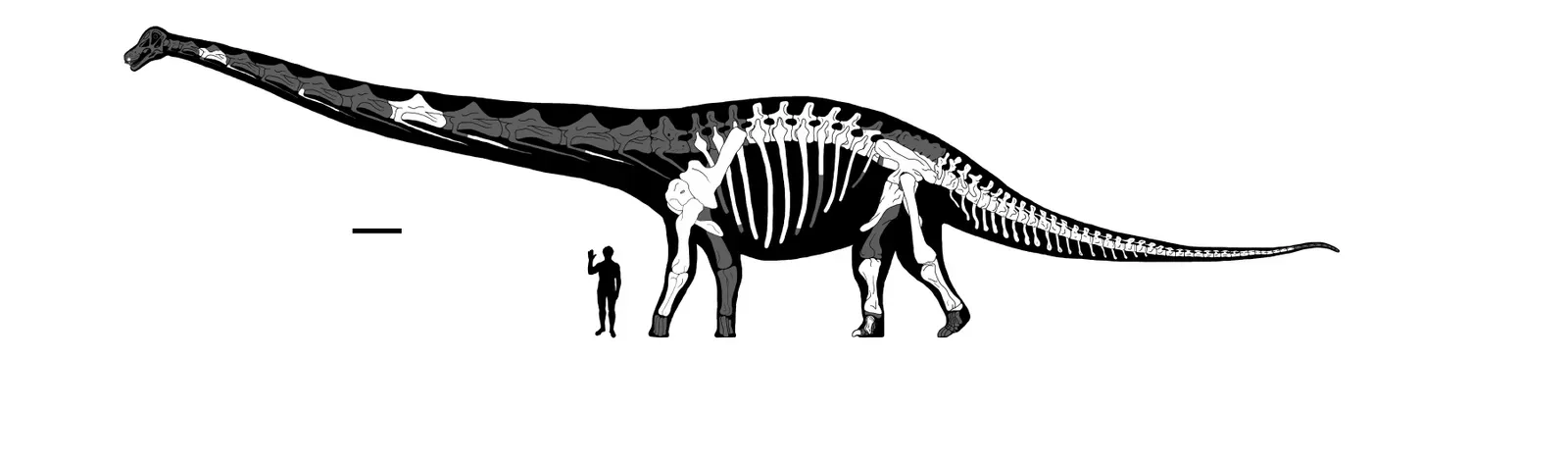
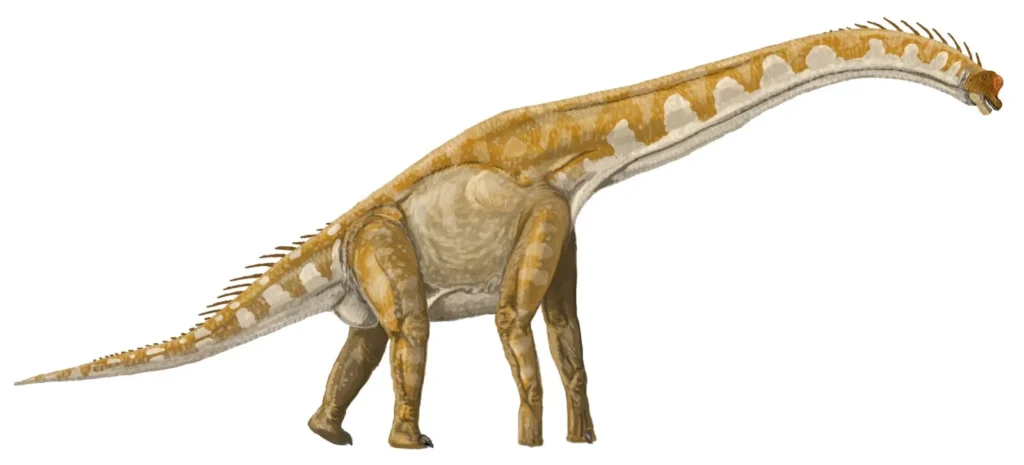
When scientists find something so huge they have to name it after one of history’s most feared warships, you know you are dealing with something extraordinary. One of the largest titanosaurs ever found, Dreadnoughtus had a total length of roughly twenty-six metres and an estimated mass of fifty-nine metric tonnes. It is known from rock deposits of southern Patagonia, Argentina, that date to about seventy-seven million years ago. Think of it as a living, breathing aircraft carrier made of muscle and bone.
Dreadnoughtus is regarded as the largest dinosaur whose size can be calculated reliably. A very complete fossil of this sauropod was unearthed in 2009, and in life it was twenty-six metres long and weighed about sixty-five tonnes. What makes this particularly thrilling is the completeness of that find. So many giant sauropods are known from just fragments. Dreadnoughtus gave scientists something far more generous to work with, and the resulting size estimates carry real scientific confidence behind them.
6. Australotitan Cooperensis: The Biggest Beast of the Outback
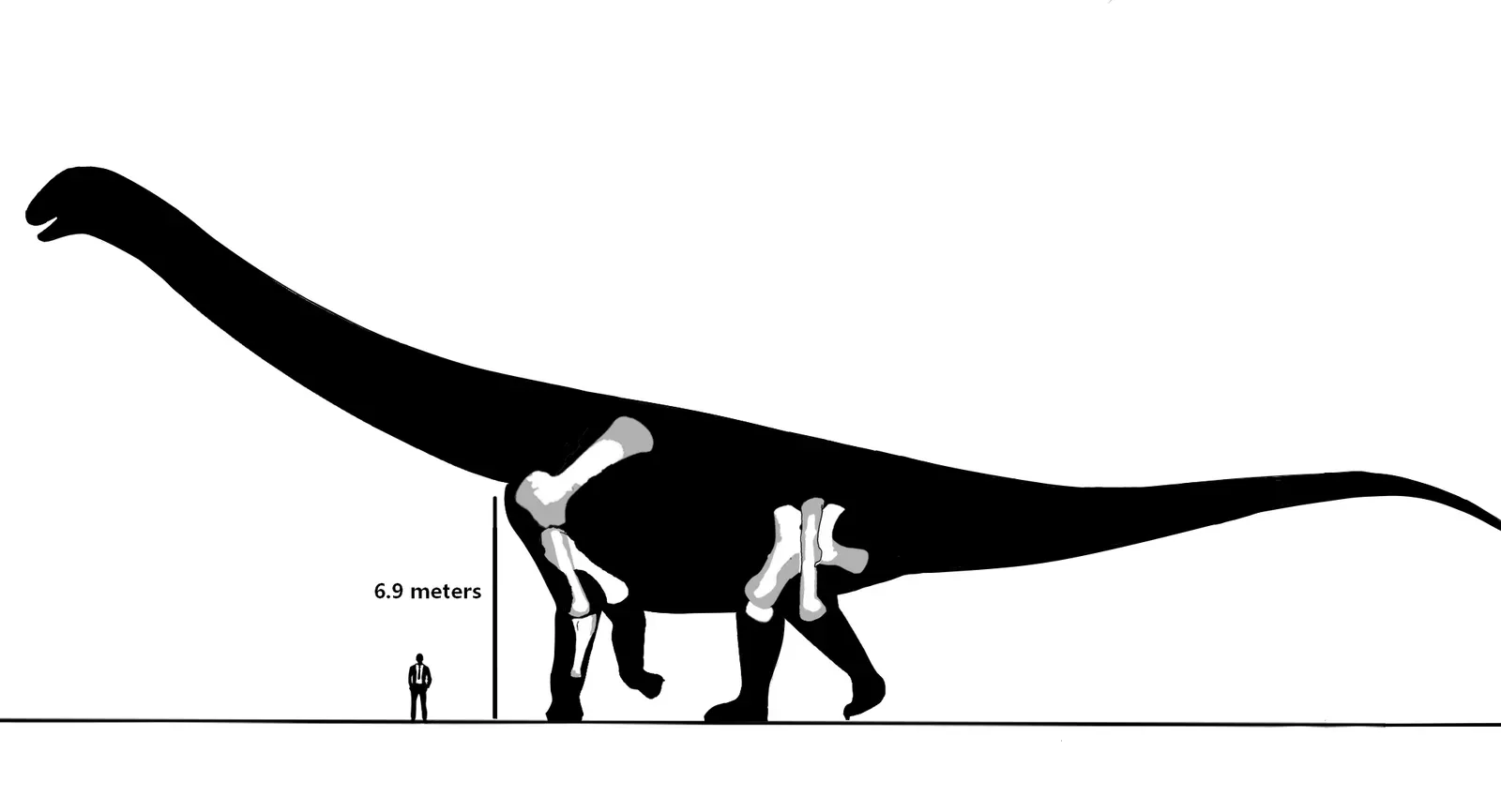
Most people associate giant dinosaur discoveries with South America or North America. Few expect Australia to be in the conversation. Yet here we are. For seventeen years, scientists including paleontologists, geologists, and fossil preparators worked on a project involving a unique type of titanosaur found in southwest Queensland, Australia. Named Australotitan cooperensis in honor of its discovery location, it is considered the largest animal ever to walk the Outback. Australotitan lived between ninety-two and ninety-six million years ago, at a time when Queensland was still attached to Antarctica.
As long as a basketball court, Australotitan was unique and much larger than other dinosaurs living in Australia during the Cretaceous Period. It is among the fifteen biggest dinosaur specimens in the world. Over the last few decades, Queensland has emerged as a leading dinosaur fossil exploration and discovery location. I think what makes this find especially satisfying is the sheer patience behind it. Seventeen years of work from a dedicated team, on a continent not always associated with prehistoric giants. That is commitment.
7. Deinocheirus: The Monster With the Mysterious Arms
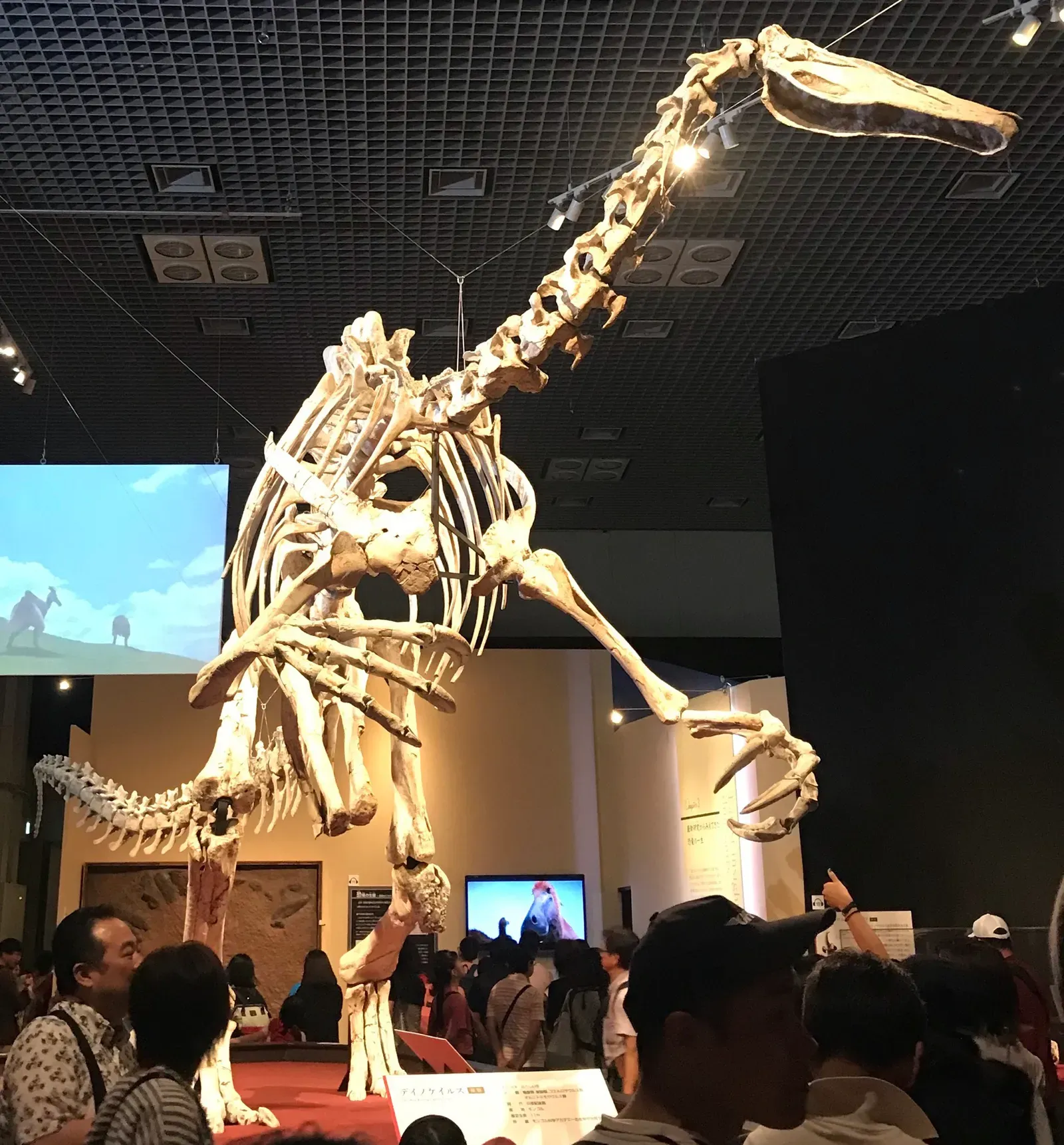
Few stories in paleontology are as dramatically satisfying as the tale of Deinocheirus. For decades, scientists had nothing to go on except a pair of enormous, terrifying arms unearthed in Mongolia. Nothing else. Just the arms. No list of the biggest dinosaur discoveries would be complete without mentioning Deinocheirus. This dinosaur was named in 1970 from a set of enormous arms, and for decades it was thought that the rest of the animal was lost. Then, additional skeletons were uncovered, though some fossil rescue work was required to recover one skull that had wound up on the black market.
In the end, the bones revealed an animal far stranger than any paleontologist had ever expected: an enormous ostrich-like dinosaur with a sail on its back and a shovel-like face. Paleontologists who had grown up wondering what the rest of the animal looked like were overjoyed. It is hard to say for sure which discovery is the most emotionally loaded in dinosaur science, but Deinocheirus is absolutely a top contender. A forty-plus-year mystery, solved by a chance second discovery and a dramatic rescue from the black market. You genuinely could not write a better story.
Conclusion: The Ground Beneath Us Still Has Secrets

What is remarkable about all seven of these discoveries is how often they began with ordinary people in extraordinary moments. A farmer mistaking a bone for a log. A fossil hunter with a flat tire. A mine worker spotting a strange pattern in rock. In the two hundred years since modern paleontology began, we have learned more about how dinosaurs evolved, what they looked like, how they behaved, and what eventually became of them, thanks to the discovery of new fossils and the development of new techniques to study them.
The science is alive and accelerating. Newly discovered species continue to fill gaps in dinosaur evolution and shed light on historic migrations, while new studies offer fresh ways to date remains and make key insights about diets and behavior. Every layer of rock is a page in a book we are still learning to read. The giants are still out there, buried and waiting. The only question is who will find the next one, and whether it will be even bigger than anything you have ever imagined.
What do you think is still hiding beneath the earth? Tell us in the comments below.