There is something quietly electric about the idea that the ground beneath your feet might be hiding the bones of a creature that walked the earth millions of years before the first human blinked open their eyes. That is exactly what drew a remarkable and often overlooked cast of characters into the dirt, dust, and drama of early American paleontology. Some were formally trained scientists. Some were fur traders and frontier explorers. Some were enslaved people whose names history never even bothered to record.
The story of how America came to know its own prehistoric past is far messier, more human, and more fascinating than any museum display lets on. There are rivalries so bitter they ended careers. There are heroes whose contributions were deliberately erased. There is even a man who hunted dinosaurs by day and worked for the forerunner of the CIA by night. You are about to meet all of them. Let’s dive in.
Before the Scientists: The Original Fossil Finders
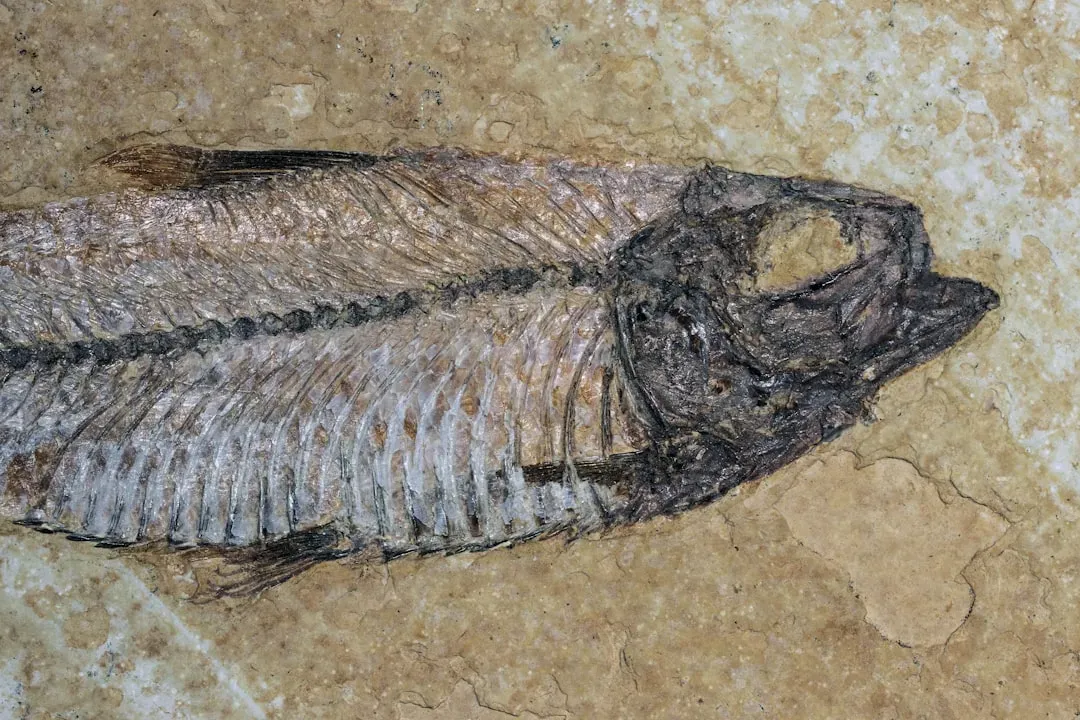
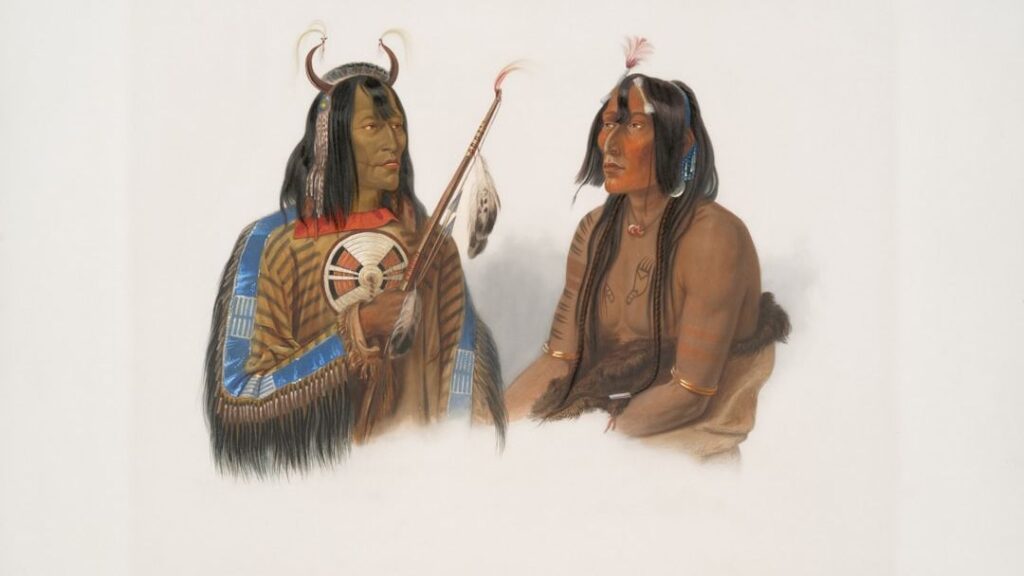
Here is something you probably were never taught in a classroom: you can trace paleontology in the United States first to the Native Americans, who had been familiar with fossils for thousands of years, both telling myths about them and applying them to practical purposes. These were not myths born from ignorance. They were the product of careful, multigenerational observation.
African enslaved people also contributed their knowledge. The first reasonably accurate recorded identification of vertebrate fossils in the New World was made by enslaved people on a South Carolina plantation who recognized the elephant affinities of mammoth molars uncovered there in 1725. Think about how extraordinary that is. They unearthed and essentially correctly identified some of the first mammoth fossils discovered in the Americas. Later analyses indicated the tooth belonged to an extinct Columbian mammoth, a relative of modern-day elephants. These molars became key evidence in scientists’ nascent theories of extinction and evolution, decades before paleontology was formally established as a discipline.
The Silenced Voices: Indigenous Knowledge and Erased Credit
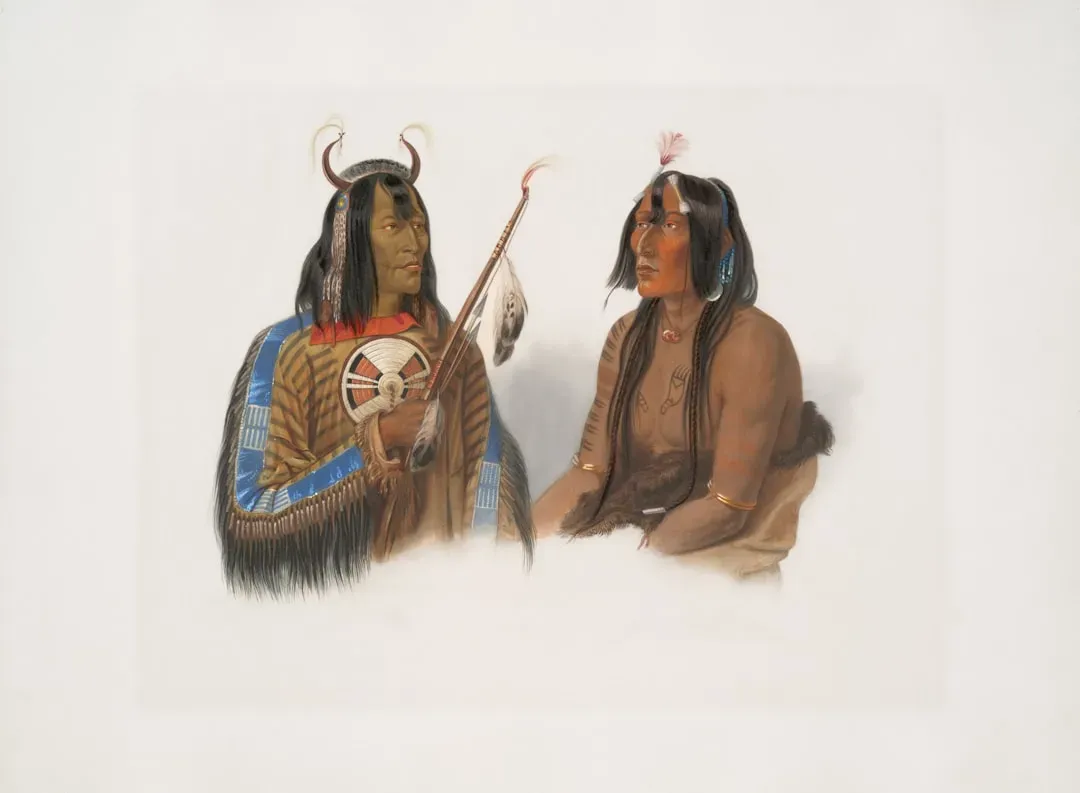
Stories of the enslaved people who helped kick-start paleontology and the Native American guides who led naturalists to fossils around the continent have long been suppressed. In recent years, however, young paleontologists have pushed their field to reckon with its whitewashed history by recognizing early finds made by Black and Indigenous people. It is a reckoning that is long, long overdue.
Although imperfect, Native American oral histories can preserve accurate information for extended periods of time. Since contact with Europeans, the ensuing epidemics, colonial violence, the Indian Wars, and forced displacement of Native peoples to reservations has resulted in the loss of much of their fossil-related culture. A more complex story lurks behind the famous Bone Wars of 1877 to 1892, in which paleontologists with armed escorts stole fossils from Native American lands as the tribes were being driven from their homes. Honestly, that is a detail that changes everything about how you see those grand museum halls.
William Clark and America’s First Documented Dinosaur Find
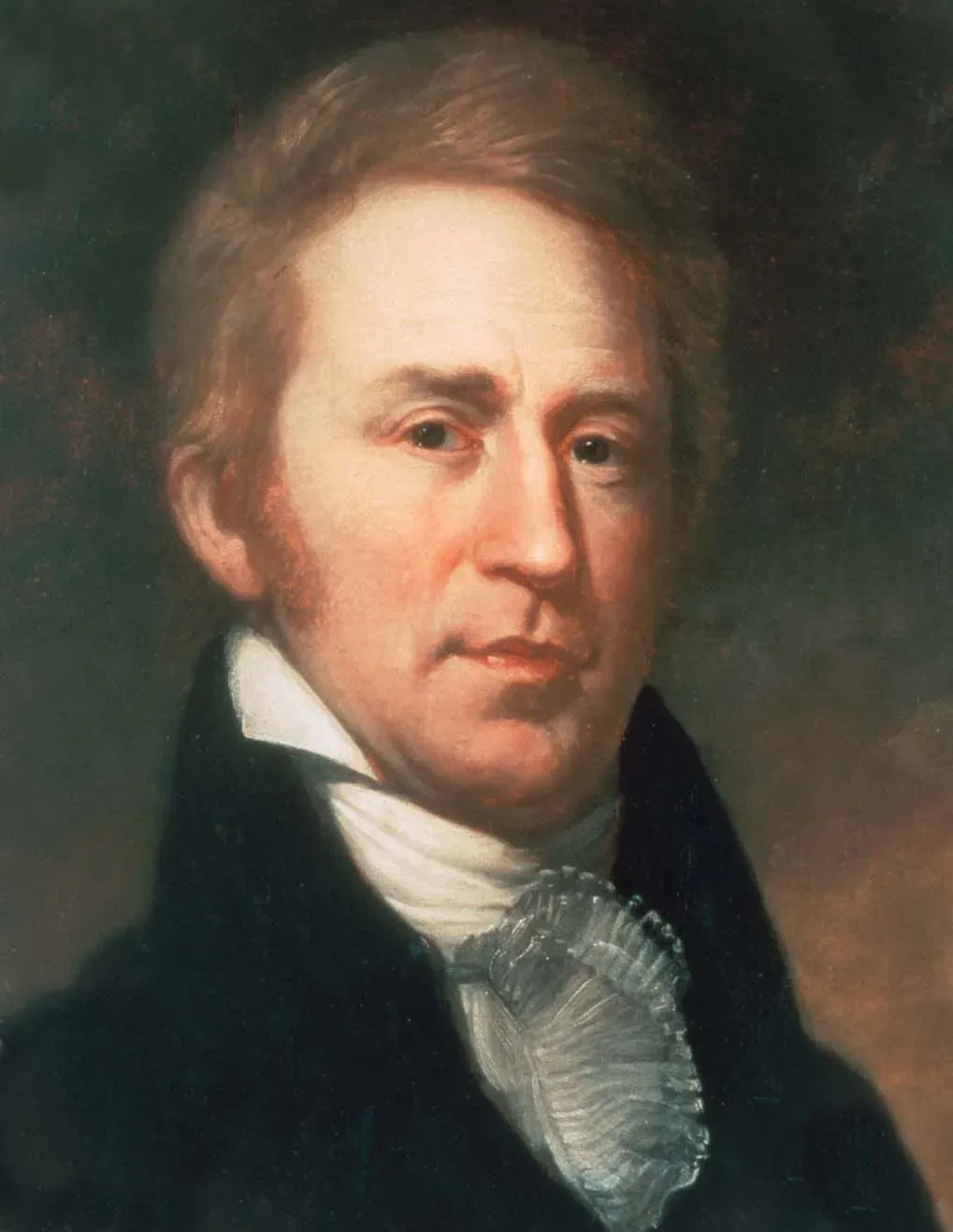
You might be surprised to learn that one of the earliest documented dinosaur fossil discoveries in North America was made not by a trained scientist, but by an explorer on a mission to map rivers. Near the Yellowstone River on July 25, 1806, William Clark noted an exposed rib bone in the Hell Creek Formation. Paleontologists claim this is the first documented dinosaur fossil discovery on the North American continent.
The following year, Clark spent three weeks at Big Bone Lick in what became America’s first organized vertebrate paleontology expedition, uncovering a significant cache of bones of creatures presumably drawn to the area by a salt lick. It was rough, unscientific work by modern standards, more frontier adventure than systematic study. President Thomas Jefferson may well have had an existing mastodon skeleton in mind when he commissioned Lewis and Clark to explore the western territories. So in a very real sense, American paleontology was partly born out of presidential curiosity.
Joseph Leidy: The Forgotten Father of American Paleontology
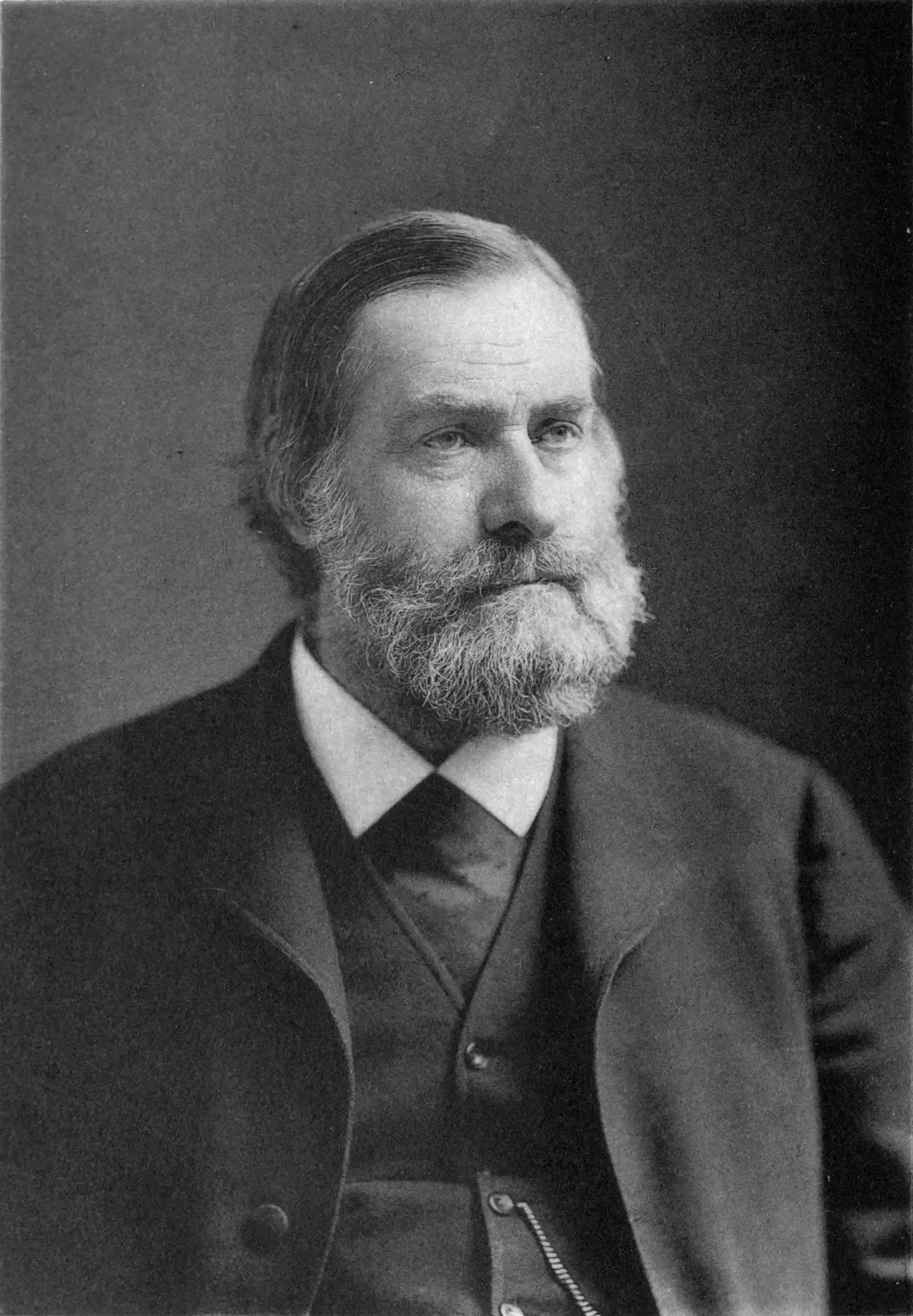
http://www.us.archive.org/GnuBook/?id=memoirofjosephle00chaprich#7, Public domain)
If you have never heard the name Joseph Leidy, you should have. Leidy has been considered the Father of Vertebrate Paleontology in North America. Leidy was an American paleontologist, anatomist, and naturalist renowned for his significant contributions to science during the 19th century. He made notable discoveries in paleontology, including identifying and describing Hadrosaurus, the first nearly complete dinosaur skeleton found in North America. His meticulous anatomical studies provided valuable insights into the evolutionary history and relationships of various species.
Leidy was a true scientific all-rounder, who made important contributions to the study of human anatomy and parasitology as well as paleontology. He is also credited with popularizing the microscope as a serious piece of scientific equipment and is believed to have been the first person to use one as a forensic tool in a murder case. Not bad for someone history largely forgot. Leidy initially competed with Marsh and Cope to explore the fossil beds of the American West, but later retreated from paleontology when the rivalry between the two eliminated his fossil sources. He turned his attention elsewhere and went on to make significant discoveries in parasitology.
The Bone Wars: A Scientific Rivalry Gone Completely Off the Rails
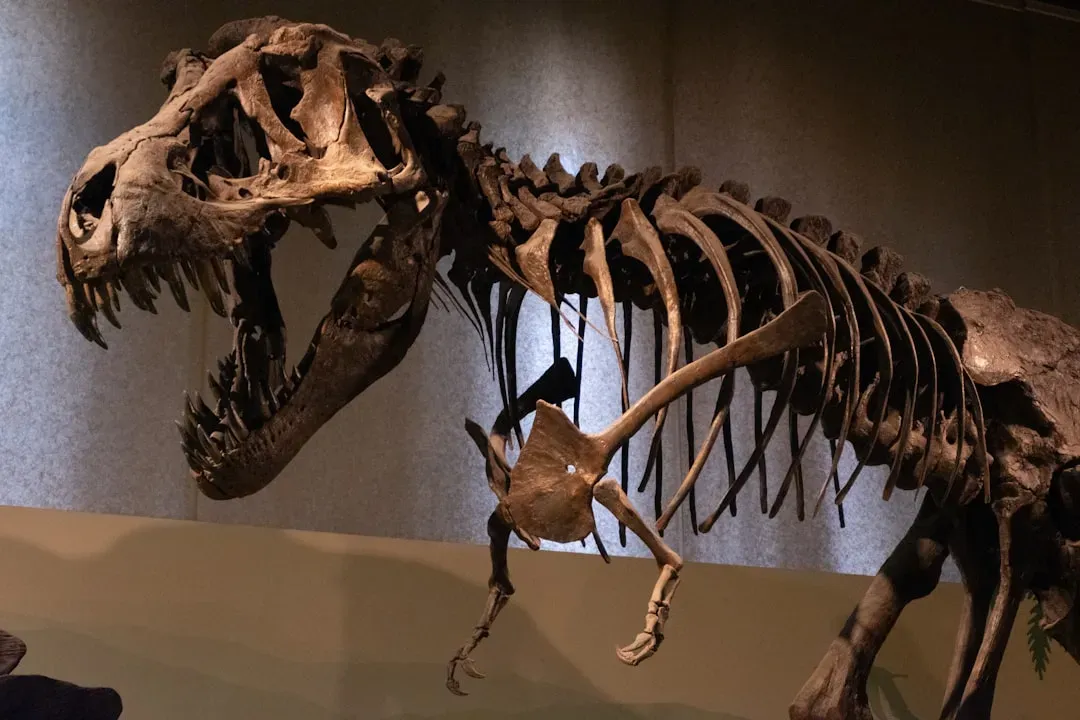
I think the Bone Wars might be the most dramatic story in the entire history of American science. The Bone Wars refers to a late 19th-century rivalry between two prominent American paleontologists, Othniel Charles Marsh and Edward Drinker Cope, who competed to uncover and name the most dinosaur fossils from newly discovered sites in the western United States. Their fierce competition led to unethical practices, including the theft of fossils and public smear campaigns, which not only damaged their reputations but also hindered the scientific integrity of their work.
Over the course of this rivalry, Marsh and Cope collectively contributed to the discovery of over 140 new dinosaur species, significantly boosting public interest in paleontology. Yet it came at a ruinous cost. At its height, this scientific war escalated to incidents of theft and fossil destruction, and even spilled out into the pages of newspapers and scientific journals. It left both Marsh and Cope in financial ruin and compromised a great deal of their scientific credibility and work. Think of it as the original academic Twitter war, except with dynamite and dinosaur bones.
Othniel Marsh: The Man Who Rewrote Prehistoric Life
![Othniel Marsh: The Man Who Rewrote Prehistoric Life (Library of Congress Prints and Photographs Division. Brady-Handy Photograph Collection. http://hdl.loc.gov/loc.pnp/cwpbh.04124. CALL NUMBER: LC-BH832- 175<P&P>[P&P], Public domain)](https://nvmwebsites-budwg5g9avh3epea.z03.azurefd.net/dinoworld/438ddc98502e2732929fa2e7ec1a8b10.webp)
Say what you want about Marsh’s tactics during the Bone Wars, his scientific output was genuinely staggering. As Professor of Vertebrate Paleontology at Yale University and with his rich uncle’s money behind him, Marsh organized digs in Colorado and Wyoming which yielded many spectacular finds. He was responsible for the identification and naming of some of the most iconic dinosaur species of all time, including Triceratops, Stegosaurus, and Brontosaurus. He is also credited with discovering the previously unknown link between dinosaurs and modern species of birds.
Before Marsh’s work, the accepted belief was that horses were absent from America until introduced by Spanish explorers. Marsh also made many brontothere discoveries in Nebraska and Dakota and published important papers about his finds. Marsh was the nephew of the philanthropist George Peabody. Peabody supported Marsh’s studies at Yale. Later, when Peabody was deciding which causes would benefit from his vast wealth, Marsh convinced him to make Yale one of his beneficiaries. A gift of $150,000 from Peabody enabled Yale to create the Peabody Museum of Natural History in 1866. Not a bad legacy for a man who spent half his career feuding.
Edward Drinker Cope: Prolific, Passionate, and Self-Destructive
![Edward Drinker Cope: Prolific, Passionate, and Self-Destructive (Ocean of Kansas shows a reduced black and white version of the photo here; however, this sepia-toned copy resides on their server at http://www.oceansofkansas.com/images2/edcope.jpg. Earliest known publication of this photo is page 11 of volume 55 of The Century Illustrated Monthly Magazine around 1897–98.[1], Public domain)](https://nvmwebsites-budwg5g9avh3epea.z03.azurefd.net/dinoworld/d88c8dfb7cc412b396af2e474256bd10.webp)
Cope adopted a more hands-on approach and often attended digs personally. He also published an astonishing number of academic papers, more than 1,400 by the time of his death in 1897. In one year alone, between 1879 and 1880, he published 76 articles. Sometimes his haste to publish his findings before Marsh resulted in errors in interpretation, but Cope’s contribution to paleontology should not be overlooked.
Cope was one of America’s first prominent paleontologists and is credited with the discovery of the second dinosaur species found in the United States, which he called Laelaps, now known as Dryptosaurus. He is also credited with the discovery of more than 50 extinct species during the Bone Wars. Cope holds the current record for authoring the greatest number of scientific papers, with more than 1,200 publications to his credit. He also published a number of books, including The Vertebrata of the Tertiary Formations of the West, often considered his greatest work. It is hard not to feel a little sorry for Cope. He was brilliant, relentless, and ultimately undone by a rivalry he helped create.
Barnum Brown: Fossil Hunter, Spy, and All-Around Legend
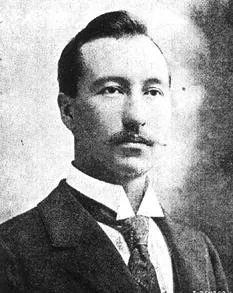
If early American paleontology had a showman, it was Barnum Brown. Barnum Brown, commonly referred to as Mr. Bones, was an American paleontologist who discovered the first documented remains of Tyrannosaurus during a career that made him one of the most famous fossil hunters working from the late Victorian era into the early 20th century. He led an expedition to the Hell Creek Formation of southeastern Montana, where in 1902 he discovered and excavated the first documented remains of Tyrannosaurus rex.
Yet his fossil hunting was only part of the story. He worked for the Office of Strategic Services, which the CIA later spawned from. The agency asked him for information on the Aegean Islands as it mapped out Allied invasion routes during World War II, details shared by his daughter and not publicized until four decades after Brown’s death. In yet another side gig, he offered his dinosaur expertise to Walt Disney for the 1940 film Fantasia. A fossil hunter who consulted for Disney and spied for the government. You genuinely could not make this up.
Conclusion: The Ground Beneath Your Feet Has a Story to Tell
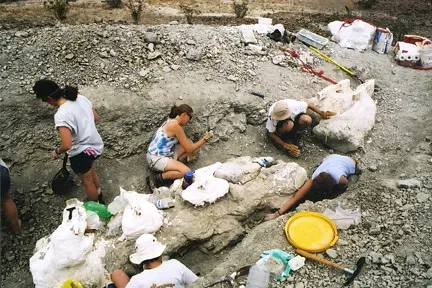
The history of early American paleontology is not a clean, linear march of scientific progress. It is a story full of ego, theft, suppressed voices, and brilliant minds doing extraordinary things in impossible conditions. The science of studying fossils to uncover the secrets of pre-history is relatively recent, and the pioneering fossil hunters who paved the way made spectacular finds that significantly contributed to the study of paleontology.
You now know that the real pioneers were not always the ones who got the credit. In recent years, young paleontologists have pushed their field to reckon with its whitewashed history by recognizing early finds made by Black and Indigenous people. That reckoning is what makes the field feel alive and still evolving, not unlike the ancient creatures it studies. Every skeleton on display in every museum carries two stories: the story of the animal, and the story of the person who found it. Now you know to ask about both. What part of this hidden history surprised you the most? Tell us in the comments.