
Have you ever wondered why some places on Earth seem to preserve the past better than others? Wyoming holds secrets from an ancient world, buried beneath sagebrush plains and rugged badlands. This state isn’t just cowboy country – it’s a time capsule containing some of the most spectacular dinosaur discoveries ever made.
What turned this landlocked region into a treasure chest of prehistoric giants? The answer lies beneath your feet, in layers of rock that tell a story spanning millions of years. From massive long-necked sauropods to fearsome predators, the fossils emerging from Wyoming’s earth have rewritten our understanding of dinosaur life. So let’s dive in and discover what transformed this landscape into one of the planet’s premier dinosaur graveyards.
Ancient Geography Created Perfect Preservation Conditions

Around 150 million years ago, Wyoming bore little resemblance to today’s arid landscape – it was semi-tropical, featuring big rivers that meandered across vast plains. Picture coastal Louisiana during the age of dinosaurs, and you’ll get close to what northwestern Wyoming looked like back then. The climate was humid, lush, and teeming with life.
Between 70 and 150 million years ago, the Bighorn Basin sat at a spot where rivers emptied into a shallow ocean formed during a much hotter global climate pattern, with rivers or oceans covering this area for almost 500 million years, almost without interruption. This constant water presence created ideal conditions for fossils to form. When dinosaurs died near these waterways, their bodies were quickly buried in sediment before scavengers could destroy them. Think of it like nature’s filing system – each layer preserving a moment in time.
The Morrison Formation Holds Jurassic Treasures

The Morrison Formation is a distinctive sequence of Upper Jurassic sedimentary rock found in the western United States which has been the most fertile source of dinosaur fossils in North America, centered in Wyoming and Colorado. This geological jackpot stretches from New Mexico to Montana, but Wyoming sits right at its heart.
Radiometric dating indicates that the Morrison Formation is between 148 million and 155 million years old, deposited during the Kimmeridgian and early Tithonian ages. Most of the fossils occur in the green siltstone beds and lower sandstones, relics of the rivers and floodplains of the Jurassic period. These ancient river systems acted like conveyor belts, transporting dead dinosaurs and burying them in sediment-rich environments where fossilization could occur. The diversity is staggering – nearly every major museum in the world displays Wyoming fossils.
Como Bluff Started the Dinosaur Rush
In 1877, employees of the Union Pacific Railroad found large bones weathering out of the hills at Como Bluff near Medicine Bow. They wrote to paleontologist Othniel C. Marsh, and everything changed. What started as a curious discovery became one of the most intense fossil competitions in scientific history.
Como Bluff was the site of one of the first major discoveries of dinosaur remains in the world, receiving this notoriety because of the sheer number of bones found there and the exceptional preservation of the dinosaur skeletons. Marsh’s fieldwork in the area uncovered the greatest abundance of Jurassic fossils known in the world at the time, and by 1918, hundreds of tons of dinosaur bones had been recovered from Wyoming rocks. The bone rush was on, and Wyoming would never be quite the same.
Unique Geology Makes Fossils Accessible Today

Here’s the thing – having fossils buried underground doesn’t matter much if you can’t reach them. Wyoming’s geology offers something special that many fossil-rich areas don’t: easy access. As tectonic forces 70 million years ago pushed up the mountains that encircle the Basin, sedimentary layers dating back hundreds of millions of years were warped and forced to the surface, forming a giant bowl that has revealed a striated, asymmetrical, billion-year geological history running along the landscape.
There are places out there where you literally cannot walk without stepping on dinosaur bones. That’s not hyperbole – in some parts of the Bighorn Basin, fossils weather out of hillsides naturally, tumbling down slopes where anyone paying attention can spot them. You don’t need expensive drilling equipment or deep excavations. The bones are right there, waiting.
Diverse Dinosaur Ecosystems Thrived Here
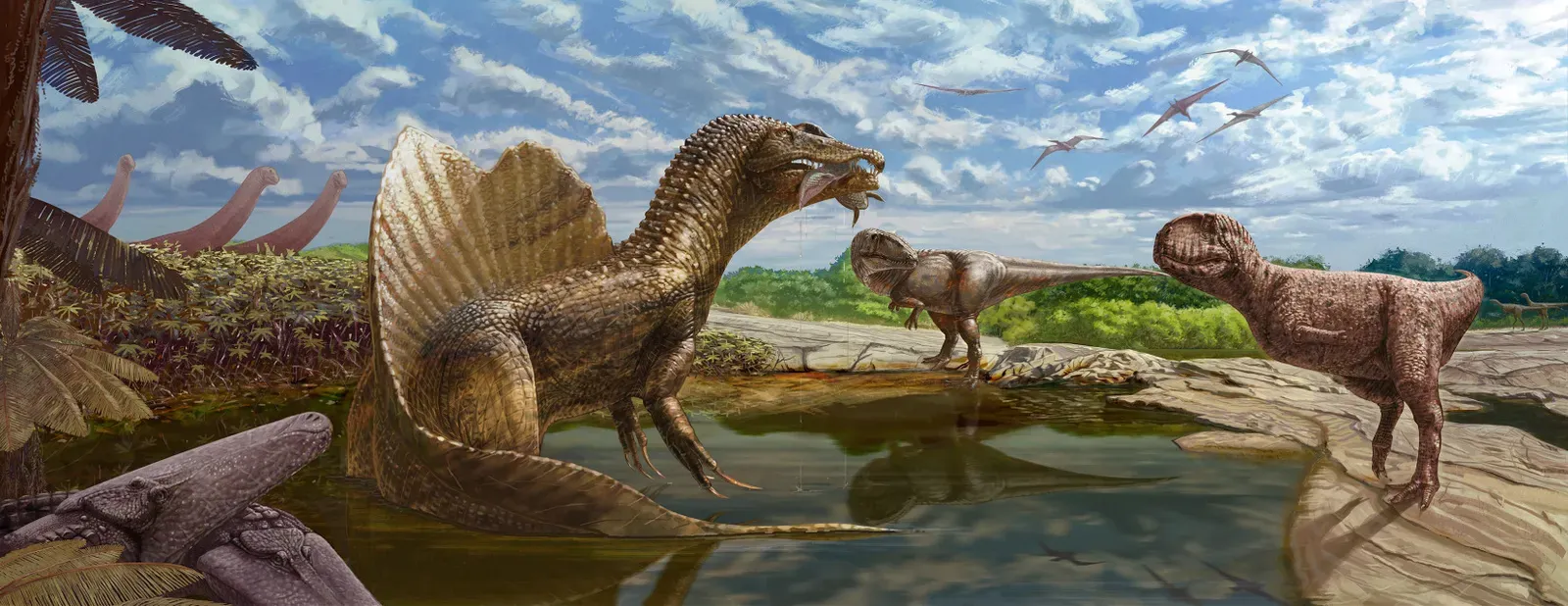
It is a matter of time, place, and climate that prompted dinosaurs to live here – the diversity of plants provided for an abundance of herbivorous, plant-eating dinosaurs, which led to a corresponding abundance of carnivores. Wyoming wasn’t just home to one or two species – it supported entire ecosystems of giants.
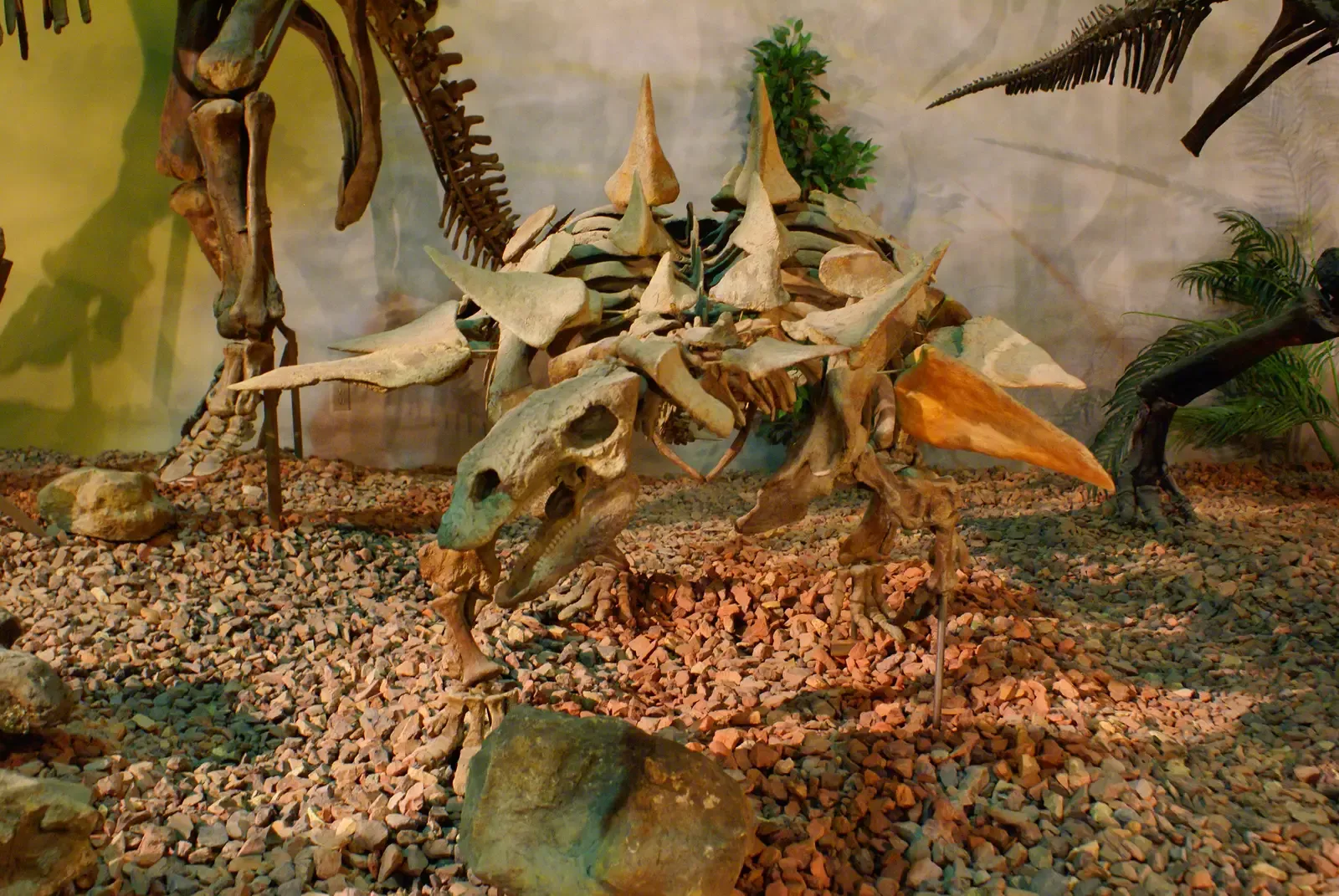
Four types of sauropods were found at Como Bluff, including Apatosaurus, Diplodocus (at 90 feet long), Camarasaurus, and Barosaurus, along with other large herbivores like Stegosaurus and carnivores including Allosaurus, Ceratosaurus, and Ornitholestes. From massive long-necked herbivores munching on conifers to ferocious predators stalking the floodplains, the food web was complex and thriving. These weren’t isolated animals – they lived, hunted, and died together in dynamic communities.
Multiple Fossil-Rich Formations Span Different Eras

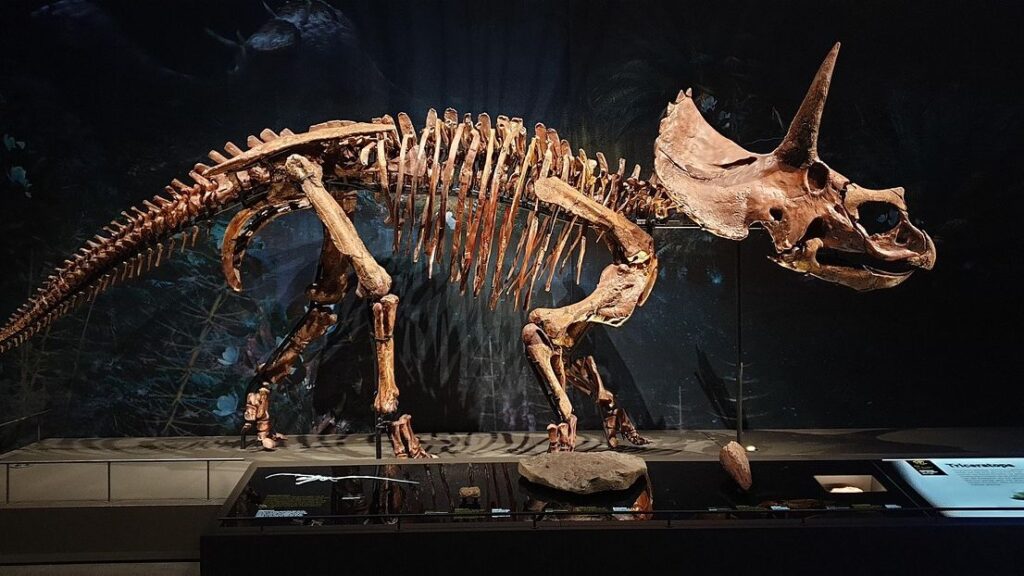
Wyoming’s paleontological wealth doesn’t stop with the Jurassic Morrison Formation. The Lance Formation dates to 65.5 million years ago, right at the very end of the Upper Cretaceous Period, and is very common in Lance are Triceratops, Edmontosaurus, and T. Rex. This means you can trace the entire Age of Dinosaurs through Wyoming’s rocks.
The Cloverly Formation dates to the Lower Cretaceous period, about 110 million years ago. The Red Gulch Dinosaur Tracksite contains thousands of tracks preserved in the Middle Jurassic Sundance Limestone about 167 million years ago. Each formation represents a different chapter in the dinosaur story, and Wyoming has preserved them all. It’s like having multiple volumes of an encyclopedia stacked on top of each other.
Scientific Competition Accelerated Discoveries

Let’s be real – the rivalry between Othniel Marsh and Edward Drinker Cope wasn’t pretty, but it accelerated Wyoming’s fossil discoveries dramatically. These prolific vertebrate paleontologists were in competition, which helped spur the “Bone Wars” between Cope and Marsh, who soon had people working to excavate dinosaur bones and other fossils in Colorado and Wyoming.
Marsh and Cope were bitter professional rivals, and the same spirit infected their employees – diggers smashed bones in the quarries of the other teams and even in their own to avoid thefts. The destruction was tragic, yet the sheer volume of material they collected transformed paleontology. Many famous dinosaurs were named from these discoveries, including Allosaurus, Ceratosaurus, Apatosaurus, Diplodocus, Camptosaurus, and Stegosaurus. Without this competitive fire, Wyoming’s treasures might have remained buried for decades longer.
Modern Research Continues Unveiling Secrets

Scientists are especially excited about the discovery of a particularly prolific patch along the Morrison Formation dubbed “Jurassic Mile,” with the exact location kept highly confidential for fear of fossil thieves. Even in 2026, Wyoming continues producing groundbreaking discoveries. Recent finds include some of the most complete dinosaur specimens ever recovered.
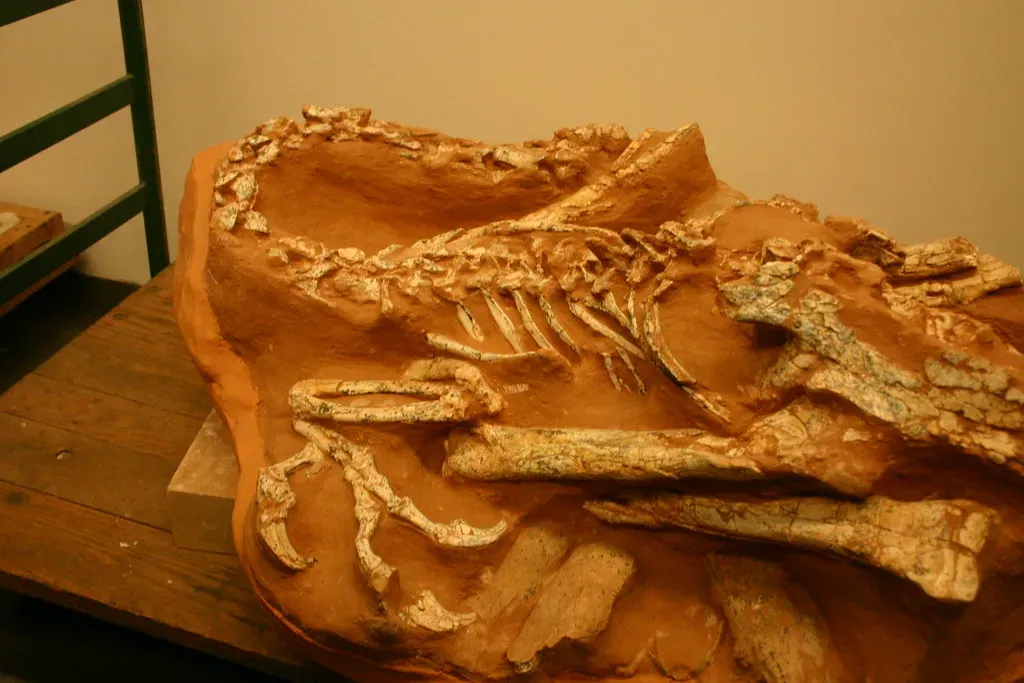
The Bighorn Basin is where some of the most complete dinosaur specimens have been uncovered – Big Al and Big Al Two, both discovered at Bighorn Basin’s Howe Quarry in the 1990s, are two of the most complete Allosaurus dinosaur skeletons ever found in North America. Researchers uncovered fossils of a new dinosaur species called Ahvaytum bahndooiveche in Wyoming in 2013, with radioisotopic dating revealing the fossils to be around 230 million years old, making it one of the oldest fossilized remains of a dinosaur ever discovered. The state’s fossil beds keep rewriting textbooks.
Conclusion: A Perfect Storm of Preservation
Wyoming became a dinosaur hotspot not through one factor, but through a perfect convergence of ancient geography, ideal preservation conditions, accessible geology, and human curiosity. It is the expected thing that any great museum will send its representatives to Wyoming as often as possible, and nearly every major vertebrate paleontologist in United States history has collected fossils in Wyoming.
The state’s ancient rivers and shallow seas buried countless animals in sediment. Tectonic forces later exposed these layers without destroying them. When curious railroad workers noticed bones in 1877, they sparked a scientific revolution. Today, you can visit active dig sites, walk among fossilized footprints, and see specimens that have traveled from Wyoming to museums worldwide. What do you think about it? Would you want to dig for dinosaurs yourself? Wyoming’s prehistoric giants are still waiting to tell their stories.


