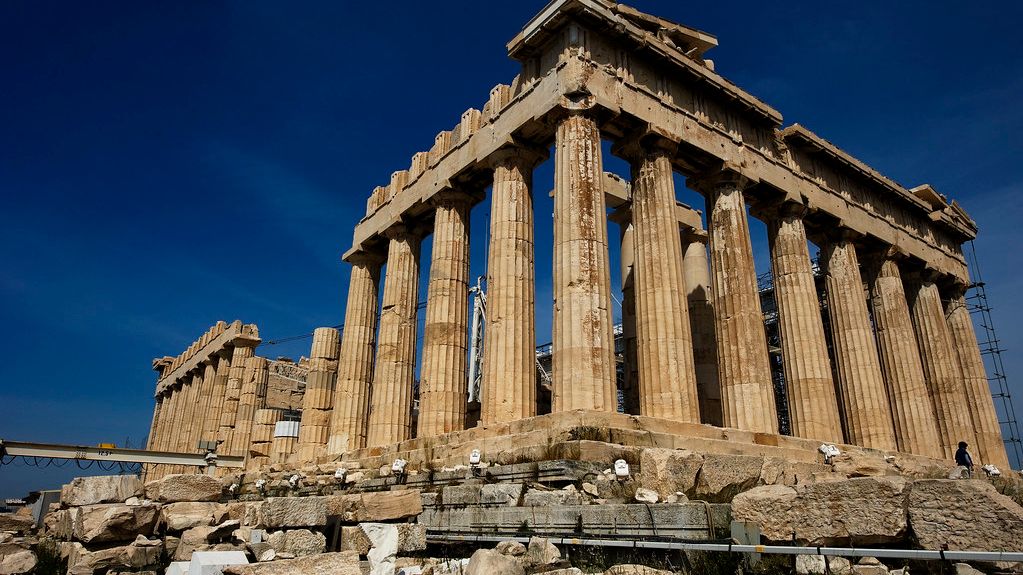
When you glance at your smartphone, drive on paved roads, or vote in elections, you’re essentially experiencing the echoes of societies that existed thousands of years ago. It might sound strange, but these ancient peoples weren’t just building impressive monuments or scribbling on clay tablets for fun. They were laying down the blueprints for almost everything we take for granted in 2026.
Think about this for a second: the same cultures that worshipped sun gods and built towering pyramids also invented the mathematical principles engineers use to design skyscrapers today. Let’s be real, that’s pretty mind-blowing. So let’s dive in and explore how these long-gone civilizations continue to influence your daily life in ways you probably never imagined.
The Written Word: When Humanity Started Recording Its Story
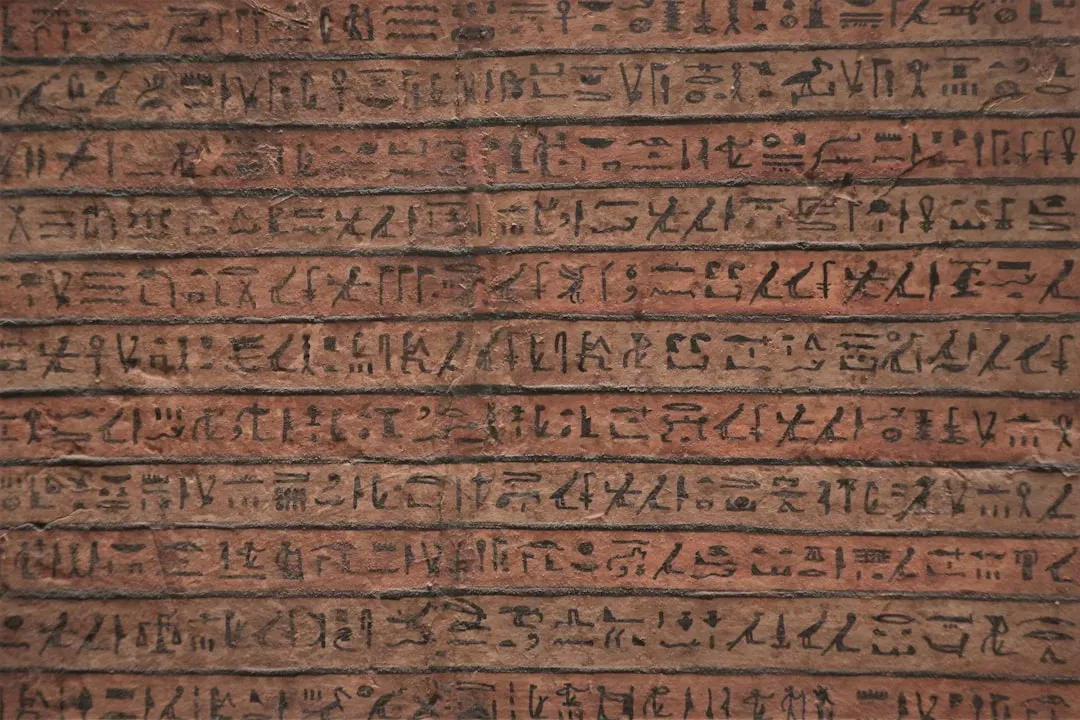
Writing began with the Sumerians in Mesopotamia around 3100 B.C.E., using cuneiform made up of wedge-shaped characters. This wasn’t poetry at first. The earliest writing was simply record-keeping, tracking taxes, grocery bills, and laws. Imagine that: the foundation of all literature started with ancient accountants keeping tabs on grain deliveries.
The ancient Egyptians revolutionized communication with papyrus, one of the world’s earliest forms of paper, which made record-keeping and literature far easier and quickly spread throughout the Mediterranean. Without these innovations, you wouldn’t have books, newspapers, or even the ability to text your friends. Everything from legal contracts to love letters owes its existence to these ancient scribes who first figured out how to preserve thoughts beyond human memory.
Engineering Marvels That Defied the Ages
Roman engineers built triumphal arches, amphitheaters, aqueducts, and public baths on a massive scale, and invented glass blowing and concrete. Here’s the thing: Roman concrete was especially durable because of volcanic sand with suitable crystalline grains, and some of their buildings have lasted 2000 years. Walk through any major city today, and you’ll see arches and domed structures that directly borrow from Roman architectural genius.
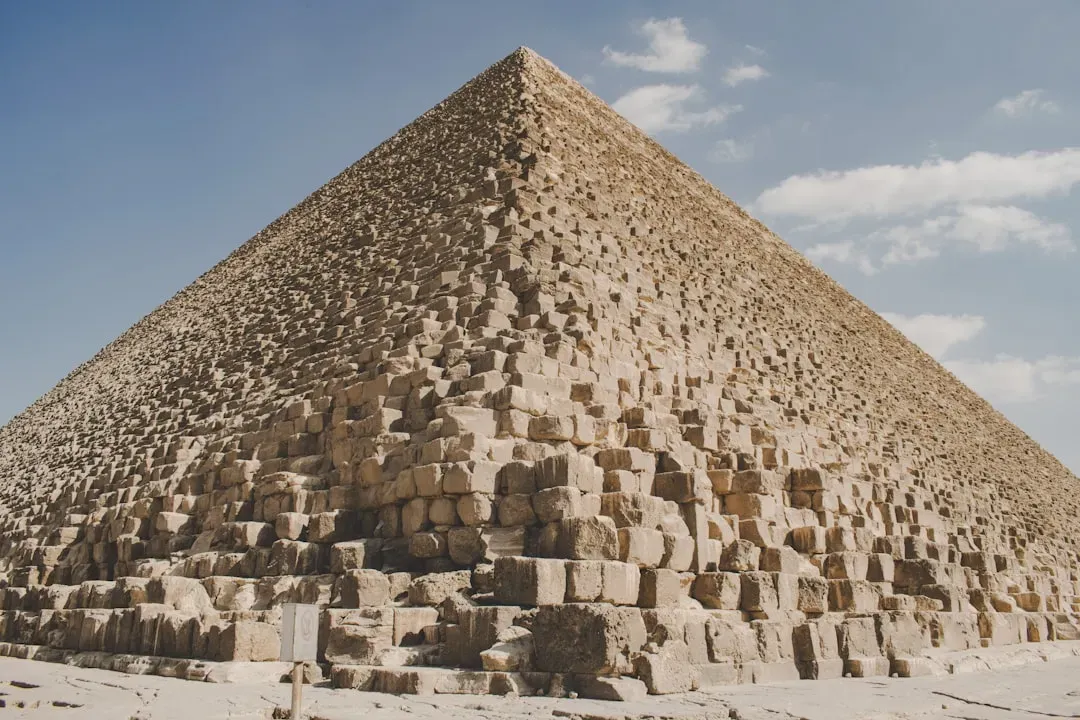
The Egyptians’ expertise in engineering is evident in structures like the Pyramids of Giza and the temples of Karnak, showcasing their mastery of mathematics, construction techniques, and architectural design. These weren’t just tombs. They were statements of technological capability that continue to baffle researchers. The precision required to align those massive stones? That came from mathematical understanding that rivals modern engineering in many respects.
Democracy: The Radical Idea That People Should Govern Themselves
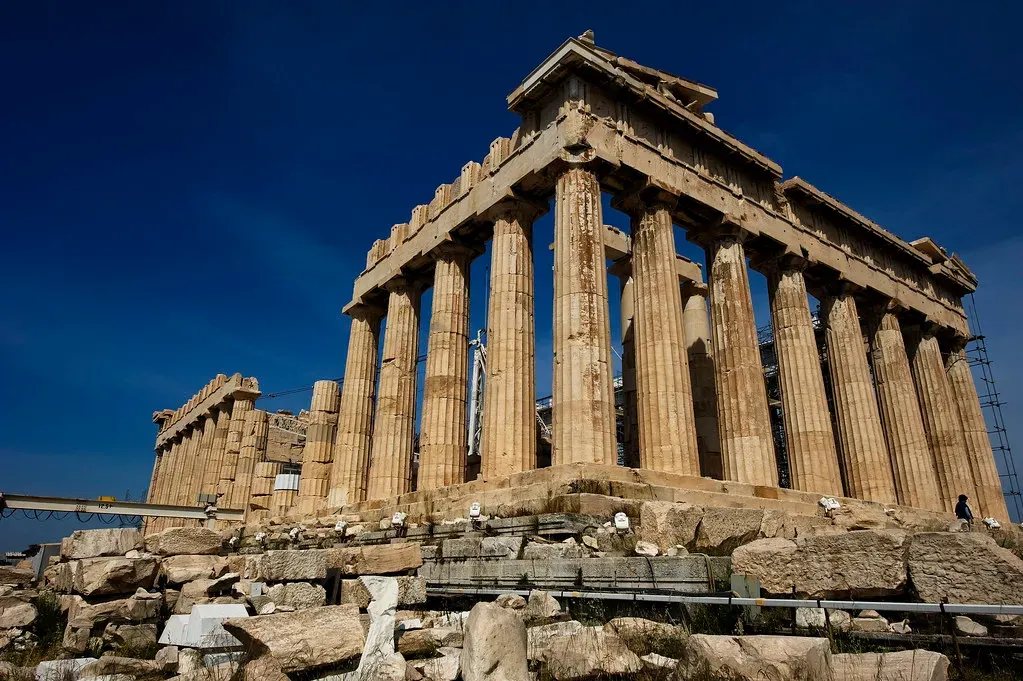
The concept of democracy, first developed in ancient Athens in the 5th century BCE, remains central to modern governance. The word “demokratia” in Ancient Greek directly translates to “the power of rule through people”. Sure, their version was limited compared to today’s standards, but the seed they planted grew into something transformative.
The Roman Republic introduced representative government, influencing modern parliamentary and constitutional systems. When the framers of the United States Constitution sat down in 1787, they weren’t inventing from scratch. They were borrowing heavily from Roman and Greek political structures. Every time you cast a ballot, you’re participating in a system that has roots stretching back nearly two and a half millennia.
Mathematical Foundations That Calculate Our Reality
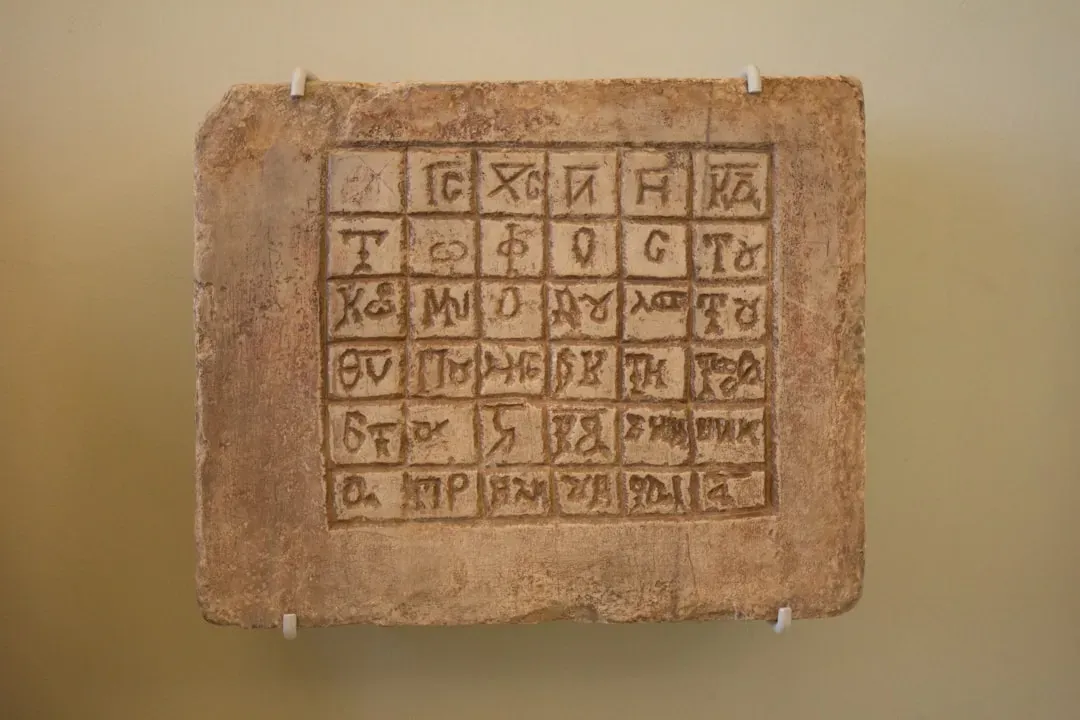
The ancient Greeks, including Euclid and Archimedes, developed fundamental principles of geometry and mechanics. Euclid built off earlier number theory to realize geometry, still taught to this day. Every architect, every game designer, every aerospace engineer uses geometric principles that were formalized in ancient Greece. It’s hard to say for sure, but without Euclidean geometry, modern technology might look completely different.
Egyptian mathematics was integral to architectural precision and astronomical calculation, using a decimal system with unique hieroglyphs for fractions. The Egyptians were calculating land areas after annual Nile floods, developing mathematical tools out of practical necessity. That pragmatic approach to problem-solving? That’s still how engineers think today.
Medical Knowledge From Ancient Healers

Hippocrates established ethical standards through the Hippocratic Oath still used today, while Egyptian medical texts like the Ebers Papyrus documented treatments that laid the groundwork for modern pharmacology. When doctors take their professional oath, they’re honoring a tradition that began on a Greek island over two thousand years ago.
Ancient Egyptian physicians conducted surgical procedures, used herbal remedies, and developed early forms of dentistry, with papyrus scrolls detailing treatments and diagnoses that align with modern practices. These weren’t witch doctors waving feathers around. They were genuine medical practitioners who understood anatomy, used antiseptics, and performed surgeries with remarkable success rates for their time.
Legal Systems: The Framework of Justice
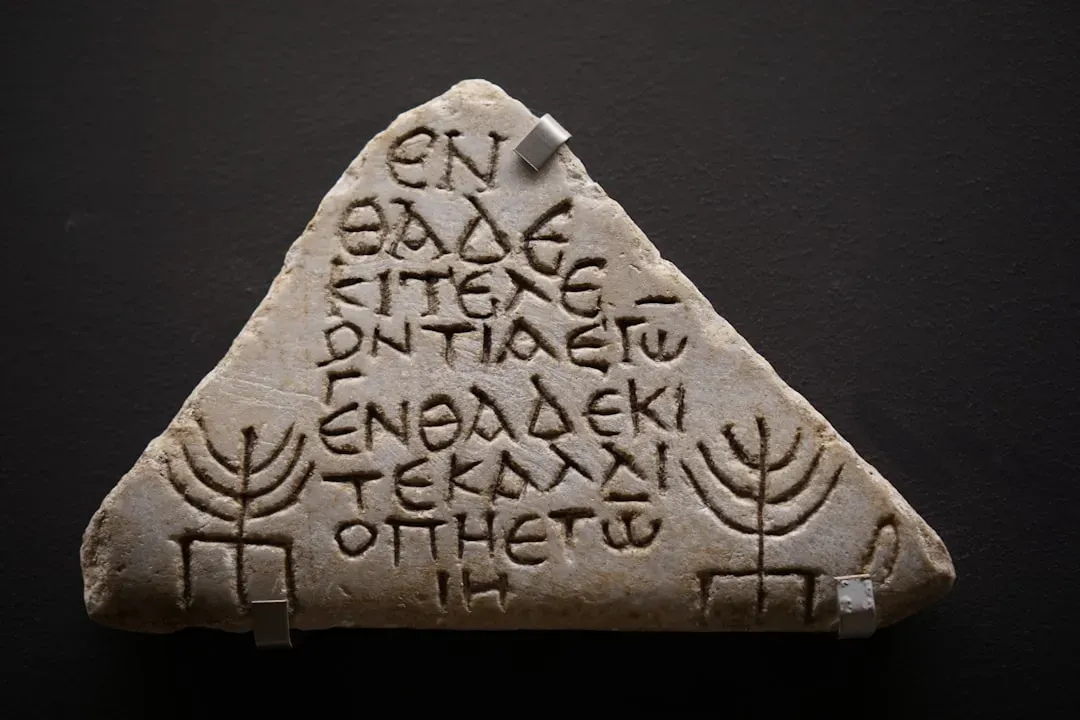
The Code of Hammurabi from around 1750 BCE established principles of justice and proportional punishment reflected in modern legal traditions. This ancient Babylonian king essentially created one of the first comprehensive legal codes. The concept that punishment should fit the crime? That started here.
Roman law, particularly the Corpus Juris Civilis, serves as a foundation for contemporary legal systems in Europe and beyond. The Roman legal system introduced principles such as “innocent until proven guilty,” which form the basis of many modern legal frameworks. Every courtroom drama you’ve ever watched operates on principles that Roman lawyers would recognize immediately.
Timekeeping and the Calendar: Organizing Human Activity
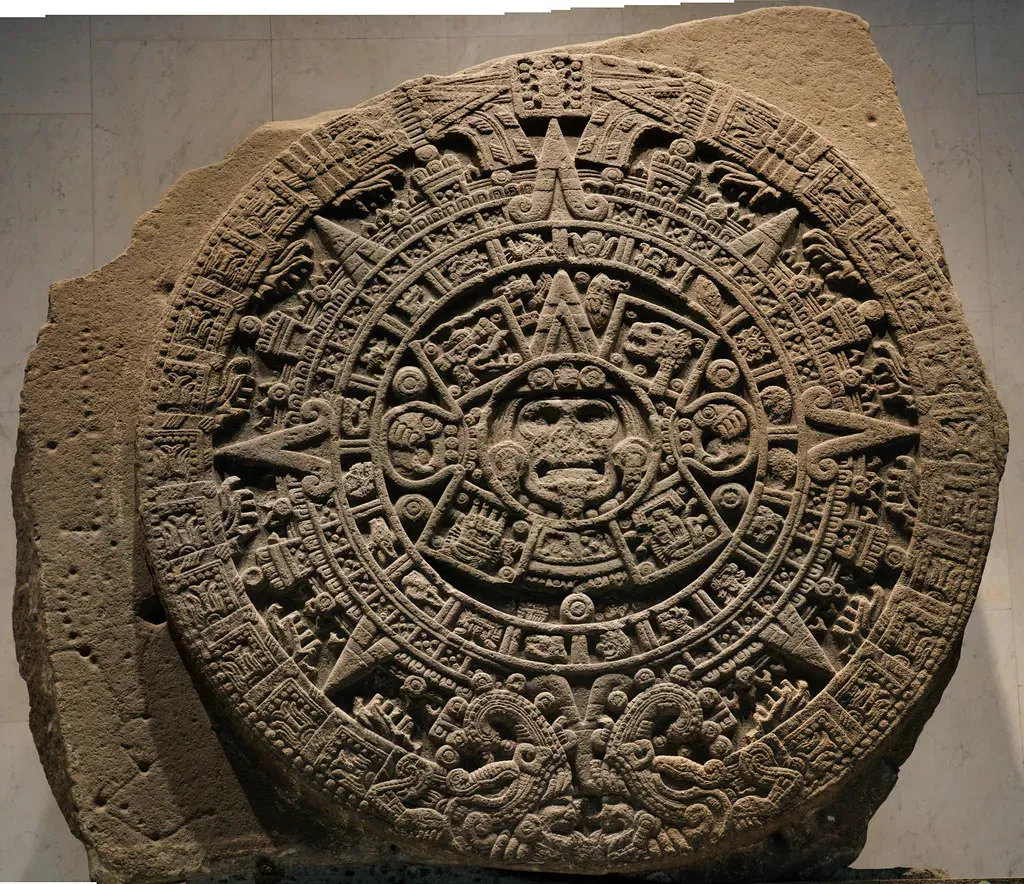
The invention of the calendar as a method of timekeeping is world-altering ancient technology, likely older than writing itself, with early hunters tracking Moon phases and developing lunar and solar calendars. Your smartphone calendar, your work schedule, your birthday celebrations all depend on systems refined over millennia.
The Egyptian calendar, based on lunar and solar cycles, was instrumental in developing the 365-day year. They noticed patterns in star movements and seasonal flooding, then created a systematic way to predict and plan for the future. This ability to conceptualize and measure time fundamentally changed human civilization from reactive to proactive.
Technological Innovations That Transformed Daily Life

The invention of the wheel in Mesopotamia around 3500 BCE marks a defining moment in human history, originally used for pottery before revolutionizing transport, agriculture, and industry. It’s almost impossible to overstate how this simple circular device changed everything. Transportation, machinery, manufacturing – all built on this ancient innovation.
The Indus Valley Civilization developed private toilets connected to sewers at least 4,000 years ago, while London didn’t have true sewers until 1866 after thousands died of cholera. Let that sink in for a moment. Ancient civilizations in what’s now Pakistan had better sanitation than Victorian England. That really makes you rethink assumptions about “primitive” ancient peoples, doesn’t it?
Conclusion: The Past Lives in the Present
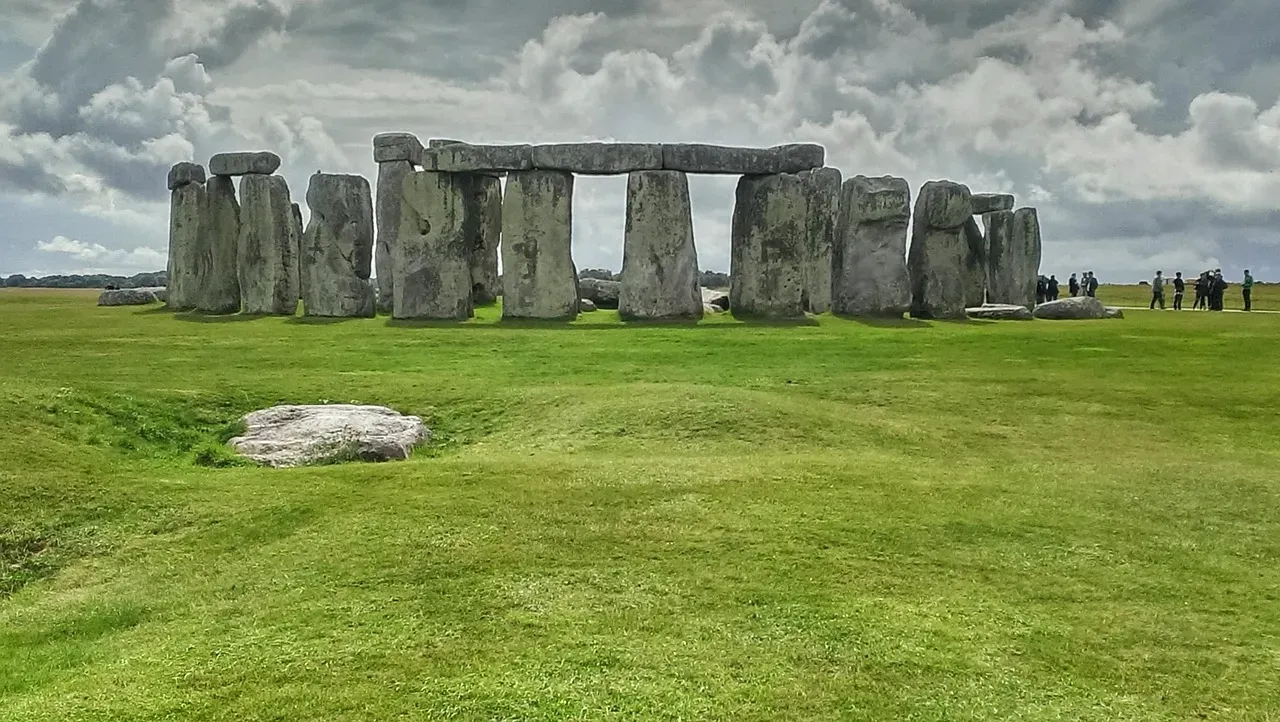
The ancient world laid the foundation for many aspects of modern society, from governance and philosophy to art, science, and law, with legacies of civilizations like Mesopotamia, Egypt, Greece, and Rome continuing to shape contemporary life in subtle yet profound ways. Every system, every institution, every technological advancement we enjoy today stands on foundations built by people who lived thousands of years ago.
The remarkable thing isn’t just that these civilizations existed. It’s that they thought so innovatively, so practically, and so ambitiously that their solutions to problems still work in 2026. From the concrete beneath your feet to the democratic principles that govern your nation, from the mathematical formulas that power your computer to the medical ethics that protect your health, ancient civilizations are everywhere in your modern life.
So what do you think about it? Does knowing these ancient origins change how you see the world around you? Tell us in the comments.