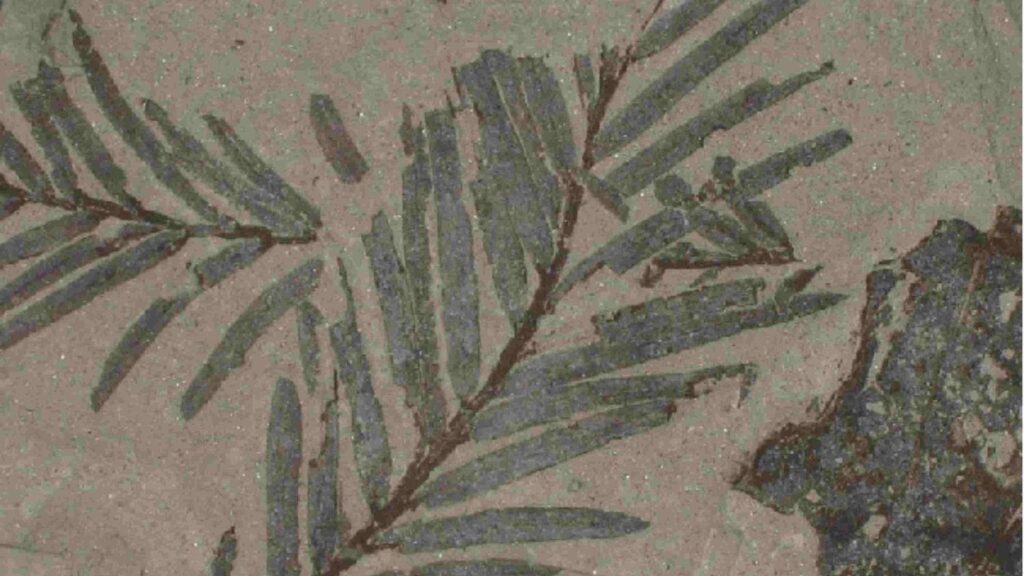
Imagine holding a piece of rock in your hand and realizing that embedded within it is a leaf that fell to the ground over three hundred million years ago. No dinosaur looked at it. No human was anywhere near it. Yet here you are, staring at its veins like reading the fingerprints of a vanished world. That is precisely what fossilized plants offer science – and honestly, it is one of the most quietly extraordinary things happening in research right now.
Beyond their vital ecological roles, ancient plants offer a fascinating window into the past, unlocking secrets about prehistoric environments, climate shifts, and the evolution of life itself. This branch of science, known as paleobotany, explores fossilized plant remains to reconstruct the history of our planet. From microscopic pollen grains to towering petrified tree trunks, every single specimen tells a story that most of us never knew was waiting to be read. Buckle up, because what you are about to discover will genuinely change the way you see the ground beneath your feet.
What Paleobotany Actually Is – and Why It Matters More Than You Think
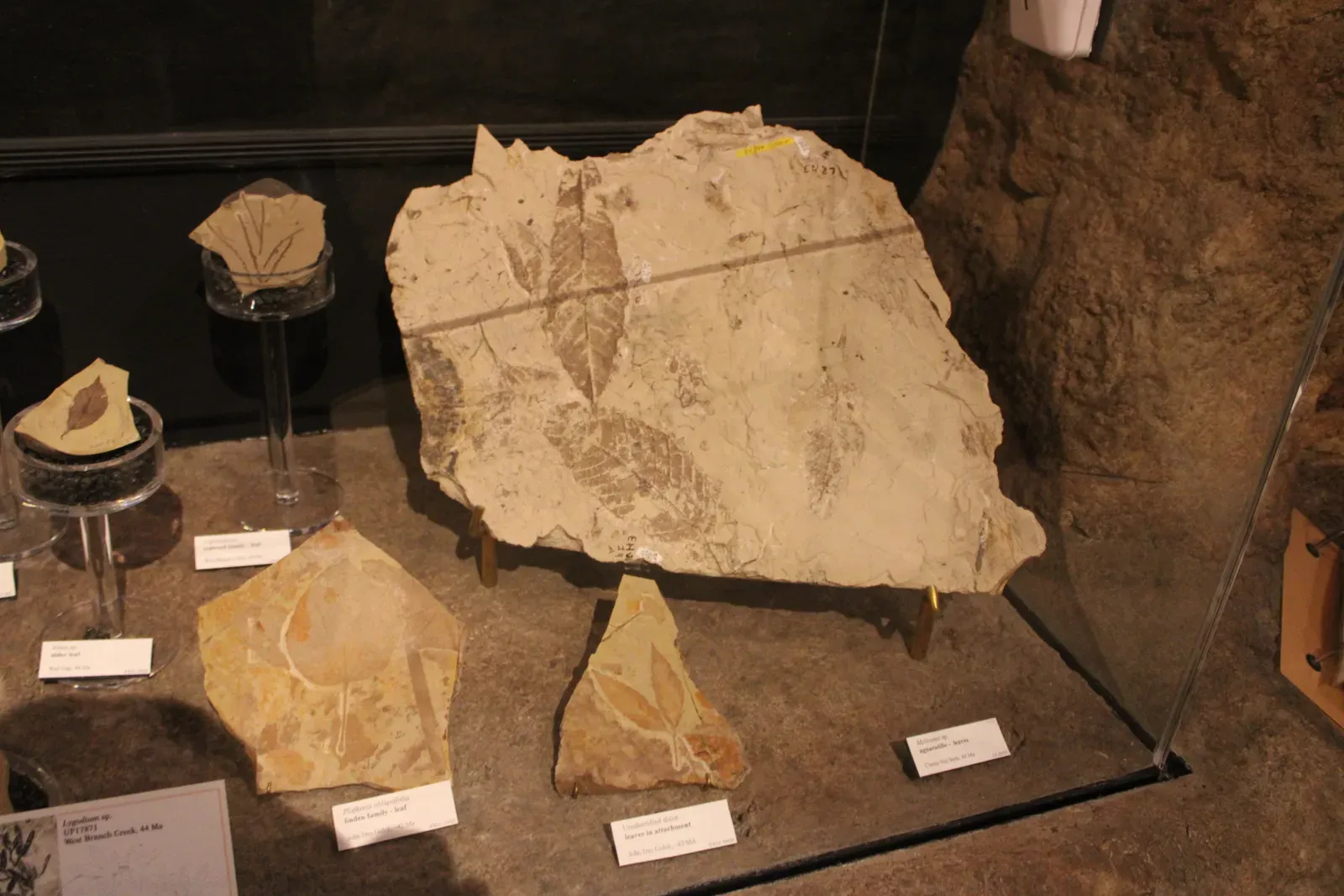
Paleobotany is the branch of botany dealing with the recovery and identification of plant fossils from geological contexts, and their use for the biological reconstruction of past environments, and the evolutionary history of plants, with a bearing upon the evolution of life in general. Think of paleobotanists as detectives, except their crime scenes are millions of years old and the evidence is pressed into ancient stone like a botanical time stamp.
Fossil plants range from the most delicate of flowers to the largest of petrified trees and stumps, and include nearly every other part of a plant: leaves, roots, nuts, cones, berries, needles, stems, twigs, seeds, and pollen. Let’s be real – when most people think about fossils, they picture dinosaur bones. Yet it is the plant fossils, those quiet, overlooked specimens, that often carry the richest ecological information of all. Although molecular and genetic analyses of living plants have become increasingly important as tools in reconstructing the phylogeny and evolutionary history of plants, the discipline of paleobotany, in all its various forms, remains the only method by which this history can be documented and visualized.
How Fossilized Plants Read the Climate Like a Thermometer
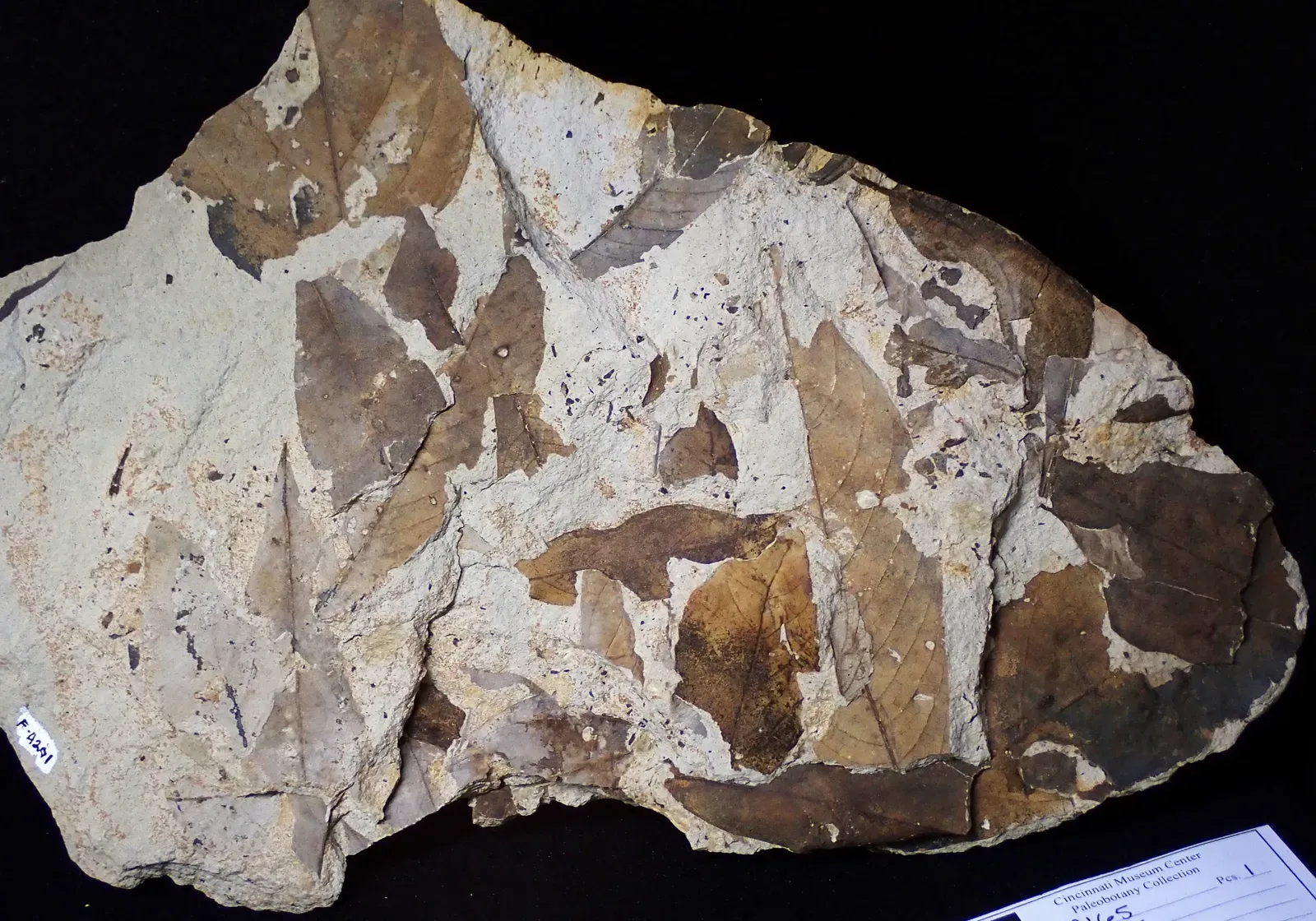
Here’s the thing about plants that makes them uniquely useful to scientists. Fossilized plants are among the best indicators of ancient climate conditions. Unlike animals, which can often migrate or adapt quickly, plants are rooted in place and highly sensitive to temperature, moisture, and atmospheric composition. The shape, size, and structure of fossilized leaves can tell scientists astonishingly detailed information about the environments in which they grew. It’s like each leaf is a tiny weather report, frozen in stone.
A fascinating aspect of paleobotany is the study of fossil leaves, which can reveal much about ancient atmospheric composition. Through detailed analysis, researchers can determine the levels of carbon dioxide in the atmosphere millions of years ago. This data is collected by examining the stomata, or tiny openings on leaves, which change density in response to atmospheric carbon dioxide levels. You can also look at the shape of leaf margins as a clue – broad fossil leaves with smooth edges suggest a warm, wet climate, while small, serrated leaves are found in cooler, drier environments. Incredibly simple in concept, yet staggeringly powerful in practice.
The Carboniferous Forests: When Plants Rewrote the Planet
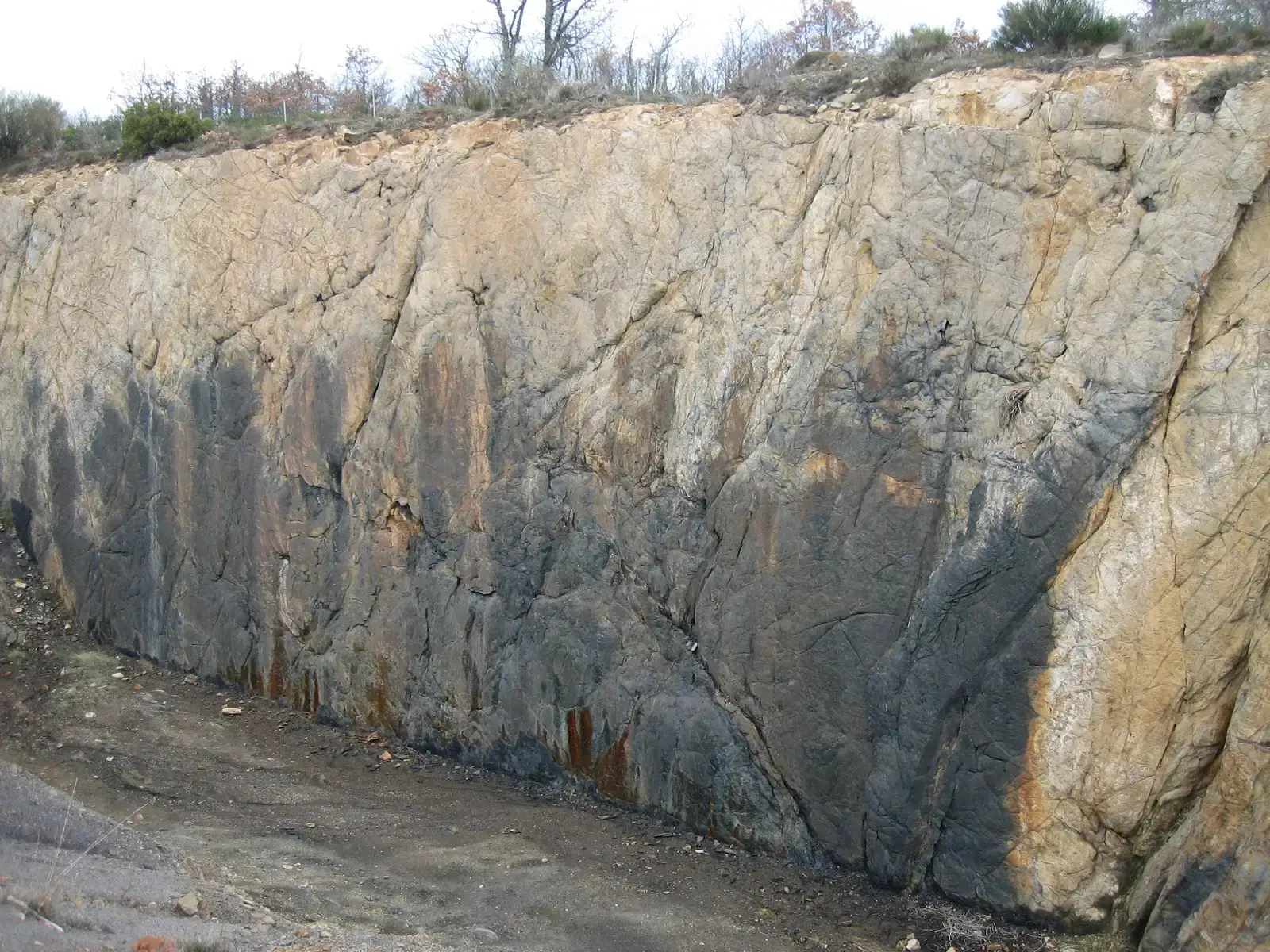
By the Carboniferous Period, around 359 to 299 million years ago, plants had not only colonized land – they had conquered it. Towering tree ferns, massive horsetails, and the earliest seed-bearing plants grew in dense, swampy forests across what is now North America, Europe, and Asia. These forests were not just vast – they were transformational. They altered the atmosphere, locked carbon into peat, and created environments teeming with strange and diverse life.
The impact of these Carboniferous forests went beyond biology – they reshaped the very chemistry of the planet. By drawing down enormous amounts of atmospheric carbon dioxide and burying it underground, these plants helped cool the planet, contributing to ice ages. In the process, they laid down the coal seams that would one day fuel human industry. I know it sounds a bit mind-bending, but the coal powering electrical grids for over two centuries is essentially the compressed remains of ancient forests. You have been burning prehistoric plant matter. That is either beautiful or terrifying, depending on how you look at it.
Amber: Nature’s Most Perfect Time Capsule
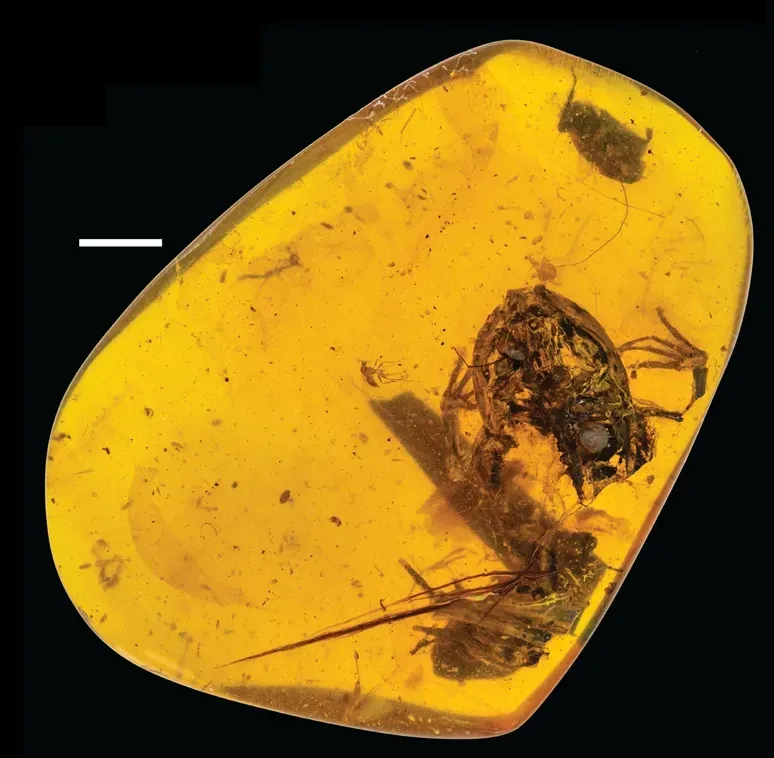
If stone fossils are like black-and-white photographs of prehistoric life, then amber is full color video. Amber, a fossilized tree resin, preserves ancient life in stunning detail, offering a unique glimpse into prehistoric ecosystems, extinct species, and evolutionary history. The level of detail locked inside a single amber droplet is genuinely hard to wrap your head around.
Plant inclusions in amber are equally illuminating. Pollen grains, fern spores, flower parts, and leaf fragments give scientists a detailed view of ancient flora. Even trapped air bubbles in amber can tell us about the atmospheric conditions of ancient Earth – revealing clues about oxygen levels and climate. Each piece of amber is a snapshot of an ancient ecosystem, capturing a moment that would otherwise be lost to time. Perhaps even more exciting is what amber reveals about ancient relationships. The amber, it seems, may capture the moment when many insect groups switched their feeding from gymnosperms to flowering plants, touching off the millions of years of coevolution that led to the extraordinary diversity of flowers and their pollinators today. That single frozen moment reshaped life on Earth as we know it.
Plant Fossils and Mass Extinctions: The Story of Survival and Collapse
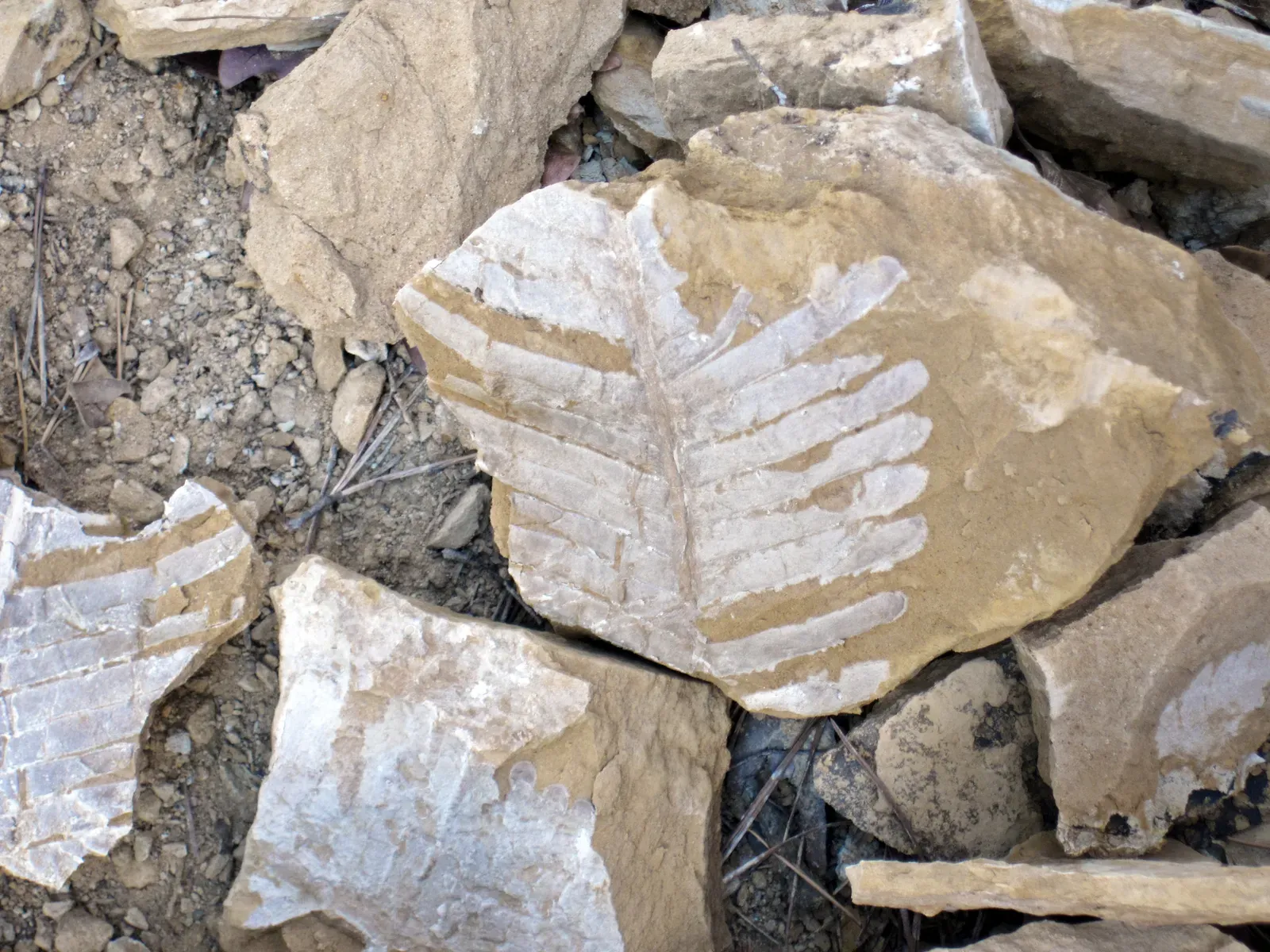
The collapse of tropical forests during Earth’s most catastrophic extinction event was the primary cause of the prolonged global warming which followed, according to research. The Permian-Triassic Mass Extinction, sometimes referred to as the “Great Dying,” happened around 252 million years ago, leading to the massive loss of marine species and significant declines in terrestrial plants and animals. The event has been attributed to intense global warming triggered by a period of volcanic activity in Siberia, known as the Siberian Traps.
What plant fossils show us about the aftermath is equally arresting. The fossil evidence suggests that conifers, similar to modern pines, were among the first plants to recolonize the devastated landscape after the extinction event. However, their dominance was short-lived. A period of intense global warming, known as the Late Smithian Thermal Maximum, caused temperatures to spike, leading to another collapse of vegetation. During this time, tough, shrubby plants resembling modern club mosses took over, adapting to the scorching conditions. Still, remarkably, some plant refuges survived even the worst. Fossil records reveal the presence of vibrant regional gymnospermous forests and fern fields, while marine organisms experienced mass extinction. This refugial vegetation was crucial for nourishing the substantial influx of surviving animals, thereby establishing a diverse terrestrial ecosystem approximately 75,000 years after the mass extinction.
The Rise of Flowering Plants and the Secrets Still Being Unearthed
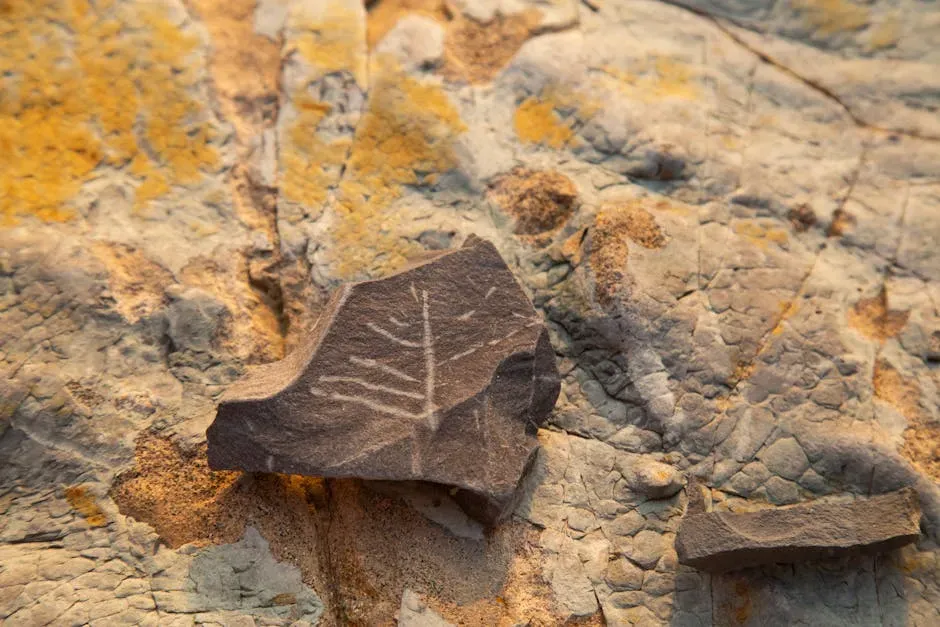
The rise of angiosperms, or flowering plants, around 140 million years ago during the Cretaceous Period marked a transformative epoch in plant evolution. Fossil evidence uncovered by palaeobotanists reveals how these plants gradually supplanted gymnosperms, becoming the dominant flora in terrestrial ecosystems. It is one of the great unfolding dramas in natural history – a slow-motion takeover written in pollen and petals.
Meanwhile, right now in 2026, entirely new mysteries continue to surface. Some 400 million years ago, long before dinosaurs or even trees had evolved, an enigmatic organism towered over the landscape like a prehistoric monolith. New research makes the case that the ancient life form is not a plant, animal, or fungi, and instead may be a completely unknown form of multicellular life. The Rhynie chert site in Scotland continues to amaze researchers. This ancient ecosystem came to an abrupt end around 407 million years ago, when silica-rich water from the hot springs overflowed into the wetland and entombed the species living there, providing scientists with an astonishing wealth of well-preserved fossils to study from a key moment in the evolution of life. It’s hard to say for sure just how many more secrets are still buried out there – but the evidence suggests plenty.
Conclusion: The Past Is Still Speaking, If You Know How to Listen
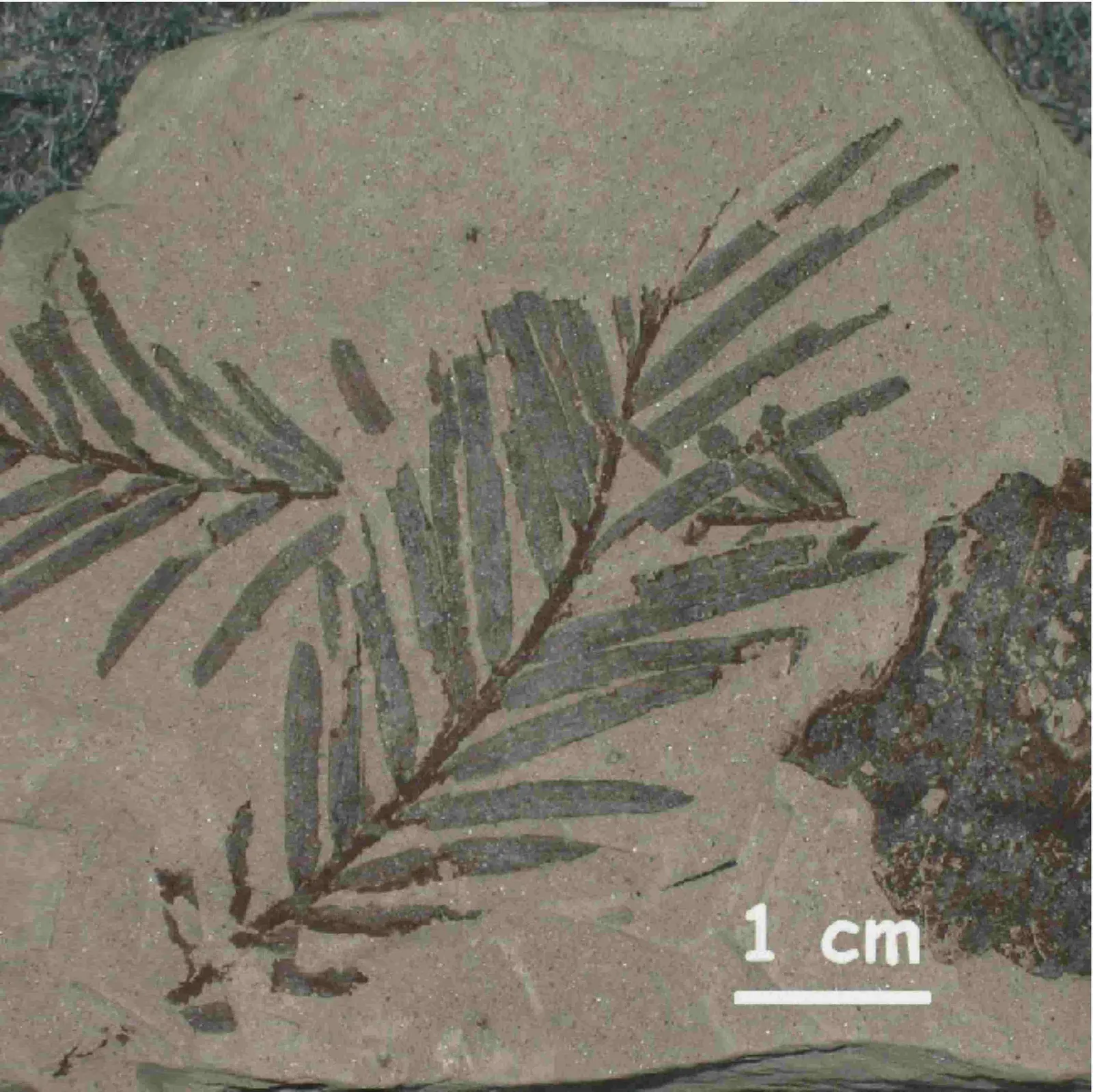
There is something profoundly humbling about the fact that a leaf which fell silently into ancient mud can, hundreds of millions of years later, tell us the exact temperature of the atmosphere on a forgotten afternoon. Fossilized plants are not relics. They are active participants in our understanding of the living Earth. Less well-known, perhaps, is that fossils can also tell us about our future. By studying the fossil record, we can see how past ecosystems and species adapted to different conditions, helping us anticipate potential upcoming changes in biodiversity and ecosystem dynamics.
The lessons embedded in ancient plant fossils have never been more relevant. Scientists have used modelling and plant fossils to follow the biosphere’s transition to 10 degrees of warming, which eradicated tundra habitats and made polar regions temperate, helping us understand the consequences of extreme climate change in deep time – and possibly even the consequences of our own CO2 emissions. The prehistoric world is not as distant as you might think. It is pressing up through the rock layers beneath your feet, waiting to be found. The only question is: are you paying attention?
What do you think – does the story written in ancient leaves change the way you see today’s forests? Tell us in the comments.