Picture a world where no ice caps exist at the poles, where steaming jungles stretch from the equator almost to the arctic, and where the air itself is thick with carbon dioxide. This is not science fiction. This is Earth as it existed for roughly 186 million years, a stretch of geological time so vast it dwarfs our human comprehension. It was in this alien yet deeply familiar world that some of the most magnificent creatures to ever roam our planet took shape, adapted, thrived, and ultimately vanished.
The dinosaurs did not simply appear out of nowhere. They were molded, pressed, stretched, and sculpted by the forces of climate, geology, and planetary transformation across hundreds of millions of years. Understanding their story means understanding the ground beneath their feet, the air above their heads, and the seas that rose and fell around them. So let’s dive in.
A Planet Unlike Any Other: The Mesozoic World You Never Imagined
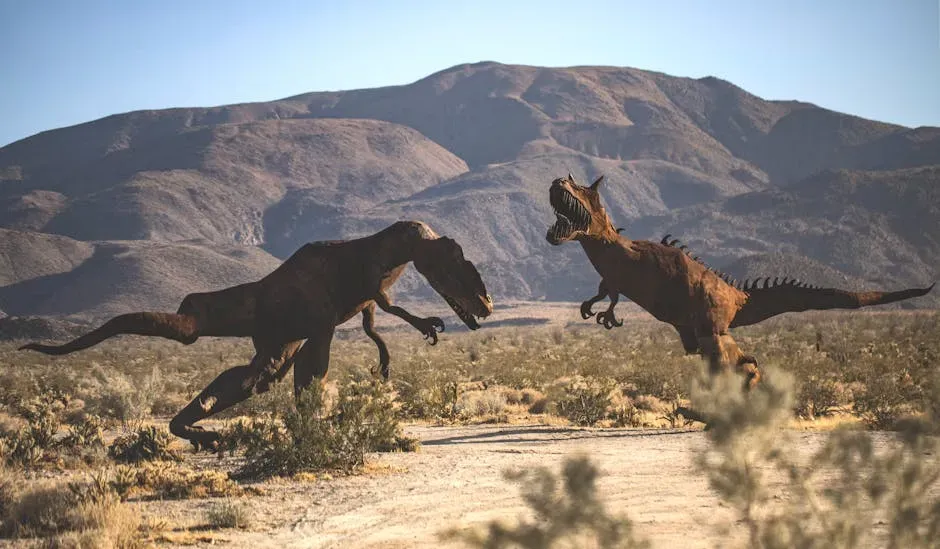
The Mesozoic was a time of significant tectonic, climatic, and evolutionary activity. Honestly, that sentence is doing a lot of heavy lifting. Think of it this way: if you dropped a modern human into the Mesozoic world, nothing would look remotely familiar. Earth during the Mesozoic era was much warmer than today, and the planet had no polar ice caps.
During the Mesozoic Era, the Age of Dinosaurs, the climate was much warmer and carbon dioxide was abundant in the atmosphere. This meant lush plant growth on a massive scale, feeding the explosion of herbivorous dinosaurs that came to define the era. The Mesozoic is commonly known as the Age of the Dinosaurs because the terrestrial animals that dominated both hemispheres for the majority of it were dinosaurs.
Pangaea: The Super-Continent That Set the Stage
![Pangaea: The Super-Continent That Set the Stage (I did myself based on [1], also I added it on my dinosaur website (the link is [2]), CC BY-SA 2.5)](https://nvmwebsites-budwg5g9avh3epea.z03.azurefd.net/dinoworld/b6d3179306e2ce1827034db401e5bf89.webp)
At the beginning of the Triassic, virtually all the major landmasses of the world were collected into the supercontinent of Pangea. Terrestrial climates were predominately warm and dry, though seasonal monsoons occurred over large areas. Here is the thing about living on one giant landmass – the farther you are from a coastline, the more extreme your climate becomes. Without much coastline to moderate the continent’s interior temperature, Pangaea experienced major temperature swings and was covered in large swaths of desert.
The climate also influenced where animals lived. During the late Triassic, reptile-like animals in the family Procolophonidae lived in one region, while mammal relatives, known as cynodonts, lived in another. In the dry interiors where reptiles thrived, reptiles tend to flourish in hot climates because their skin is less porous than mammal skin, so it loses less water in the heat. Reptile kidneys are also better at conserving water.
The Triassic Furnace: When Dinosaurs First Emerged From the Heat
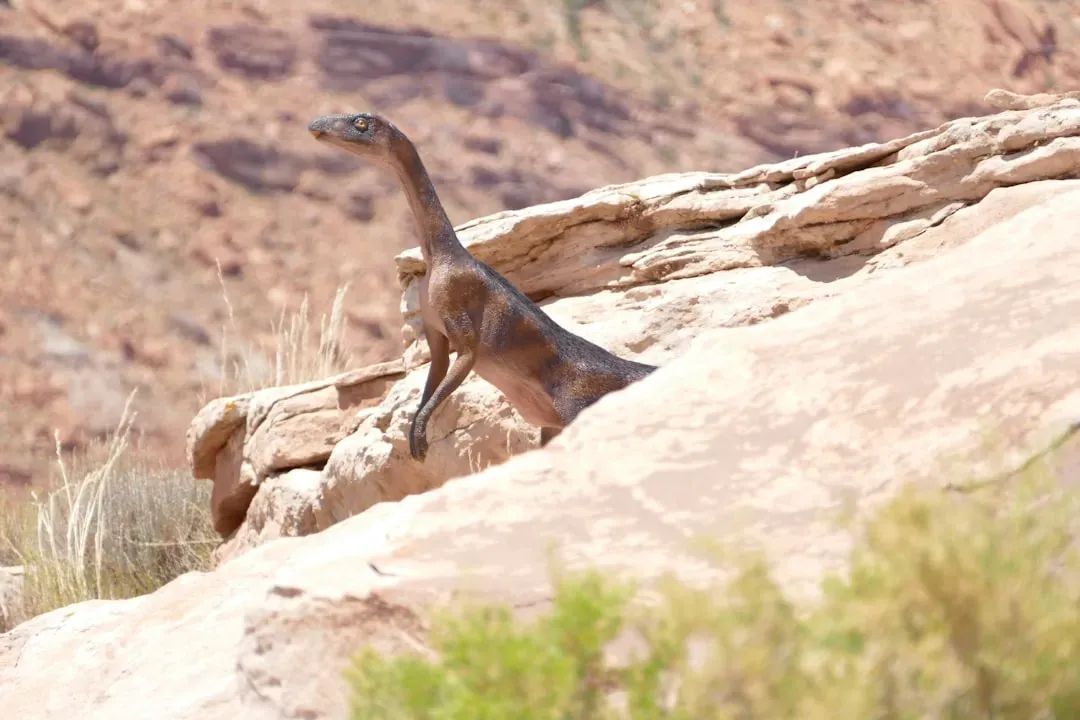
The climate during much of the Triassic was warm with a dry continental interior and no evidence of ice at the poles. It is almost poetic, really – the very first dinosaurs clawing their way into existence in an environment so hostile and arid that the competition had largely already been wiped out. This era began in the wake of the Permian–Triassic extinction event, the largest mass extinction in Earth’s history.
Reptiles began to get bigger and bigger, and the first crocodilians and dinosaurs evolved, which sparked competition with the large amphibians that had previously ruled the freshwater world. Following the bloom of the Middle Triassic, the Late Triassic featured frequent heat spells and moderate precipitation. Research from Friedrich-Alexander-Universität and partner universities has also revealed something genuinely surprising: it was variations in climate conditions that were restricting dinosaur diversity before the Triassic–Jurassic mass extinction.
The Triassic–Jurassic Extinction: Climate’s Greatest Gift to the Dinosaurs
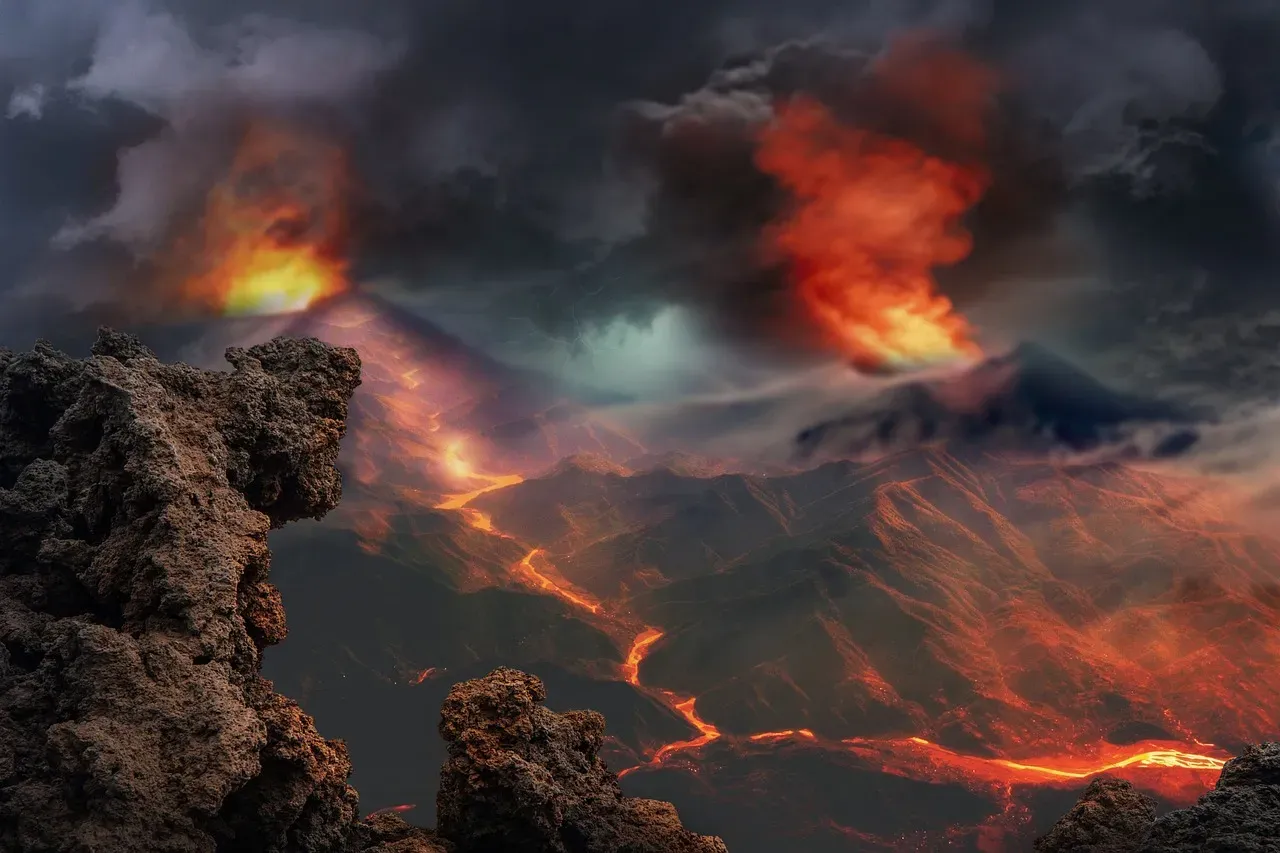
201 million years ago, the Earth got so hot that it caused a mass extinction of animals and other animate beings. For dinosaurs, however, this climate change was actually beneficial – their populations started growing and they expanded their habitat. Let’s be real: this is one of the most counterintuitive facts in paleontology. The catastrophe that killed off so many species was the very event that handed dinosaurs dominion over the Earth.
At the end of the Triassic Period there was a mass extinction, the causes of which are still hotly debated. Many large land animals were wiped out but the dinosaurs survived, giving them the opportunity to evolve into a wide variety of forms and increase in number. While the climate near the equator in the Late Triassic was much too warm for early dinosaur species, when the climate zones shifted in the early Jurassic, this allowed dinosaur species’ populations to flourish and expand to new areas that were previously inaccessible.
The Jurassic Greenhouse: When Giants Walked the Earth
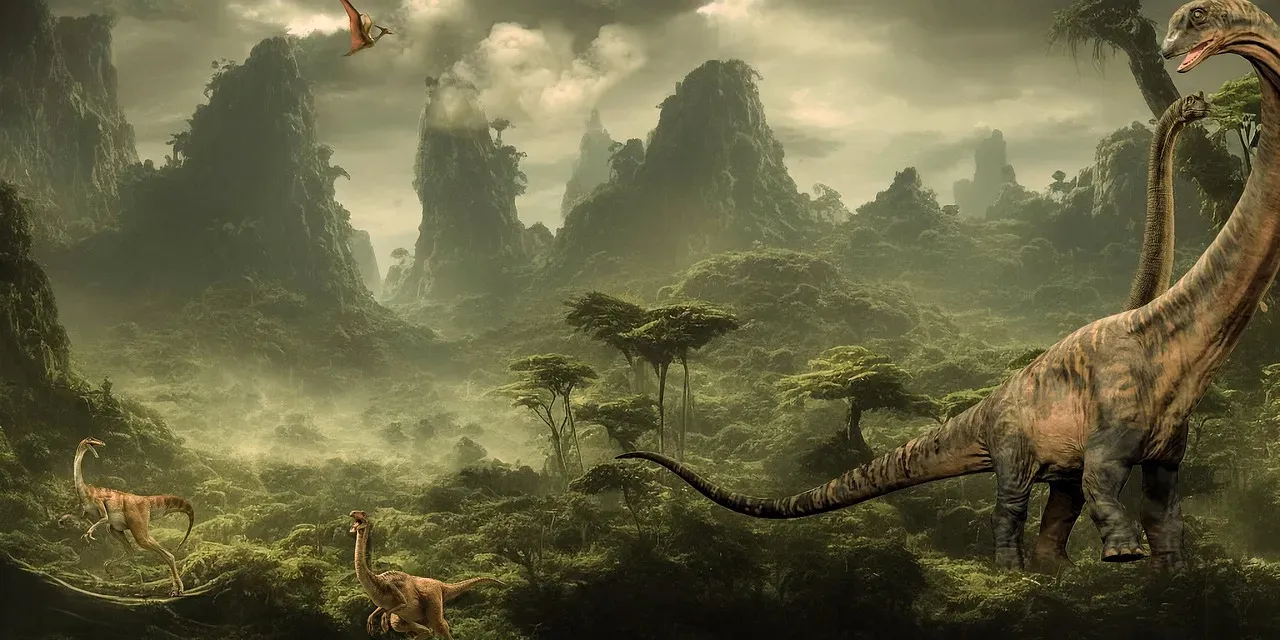
Warm tropical greenhouse conditions occurred worldwide during the Jurassic, and this matters enormously. With Pangaea beginning to break apart and coastlines multiplying, moisture reached places it had never reached before. Sea levels began to rise during the Jurassic, probably caused by an increase in seafloor spreading. The formation of new crust beneath the surface displaced ocean waters by as much as 200 meters above today’s sea level, flooding coastal areas.
The dry climate of the Triassic was replaced by a warm, moist subtropical climate that brought forth an explosion of new life forms. The world was once again ripe for the opportunists, such as the utterly remarkable dinosaurs. The plant life exploded too. The plentiful plant supply allowed the huge plant-eating sauropods such as Apatosaurus, Diplodocus and Brachiosaurus to evolve. These are some of the largest animals to have ever walked the Earth.
Continental Drift and Evolutionary Divergence: When Geography Became Biology
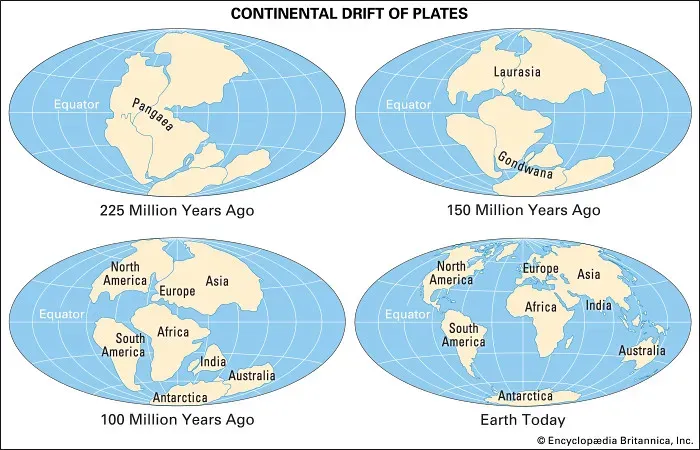
During the Cretaceous period, the continents completely separated, causing dinosaurs and other life forms to evolve independently of each other. Think of it like this: once you separate two groups of animals by an ocean, they stop sharing genes, stop sharing adaptations, and start becoming entirely different creatures. While North American species like Diplodocus evolved extremely long, whip-like tails, their South American relatives developed different body proportions and feeding strategies. This geographical separation also led to the evolution of entirely new dinosaur groups.
The separation of Pangaea into northern Laurasia and southern Gondwana created two distinct evolutionary theaters for dinosaur development. Each supercontinent developed its own characteristic dinosaur assemblages, reflecting different environmental conditions and evolutionary pressures. Laurasia generally experienced cooler, more seasonal climates that favored different dinosaur adaptations than the warmer, more stable conditions of Gondwana. Perhaps the most dramatic example involves the theropod dinosaurs of isolated Asia, which evolved elaborate feather structures, initially for insulation and display, that would ultimately enable powered flight in their avian descendants. Continental separation similarly influenced herbivorous dinosaur evolution, with isolated populations developing increasingly sophisticated dental batteries, jaw mechanisms, and digestive adaptations.
Flowers, Food, and the Final Chapter: The Cretaceous Climate Legacy
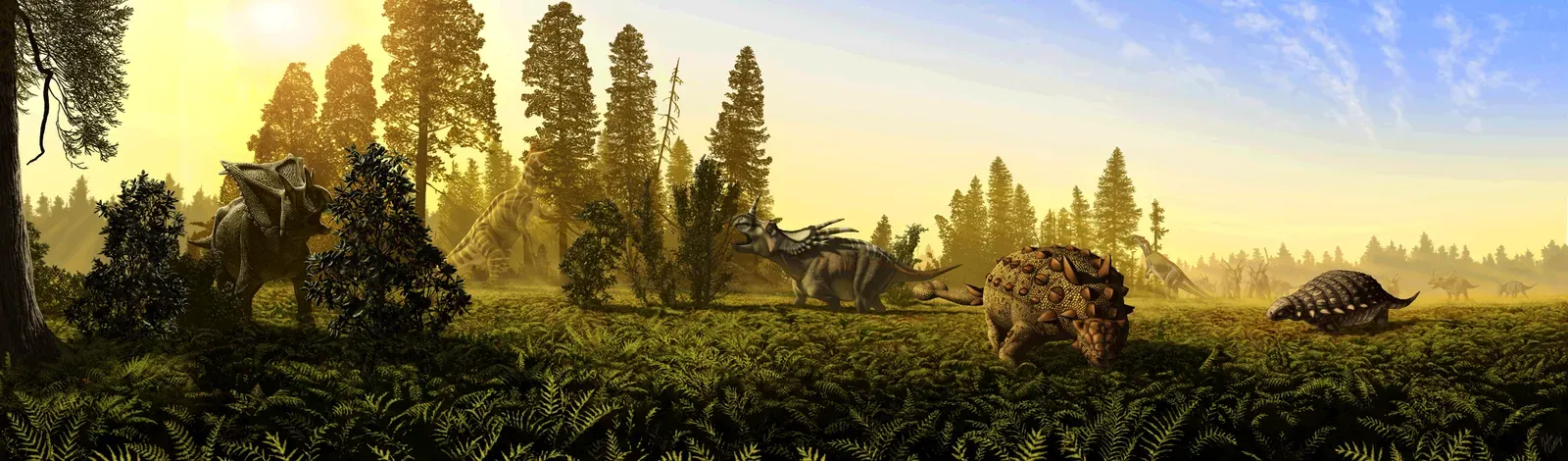
During the Early Cretaceous, flowering plants appeared and began to rapidly diversify, becoming the dominant group of plants across the Earth by the end of the Cretaceous, coincident with the decline and extinction of previously widespread gymnosperm groups. The arrival of flowering plants reshaped the Cretaceous world like a green revolution. The changing climate influenced plant communities, which in turn affected herbivorous dinosaur evolution. As flowering plants began to diversify during the Cretaceous period, herbivorous dinosaurs developed new feeding strategies and digestive systems to exploit these novel food sources. This plant-dinosaur coevolution became a major driver of dinosaur diversity in the later Mesozoic era.
Research indicates the decline of dinosaurs was likely driven by global climate cooling and herbivorous diversity drop. It’s hard to say for sure whether the dinosaurs were already on a trajectory toward decline before the asteroid arrived, but the evidence is compelling. These results imply that warm periods favored dinosaur diversification, whereas cooler periods led to enhanced extinctions, as observed in the latest Late Cretaceous. Then, of course, came the final blow: an asteroid with a diameter of about 10 km hit the Earth and caused wildfires, acid rain, months of darkness, and cold temperatures caused by increased reflection of solar energy back into space by airborne particles.
Conclusion
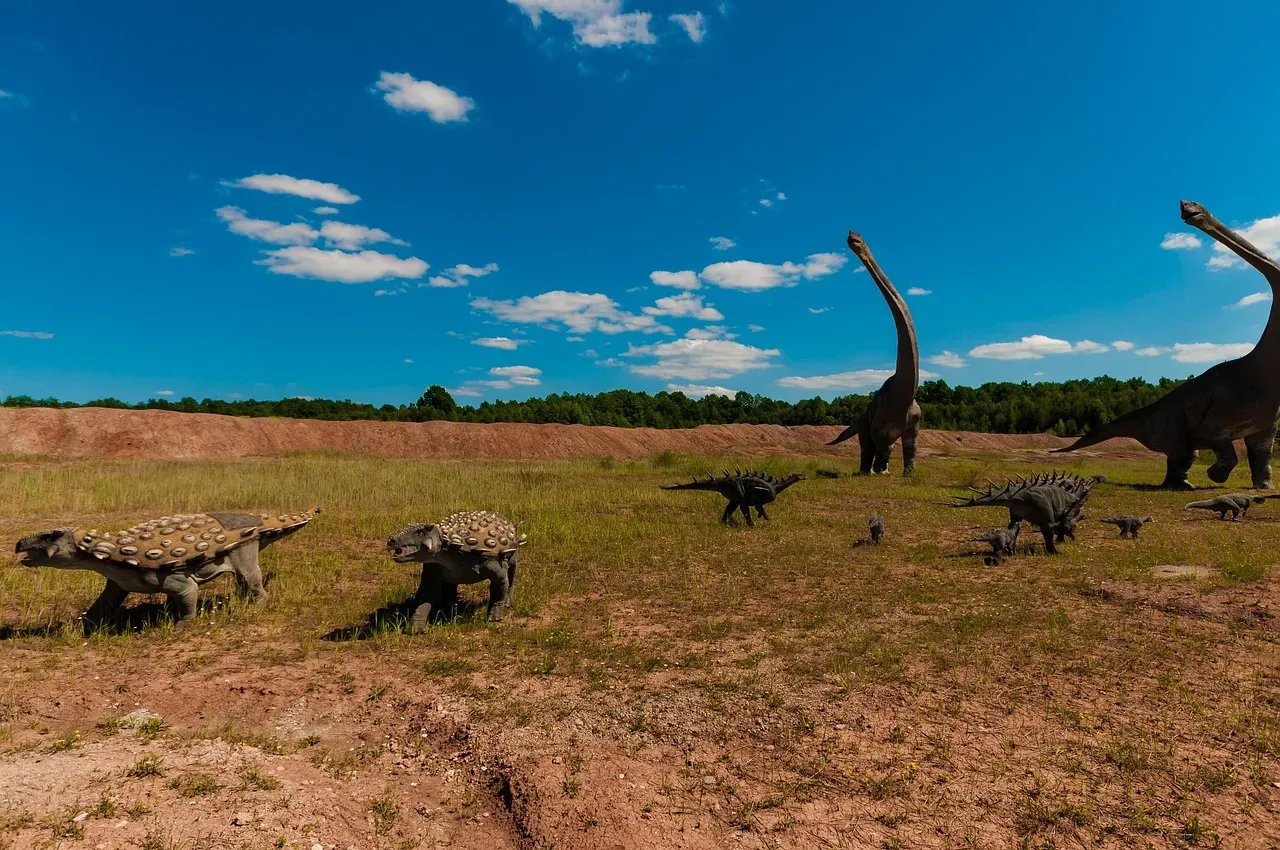
The story of dinosaur evolution is, at its core, a story about climate. Every giant sauropod, every feathered theropod, every armored ankylosaur was a living answer to the question the Earth kept asking: what kind of creature can survive here, now, under these conditions? The climate did not just provide a backdrop. It was the script, the director, and at times the executioner.
What makes this history genuinely thrilling is that it is not just ancient news. The same forces that sculpted Tyrannosaurus rex and Brachiosaurus are still in motion today. Continents continue to drift. Climates continue to shift. Species continue to adapt or perish. The Mesozoic world holds a mirror up to our own, and the reflection is deeply instructive. Did you ever imagine that a warming planet could actually be the reason dinosaurs came to dominate the Earth in the first place? What do you think about that? Share your thoughts in the comments below.