The image most people have of dinosaur discovery involves brave paleontologists trekking through scorching deserts or battling harsh weather in remote badlands. While these dramatic excavations certainly happen, you might be amazed to learn that some of the most remarkable fossil finds occur right under our noses, in places where we live, work, and play every day.
From suburban backyards to bustling city construction sites, dinosaur fossils continue to surprise scientists and ordinary citizens alike. These unexpected discoveries remind us that the ancient world isn’t buried somewhere far away in exotic locations. Instead, it lies just beneath the surface of our modern world, waiting for the right moment to reveal its secrets.
Urban Construction Sites: Modern Cities Built on Ancient Ground

Picture this: you’re commuting to work past yet another construction site when suddenly the excavation crew hits something that’s definitely not a water pipe. Construction workers digging near a Denver, Colorado, retirement home made a startling discovery: dinosaur bones. Now, they say it was an adult triceratops buried in the bedrock – and the fossils were 68 million years old. Denver has become something of a hotspot for these urban paleontological surprises.
The most ironic discovery occurred when a dinosaur museum in Denver found a fossil underneath its own parking lot. Upon inspecting the drilling bore, scientists discovered the unexpected rare find – a dinosaur bone dating back to 67.5 million years ago. The Denver Museum of Nature and Science was exploring for geothermal energy when they struck fossil gold instead. “It’s illustrative of how dinosaur bones and other fossils are really not terribly rare, and anytime you have a really good way of viewing the rock … you will run into fossils,” said Dr. Paul Olsen, a paleontologist at Columbia University.
Even more famous is the story behind Colorado’s baseball team mascot. Fast forward to 1993, when construction crews digging up the corner of 20th and Blake streets for the forthcoming baseball stadium found something of the prehistoric variety. Dinosaur bones were found during the building of the Rockies’ home. Though just fragments, these finds gave birth to Dinger, the purple dinosaur mascot that still entertains fans today.
Suburban Backyards: Prehistoric Neighbors Next Door

Your next barbecue might be happening directly above a Jurassic graveyard. In 2022, a home owner in Portugal stumbled upon a dinosaur fossil in his backyard amid home renovations. Upon digging, paleontologists unearthed a pristine huge sauropod skeleton, with the complete dinosaur measuring about 39 feet in length. What started as a simple home improvement project turned into one of the most significant sauropod discoveries in recent memory.
These backyard discoveries aren’t limited to Europe. A New York homeowner made a remarkable discovery in their backyard: an entire dinosaur jaw. In addition to the jaw, researchers from the New York State Museum and SUNY Orange also found several bone fragments, including a piece of a toe bone and a rib, all belonging to a mastodon. While mastodons aren’t technically dinosaurs, finding any prehistoric giant in your garden certainly qualifies as unexpected.
Sometimes the discoveries happen during the most mundane activities. Steve Schliesing, a mechanical engineer and fossil enthusiast from Flower Mound, was scouring the dirt of a new housing development in Celina last November, hoping to find shark teeth, when he unearthed something extraordinary: fossilized bones belonging to a plesiosaur. His casual fossil hunting in a Texas subdivision revealed what they uncovered is now considered one of the most complete plesiosaur skeletons ever discovered in the region.
College Campuses: Learning With Dinosaurs Underfoot

Academia has always been about discovery, but sometimes the most important finds happen right on campus grounds. In 2021, a Geology professor was strolling through the Amherst Campus, University of Massachusetts, when a pile of loose rocks on construction rubble caught his eye. Later, upon inspecting it with X-ray, he discovered that one of the rocks wasn’t a rock but the fossil of a neotheropod, a large dinosaur species from the Early Jurassic Age.
What makes this discovery particularly charming is how it happened. The professor initially just wanted some decorative rocks for his garden, showing that scientific discoveries can emerge from the most ordinary activities. Being rock-curious, the professor asked if he could collect some to add to a garden. This casual rock collecting turned into a significant paleontological find that ended up contributing to our understanding of Early Jurassic predators.
Universities across the country are discovering they’ve been literally built on top of ancient ecosystems. McMenanim carried out testing and discovered their intended ornamental rock to be an elbow bone for a predatory dinosaur known as Theropoda. These carnivores were around 30 feet long, had hollow limb bones, bladelike teeth and lived over 140 million years ago in the Early Jurassic period.
Sports Stadiums: Where Fans Cheer Above Ancient Giants

The next time you’re watching a game, remember that you might be sitting directly above creatures that roamed the earth millions of years ago. The Colorado Rockies mascot, Dinger, was born from the discovery of a rib bone and other fragments underneath Coors Field. This discovery during stadium construction has become part of Denver’s sporting folklore.
The Coors Field discovery demonstrates how routine construction projects can uncover remarkable finds. “2 rib bones” from “dinosauria,” the label says, discovered July 21, 1993 while crews were starting the excavation for Coors Field. For Jaimie Reams of Boulder, who spends most of her summer selling peanuts and bottled water outside Coors Field, the dinosaur connection makes the team even more endearing to fans.
In addition, Hagadorn told ABC News “tons of cool fossils” have been found underneath Denver International Airport. This suggests that Denver’s entire infrastructure might be resting on a paleontological treasure trove. The city has become a modern example of how urban development and ancient history intersect in unexpected ways.
Beaches and Coastal Areas: Ocean Meets Prehistory
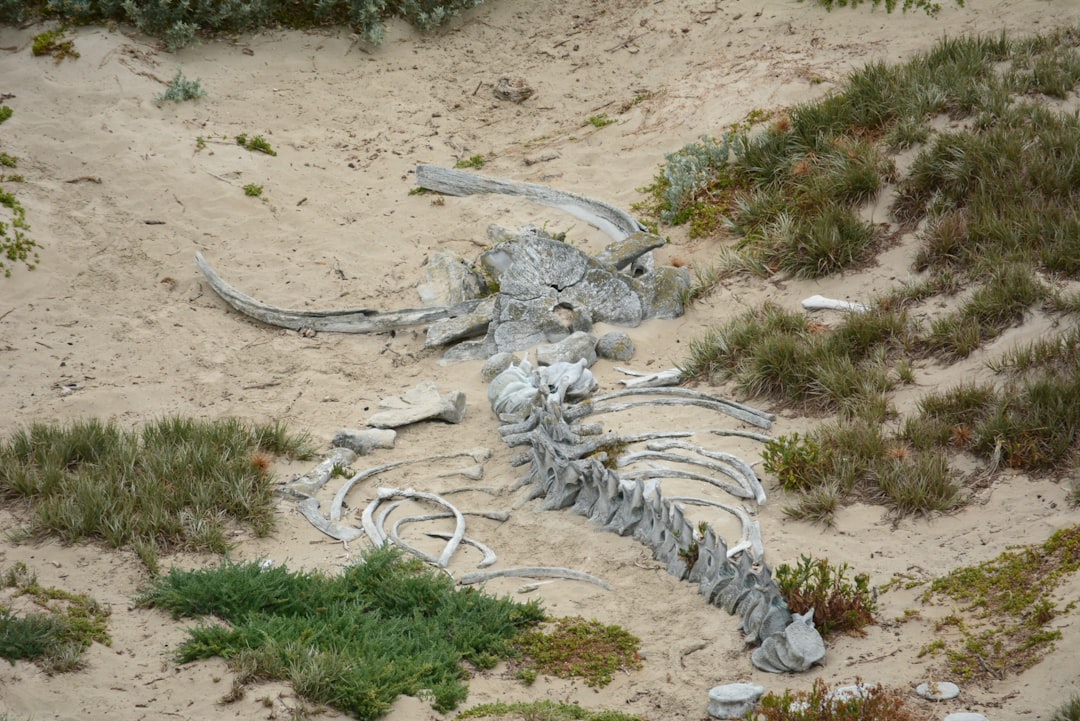
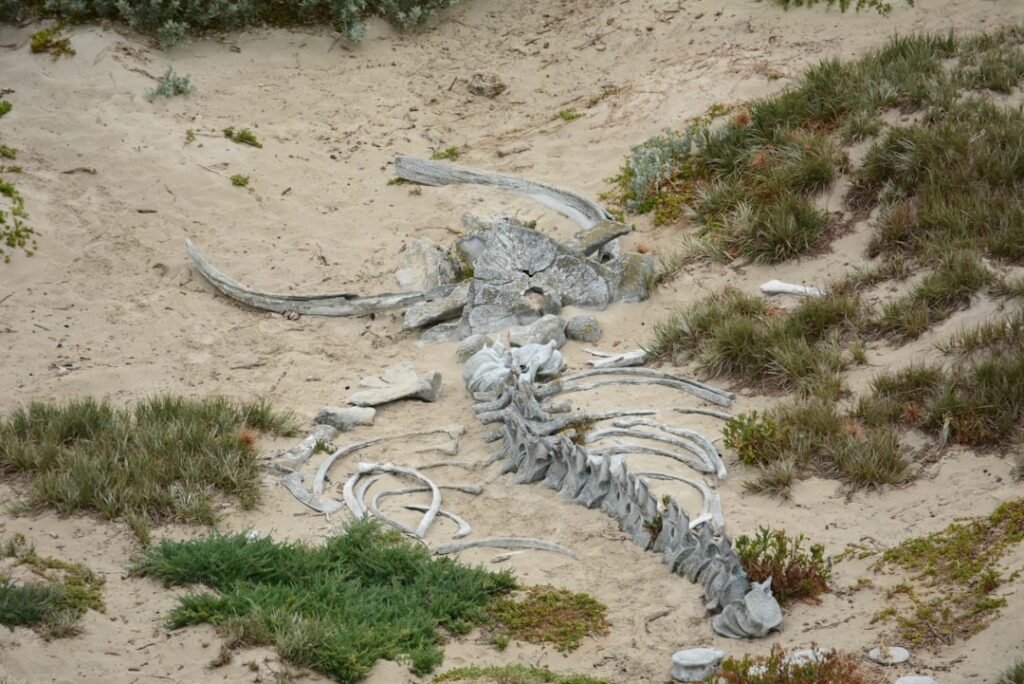
Beachcombing takes on new meaning when you realize that some of the most surprising dinosaur discoveries happen along coastlines. As noted, dinosaurs were land-dwelling animals, so it’s always a surprise when their remains are found near water bodies as secluded as Prince Edward Island. As she got closer, she realized it wasn’t a tree root but a well-connected fossil – a rib cage, a spine, and a skull. In this particular instance, the serendipitous discoverer was a high school teacher out daily with her dog. The teacher, Lisa, was busy collecting some sea glass when she noticed something like a tree root sticking out of the sand.
What makes coastal discoveries particularly intriguing is how they challenge our understanding of where dinosaurs lived and died. These finds often represent animals that were swept into marine environments by ancient floods or rivers, creating unexpected preservation conditions. The combination of saltwater, sediment, and time can create remarkably well-preserved specimens that might not survive in other environments.
Modern beach erosion continues to reveal new finds as changing tides and storms expose previously buried layers. And if you’re curious about how a quarry behind a Lowe’s in suburban New Jersey became a fossil hotspot, you can learn more about the Garden State’s history of housing prehistoric finds. Join Pop Mech Pro today for exclusive access to all of our stories on stunning archaeological finds, paleontological discoveries, and more.
Antarctica: The Frozen Time Capsule

When you think of dinosaur habitats, Antarctica probably doesn’t come to mind. Yet this icy continent has yielded some of the most remarkable and unexpected fossil discoveries in recent decades. The first dinosaur fossils identified in Antarctica were found in the Transantarctic Mountains during a 1990-1991 expedition. The first dinosaur fossils identified on the White Continent proper were found in the Transantarctic Mountains – which separate the relatively young volcanic and sedimentary rocks of West Antarctica from the much older continental core (craton) of East Antarctica – on a 1990-1991 expedition.
Over a ton of dinosaur fossils from 71 million years ago were recently discovered in Antarctica, scientists said. The fossils are largely of marine dinosaurs, most notably those from a mosasaurus, the giant creature seen devouring all manner of things in Jurassic World, according to the Australian Broadcasting Corporation. These discoveries paint a picture of Antarctica as a once-warm continent teeming with life, completely different from today’s frozen landscape.
The logistics of finding fossils in Antarctica make every discovery extraordinary. Our dinosaur hunt starts in the month of January, which is the Antarctic summer. Removing specimens from the ice and rock requires chisels, jackhammers, and rock saws. Collecting fossils in Antarctica is challenging and demanding. So few people have been there that almost everything you collect represents a fossil animal or plant that was previously unknown to science.
Quarries and Industrial Sites: Heavy Machinery Meets Deep Time
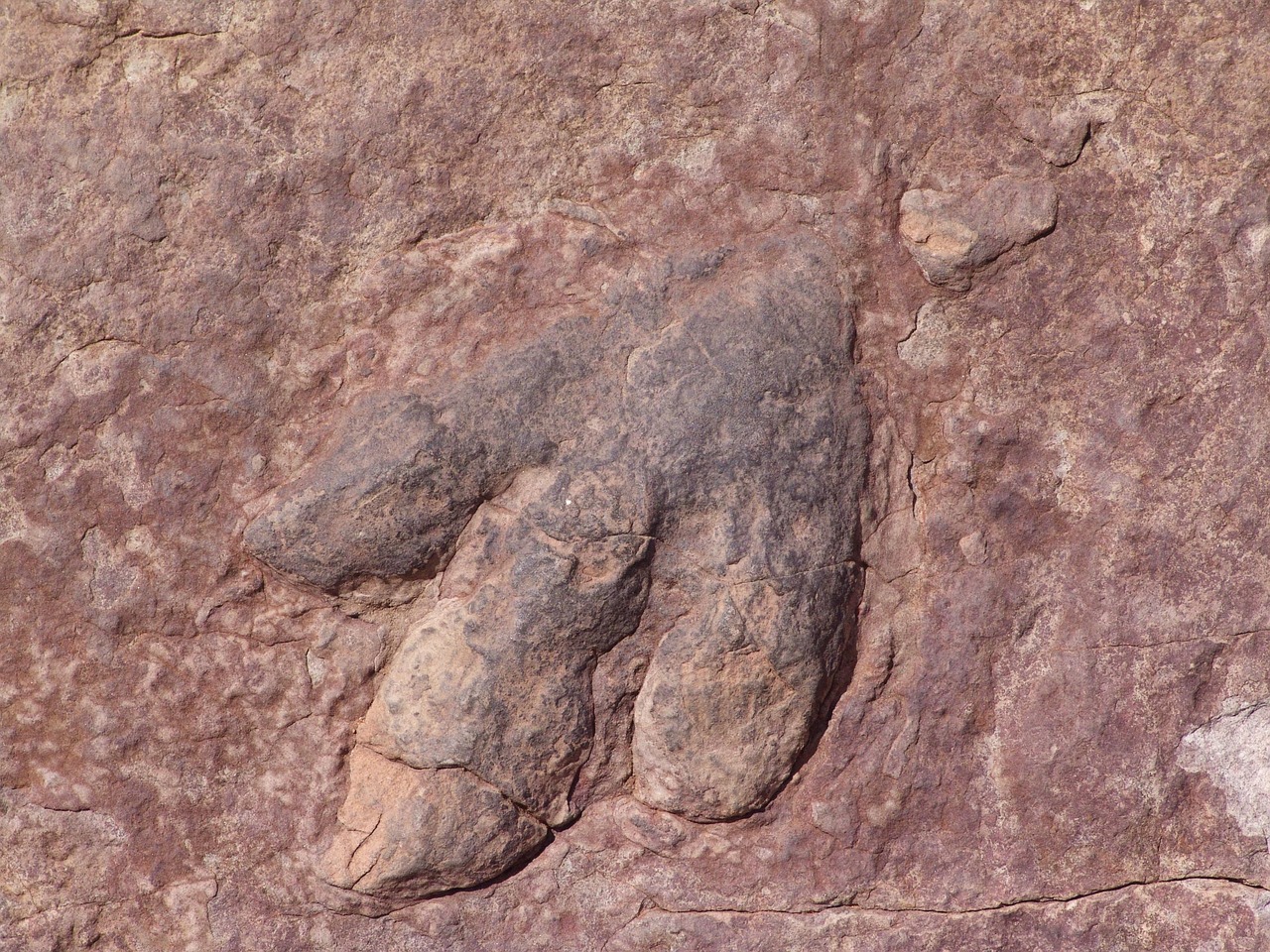
Sometimes the most dramatic discoveries happen when industrial equipment accidentally becomes paleontological tools. It was a normal day at Dewars Farm Quarry in Oxfordshire. However, what he found wasn’t just bumps. They were fossilized dinosaur tracks! As quarry worker Gary Johnson carried on, completing the day’s task of stripping clay, he noticed something strange. On the quarry floor, there seemed to be strange “bumps.”
What makes quarry discoveries so valuable is the scale at which they can be excavated. Five major trackways of footprints were identified. This set likely belongs to a dinosaur called Cetiosaurus, whose footprints measured three feet long each. The longest continuous set of tracks at the site carried on for 492 feet. These discoveries provide unprecedented insights into dinosaur behavior and movement patterns.
Industrial sites often expose rock layers that have been hidden for millions of years, creating unexpected opportunities for discovery. The combination of heavy machinery and deep excavation means that these sites can reveal fossils that might never be found through traditional paleontological methods. The year 2024 was home to amazing scientific discoveries, but none were as gargantuan as the groundbreaking discovery of fossilized dinosaur footprints made at Dewars Farm Quarry in Oxfordshire. What first appeared to be bumps on the quarry’s floor turned out to be one of the most scientifically significant finds of the year, if not the whole decade!
School Field Trips: Education Meets Discovery

Sometimes the most unexpected discoveries happen during the most routine activities, like school field trips. The Friday afternoon field trip was the result of Northglenn High School geology teacher Kent Hups stumbling across dinosaur fossils about three years ago while out scouting. Traversing through thick grasses and shimmying up and down steep hills, Hups led the class to three dinosaur footprints, but said there were surely more in the area.
The fossilized footprints looked like garden stepping stones jutting up from the grass, a little larger than a basketball with ridges and indentations that Hups explained were the dinosaurs’ toes. Based on the toe patterns, Hups said it was a horned dinosaur – possibly a Triceratops. What started as a teacher looking for good educational sites turned into a significant paleontological find that continues to provide learning opportunities for students.
The discovery has transformed how these students think about their local environment. The area they visited was ripe with small fossils and bones sticking out of the ground among rocks, cacti and dirt. The pieces of creatures were small enough to fit in the palm of a hand and scattered everywhere, broken into bits after years of exposure. Next school year, the students will present their findings to the city of Broomfield and come up with ideas on how to educate the public about the land, the fossils and how important it is to report findings, Hups said.
These remarkable discoveries remind us that our planet’s prehistoric past isn’t confined to remote museums or distant excavation sites. Instead, it surrounds us everywhere, from the parking lots where we leave our cars to the beaches where we vacation, from the construction sites that build our future to the backyards where we relax.
Every shovel that breaks ground has the potential to connect us directly with creatures that lived millions of years ago. The next time you see construction equipment at work or walk across a college campus, remember that you might be witnessing the moment when ancient history meets the modern world. What do you think about these incredible discoveries happening right under our noses? Have you ever wondered what prehistoric secrets might be buried in your own neighborhood?