Ever wonder how the world looked when it was ruled by creatures so massive they could fundamentally change the land itself? You probably know dinosaurs walked the Earth, and maybe you’ve heard of woolly mammoths. What you might not realize is that these animals didn’t just live on the landscape. They created it, destroyed it, and reshaped it in ways that echo down to us today. The ground beneath your feet was once trampled, plowed, and engineered by beasts that could bend entire ecosystems to their will without even trying.
Here’s the thing: when we talk about ancient animals, we’re not just discussing cool fossils in museums. We’re talking about biological bulldozers that transformed forests into grasslands, grasslands into deserts, and river valleys into entirely different worlds. Let’s dive in.
Megafauna Were the Original Ecosystem Engineers
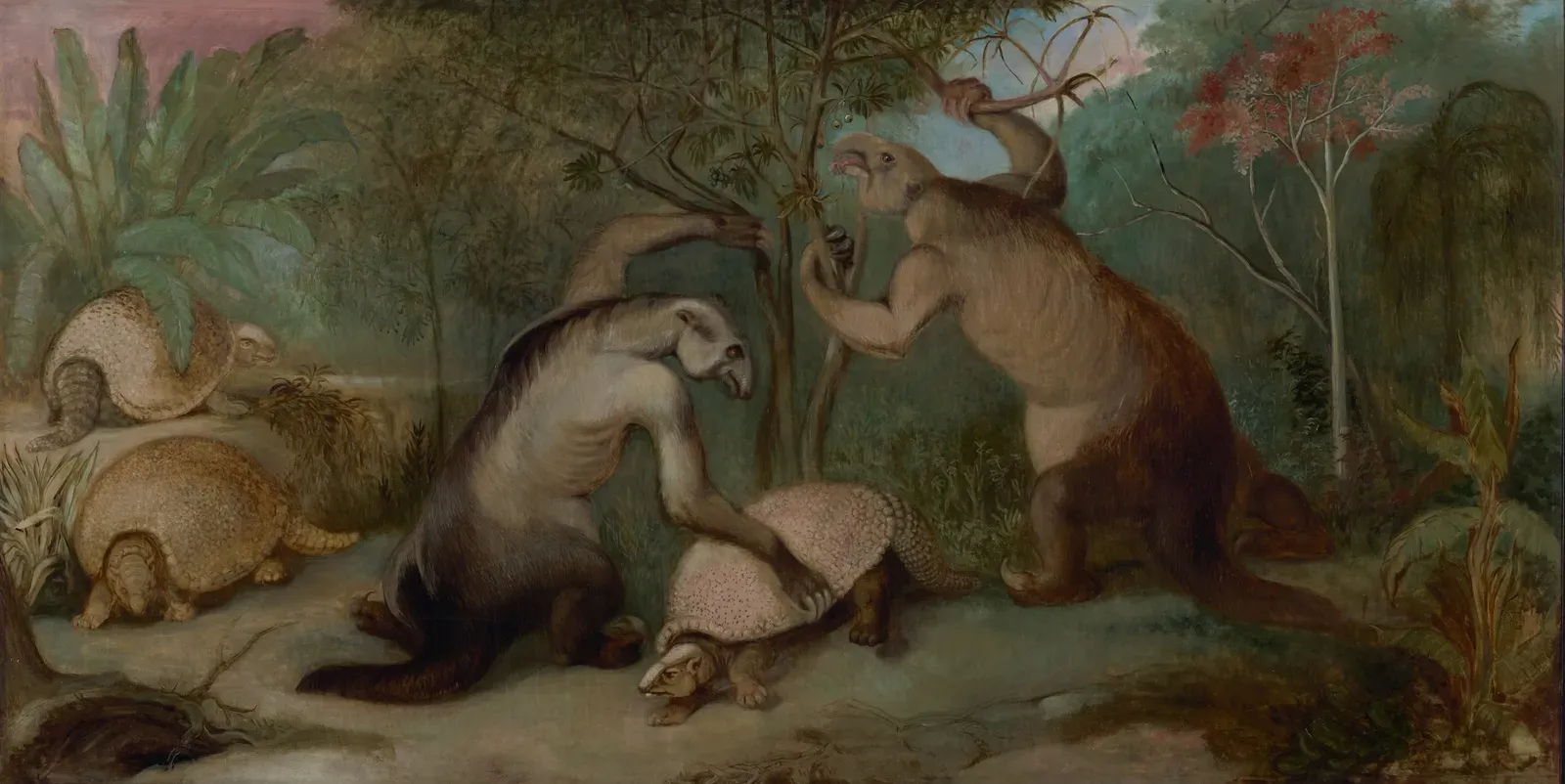
Megaherbivores, defined as animals weighing at least 1,000 kilograms for land species, achieved high population biomass and are considered ecological engineers capable of altering vegetation on a landscape scale. Think about that for a moment. These weren’t passive grazers quietly munching grass. They were active architects of their environment, whether they knew it or not.
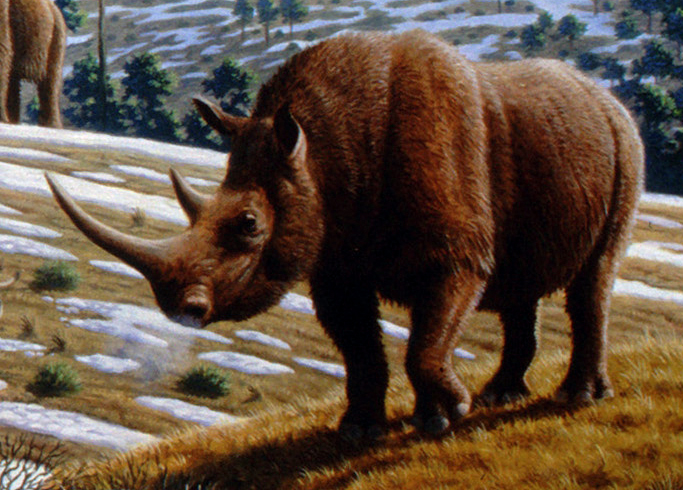
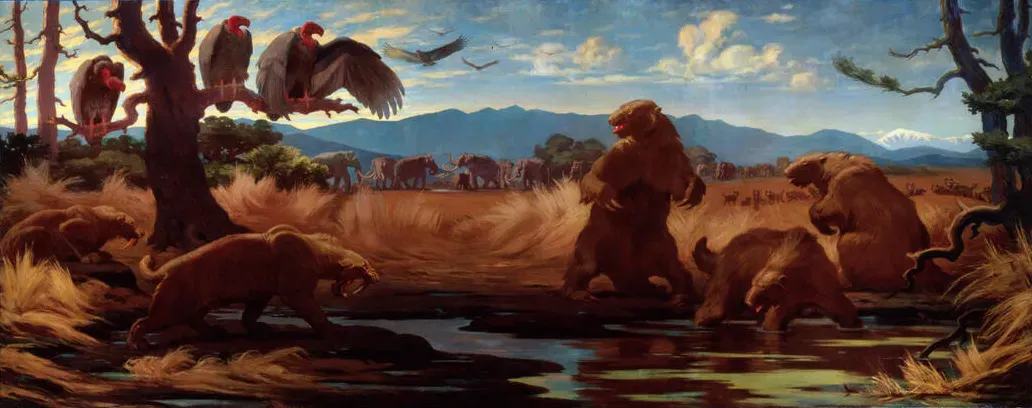
Such beasts were ecosystem engineers, and the same was true of many other herbivores that lived around the world until very recently. Ice Age giants like mammoths, mastodons, and ground sloths didn’t just wander around looking for food. Their sheer size meant every step they took, every tree they knocked down, every path they carved through dense forest altered the world around them. Modern experiments show us what happens when you remove these large animals from an ecosystem. When big herbivores are either eliminated or excluded from an area, the woodlands start to close up.
Giant Herbivores Created Open Landscapes Where Forests Should Have Stood
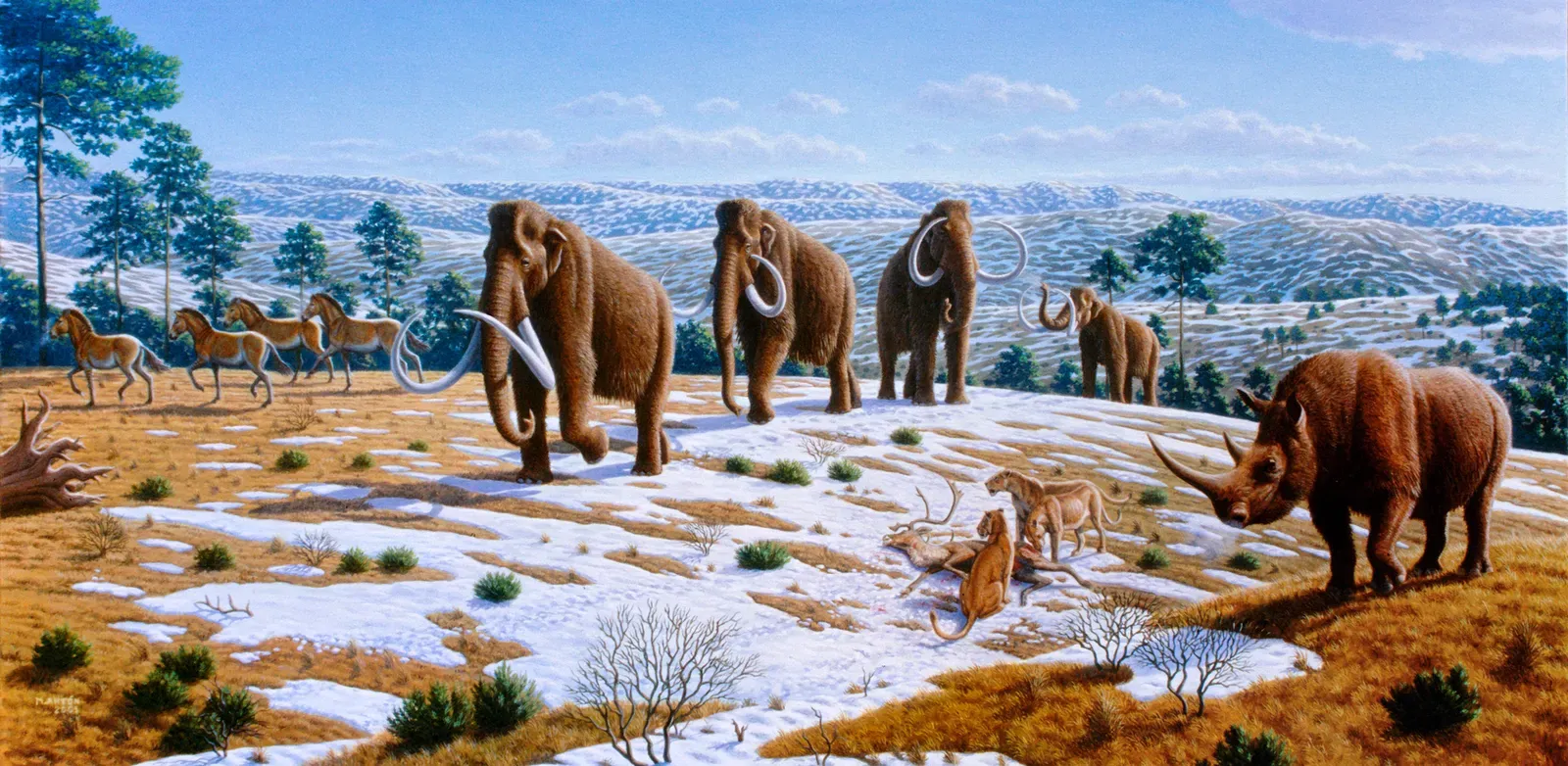
Imagine ancient Europe not as the dense forest you might picture, but as a patchwork of open grasslands, scattered trees, and parkland. Researchers from Denmark demonstrate in a study that the large grazers and browsers of the past created a mosaic of varied landscapes consisting of closed and semi-closed forests and parkland. This contradicts what many of us learned in school about prehistoric landscapes being wall-to-wall trees.
Large animals in high numbers were an integral part of nature in prehistoric times, and the composition of the beetles in the fossil sites tells us that the proportion and number of the wild large animals declined after the appearance of modern man, and as a result of this, the countryside developed into predominantly dense forest that was first cleared when humans began to use the land for agriculture. So when humans arrived and later started farming, they weren’t clearing primeval ancient forest. They were clearing forest that had only recently grown thick because the megafauna that kept it open had disappeared.
Sauropod Dinosaurs Literally Sculpted the Ground With Their Feet
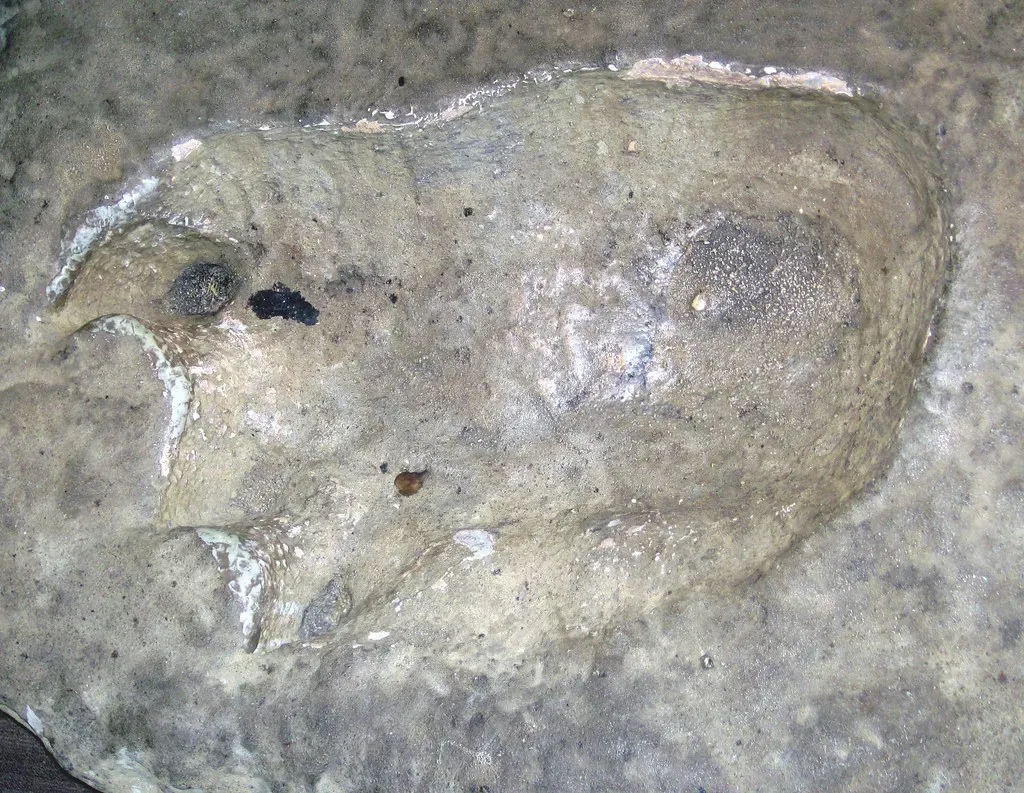
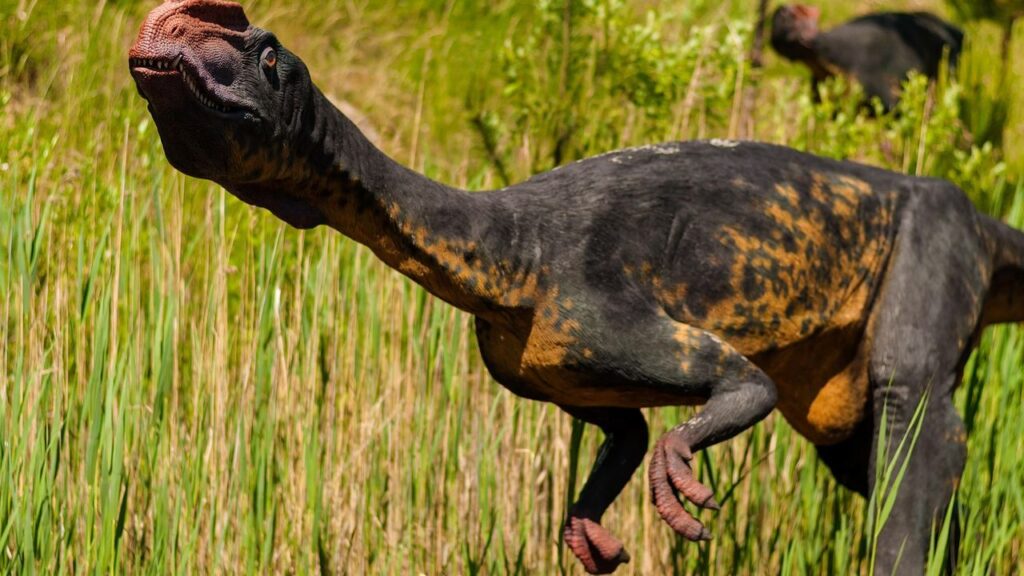
Giant sauropods’ feet didn’t just leave footprints for future paleontologists to find, but changed landscapes entirely, and unbeknownst to them, dinosaurs permanently altered the face of our planet. Picture a creature weighing tens of tons walking through a muddy floodplain. Every footstep sinks deep, creating depressions that fill with water.
Back in the Early Cretaceous, between 135 and 130 million years ago, part of the Australian continent’s northern coast was covered in streams, swamps and lagoons, and large sauropod dinosaurs had to take care navigating between these mucky habitats, and as they did so they unknowingly changed the landscape around them. These footprints weren’t just marks in the mud. Over time, they became permanent features, creating networks of pools and channels that other animals depended on. Honestly, it’s hard to imagine that something as simple as walking could reshape geology itself, but when you weigh fifty tons, physics makes it happen.
Pleistocene Predators Controlled Vegetation by Controlling Herbivores
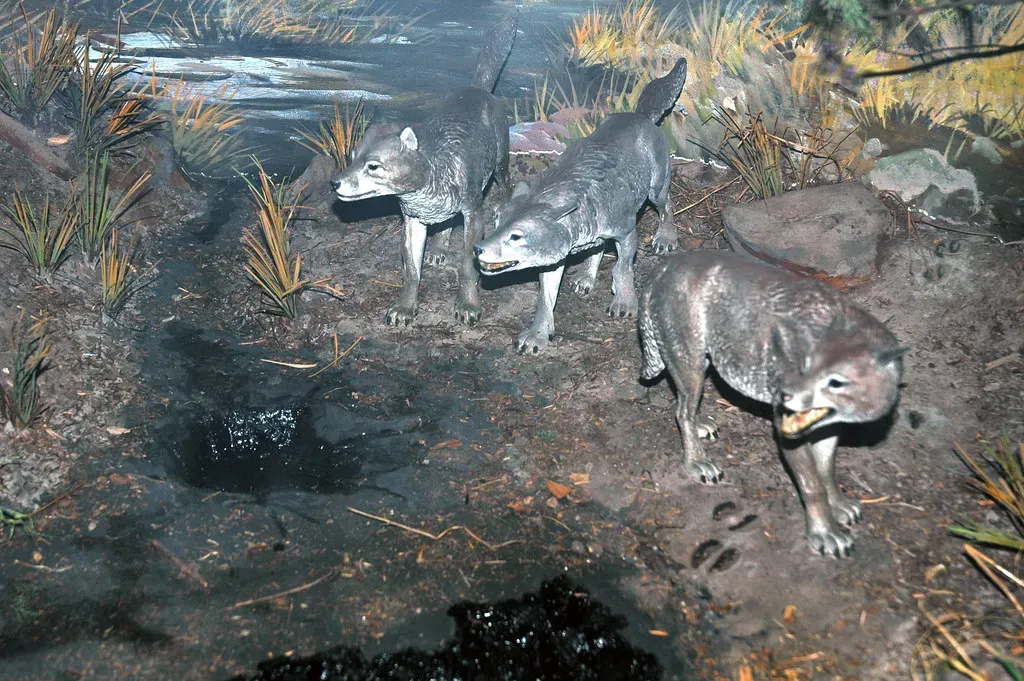
You might think predators only matter because they eat other animals. Wrong. Findings reported in the journal Proceedings of the National Academy of Sciences show that intense, violent attacks by packs of some of the world’s largest carnivores, including lions much larger than those of today and sabertooth cats, went a long way toward shaping ecosystems during the Pleistocene epoch. These massive hunters weren’t just killing for food. They were regulating entire populations of giant herbivores.
Keeping mega-herbivore populations in check meant that there was more vegetation for smaller mammals and birds, and the predators might even have had indirect effects on river ecosystems, because the banks of the rivers were not being denuded by mega-herbivores and less likely to erode. Let that sink in. A pack of dire wolves or saber-toothed cats hunting young mammoths wasn’t just affecting mammoths. It was protecting riverbanks, supporting bird populations, and maintaining the balance of an entire ecological web.
Ancient Mammals Reshaped the World After Dinosaurs Vanished
After the dinosaurs went extinct, mammals took over the vacant landscape left behind in the wake of the massive asteroid that wiped out 75 percent of life on the planet. But here’s what’s surprising: New sampling of fossilized mammals across North America is demonstrating that the diversification of mammalian species following the extinction of the dinosaurs cannot solely be explained by the evolution of large body sizes alone, as smaller mammal species of less than 100 grams diversified at a similar magnitude to larger ones.
The explosion wasn’t just about big animals filling big ecological roles. The most fundamental change was the emergence of diurnal mammals active during the daytime, after they had been confined to more furtive nocturnal foraging or hunting by the dominance of the dinosaurs. Imagine the world suddenly opening up during daylight hours for creatures that had spent millions of years hiding in the shadows. They spread, adapted, and transformed the landscape in ways both large and small.
Moas and Other Giant Birds Engineered Forest Structure
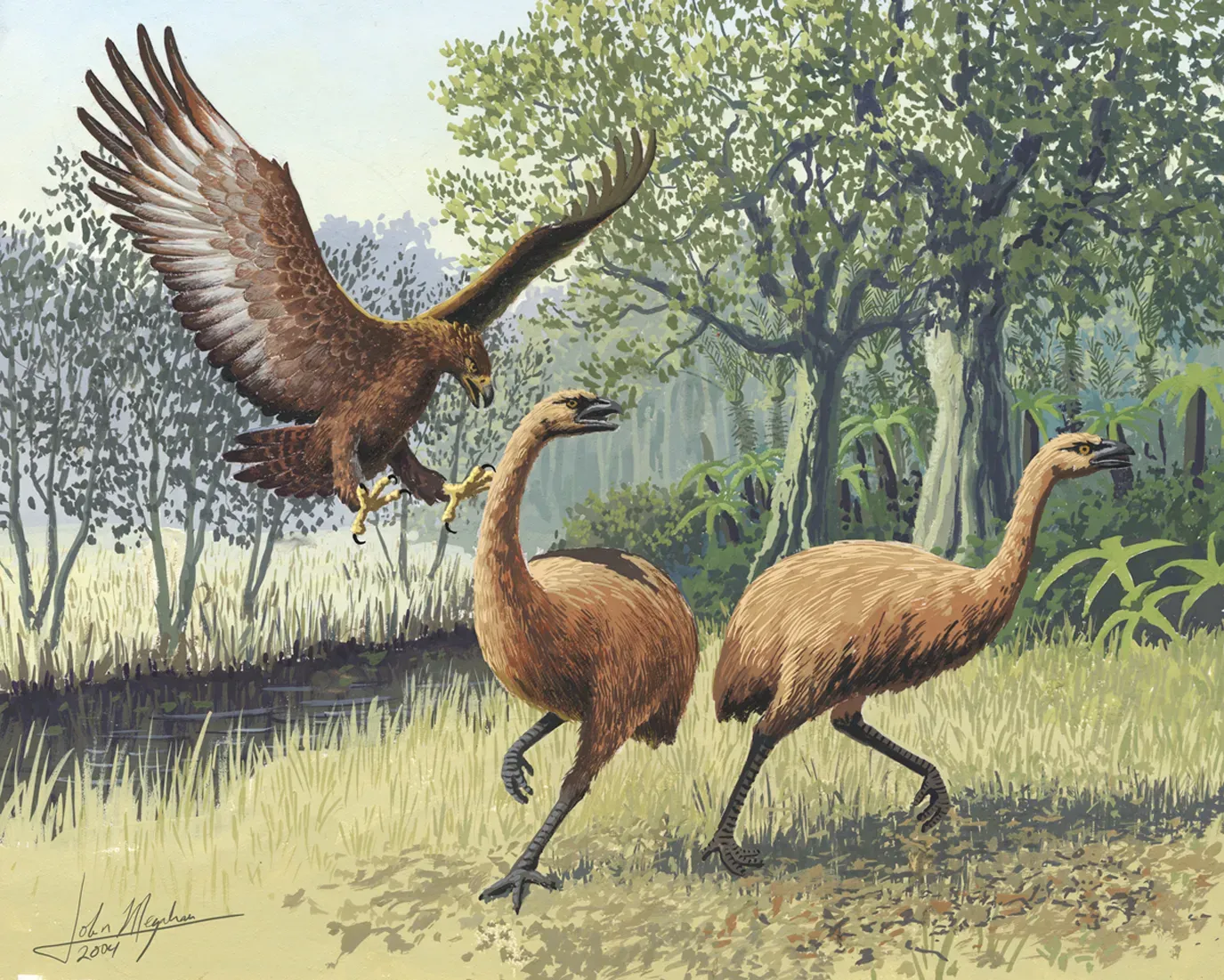
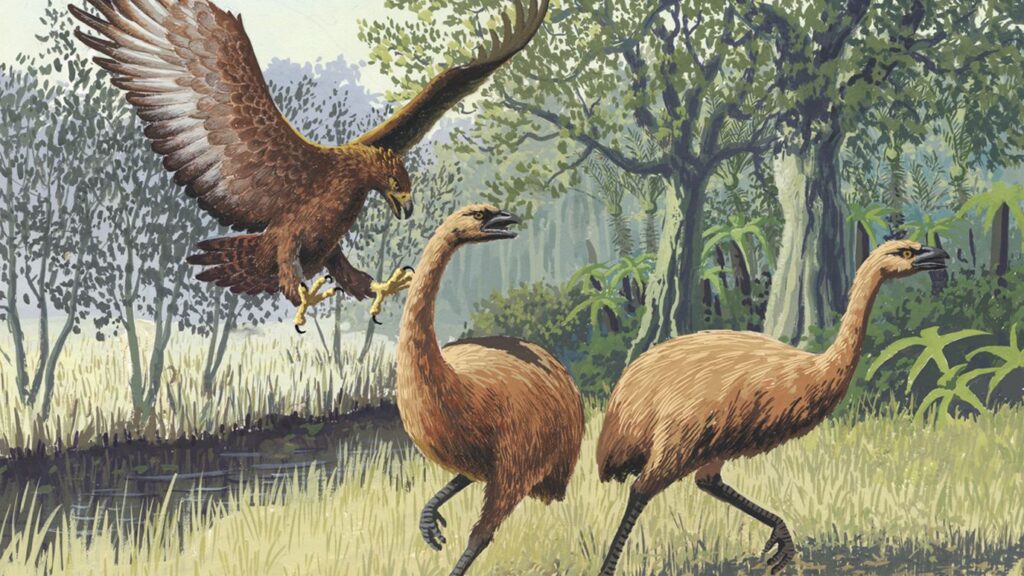
Not all landscape architects were furry or scaly. Up until about 600 years ago, giant, flightless birds called moas browsed in the forests of New Zealand, helping to create openings in the woodlands that allowed light-sensitive plants to thrive in the patches they opened up, and since their disappearance, however, the forest has closed, with wire plants, whose springy anatomy made them resistant to moa depredations, spreading in greater numbers.
Six centuries isn’t that long ago. The landscapes we see in New Zealand today aren’t ancient or primeval. They’re actually quite new, having only developed their current closed-canopy character after humans hunted the moas to extinction. The forests that exist now are fundamentally different from what was there before, all because one group of giant birds stopped eating trees.
Megafauna Loss Left Ghost Ecosystems Behind
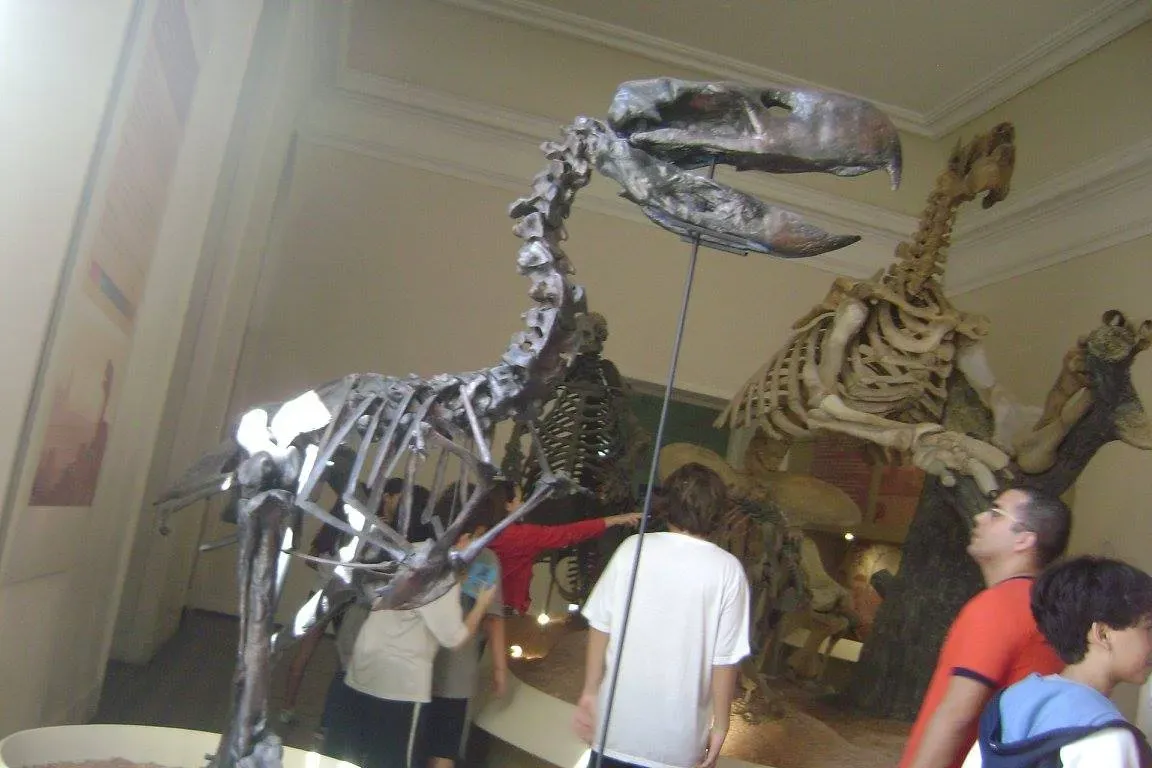
It is likely that there are many ghosts of the megafauna in the structure and function of the contemporary biosphere, and when we wander out into the closed woodlands of Europe or North America, the woody savannas of South America or the fire-dominated drylands of Australia, it is worth reflecting on the elephants or other giants that were there just recently, and how even the most apparently pristine ecosystems may still resound with the echoes of their absence.
Studies show emphatically the large impact that megafauna have on various aspects of the environment, ranging from vegetation structure and composition, species composition, through fire patterns, soil fertility and nutrient flow in both land and oceans, and even regional and global climate by affecting land surface reflectivity and atmospheric methane concentrations, and the loss of megafauna cascades through all levels of functioning of ecosystems. The world isn’t what it should be. It’s an echo chamber of what was lost, and we’re only now beginning to understand just how different things were when the giants walked.
What would you have guessed the Earth looked like 15,000 years ago? Probably not a carefully managed parkland maintained by herds of elephantine creatures and kept in check by packs of super-predators. Yet that’s closer to the truth than the untouched wilderness we often imagine. These ancient animals didn’t just inhabit their world. They built it, piece by piece, footstep by footstep, bite by bite.