You’ve felt it before. That quiet whisper in your mind that told you not to take that job, or that sudden knowing that you should reach out to an old friend. Then what happened? You probably talked yourself out of it, dismissed it as irrational, or let the noise of daily life drown it out completely. Here’s the thing: your intuition is real, it’s scientifically backed, and it’s waiting for you to stop ignoring it.
Intuition is a faculty you already possess, though you might have been using it unknowingly or inconsistently. Think of it as a mental muscle that needs regular exercise to grow stronger and more reliable. The good news is that developing your intuitive abilities doesn’t require mystical powers or years of spiritual training. What it does require is commitment to simple, practical that help you tune into your inner wisdom. Ready to discover what those habits are? Let’s dive in.
Start Your Day With Stillness

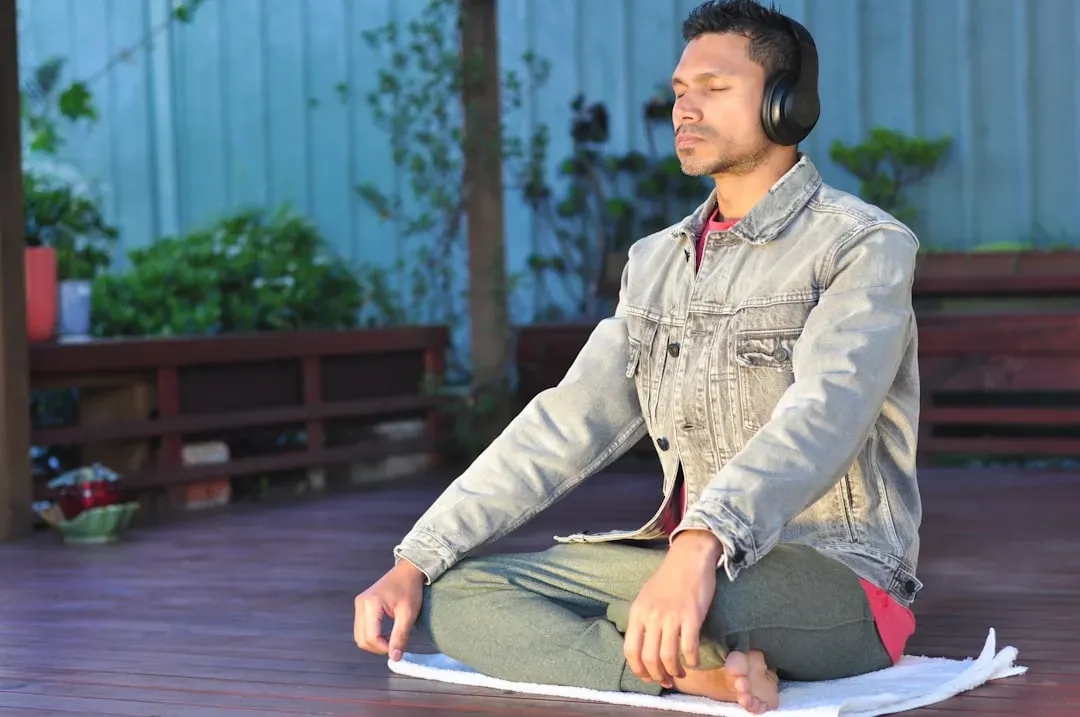
Your morning sets the tone for everything that follows. Meditation helps silence the noise of daily life, allowing you to hear your inner voice more clearly. You don’t need to sit cross-legged for an hour chanting mantras. Even just ten minutes of quiet breathing can work wonders for opening up your intuitive channels.
Regular meditation will help you clear your mind of distractions and teach you how to better recognize the subtle impulses from within. Try sitting comfortably, following your breath, and simply observing what arises without judgment. Some days your mind will race. Other days you’ll feel surprisingly calm. Both are perfectly fine. The key is showing up consistently and creating that space where your intuition can actually speak to you without competing with a thousand other thoughts.
Keep an Intuition Journal

Intuitive insights can fade from your conscious mind very quickly, and research indicates that intuitive insights not captured within 37 seconds will likely never be recalled again. Wild, right? That flash of knowing you had this morning might be gone by lunchtime unless you write it down.
Start keeping a dedicated journal where you record your intuitive hits throughout the day. You can jot down the intuitive hits you get in your phone or journal, then go back later and see how many things happened. This practice serves two purposes: it helps you capture those fleeting insights, and it allows you to track your accuracy over time. When you look back and realize how often your gut was right, your confidence in trusting it will naturally grow.
Practice With Low-Stakes Decisions

Intuition gets stronger with practice, and the best way to build confidence in your gut instincts is by testing them out in low-pressure situations, like picking a meal without overthinking or choosing a different route home based on instinct. These small experiments are perfect training grounds because the stakes are minimal.
Before you check your email, pause and ask yourself how many messages are waiting. Guess which checkout line will move fastest at the grocery store. Ask your intuition where you’ll find a parking space, and you might be surprised by how accurate this can be. These playful exercises help you distinguish between your genuine intuitive voice and random thoughts. You’ll start noticing patterns in how your intuition communicates with you specifically.
Tune Into Your Body’s Signals

Your body is like an antenna for intuitive information, and intuition is instinctual, living in your body, so being present and in tune with your body connects you more deeply with your intuition. Ever notice how your stomach tightens around certain people, or how your shoulders relax when you make the right choice? That’s your body speaking its truth.
Wait for the idea that makes your body very relaxed, as your body is your best barometer of what is right, experiencing inner stillness and silence. Pay attention to these physical cues throughout your day. Does your chest feel open and expansive, or constricted and tight? Do you feel energized or drained after spending time with someone? Your body knows things your rational mind hasn’t figured out yet. Learning its language is essential for developing strong intuition.
Create Space for Quiet Reflection

Getting three quiet minutes a day can get you in touch with your intuition, and taking a walk or even ducking into the bathroom can help. Honestly, some of the best intuitive insights come in the shower, during a walk, or in those brief moments between activities when your analytical brain takes a break.
Times of exercise allow your analytical brain to disengage so your gut instinct can be heard. You don’t need to book a meditation retreat or find the perfect peaceful setting. Sometimes stepping away from your desk for five minutes is enough. The constant stimulation of modern life drowns out your intuitive voice. Creating regular pockets of quiet throughout your day gives that voice room to emerge and be heard clearly.
Distinguish Your True Voice From Fear
You’ll generally hear two voices: one is fear-based, associated with racing, looping thoughts, while the other is more quiet and true to your nature. Learning to tell them apart is crucial. Your fearful voice is usually loud, panicky, and repetitive. It catastrophizes and creates worst-case scenarios.
The best way to identify them is by noticing how they make you feel, as your inner voice will always calm you, while your fear-based voice will increase the overwhelm. Your true intuitive voice, on the other hand, feels calm even when delivering difficult messages. It doesn’t argue or convince. It simply knows. Take a moment of quiet and observe the different voices in your head. Notice which one brings clarity and which one brings chaos. This awareness alone will dramatically improve your ability to trust your genuine intuition.
Act on Your Intuitive Insights

When you act on the information you receive from your inner source of wisdom, you open the channel between your subconscious and conscious mind even wider. Intuition strengthens with use. Every time you honor that inner knowing, you’re essentially telling your subconscious that you’re listening and you value its guidance.
Actively working on your intuition and having a daily practice of trusting it will strengthen it, even in the face of stress. Start small if you need to. Follow that hunch to call a friend. Take the alternate route your gut suggested. Trust yourself to make that decision without overanalyzing it to death. Yes, sometimes you’ll be wrong. That’s part of the learning process. The more you practice acting on your intuition, the more refined and accurate it becomes.
Stay Present and Mindful

Being focused on the present can be the best thing you can do for your intuition, as focusing on the past brings up pain and guilt, while worrying about the future clogs up your mind. Your intuition operates in the now. It can’t speak to you when you’re mentally rehashing yesterday’s argument or anxiously planning next month’s presentation.
Being present and mindful of our surroundings is likely to help develop intuition by providing the unconscious with rich data to inform decisions. Practice bringing your awareness back to the present moment throughout the day. Notice the temperature of the air on your skin. Really taste your food. Listen fully when someone speaks to you. This mindfulness creates the conditions where intuition thrives, giving you access to insights that would otherwise be lost in the mental clutter of past regrets and future worries.
Conclusion

Like any skill or ability, intuition can be developed through deliberate practice, and the more you practice, the more you will refine your ability to draw on and trust your intuition. These eight aren’t complicated or time-consuming. They simply require your commitment to showing up for yourself and honoring that inner wisdom you’ve been taught to dismiss.
The beautiful truth is that your intuition has been with you all along, quietly guiding you even when you weren’t consciously listening. Now you have the tools to strengthen that connection and make it a reliable companion in your daily life. Start with one or two habits that resonate most with you, then gradually incorporate the others. Trust the process. Your intuition knows the way.
What subtle voice have you been ignoring lately? Maybe it’s time to finally listen.