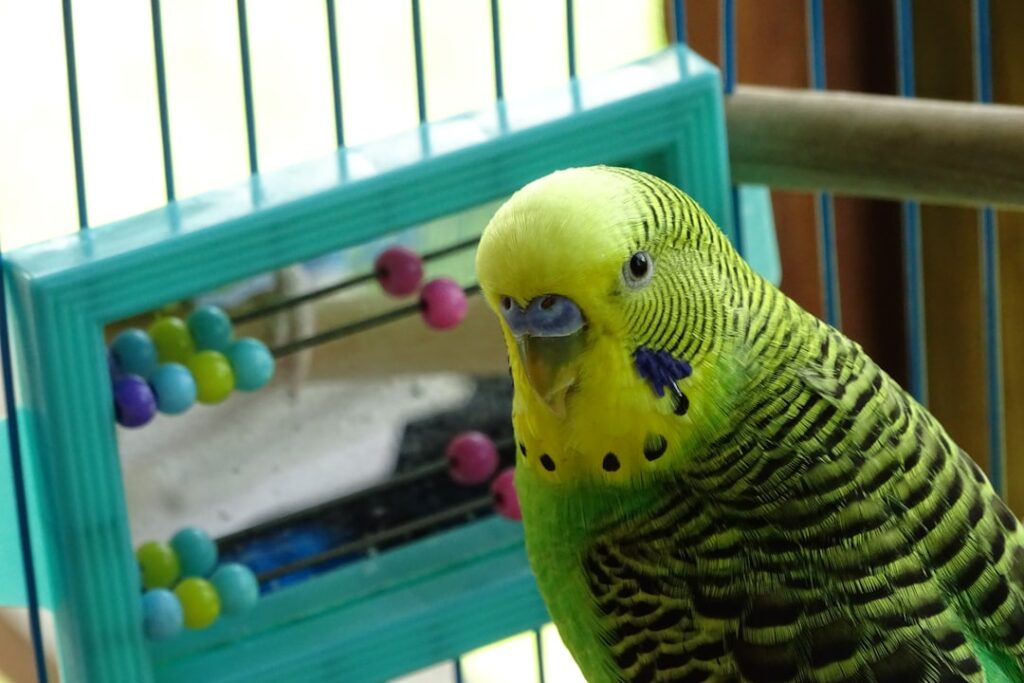
Pet birds possess cognitive skills that rival those of young children, yet captivity often deprives them of the challenges essential for their well-being.
Spotting and Stopping Boredom Before It Escalates
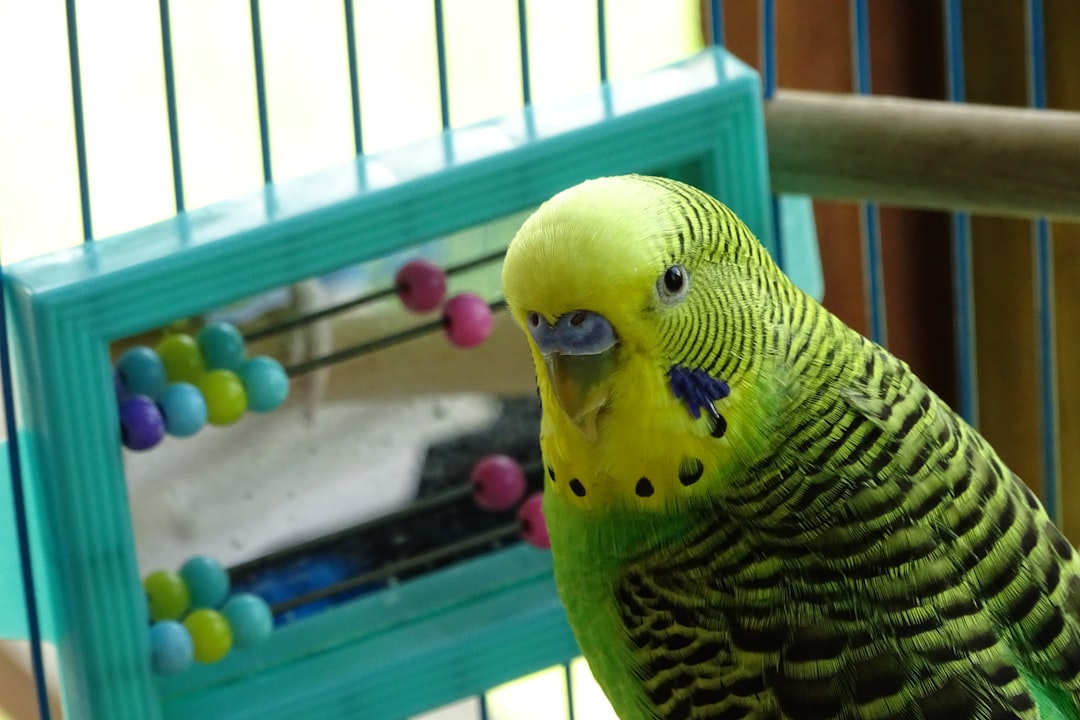
Spotting and Stopping Boredom Before It Escalates (Image Credits: Unsplash)
Feather plucking tops the list of warning signs that a bird craves more mental engagement, often accompanied by relentless screaming or sudden aggression.
These behaviors stem from understimulation in confined spaces, where birds miss the hours spent foraging and exploring in the wild. Owners notice lethargy or appetite loss as further red flags. Enrichment toys address this gap by mimicking natural activities, sharpening problem-solving skills and curbing destructive habits. Healthier birds emerge calmer and more interactive with their human companions.
Foraging Toys: Igniting Natural Hunting Drives
Puzzle feeders stand out as favorites, forcing birds to manipulate mechanisms for seed rewards and extending mealtime dramatically.
Treat-dispensing balls roll across cage floors, releasing snacks only after persistent nudges, while foraging boxes stuffed with shredded paper hide surprises inside. Food kabobs skewer fresh fruits and veggies for pecking pleasure, and piñata-style hangings invite tearing to uncover treats. These options not only prevent obesity by slowing consumption but also build patience and memory.
- Puzzle feeders for clever parrots like African Greys.
- Treat balls suited to smaller species such as cockatiels.
- Piñatas for shredders like conures.
- Kabobs for all birds seeking variety.
- Boxes for group foraging in multi-bird homes.
Destructible and Problem-Solving Toys: Satisfying Primal Urges
Untreated wood blocks and seagrass mats fulfill the innate need to chew and shred, keeping beaks trimmed naturally while channeling energy productively.
Sliding puzzles and lock mechanisms challenge larger parrots, requiring sequential steps to access compartments. Stacking toys demand rearrangement for rewards, fostering persistence. Owners replace these frequently to avoid ingestion risks from frayed edges. Safe household alternatives include plain toilet paper rolls stuffed with treats or untreated twigs from willow trees.
| Toy Type | Best For | Key Benefit |
|---|---|---|
| Destructible | Chewers | Beak health, stress relief |
| Problem-Solving | Intelligent parrots | Cognitive growth |
| DIY Rolls | All sizes | Cost-effective fun |
Interactive Play and Smart Rotation Tips
Target sticks and training props turn playtime into bonding sessions, teaching tricks that deepen trust between bird and owner.
Manipulative toys shared during supervised sessions encourage cooperation. Experts recommend rotating toys weekly – divide collections into groups, clean thoroughly, and reintroduce gradually to combat neophobia. Match complexity to species: finches prefer simple swings, while macaws tackle intricate locks. Always inspect for damage, opt for non-toxic materials free of zinc or dyes, and supervise initial uses. These practices ensure sustained engagement without overwhelming the bird.
Owners who prioritize mental enrichment report birds with brighter personalities and longer lifespans, proving toys serve as more than distractions – they build thriving partnerships.
Key Takeaways
- Watch for boredom signs like plucking to intervene early.
- Rotate foraging and destructible toys weekly for novelty.
- Choose size-appropriate, safe materials to prevent hazards.
Transform your bird’s daily routine with these strategies for a sharper, happier companion. What enrichment toy transformed your feathered friend’s behavior? Share in the comments.