You might think ancient civilizations are completely disconnected from your daily existence. Maybe you believe those dusty history books talk about worlds so far removed from our smartphones and streaming services that they hold no relevance today. Here’s the thing, though: the threads connecting your modern life to practices thousands of years old are stronger than you’d ever imagine. From the way you greet a stranger to the rituals surrounding major life events, ancient customs haven’t disappeared. They’ve simply evolved, adapted, and woven themselves into the fabric of contemporary culture so seamlessly that you barely notice their presence.
Think about the last time you made a wish while tossing a coin into a fountain or celebrated a birthday by blowing out candles on a cake. These aren’t random modern inventions. They’re echoes of spiritual practices that go back millennia. So let’s dive in and discover how the ancient world still shapes your present.
The Handshake: An Ancient Gesture of Trust That Survived Millennia

The handshake likely began as a way to demonstrate you weren’t carrying weapons, with evidence appearing in 9th century BCE Assyrian reliefs showing kings sealing agreements with handclasps, later formalized by Greeks and Romans as a symbol of peace and mutual respect. When you extend your hand to meet someone new in 2026, you’re participating in a ritual designed originally to prove peaceful intentions. The up-and-down motion may have originally been intended to dislodge any hidden weapons in sleeves.
This simple gesture transcends language barriers and cultural boundaries today. Whether you’re sealing a business deal in Tokyo or greeting a neighbor in Toronto, the handshake remains universally understood. It’s honestly remarkable how something so functional has transformed into one of our most fundamental social rituals, carrying connotations of honesty, agreement, and trust that our ancestors would instantly recognize.
Birthday Candles and Wishes: From Greek Temples to Your Living Room
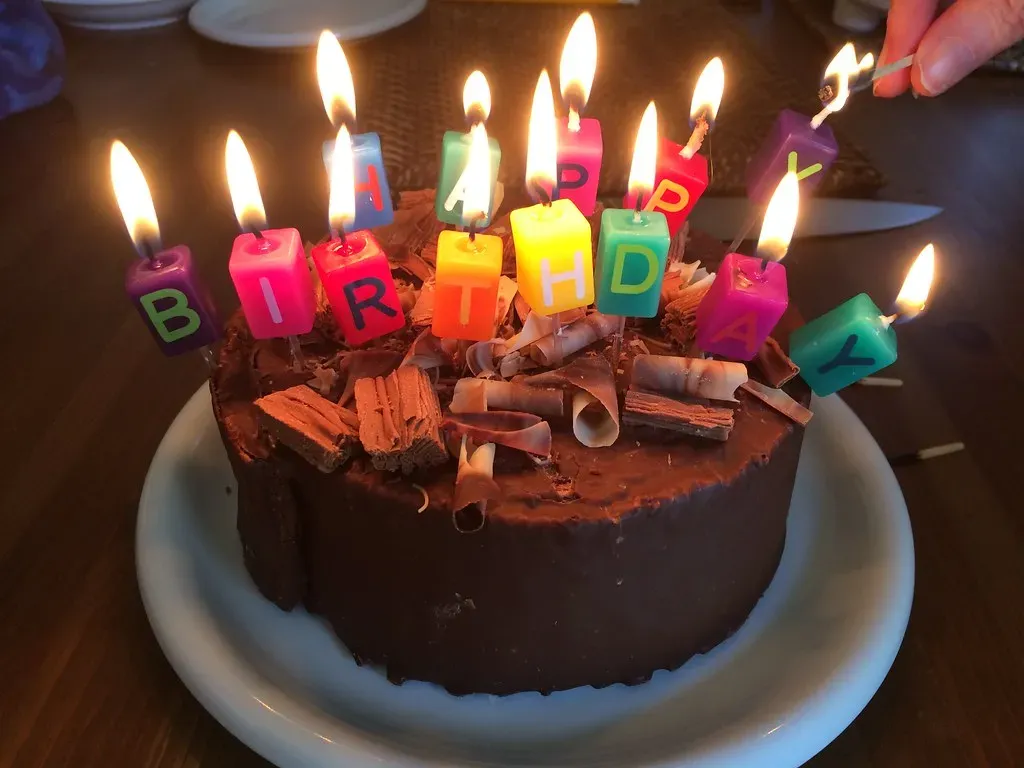
Credit for festive birthday candles likely goes to the ancient Greeks who purportedly made cakes adorned with candles to honor Artemis, the goddess of the moon and the hunt, with the round shape of the cakes a tribute to the moon and lit candles making the confections glow like the moon’s surface. Blowing out those candles wasn’t just about making a wish for a new toy or a promotion. When the candles were blown out, the smoke helped ward off evil spirits or carried prayers to the gods on Mount Olympus.
The tradition evolved through pagan celebrations before resurfacing in Germany with a more familiar format. The custom developed of adding one candle on the cake for each year of a person’s life, plus one extra candle in the middle for good fortune in the year to come. Next time you’re singing happy birthday at a celebration, you’re actually participating in a protective ritual designed to shield the celebrant from malevolent forces. Pretty wild when you think about it, right?
Tossing Coins Into Fountains: Ancient Offerings Disguised as Wishes

The practice of tossing coins into fountains dates back to ancient Rome, where people would throw coins into sacred pools to gain favor with the gods who supposedly lived in the water, as Romans believed these water deities could grant wishes and heal ailments. When you pause at a decorative fountain in a shopping mall or tourist destination to make a wish, you’re unknowingly performing a religious offering that would have been instantly recognizable to a Roman citizen two thousand years ago.
Today’s fountain wishes are a direct descendant of these ancient religious offerings, though most people make their wishes without considering they’re participating in a ritual over 2,000 years old. The spiritual element has faded, replaced by superstition and hope, but the core action remains unchanged. It’s a perfect example of how sacred practices can morph into secular customs while maintaining their essential form across centuries.
Marriage Ceremonies: Unity Rituals Spanning Continents and Centuries
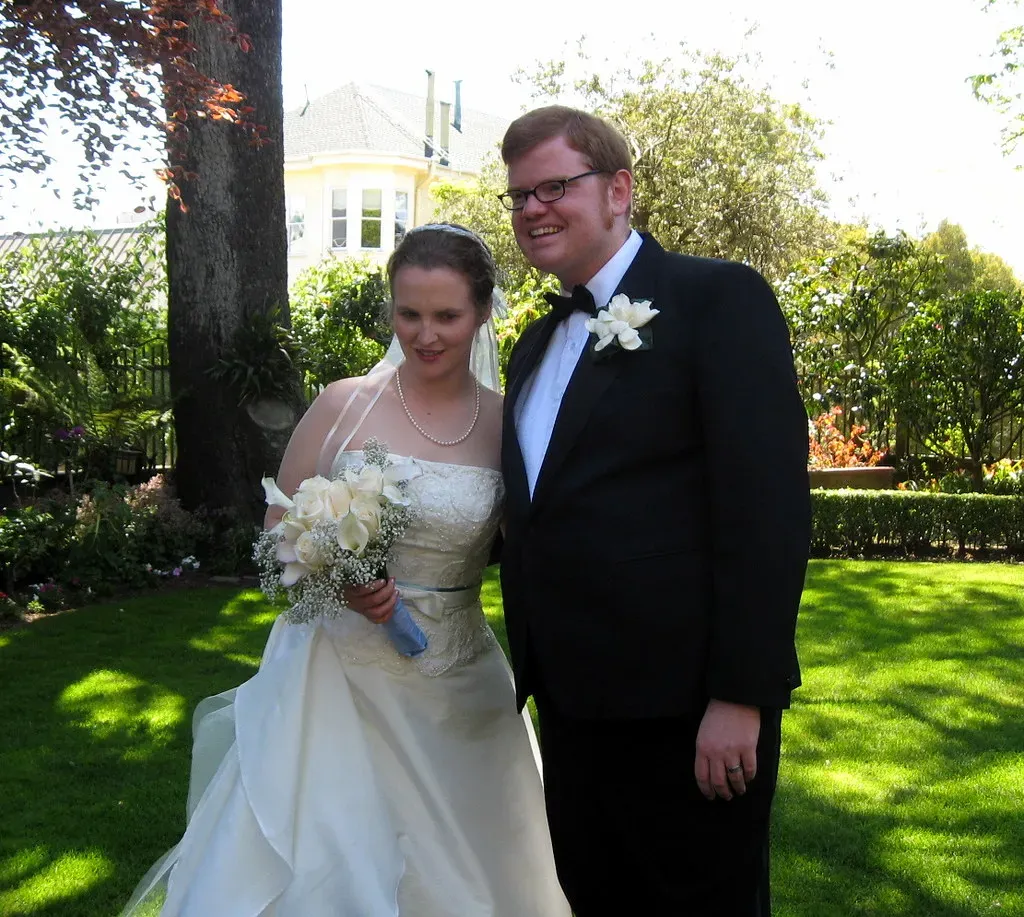
Common in Western weddings, two separate candles are used to light a third larger candle symbolizing the joining of two lives into one, while participants pour different colored sands into a single vessel representing the blending of lives and families, and in both ancient Celtic and Norse tradition the hands of the couple are tied together with a cord or ribbon to symbolize their binding union. These unity rituals haven’t disappeared from modern weddings; they’ve simply been repackaged and reinterpreted.
Walking through a contemporary wedding today, you’ll encounter dozens of practices with ancient roots. In Greek tradition sharing wine from a single cup represents sharing life’s joys and burdens, in Norse tradition it was known as drinking from the Bragr Cup involving sharing a cup of mead or ale during a ceremonial speech, and in French tradition La Coupe de Mariage involves the couple drinking from a two-handled cup symbolizing their union and shared life. The symbols may be interpreted differently now, but the underlying message of two becoming one remains powerfully consistent. What do you think about these ancient practices showing up in modern ceremonies? They’re everywhere once you start looking.
Coming-of-Age Celebrations: Marking the Transition to Adulthood
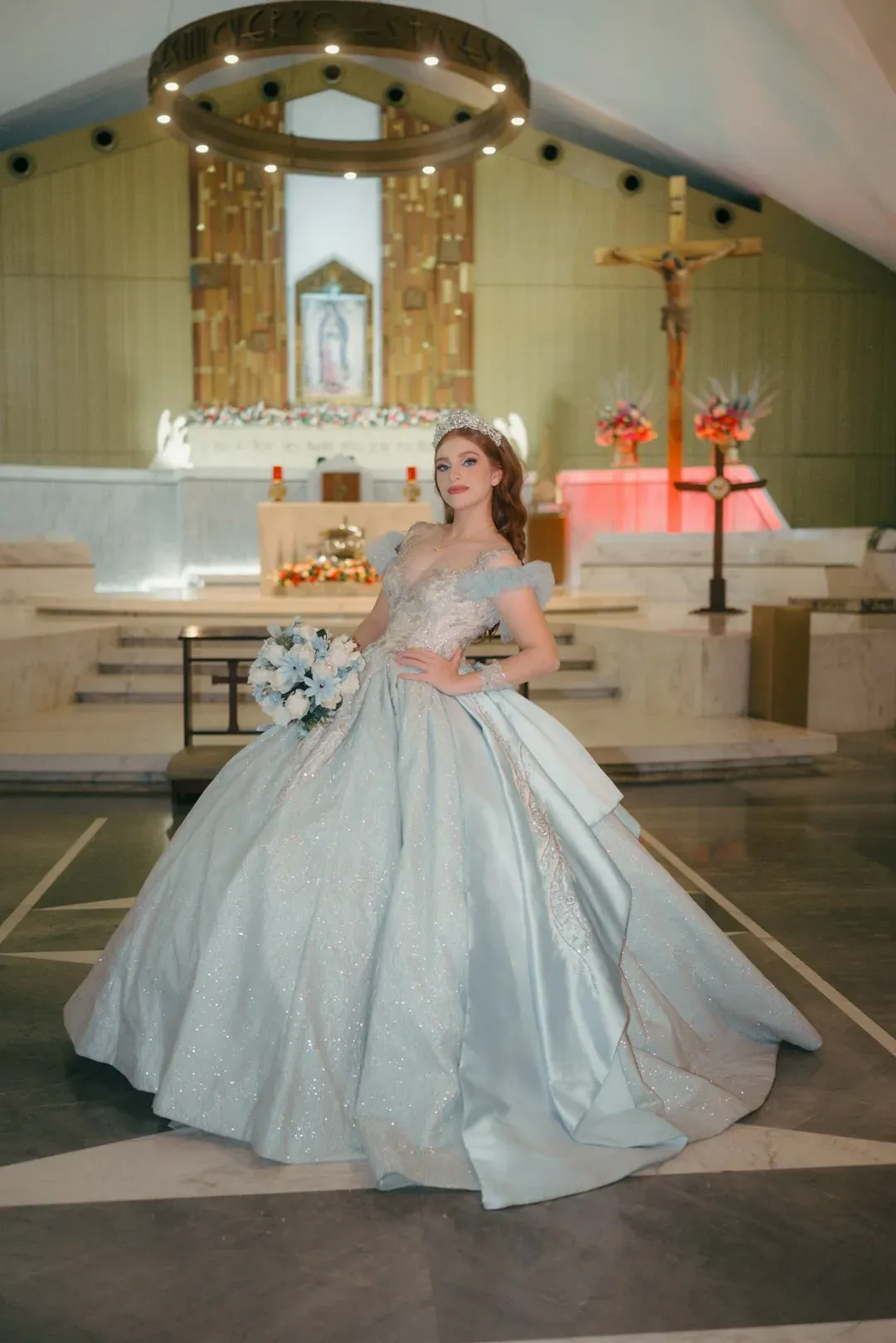
In some parts of China, there has recently been a resurgence of the Confucian-style coming of age ceremonies Ji Li for girls and Guan Li for boys, with ceremonies typically honoring youth who have turned 20, providing a fun opportunity to wear traditional dress while girls follow typical Ji Li practices such as making hair buns, attaching hair pins, and paying tribute to Huangdi, a Chinese ancestor. These elaborate rites of passage are experiencing a revival, connecting young people to cultural traditions that stretch back centuries.
In Malaysia, 11 is a special birthday for some Muslim girls as it marks the time when they can celebrate Khatam Al Koran, a prestigious ritual demonstrating their growing maturity at their local mosque, with girls spending years preparing for this day by reviewing the Koran so they can recite the final chapter before friends and family at the ceremony. Across cultures, you’ll find these transitional moments marked by ritual and ceremony. Whether it’s a quinceañera in Latin America, a bar mitzvah in Jewish communities, or graduation ceremonies in schools worldwide, we continue to use formal rituals to acknowledge life’s major transitions just as our ancestors did.
Festival Traditions: Celebrating Light, Harvest, and Ancestral Memory
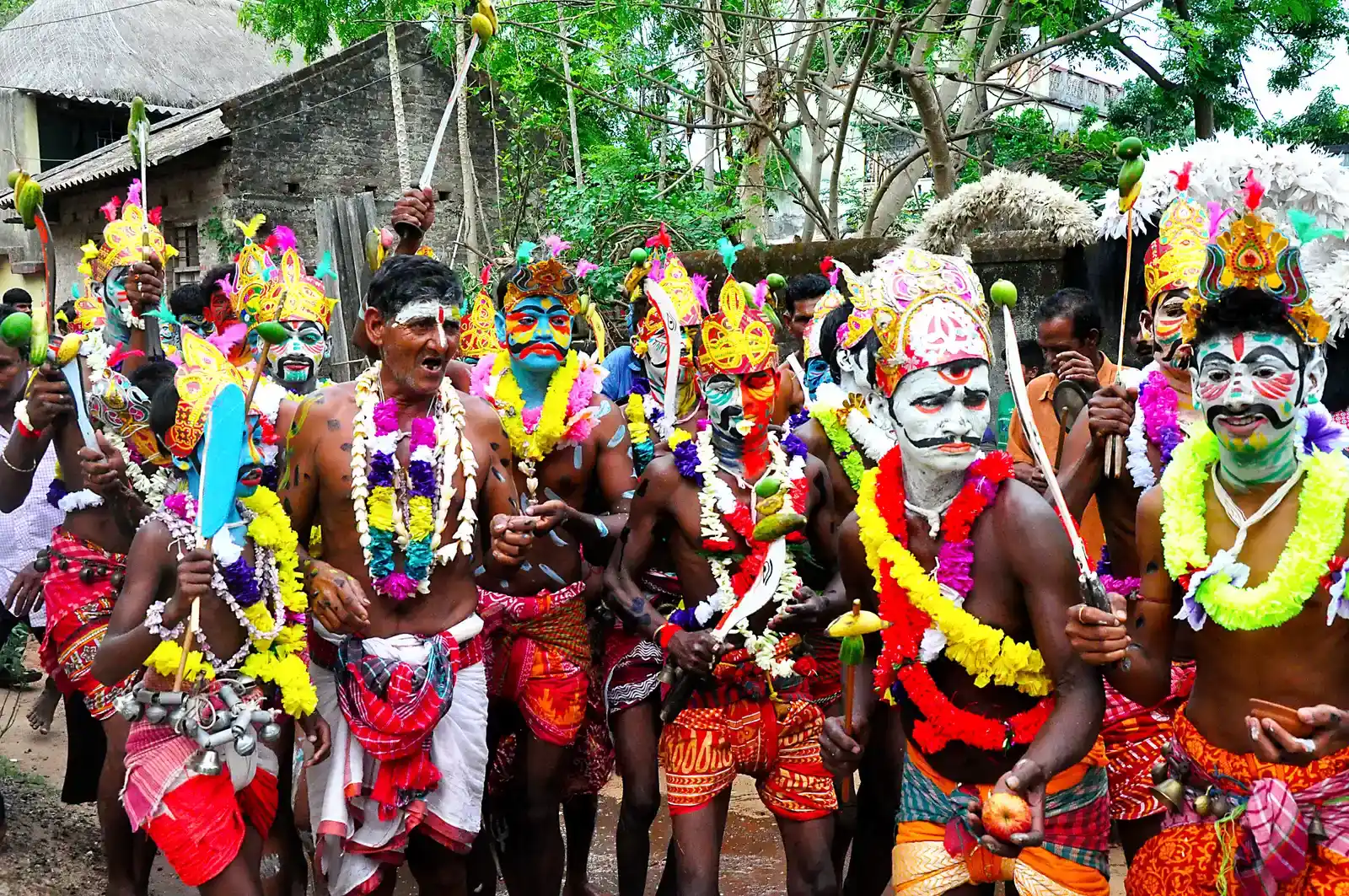
Holi, celebrated across India and Nepal, remains one of the most joyful cultural traditions in 2026, with people throwing colorful powders, dancing, playing music, and celebrating unity while marking the victory of good over evil and the arrival of spring. The vibrancy of Holi hasn’t diminished despite modernization. If anything, it’s spread globally as diaspora communities maintain connections to their cultural heritage.
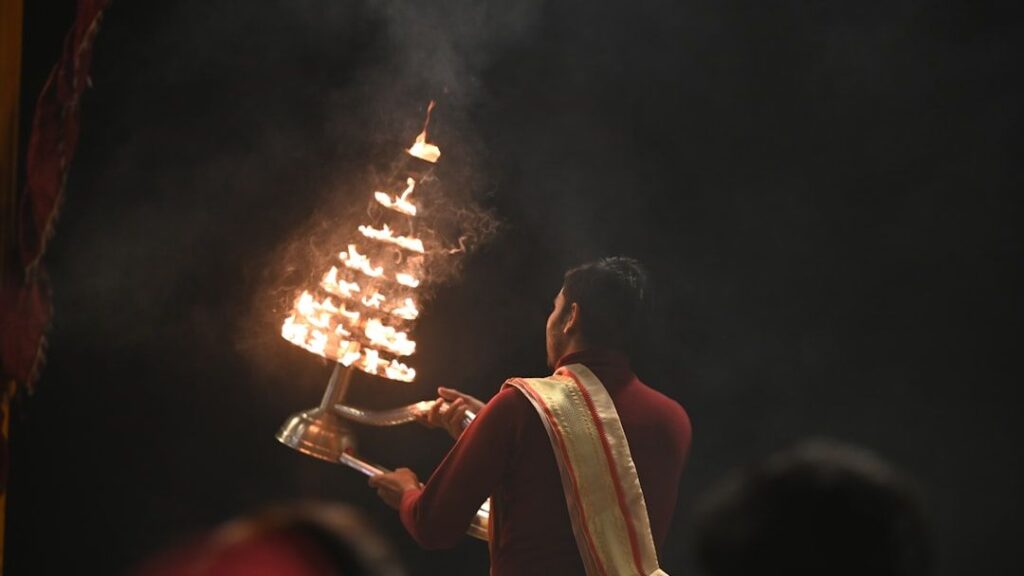
Known as the Festival of Lights, Diwali celebrates the victory of light over darkness, involving lighting oil lamps, exchanging sweets, and setting off fireworks. These festival traditions serve multiple purposes in 2026. They provide community cohesion, transmit cultural values to younger generations, and offer moments of reflection and celebration that break the monotony of daily routines. Many contemporary festivals celebrate historical events or religious beliefs stemming from ancient times, evolving over time yet retaining their original significance, with events such as Diwali in India or Carnival in Brazil showcasing intricate traditional performances combined with modern entertainment forms, illustrating how cultures can honor their past while engaging present-day audiences.
Daily Practices Rooted in Ancient Wisdom: From Tea Ceremonies to Communal Meals
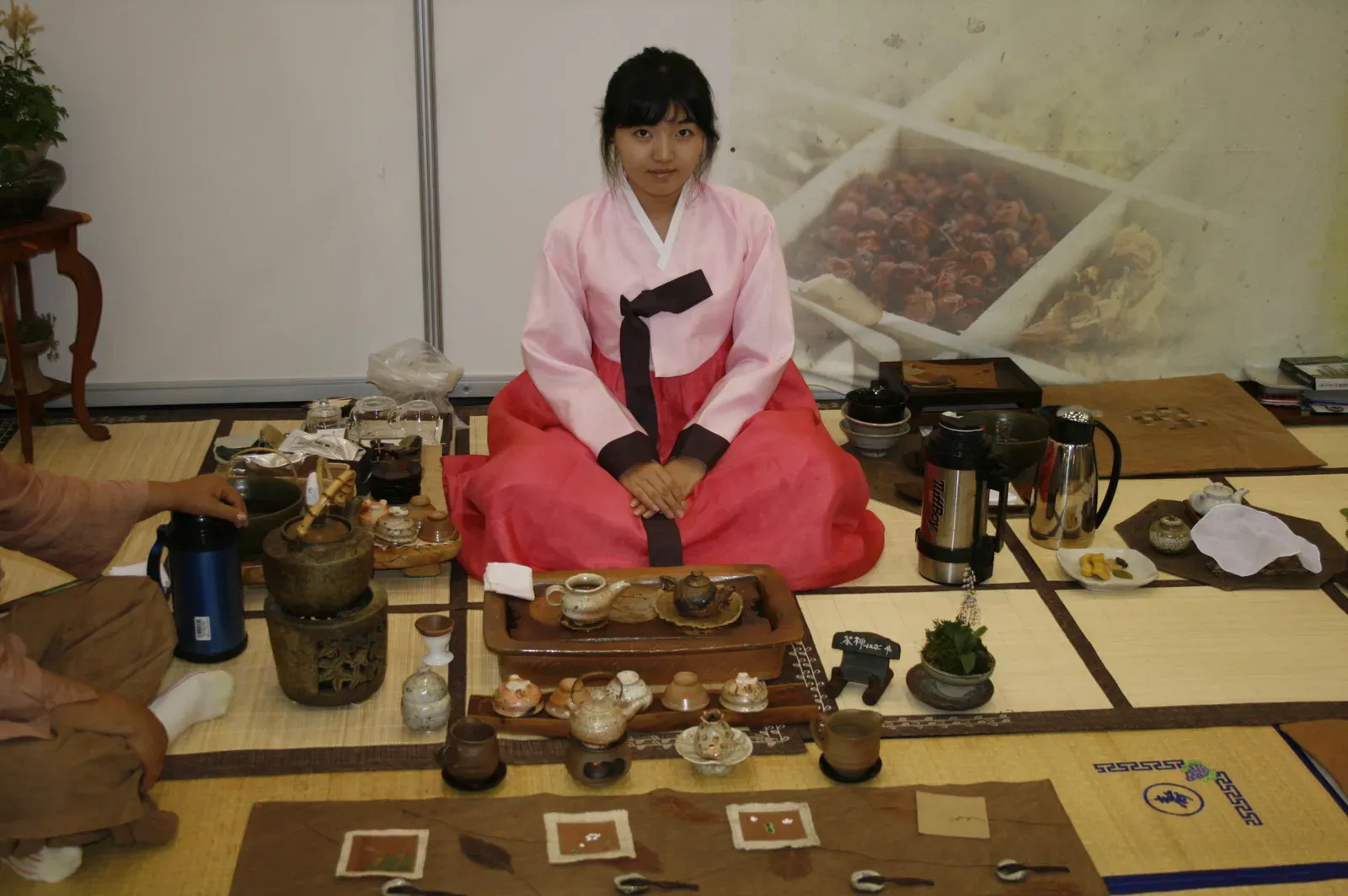
Japan’s traditional tea ceremony, known as Chanoyu, remains one of the most elegant rituals in the world, practiced in 2026 in Japanese homes, cultural schools, and tea houses, symbolizing harmony, respect, purity, and tranquility with every movement of pouring, mixing, and serving being intentional and meditative. The deliberate slowness of the tea ceremony stands in stark contrast to our grab-and-go coffee culture, yet it persists precisely because it offers something modern life often lacks: mindfulness and intentionality.
Many modern diets are heavily influenced by ancestral food preparation methods and recipes passed down through families or communities, with Mediterranean diets emphasizing fresh ingredients and communal dining as a practice rooted deeply in ancient agricultural societies, highlighting how food continues to reflect cultural identities while adapting to current health trends. The act of gathering around a table for shared meals isn’t just about nutrition. It’s a social ritual that reinforces family bonds and community connections, serving the same function it did thousands of years ago in ancient Greek households or Roman dining rooms.
The Evolution and Persistence of Ritual in Contemporary Life
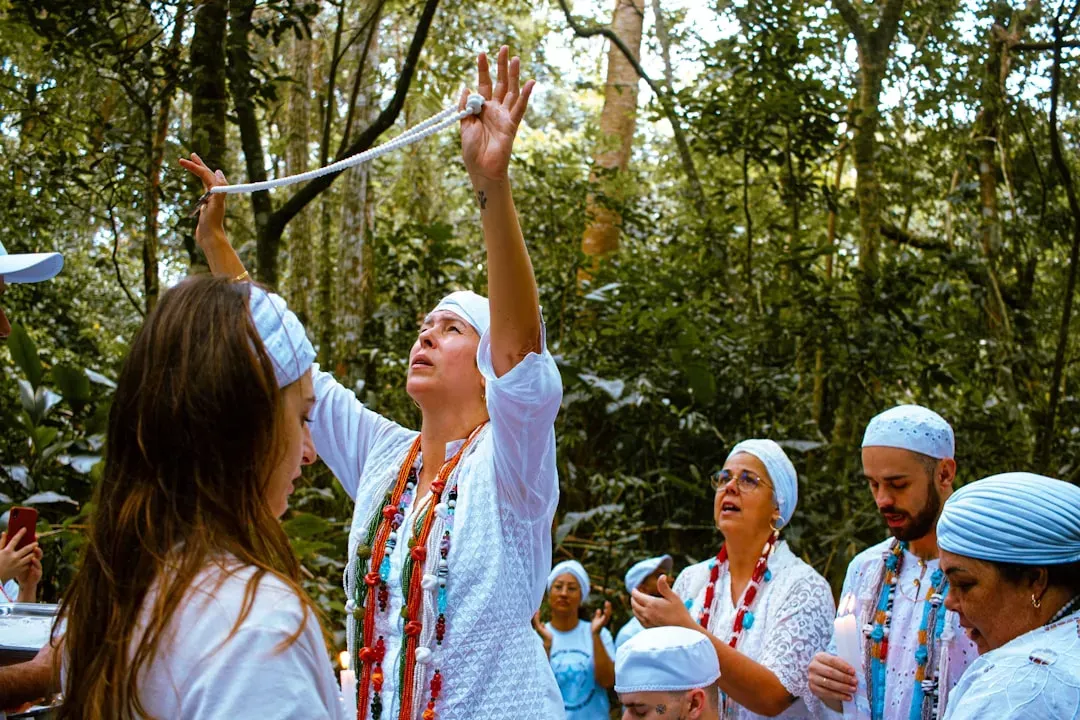
Because rituals have never been completely static, they will continue to respond to the social and political climate, and even to fashion and commerce. Watching how these ancient practices adapt reveals something fascinating about human nature. We need ritual and ceremony to mark important moments, provide structure to our lives, and connect us to something larger than ourselves. Rituals offer ways for emotion to be contained and channeled, with marriage ceremonies, coming-of-age rituals and funerals bringing structure to the complicated emotions and dramatic social changes attending those moments of profound transition, while rituals also offer a sense of belonging.
In 2026, you see this evolution everywhere. Old rituals have been adapted and new ones adopted to include members of the LGBTQ community, with Jewish and Christian clergy collaborating with gay couples to adapt existing marriage rites or create new ones, initially called commitment ceremonies and now called marriages. The forms change, but the fundamental human need for meaningful ritual remains constant. It’s hard to say for sure, but perhaps this adaptability is precisely what allows ancient practices to survive and thrive in modern contexts.
Why Ancient Practices Still Matter Today
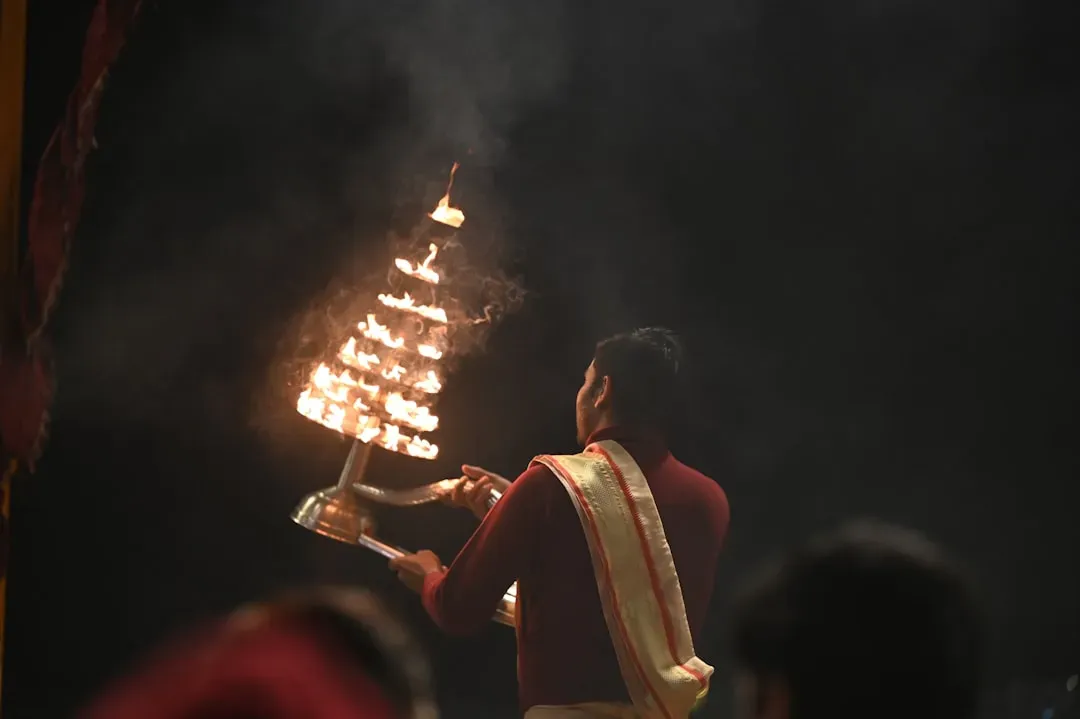
Ancient customs connect us to our roots, providing a sense of identity and continuity, while understanding these traditions can also foster respect and appreciation for diverse cultures. When you participate in these rituals, whether consciously or not, you’re joining an unbroken chain of human experience stretching back through countless generations. That’s not just poetic language. That’s a genuine connection to the people who came before you, who faced similar joys and challenges, who celebrated and mourned using many of the same symbolic actions you use today.
These everyday traditions demonstrate how ancient practices embed themselves into modern life, often evolving in meaning while maintaining their forms, forming a living connection to our ancestors from millennia past, showing that despite technological advances, certain human experiences and expressions remain remarkably consistent across time and cultures. In a world that feels increasingly fragmented and fast-paced, these ancient practices offer stability, meaning, and connection. They remind you that some aspects of human experience are truly timeless. What traditions from your own cultural background do you still practice? How many can you trace back to their ancient origins? The answers might surprise you.