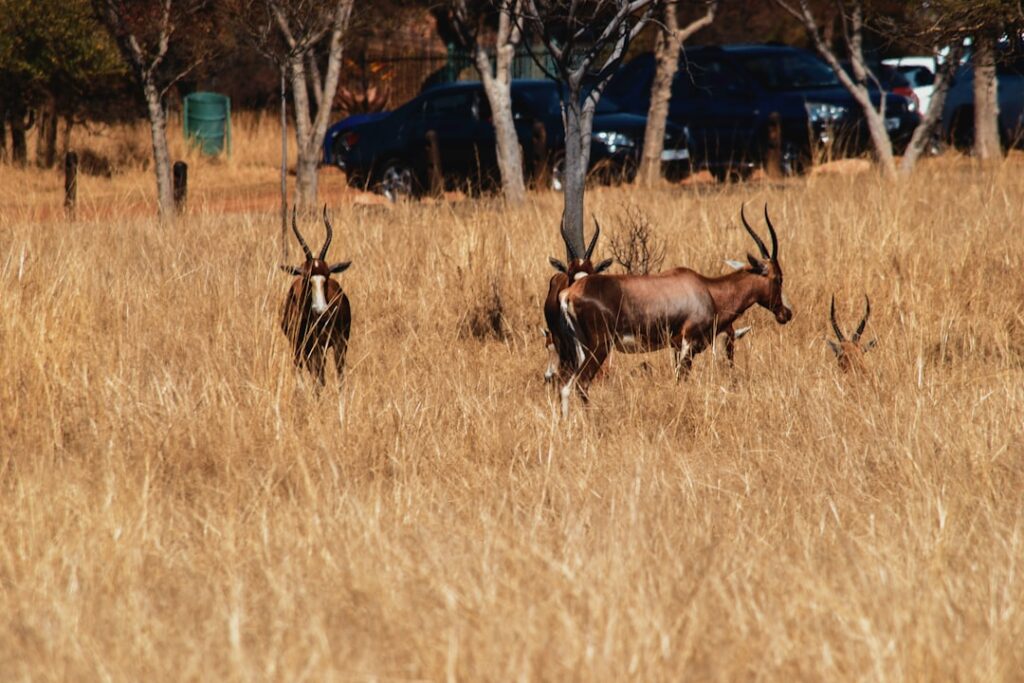
South Africa – The bontebok antelope’s journey from near extinction to abundance stands as a cornerstone of the nation’s celebrated wildlife success story, though closer examination exposes a reimagined approach to conservation.
A Dramatic Population Rebound
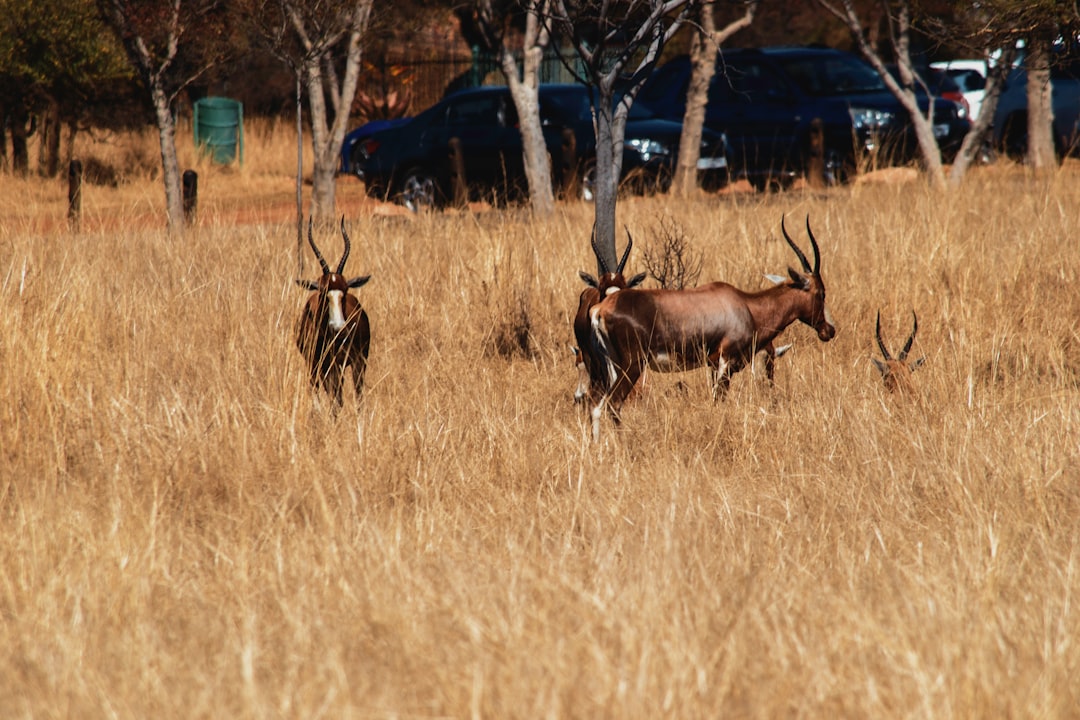
A Dramatic Population Rebound (Image Credits: Unsplash)
Conservationists point to the bontebok as proof of effective strategies. In the 1930s, just 17 individuals survived in the wild. Today, the population surpasses 10,000 across the country.
This growth stemmed from early protection efforts in the Western Cape, the species’ native home. The antelope, endemic to renosterveld and fynbos grasslands, benefited from initial safeguards. Proponents of South Africa’s model credit private incentives and market-driven management for sustaining this expansion. Yet numbers alone fail to capture the full picture.
The recovery narrative supports moves like the 2025 proposal to delist bontebok from CITES Appendix II. Such steps highlight economic tools, including trophy hunting and live animal trade, as vital to ongoing stability.
Habitat Loss Overshadows Gains
Despite overall numbers, the bontebok’s natural range tells a different tale. Recent data from the South African National Biodiversity Institute shows fewer than 2,500 animals in the Western Cape, their core habitat.
Over 80 percent of optimal habitat has vanished due to agriculture and urban development. Much of what remains qualifies as critically endangered or endangered. Population growth there has stalled, with scant room for further spread.
| Region | Population Share | Context |
|---|---|---|
| Western Cape (Natural Range) | <2,500 (<25%) | Degraded ecosystems |
| Other Provinces (Extr alimital) | >7,000 (>70%) | Fenced private lands |
More than 70 percent of bontebok now reside far from their evolutionary niche, in the Eastern Cape, Free State, and Northern Cape. These animals graze in enclosed herds on private properties, disconnected from native vegetation, fire patterns, and soil conditions.
Private Ownership Transforms Wildlife Policy
A pivotal legal change fueled this shift. The 1991 Game Theft Act allowed enclosed wild animals to become private property, departing from traditional Roman-Dutch law views of wildlife as ownerless.
This spurred a boom in game ranching. Around 9,000 farms now span 20 million hectares, roughly 15 percent of South Africa’s land. Owners treat animals as assets for breeding, sales, and hunting.
- Selective breeding produces desirable traits for auctions.
- Translocations move herds to new enclosures.
- Trophy hunting generates revenue to cover costs.
- Security measures protect high-value species like rhinos.
South Africa’s constitution upholds a public trust doctrine, obligating protection of biodiversity for future generations. Tensions surfaced in cases like the 2018 Supreme Court Medbury ruling on escaped buffalo ownership.
Production Over Protection?
Critics argue this model equates headcounts with success, ignoring ecosystem health. Bontebok persist but do not restore lost processes like nutrient cycling or plant diversity. Extralimital groups offer no ecological return to native areas.
Similar patterns appear elsewhere. Captive lions face “canned” hunts in enclosures. Rhinos endure dehorning and guarded stockpiles as investments. Wildlife becomes inventory, sustained by profit rather than natural resilience.
True conservation demands more than averting extinction. It requires habitat restoration and self-sustaining populations in functional landscapes.
Key Takeaways
- Population growth masks severe habitat loss in native ranges.
- Private ranching prioritizes economics over ecological integrity.
- Legal frameworks clash with public trust principles.
South Africa’s approach prevents some losses and boosts economies, yet it falls short of rebuilding wild systems. The bontebok saga underscores the need to balance markets with meaningful restoration. What steps should define real progress? Share your views in the comments.