
Have you ever walked away from a conversation with an uneasy feeling gnawing at your gut, unable to shake the sensation that something just didn’t add up? Maybe the story sounded polished, yet your instincts whispered otherwise. Here’s the unsettling truth: we encounter lies far more often than we’d like to admit. Studies suggest that roughly half of all lies slip past us completely undetected.
Learning to spot deception isn’t about turning into a paranoid detective scrutinizing every word someone speaks. It’s about arming yourself with knowledge, sharpening your awareness, and recognizing the subtle psychological patterns that betray dishonesty. When someone lies to you, their mind works overtime, juggling the false narrative while monitoring your reactions and suppressing their true feelings. This mental gymnastics creates leaks, tiny fissures in their performance that reveal what words try to conceal. Ready to discover what those tells actually look like? Let’s dive in.
Their Story Sounds Too Perfect

When you ask someone to recount an event, genuine memories rarely unfold like polished movie scripts. Truth tellers typically employ a forthcoming strategy and include more details than deceptive stories, yet those details come with natural imperfections. Honest people stumble over minor facts, correct themselves mid sentence, or admit they can’t remember certain aspects.
Liars, on the other hand, often rehearse their fabrications until they sound suspiciously flawless. They’ve crafted every detail to avoid contradictions, resulting in stories that flow unnaturally smooth. Their answers sound more discrepant and ambivalent, with story structures that are less logical and less plausible overall. If someone recalls a supposedly spontaneous event with the precision of a written testimony, your suspicion radar should activate. Real life is messy, and truthful accounts reflect that messiness.
Watch for Inconsistent Body Language

When someone says yes but shakes their head no, it may indicate they’re not telling the truth, as non-congruent gestures are movements in the body that don’t match spoken words. These physical contradictions happen because our subconscious mind controls certain movements that slip past our conscious attempts at deception.
You might notice someone insisting they’re comfortable with a decision while their arms fold tightly across their chest, creating a defensive barrier. People trying to control themselves while lying may display closed off body language, such as folding their arms or maintaining distance to remove emotional connection. The disconnect between verbal assurances and protective postures speaks volumes. Pay attention when the body tells a different story than the mouth.
Excessive Eye Contact or Complete Avoidance
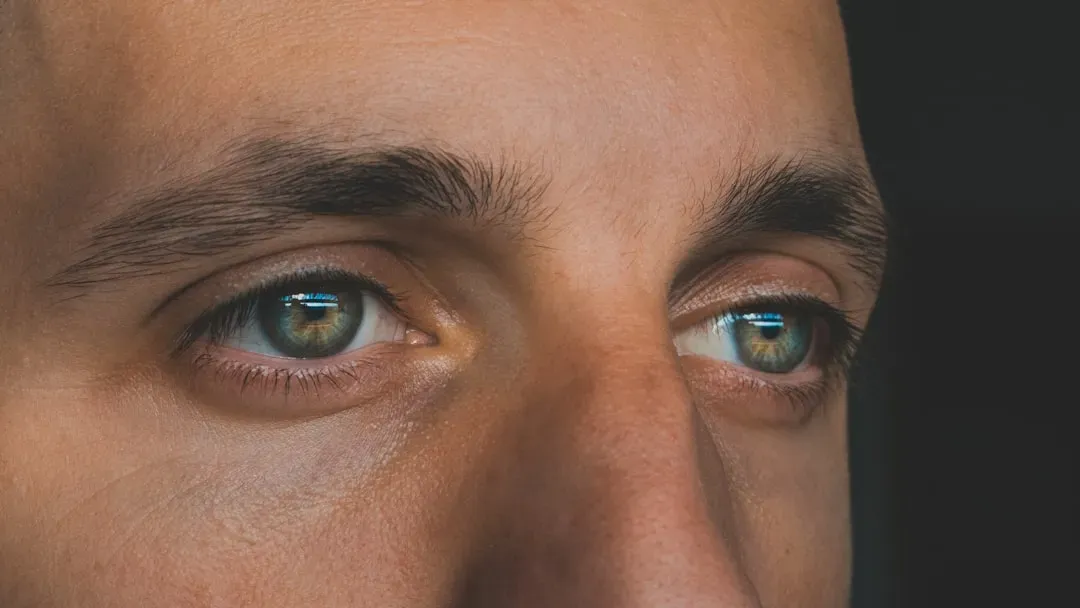
There’s a widespread belief that liars always avoid eye contact, yet research reveals a more complex reality. Some deceivers actually overcompensate, locking you in an unnaturally intense stare to prove their honesty. In one study, seventy percent of clips showing people lying showed them staring directly at the people they were lying to.
On the flip side, others exhibit the classic avoidance pattern. When someone’s eyes dart around when asked a question, shifting up, down and side to side, they’re afraid to give an honest answer. The key is establishing what’s normal for that individual. Does your usually direct colleague suddenly refuse to meet your gaze during a specific conversation? That deviation from their baseline behavior is what matters most, not the eye contact itself.
Speech Patterns Change Under Pressure

A telltale sign someone may not be telling the whole truth is irregular speech, as a person’s voice or mannerisms of speaking may change when they tell a lie. Listen for shifts in pitch, speaking pace, or the sudden insertion of filler words where they weren’t present before.
Liars take longer to start answering questions than truth tellers, though when they have time to plan, liars actually start their answers more quickly. This timing paradox reveals the cognitive burden of deception. Someone fabricating on the spot needs extra seconds to construct their lie, while a prepared deceiver rushes to deliver their rehearsed response before nerves interfere. Notice those awkward silences or suspiciously swift replies when asking unexpected questions.
Fidgeting and Self Soothing Gestures

Shuffling feet, rocking the body back and forth, and moving the head to the side can be signs of deception, as fluctuations in the nervous system can prompt people to feel tingles or itches on their bodies. These sensations result in more fidgeting, scratching, and what researchers call grooming behaviors.
You might observe someone suddenly playing with their hair, rubbing the back of their neck, or touching their face repeatedly during questioning. When people are nervous, fluctuations in the nervous system can prompt tingles in their body, and research found people tend to display grooming behaviors such as playing with their hair when being dishonest. These self soothing actions serve as emotional pacifiers, unconscious attempts to calm the anxiety bubbling beneath the surface of their deception.
Verbal Red Flags in Their Language

The specific words people choose can betray dishonesty just as much as their body language. Suspect answers to yes or no questions include phrases like “I think so,” “I don’t recall,” or “to the best of my knowledge”. These qualifiers create wiggle room, allowing the speaker to later claim misunderstanding rather than admit outright lying.
Liars are more likely to repeat words and phrases, a pattern that emerges from the cognitive strain of maintaining their false narrative. They also tend to distance themselves linguistically from their lies by avoiding first person pronouns. Instead of saying “I went to the store,” they might say “The store was visited” or “Someone went there.” This grammatical distancing reveals psychological discomfort with claiming ownership of the fabrication.
Emotional Expressions Don’t Match the Moment

There are times when a person’s facial cues seem to corroborate their story, but when someone smiles, their eyes could reflect another emotion such as concern, sadness, or even anger. Genuine emotions involve the whole face, particularly the muscles around the eyes that are extremely difficult to control voluntarily.
Someone might flash you a broad smile while discussing their excitement about an opportunity, yet their eyes remain flat and unexpressive. This incongruence signals emotional masking. Liars present unsuccessful emotional masking with certain leaked facial expressions such as smirks, and false remorse was associated with involuntary facial expressions of happiness and disgust. Trust those moments when something about their emotional display strikes you as performative rather than authentic.
They Provide Too Much Unnecessary Detail

While truth tellers generally provide more information overall, liars sometimes overcompensate by flooding you with irrelevant specifics. The story itself may make a person catch the lie, as it may be far fetched, hyperbolic, illogical, or simply not match the character of the person speaking. They figure that elaborate details will make their account more believable.
This strategy often backfires because the extraneous information feels forced and unnatural. Someone explaining why they were late might launch into an exhaustive description of traffic patterns, the color of cars around them, and what song played on the radio, when a simple explanation would suffice. The desperation to be believed manifests as informational overflow, creating suspicion rather than dispelling it.
Establishing and Breaking Baseline Behavior

A person’s baseline is how they act under normal, non threatening conditions, which you can establish by talking casually about neutral topics they would have no reason to lie about. This foundational step is critical for accurate deception detection.
Once you know someone’s typical behavioral patterns, their movements, vocal rhythms, and conversational style when relaxed, deviations become glaringly obvious. People have typical patterns with respect to their baseline body language and manner of speaking, so if someone’s body language is unusual for that person, take note. Your normally animated friend becoming rigid and monotone, or your typically reserved colleague suddenly gesticulating wildly, these shifts from baseline warrant your attention far more than any single isolated behavior.
The Cluster of Three Red Flags
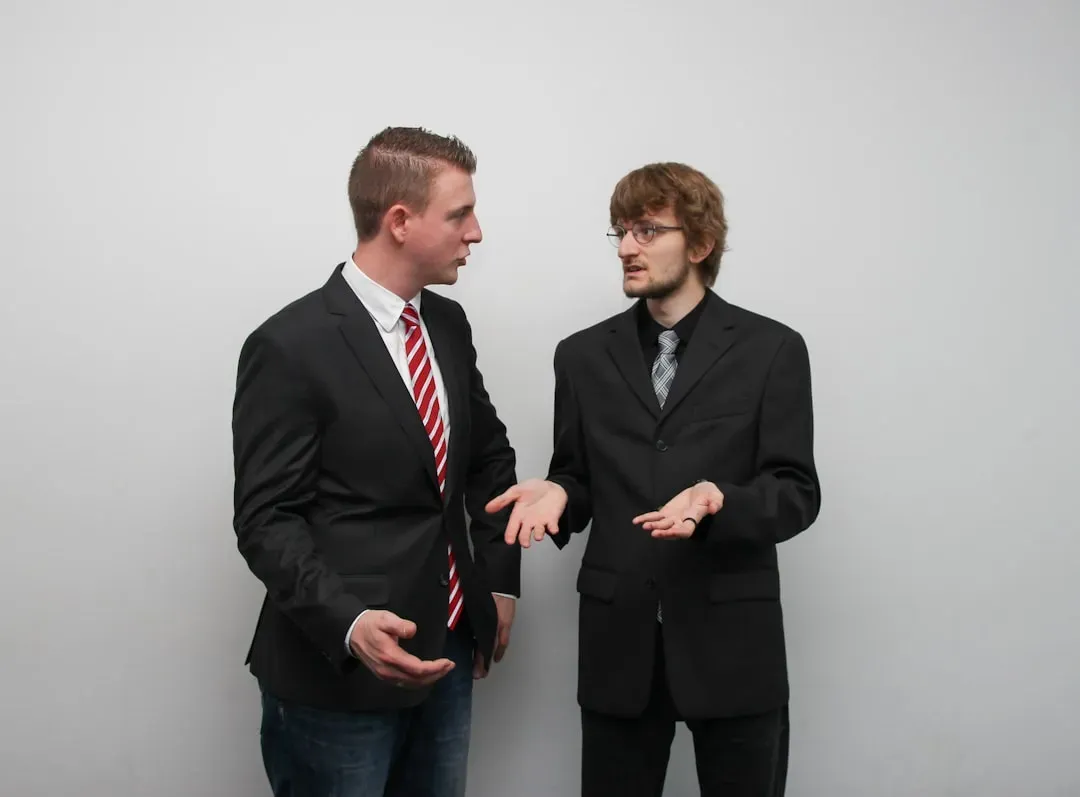
To more accurately decipher if someone is lying, look for a cluster of three red flags. Relying on any single indicator creates too much room for error, as nervousness, fatigue, or personality quirks can mimic deception cues.
Reading gestures in clusters of three is essential, as a cluster is essentially a sentence in body language. Maybe you notice someone pursing their lips while stepping backward and delivering a response without personal pronouns. That combination, those three simultaneous signals, forms a more reliable pattern than isolated observations. Context matters immensely, so consider the situation, the stakes involved, and whether multiple suspicious behaviors are occurring together rather than jumping to conclusions based on a single twitch or pause.
Conclusion

Spotting deception isn’t about becoming cynical or viewing every interaction through a lens of suspicion. It’s about developing a more nuanced understanding of human behavior and trusting your instincts when something feels off. The psychological tells we’ve explored, from speech irregularities to emotional incongruence, from baseline deviations to behavioral clusters, offer you a framework for better navigating situations where honesty might be questionable.
Remember that no single sign definitively proves someone is lying. One micro expression or collection of them is not proof of anything, as they have meaning only in the context of other behavioral cues. Use these insights as tools for awareness rather than weapons for accusation. The goal is protecting yourself from manipulation while maintaining healthy skepticism balanced with openness.
So the next time that uneasy feeling creeps up during a conversation, you’ll have the knowledge to investigate further rather than dismiss your gut instinct. What patterns have you noticed in your own interactions? Trust yourself, pay attention to the details, and remember that the truth has a way of revealing itself to those who know where to look.