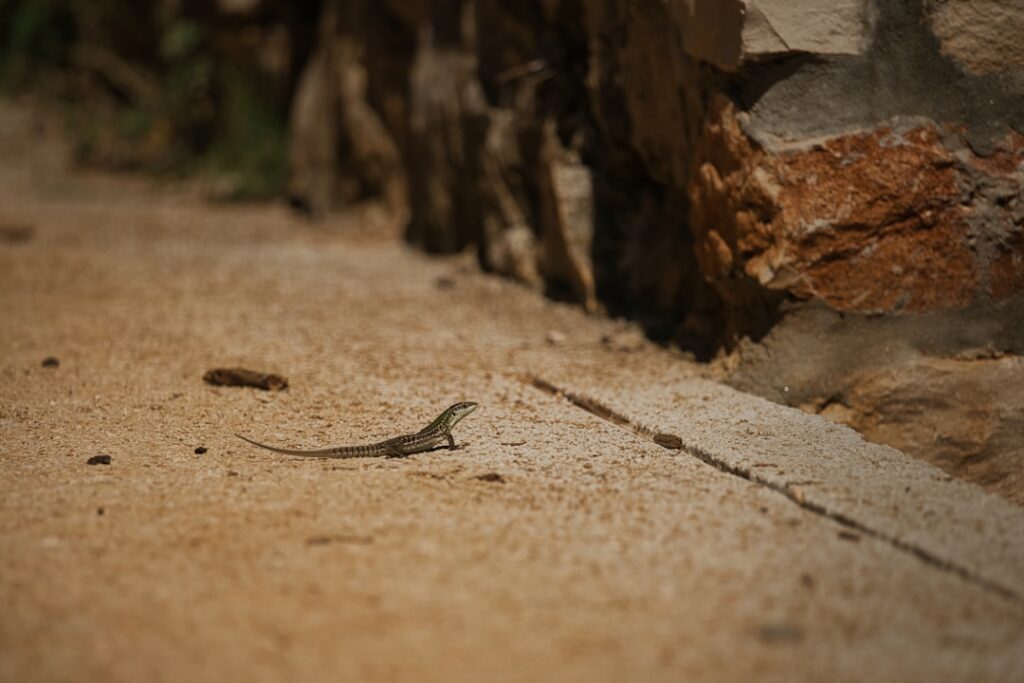
Ocala National Forest, Florida – Unpaved roads wind through dense timber stands, offering unexpected refuge to Florida scrub lizards in a landscape altered by human management. These small reptiles, known scientifically as Sceloporus woodi, face uncertain futures as their specialized habitats diminish under fire suppression and commercial logging. Recent studies highlight how dirt paths step in to mimic natural conditions, potentially aiding the species’ persistence amid ongoing threats.
Scrub Lizards Thrive in Disrupted Ecosystems
Scrub Lizards Thrive in Disrupted Ecosystems (Image Credits: Unsplash)
Florida scrub lizards prefer open, sandy areas with low vegetation, ideal for basking and evading predators. They burrow quickly into loose soil when threatened and rely on precise temperatures for survival. In mature forests managed for timber, such conditions grow scarce. Natural wildfires once cleared patches every few years, fostering regrowth that suited these lizards perfectly.
Timber harvests now dominate, allowing trees to mature without the recycling effect of fire. This shift leaves vast areas shaded and overgrown. Scrub lizards, under review for listing under the U.S. Endangered Species Act, struggle in these environments. Their populations decline as development and habitat changes compound the pressure.
Dirt Roads Fill the Early Successional Void
Unpaved roads create sunny openings amid the forest canopy, much like the early regrowth stages five to seven years after a fire. Smaller plants sprout along the edges, providing spots for thermoregulation. Sandy surfaces allow lizards to hide from predators swiftly. Researchers observed higher numbers of scrub lizards directly on these roads compared to deeper forest interiors.
These paths also connect fragmented suitable habitats, enabling movement between microclimates. Vehicles rarely traverse them, minimizing disturbance. Similar benefits extend to other species, such as green anoles and six-lined racerunners. The roads effectively restore a missing ecological link in managed landscapes.
Insights from Field Surveys in Ocala
David Tevs, a PhD student at the University of Montana, led surveys along old logging roads, forest access routes, and recreational trails in Ocala National Forest. The team examined lizard presence, diet variations, and parasite rates across different areas. They compared abundances on roads versus interior forest zones. Findings appeared in a study published in Ecological Research.
“The unpaved roads are going to allow these lizards to persist in these mature stands managed for wood pulp,” Tevs noted. He emphasized their importance, stating, “These roads seem really critical, particularly for the Florida scrub lizards.” Observations confirmed more lizards along sandy stretches. The work underscores how human alterations can sometimes support wildlife.
Potential Drawbacks Demand Careful Management
While beneficial, unpaved roads carry risks. They might spread nonnative grasses or facilitate dispersal of invasive brown anoles. These intruders compete with native species for resources. Tevs cautioned about such negatives, though roads could help gopher frogs – another species under ESA review – reach breeding sites.
Conservation efforts must weigh these factors. Maintaining low-traffic dirt roads could preserve benefits without exacerbating invasions. Monitoring invasive spread remains essential. Balanced approaches ensure roads serve as assets rather than liabilities.
Key advantages of unpaved roads for scrub lizards include:
- Sunny patches for essential basking and temperature control.
- Sandy soil perfect for rapid predator escape.
- Connections between isolated habitat pockets.
- Mimicry of post-fire regrowth absent in timber forests.
- Support for multiple native lizard species.
Key Takeaways
- Unpaved roads provide critical early successional habitat missing due to fire suppression and logging.
- Higher lizard abundances on roads highlight their role as corridors in Ocala National Forest.
- Conservation must address risks like invasive species while leveraging these unexpected benefits.
Human-modified landscapes reveal surprising opportunities for wildlife resilience. Unpaved roads demonstrate that not all development harms biodiversity; some features can bridge ecological gaps. As scrub lizards await ESA decisions, these findings offer hope for proactive management. What are your thoughts on balancing roads and reptile habitats? Share in the comments below.