Picture the Mesozoic world as a kind of ancient proving ground, where survival belonged only to those who were built for it. No predator passed that test more spectacularly than the theropods. They stalked every major continent, dominated every major food chain, and persisted for over 150 million years across some of the most dramatic environmental shifts Earth has ever seen.
What made them so impossibly good at what they did? It wasn’t just size, and it wasn’t just sharp teeth. Honestly, the real answer is far more layered and surprising than most people expect. The theropod blueprint was a masterclass in evolutionary design, stacking advantage upon advantage in ways that still astonish scientists today. Buckle up, because what you’re about to read might change how you think about predators entirely.
Born to Rule: The Origins and Rise of the Theropods
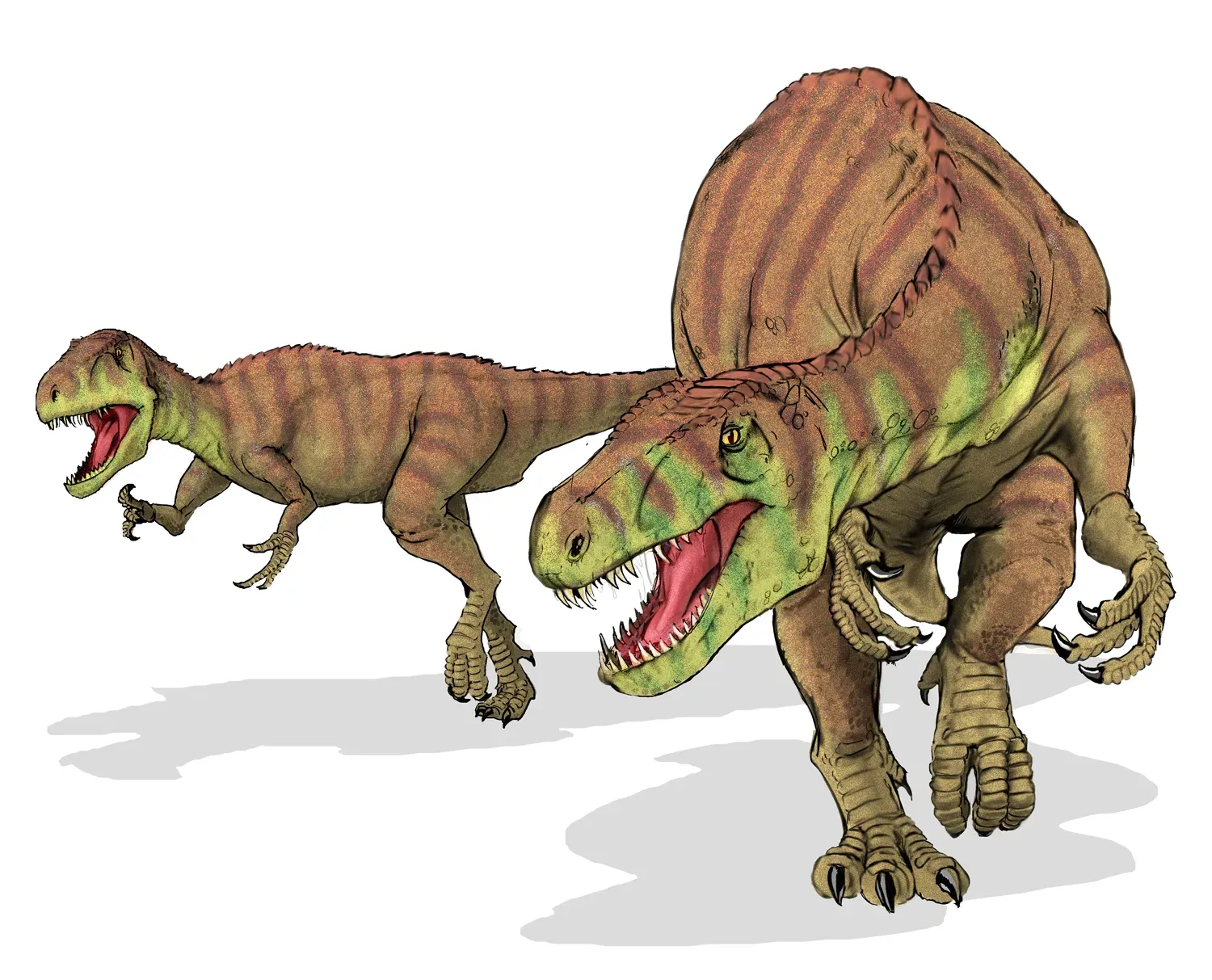
The evolutionary history of theropods dates back to the Late Triassic, approximately 235 million years ago, with their non-avian representatives surviving until the end of the Cretaceous period around 66 million years ago. That’s an almost incomprehensible run of dominance. To put it in perspective, modern humans have existed for only a tiny fraction of that timeline.
Theropod dinosaurs appeared as highly specialized running predators almost at the outset of dinosaur evolution. Early theropods of the Late Triassic were important terrestrial predators up to 3 meters long, and by the Early Jurassic, 6-meter-long theropods were already the apex predators of terrestrial communities. Think about that leap in scale. In evolutionary terms, they went from compact pursuit machines to landscape-dominating giants in a geological blink.
Built Different: The Skeletal Architecture That Changed Everything
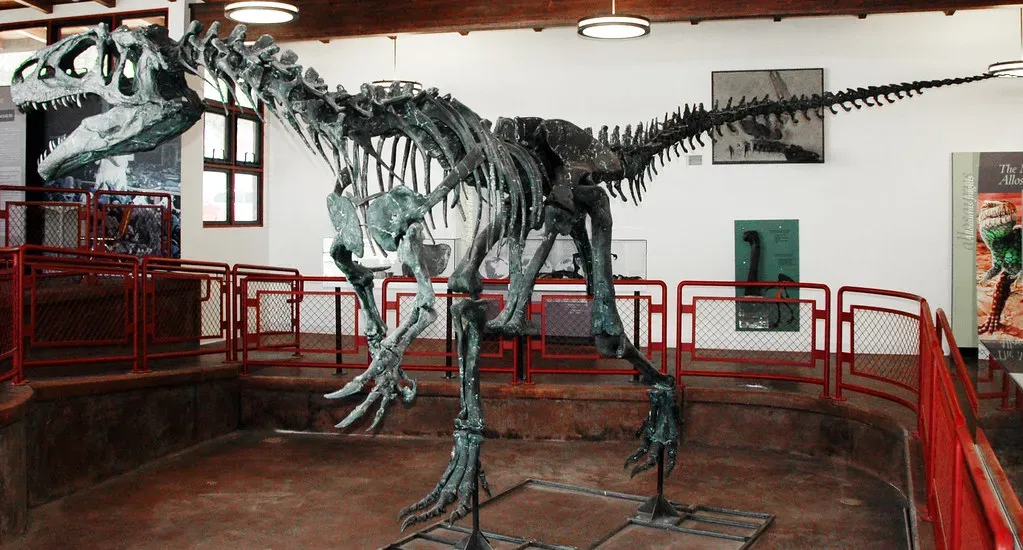
Theropods were characterized by their hollow, thin-walled bones, adapted for strength and reducing overall body weight. This was the dinosaur equivalent of a Formula 1 chassis: strong where it needed to be, ruthlessly light everywhere else. You can’t chase down prey if you’re carrying unnecessary mass.
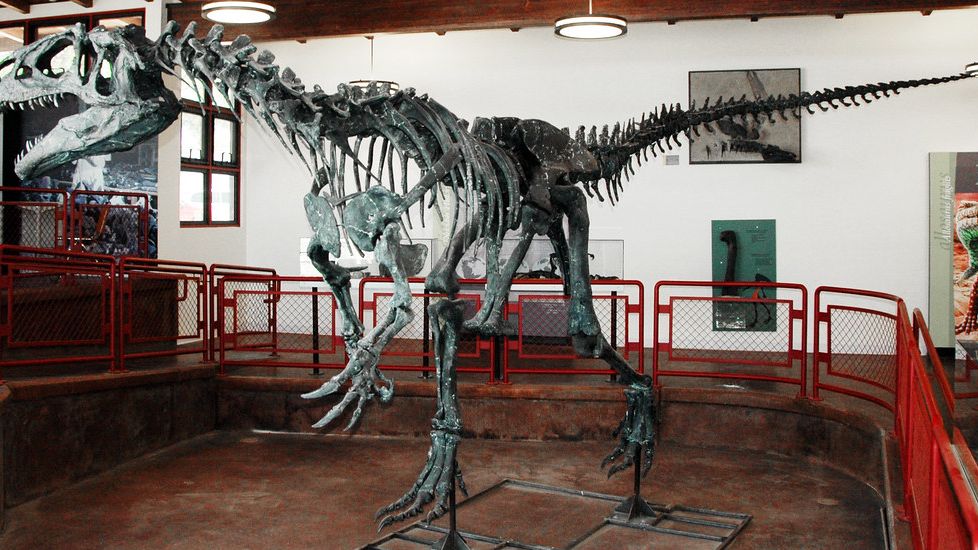
Theropods exhibit several homologous traits, including three-weight-bearing toes on modified clawed feet, reduced forearms, and long hind limbs, which contributed to their bipedal movement. All the lizard-hipped theropods possessed long, strong hind limbs, the evolution of which aided the move to bipedal locomotion and increased speed, a definite advantage for a predator. Bipedalism freed the upper body entirely, letting their arms evolve into weapons rather than walking tools. That trade-off was transformative.
Jaws That Bite, Claws That Catch: The Predatory Toolkit
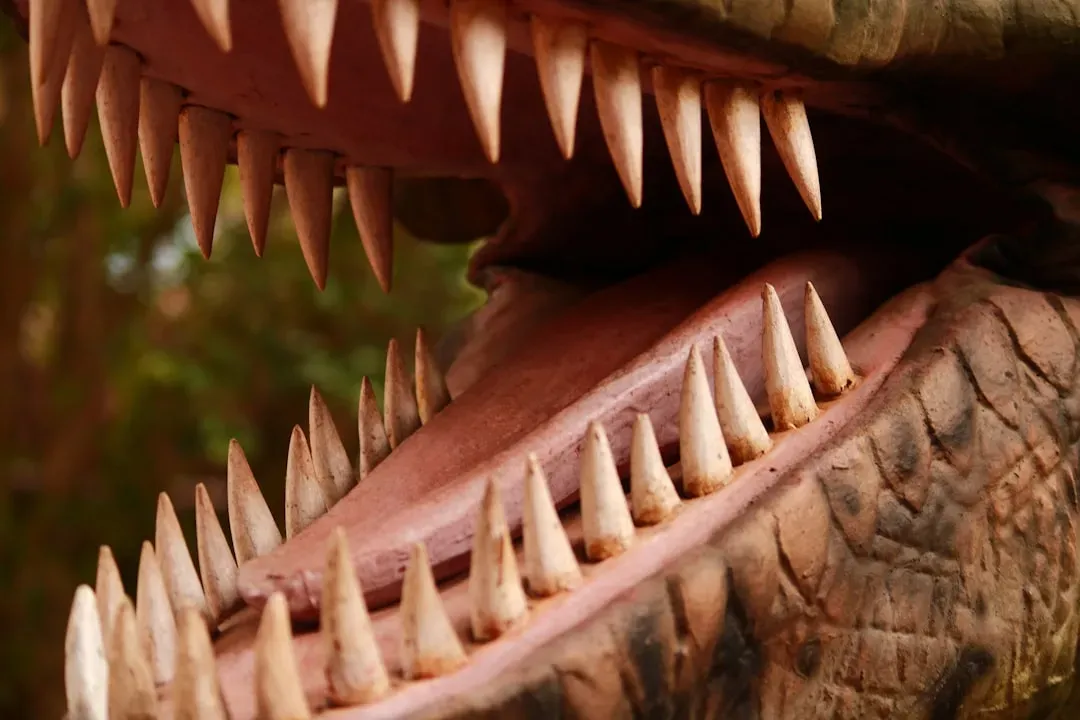
Many non-avian theropods are known for their impressive dentition, possessing extraordinarily sharp, backward-curving teeth along their entire jaw. These teeth were an evolutionary advance for the meat-eating theropods that, together with their well-developed jaw muscles, greatly improved feeding efficiency and survival. Backward-curving teeth are no accident. They work like a natural trap, making it nearly impossible for prey to pull free once bitten. Simple, brutal, genius.
Tyrannosaurids, in particular, developed deep, powerfully muscled skulls that tolerated high levels of feeding-induced stress, an adaptation consistent with bone-crunching predation and the exploitation of giant prey. This wasn’t just about killing. It was about getting every last calorie out of a carcass. Their front teeth specialized in gripping and pulling prey, the side teeth for ripping flesh, and their back teeth for dicing up meat and pushing it back into the throat. The teeth were broader than those of average hunters, which allowed them to withstand the great force of biting power and the struggling of live prey.
The Speed Equation: How Leg Length Became a Survival Strategy
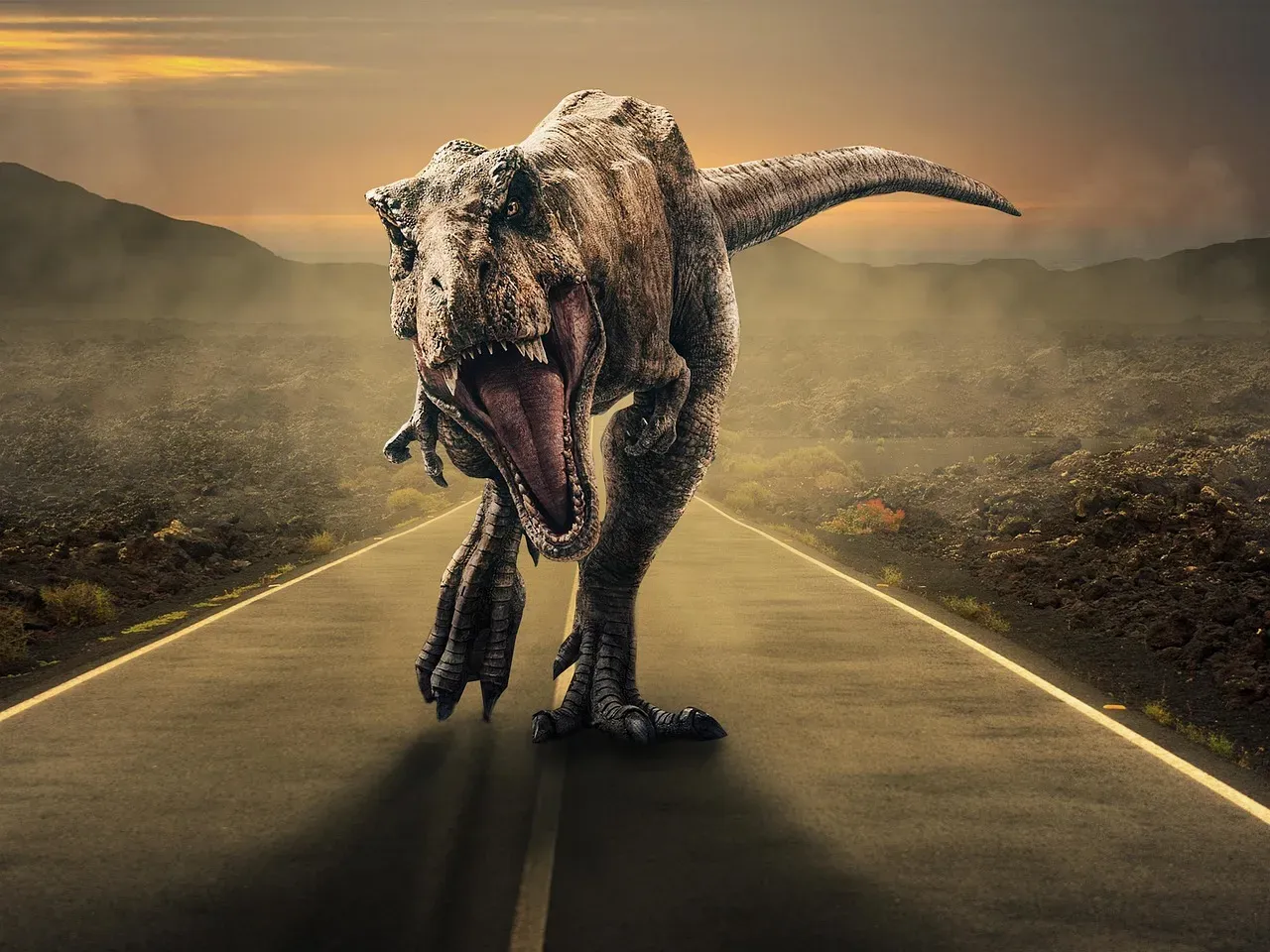
For small and medium-sized theropods, increased leg length seems to correlate with a desire to increase top speed, while among larger taxa it corresponds more closely to energetic efficiency and reducing foraging costs. Here’s the thing: not every theropod was optimized the same way. Smaller hunters needed raw speed. Larger predators needed stamina and fuel economy, like the difference between a sports car and a long-haul truck.
Three-dimensional volumetric mass estimates show that the Tyrannosauridae achieved significant cost of transport savings compared to more basal clades, indicating reduced energy expenditures during foraging and likely reduced need for hunting forays. Interestingly, additional analyses support the hypothesis that tyrannosaurids were more agile, capable of turning more rapidly and with a smaller turning radius, than other comparable-sized large-bodied theropods. So they weren’t just big brutes. They were surprisingly nimble for their size, too.
Warm Blood and Burning Engines: The Metabolic Advantage
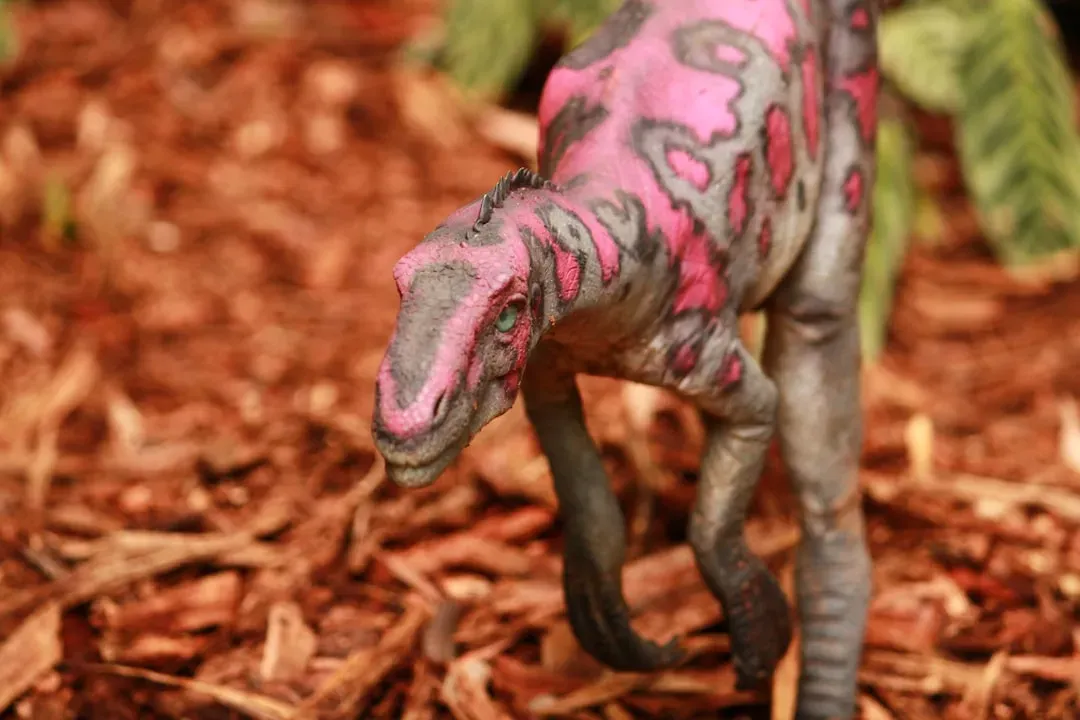
Evidence suggests that the saurischians, including meat-eating theropods like Tyrannosaurus and Allosaurus among many others, were warm-blooded creatures like their ancestors. Birds are descended from this lineage and have retained a warm-blooded metabolism. This matters enormously. A warm-blooded predator can hunt in cold weather, sustain longer chases, and stay active after dark. A cold-blooded one cannot.
The theropod dinosaurs, the group that contains birds, developed high metabolisms even before some of their members evolved flight. Analysis of the amount of oxygen isotopes in Tyrannosaurus rex bones shows that they were formed while the animal’s body temperature was stable within 4 degrees Celsius. Maintaining such a uniform temperature is consistent with the high metabolic rate of warm-blooded animals. That kind of physiological firepower gave theropods a sustained edge over their prey that cold-blooded rivals simply couldn’t match.
Seeing in the Dark: Sensory Superpowers of the Theropod World
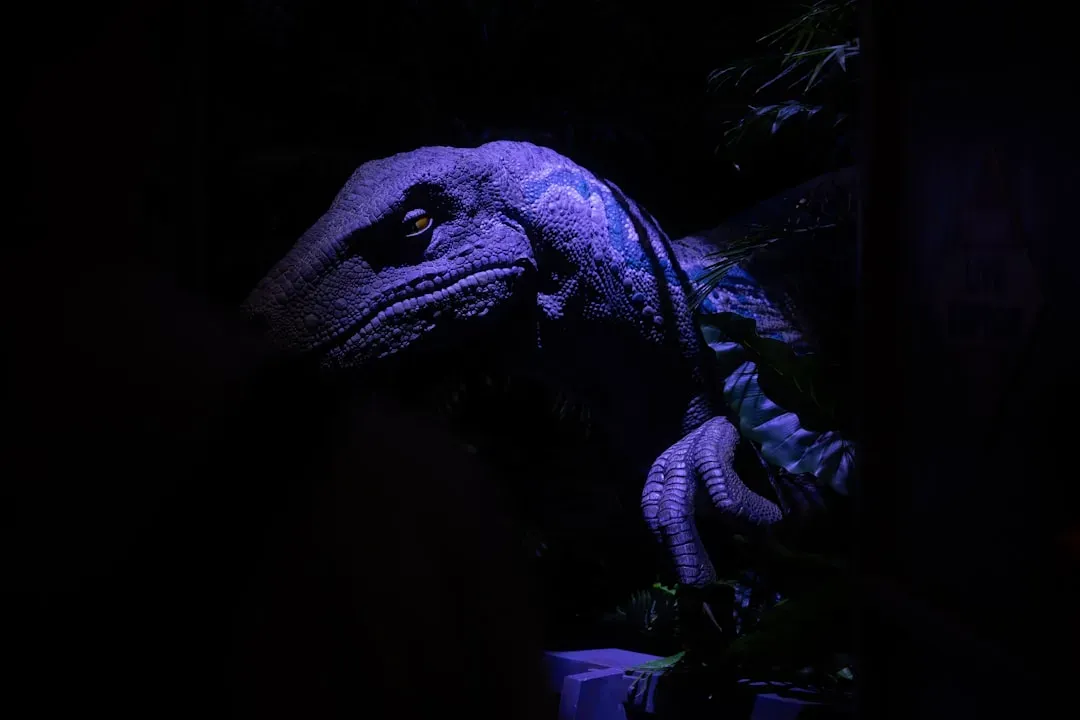
The relatively large eyes of theropods indicate that they located their prey visually. Theropods had the largest and most sophisticated brains of any known dinosaurs, and advanced theropods had very bird-like brains, so at least some theropods were likely very sophisticated behaviorally. This combination of sharp eyesight and complex brainpower created a predator that was genuinely situationally aware. Not just a monster. A calculating hunter.
Combined visual and auditory specializations for nocturnality evolved independently in mammals, birds, and, as reported in scientific study, non-avian dinosaurs, providing an example of convergent sensory evolution in vertebrates. Some theropod lineages could actually hunt at night, leveraging specialized senses that researchers are still working to fully understand. Identifying specialized night foragers among theropods highlights the occurrence of diel partitioning among predators in Mesozoic terrestrial ecosystems, meaning different theropods carved out their own niches even across the hours of the day.
Feathers, Camouflage, and the Art of the Ambush
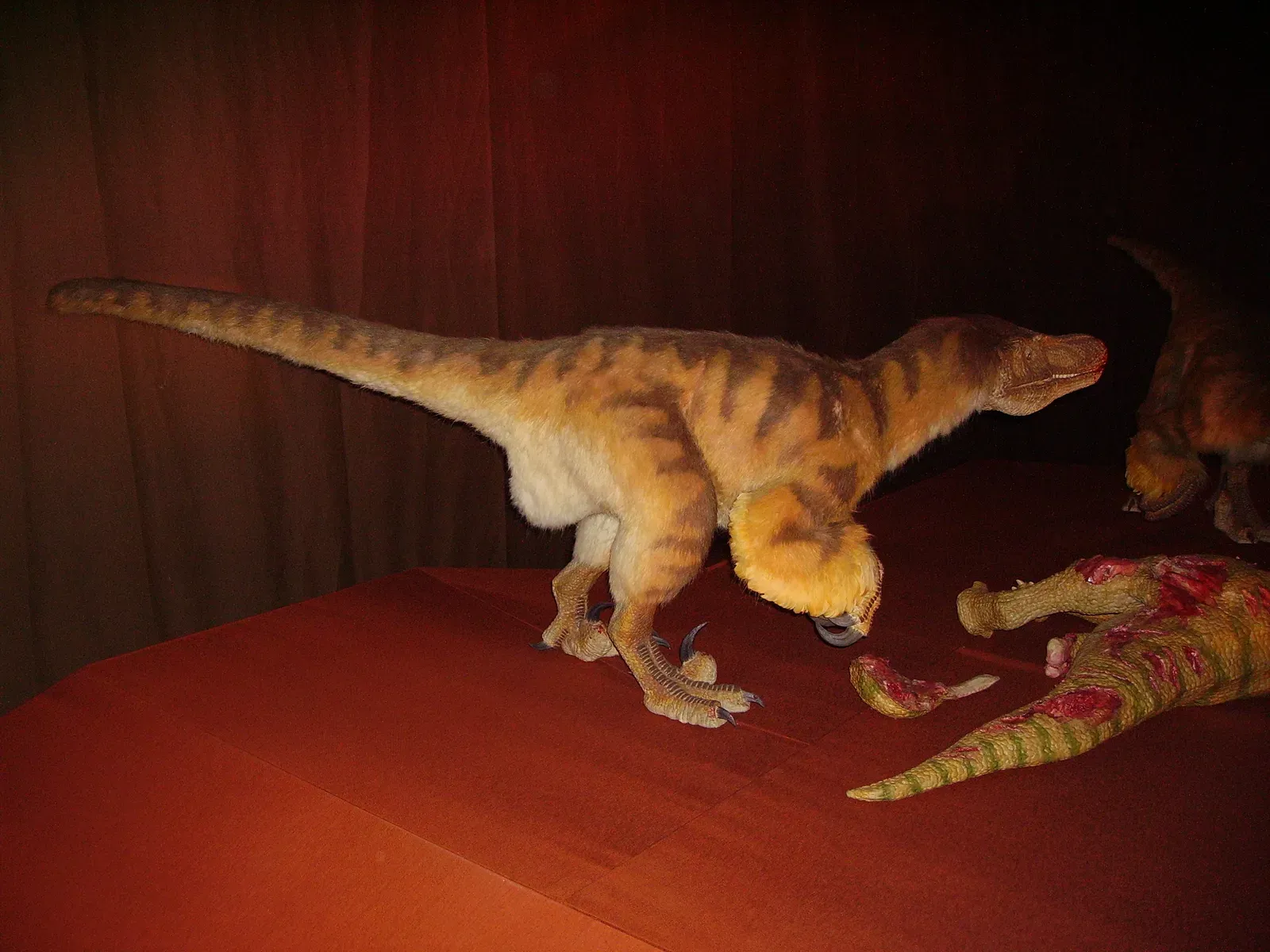
Plumage, which included feathers on the forelimbs and tail of species like Velociraptor, likely contributed to camouflage, aerodynamic control, and stability during high-speed pursuits, incline running, and quick directional changes. These feathered adaptations would have enhanced the ability to ambush and capture prey. Let’s be real: feathers weren’t just for the birds. They were working tools in the hunting process long before anything flew.
Feather patterns might have helped certain theropods blend into their surroundings while stalking prey, serving as a camouflage mechanism. Similar uses can be observed throughout much of animal history, including modern-day predators such as leopards and snakes. Picture a feathered Velociraptor crouched in dense undergrowth, utterly invisible until it launched. That image is no longer science fiction. It’s increasingly supported by what the fossil record tells us.
Pack Tactics and Social Intelligence: More Than Lone Killers
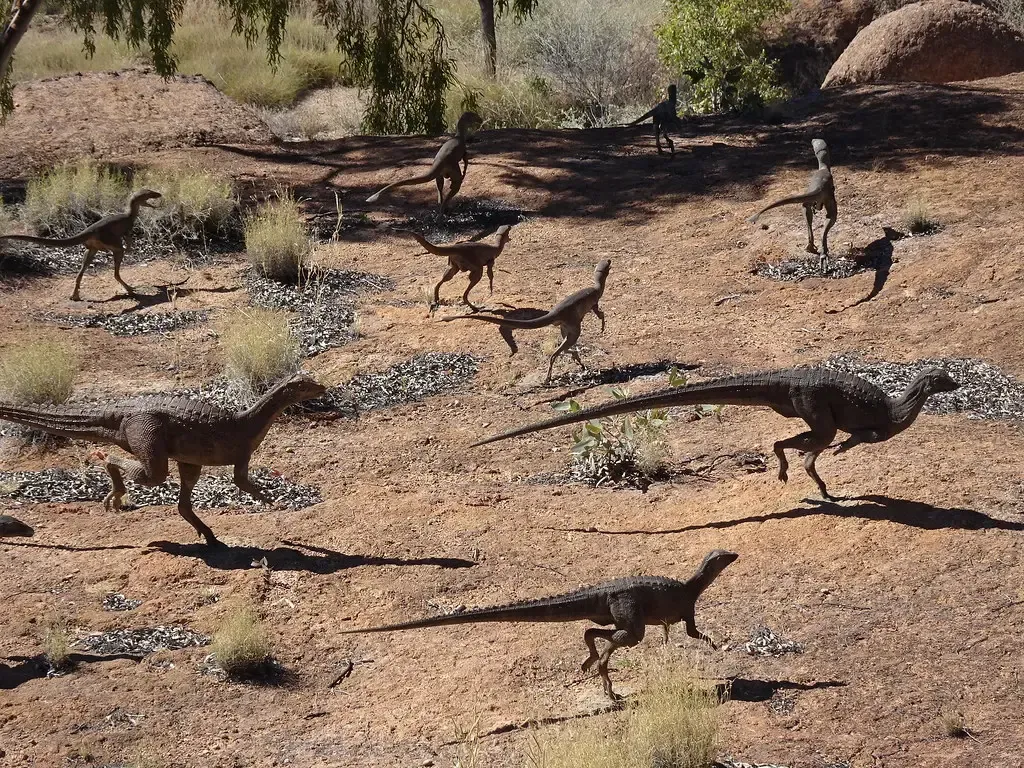
Studies of trackways of carnivorous theropod dinosaurs, such as the dromaeosaurid Deinonychus, have provided evidence that they hunted in packs. This is a game-changer. A lone Deinonychus was dangerous. A coordinated group of them pursuing prey was something else entirely, more analogous to wolves than lizards.
Studies of dinosaur trackways indicate herding behavior and adult care of juvenile members of the species among various theropod dinosaurs. The discovery and study of dinosaur nesting sites has indicated that theropod species nested in groups and engaged in maternal care of hatchling dinosaurs, with some evidence suggesting bi-parental care. I find this genuinely surprising every time I read it. These weren’t solitary, unfeeling killing machines. Some theropods raised their young. That social structure likely sharpened their collective hunting intelligence over generations.
The Living Legacy: How Theropods Became Birds

Interestingly, theropods are not extinct. Modern birds are considered their descendants, showcasing a remarkable evolutionary transition. That pigeon pecking at a breadcrumb on the sidewalk? Technically a theropod. It’s one of those facts that sounds absurd until you sit with it long enough for it to feel true.
The primary features connecting theropods and birds are feathers, wishbones, hollow bones, and nesting behavior. Most scientists now recognize that birds arose directly from maniraptoran theropods and, on the abandonment of ranks in cladistic classification, birds are re-evaluated as a subset of theropod dinosaurs that survived the Mesozoic extinctions and live into the present. The theropod lineage didn’t end with a bang 66 million years ago. It transformed. That, honestly, might be the most terrifying efficiency of all: they never truly stopped surviving.
Conclusion: The Blueprint That Never Ran Out of Tricks
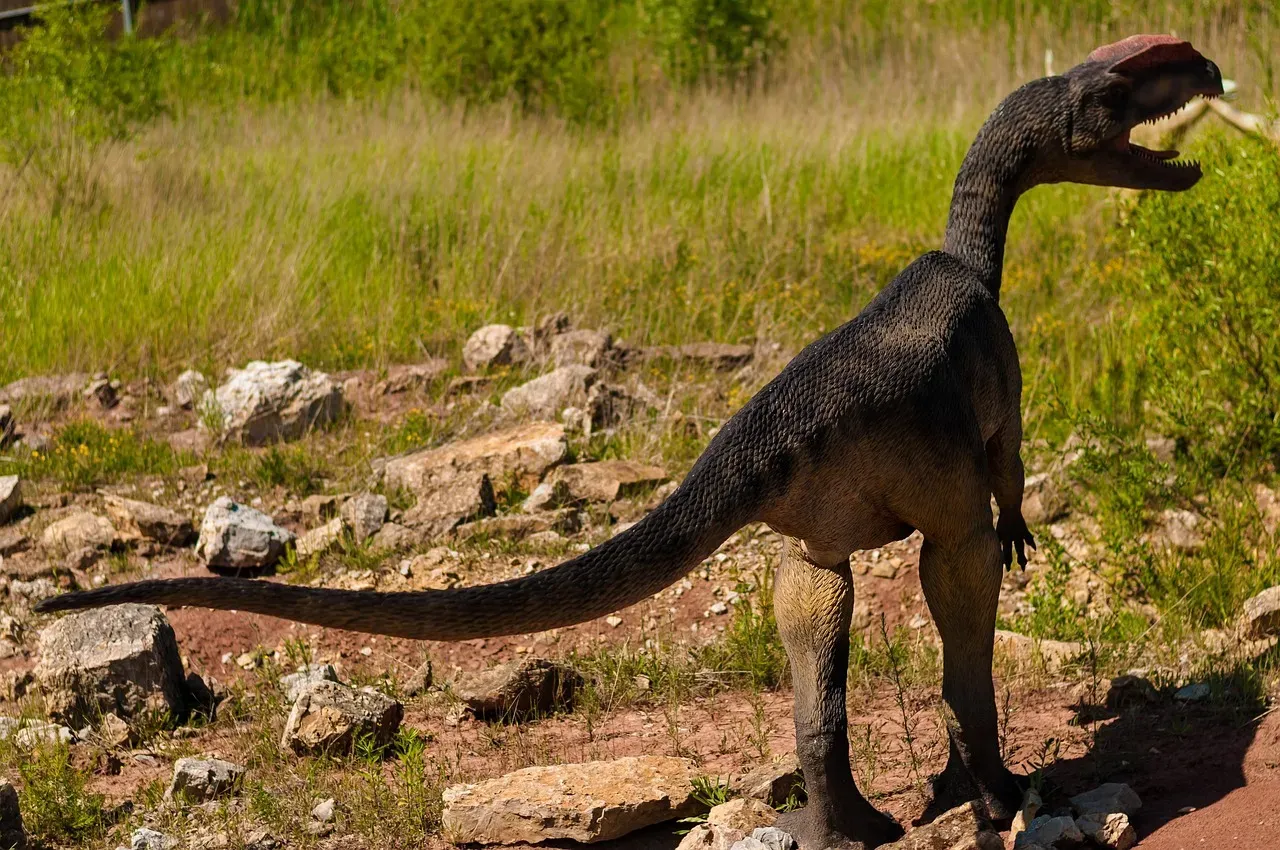
What made theropods so terrifyingly efficient wasn’t any single trait. It was the stacking. Hollow bones for speed. Serrated teeth for feeding. Warm blood for endurance. Sharp eyes and complex brains for intelligent hunting. Social behavior for coordination. Feathers for stealth. Each adaptation compounded the last, creating predators that could dominate across every ecological niche they entered.
The fact that their lineage walks among us today, perching on bird feeders and soaring on thermals, is the ultimate testament to a blueprint that simply refused to fail. Every chicken wing you’ve ever eaten was once part of a theropod. Every songbird outside your window carries that ancient predatory DNA, however softened by time.
So the next time you spot a crow solving a puzzle or a hawk diving out of the sky, consider what you’re really looking at. Not just a bird. A theropod. Still efficient. Still terrifying in its own quiet way. What does it feel like to know the most successful predators in Earth’s history are still living right beside you?