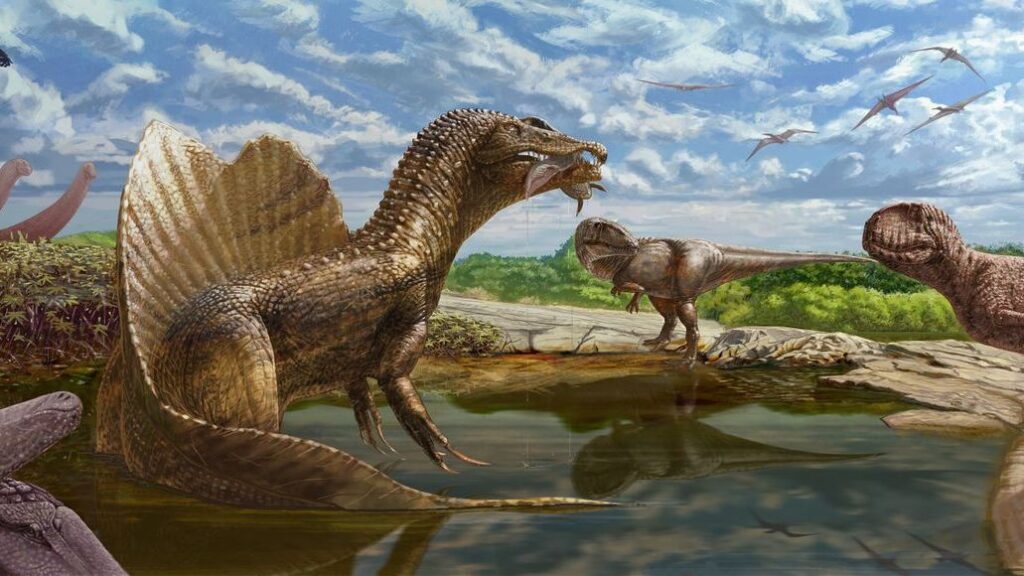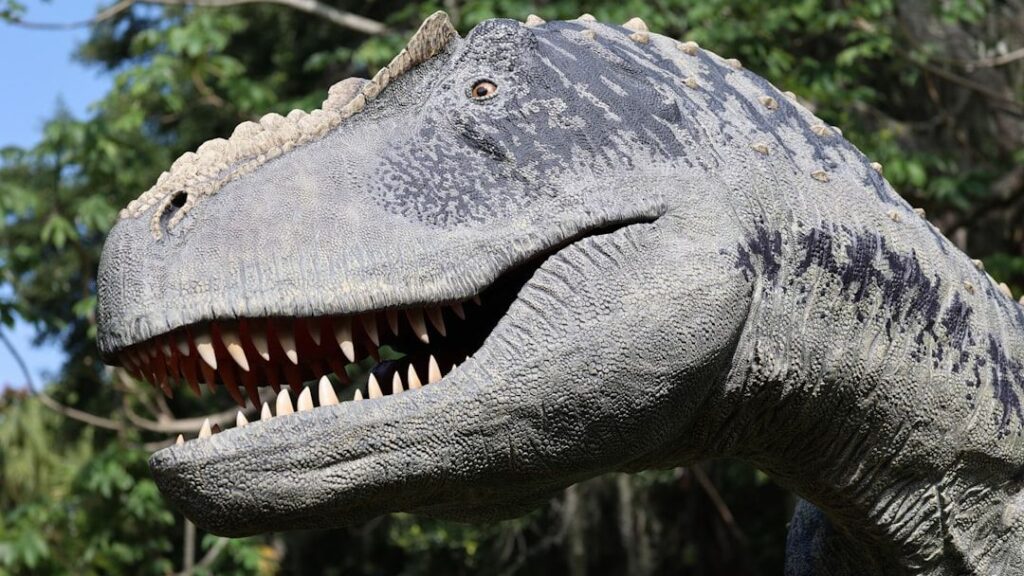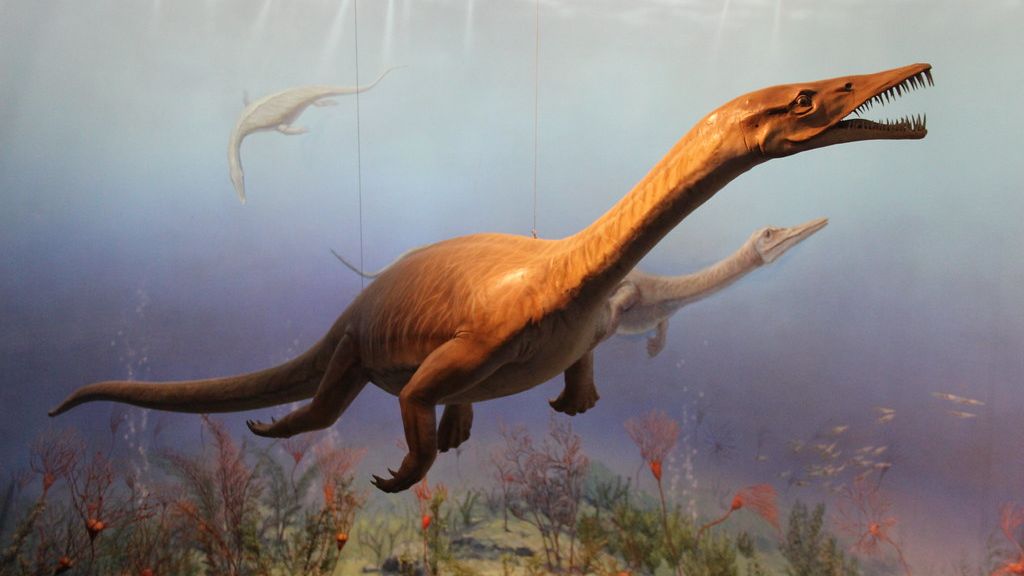
Sixty-six million years ago, something so catastrophic happened on Earth that it rewrote the entire story of life on this planet. In a geological blink of an eye, the most dominant creatures that ever walked the land were erased. The dinosaurs, rulers of Earth for over 160 million years, vanished. No slow fade, no long goodbye. Just gone.
Science has spent decades searching for the answer, and honestly, the truth turns out to be even wilder than the theories. You might think you already know the story – the asteroid, the big crater, the end. But the real picture is far more layered, more dramatic, and more contested than most people realize. Buckle up, because the mystery goes deeper than you ever imagined. Let’s dive in.
The Asteroid Nobody Could Ignore: The Chicxulub Impact
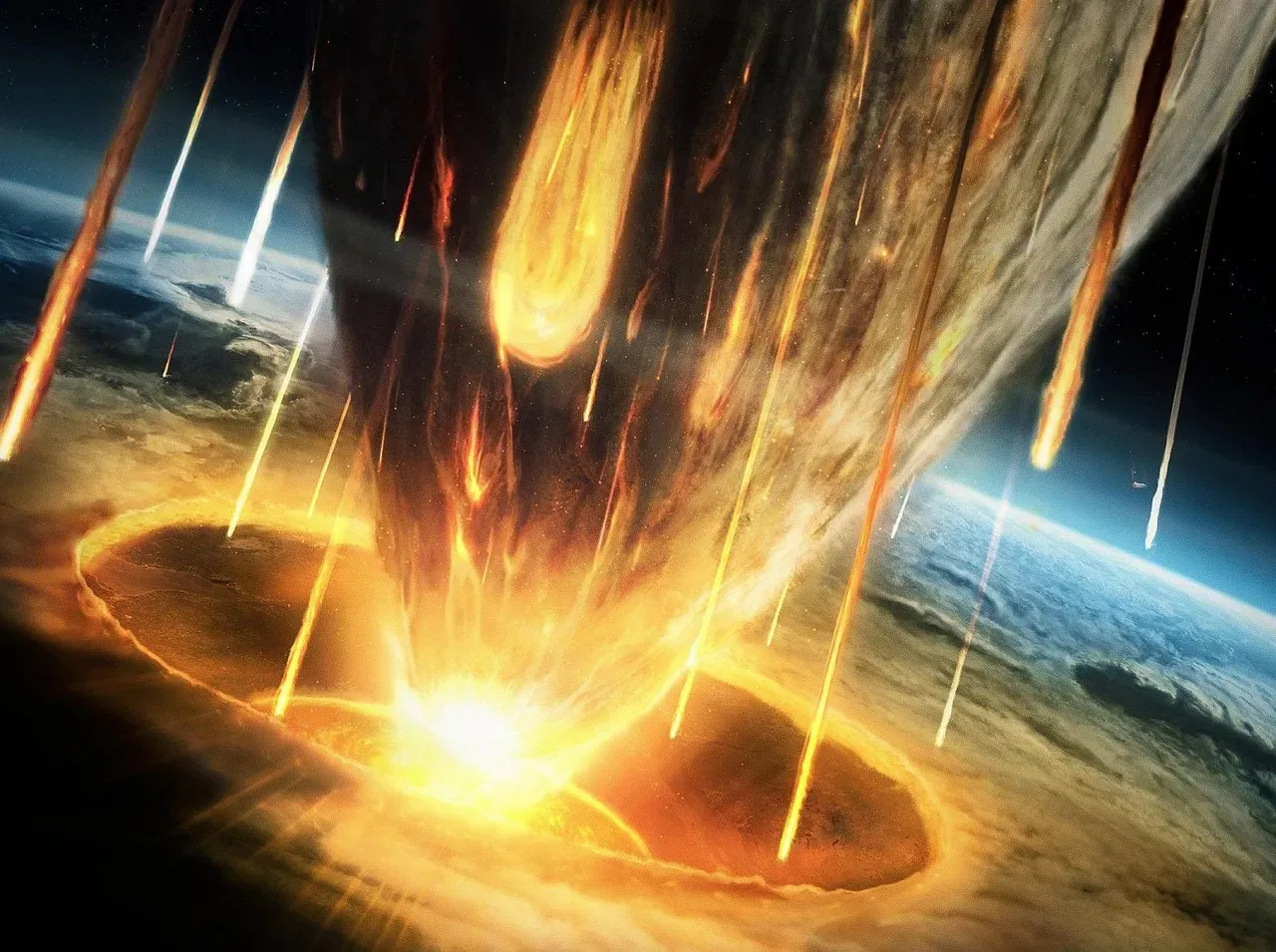
Here is where most people’s knowledge of this mystery begins and ends, and for good reason. Researchers believe they have closed the case of what killed the dinosaurs, definitively linking their extinction with an asteroid that slammed into Earth 66 million years ago by finding a key piece of evidence: asteroid dust inside the impact crater. Think about that for a moment. You’re looking at cosmic fingerprints, preserved in rock, that point to one of the worst days in the history of life on Earth.
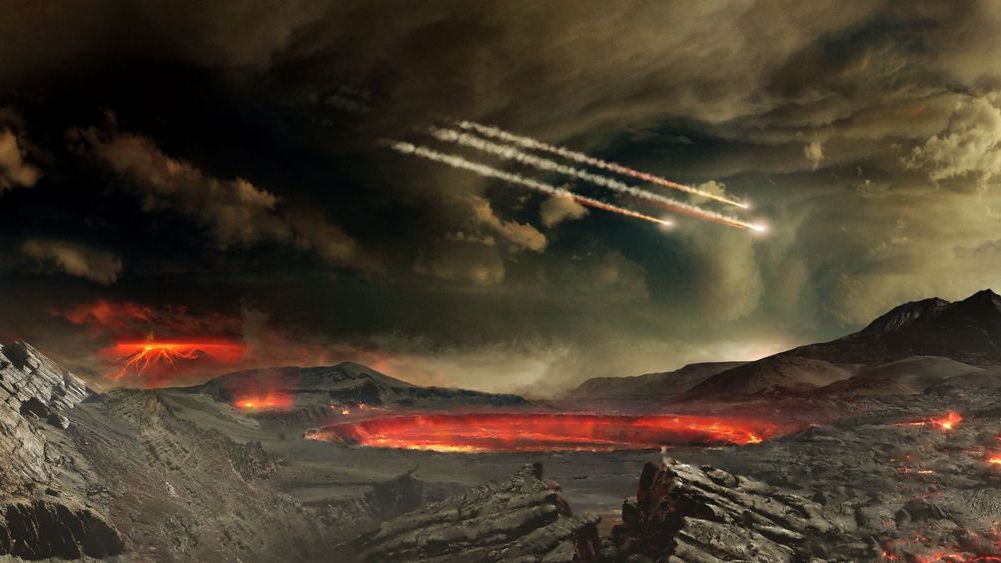
A mountain-sized impactor fell out of the sky at kilometers-per-second speed, slamming into the shallow sea off what is now Mexico’s portion of the Yucatán Peninsula. The impact released as much energy as 100 million nuclear bombs, gouging a 200-kilometer-wide, 20-kilometer-deep scar in Earth’s crust and unleashing monstrous earthquakes, tsunamis, and firestorms. That is not a disaster you slowly recover from. That is an instantaneous rearrangement of the world.
The Iridium Layer: Nature’s Smoking Gun
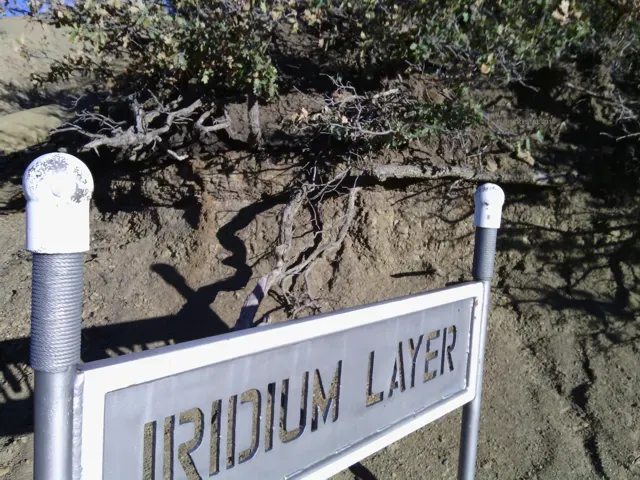
The Alvarez hypothesis posits that the mass extinction of the non-avian dinosaurs and many other living things during the Cretaceous–Paleogene extinction event was caused by the impact of a large asteroid on the Earth. In 1980, a team of researchers led by Nobel prize-winning physicist Luis Alvarez, his son geologist Walter Alvarez, and chemists Frank Asaro and Helen Vaughn Michel, discovered that sedimentary layers found all over the world at the Cretaceous–Paleogene boundary contain a concentration of iridium hundreds of times greater than normal. Finding this same anomaly everywhere on the planet was a discovery that genuinely stunned the scientific world.
Back then, the researchers didn’t find the asteroid itself; instead, they found a thin layer of the metal iridium in rocks around the world from 66 million years ago. Iridium is rare within the Earth’s crust but abundant in some asteroids and meteorites. It was like finding the same unusual fingerprint smudged across every crime scene on the planet simultaneously. Coincidence? Absolutely not.
What the Impact Actually Did to the Planet
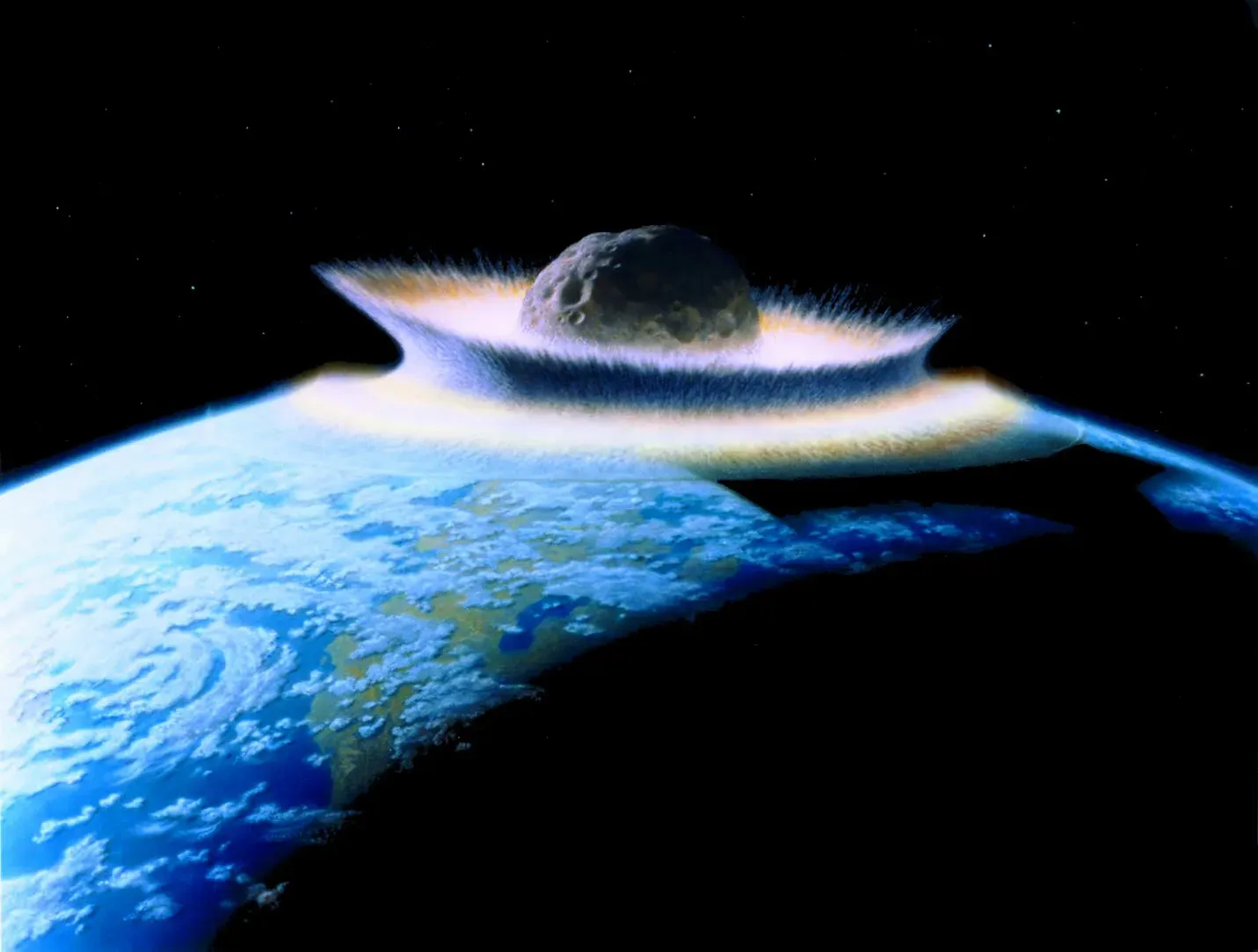
Roughly 66 million years ago, a massive asteroid crashed into Earth, leaving a crater 12 miles deep by 110 miles wide. The catastrophic collision plunged the planet into a dark, cold winter, and in the aftermath of this disaster, known as the Chicxulub impact, 75 percent of living species, including the non-avian dinosaurs, went extinct. You can think of it as flipping off the light switch for the entire planet. The sun simply disappeared behind a veil of debris, soot, and dust.
When the asteroid struck what is now Mexico’s Yucatán Peninsula, it sent tiny particles of pulverized granite into the atmosphere. This silicate dust blocked out sunlight, which meant plants couldn’t photosynthesize. As a result, several plant-eating animals starved, which would have led more species to disappear. It’s a cascading collapse of the food chain – and once that starts from the bottom, everything above it topples like dominoes.
Volcanoes: The Deadly Second Suspect
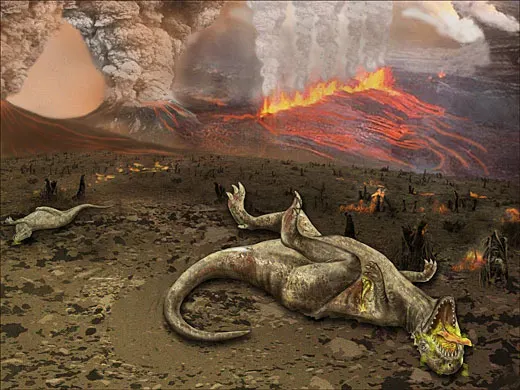
Here’s where things get genuinely controversial, and where I think the story becomes even more compelling. Climate change caused by volcanic eruptions may have played a role in massive die-offs for the dinosaurs, long before a comet or asteroid impact sealed their fate. The Deccan Traps, a colossal volcanic province in what is now western India, were erupting on a biblical scale right around the same time.
The Deccan Traps had been erupting for roughly 300,000 years before the Chicxulub asteroid. During their nearly 1 million years of eruptions, the Traps are estimated to have pumped up to 10.4 trillion tons of carbon dioxide and 9.3 trillion tons of sulfur into the atmosphere. That kind of atmospheric poisoning over such a long period would have already been stressing ecosystems to their limits. It’s a chilling thought – the dinosaurs may have already been living on a knife’s edge before the asteroid even arrived.
The One-Two Punch Theory: When Both Disasters Combined
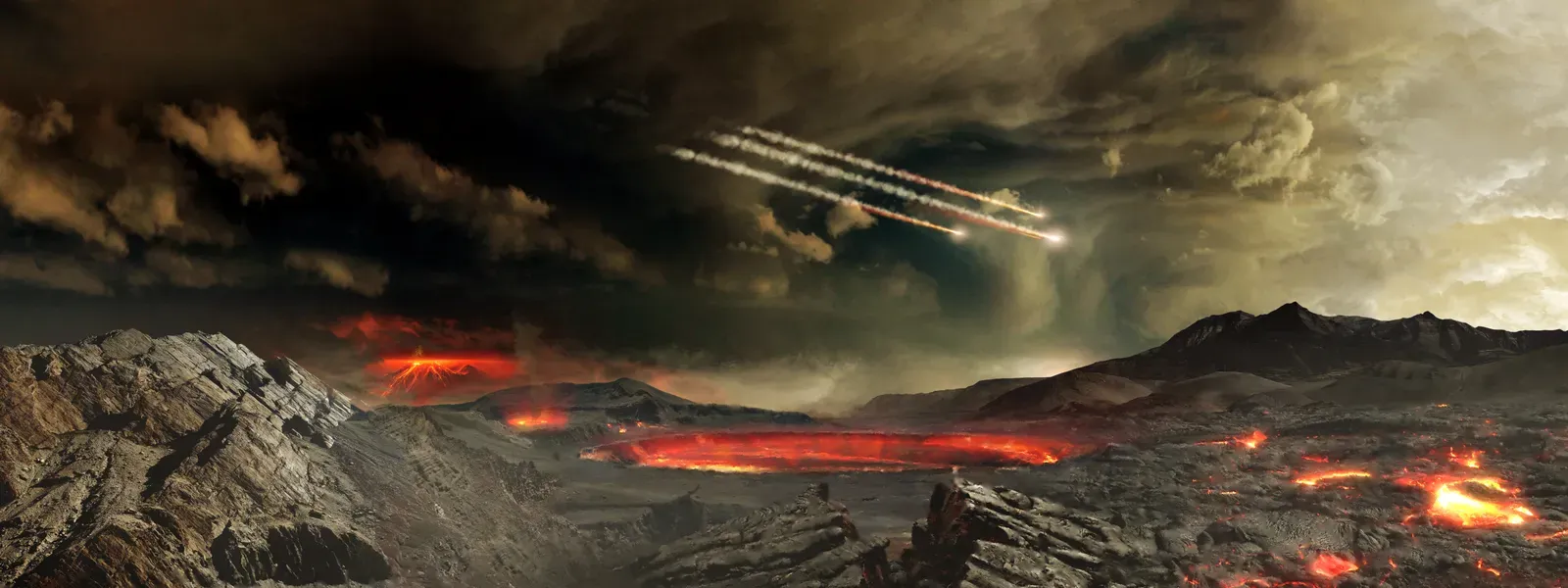
Let’s be real: the idea that Earth suffered two separate catastrophic events at almost exactly the same time sounds almost too dramatic to believe. Fossil evidence suggests a one-two punch unlike anything in Earth’s history: the asteroid may have slammed into a planet already reeling from the massive, extremely violent eruptions of volcanoes in the Deccan Traps. Honestly, it almost sounds unfair to the dinosaurs.
The eruptions could have injected massive amounts of greenhouse gases and particles into the atmosphere, changing Earth’s climate in ways that stressed out late Cretaceous life. Then, in a one-two punch, the impact’s nuclear winter would have sharply cooled Earth and caused ecosystems to collapse. The debate over which factor delivered the killing blow is still very much alive, and it has earned the nickname among scientists of the “dinosaur wars” – a debate so fierce it reportedly threatened careers and reputations alike.
The Scale of the Destruction: Who Else Perished?
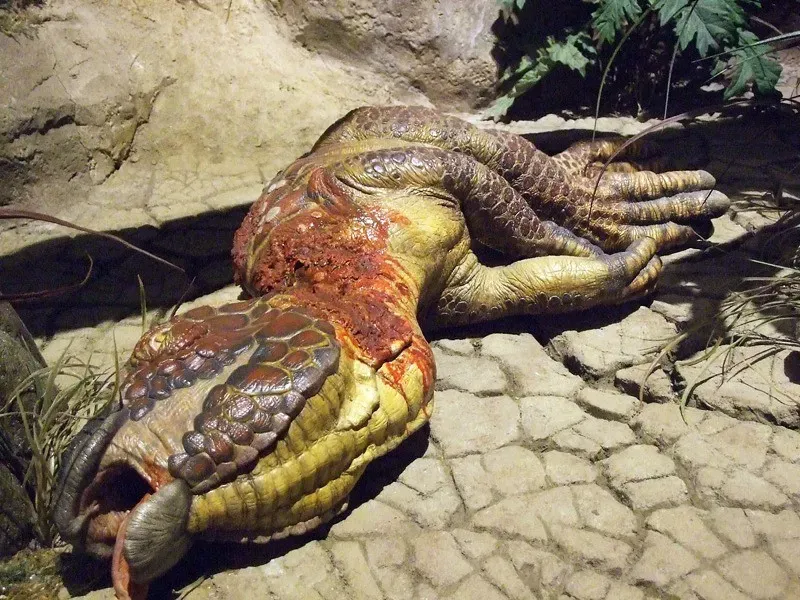
The event caused the extinction of all non-avian dinosaurs and most other tetrapods weighing more than 25 kg, with the exception of some ectothermic species such as sea turtles and crocodilians. It’s worth pausing on that. Everything large enough to need serious daily calories essentially lost the gamble. Crocodiles made it – and yet T. rex did not. It’s a strange and humbling fact.
Whatever global climate changes occurred, more than just the dinosaurs were affected. Almost all large land vertebrates and tropical invertebrates were wiped out. Many water-dwelling organisms died as well. Acid rains – created by the mixing of vaporized sulfur and water – acidified lakes and streams. The ocean itself turned hostile. Life on this planet, quite literally, came within a hair’s breadth of ending entirely.
The Surprising Survivors: How Birds Outlasted the Apocalypse
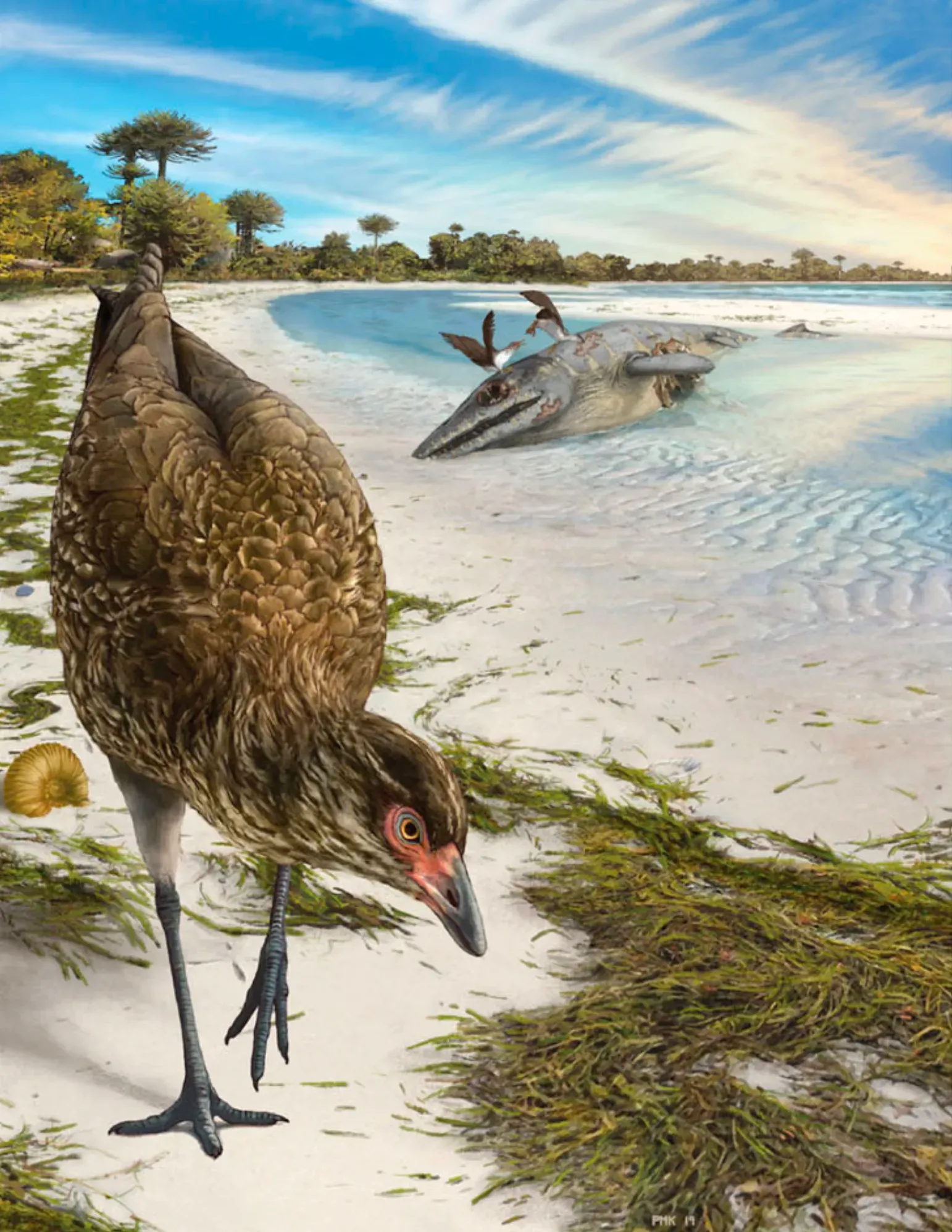
This part of the story is, I think, the most extraordinary. Birds evolved from a group of meat-eating dinosaurs called theropods. That’s the same group that Tyrannosaurus rex belonged to, although birds evolved from small theropods, not huge ones like T. rex. So when you watch a pigeon hop around on a sidewalk, you’re technically looking at a living dinosaur. Let that sink in.
The only birds that survived were ground-dwellers, including ancient relatives of ducks, chickens, and ostriches. Following the cataclysm, these survivors rapidly evolved into most of the lineages of modern birds we are familiar with today. Their survival was likely a combination of small body size, flexibility in diet, and sheer dumb luck. Their impact-surviving ancestors were probably small ground-dwellers, like quail, that likely survived on seeds banked in the soil – a food source that didn’t require sunlight, forests, or fresh plant growth. In a scorched and lightless world, seeds were the ultimate survival pack.
Conclusion
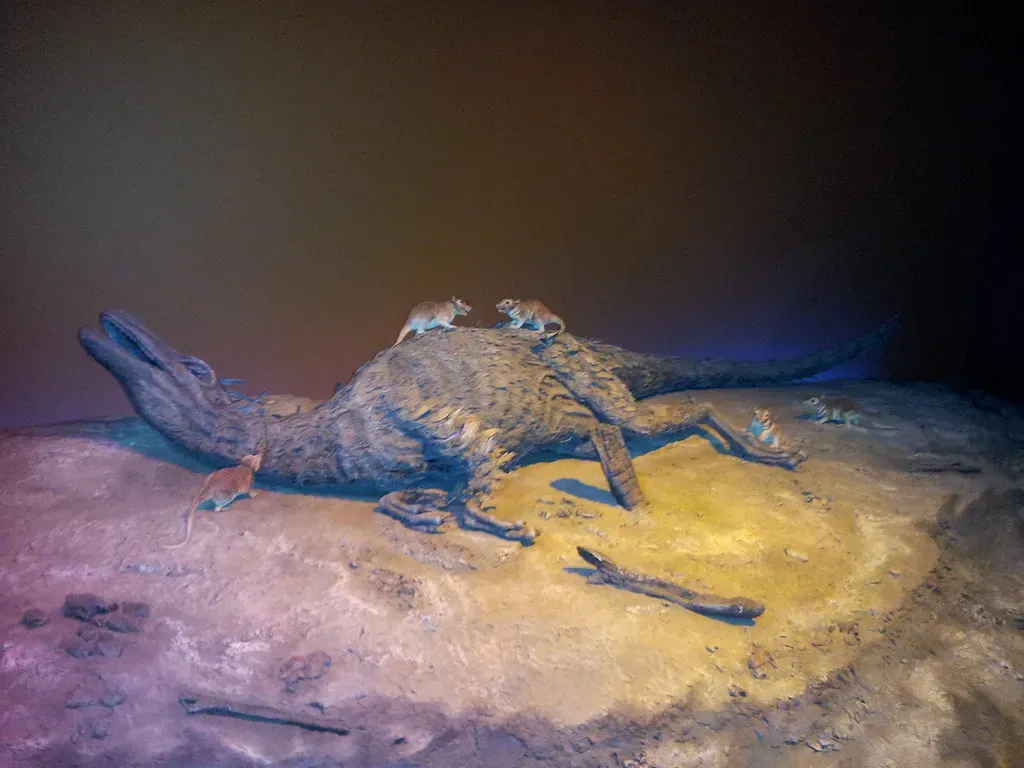
The death of the dinosaurs is not a simple story with a single villain. It is a collision of catastrophes, a convergence of geological bad luck so extreme it reshaped every living lineage that exists today. Global temperatures plunged, and food chains collapsed as planet-smothering plumes of soot and vaporized rock blotted out the sun, driving more than half of then extant species, including the dinosaurs, to extinction. The scattered survivors that arose from the ashes included our mammalian ancestors, setting the stage for a new era of life on Earth.
In a very real sense, you exist because of what happened 66 million years ago. Every human alive today is a direct beneficiary of that terrible day. The asteroid cleared the board, and in the silence that followed, mammals, birds, and eventually us, found room to thrive. In a grand, almost poetic sense, the doom of the dinosaurs and the dawn of mammals were set eons ago by the very same process that helped kick-start life on our planet in the first place. The next time you look up at the sky on a clear night, consider this: one of those distant rocks once ended an entire era of life. What does that say about the fragility of our own?