Have you ever looked at the crumbling remains of a once-powerful civilization and wondered what went wrong? Think about it. These societies built towering monuments, developed complex trade systems, and ruled vast territories. Then, one day, everything vanished.
It’s a puzzle that’s captivated historians and archaeologists for generations. What made some ancient tribes so resilient while others crumbled into dust? The answers are far more complex and fascinating than you might imagine, revealing a delicate dance between human ingenuity and the forces of nature. Let’s explore what separated the survivors from those who disappeared.
The Power of Water: Why It Made or Broke Civilizations
Water was the lifeblood of early civilization, and the ability of ancient societies to harness its power facilitated the rise of agriculture and the first urban centers. Here’s the thing: you can’t just survive near water, you need to master it. The Sumerians in Mesopotamia around 6000 BC faced seasonal flooding and drought, so they developed an extensive network of canals, dikes, and reservoirs.
Compare this to societies that never developed sophisticated water management. They remained at the mercy of unpredictable weather patterns. The Egyptians constructed basins and canals to divert flood waters from the Nile, using basin irrigation to capitalize on annual inundation that deposited nutrient-rich silt. Honestly, the difference between thriving and merely surviving often came down to whether your ancestors figured out how to control water flow. Those who did built empires that lasted centuries.
Environmental Adaptation: The Ultimate Survival Test
Let’s be real: ancient people didn’t have the luxury of modern technology to reshape their environment. Through innovations in agriculture, architecture, and societal organization, they thrived in diverse and often difficult landscapes, with the interaction between human societies and natural surroundings shaping culture, technology, and social structures. The tribes that survived were the ones who learned to read their landscape like a book.
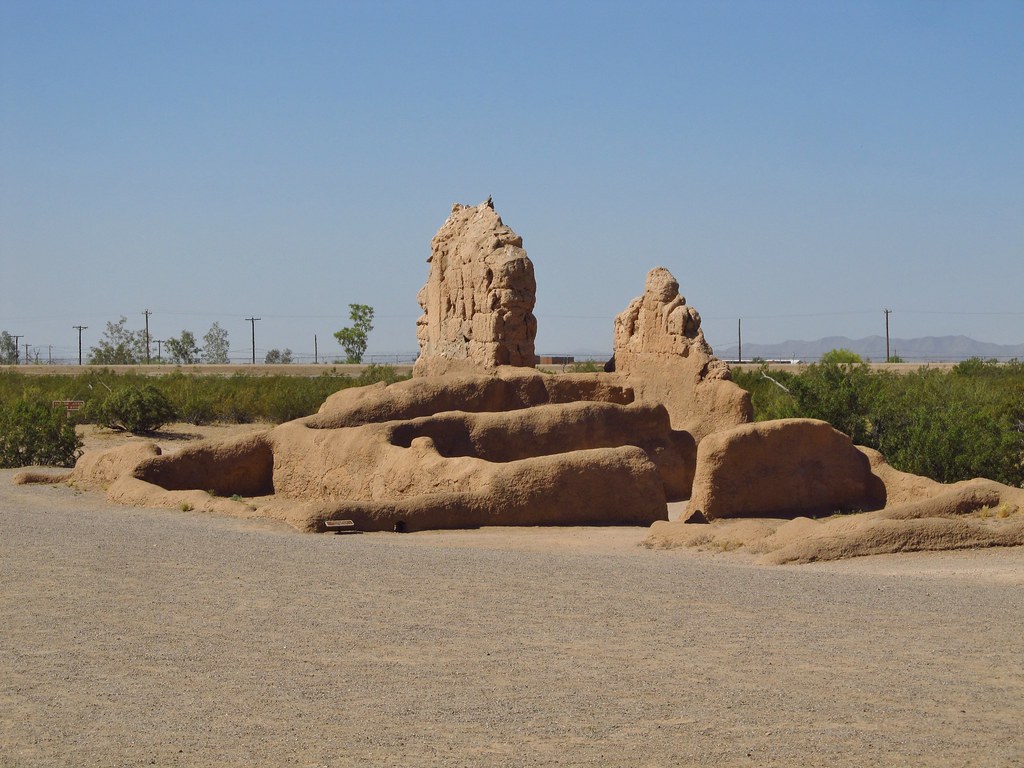
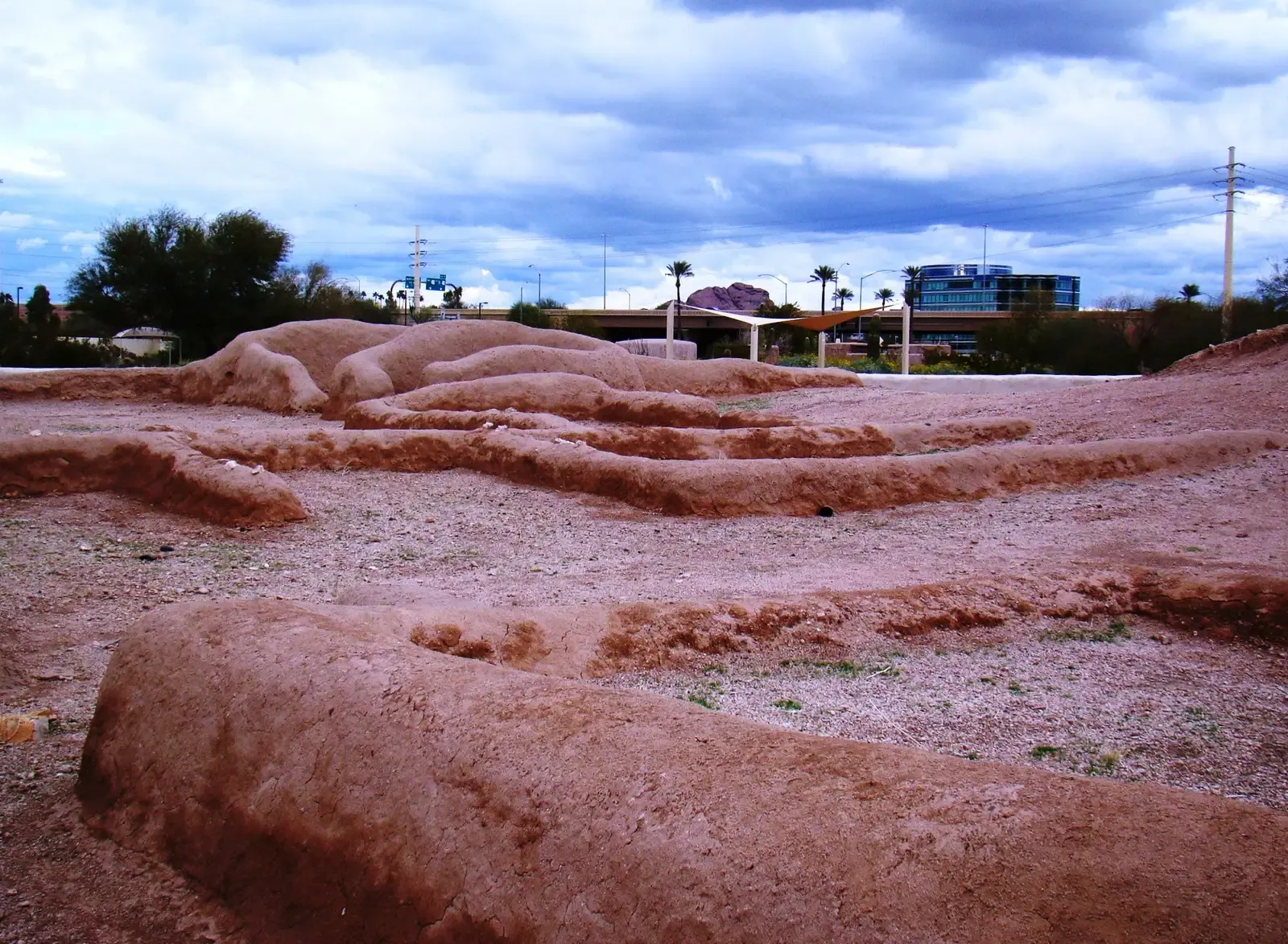
Tribes of the Southwest learned to propagate drought-resistant plants and engineered irrigation systems for agriculture, while the Cold North required tribes to innovate in order to gather needed resources. Think about the ingenuity required here. Some groups developed entirely different survival strategies based on whether they lived in deserts, forests, or arctic conditions. Ancestors had to adapt, inventing and developing new ways of securing food and shelter as knowledge and technologies for tropical coasts proved useless in Mongolian steppes or Siberian forests. Those who couldn’t adapt quickly enough simply didn’t make it.
When Climate Turned Against Them: The Environmental Collapse Factor
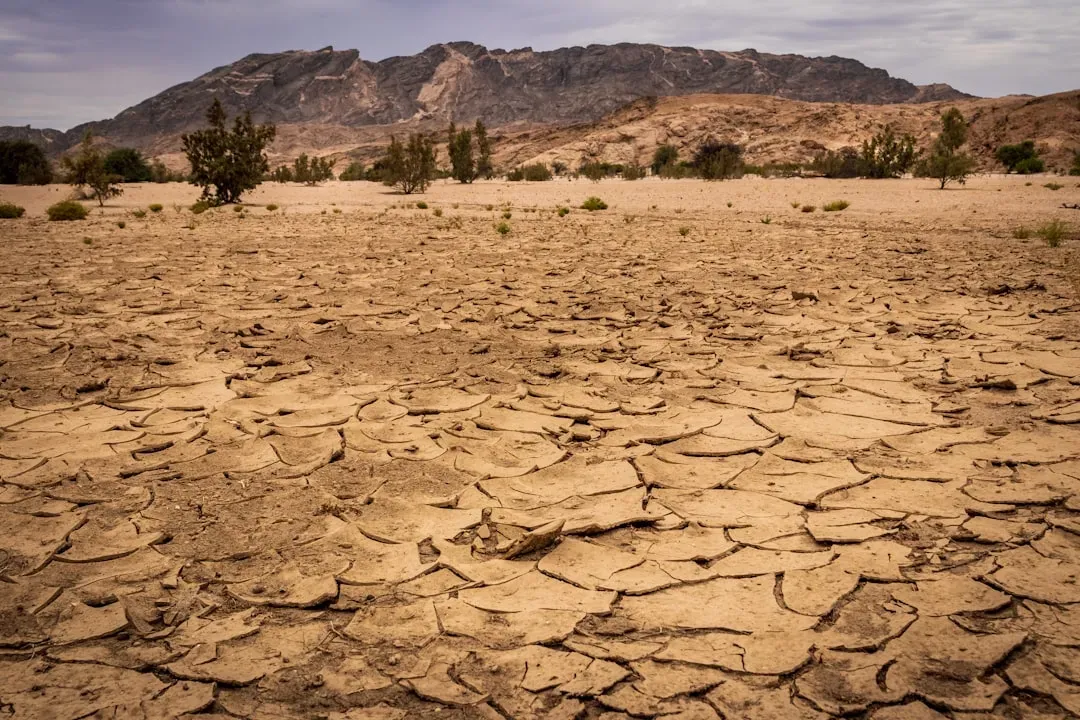
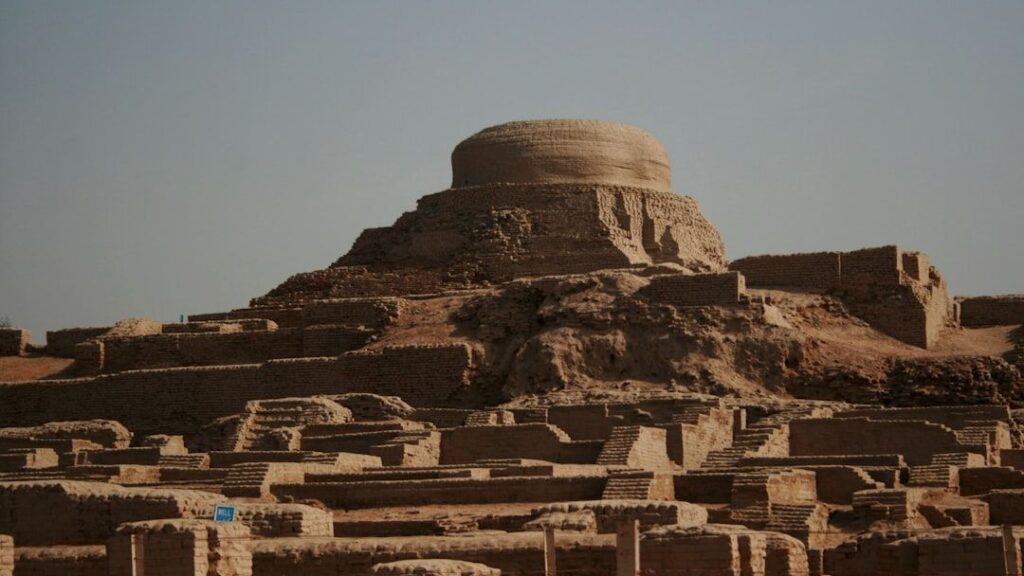
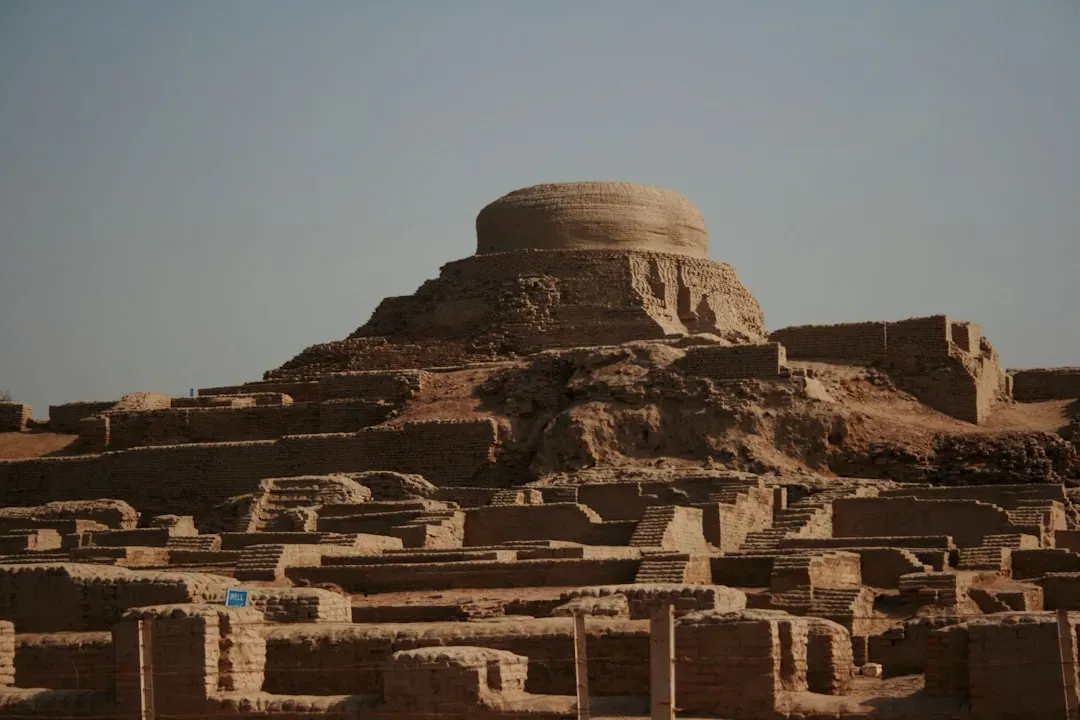
Research in 1993 was among the first to link abrupt climate change to the collapse of a thriving ancient civilization, with studies later implicating abrupt droughts lasting decades or centuries in various collapses. I know it sounds crazy, but entire civilizations disappeared because the rain stopped coming. Recent research suggests that the monsoon cycle essentially stopped for two centuries around 1900 B.C., making agriculture nearly impossible for the Indus civilization.
What’s particularly haunting is how suddenly it could happen. The geologic record reveals a cascade of ecological change around the same time new technologies appear in the archaeological record. Imagine your entire way of life depending on predictable rainfall, and then watching that pattern vanish. Some societies managed to pivot and survive. Many others couldn’t make the transition fast enough. The survivors were those who had already developed flexible strategies and diverse food sources.
Social Organization: Why Structure Mattered More Than You Think
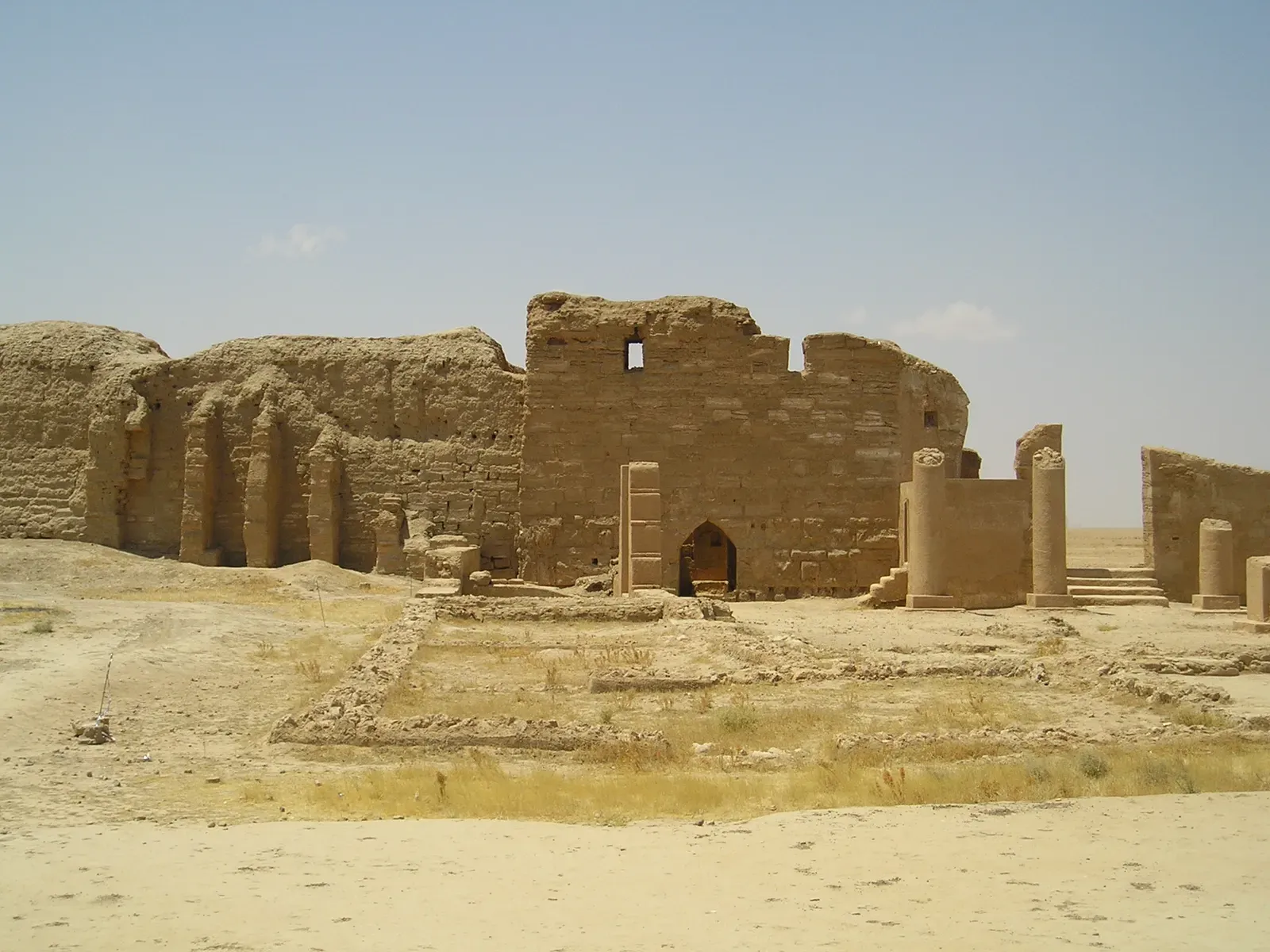
Irrigation in ancient Mesopotamia catalyzed social contracts, specialized labor, and paved the way for complex administrative systems, resource allocation, and task division, resulting in stable, productive agricultural societies and urban centers. This might surprise you, but the tribes that developed clear organizational systems had a massive advantage. It wasn’t just about being smart or strong.
Civilizations require several factors to thrive including large centralized population, surplus of food, centralized government, religious unity, complex labor division and taxes, with deficiency in any of these areas leading to collapse. The societies that thrived weren’t necessarily the ones with the best land. They were the ones who figured out how to coordinate hundreds or thousands of people toward common goals. Meanwhile, less organized groups struggled to respond when crises hit because they lacked the infrastructure to mobilize collective action.
The Innovation Edge: Technology as a Lifeline
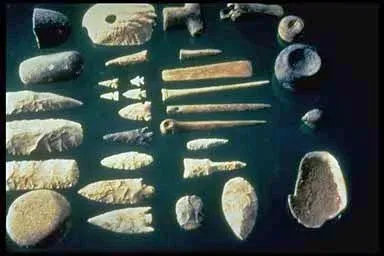
For roughly 700,000 years, ancient humans in the Olorgesailie region used large tools made from local stone, but by 320,000 years ago the tools had completely changed to much smaller points that could be attached to projectiles, with some made from obsidian obtained from miles away. Technological advancement wasn’t just about convenience. It was about survival itself.
Here’s what’s interesting: the tribes that invested in innovation, experimentation, and knowledge-sharing survived environmental shocks better. Behavioral flexibility and cultural complexity were crucial for hominin expansion into diverse environments, with increasingly complex tool technology facilitating re-expansion into tropical forests. Think of it as an insurance policy. When your primary food source disappeared, having advanced tools and techniques meant you could exploit alternative resources. Those who clung to outdated methods often found themselves unable to compete or adapt when circumstances changed.
The Interconnection Trap: When Trade Networks Became Vulnerabilities

A truly globalized economy once existed in the Late Bronze Age in which multiple ancient civilizations depended on each other for raw materials, especially copper and tin to produce bronze. This creates a paradox. Trade networks made societies wealthy and powerful, yet they also created dangerous dependencies.
The simultaneous demise of so many ancient civilizations wasn’t caused by a single event but by a perfect storm of multiple stressors that toppled interdependent kingdoms like dominos. When one civilization collapsed, it could trigger a cascading failure across entire regions. The societies that survived major collapses were often those who maintained some level of self-sufficiency alongside their trade relationships. They didn’t put all their eggs in one basket, so to speak. Those who became too specialized or too dependent on external resources found themselves helpless when those connections severed.
Internal Decay: The Enemy Within
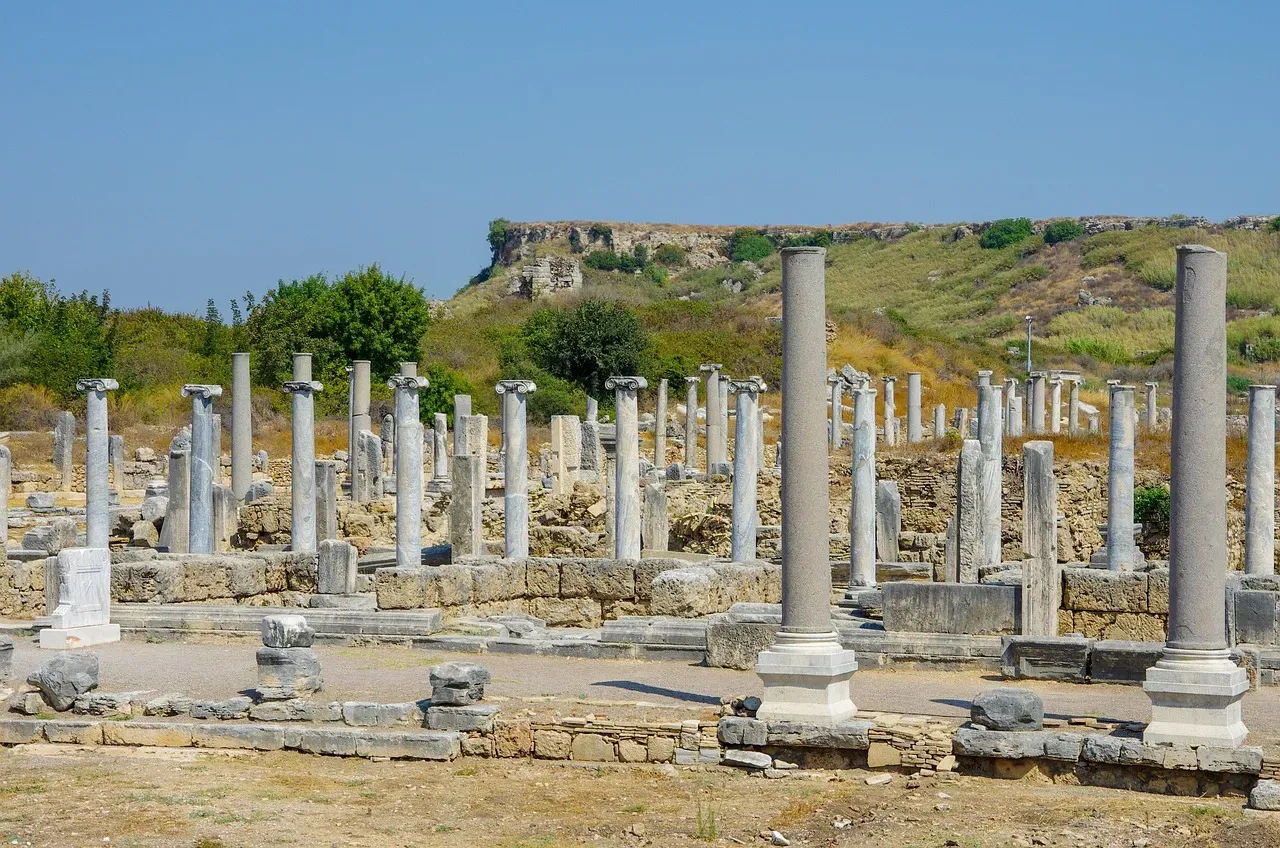
Historian Arnold Toynbee concluded that civilizations generally collapsed mainly by internal factors of their own making, though external pressures also played a role, with fixation on old methods causing creative minorities to degenerate into dominant minorities that failed to recognize new ways of thinking. Let’s talk about something historians sometimes gloss over: many civilizations destroyed themselves.
Rome’s fall often leads to discussions of outer attrition by barbarian tribes and inner decay, as the Roman economic engine depended on conquest and slavery which proved unsustainable, with less conquest meaning fewer cheap slaves and fewer resources for industry, agriculture and infrastructure. Economic mismanagement, corruption, and rigid thinking killed more societies than invasions ever did. In prehistory, inequality generally increased over time, with Gini index in western North America rising from about 0.3 to about 0.6 over several millennia. When the gap between rich and poor became too extreme, social cohesion fractured. The thriving societies were those that found ways to balance innovation with tradition, and distribute resources fairly enough to maintain social stability.
Conclusion
Looking back at these ancient civilizations, a clear pattern emerges. The tribes that thrived weren’t necessarily the strongest or the luckiest. They were the most adaptable. They mastered water management, embraced innovation, maintained social cohesion, and remained flexible when faced with environmental or social challenges.
The ones that fell often shared common traits too: rigid thinking, over-specialization, internal decay, or failure to anticipate environmental change. Perhaps the most sobering lesson is how quickly a thriving civilization can collapse when multiple stressors hit simultaneously. It’s hard to say for sure, but studying these patterns might help us understand our own vulnerabilities in 2026 as we face similar challenges of climate change, resource management, and social cohesion. What do you think our civilization can learn from these ancient survivors and their less fortunate neighbors?