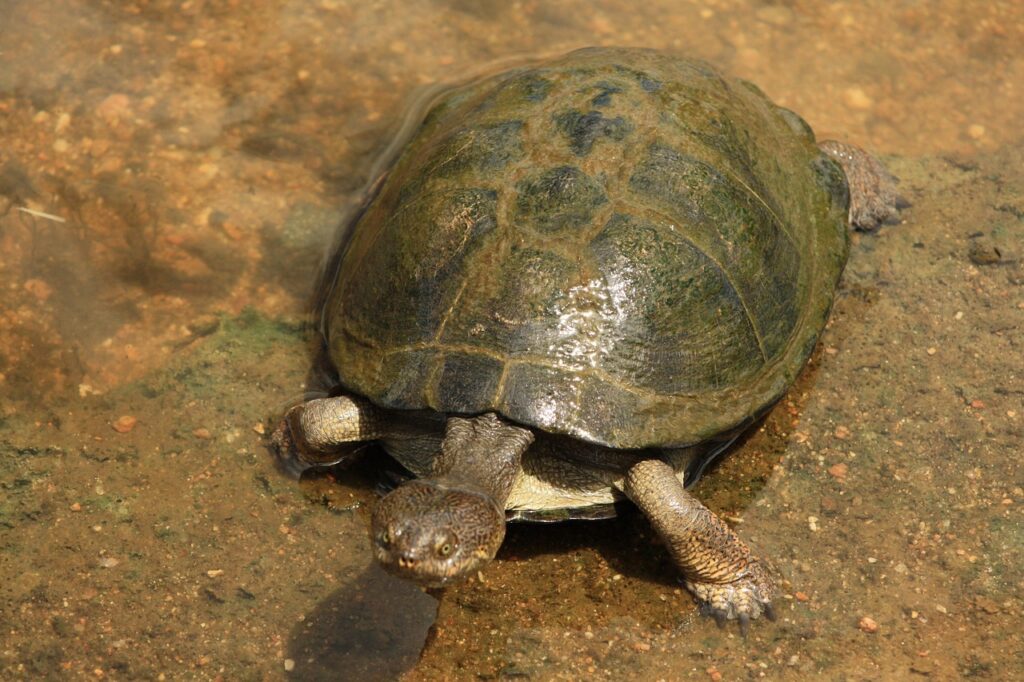
Stories of turtles enduring for generations challenge common assumptions about animal lifespans.
Champions of Endurance: The Oldest Turtles on Record
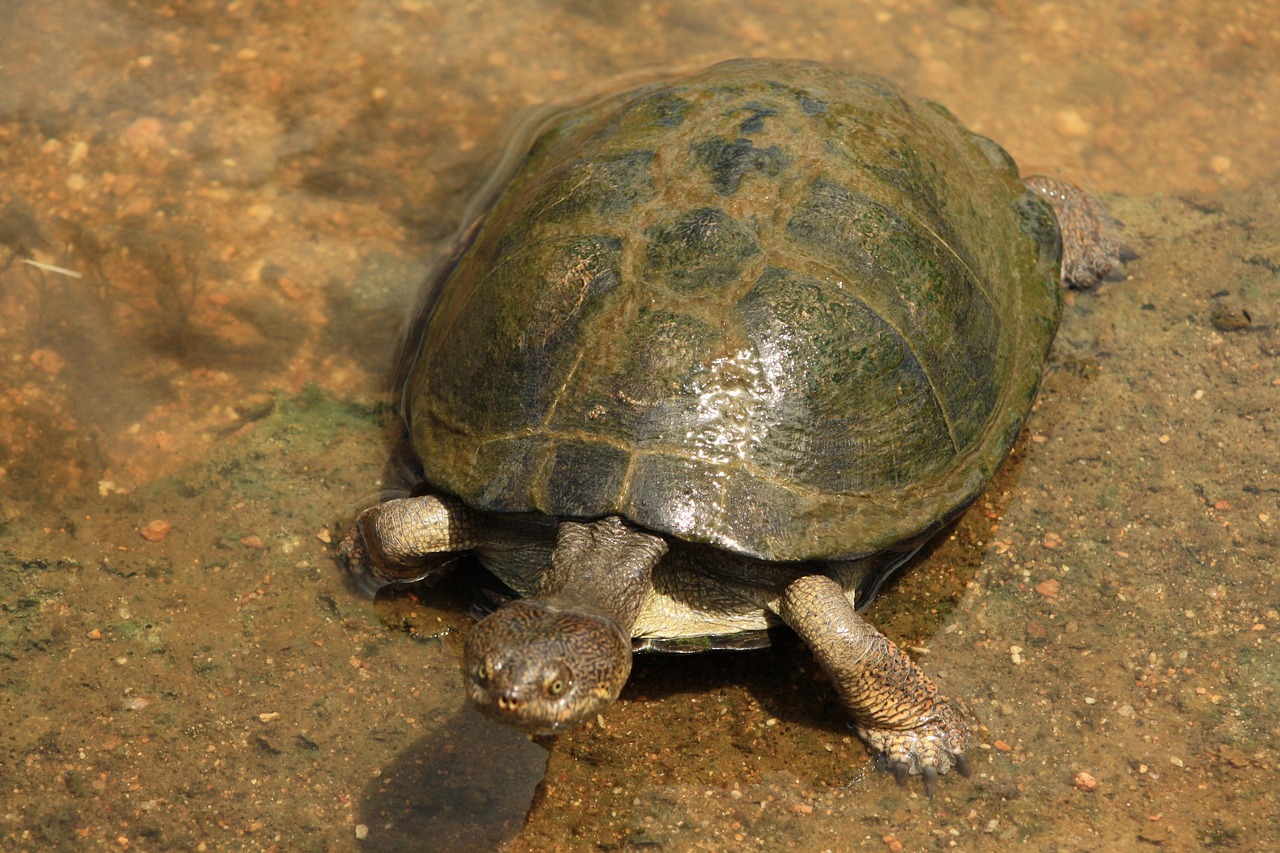
Champions of Endurance: The Oldest Turtles on Record (Image Credits: Pixabay)
Jonathan holds the title of the oldest known living land animal, a Seychelles giant tortoise that hatched around 1832 on the island of St. Helena.
At over 190 years old, he predates major inventions like the lightbulb and has outlasted two world wars. Giant tortoises from the Galápagos and Aldabra islands routinely surpassed 100 years, with some reaching 150 or more. These creatures embody extreme longevity among reptiles. Their slow-paced existence turns them into living historical artifacts. Smaller species pale in comparison, yet still impress with decades-long lives.
Clarifying the Terms: Turtles, Tortoises, and Terrapins
People often use “turtle” loosely for any shelled reptile, but precise terms reveal lifestyles tied to habitats.
Turtles thrive in water, from oceans to ponds, equipped with webbed feet or flippers for swimming. Tortoises dwell solely on land, sporting stout, sturdy legs suited for supporting heavy shells over terrain. Terrapins bridge both worlds in brackish or swampy areas, alternating between swimming and shore basking. Feet provide the clearest clue: flippers signal aquatic life, while club-like limbs indicate terrestrial ones. This habitat distinction influences everything from movement to lifespan potential.
Lifespans Across Common Species
Pet owners encounter turtles that demand long-term dedication, far exceeding many household animals.
Red-eared sliders typically endured 20 to 40 years in captivity with proper conditions. Painted turtles reached 25 to 35 years, while eastern box turtles extended to 40 to 60 years, occasionally beyond 100. These figures highlight commitments akin to human lifetimes for some varieties.
- Red-eared Slider: 20–40 years
- Painted Turtle: 25–35 years
- Eastern Box Turtle: 40–60 years (up to 100+)
Care directly shaped these outcomes, underscoring the gap between potential and reality.
The Biological Edge: Slow Metabolism and Shell Protection
Turtles mastered survival through an ultra-slow metabolism, akin to a low-idling engine that minimizes wear.
Heart rates, breathing, and digestion proceeded at deliberate paces, reducing bodily stress over time. Their shells offered fortress-like defense, eliminating the need for rapid escapes and allowing energy conservation. This “live slow, die old” approach explained vast lifespan differences between active aquatic species and lumbering giants. Growth rings on scutes recorded feast-or-famine periods, not annual markers, debunking age-telling myths. True age assessment relied on size, shell condition, or post-mortem bone analysis for accuracy.
Captivity Versus Wild: Optimizing for Long Lives
Captive turtles gained advantages over wild counterparts when owners replicated natural conditions meticulously.
Protection from predators, stable food, and veterinary access boosted lifespans, though improper setups caused issues like shell infections or respiratory problems. Wild threats included raccoons, habitat loss, and variable resources. Essential care pillars included spacious enclosures, balanced diets with pellets, greens, and proteins, plus UVB lighting and heat for basking to prevent bone disease.
Key Takeaways
- Provide ample space to reduce stress and support growth.
- Ensure UVB exposure for calcium processing.
- Offer varied nutrition to mimic wild foraging.
Turtles exhibited negligible senescence, maintaining vitality without typical decline, though external factors like disease eventually intervened.
Turtle longevity teaches resilience through deliberate pacing in a fast world. Their journeys remind us that thoughtful environments unlock extraordinary endurance. What steps would you take to support a long-lived pet turtle? Share in the comments.