The world is far stranger than most of us realize. While you’re reading this, somewhere deep in a cloud forest or beneath the ocean’s surface, creatures exist that science has only just begun to document. We live in what researchers are calling a golden age of species discovery, with thousands of new organisms identified every single year. Yet the most captivating finds are those that emerge from the planet’s most isolated corners, places so remote that humans rarely venture there.
Think about it. We’ve mapped Mars in stunning detail, but vast portions of our own planet remain mysterious. Remote mountain peaks, dense rainforests, and hidden cave systems continue to harbor life forms that have evolved in complete isolation. These aren’t just microscopic bacteria or obscure insects. We’re talking about mammals, reptiles, amphibians, and fish that have been living right under our noses, yet remained completely unknown to science until very recently. Let’s explore eight remarkable species that have emerged from the shadows.
The Chachapoya Mouse Opossum: A Cloud Forest Ghost
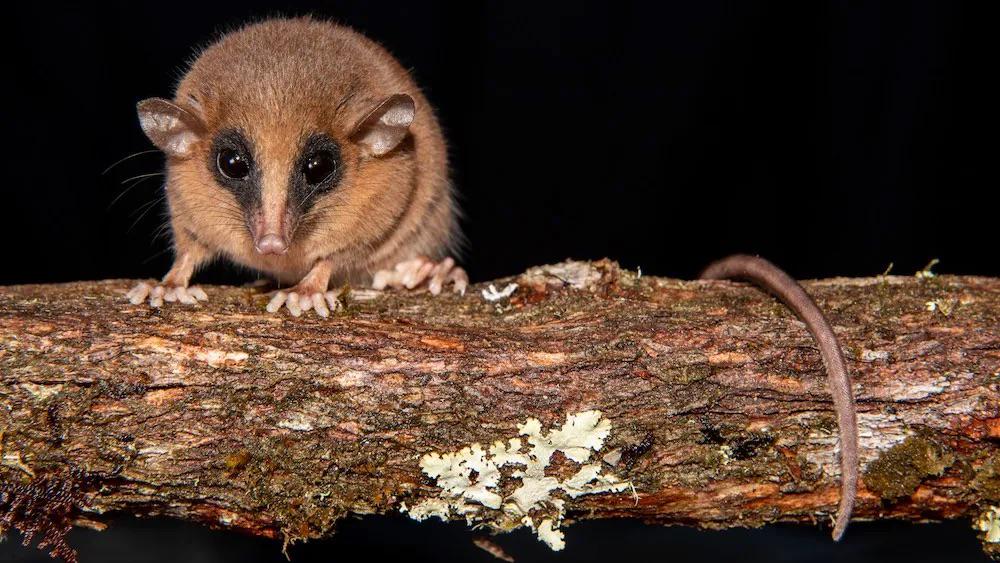
High in Peru’s Río Abiseo National Park, researchers discovered a new type of mouse opossum with bright reddish fur and a long, delicate snout. This tiny marsupial, named Marmosa chachapoya after the pre-Columbian Chachapoya people, measures just four inches long. What makes this discovery particularly striking is where scientists found it: in a remote part of the Peruvian Andes at elevations where few species of mouse opossums have been collected.
Brazilian biologist Silvia Pavan traveled to the park in 2018 looking for a rare squirrel species but instead found this new marsupial. The eastern Andes present extreme challenges for exploration. Steep slopes, dense vegetation, and unpredictable weather make fieldwork exhausting. Yet these same harsh conditions create pockets of isolation where unique species can evolve undisturbed for millennia. Scientists emphasize that species are being lost before we know they exist, making discoveries like this both thrilling and bittersweet.
Himalayan Long-Tailed Bat: Hidden in the Mountains
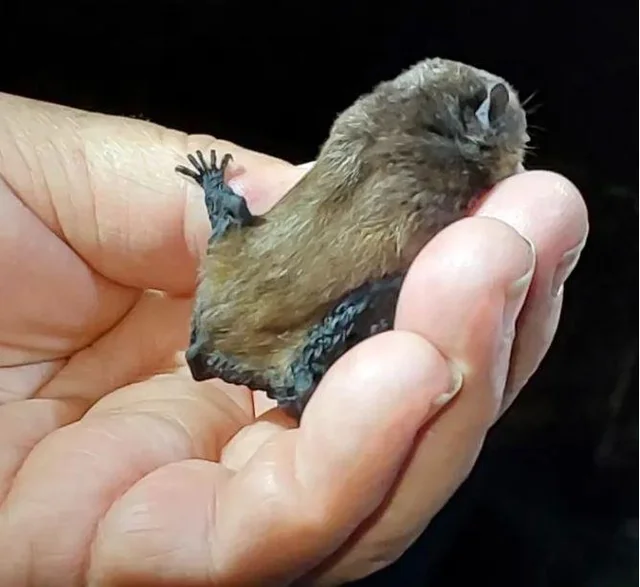
The Western Himalayas have emerged as a hotspot for rare species, and scientists say this remote region likely contains many more bat species unknown to science. Among the recent finds is Myotis himalaicus, a long-tailed bat that was initially misidentified during surveys. Researchers first encountered these bats in high-altitude forests between 2016 and 2017, but it took years of genetic analysis and acoustic monitoring to confirm they represented an entirely distinct species.
Bats are notoriously difficult to study. They’re nocturnal, highly mobile, and often look remarkably similar to related species. The unique geography of the Western Himalayas, formed when the Indian subcontinent collided with Asia, created a boundary between two ecological zones. This geological drama played out over millions of years, creating the perfect conditions for species to diverge and evolve in isolation. It’s honestly remarkable how much biodiversity can hide in plain sight when the terrain is rugged enough.
James Bond Forest Lizard: Caribbean Mystery
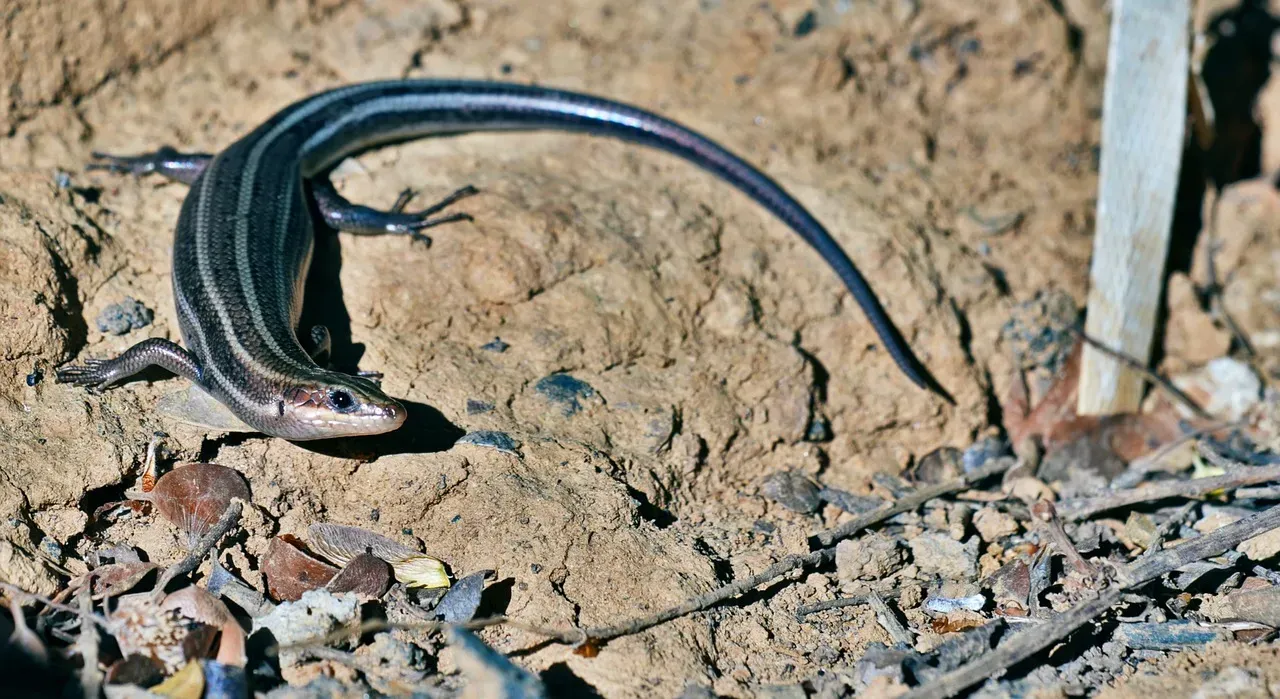
Now here’s a discovery with serious style. The James Bond forest lizard, Celestus jamesbondi, was found near Goldeneye, Jamaica, where author Ian Fleming wrote his famous spy novels. This isn’t just a clever naming stunt. Researchers discovered 35 new lizard species in the Caribbean using genetic testing and physical measurements to study hundreds of specimens, including some preserved in museums for 200 years.
The Caribbean islands are evolutionary laboratories. Each island acts as an isolated workshop where species adapt to local conditions over vast timescales. Forest-dwelling lizards, in particular, tend to be secretive and difficult to spot. They spend much of their time under leaf litter or beneath logs. What this research reveals is how genetic technology is revolutionizing biodiversity science, allowing us to look at old museum specimens with fresh eyes and uncover hidden diversity that earlier scientists simply couldn’t detect.
Atlantic Manta Ray: An Ocean Giant Redefined
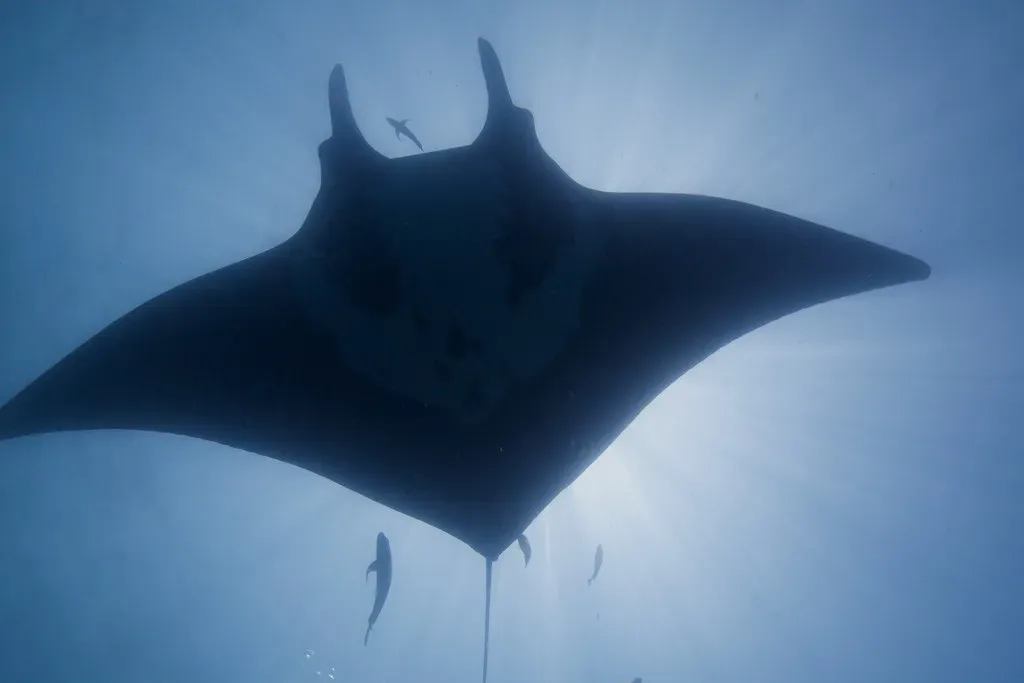
Scientists have confirmed a third species of manta ray gliding through the ocean, naming it Mobula yarae after Yara, a water spirit from Indigenous Brazilian mythology. For years, these rays were mistaken for the giant oceanic manta ray. Only through careful genetic sequencing did researchers realize they were observing an entirely separate species.
Manta rays are among the ocean’s most graceful creatures, with wingspans that can exceed 20 feet. You’d think something that large would be impossible to overlook. Yet the ocean is deceptive. Even massive animals can blend into the blue vastness, and without genetic tools, distinguishing between closely related species becomes nearly impossible. The discovery underscores an uncomfortable truth: we know shockingly little about life in our oceans, even among the charismatic megafauna that capture our imaginations.
Bioko Island Bat: Africa’s 1,500th Bat Species
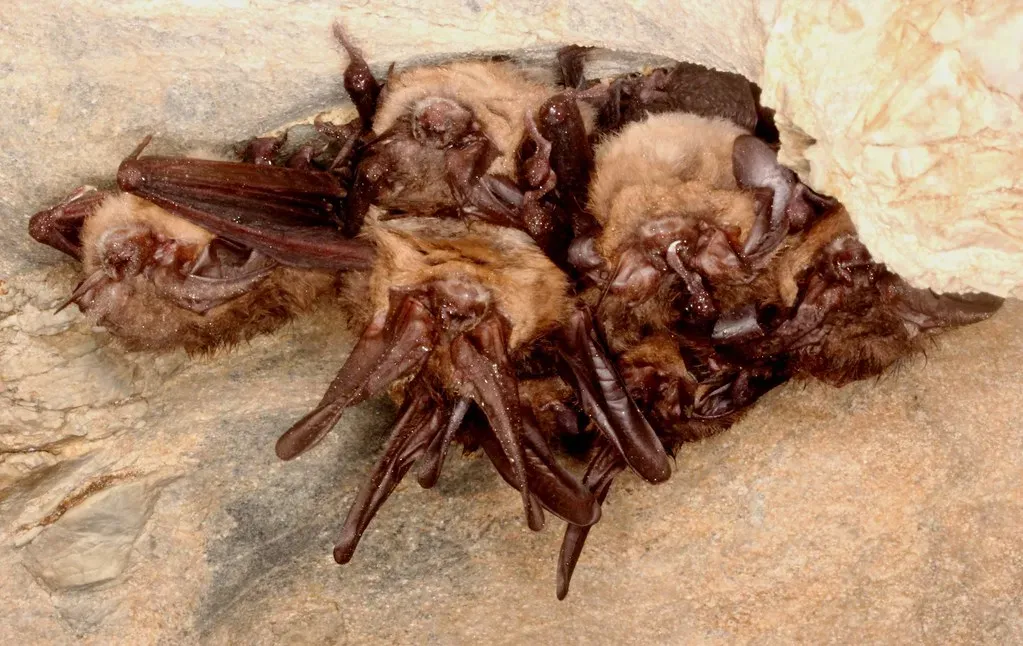
On Bioko Island in Equatorial Guinea, researchers uncovered a tiny new bat species during a 2024 biodiversity survey, marking the 1,500th bat known to science. The team was exploring the island’s highlands, areas that are notoriously difficult to reach and scarcely studied. When they captured several small bats that didn’t match any field guides, they knew they were onto something special.
Islands are biodiversity treasure chests. Geographic isolation forces species to adapt to local conditions, often resulting in forms found nowhere else on Earth. Bioko Island sits off the coast of West Africa in the Gulf of Guinea, separated from the mainland by roughly 20 miles of open water. That short distance is enough to create an evolutionary barrier. Bats, despite their ability to fly, often don’t cross large water gaps, leading to isolated populations that gradually diverge into distinct species. This particular bat had been living there all along, waiting for scientists to notice it.
Killifish in Ancient Kenyan Forest: A Seven-Million-Year Secret
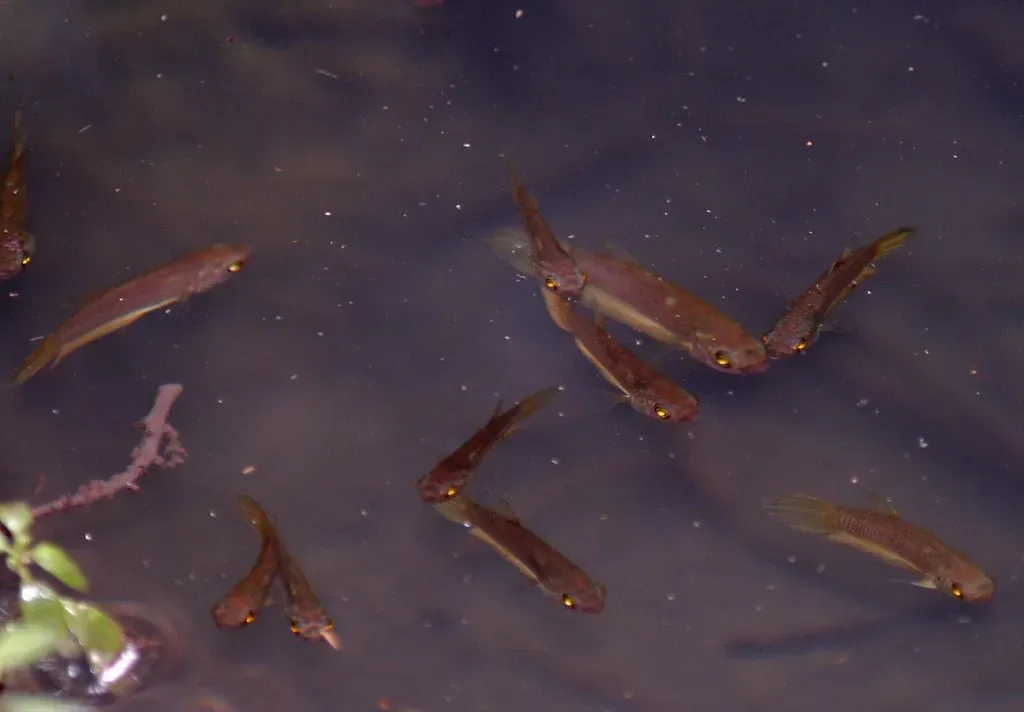
The killifish Nothobranchius sylvaticus is the first known killifish to live in a forest habitat and was found in seasonal swamps along the Mkurumudzi River after researchers initially collected tiny juveniles in 2017. DNA testing revealed it wasn’t just a new species but an entirely new genetic lineage for Kenya. The fish lives in the Gongoni Forest, a seven-million-year-old ecosystem measuring just over 2,000 acres.
Here’s the thing: the killifish’s extremely limited habitat puts it at serious risk, with water extraction from a nearby titanium mine previously threatening the species, though farming and human encroachment continue to endanger the swamps where these fish live and breed. This discovery highlights the fragility of biodiversity. A species can survive for millions of years, only to face extinction within decades due to human activity. Conservation efforts are now underway to protect this ancient forest remnant.
Francis’s Gorgeous Sapphire: An Angolan Jewel
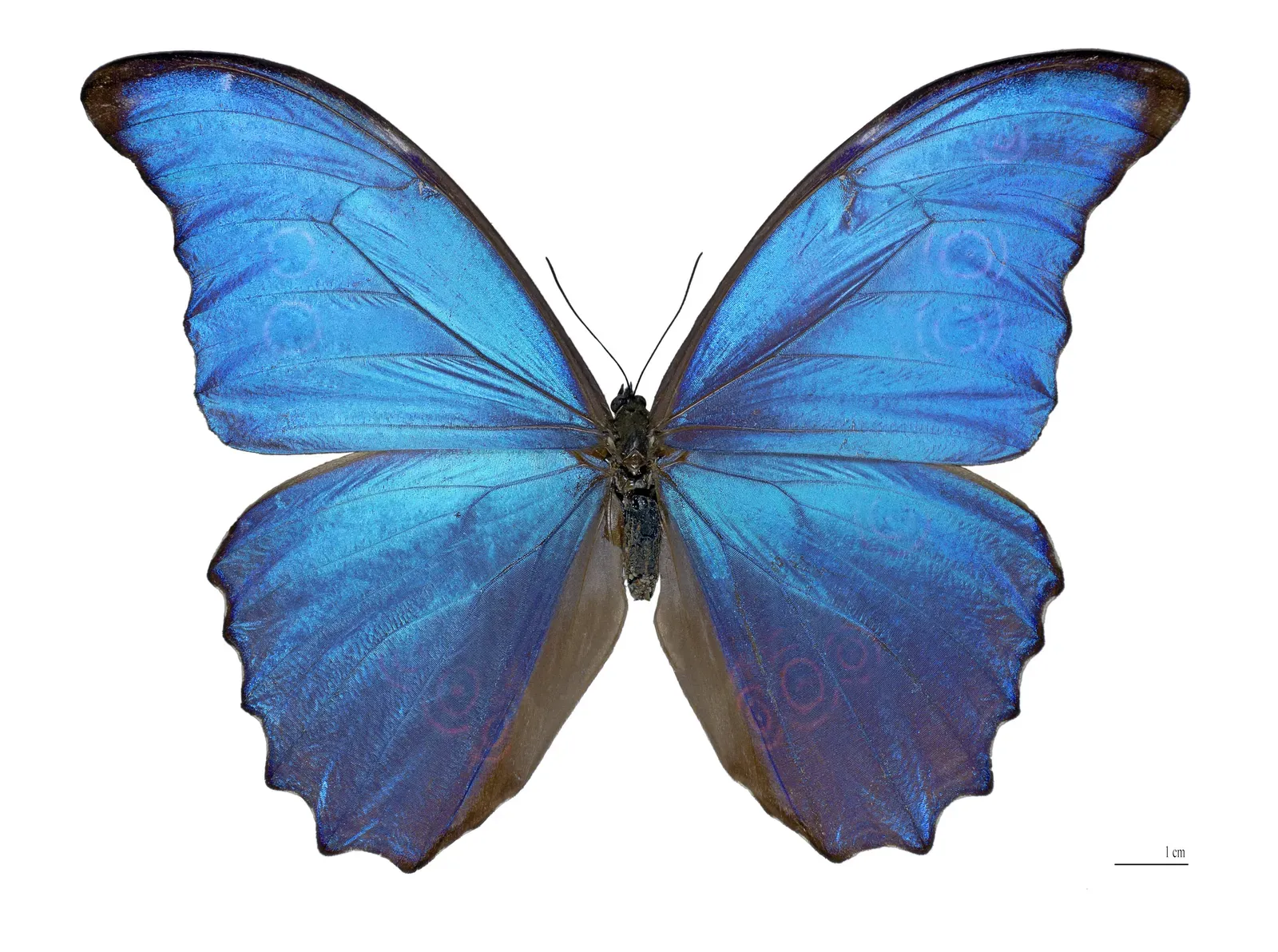
Scientists found a new butterfly species called Francis’s gorgeous sapphire in Angola’s Namba Mountains, with shimmering blue wings bordered in black and caterpillars that feed only on mistletoe plants growing high in the mountains’ evergreen forests. The butterfly’s identification highlights the rich biodiversity of one of the country’s most threatened habitats.
These rare forests cover just 591 hectares and face serious threats from fires, farming, and logging, with the butterfly being one of 13 species found in this region and nowhere else on Earth. Angola’s civil war, which lasted from 1975 to 2002, inadvertently protected some wilderness areas by making them inaccessible to development. Now that peace has returned, scientists are racing to document biodiversity before habitats disappear. The irony is harsh: war preserved what peace may destroy.
Tanzanian Live-Bearing Toads: A Century-Long Mystery
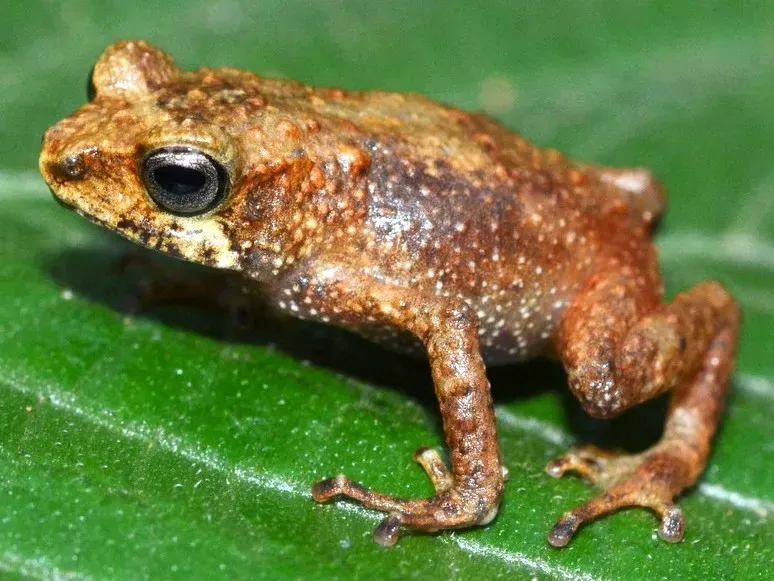
Scientists found three new species of toads in Tanzania that give birth to live young, with the journey to discover them taking over 100 years. Most frogs and toads lay eggs that develop into tadpoles before transforming into adults. These Tanzanian toads skip that entire process, giving birth to fully formed toadlets.
The first toad in this genus was described in the early 1900s, and because all specimens collected looked so similar, they were thought to belong to a singular species. Only recently did genetic analysis reveal the truth: multiple distinct species had been hiding under the same name for over a century. Researchers wondered whether there was more biodiversity in the highlands of the Eastern Arc mountains of Tanzania than previously thought. The answer, it turns out, was a resounding yes.
Conclusion
Between 2015 and 2020, researchers documented an average of more than 16,000 new species each year, with scientists describing more species per year than at any point in history. These eight remarkable creatures represent just a fraction of what remains undiscovered. Each find reminds us how much mystery still clings to our planet, hidden in remote forests, isolated islands, and inaccessible mountains.
Even though the quest to identify species began 300 years ago, 15 percent of all known species have been discovered in just the past 20 years, with so much remaining unknown. The race is on to document Earth’s biodiversity before habitats vanish and species disappear forever. These discoveries aren’t just about satisfying scientific curiosity. They’re about understanding the intricate web of life that sustains our planet.
What do you think about these hidden worlds? Did any of these discoveries surprise you?