When most people picture a hawk, an eagle, or a falcon, the image that comes to mind is pure speed and power. A flash of wings. Razor-sharp talons. A killing dive from great heights. It’s all very cinematic, and honestly, it’s not wrong. These birds are breathtaking athletes of the sky. Yet the real story of raptors goes so much deeper than muscle and feather.
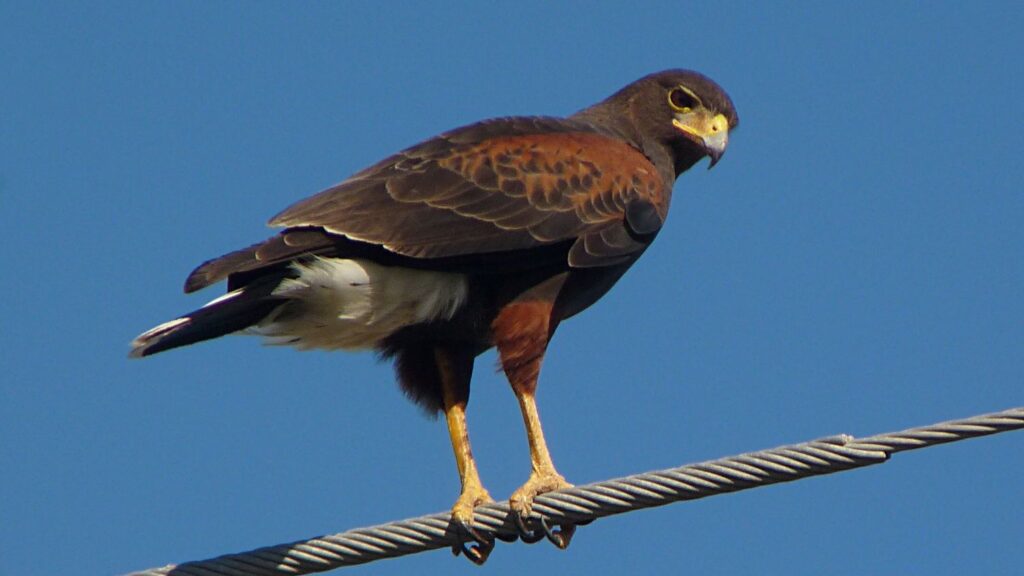
What if you were told that the bird silently watching you from that telegraph pole might be sizing you up, memorizing your face, or even running through a kind of mental calculation before it makes its next move? The truth is, raptors carry within them a cognitive complexity that science is only just beginning to fully appreciate. Buckle up, because you are about to see these extraordinary creatures in an entirely new light. Let’s dive in.
The Myth of the “Mindless Killer”
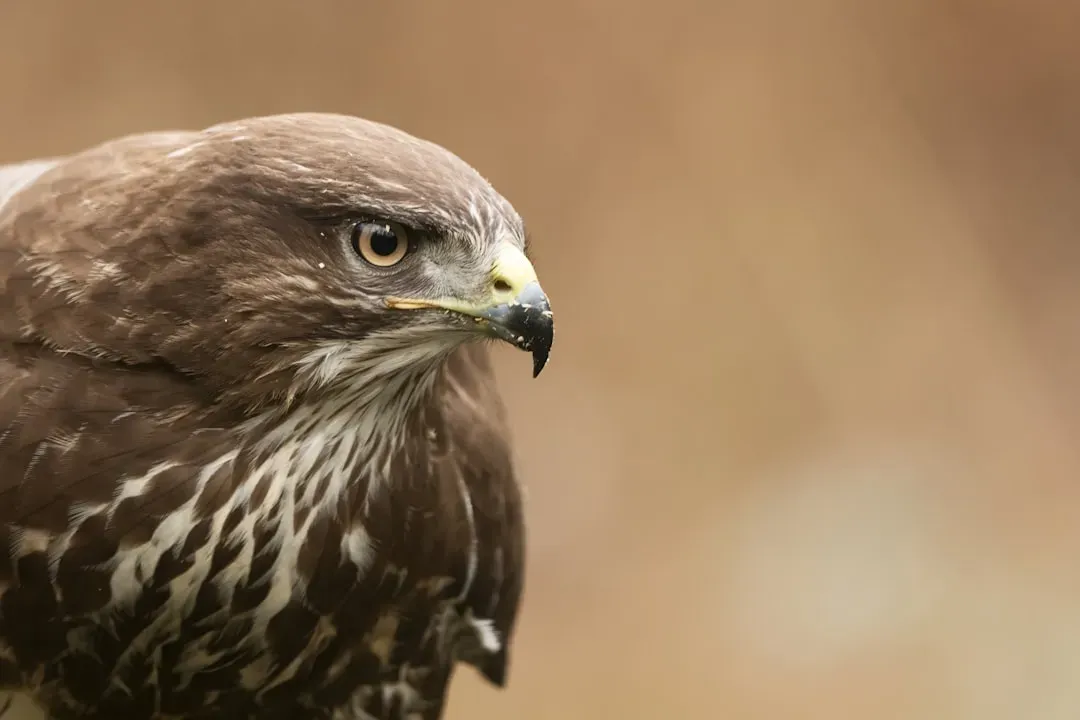
For far too long, birds of prey have been lumped into the category of beautiful but simple creatures, hardwired only to hunt and survive. Falconiformes have mostly been neglected in cognitive research, perhaps for their functional labeling as “birds of prey”: a group traditionally viewed as scarce, elusive, and difficult to study due to challenges with capture, handling, and intractability. That label did them a serious disservice.
In the bird world, parrots and crows have earned a reputation for being highly intelligent, while birds of prey are usually seen as less mentally sophisticated since they specialize at hunting. New research, however, suggests otherwise. The assumption that specialization in hunting somehow cancels out cognitive development is, frankly, a lazy conclusion. Evolution rarely produces single-purpose animals.
A Brain Built for More Than Hunting
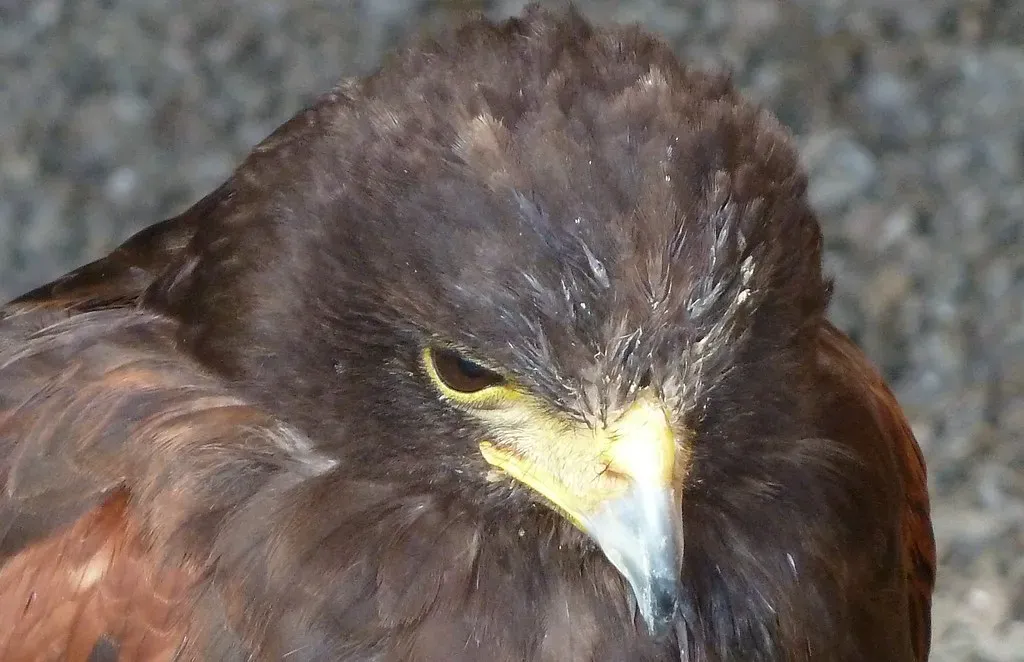
Many cognitive neuroscientists believe that both a large brain and an isocortex are crucial for complex cognition. Yet corvids and parrots possess non-cortical brains of just 1 to 25 grams, and these birds exhibit cognitive abilities comparable with those of great apes such as chimpanzees, which have brains of about 400 grams. This forces us to rethink what brain structure actually means for intelligence.
Caracaras exhibit neuroanatomical features associated with cognitive performance and technical innovation, including relatively large brains and high numbers of pallial neurons. Compared to other Falconidae, and across birds more broadly, they rank among the highest in both absolute and relative brain size. Think of it this way: it is not always about how big your brain is. Sometimes it is about how densely and efficiently it is packed.
Problem-Solving Skills That Rival Cockatoos
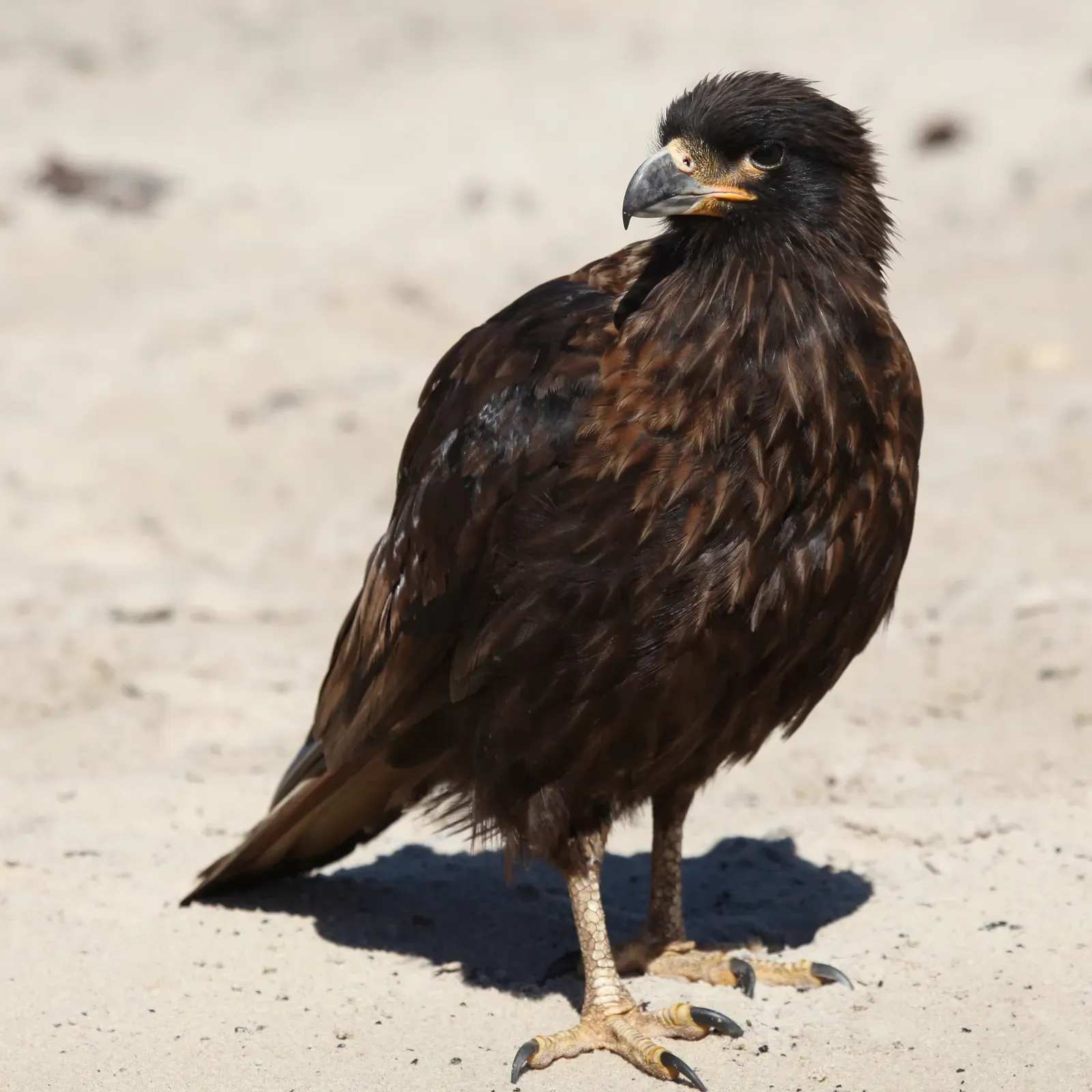
Striated caracaras, large dark-colored falcons that live on the outer Falkland Islands and the southern tip of South America, are good at solving problems. Researchers describe them as “constantly probing and exploring,” noting that they are “like little scientists, walking around and testing their environment all day long.” That description alone should make you rethink everything you assumed about raptors.
Scientists tested 15 striated caracaras that had no prior training on a puzzle box. All of them solved at least one puzzle, and ten of the birds successfully completed all eight tasks. They also got faster at solving the puzzles with repeated exposures, and one bird, after practicing, was able to complete all the challenges within about five minutes. That is not instinct. That is learning, and it is impressive by any measure.
The Visual Superpower You Never Knew About
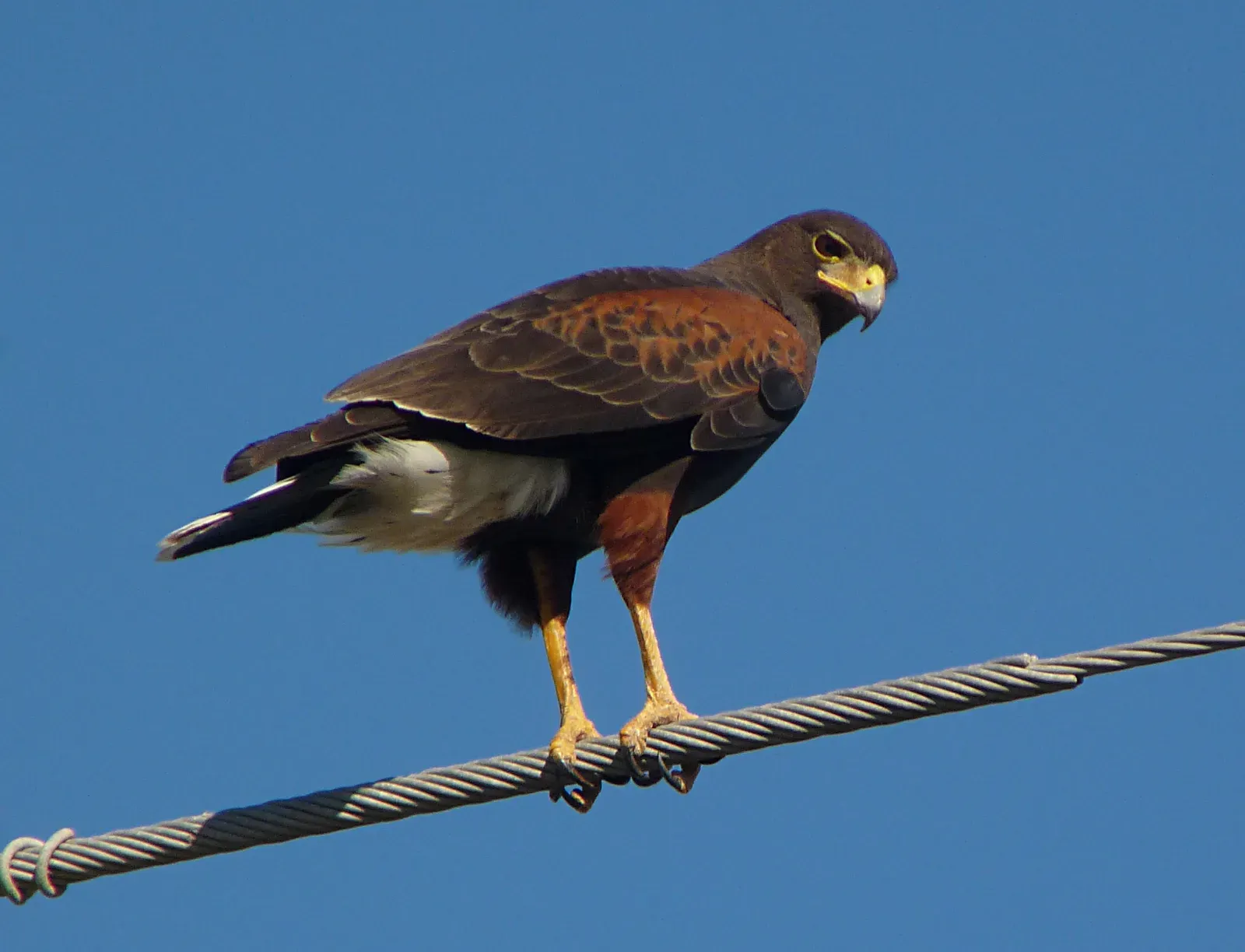
The generally accepted rule is that on average birds of prey have around six times better eyesight than a human. Birds of prey also have excellent colour vision; in fact, we have been aware that birds are able to see ultraviolet light since the early 1990s. Imagine being able to see an entirely different layer of the world that is completely invisible to every human eye. For raptors, that is just Tuesday.
Hawks, possessing four types of cones, can see a broad range of colors including those beyond the visible spectrum. They can perceive red, yellow, blue, as well as the ultraviolet range. The combination of these color receptors allows for a huge color palette, including ultraviolet combinations invisible to humans. To put it simply: you and a hawk could stand side by side looking at the same field, and that hawk would be seeing an entirely different version of it.
Strategic Hunters, Not Just Fast Ones
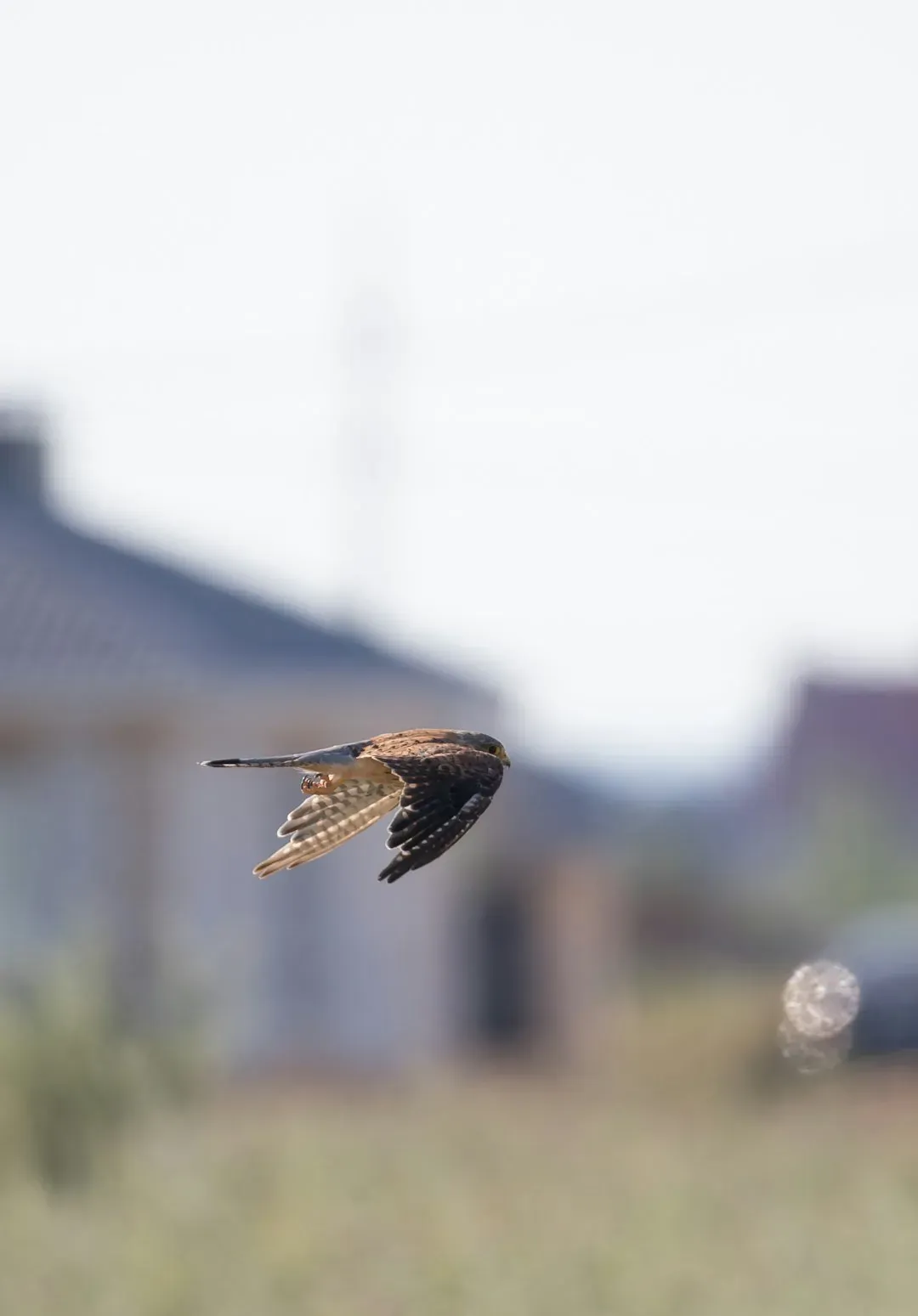
Falcons have a unique hunting strategy called “stooping,” where they dive from a great height at high speed to catch their prey. Falcons can plan their hunting strategies in advance, which shows their problem-solving skills. That word “plan” matters enormously here. Planning implies anticipation, which implies a mental model of the future. That is not trivial.
Co-operative hunting, where multiple hawks team up to help catch prey more easily or to catch larger prey, is another fascinating strategy. Usually, this involves one hawk flying into an area causing a panicked flurry of retreat from nearby animals while a second hawk waits just ahead of the wake to make the kill. Harris hawks are particularly well known for this. It is coordination, communication, and timing, rolled into one aerodynamic hunt.
Memory, Curiosity, and Learning From Experience
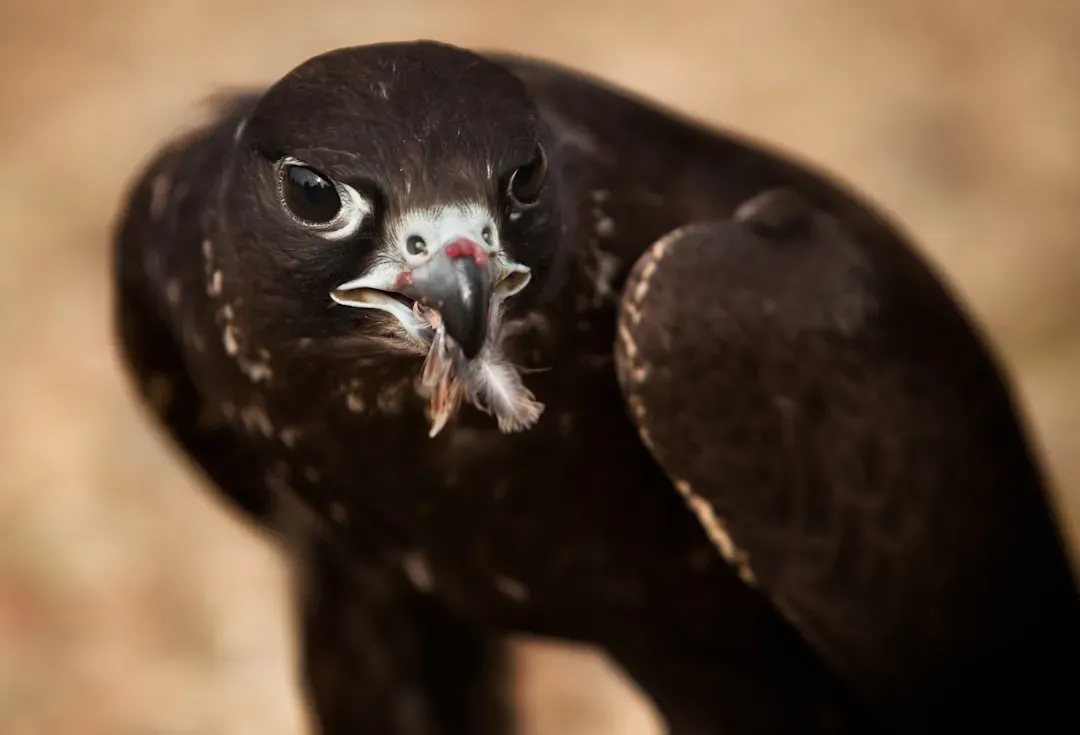
Falcons are quick learners and have a good memory, which helps them remember successful hunting tactics. They plan their hunting strategies in advance, calculating the speed and direction of their prey before diving in for the catch. That kind of real-time spatial calculation is, at minimum, cognitively sophisticated. It’s closer to physics than instinct.
New Zealand falcons are known to cache food, with one individual returning to a ten-day-old food cache. Peregrine falcons have apparently learned to use a train as a hunting tool, remembering when the train would pass and using the noise to scatter pigeons for an easy meal. I know it sounds almost too clever, but that is precisely the point. These birds are reading their environment, learning patterns, and adapting. That is exactly what intelligence looks like in the wild.
Social Intelligence and Communication
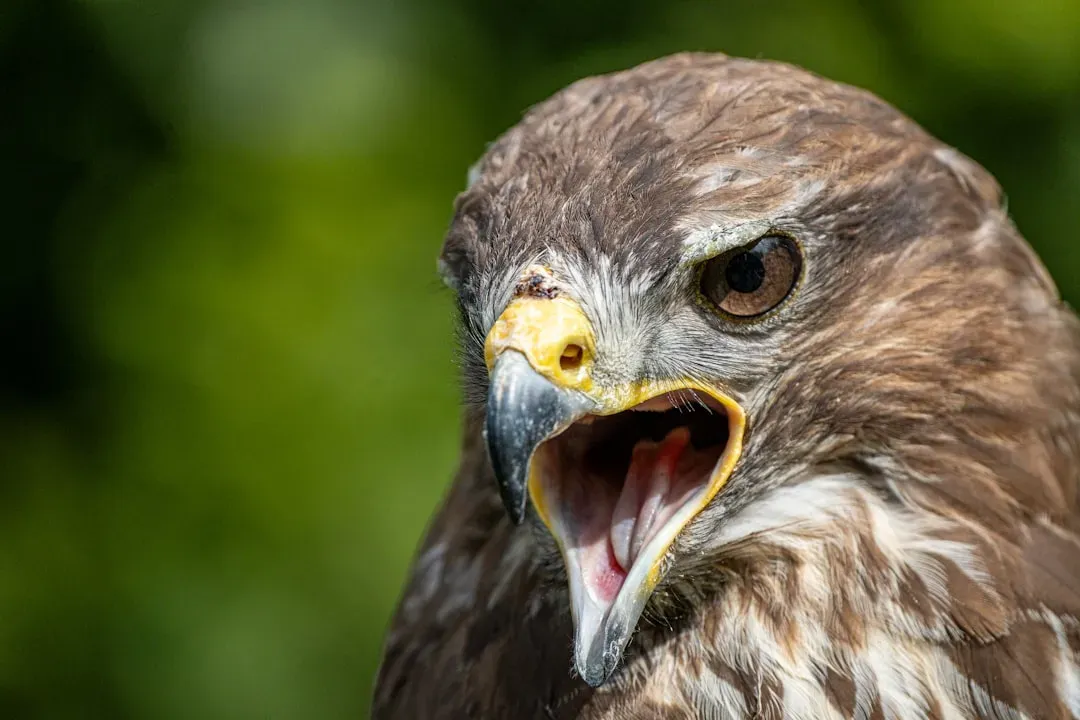
Raptors have become model species in sexual selection studies and numerous works testify to their variety of strategies for communication and signalling. You might not expect a bird known for solitary hunts to have a rich social vocabulary, yet the evidence keeps piling up. Beyond territorial defense and pair bonding, vocalizations are essential for communication between family members, with parents using specific calls to communicate with their offspring, signaling food deliveries, warnings, or other important messages within the family group.
Territorial conflicts naturally distribute breeding territories across landscapes, preventing overcrowding in prime habitat and ensuring genetic diversity. Natural selection operates through these encounters, with birds that possess superior strength, agility, and tactical intelligence gaining reproductive advantages by securing better territories. So even the battles are not purely about brawn. The outcome has a cognitive component. The smartest and most tactically aware birds win, and those traits get passed on.
Tool Use and Innovation: The Final Frontier of Raptor Intelligence
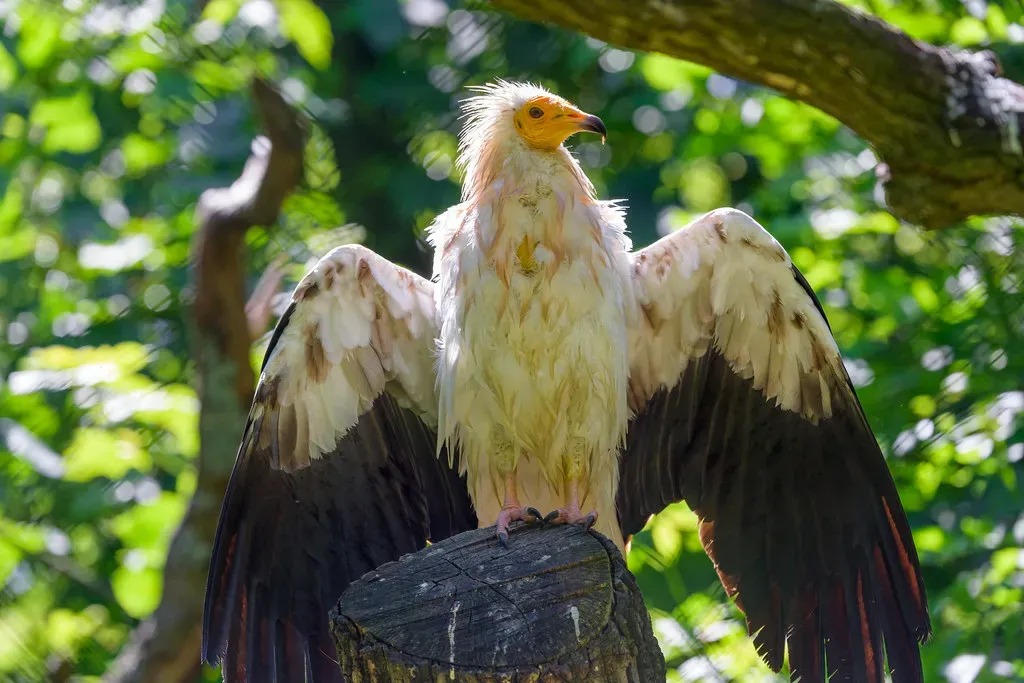
The Egyptian vulture and black-breasted buzzard use tools, specifically rocks to crack open eggs. An osprey was also observed throwing a rock at a rival, and Verreaux’s eagle has been reported to use rock-throwing to scare off predators. Tool use has long been considered the gold standard of animal intelligence. For years it was thought to be the exclusive domain of primates. Raptors are clearly unbothered by that assumption.
Large-scale analyses have shown that innovativeness reduces extinction risk, increases colonization success, and is associated with increased brain size and pallial neuron numbers. In other words, the raptors that push boundaries, experiment with their environment, and try new things are more likely to survive and thrive. Caracaras exhibit several socioecological traits commonly linked to the evolution of cognitive abilities, including extended juvenile periods, complex social dynamics, and generalist foraging strategies. These are not coincidental traits. They are the hallmarks of an intelligent animal in the making.
Conclusion: You Have Been Underestimating Them All Along
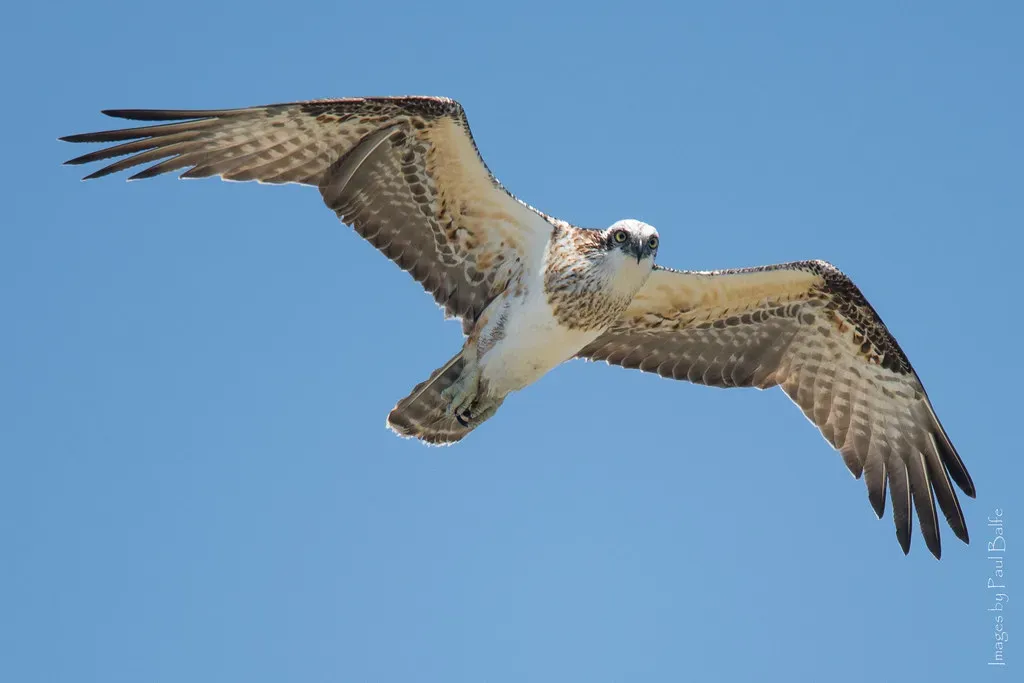
Raptors have long been cast as the world’s most glamorous automatons: breathtaking to watch, terrifying to face, but ultimately running on pure instinct. The science says something far more interesting. You are looking at creatures that plan, remember, communicate, adapt, use tools, and solve problems in ways that legitimately rival some of the world’s most celebrated animal minds.
The next time you spot a hawk perched on a fence post, staring down at the field below with those unearthly golden eyes, consider what might actually be going on behind them. There could be a hunter running calculations, recalling where it last found prey, identifying your face, or simply watching you with the same quiet curiosity you feel looking back at it. Intelligence, it turns out, wears many faces. Sometimes it wears feathers.
So here is a question worth sitting with: now that you know raptors are far more than agile predators, does that change how you see the birds circling overhead? Tell us what you think in the comments.