Think you know everything about ? Think again. For decades, movies and media have painted a picture of ancient carnivores that’s more fiction than fact. From oversized lizards terrorizing our ancestors to perfectly preserved skeletons revealing secrets scientists never expected, the world of prehistoric hunting reveals far more complexity than we ever imagined.
The truth is, you might find yourself surprised at what recent discoveries are telling us. Let’s be real, the way we’ve understood these creatures has shifted dramatically over just the last few years. Ready to challenge what you thought you knew?
Ancient Marine Predators Dominated Like Nothing Today
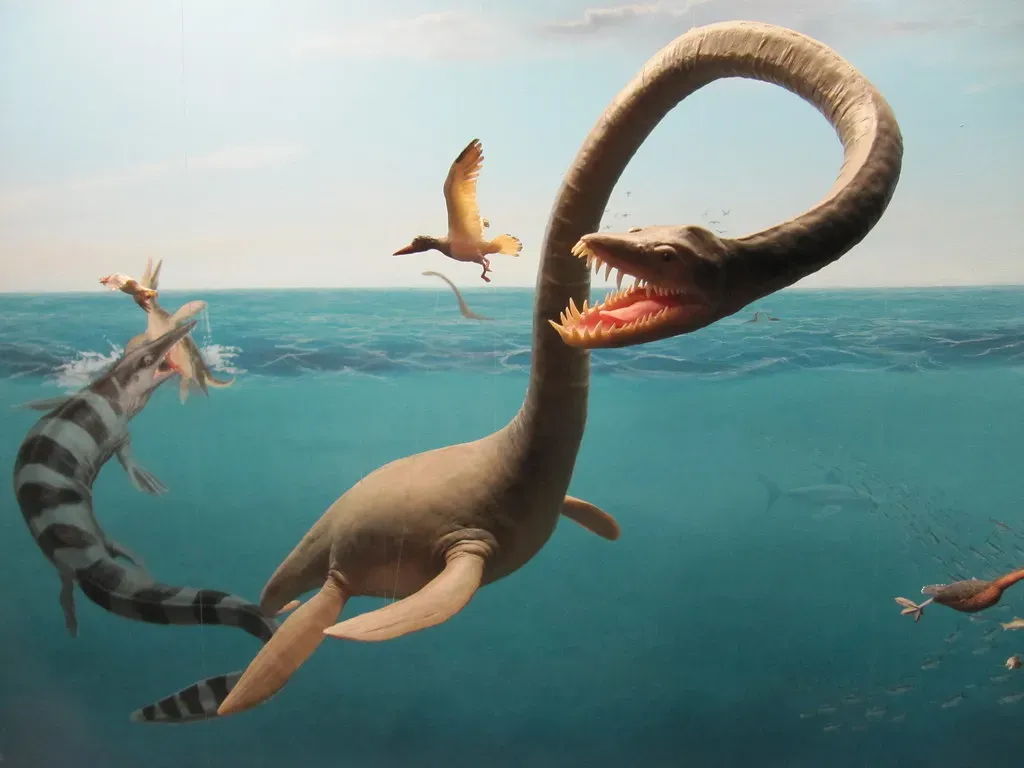
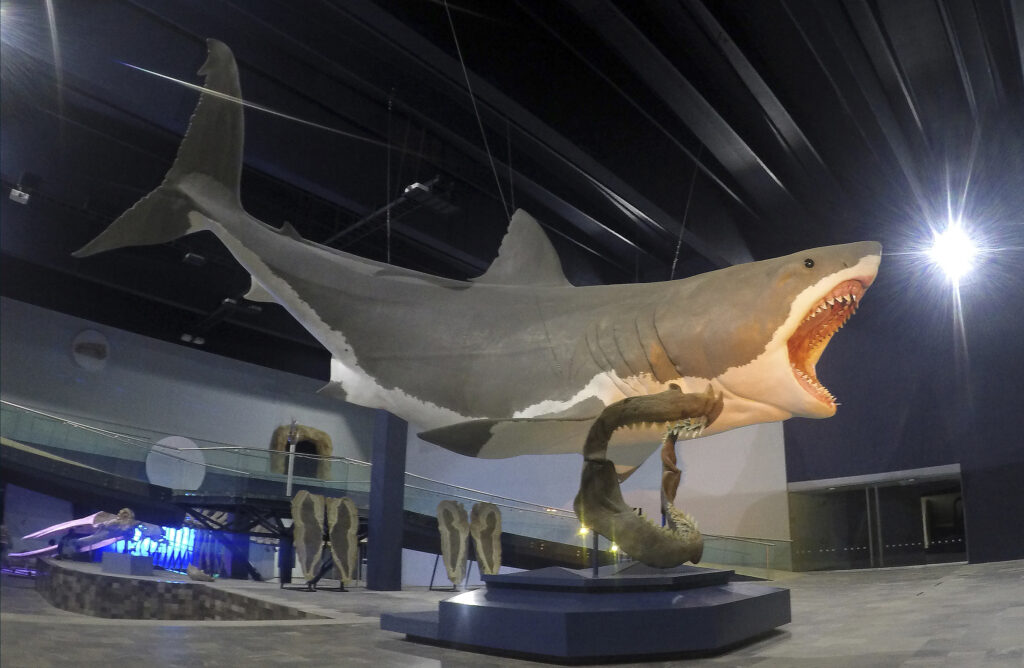
Around 130 million years ago, the ocean’s most dominant hunters held far more power than any marine predator alive today, with enormous marine reptiles growing longer than 10 meters and occupying a previously unseen seventh level of the food chain. Recent research from McGill University reveals that during the Cretaceous period, some sea creatures sat at the very top of an extraordinarily complex food chain, surpassing modern standards of ecological dominance. This means the ancient oceans were far deadlier than anything swimming in our seas right now.
Imagine predators so powerful they made today’s great white sharks look gentle by comparison. The findings come from a study published in the Zoological Journal of the Linnean Society, which reconstructs the ancient marine ecosystem preserved in Colombia’s Paja Formation, showing this prehistoric sea was filled with enormous marine reptiles that occupied a previously unseen seventh level of the food chain. The sheer ecological dominance these creatures achieved remains unmatched in modern times.
Nanotyrannus Proves Tyrannosaur Diversity Was Greater Than Believed
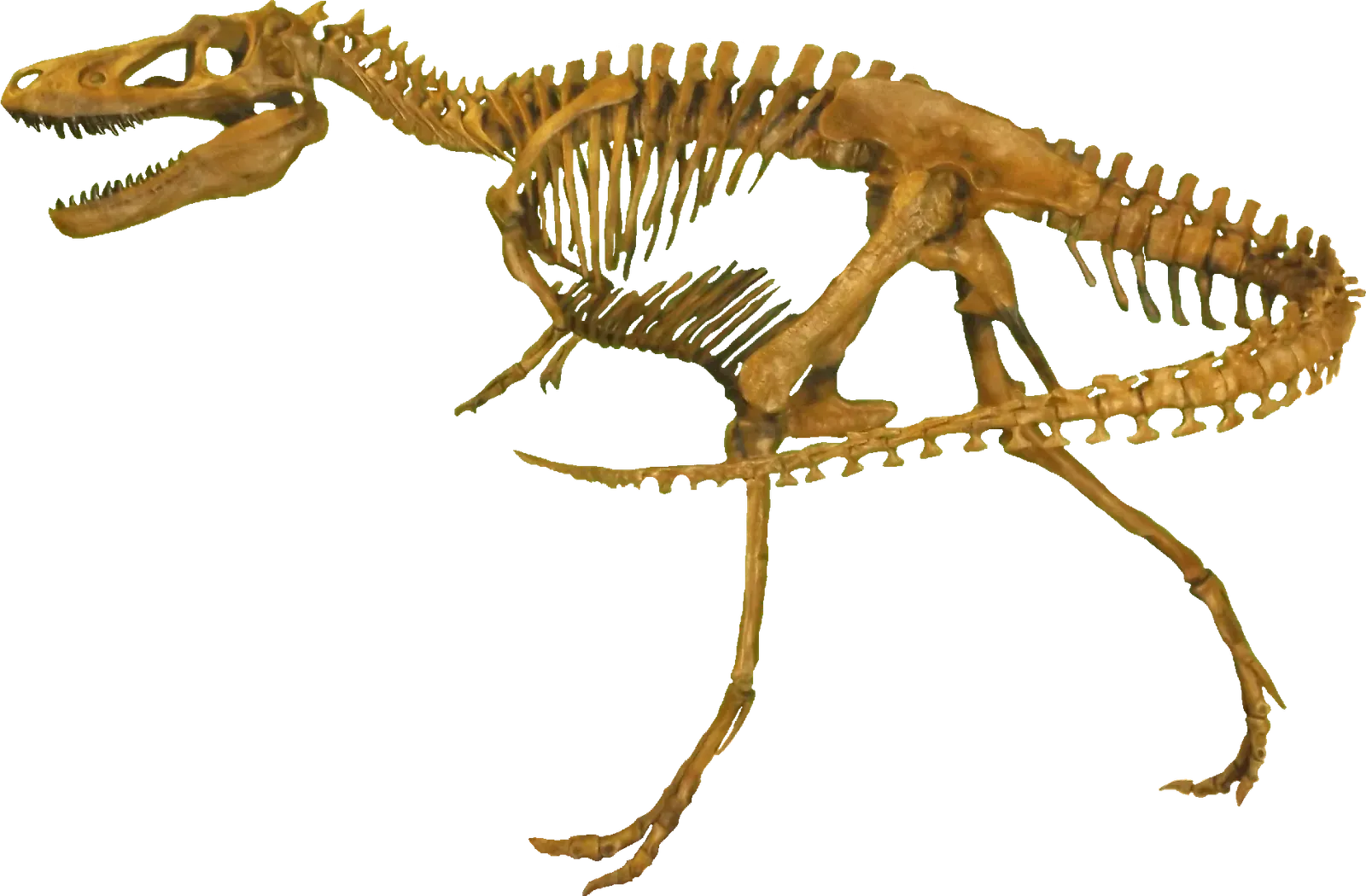
Here’s a fact that’s been stirring up controversy for decades. Since the predatory creature was first named in 1988, paleontologists have argued over whether medium-sized tyrannosaur fossils found in the same rocks as the iconic Tyrannosaurus rex were juvenile T. rex or a unique and distinct predator, Nanotyrannus, with recent years favoring the juvenile T. rex hypothesis. That debate just got settled in 2025.
An analysis in Nature of a specimen nicknamed “Bloody Mary” found enough anatomical evidence to support the claim, with a second study from different researchers confirming that the first skull to be named Nanotyrannus appears to be a mature animal, which will cause paleontologists to reconsider how T. rex grew up and how both predatory species coexisted. The team examined the throat bone’s microscopic structure, comparing it to distant living relatives and extinct dinosaurs to show that Nanotyrannus, while smaller, was a fully grown and distinct predator in an ancient ecosystem more diverse than previously imagined, likely competing with juvenile T. rex for prey. Talk about a major paleontology plot twist.
Early Humans Were Often Prey, Not Apex Predators
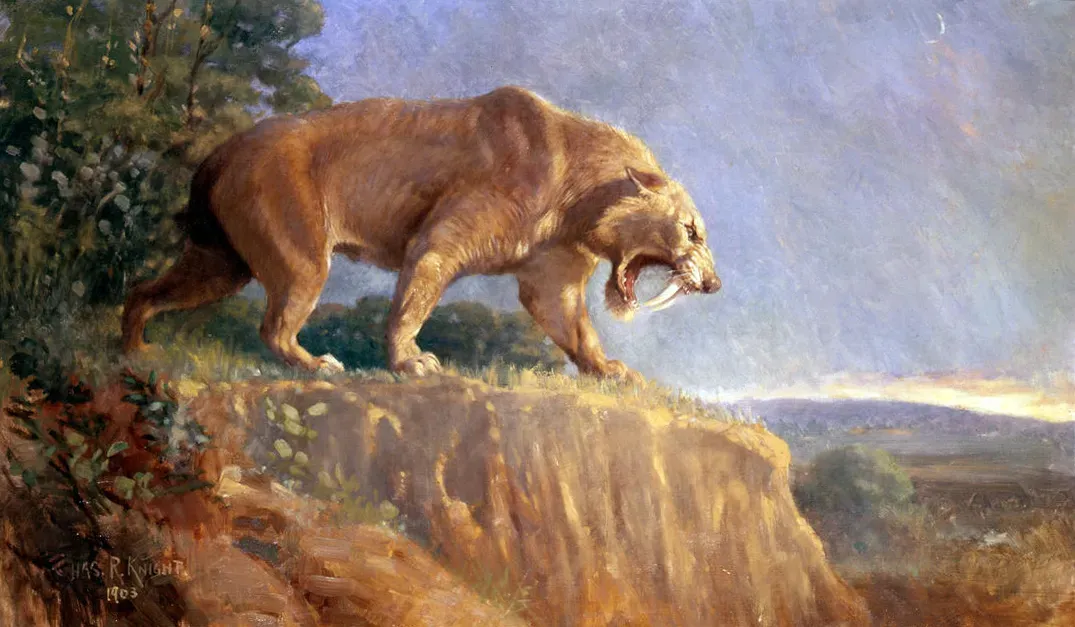
Let’s get one thing straight: your ancestors weren’t always the tough hunters Hollywood makes them out to be. Researchers used AI to identify tooth marks found on H. habilis fossils and found that they were not from scavengers, with the marks determined to match those from leopards, meaning H. habilis was probably hunted and eaten by ferocious felines. It’s hard to imagine our relatives being on the menu, honestly.
The predators living at the same time as A. afarensis were huge and there were 10 times as many as today, including hyenas as big as bears, as well as saber-toothed cats and many other mega-sized carnivores, reptiles and raptors. Approximately 6 percent to 10 percent of early humans were preyed upon, according to evidence such as teeth marks on bones, talon marks on skulls and holes in a fossil cranium into which saber-tooth cat fangs fit. That’s a sobering reminder that survival was anything but guaranteed for early hominins navigating a world full of predators.
Tyrannosaurus Rex Both Hunted and Scavenged
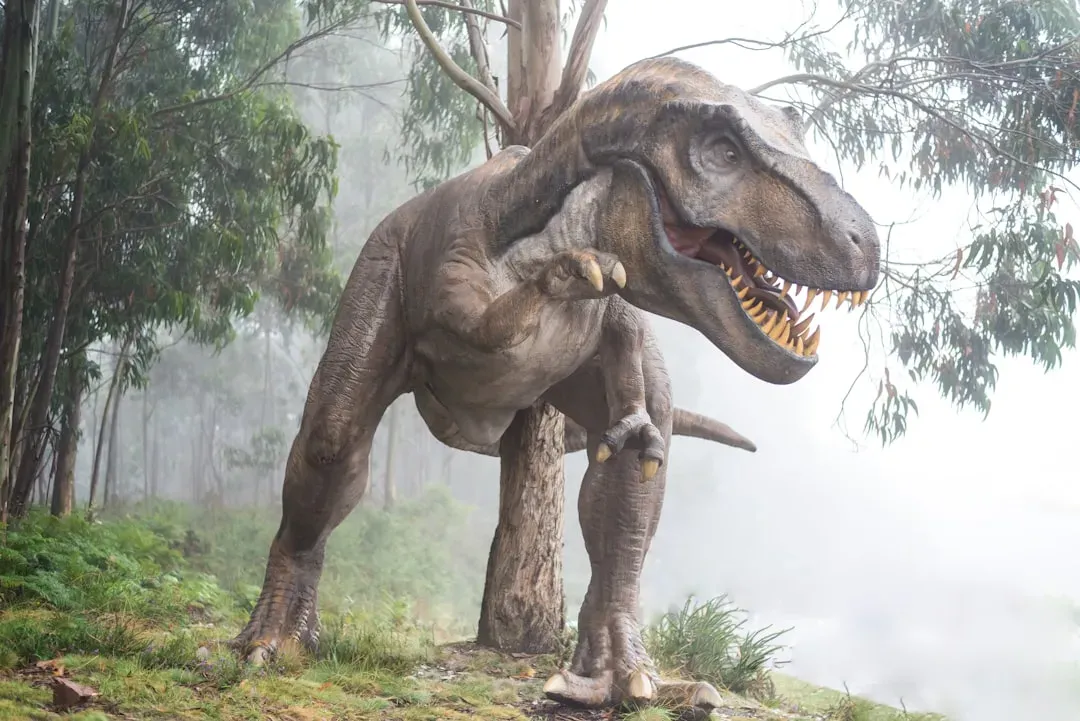
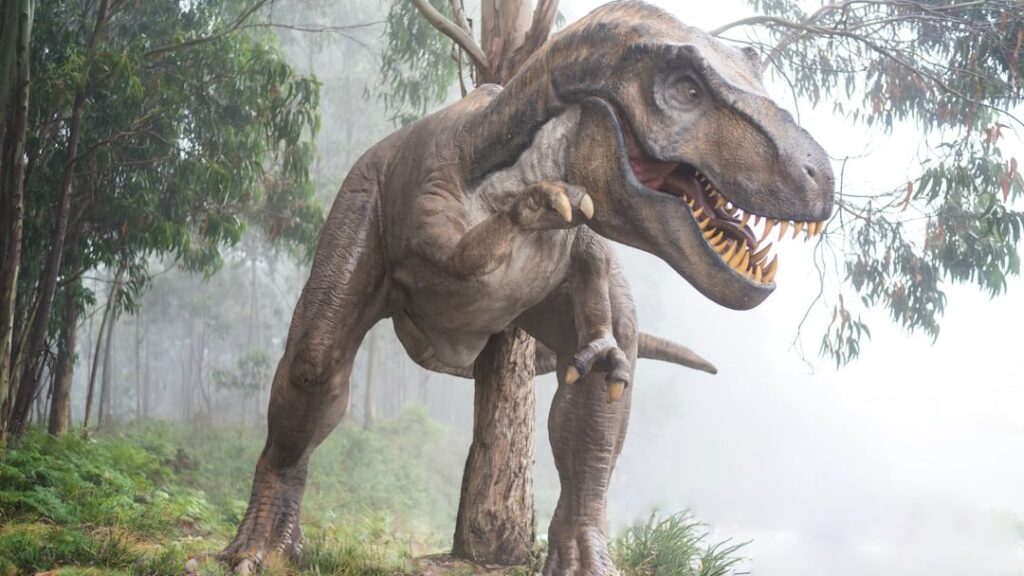
You’ve probably heard the debate: was T. rex a fierce hunter or just a glorified scavenger? A popular theory in the 1990s held that T. rex wasn’t as tough as we’d long thought, that instead it was basically a giant scavenger, but that theory was wrong because evolution doesn’t produce a bus-sized animal with a bathtub-sized head and 50-some railroad spike teeth that can crush bone just so that animal can walk around picking up dead carcasses. The reality is more nuanced than either extreme.
It’s a false dichotomy that T. rex was only a hunter and not a scavenger, or only a scavenger and not a hunter, because things that hunt also scavenge, and there are very few animals that solely scavenge. Researchers have found Triceratops bones with Tyrannosaurus bite marks that had healed up, meaning that the two species definitely tangled and that Triceratops occasionally made it out alive. This evidence confirms that T. rex actively hunted prey but wouldn’t pass up an easy meal either.
Abelisaurids Replaced Carcharodontosaurians as Apex Predators
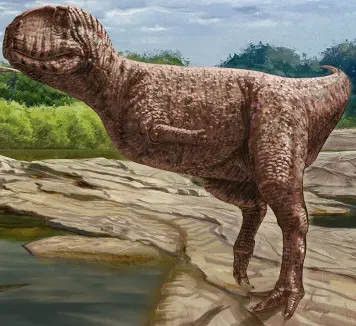
The changing of the guard in prehistoric ecosystems reveals fascinating power dynamics. Isasmendi & Malafaia attribute isolated theropod teeth from late Campanian and Maastrichtian localities in the Iberian Peninsula to abelisaurids, and interpret the fossil record as indicating that carcharodontosaurians were likely extinct in Ibero-Armorica by the Cenomanian, with abelisaurids taking over as apex predators in those ecosystems. This transition happened over millions of years, reshaping entire food webs.
Seculi Pereyra studies the evolution of abelisaurid orbit shape, interpreted as more likely influenced by selective pressures such as those related to specialized predation than by phylogenetic constraints. These anatomical features suggest abelisaurids evolved specific hunting strategies that gave them competitive advantages. Their success story demonstrates how ecological niches don’t stay vacant for long when one dominant predator disappears.
Cranial Biomechanics Reveal Different Feeding Strategies
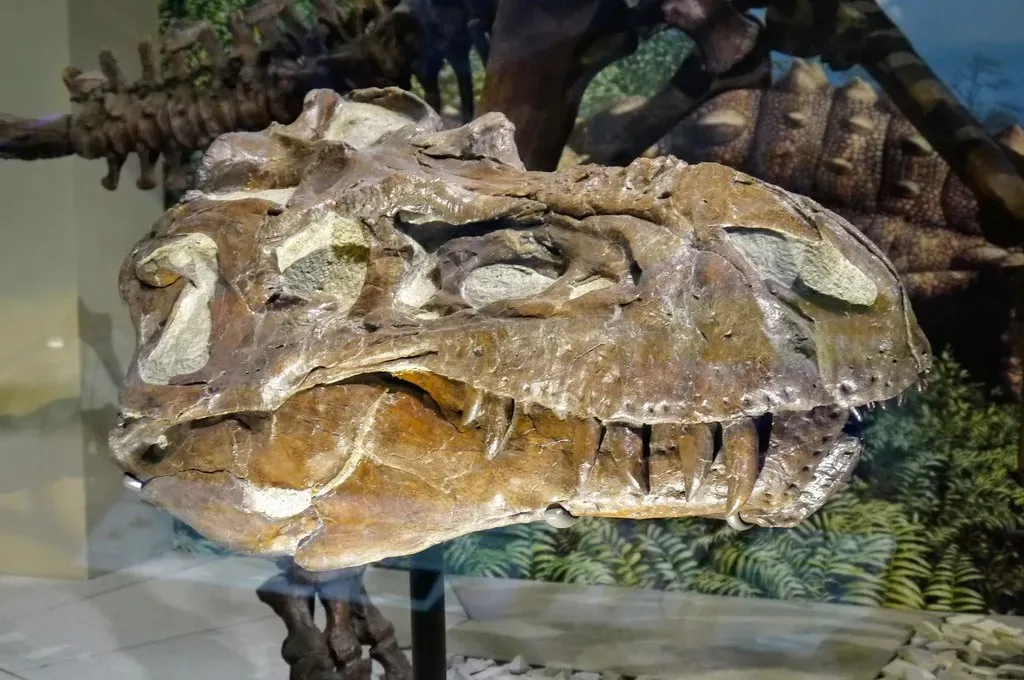
Not all large theropods hunted the same way, despite similar sizes. Rowe & Rayfield compare cranial biomechanics of members of different groups of large-bodied theropods, find evidence of elevated cranial stress in tyrannosaurids related to increased head muscle volume and bite forces, unlike other theropods that experienced lower cranial stress, and interpret these differences as likely related to different feeding strategies. The skull tells the story of how an animal lived and fed.
This research from 2025 demonstrates that tyrannosaurids had skulls built to withstand enormous forces, allowing them to crush bone and access marrow that other predators couldn’t reach. Meanwhile, other large predators employed different tactics, perhaps relying on slashing bites or targeting softer tissues. These specialized hunting methods meant multiple apex predators could coexist without directly competing for the same resources.
Bite Marks and Embedded Teeth Prove Active Predation
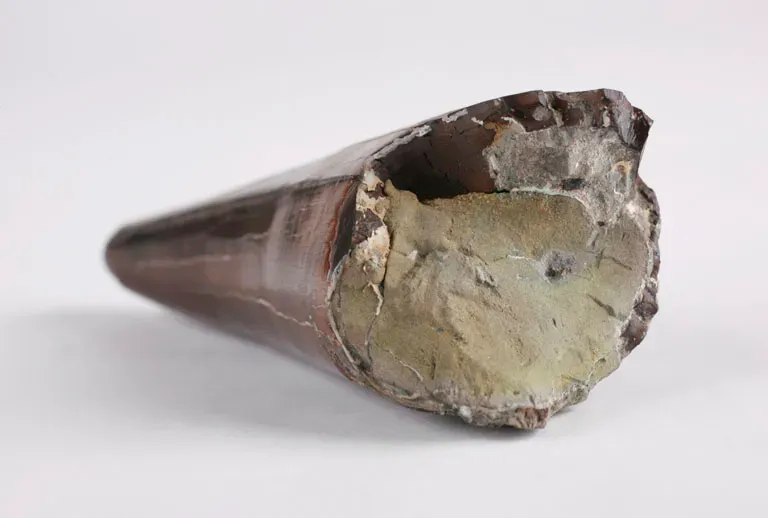
Physical evidence doesn’t lie, and sometimes it’s literally written in bone. When examining the skeletons of dinosaurs living at the same time as T. rex, there are more cases where T. rex bite marks are being found that did not always result in death, as many fossil specimens show regrowth of bone at the site of the wound, and T. rex teeth have been found embedded in the bones of their prey, removing all doubt about which predator was responsible. Finding actual teeth stuck in prey bones is about as definitive as evidence gets.
Individuals of the large predator Allosaurus have been found with puncture wounds from encounters with Stegosaurus, with Robert Bakker and his colleagues reporting an Allosaurus specimen with multiple large wounds through its pelvis roughly the size of the tail spikes carried by stegosaurs, so severely injured that it did not recover and eventually died. These fossil encounters show us that predator-prey interactions could be deadly for both parties involved.
Cooperative Behavior Gave Predators Evolutionary Advantages
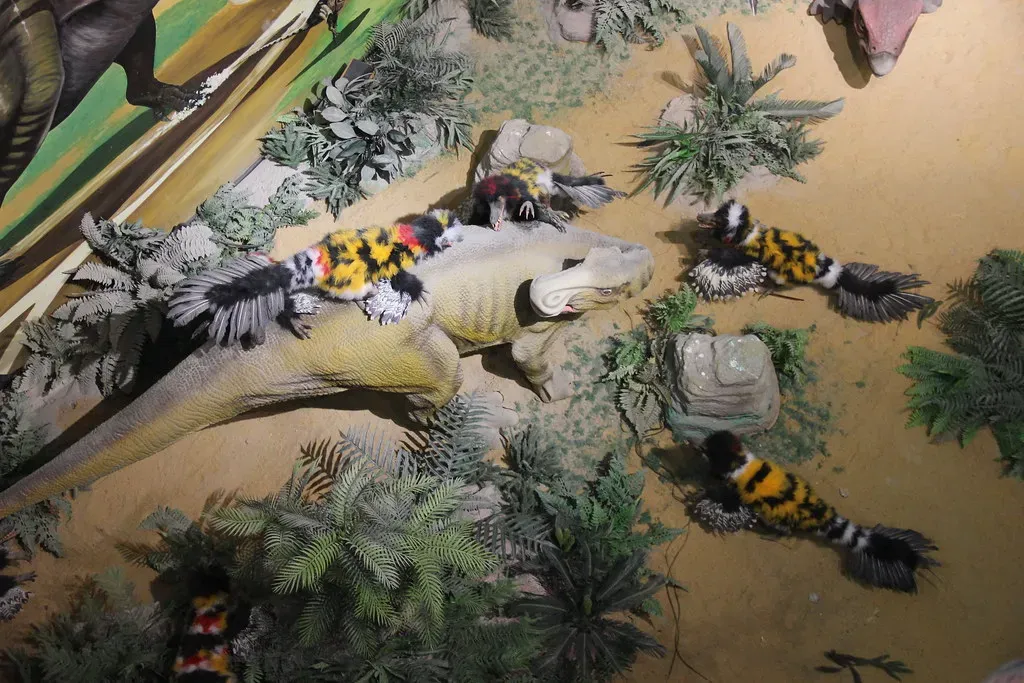
Social structures among ancient predators might have been more sophisticated than you’d expect. Fossil evidence indicates that Homo erectus cared for their sick, elderly, and disabled, demonstrating a closely knit social structure and cooperative behavior, while the wild dog Canis lycaonoides had a cooperative pack structure necessary for large predators that get most of their food from even larger prey, with H. erectus also showing evidence of such a hypercarnivorous lifestyle through large body size, tool use for slicing meat, and strong sociality, making cooperation a key adaptation for large hunters.
This parallel evolution of cooperative hunting strategies between different species reveals a fundamental truth: taking down large prey requires teamwork. Whether you’re a canid or a hominin, hunting cooperatively dramatically increases success rates and allows predators to target prey far larger than themselves. These social bonds weren’t just nice to have; they were survival necessities that shaped evolutionary trajectories.
The Truth Keeps Evolving With Each Discovery
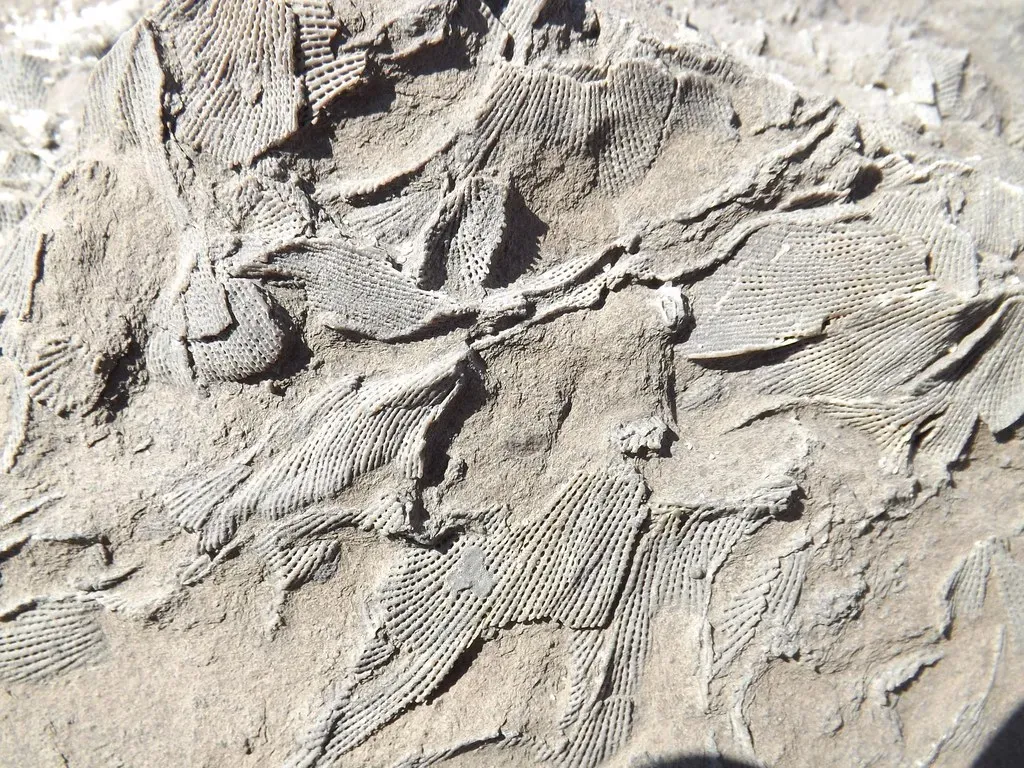
Over the past year, new fossils, reanalyses of famous specimens and the use of increasingly sophisticated tools have continued to upend what we thought we knew about how these animals lived, moved, fed and evolved, with some discoveries filling in long-missing gaps in the fossil record while others forced researchers to confront the uncomfortable reality that a few long-held assumptions were simply wrong. Science isn’t about having all the answers; it’s about constantly refining our understanding.
Paleontology in 2025 proved once again that Earth still holds extraordinary stories in stone, amber, and microscopic cellular archives, with fossil finds and scientific breakthroughs capturing global attention, reshaping evolutionary family trees, revealing ancient behavior, and pushing the boundaries of molecular preservation. Every new discovery has the potential to completely rewrite what we thought we knew about . That’s what makes this field so thrilling – the story is far from finished. What hidden truths might be waiting in the next fossil bed? It’s impossible to say, but one thing’s certain: you can expect more surprises ahead.