Few chapters in natural history feel as genuinely thrilling as the story . We’re talking about creatures that walked a world almost unrecognizable to modern eyes, across a supercontinent still finding its shape, millions of years before anything resembling a human ever drew breath. The mysteries buried in ancient rock formations have captivated scientists, adventurers, and curious minds for centuries. Some of the greatest scientific feuds, the most stunning geological surprises, and the most revolutionary discoveries in history have all been connected to the question of when, where, and how dinosaurs first appeared on this continent.
What you’ll find in this article goes far beyond museum displays and textbook summaries. You’ll travel back to a world of fire, flood, and roaming reptiles. You’ll encounter the humans who risked everything to dig up the past, and the groundbreaking finds that are still reshaping everything we thought we knew. Let’s dive in.
A World Transformed: The Triassic Stage for North America’s First Dinosaurs
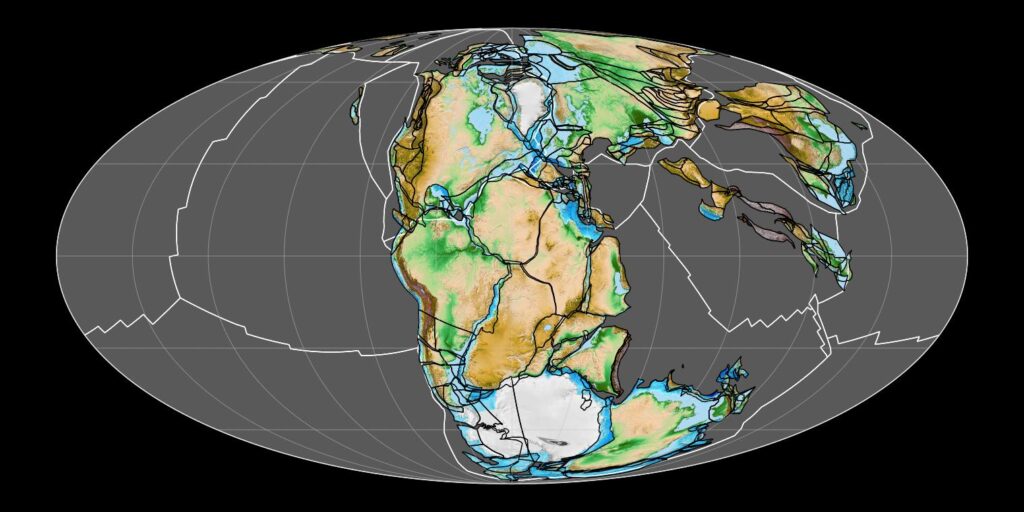
To understand where North America’s first dinosaurs came from, you need to picture a world that would feel almost alien to you today. By the start of the Triassic, all the Earth’s landmasses had coalesced to form Pangaea, a supercontinent shaped like a giant C that straddled the equator and extended toward the poles. There was no Atlantic Ocean. No Rocky Mountains. No Pacific Coast as you know it.
Africa was joined to North America along much of what would be today’s Atlantic coast, and the Appalachian Mountains were much taller and more rugged. The Colorado Plateau and the Rocky Mountains did not exist yet, replaced instead by vast lowlands near sea level. Honestly, you’d have walked right past modern-day New York without recognizing a single landmark. Areas near the coast were pummeled by seasonal monsoons, but ocean-circulation patterns kept the isolated and vast interior warm and dry. Even the poles were ice-free.
After the Great Dying: How Life Reset and Dinosaurs Got Their Chance
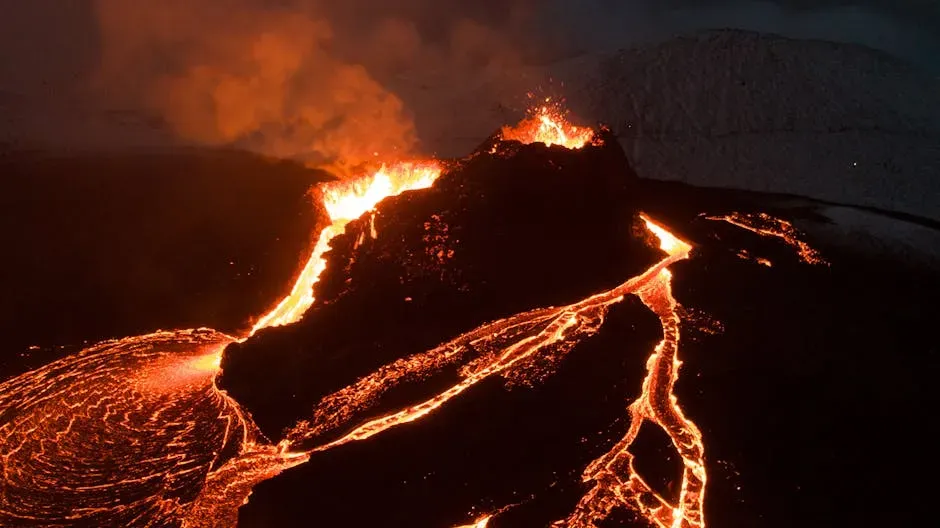
Here’s the thing about the dinosaurs’ rise: it wasn’t a glorious, inevitable ascent. It was an opportunistic grab at survival following one of the most catastrophic events in Earth’s entire history. The Triassic Period began after Earth’s worst-ever extinction event devastated life. The Permian-Triassic extinction event, also known as the Great Dying, took place roughly 252 million years ago and was one of the most significant events in the history of our planet. Think of it as the ultimate reset button.
Dinosaurs diverged from their archosaur ancestors during the Middle to Late Triassic epochs, roughly 20 million years after the devastating Permian-Triassic extinction event. The ancestors of dinosaurs were one of several groups of reptiles that benefited from that catastrophe. These ancestors were lightly built two-legged animals, around the size of a crow. It’s almost humbling to realize that the terrifying giants of the Cretaceous all trace their origins to something not much bigger than a raven scratching around in the dirt.
North America’s Oldest Dinosaur: The Wyoming Discovery That Rewrote History
If you thought scientists had already figured out when dinosaurs first arrived in North America, think again. The mainstream view had held that dinosaurs emerged on the southern portion of the ancient supercontinent Pangea called Gondwana, millions of years before spreading to the northern half named Laurasia. A newly described dinosaur whose fossils were uncovered by University of Wisconsin-Madison paleontologists is challenging that narrative, with evidence that the reptiles were present in the northern hemisphere millions of years earlier than previously known. That’s not a small tweak to the history books. That’s a full rewrite.
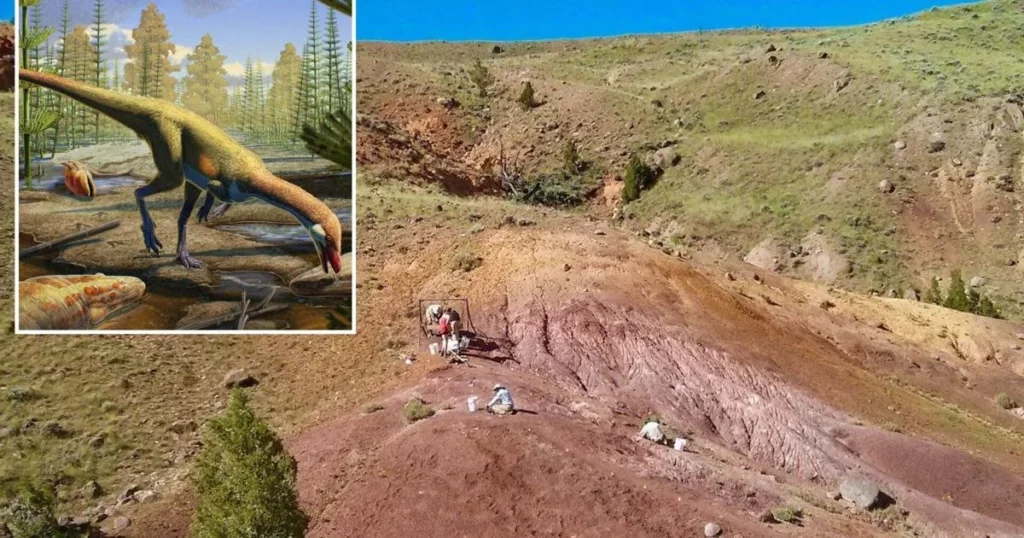
In 2013, a team from the University of Wisconsin-Madison uncovered fossil remains in the Popo Agie Formation, a region near the equator in ancient Laurasia. After years of painstaking analysis, the researchers identified the fossils as belonging to a new dinosaur species: Ahvaytum bahndooiveche. High-precision radioisotopic dating revealed that the dinosaur was present in the northern hemisphere around 230 million years ago. To put that in perspective, that’s the same age as the earliest dinosaurs found in the southern hemisphere, effectively suggesting that dinosaurs had a global footprint far earlier than previously assumed.
Ahvaytum Bahndooiveche: North America’s Oldest Dinosaur and a Story of Respect
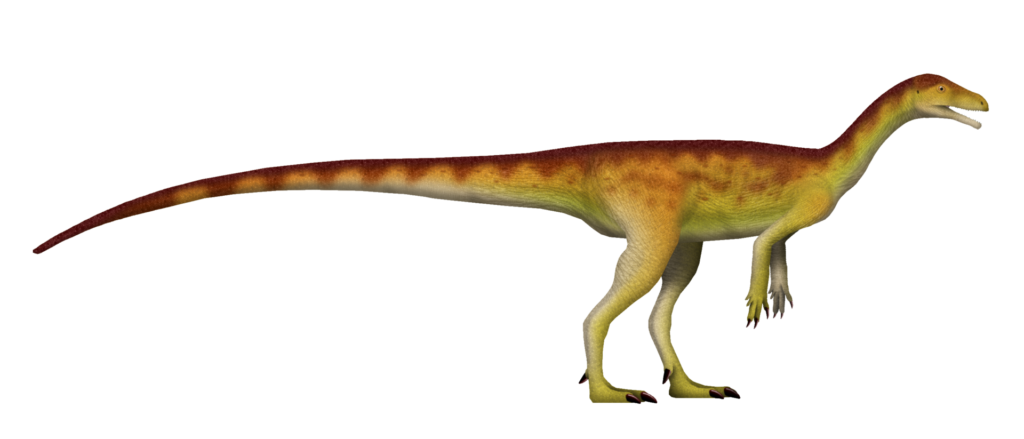
Ahvaytum bahndooiveche was about the size of a chicken, as the scientists determined from fossils of its ankle and part of its femur. I know it sounds almost comical, right? The oldest dinosaur in North America, the one quietly rewriting paleontological history, could’ve fit under your kitchen table. While the team doesn’t have a complete specimen, they did find enough fossils, particularly parts of the species’ legs, to positively identify Ahvaytum bahndooiveche as a dinosaur, and likely as a very early sauropod relative.
What makes this discovery genuinely moving, beyond the science itself, is the human dimension behind it. The species’ name, meaning “long ago dinosaur,” honors the Indigenous people whose ancestral lands were home to the fossil site. This partnership reflects a deeper respect for cultural heritage, integrating Indigenous language and perspectives into the scientific process. The name Ahvaytum bahndooiveche was created by study author Reba Teran, a member of the Eastern Shoshone Tribe. The site in Wyoming is on their ancestral lands. That collaboration sets a powerful precedent for how science and culture can coexist with genuine mutual respect.
Ghost Ranch and Coelophysis: North America’s Most Famous Early Dinosaur Discovery
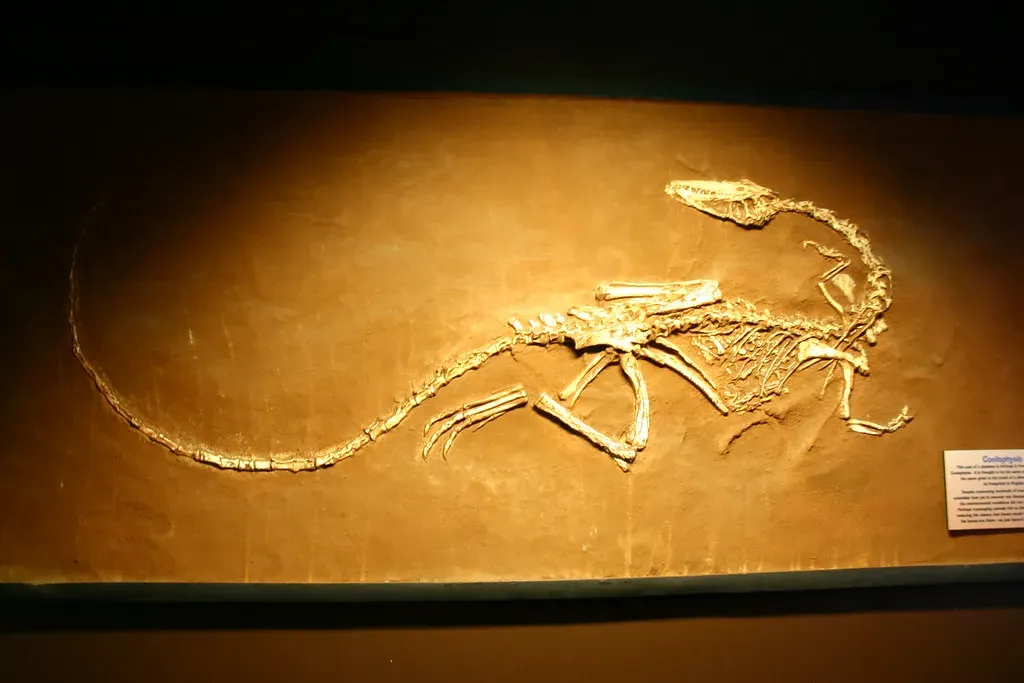
If you’ve ever wanted to find the single most dramatic early dinosaur discovery in North America, look no further than a red-cliffed stretch of New Mexico called Ghost Ranch. Ghost Ranch is known for a remarkable concentration of fossils, most notably that of the theropod dinosaur Coelophysis, of which it has been estimated that nearly a thousand individuals have been preserved in a quarry at Ghost Ranch. Nearly a thousand individuals. In one spot. That’s not just a discovery, that’s a graveyard of ancient history.
In 1947, paleontologist Edwin H. Colbert documented the discovery of over a thousand well-preserved fossilized skeletons of a small Triassic dinosaur called Coelophysis in a quarry there. The leading hypothesis that is consistent with both the fossil and sediment record at the quarry is that the animals were killed by a flood, washed into a low spot or pond, and immediately buried. Coelophysis bauri first appeared in the Mid Triassic Period around 228 million years ago. The genus name, Coelophysis, means “hollow form” and refers to the hollow limb bones. Those hollow bones, incidentally, are a feature you’d also recognize in modern birds, pointing ahead to millions of years of evolutionary continuity.
The Bone Wars: The Rivalry That Put North American Dinosaurs on the Map
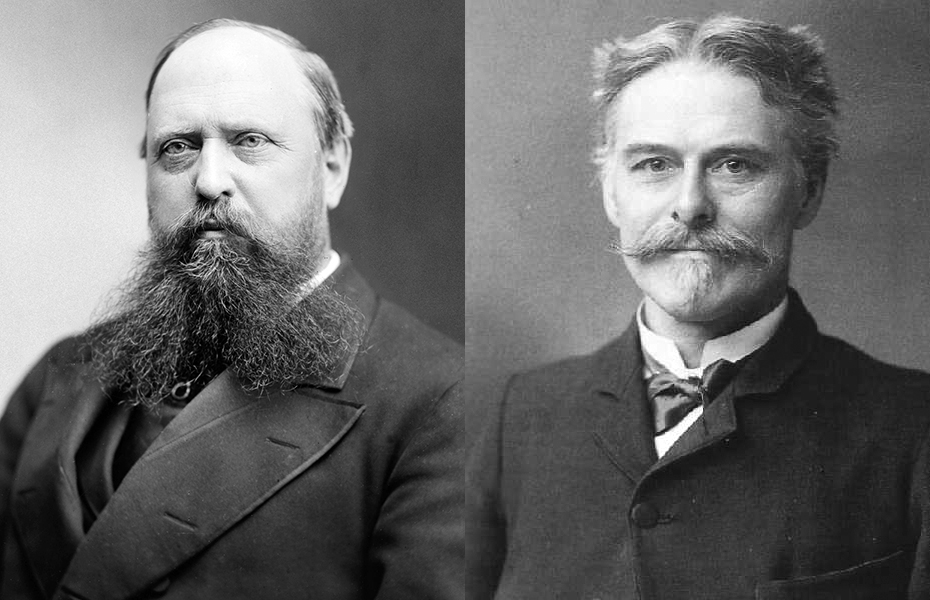
Few chapters in the history of science are as spectacularly unhinged as the Bone Wars of the late 19th century. Let’s be real: this was not science at its most dignified. The Bone Wars was a period of intense and ruthlessly competitive fossil hunting and discovery during the Gilded Age of American history, marked by a heated rivalry between Edward Drinker Cope and Othniel Charles Marsh. Each of the two paleontologists used underhanded methods to try to outdo the other in the field, resorting to bribery, theft, and the destruction of bones. Dynamite and espionage, in a race for dinosaur bones. You genuinely can’t make this up.
In 1870, a mere eight species of dinosaur had been unearthed in the United States. By the 1890s, that number ballooned to over 140. The rivalry, for all its chaos, was astonishingly productive. While the feud between Cope and Marsh consumed the scientists’ lives and damaged their careers, the amount and quality of bones they each collected became the foundation of paleontology in America. Cope and Marsh’s rivalry lasted until Cope’s death in 1897, by which time both men were financially ruined. They gave everything, including their sanity and savings, to dig up the past.
What the Fossil Record Still Reveals Today: Ongoing Discoveries and Open Questions
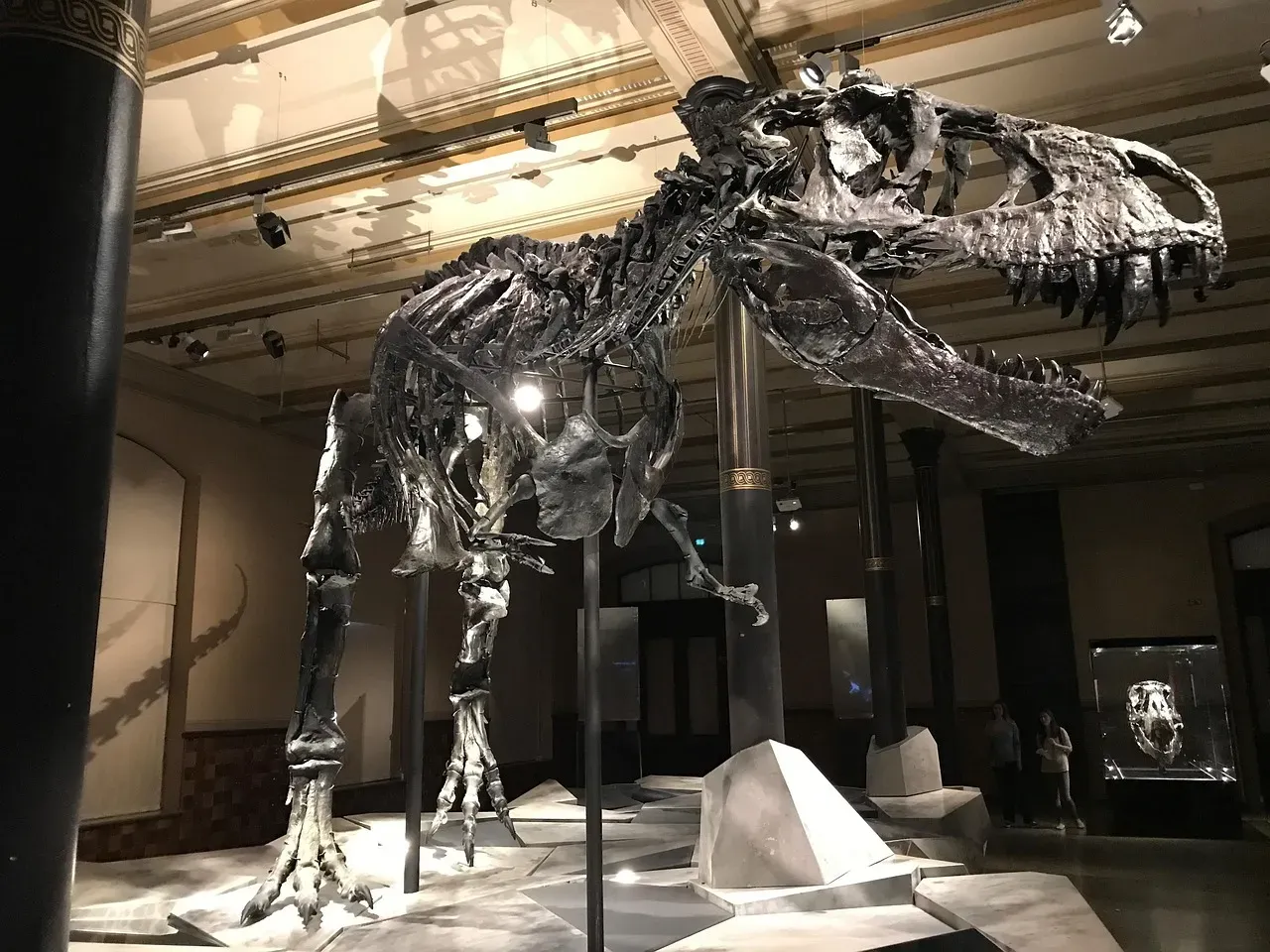
You might assume that after nearly two centuries of digging, North America’s dinosaur origins would be a closed case. They are anything but. The earliest potential record of dinosaurs in North America comes from rare, unidentified, possibly theropod, footprints in the Middle-Late Triassic Pekin Formation of North Carolina. The most reliable early record of North American dinosaurs comes from fragmentary saurischian fossils unearthed from the Late Triassic Dockum Group of Texas. Footprints and fragments. It’s a humbling reminder of how much still lies buried and undiscovered.
The Hayden Quarry at Ghost Ranch has produced more than twenty species of land vertebrates, along with charcoalized fossil wood from wildfires that occurred in the Triassic forest. The fossils discovered include Dromomeron and Tawa hallae, two of the first recognized dinosaurs from North America. Mid-to-late twentieth century discoveries in the United States triggered the Dinosaur Renaissance, as the discovery of the bird-like Deinonychus overturned misguided notions of dinosaurs as plodding lizard-like animals, cementing their sophisticated physiology and relationship with birds. Honestly, the more you dig, the more the story changes. It’s hard to say for sure where the next great reveal will come from, but the odds are good it will come from North American soil.
Conclusion
The story is not a finished story. It’s an ever-evolving mystery, with each new dig site, each new fossil fragment, and each new dating method pushing the timeline further back and the narrative further forward. From the chicken-sized Ahvaytum bahndooiveche hiding in Wyoming rock for 230 million years to the mass grave of Coelophysis at Ghost Ranch, the evidence paints a picture of a continent rich beyond imagination with prehistoric life.
You’ve journeyed through a time of scorching Triassic heat, walked alongside creatures no bigger than a farmyard bird yet carrying the DNA of a dynasty, and witnessed the dramatic and sometimes reckless humans who spent their lives unearthing these ancient secrets. The deeper science digs, the more surprising the answers become. So here’s a question worth sitting with: given that a single Wyoming fossil just moved the clock back millions of years, what else might be waiting just beneath the surface of the American landscape?