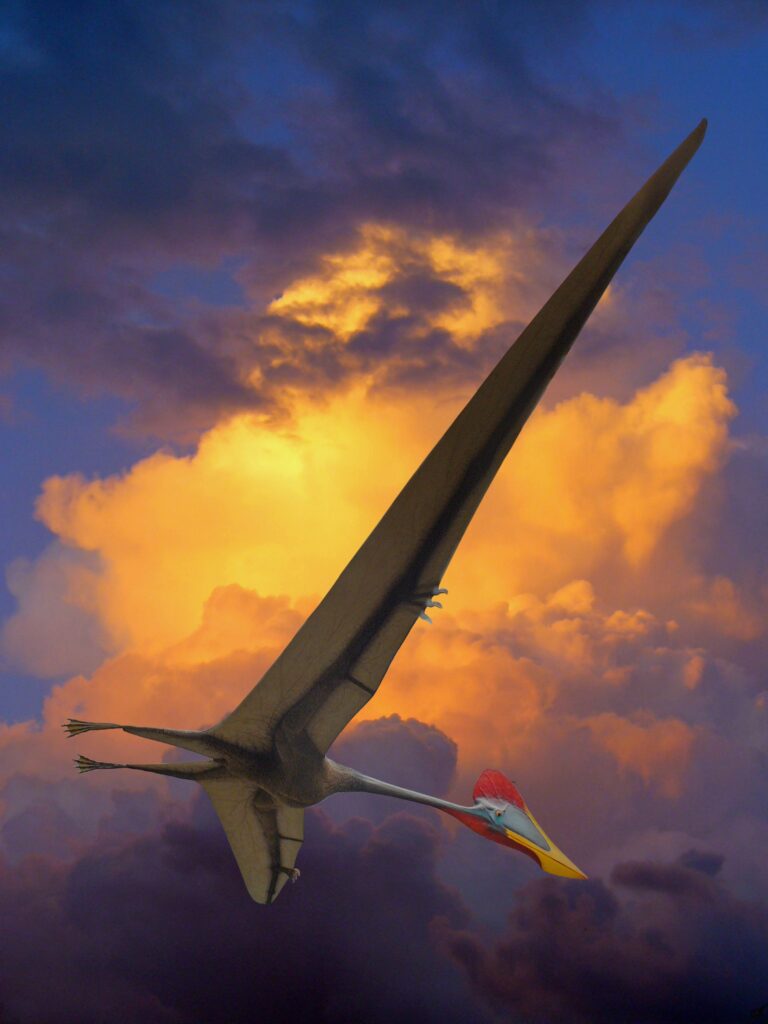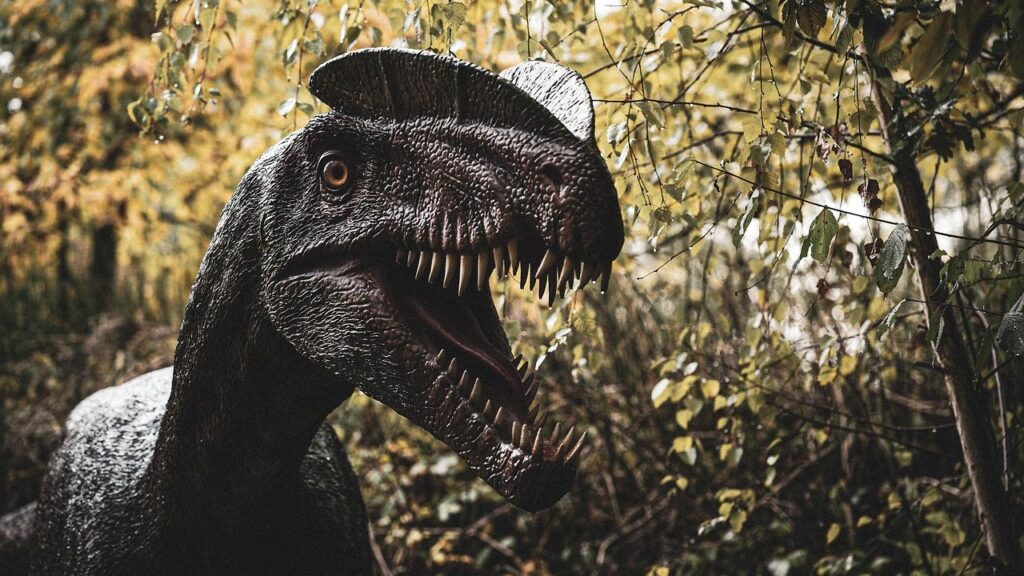
You’ve probably heard of Tyrannosaurus rex and maybe even Velociraptor, but the Mesozoic Era harbored so many more terrifying hunters that have somehow flown under the radar. This period, stretching from about 252 to 66 million years ago, wasn’t just the age of dinosaurs on land. The oceans teemed with monstrous reptiles, skies darkened with enormous flying pterosaurs, and even some mammals dared to challenge dinosaur dominance.
The Mesozoic Era lasted from about 252 to 66 million years ago and was characterized by the dominance of archosaurian reptiles such as dinosaurs and a hot greenhouse climate. What makes this era truly captivating is how much we’re still learning about its apex predators. Recent fossil discoveries continue to reshape everything scientists thought they knew about how these creatures hunted, moved, and survived.
The Enigmatic Spinosaurus: Still Rewriting the Rules
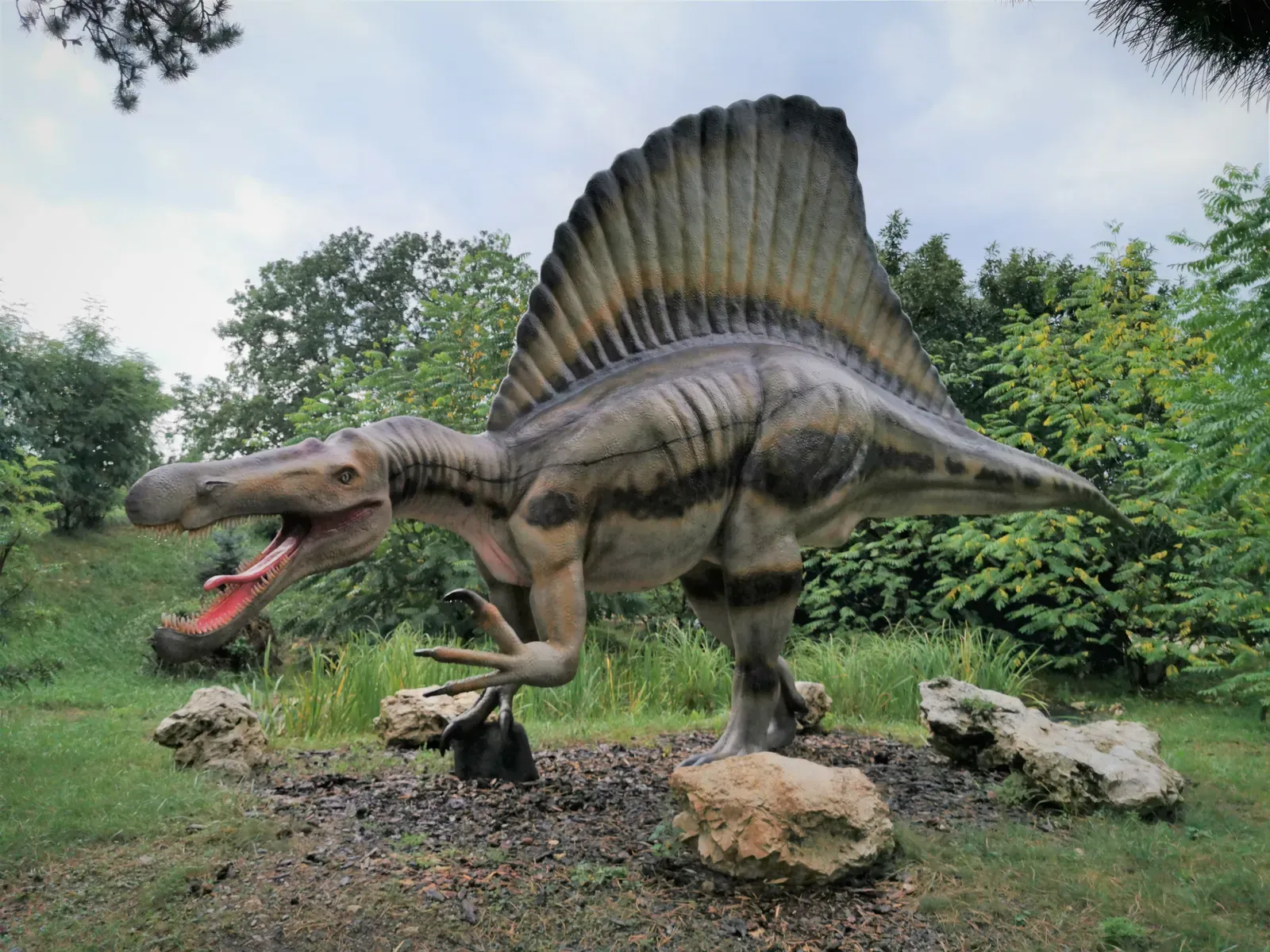
Let’s be real, Spinosaurus is probably the most confusing dinosaur ever discovered. Once a mystery fossil lost to war, Spinosaurus has transformed into one of paleontology’s most debated dinosaurs – reimagined as a semi-aquatic predator, yet still stirring controversy over how it truly lived. Recent estimates suggest Spinosaurus reached lengths of 14 meters and weighed around 7.4 metric tonnes, making it one of the longest predators to ever walk (or swim?) the Earth.
Here’s the thing. Scientists can’t even agree on how this giant hunted. Discoveries in the 2000s and 2010s suggested Spinosaurus had short hind limbs and a paddle-like tail, indicating potential aquatic behavior, though later studies questioned its ability to dive or swim effectively. Some researchers insist it was an underwater pursuit predator, while others argue it waded along shorelines like a massive heron. One study suggested Spinosaurus was able to wade into waterways more than six feet deep without floating, where it could ambush fish of any size with its claws and jaws. The debate rages on in 2026, with new fossil material from Morocco’s Kem Kem Beds continuously adding fuel to the fire.
Marine Reptiles: Rulers of Ancient Seas
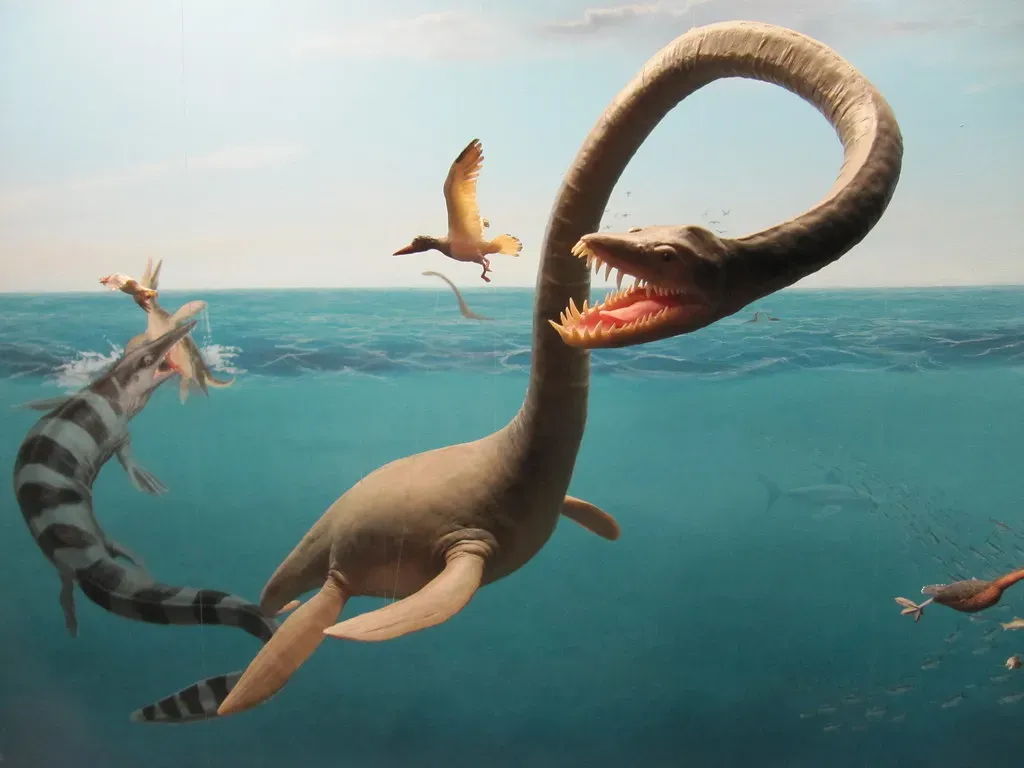
While dinosaurs dominated the land, something even more terrifying lurked beneath the waves. Marine reptiles such as ichthyosaurs and plesiosaurs were top predators in the oceans during the Mesozoic, but their origins and early rise to dominance have been somewhat mysterious. Think of these creatures as the prehistoric equivalent of great white sharks, except far larger and equipped with entirely different hunting strategies.
Pliosaurs were apex predators capable of dominating marine ecosystems, with some species exceeding 11 meters in length. These short-necked, massive-headed beasts had jaws strong enough to crush almost any prey. Their long-necked cousins, the plesiosaurs, hunted differently, using flexible necks to snatch fish with precision. Honestly, it’s hard to imagine anything more terrifying than encountering one of these monsters in the open ocean. Scientists reconstructed a 130-million-year-old marine ecosystem from Colombia and found predators operating at a food-chain level higher than any seen today.
Siats Meekerorum: The Tyrant Before the King
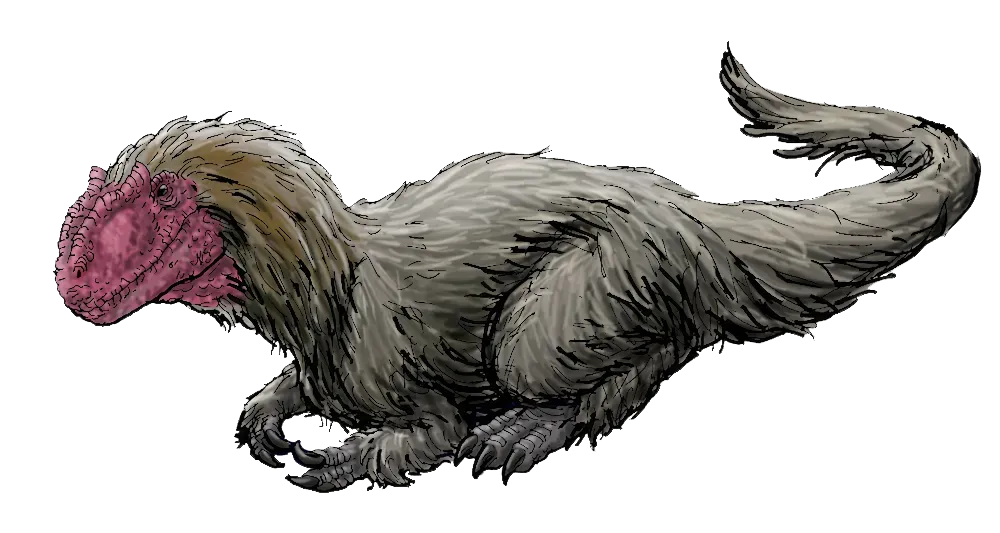
Before T. rex became the undisputed champion of Late Cretaceous North America, another predator held the throne. Siats meekerorum ruled what is now western North America about 98.5 million years ago. This allosaur was massive, possibly preying on early tyrannosaurs and keeping them small for millions of years.
Scientists suspect this enormous predator kept the relatively teeny tyrannosaurs of that era from evolving into large and dominating predators. It’s a fascinating ecological story of competition and dominance. Only after Siats and its relatives disappeared did tyrannosaurs finally get their chance to grow into the giants we know today. Its discovery helps fill a large and mysterious gap in the fossil record, revealing a critical transition period in predator evolution.
Velociraptor and Dromaeosaurids: Smart, Fast, and Deadly
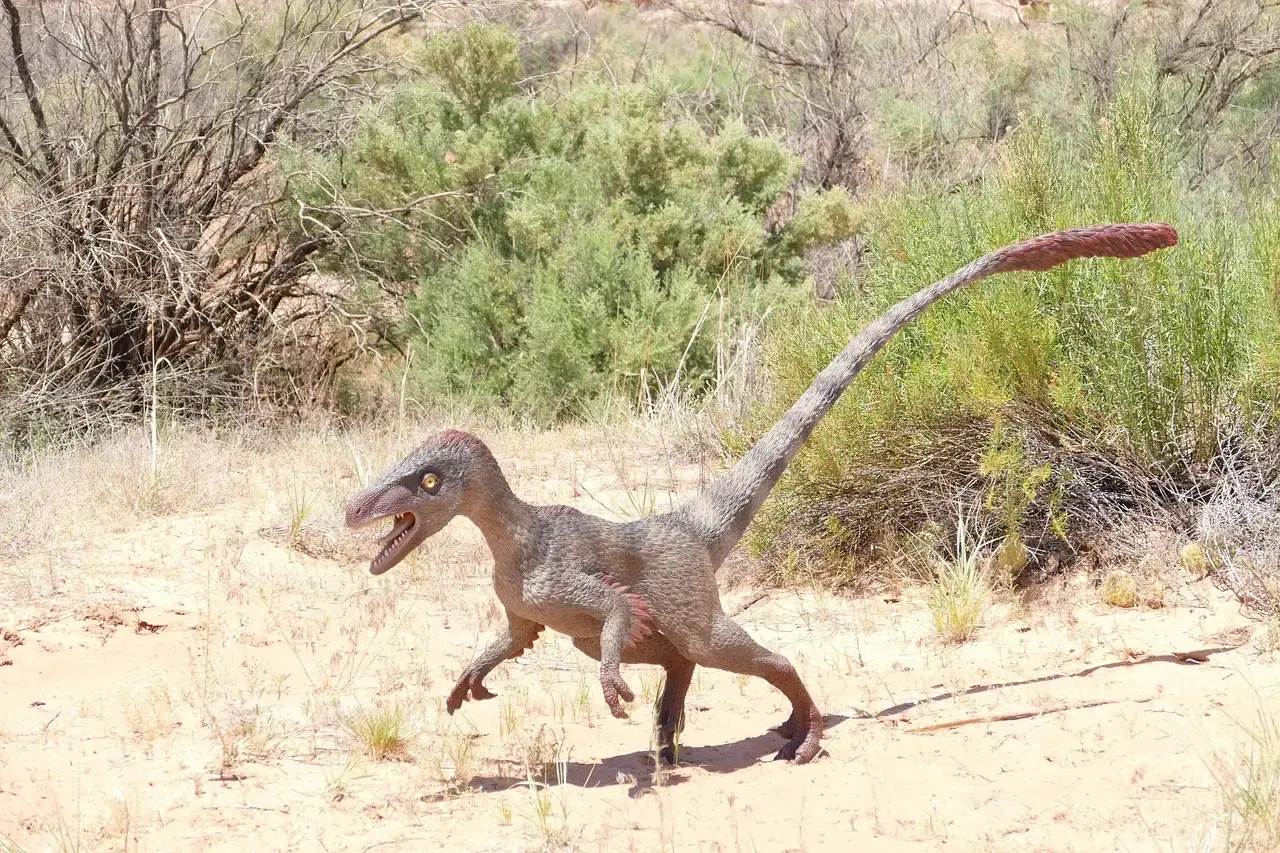
You’ve seen them in movies, but the real Velociraptor was both smaller and arguably more impressive than Hollywood’s version. Velociraptors were intelligent and feathered, unlike the scaly reptiles in the movies. These predators weren’t massive, but what they lacked in size they made up for in cunning and speed.
They could run at up to 40 miles per hour, or 64 kilometers per hour. Raptors must have been pack predators, utilizing their swiftness and agility in delivering flanking attacks. Their sickle-shaped claws on each foot served as slashing weapons capable of inflicting devastating wounds. Some species, like Deinonychus, were larger and even more formidable, while tiny Microraptor had four wings and likely hunted at night. The diversity within this group shows just how successfully small, intelligent predators thrived alongside giants.
Repenomamus: The Dinosaur-Eating Mammal
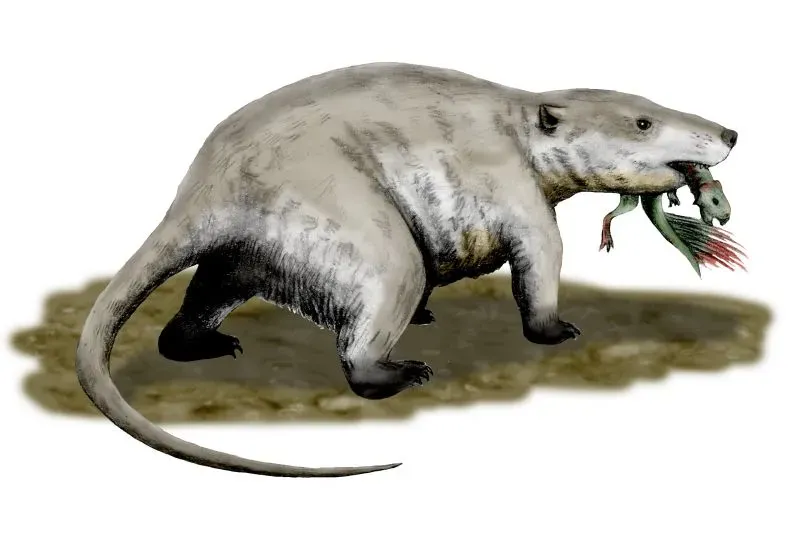
Here’s something that might surprise you: not all Mesozoic predators were reptiles. A specimen of Repenomamus robustus discovered with the fragmentary skeleton of a juvenile Psittacosaurus preserved in its stomach represents direct evidence that at least some Mesozoic mammals were carnivorous and fed on dinosaurs. Yes, you read that right. This badger-sized mammal actually ate dinosaurs.
A specimen was uncovered alongside an adult Psittacosaurus, with the intertwined nature of the fossil suggesting an altercation between the two animals in which the mammal was most likely the instigator of an ongoing predation attempt. While most Mesozoic mammals stayed small and timid, Repenomamus broke all the rules. It proves that even in an era dominated by enormous reptilian predators, mammals carved out their own deadly niche.
Carcharodontosaurus: The Shark-Toothed Giant
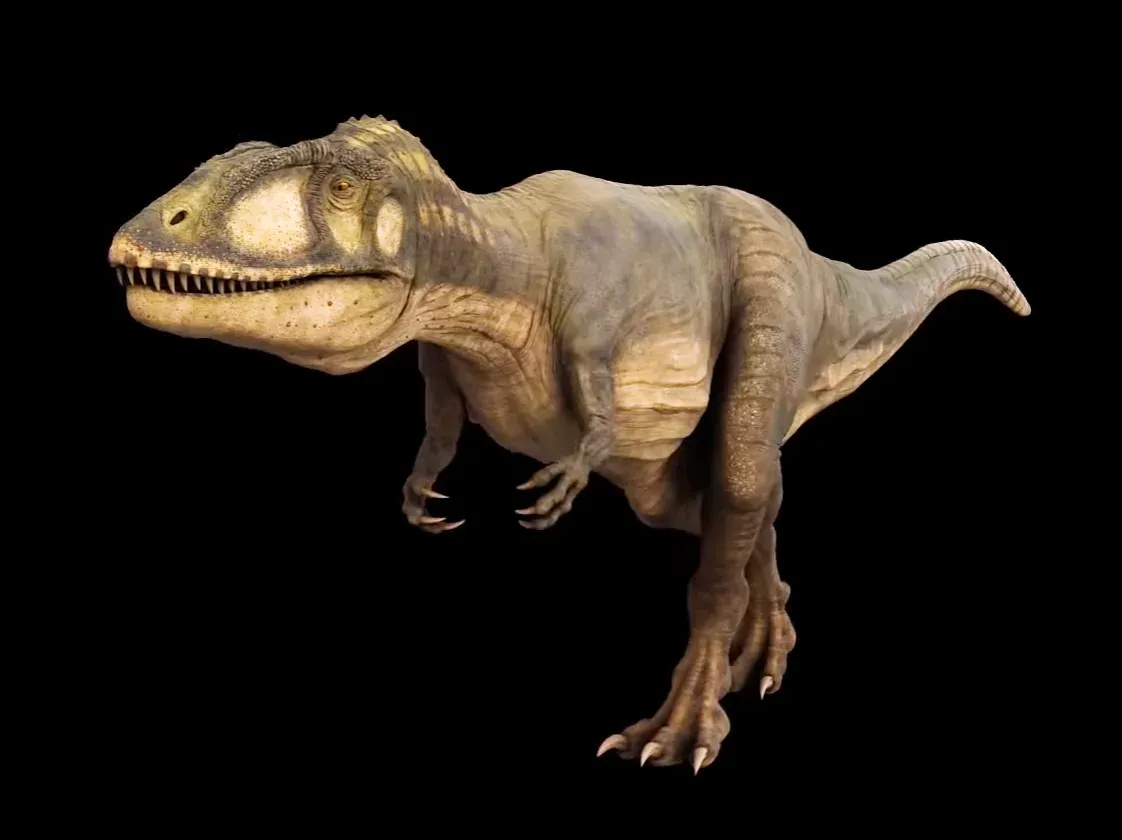
North Africa during the mid-Cretaceous was absolutely packed with massive predators, creating one of the most dangerous ecosystems ever known. Carcharodontosaurus and Spinosaurus rose up to fill empty ecological spaces after earlier extinction events. Carcharodontosaurus, whose name means “shark-toothed lizard,” rivaled even T. rex in size.
The mid-Cretaceous Kem Kem beds of Morocco contain an overabundance of giant theropod dinosaurs, including Spinosaurus and Carcharodontosaurus – both longer than Tyrannosaurus. Compared to modern ecosystems where herbivores represent most vertebrate biomass, predators are overrepresented in mid-Cretaceous North Africa, likely due to niche partitioning. How multiple giant carnivores coexisted remains one of paleontology’s most intriguing puzzles. Perhaps they hunted different prey or occupied slightly different habitats, but the sheer concentration of apex predators in one area seems almost impossible.
The Mystery of Mesozoic Predator Evolution
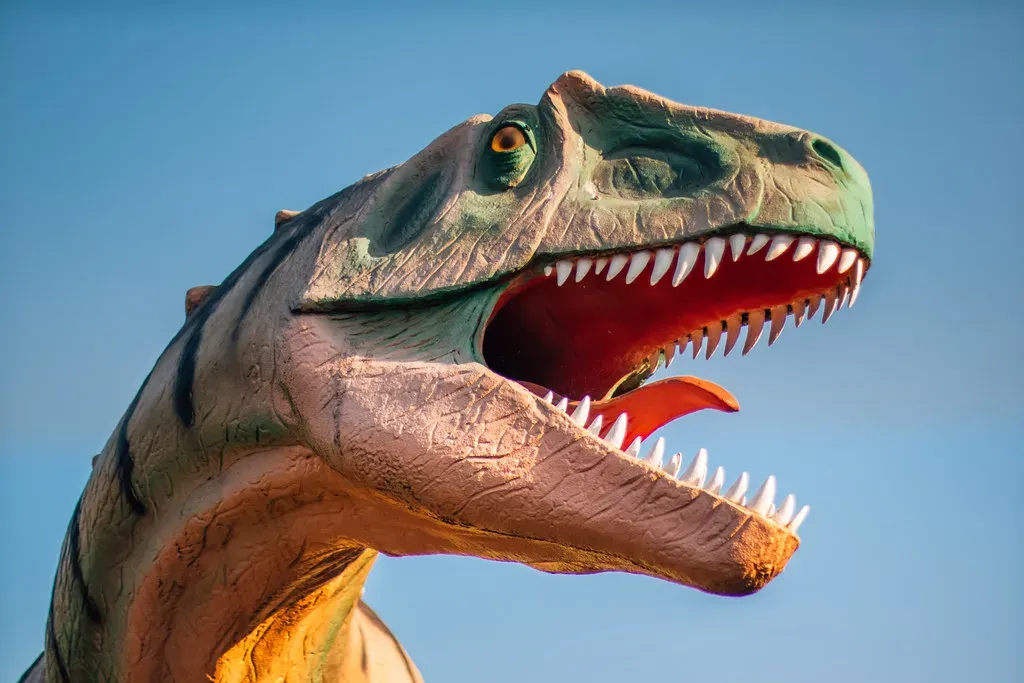
Around 130 million years ago, the ocean’s most dominant hunters held far more power than any marine predator alive today, with some sea creatures sitting at the very top of an extraordinarily complex food chain. What drove this incredible diversity and dominance? The Mesozoic saw dramatic environmental changes, including rising sea levels, warmer global temperatures, and continental drift that created new habitats and isolated populations.
These changes fueled an increase in marine biodiversity known as the Mesozoic Marine Revolution, driving an evolutionary arms race between predators and prey. On land, similar dynamics played out as ecosystems recovered from the devastating end-Permian extinction. The predators of this era weren’t just big – they were innovative, developing specialized hunting strategies, aquatic adaptations, pack behavior, and even intelligence that would eventually lead to modern birds. These weren’t primitive monsters lumbering through prehistoric swamps. They were sophisticated killing machines perfectly adapted to their environments.
Conclusion
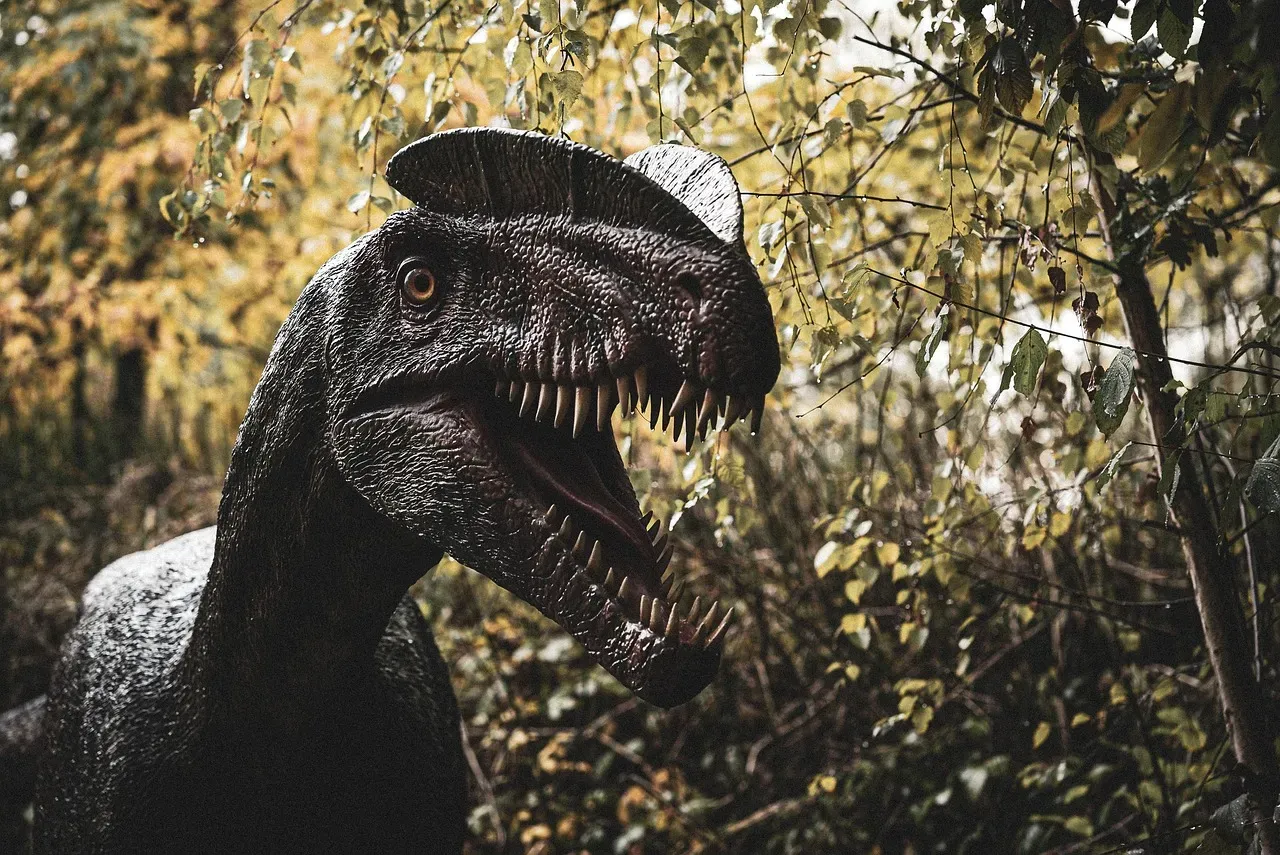
The Mesozoic Era’s predators continue to fascinate and surprise us, even after millions of years buried in rock. From the still-debated aquatic lifestyle of Spinosaurus to the ocean super-predators that dominated food chains in ways we no longer see today, these ancient hunters push the boundaries of what we thought possible in prehistoric life. Each new fossil discovery rewrites chapters of their story, revealing creatures even stranger and more specialized than we imagined.
What’s truly remarkable is how much remains unknown. Scientists are still arguing about basic questions like how Spinosaurus hunted or whether certain species existed at all. The Mesozoic predators weren’t just big and scary – they were complex, diverse, and perfectly adapted to worlds we can barely imagine. What other secrets lie waiting in the fossil record? Which predator will be the next to have its entire story rewritten?