Washington, D.C. – U.S. Secretary of Agriculture Brooke L. Rollins announced a sweeping $100 million funding effort to bolster defenses against the new world screwworm, a parasitic pest inching closer to American borders.
A Resurgent Threat to Animal Health
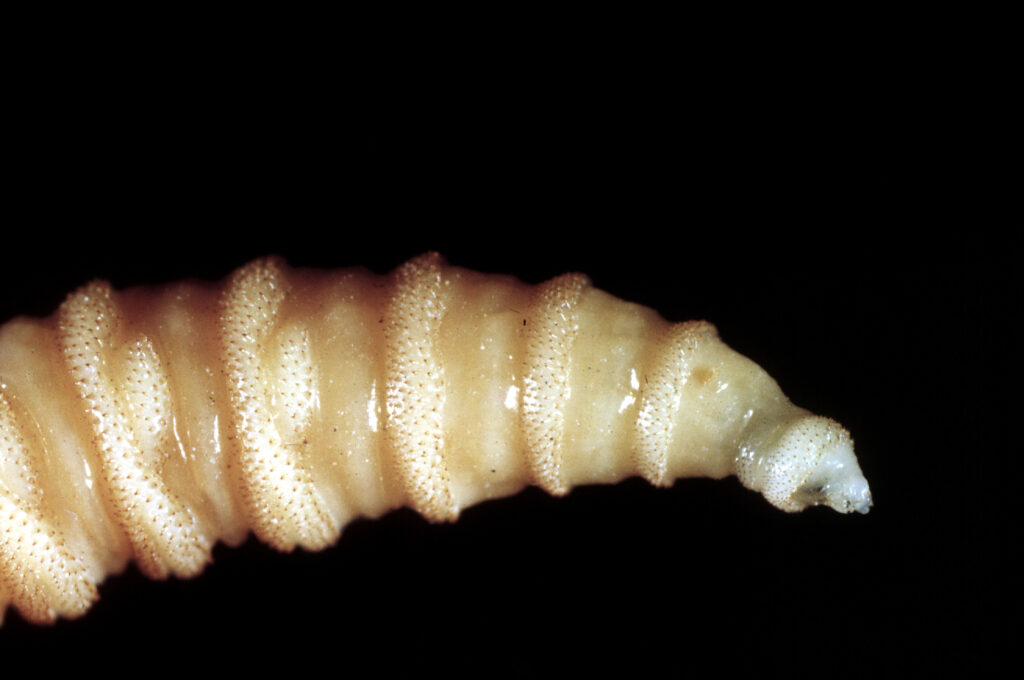
USDA Launches $100 Million Grand Challenge to Halt Screwworm Spread (Image Credits: Wikimedia)
Officials eradicated the new world screwworm from the United States decades ago, but the fly has reemerged in parts of South America and advanced northward through Central America and Mexico. The larvae burrow into wounds of warm-blooded animals, causing severe tissue damage that often proves fatal without intervention. Livestock producers face the most immediate risks, yet the pest threatens broader animal populations as well.
Cases now appear within 70 miles of the Texas border, prompting heightened vigilance along the U.S.-Mexico frontier. Surveillance teams conduct intensive monitoring, while import restrictions on live cattle from Mexico aim to curb potential transmission. The situation underscores the urgency of renewed action to protect agriculture and ecosystems.
Details of the Funding Push
The New World Screwworm Grand Challenge, administered by USDA’s Animal and Plant Health Inspection Service, opened applications on January 21, 2026.[1] Proposals must align with priorities that advance prevention and response capabilities. Eligible entities, including researchers and innovators, have until February 23, 2026, at 11:59 p.m. ET, to submit via the NWS Grand Challenge webpage, ezFedGrants, or Grants.gov (search USDA-APHIS-10025-OA000000-26-0001).
Secretary Rollins emphasized the initiative’s role in national security. “This is a strategic investment in America’s farmers and ranchers,” she stated, highlighting its potential to safeguard food supplies and rebuild cattle herds. Registration in the System for Award Management remains required for applicants.
Targeted Areas for Innovation
Funding targets four core objectives to accelerate breakthroughs. The program seeks scalable solutions grounded in science and collaboration.
- Enhance production of sterile new world screwworm flies, building on the sterile insect technique that proved successful in past eradications.
- Develop advanced traps and lures to improve detection and control.
- Advance therapeutics and treatments that prevent, treat, or manage infestations in animals.
- Create additional tools for emergency preparedness and rapid response.
These efforts complement ongoing sterile fly production ramp-ups, aiming for 500 million flies weekly – the volume used in the 1960s eradication.
Integrated National Response
The grand challenge forms one pillar of a five-pronged federal strategy coordinated by a new Screwworm Directorate within APHIS. Partnerships span agencies like the Centers for Disease Control and Prevention and the Department of the Interior, alongside state, tribal, and industry stakeholders. Joint projects with Mexico include a sterile fly facility now 50% complete, set to add 100 million flies weekly.
Border teams enforce strict protocols, while resources at screwworm.gov provide updates and alerts. This unified approach prioritizes public health, economic stability, and environmental protection.
USDA’s commitment signals determination to keep the screwworm at bay, preserving livelihoods and biodiversity alike. The true test lies in the innovations that emerge – what role will they play in securing the nation’s future?
What do you think about these efforts? Tell us in the comments.
Key Takeaways
- Up to $100 million available for screwworm-fighting projects through February 23.
- Focus on sterile flies, traps, treatments, and response tools.
- Part of a multi-agency plan to defend U.S. borders and animal health.