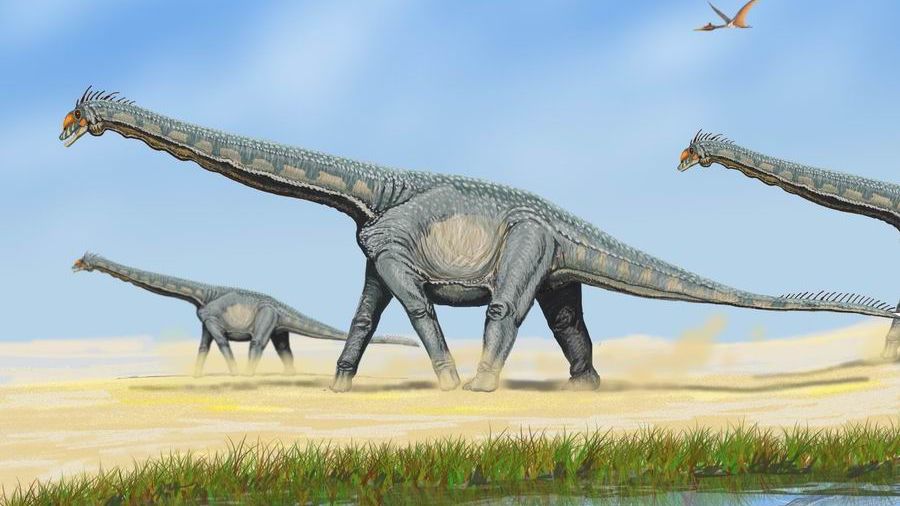
Picture the ancient Jurassic world as if it were the Serengeti but turned up to an almost unimaginable scale. Giant creatures stretching the length of a city bus, moving in synchronized groups across floodplains and highland forests, consuming vegetation by the ton and reshaping entire landscapes just by existing. It sounds like science fiction. It absolutely was not.
You might already know dinosaurs were big. You probably know some were fast, or armored, or terrifying. However, what often gets overlooked is just how deeply their social lives, their herds, their migrations, and their sheer collective weight left permanent marks on ancient Earth. The story of dinosaur herds is far richer, far more surprising, and far more relevant than most people give it credit for. Let’s dive in.
The Shocking Age of the First Dinosaur Herds
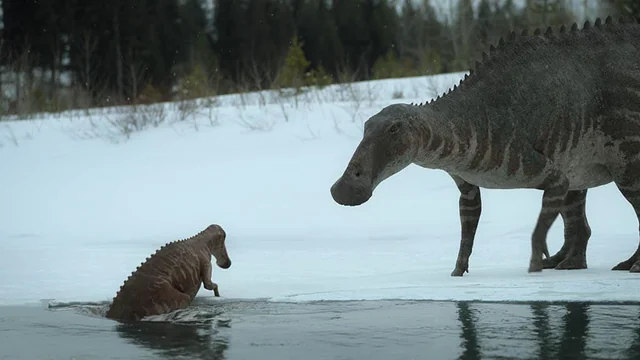
Here’s something that genuinely stopped scientists in their tracks: dinosaur herding behavior goes back far, far further than most experts ever imagined. Researchers believe they have found the earliest evidence for complex herd behavior in dinosaurs, with the species Mussaurus patagonicus potentially having lived in herds as early as 193 million years ago, a staggering 40 million years earlier than any other records of dinosaur herding. Think about that for a moment. Forty million years is not a small rounding error. That is longer than humans have even existed as a species, times about twenty.
In Argentina’s Patagonia region, scientists unearthed an entire community of fossilized dinosaurs with more than 100 eggs and 80 skeletons of Mussaurus patagonicus, a long-necked herbivore. Most of the eggs were arranged into clusters of between eight and 30 eggs, and X-ray imaging of five of these clusters revealed that the eggs contained embryos arranged in two to three layers within trenches, suggesting these were active nests in a dedicated breeding ground. You are not looking at an accident of nature here. You are looking at a community that lived, nested, and died together.
How Scientists Actually Prove Dinosaurs Lived in Herds
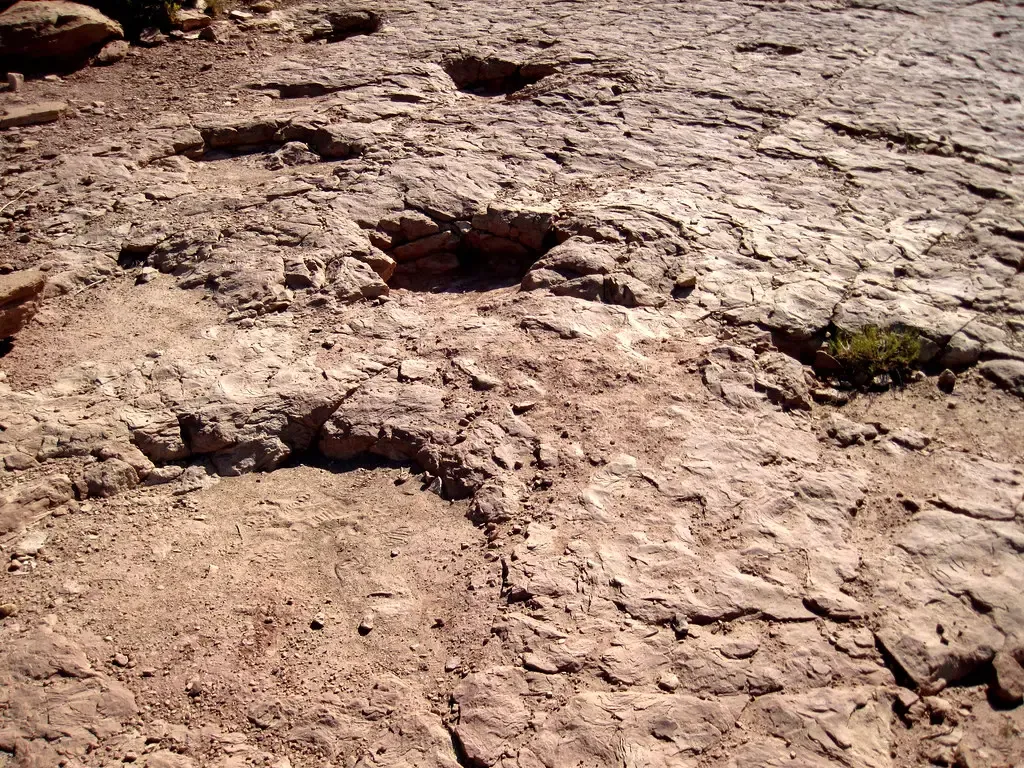
Honestly, proving social behavior from bones millions of years old is trickier than it sounds. You can’t just find two skeletons near each other and call it a herd. Inferring this kind of social behavior from the fossil record is genuinely tricky, but trace fossils such as track sites can help, and preserved footprints for some dinosaurs have shown signs of multi-generational herds. Skeletal evidence can also hint at social behavior if paleontologists find groups of skeletons buried all at once.
These rare occurrences of multiple skeletal remains have repeatedly been reinforced by dinosaur footprints as evidence of herding. Trackways were first noted by Roland T. Bird in the early 1940s along the Paluxy riverbed in central Texas, where enormous sauropod footsteps were preserved in limestone of the Early Cretaceous. Because the tracks are nearly parallel and all progress in the same direction, Bird concluded that they all headed toward a common objective and suggested the sauropod trackmakers passed in a single herd. It is the kind of evidence that makes you stop and picture an ancient landscape thundering underfoot.
Age Segregation Within the Herd: A Surprising Social Structure
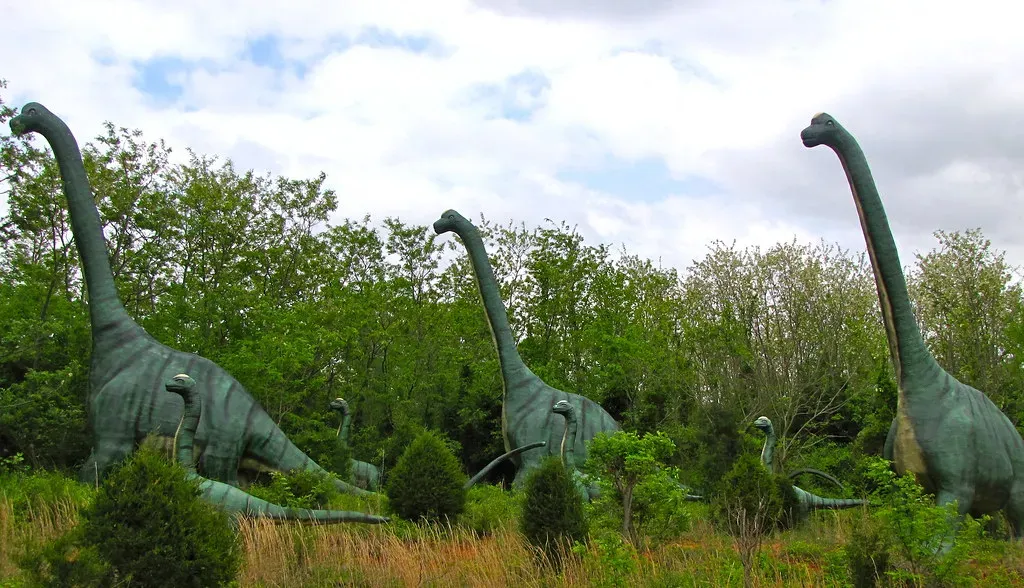
Let’s be real, most people imagine dinosaur herds as just a random mass of creatures moving together. The reality was far more nuanced. New discoveries indicate the presence of social cohesion throughout life and age-segregation within a herd structure, in addition to colonial nesting behavior, providing the earliest evidence of complex social behavior in Dinosauria, predating previous records by at least 40 million years. Younger animals were not just tagging along. They had their own organized place within the group.
Scientists suggest that the presence of age-specific clusters of individuals in the same location indicates that Mussaurus patagonicus lived in herds throughout their lives but primarily associated with others of their own age within those herds. The young dinosaurs stayed close to each other while the adults protected the herd and foraged for food. Think of it like a traveling community, complete with its own internal order, almost like a school or a neighborhood block, just 193 million years before those concepts existed.
When Dinosaur Herds Mixed Species
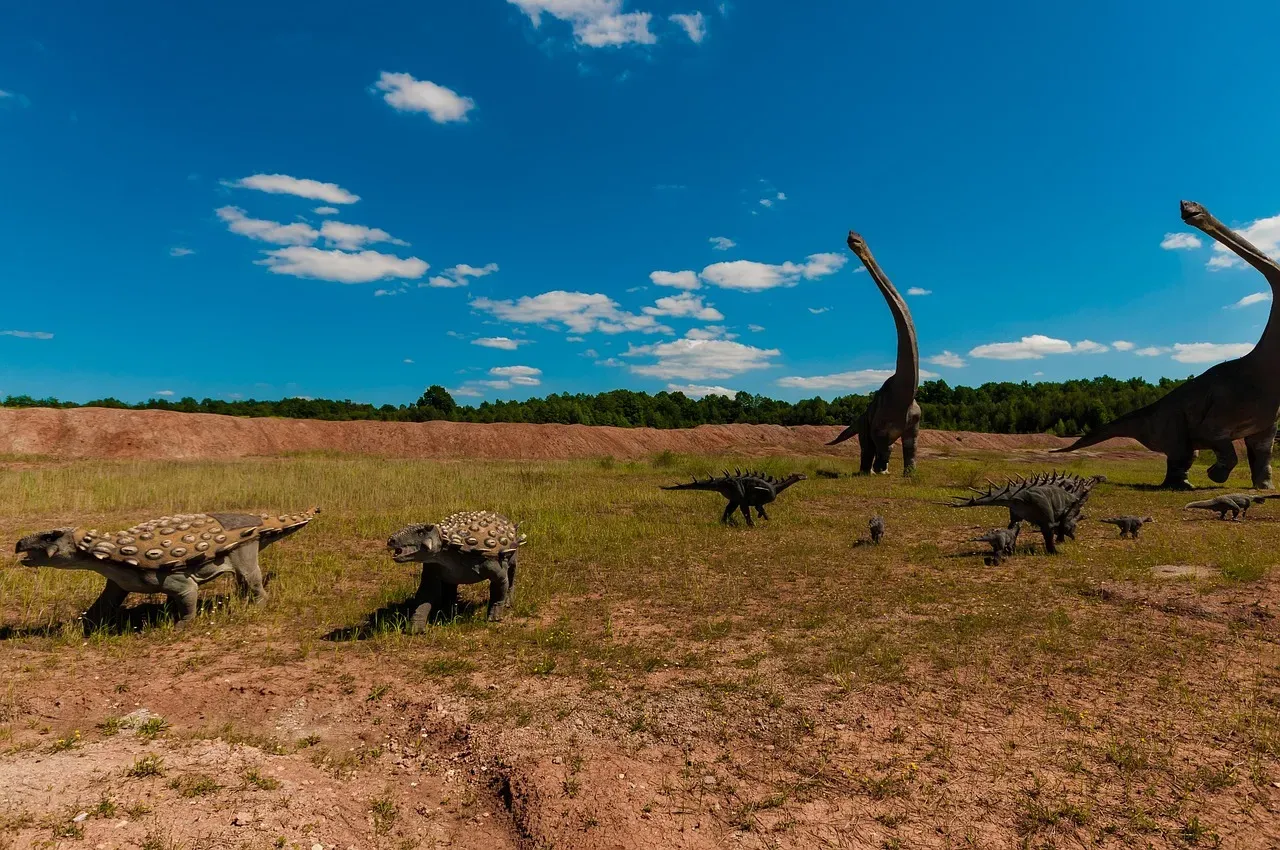
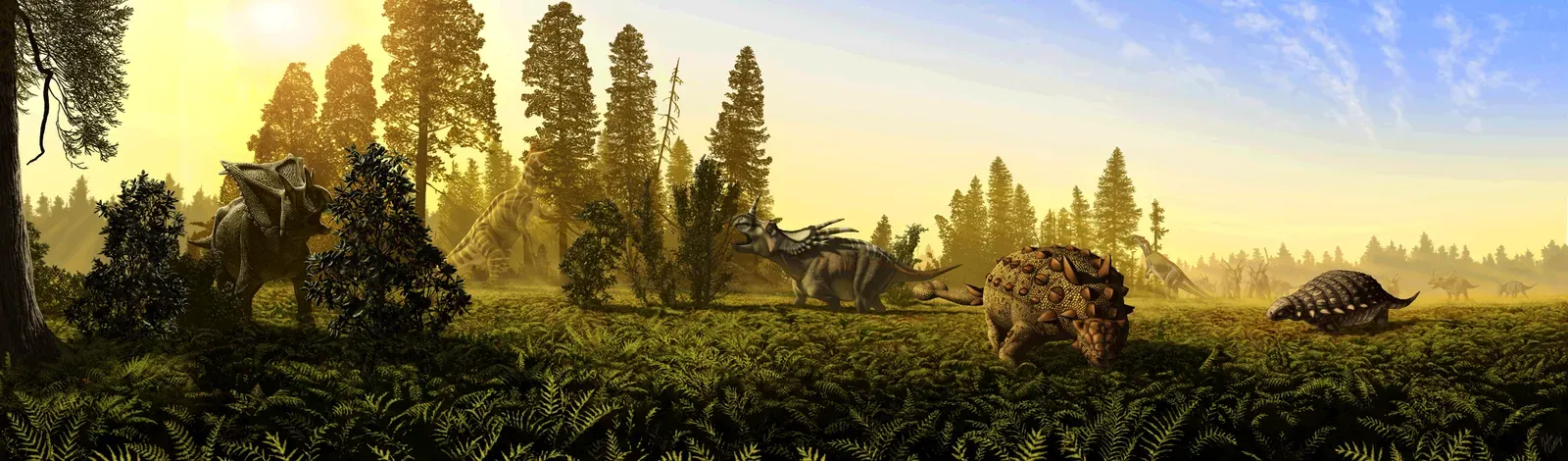
If age-segregated herds seem complex, brace yourself. Paleontology just delivered an even more astonishing discovery. Footprints of a multispecies herd of dinosaurs discovered in Canada demonstrate the social interaction between different dinosaur species 76 million years ago, according to findings published in the journal PLOS One. You read that correctly. Different species, traveling together. It mirrors the kind of mixed-species movement you see today on the African savanna with zebras and wildebeest.
At the site, paleontologists unearthed 13 ceratopsian tracks from at least five animals walking side by side, with a probable ankylosaurid walking in the midst of the others. They were also surprised to find the tracks of two large tyrannosaurs walking side-by-side and perpendicular to the herd, raising the prospect that the multispecies herding may have been a defence strategy against common apex predators. Two massive predators circling the group while different prey species banded together for safety. It is hard to say for sure, but this paints a dramatic, almost cinematic picture of ancient life.
The Grand Migrations: Hundreds of Miles on the Move
![The Grand Migrations: Hundreds of Miles on the Move (Own work[1], CC BY-SA 4.0)](https://nvmwebsites-budwg5g9avh3epea.z03.azurefd.net/dinoworld/0d09bd0b15ae18a3e4d465fa835bc765.webp)
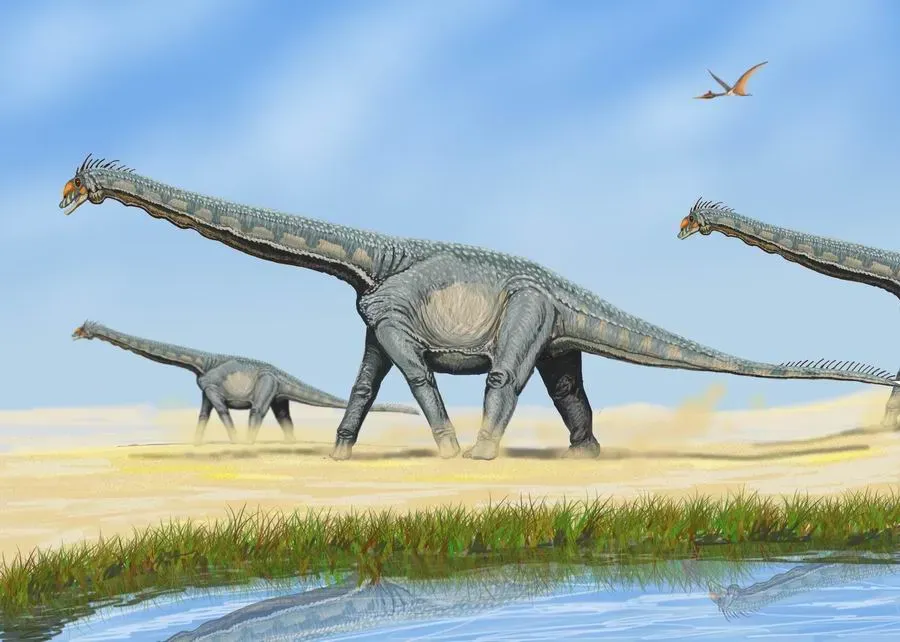
Herding was not just about staying together in one place. Some of these animals were covering extraordinary distances. A fossil teeth analysis has uncovered compelling evidence that dinosaurs migrated seasonally like modern-day birds or elephants. Chemical signals in prehistoric tooth enamel reveal that Camarasaurus dinosaurs walked hundreds of miles on marathon migrations in late Jurassic North America, responding to shifts in food and water availability, likely trudging from floodplain lowlands to distant uplands as the seasons changed.
Certain populations of these animals did in fact undertake seasonal migrations of several hundred kilometres from lowland to upland environments, and this ability to describe patterns of sauropod movement helps to elucidate the role that migration played in the ecology and evolution of gigantism of these and associated dinosaurs. Massive dinosaur trackways discovered in places like Wyoming, Colorado, and Australia suggest coordinated group movement over considerable distances, providing tangible evidence of dinosaur herds on the move across ancient landscapes. The scale of these journeys is honestly humbling.
How Herding Shaped the Land Itself
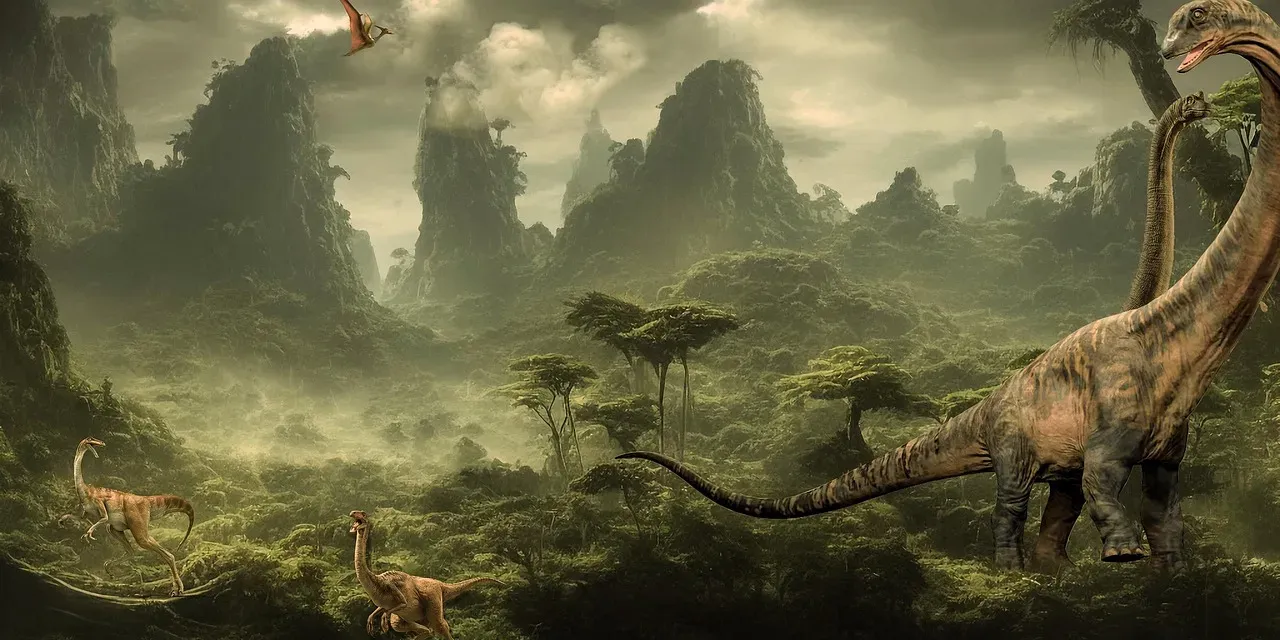
Here is where things get truly profound. When millions of tons of herbivores move across a landscape season after season, you are not just watching animals travel. You are watching geology happen in slow motion. The existence of so many trackways suggests the presence of great populations of sauropods, prosauropods, ornithopods, and probably most other kinds of dinosaurs. The majority were herbivores, and many of them were huge, weighing several tons or more. The impact of such large herds on the plant life of the time must have been immense, suggesting constant migration in search of food.
Herbivore dinosaurs employed several defense mechanisms, including living in herds to deter predators, and they played a crucial role in maintaining the balance of the ecosystem by consuming plants and spreading seeds through their droppings. Specific species groups, such as sauropods, ate thousands of pounds of plants each day. You can imagine whole forests being leveled, clearings being created, and seed distribution happening on a continental scale. These animals were not just living in ecosystems. They were actively building and rebuilding them.
The Ancient Plant World That Fueled the Herds
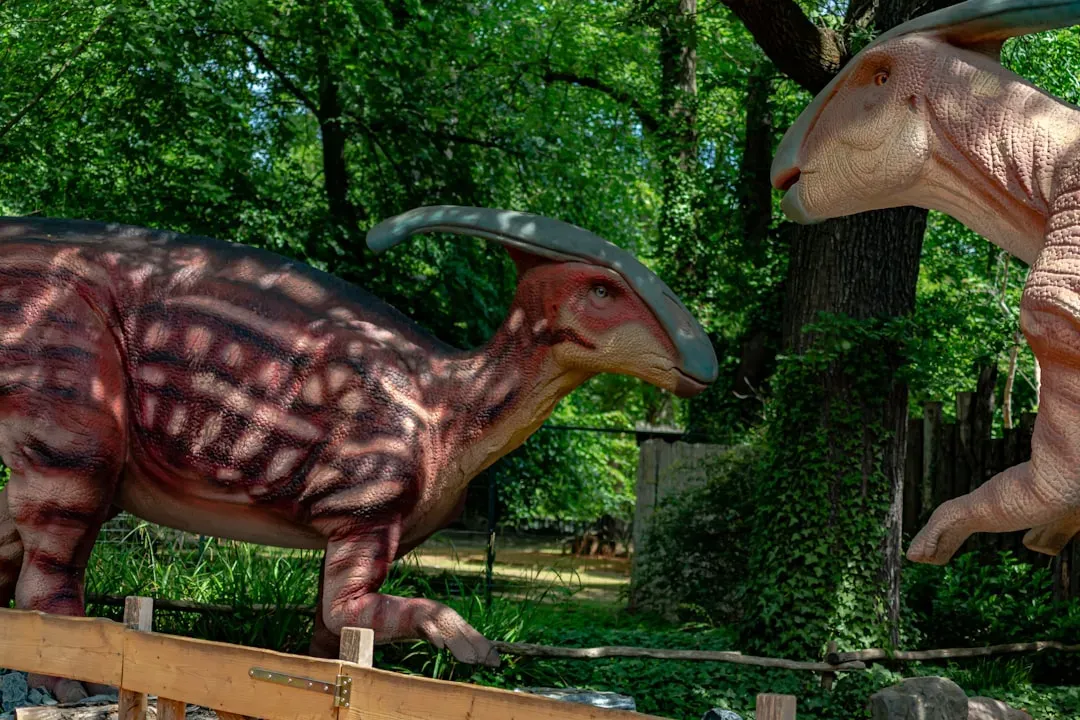
You cannot fully understand dinosaur herds without understanding what they were eating. The Mesozoic was no ordinary garden. During the Triassic and Jurassic periods, non-flowering plants dominated terrestrial landscapes. Conifers were widespread, with families like Araucariaceae and Podocarpaceae forming extensive forests, often with scale-like or needle-like leaves and cone-based reproduction. Cycads, with their stout unbranched trunks and large palm-like leaves, were another prominent group. It was a world of tough, dense vegetation built to survive, and yet vast herds of multi-ton animals consumed it relentlessly.
By the end of the Jurassic Era, large herds of herbivorous dinosaurs dominated the landscape as the flourishing flora allowed large plant-eating dinosaurs to thrive. The Mesozoic world had different environmental conditions, including warmer temperatures and higher carbon dioxide levels, which made plants more productive and generated more food energy to support more animals. Dinosaurs might also have had somewhat lower metabolic rates than similarly sized mammals, meaning they needed less food to survive. The system was a finely tuned engine of life, and herds were the pistons driving the whole thing.
Why Herding May Have Decided Who Survived and Who Didn’t
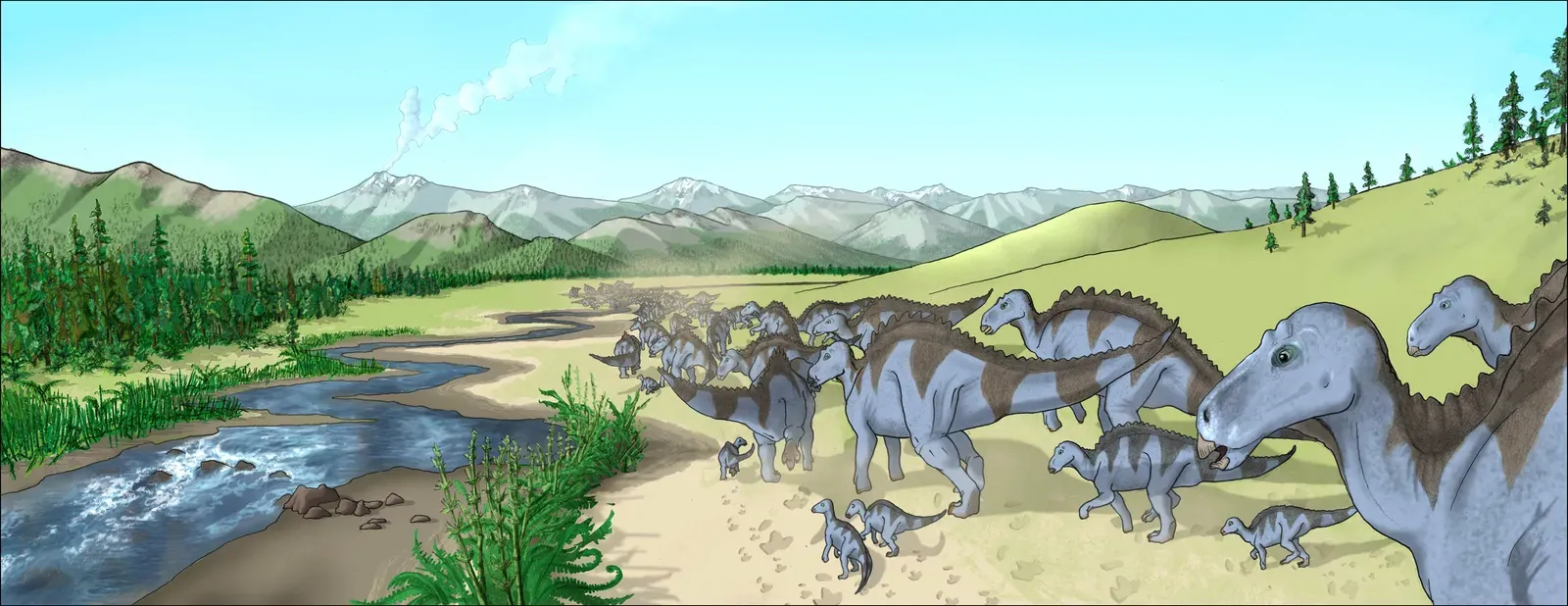
Honestly, this might be the most mind-blowing angle of all. Herding was not simply a nice social habit. For some lineages of dinosaurs, it may have been the single most critical reason they survived where other animals perished. Living in herds may have given Mussaurus and other social sauropodomorphs an evolutionary advantage. These early dinosaurs originated in the late Triassic, shortly before an extinction event wiped out many other animals. For whatever reason, sauropodomorphs held on and eventually dominated the terrestrial ecosystem in the early Jurassic.
Living in herds could have given Mussaurus a leg up in the evolutionary game. Mussaurus patagonicus laid eggs that could fit in the palm of a hand, and the hatchling would grow into a ten-foot-tall adult. Herding behavior could have protected the tiny hatchlings from predation until they grew up. Living in herds might also have allowed this species to collectively find more food to fuel their large bodies. When you think about it, the herd was essentially a survival machine. Safety for the young, group food-finding intelligence for the adults, and collective deterrence against predators. Nature, as always, found an elegant solution.
Conclusion: An Ancient Lesson Written in Stone
The story of dinosaur herds is one of the most compelling chapters in all of natural history, and we are still only beginning to read it. You now know that herding was happening almost 200 million years ago. You know that different species traveled together. You know that these groups migrated hundreds of miles, shaped landscapes, and may well have determined which lineages survived mass extinction. The fossils are not just old bones. They are frozen moments from a living, breathing, socially organized world.
What makes all of this even more remarkable is how much of it has only been confirmed in recent years, with each new discovery pushing back the timeline and expanding our understanding. Researchers believe that dinosaur ecosystem diversity might take forms scientists currently don’t recognize, and there are plans to continue exploring patterns within the framework of functional diversity across different dinosaur life stages to better understand the world they lived in. The rocks still hold secrets. Each new trackway, each preserved eggshell, each fossilized tooth is another sentence in a story billions of years in the making.
Knowing all of this, does it change how you picture these ancient creatures moving across the land? Drop your thoughts in the comments below.