American Samoa – Giant clams anchor coral reef ecosystems and Samoan cultural traditions, yet new research reveals their strongest populations thrive under local village oversight rather than U.S. federal marine protected areas. Scientists analyzed survey data spanning three decades across six islands, uncovering stable densities despite global declines. Traditional practices like fa‘asao fishery closures emerged as key to this success, offering lessons for broader conservation efforts in the Pacific.
Stable Populations Defy Global Trends
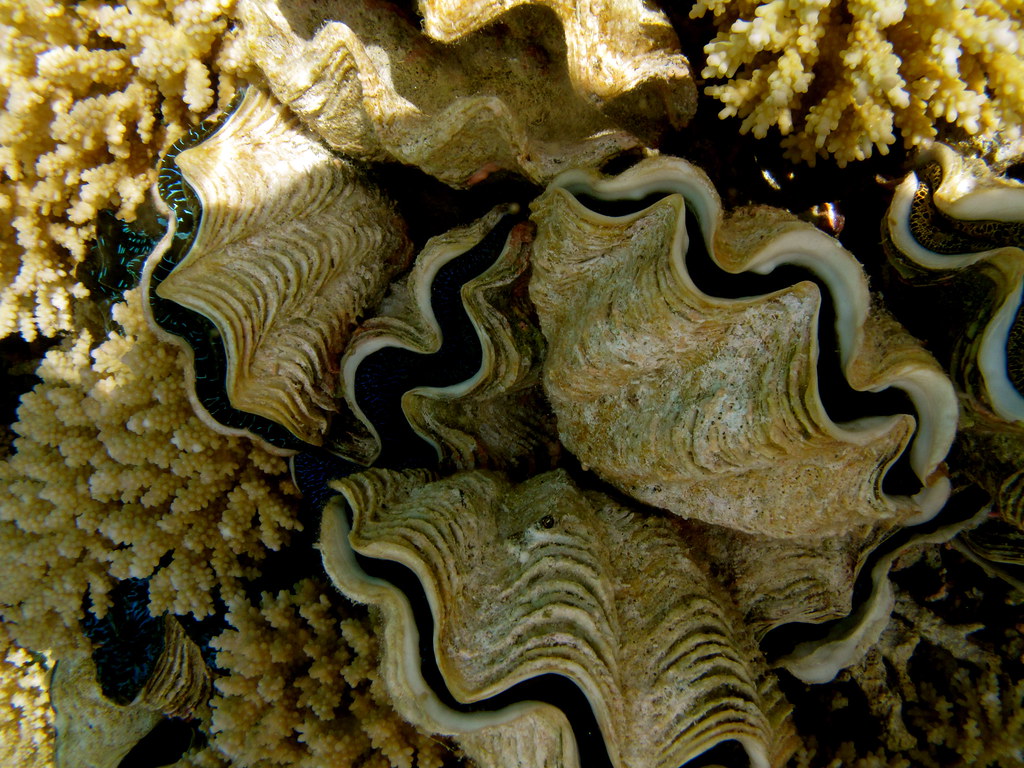
Stable Populations Defy Global Trends (Image Credits: Flickr)
Researchers documented remarkably consistent giant clam numbers over 30 years, even as species worldwide face steep drops from overharvesting and climate pressures. Surveys from 1994/95, 2002, 2018, and 2022-2024 covered Tutuila, Aunuʻu, Ofu, Olosega, Taʻū, and Muliāva, using standardized belt transects at 10-meter depths. Densities reached highs of 1,166 clams per hectare on remote Muliāva and 812 per hectare on Taʻū, while populated Tutuila averaged just 83.5 per hectare recently.
Tridacna maxima dominated at 96.7% of sightings, with rarer T. squamosa and T. noae appearing mostly in village-managed zones. Size distributions favored larger, mature individuals in protected spots, signaling healthy reproduction. Lead author Paolo Marra-Biggs noted the surprise: “Despite the global decline of giant clams, we found that some areas in American Samoa still supported strong populations, especially where harvest pressure was low or where communities actively managed their reefs.”
Roots in Fa‘a Sāmoa
Giant clams, known as faisua, form a delicacy in fa‘a Sāmoa, fueling subsistence diets, ceremonies, and communal feasts. Villages enforce fa‘asao closures through consensus among matai chiefs, tailoring restrictions on species, gear, and timelines under the Community-based Fisheries Management Program (CBFMP). This co-management with the Department of Marine and Wildlife Resources blends ancestral knowledge with modern oversight.
Dimary Ulberg, CBFMP program manager, highlighted the cultural fit: “Village-based closures often reflect the community’s collective values, traditional leadership aligned with subsistence priorities and cultural values.” Compliance stems from internalized respect, fostering sustained stewardship. Such approaches integrate into American Samoa code, prioritizing local conservation.
Village Closures vs. Federal No-Take Zones
On Tutuila, where 98% of residents live, management types yielded clear differences. Statistical analyses confirmed protection status significantly influenced densities and sizes, with village and remote sites leading.
| Management Type | Mean Density (clams/ha) | Mean Size (cm) |
|---|---|---|
| Village Closures | 90 | 17 |
| Subsistence/Remote | 207 | Larger |
| Open Access | 119 | Variable |
| Federal No-Take | 100 (lowest on Tutuila) | 11.2 |
Remote inaccessible areas topped charts at 461 per hectare overall. Federal zones lagged, possibly due to enforcement challenges amid limited resources. Village systems, rooted in customary tenure, proved more effective.
- Tutuila showed gains from 14.1 per hectare in 1994/95 to 83.5 recently, but variation persisted.
- Remote islands like Taʻū held mature clams at 281 per hectare.
- Muliāva pinnacles boasted 1,166 per hectare via snorkel surveys.
- Cryptic species thrived only under village watch.
- No significant time decline across the territory.
Enduring Challenges Ahead
Overharvesting targets large breeders, pollution clouds waters, and warming stresses symbionts, much like corals. Land runoff boosts turbidity, blocking sunlight for photosynthesis. Proposed NOAA Endangered Species Act listings could impose trade bans, clashing with local needs.
Chief fisheries biologist Domingo Galgo Ochavillo stressed collaboration: “A partnership between communities and the government, aligned with community values and practices, is important.” Authors urge training, monitoring, and community engagement to bolster persistence. Deep-sea mining proposals add urgency for balanced strategies.
Key Takeaways
- Village fa‘asao closures sustain higher densities and bigger clams than federal zones.
- Populations remain stable over decades, highest in remote and stewarded areas.
- Cultural management integrates tradition with science for effective conservation.
American Samoa’s experience underscores the power of Indigenous-led efforts in marine protection. Empowering villages not only preserves giant clams but honors fa‘a Sāmoa. What role should local traditions play in global conservation? Share your thoughts in the comments.