Marine heatwaves have triggered the most extensive coral bleaching event on record, turning vibrant underwater ecosystems ghostly white across vast ocean basins.
The Delicate Symbiosis Disrupted
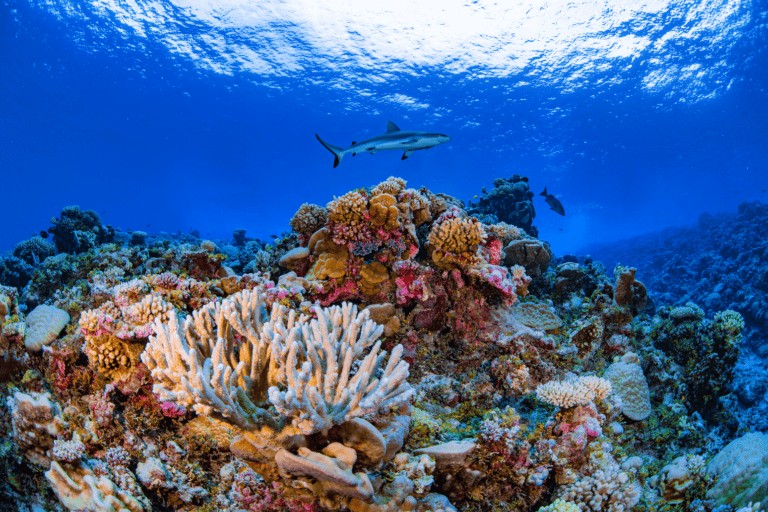
The Delicate Symbiosis Disrupted (Image Credits: Imgs.mongabay.com)
Coral polyps form the foundation of reefs, tiny animals that rely on symbiotic algae known as zooxanthellae for survival. These microscopic algae live within the coral tissues and perform photosynthesis, converting sunlight into energy that supplies up to 90 percent of the coral’s needs. The partnership gives reefs their brilliant colors and remarkable productivity.
When ocean temperatures rise just 1 to 2 degrees Celsius above seasonal norms for several weeks, stress mounts. The algae produce toxic oxygen radicals, prompting the coral to expel them in a survival response. Without their energy source, corals reveal their white calcium carbonate skeletons, appearing bleached but initially alive. Prolonged heat leads to starvation, disease, and death if conditions do not improve quickly.
Scale of the Fourth Global Bleaching Onslaught
Scientists confirmed the fourth global coral bleaching event in 2024, spanning from early 2023 through at least April 2024 and continuing into subsequent years. This crisis affected all major ocean basins, with bleaching-level heat stress impacting 84 percent of the world’s reefs across 82 countries and territories. NOAA’s monitoring revealed extreme stress levels in regions marked by accumulated degree heating weeks.
Australia’s Great Barrier Reef endured its fifth mass bleaching in 2024 and a sixth in 2025, part of eight events in two decades. Other hotspots included Florida, the Caribbean, the Red Sea, and the Coral Triangle in Indonesia and the Philippines. These repeated assaults outpaced previous episodes like the 2014-2017 event, which struck over half of global reefs.
- 2025: Sixth event on Great Barrier Reef, coinciding with Ningaloo Reef.
- 2024: Fifth event amid record global heat and El Niño.
- 2023: Onset of fourth global event, hitting northern and southern hemispheres.
- 2022: Widespread despite La Niña cooling influence.
Ecosystems and Economies in Peril
Bleached reefs slow growth, curb reproduction, and heighten disease risks, shifting communities toward heat-tolerant but less complex species. Ocean acidification compounds damage by hindering skeleton formation, while stronger storms and pollution accelerate erosion. Caribbean reefs could transition from building to dissolving within decades.
These changes threaten biodiversity hotspots that shelter a quarter of marine species despite covering less than 1 percent of the ocean floor. Coastal communities lose fisheries, tourism revenue estimated at $375 billion annually, and natural barriers against waves and storms.
| Healthy Reef | Bleached Reef |
|---|---|
| Vibrant colors from algae | White skeletons exposed |
| High productivity, diverse life | Energy-starved, disease-prone |
| Strong coastal protection | Increased erosion risk |
Building Resilience Against the Tide
Conservation targets local threats to boost recovery: marine protected areas safeguard herbivores that control algae, while pollution controls curb runoff. Restoration efforts transplant fragments and test interventions like heat-tolerant strains or microbiome enhancements.
Early warning systems from NOAA track heat stress, enabling timely responses. Global emissions cuts remain essential, as reefs adapt unevenly but require cooler waters for long-term survival.
- Ocean warming disrupts vital coral-algae symbiosis, causing expulsion and bleaching.
- Fourth global event since 2023 hit 84% of reefs, with ongoing risks in 2026.
- Local actions aid resilience, but curbing climate change offers the best hope.
Reefs will not vanish entirely, yet their transformation demands urgent action to preserve ecological roles and human benefits. What steps will you take to support ocean health? Share in the comments.