
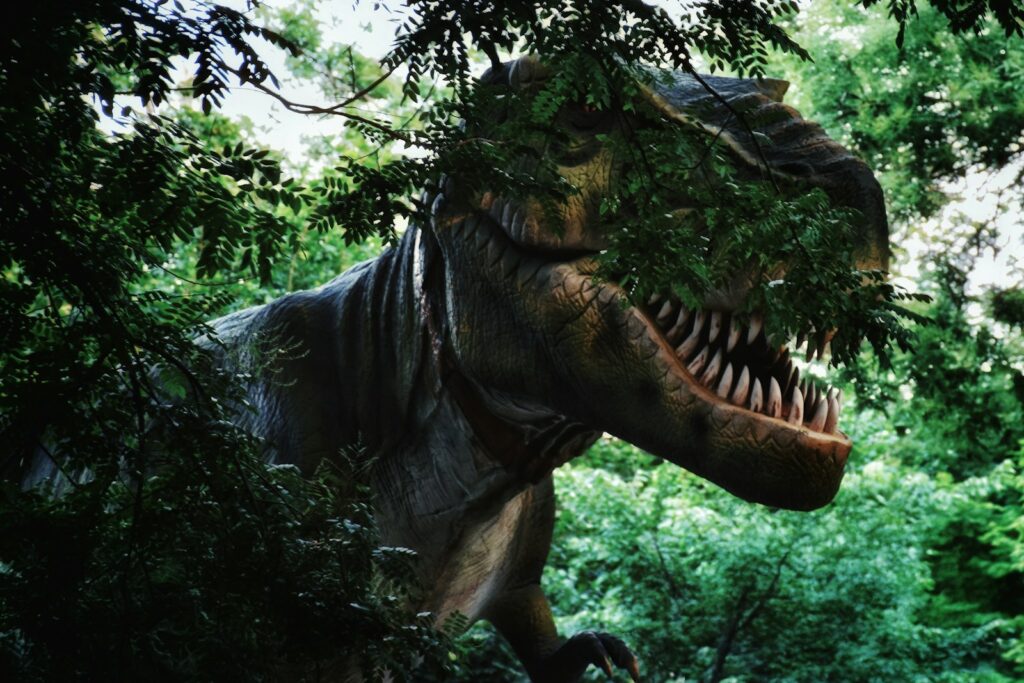
For decades, scientists have been fascinated by the cognitive capabilities of dinosaurs, those magnificent creatures that ruled our planet for over 160 million years. The question of dinosaur intelligence, particularly whether there was a significant increase in cognitive capabilities in the late Cretaceous period before the mass extinction event 66 million years ago, has sparked debate among paleontologists and evolutionary biologists. Recent fossil discoveries and comparative studies with modern birds—the living descendants of theropod dinosaurs—have provided intriguing insights into this possibility. This article explores the evidence for and against a potential “intelligence boom” among dinosaurs in their final evolutionary chapter, examining brain anatomy, behavior, and adaptations that might indicate enhanced cognitive processes.
The Evolution of Dinosaur Brains
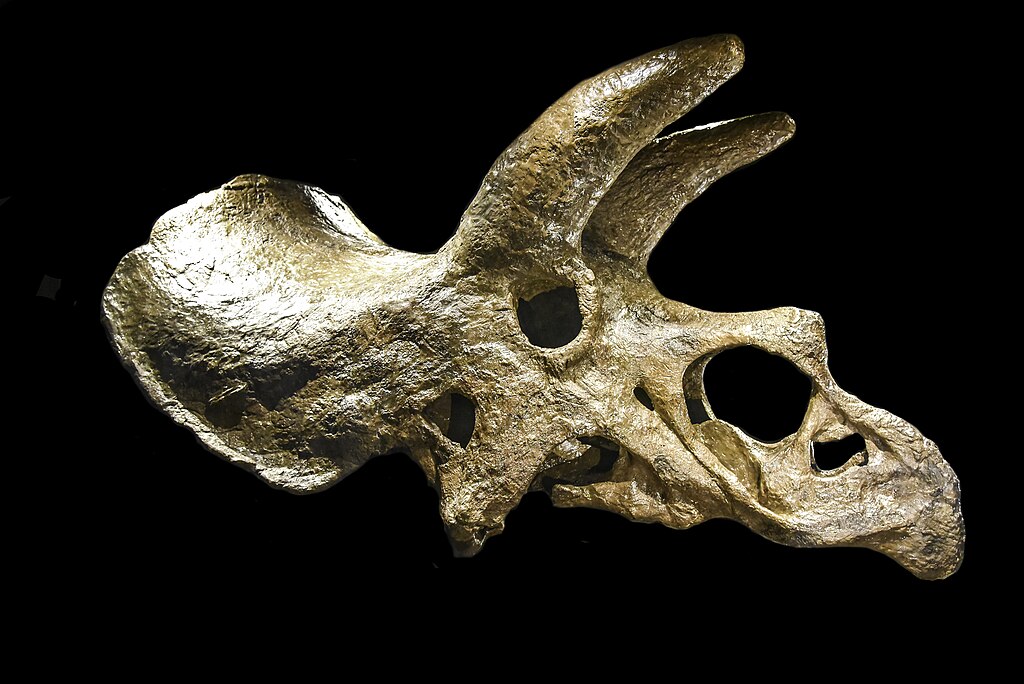
Understanding dinosaur intelligence begins with examining their brain structures through endocasts—impressions of brain cavities in fossilized skulls. Over their 165-million-year reign, dinosaur brains underwent significant evolutionary changes. Early dinosaurs from the Triassic period had relatively simple brain structures with limited processing power, similar to modern reptiles. However, by the late Cretaceous period, certain lineages—particularly theropods like Tyrannosaurus rex and dromaeosaurs (raptor family)—had developed considerably larger brain-to-body ratios. Paleontologists measure this using the Encephalization Quotient (EQ), which compares brain size to what would be expected for an animal of a particular body size. The increasing EQ values observed in later dinosaur species suggest a trajectory toward enhanced neural complexity, particularly in areas associated with sensory processing, motor control, and potentially higher cognitive functions.
Troodontids: The Brainiest Dinosaurs

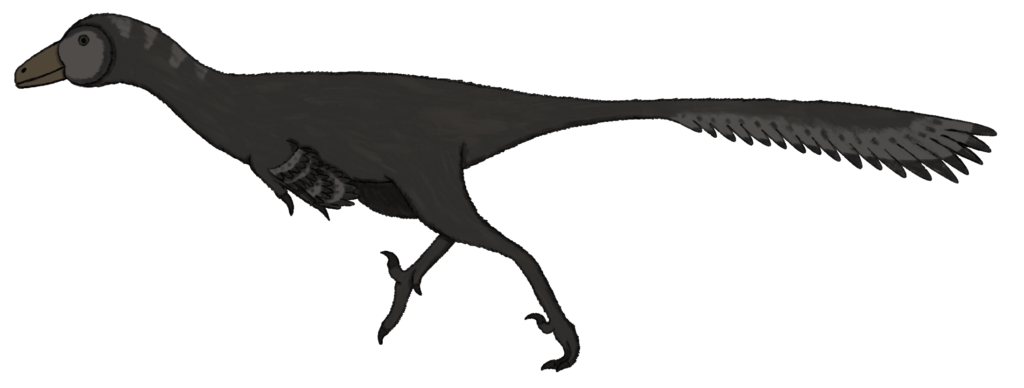
Among all dinosaur groups, the troodontids stand out as potentially the most intelligent. These small, bird-like theropods that lived during the late Cretaceous had remarkably large brains relative to their body size, with some species approaching the brain-to-body ratios seen in modern birds. Troodon formosus, for example, had an EQ estimated at around 5.8—significantly higher than most reptiles and approaching the lower range of modern birds. The cerebrum of Troodon was expanded, suggesting enhanced processing capabilities. Troodontids also possessed large optic lobes, indicating exceptional vision, possibly including night vision capabilities. These adaptations point to active, cognitively demanding lifestyles that would have benefited from increased intelligence. Some paleontologists have speculated that if dinosaurs hadn’t gone extinct, troodontids might have continued along an evolutionary path toward even greater intelligence.
The Cerebral Revolution in Maniraptoran Dinosaurs

Maniraptoran dinosaurs—the group including dromaeosaurs, troodontids, and avialans (bird ancestors)—show evidence of a cerebral revolution during the late Cretaceous period. Endocasts reveal that these dinosaurs experienced a substantial expansion of the cerebrum, the brain region associated with higher cognitive functions. This cerebral enlargement followed a pattern similar to what we see in the evolution of mammalian brains, albeit through different evolutionary pathways. The enlarged cerebrum would have enhanced sensory integration, memory, learning abilities, and possibly even rudimentary problem-solving skills. This neurological development coincided with other anatomical changes, such as more dexterous forelimbs in some species, creating a potential feedback loop where increased manual capabilities drove further cognitive development. This cerebral expansion, particularly pronounced in the last 20 million years before the extinction event, provides compelling evidence for an upward trend in dinosaur intelligence.
Social Complexity and Intelligence

Social behavior often drives cognitive evolution, as navigating complex social dynamics requires sophisticated mental processing. Evidence for increasingly complex social structures in late Cretaceous dinosaurs comes from multiple sources. Trackway evidence shows coordinated movement patterns in certain theropod species, suggesting pack hunting behaviors. Bone beds containing multiple individuals of the same species, such as those found for Deinonychus and certain hadrosaurs, indicate group living. Particularly compelling are the nesting colonies discovered for species like Maiasaura, which show evidence of communal nesting and possibly extended parental care. These social adaptations would have selected for enhanced communication, recognition of individuals, and understanding of social hierarchies—all cognitively demanding tasks. The apparent increase in social complexity observed in fossil evidence from the late Cretaceous period aligns with the neurological evidence for enhanced brain power, potentially representing a significant intelligence boom in dinosaur evolution.
The Bird Connection: Intelligence in Dinosaur Descendants

Birds, as the only surviving dinosaur lineage, provide crucial insights into dinosaur cognitive potential. Modern birds, particularly corvids (crows and ravens) and parrots, demonstrate remarkable intelligence, including tool use, problem-solving, self-recognition, and complex communication. These capabilities evolved from the neurological foundation established in their dinosaur ancestors. The avian brain, though structured differently from mammalian brains, achieves similar processing power through dense neuronal packing in the telencephalon. Fossil evidence shows that the neurological reorganization that enables this avian cognitive power began in non-avian theropod dinosaurs before the extinction event. Late Cretaceous dinosaurs were already developing the brain structures that would eventually support the impressive intelligence seen in modern birds. This evolutionary continuity strongly suggests that dinosaurs were on a trajectory toward increased intelligence before their extinction, with the cognitive revolution in birds representing the continuation of a process that began millions of years earlier in their dinosaur ancestors.
Environmental Pressures Driving Cognitive Evolution

The late Cretaceous period was characterized by significant environmental changes that may have selected for enhanced cognitive abilities. Global cooling trends, fluctuating sea levels, and changing plant communities created dynamic environments requiring greater behavioral flexibility. Dinosaurs faced increasing competition as ecosystems became more diverse and complex, with mammals beginning to occupy more ecological niches. Predator-prey relationships became more sophisticated, potentially driving an evolutionary “arms race” in cognitive abilities between predators needing more advanced hunting strategies and prey requiring better predator-avoidance tactics. Additionally, the diversification of flowering plants created new food resources that required different foraging strategies. These combined pressures likely selected for dinosaurs with greater learning capabilities, memory, and problem-solving skills. The challenging and changing late Cretaceous world may have been the perfect crucible for accelerated cognitive evolution in dinosaur lineages, supporting the concept of a pre-extinction intelligence boom.
Challenging the Intelligence Boom Theory

Not all paleontologists support the intelligence boom hypothesis, and there are legitimate scientific challenges to this interpretation. Critics point out that brain size alone isn’t a perfect predictor of intelligence, as neural organization matters as much as volume. Some argue that the apparent increases in brain-to-body ratios might be related to other factors, like enhanced sensory processing, rather than higher cognition. There’s also the challenge of sampling bias in the fossil record, as we have more complete specimens from the late Cretaceous than from earlier periods, potentially creating an illusion of evolutionary trends where none existed. Furthermore, many dinosaur lineages show little evidence of significant brain evolution; the potential intelligence boom appears limited primarily to certain theropod groups rather than representing a broad pattern across all dinosauria. These counterarguments remind us that while the evidence is tantalizing, the case for a widespread dinosaur intelligence boom remains incomplete and requires continued investigation.
Comparing Dinosaur Intelligence to Mammals
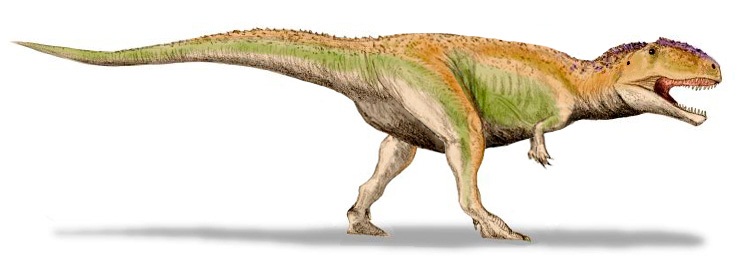
When discussing dinosaur intelligence, it’s illuminating to compare their cognitive evolution with that of mammals, who were their contemporaries but remained mostly small and inconspicuous until after the dinosaur extinction. Mammals evolved larger brains through different neurological pathways than dinosaurs, with the expansion of the neocortex being particularly important. Late Cretaceous dinosaurs, particularly maniraptorans, were likely cognitively comparable to contemporaneous mammals, with some species possibly exceeding them in certain cognitive domains. However, neither group had yet evolved the exceptional intelligence seen in later mammals like primates. The parallel cognitive evolution in these groups represents a fascinating example of convergent evolution, where similar selective pressures led to enhanced intelligence through different neurological mechanisms. While dinosaurs may have been experiencing an intelligence boom, it’s important to recognize that they were still early in their cognitive evolution compared to what would later develop in certain mammalian lineages after the dinosaurs’ extinction.
Technological Advances in Studying Dinosaur Brains
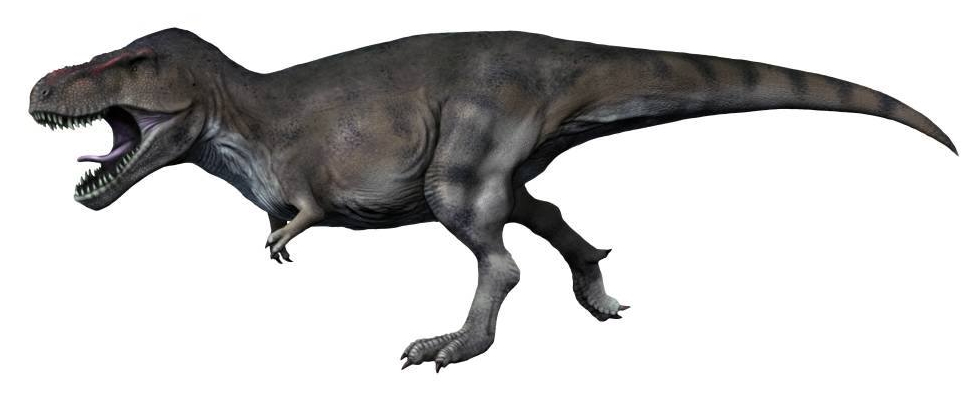
Recent technological innovations have revolutionized our understanding of dinosaur neuroanatomy, providing stronger evidence for the intelligence boom hypothesis. High-resolution CT scanning now allows paleontologists to create detailed three-dimensional models of dinosaur brain cavities without damaging precious fossils. These advanced imaging techniques reveal structures that were previously impossible to observe, such as the pathways of cranial nerves and the proportions of different brain regions. Computational neurobiology has enabled scientists to create models estimating neural capacity and processing power based on endocast morphology. Additionally, improved techniques for analyzing trace elements in fossils have provided insights into metabolic rates, which correlate with cognitive capacity in modern animals. The application of synchrotron radiation has even allowed detection of preserved neural tissues in exceptionally preserved specimens, though such discoveries remain extremely rare. These technological advances have transformed dinosaur neurology from speculation to a data-driven science, providing increasing support for significant cognitive developments in the late Cretaceous period.
Evidence from Behavioral Complexity
Fossilized evidence of complex behaviors provides additional support for enhanced intelligence in late Cretaceous dinosaurs. Discovered nesting sites reveal increasingly sophisticated reproductive strategies, with some species building complex nests, arranging eggs in precise patterns, and showing evidence of temperature regulation behaviors. Trackways indicate coordinated movement patterns, suggesting sophisticated hunting strategies in some theropods, while feeding traces show evidence of increasingly specialized feeding behaviors requiring precise manipulation. Particularly compelling are rare fossils showing evidence of play behavior, such as bite marks on bones indicating non-feeding manipulation of objects. Paleontologists have also identified pathologies suggesting long-term survival after serious injuries, indicating adaptive behavioral responses to disability. These behavioral indicators, though rare and open to interpretation, collectively suggest that late Cretaceous dinosaurs were capable of more complex and flexible behaviors than their earlier counterparts. This behavioral evidence complements the neuroanatomical data, strengthening the case for a significant increase in dinosaur cognitive capabilities before their extinction.
An Unfinished Evolutionary Experiment
The dinosaur intelligence boom, if it indeed occurred, represents one of evolution’s most fascinating unfinished experiments. Had the Chicxulub asteroid not struck Earth 66 million years ago, triggering the end-Cretaceous mass extinction, dinosaurs might have continued their cognitive evolution along trajectories we can only speculate about. Some paleontologists have proposed alternative evolutionary scenarios where troodontids or other intelligent dinosaur lineages might have evolved human-like intelligence given enough time. Others suggest that constraints in dinosaur neuroanatomy might have limited their ultimate cognitive potential regardless of evolutionary time. What makes this question particularly poignant is that we have a partial answer in birds—the intelligence of ravens, parrots, and New Caledonian crows demonstrates the cognitive potential inherent in the dinosaurian brain structure. The intellectual capabilities of these avian dinosaurs hint at what might have been possible in other dinosaur lineages had evolution been granted more time. The extinction event essentially reset the development of advanced terrestrial intelligence, with mammals taking up the mantle after dinosaurs’ demise.
The Evolutionary Significance of Dinosaur Intelligence
The possible dinosaur intelligence boom carries profound implications for our understanding of evolutionary processes. If confirmed, it would represent a clear example of convergent evolution, where intelligence evolved independently in dinosaurs and mammals in response to similar selective pressures. This challenges the once-popular notion that the evolution of intelligence was somehow inevitable or directed specifically toward humans. Instead, it suggests that advanced cognition is an adaptively advantageous trait that can emerge whenever environmental conditions favor it and neurological foundations permit it. The dinosaur case also demonstrates how catastrophic events can redirect evolution’s course; without the asteroid impact, Earth’s dominant intelligent species might have evolved from dinosaurs rather than mammals. Furthermore, the potential intelligence boom among dinosaurs illustrates the importance of extended evolutionary timeframes for the development of complex traits; dinosaurs had over 100 million years of evolution before showing signs of significant cognitive advancement. These insights reshape our understanding of intelligence as an evolutionary phenomenon and our place in Earth’s biological history.
The Rise of Dinosaur Intelligence Before Extinction

The question of whether dinosaurs experienced an intelligence boom before their extinction remains incompletely answered, but evidence increasingly suggests they were indeed on a trajectory toward enhanced cognitive capabilities. The neurological developments in maniraptoran dinosaurs, particularly the expansion of the cerebrum, indicate evolutionary changes supporting higher cognitive functions. The social complexities observed in late Cretaceous species would have both required and reinforced these cognitive developments. While we must be cautious about anthropomorphizing dinosaurs or overinterpreting limited fossil evidence, the convergence of multiple lines of investigation points toward significant cognitive advancement in certain dinosaur lineages. This fascinating aspect of dinosaur evolution reminds us that intelligence has evolved multiple times throughout Earth’s history, and the human mind represents just one expression of a broader evolutionary pattern. Had dinosaurs survived the end-Cretaceous extinction event, they might have continued along their unique path of cognitive evolution, potentially leading to forms of intelligence quite different from our own.


