When paleontologists unearth dinosaur fossils with unusual features, they face a fascinating scientific mystery. Was the ancient creature suffering from an illness, recovering from a traumatic injury, or simply born with a congenital abnormality? These questions have sparked intense debate among researchers who study these prehistoric remains. Distinguishing between pathologies, injuries, and developmental anomalies presents a significant challenge, especially when working with specimens that lived millions of years ago. Through careful analysis of bone structure, comparison with similar specimens, and application of modern medical knowledge, scientists attempt to unravel these prehistoric puzzles, giving us glimpses into the lives and hardships of creatures that roamed Earth long before humans existed.
The Challenge of Dinosaur Paleopathology

Paleopathology—the study of ancient diseases and injuries—faces unique obstacles when applied to dinosaur remains. Unlike human remains, which might be accompanied by historical records or cultural context, dinosaur fossils exist in isolation from any written history. Paleontologists must rely entirely on the physical evidence preserved in fossilized bone. The fossilization process itself can create misleading features that mimic pathological conditions. Additionally, many dinosaur species are known from just a handful of specimens, making it difficult to establish what constitutes “normal” variation within a species versus a true abnormality. Despite these challenges, the field has advanced significantly in recent decades, with researchers developing increasingly sophisticated methods to identify and categorize ancient pathologies.
Telltale Signs of Dinosaur Disease
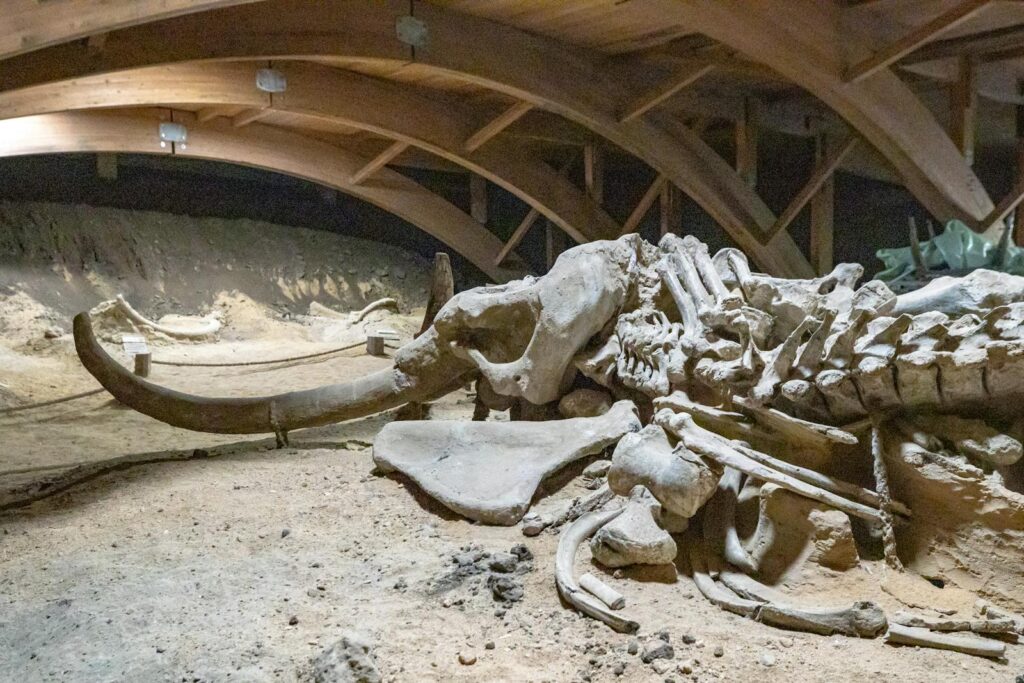
Certain patterns in fossilized bone can indicate the presence of disease during a dinosaur’s lifetime. Infectious diseases often leave distinctive marks, such as abnormal bone growth, pitting, or drainage channels where pus once flowed from infected areas. Metabolic disorders might manifest as unusual bone density or structure throughout the skeleton. Cancer can leave behind characteristic lesions or abnormal bone formations. For example, a specimen of Centrosaurus apertus discovered in Alberta, Canada, showed evidence of what researchers identified as osteosarcoma—an aggressive bone cancer—in its fibula. This discovery, published in 2020, represented the first confirmed case of malignant cancer in a dinosaur. By comparing these patterns to similar conditions in modern animals, paleontologists can make reasonable inferences about the diseases that affected these ancient creatures.
Trauma and Healing in the Fossil Record
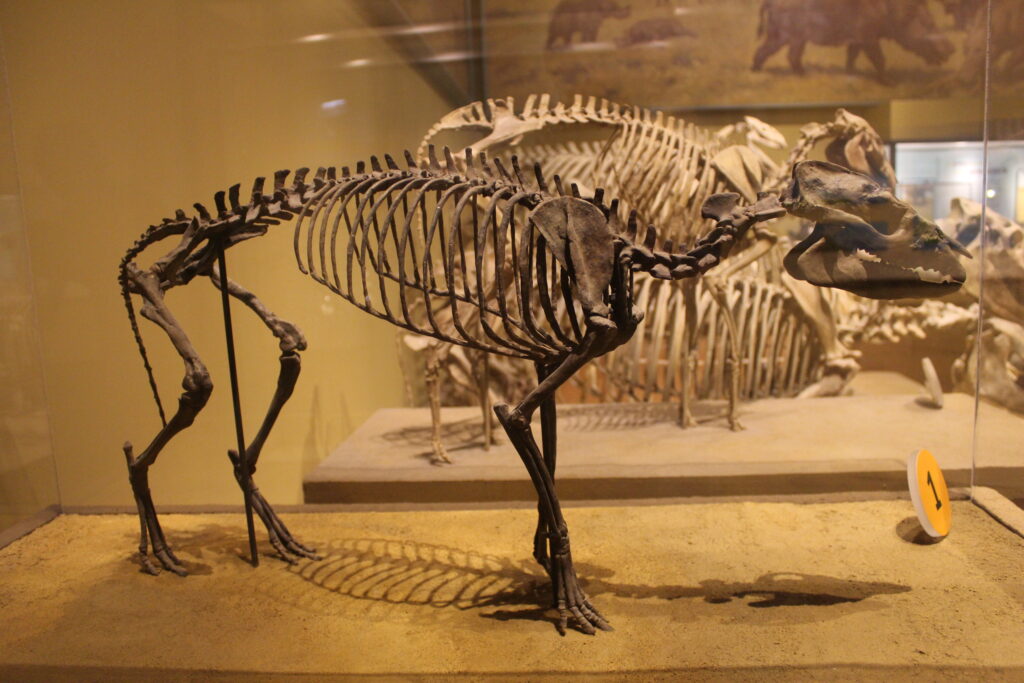
Injuries leave some of the most recognizable marks in the fossil record, particularly when the dinosaur survived long enough for healing to begin. Broken bones that show signs of callus formation—the body’s natural healing response—indicate that the animal lived for weeks or months after the injury occurred. The famous Tyrannosaurus rex specimen nicknamed “Sue” displays multiple healed injuries, including broken ribs and infections in the jaw. These injuries tell a story of survival despite significant trauma. Bite marks from predator attacks can also be preserved in fossil bones, sometimes showing evidence of healing that indicates the dinosaur escaped and survived the encounter. These healing patterns provide valuable insights into dinosaur physiology and their capacity to recover from serious injuries in a world without medical care.
Developmental Abnormalities and Genetic Factors
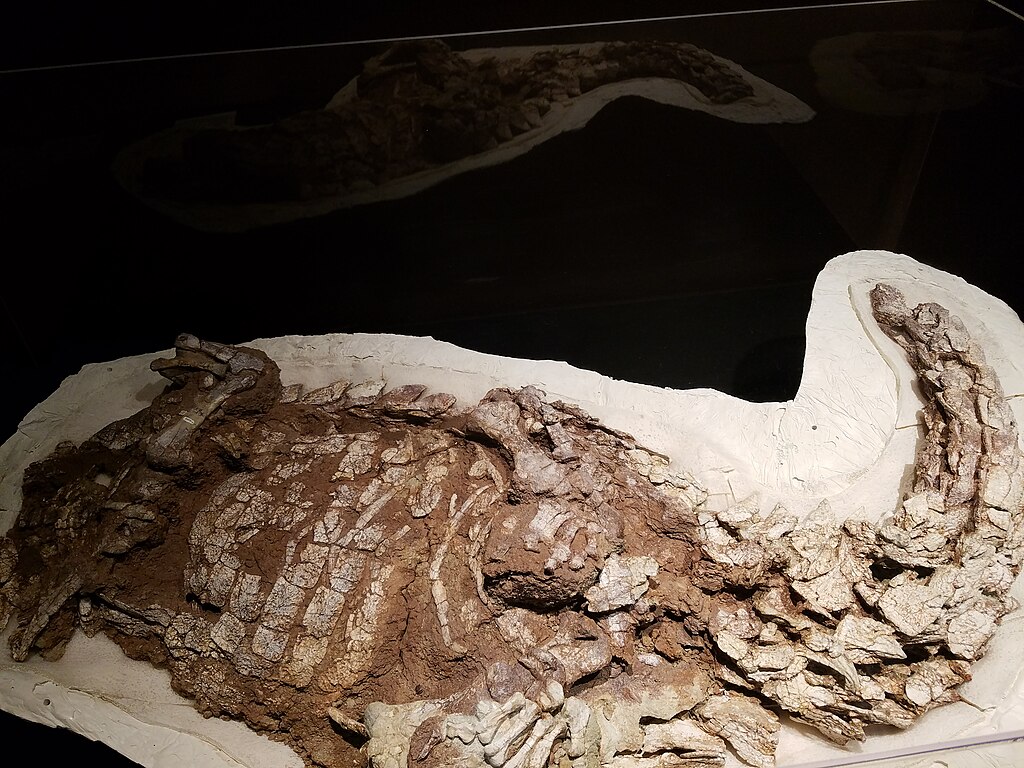
Not all unusual features in dinosaur fossils result from disease or injury—some represent congenital or developmental abnormalities present from birth or early development. Fusion of vertebrae, asymmetrical growth, or unusual bone formations can sometimes be attributed to genetic factors rather than pathology. For instance, some sauropod dinosaurs show evidence of spinal abnormalities that likely developed during growth rather than resulting from trauma. Distinguishing between congenital deformities and acquired conditions poses a significant challenge for researchers. The identification of developmental abnormalities in dinosaur fossils may provide insights into their genetic diversity and evolutionary processes. In some cases, these abnormalities might have affected the animal’s mobility, behavior, or survival prospects in ways that influenced natural selection.
Famous Cases: The Dueling Dinosaurs
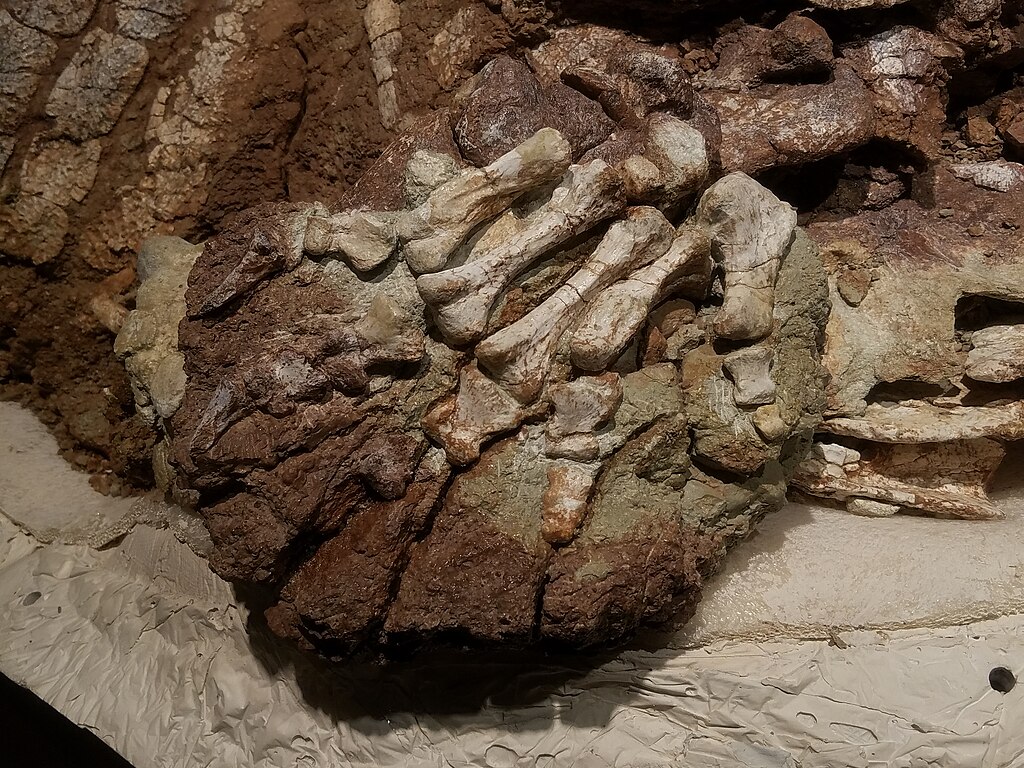
One of the most spectacular fossil discoveries in recent years involves two dinosaurs—a Tyrannosaurus rex and a Triceratops—apparently preserved while locked in combat. The Tyrannosaurus specimen in this “Dueling Dinosaurs” pair shows several unusual features that have sparked debate among paleontologists. Some researchers have suggested that certain skeletal abnormalities indicate pathological conditions, while others propose they represent natural variation or preservation artifacts. The specimen shows possible evidence of healing injuries, suggesting it had survived previous conflicts before its final confrontation. This remarkable fossil pair, which sold for millions at auction before being acquired by the North Carolina Museum of Natural Sciences, continues to be studied intensively to determine which features represent pathologies versus normal variation or taphonomic artifacts (changes that occurred during fossilization).
Arthritis and Joint Disease in Dinosaurs
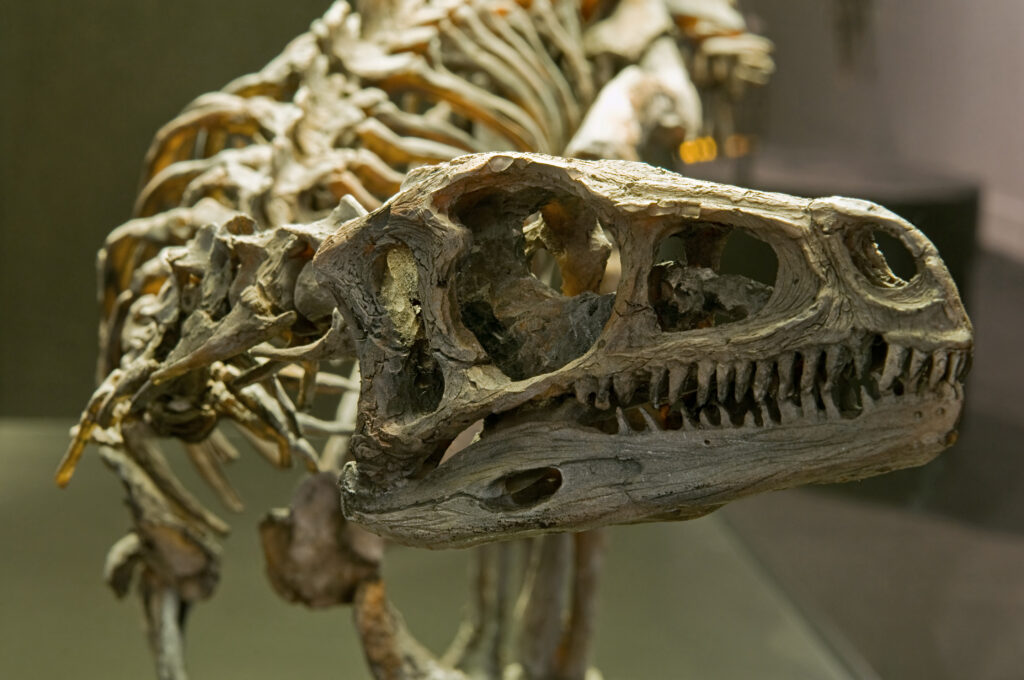
Joint diseases appear surprisingly frequently in the dinosaur fossil record, suggesting these creatures often suffered from conditions similar to arthritis in modern animals. Osteoarthritis—characterized by the breakdown of cartilage and bone-on-bone contact in joints—leaves distinctive markers in fossilized bones, including eburnation (polishing of bone surfaces) and bone spurs around joint margins. Hadrosaurs (duck-billed dinosaurs) frequently show signs of arthritis in their tail vertebrae, possibly due to the mechanical stresses of their posture and locomotion. A study of Iguanodon specimens revealed evidence of spondyloarthropathy, an inflammatory joint condition, in several individuals. These findings suggest that even mighty dinosaurs were not immune to the degenerative conditions that plague many modern vertebrates, including humans, as they age or experience joint stress.
Infections and Abscesses in Dinosaur Bones
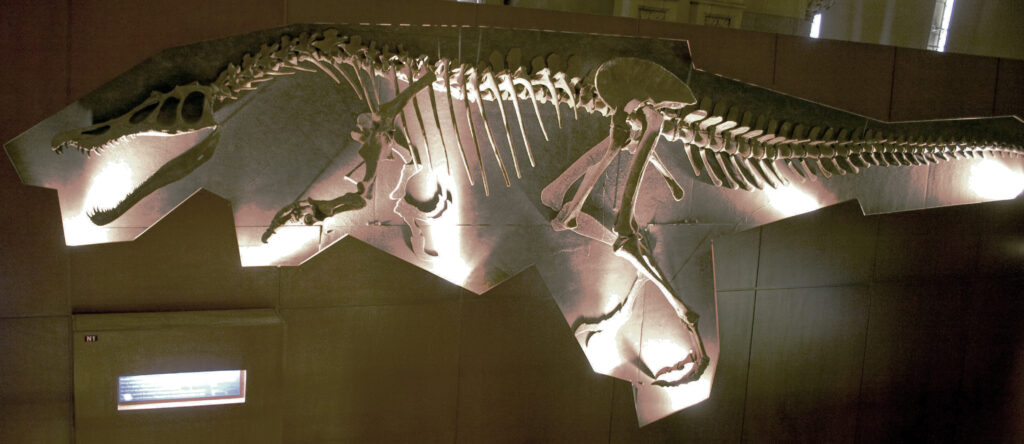
Bone infections (osteomyelitis) leave some of the most dramatic pathological evidence in the fossil record. When bacteria invade bone tissue, they can create abscesses—pockets of infection that destroy bone from within and often lead to abnormal bone growth as the body attempts to wall off the infection. The Allosaurus specimen nicknamed “Big Al” shows evidence of a severe infection in one of its toe bones, which likely caused lameness and may have contributed to the animal’s death. A Tyrannosaurus rex jaw specimen dubbed “Peck’s Rex” exhibits lesions consistent with a trichomonosis infection similar to one that affects modern birds. These infections would have caused significant pain and disability, potentially affecting the dinosaur’s ability to hunt or defend itself. The presence of such infections provides insights into both dinosaur immune responses and the pathogens that evolved alongside them.
Dental Pathologies and Their Consequences

Tooth problems appear frequently in dinosaur fossils, offering insights into their diets and feeding behaviors. Broken teeth were common occupational hazards for predatory dinosaurs, who risked dental damage when biting into struggling prey or contacting bone. More concerning were dental infections, which could spread to the jawbone and potentially lead to fatal systemic infections. Several Tyrannosaurus specimens show evidence of severe jaw infections that likely originated from tooth-related injuries or decay. Herbivorous dinosaurs faced different dental challenges, including excessive wear from their plant-heavy diets. Ceratopsians (horned dinosaurs) and hadrosaurs had complex dental batteries consisting of multiple rows of teeth that were continuously replaced throughout their lives—an adaptation that helped compensate for extreme wear but could also lead to complications if the replacement process was disrupted.
The Sophie the Stegosaurus Case Study
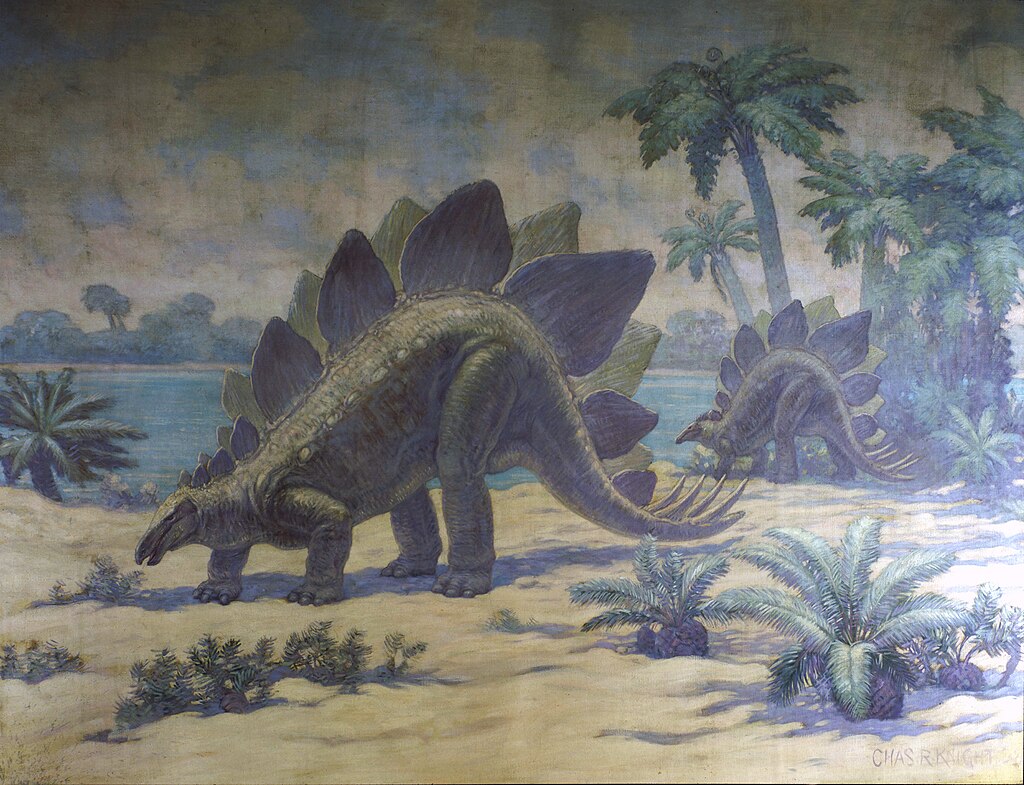
One of the most complete Stegosaurus specimens ever discovered, nicknamed “Sophie,” has provided valuable insights into potential pathologies in these iconic plate-backed dinosaurs. This remarkably preserved skeleton, housed at the Natural History Museum in London, has undergone detailed examination for evidence of disease or injury. Researchers noted several potential abnormalities in Sophie’s skeleton, including asymmetrical development of some plates along the back. This asymmetry raised questions about whether these features represented natural variation, healing from injuries, or congenital abnormalities. Through careful comparison with other Stegosaurus specimens and analysis of growth patterns, researchers determined that many of these features likely represented normal variation rather than pathology. Sophie’s case illustrates the challenge of distinguishing between normal biological variation and true pathological conditions in dinosaur specimens.
Modern Technology Revealing Ancient Ailments
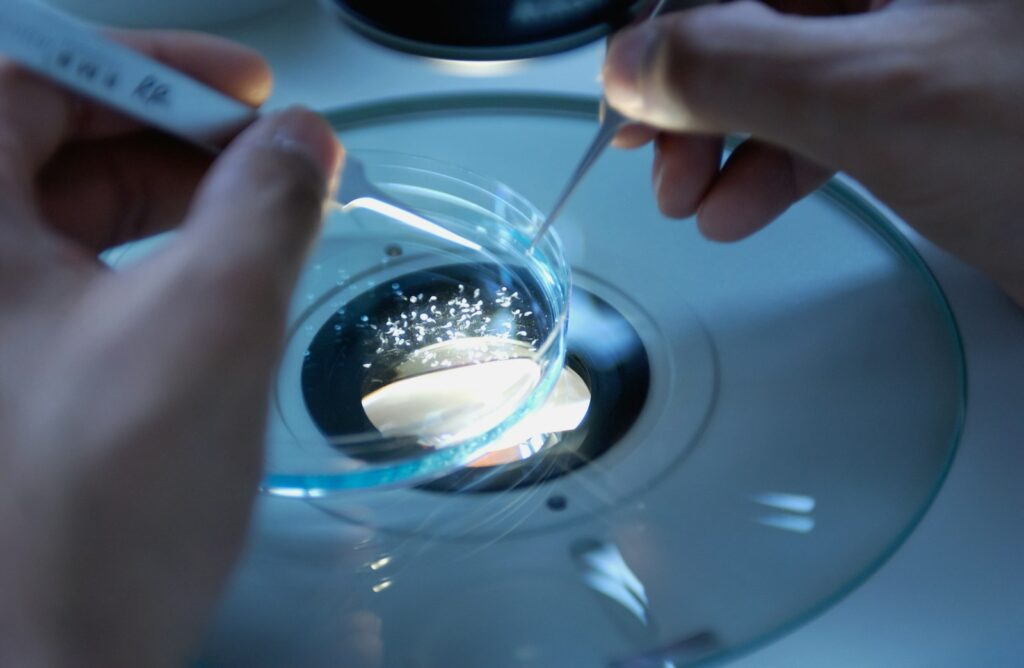
Advances in technology have revolutionized the study of dinosaur pathologies, allowing researchers to peer inside fossils without damaging these precious specimens. CT scanning has proven particularly valuable, enabling scientists to examine internal bone structure and identify lesions, healing patterns, and abnormal growth that might not be visible on the surface. Synchrotron imaging, which uses extremely powerful X-rays, can reveal microscopic details of bone structure and growth. 3D modeling allows researchers to reconstruct how pathological conditions might have affected a dinosaur’s movement or function. Chemical analyses can sometimes detect traces of proteins or other biomolecules that might indicate specific disease processes. These technological advances have transformed paleopathology from a largely descriptive field to one capable of detailed analysis and comparison with conditions observed in modern animals.
Comparing Dinosaur Pathologies to Modern Animals
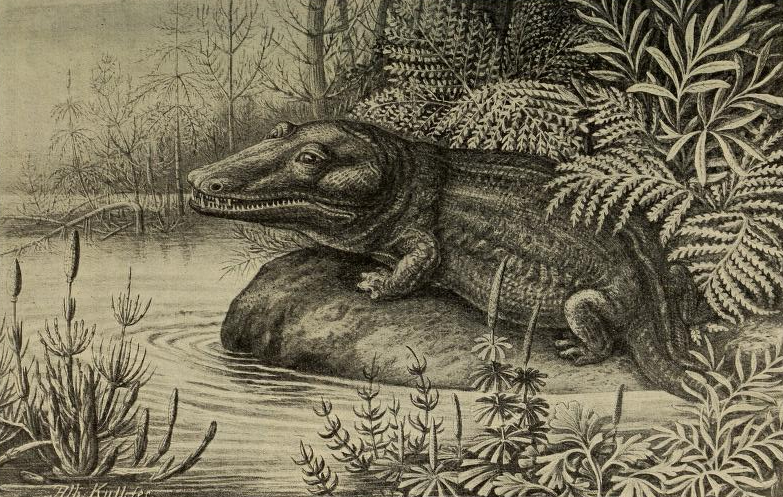
Comparative studies between dinosaur pathologies and similar conditions in their living relatives provide crucial context for understanding ancient diseases. Birds, as direct descendants of theropod dinosaurs, offer particularly valuable comparisons for understanding theropod pathologies. Crocodilians, as the other major group of living archosaurs (the larger group that includes dinosaurs), provide additional comparative data. For example, avian pox—a viral disease that causes characteristic lesions in modern birds—might explain certain pathological features observed in some theropod specimens. Gout, a metabolic disease common in modern birds, leaves distinctive crystalline deposits in joints that have been identified in some dinosaur fossils. These comparisons help paleontologists distinguish between conditions that were likely common across the evolutionary lineage and those that might have been unique to particular dinosaur groups.
Did Dinosaurs Care for Their Sick?
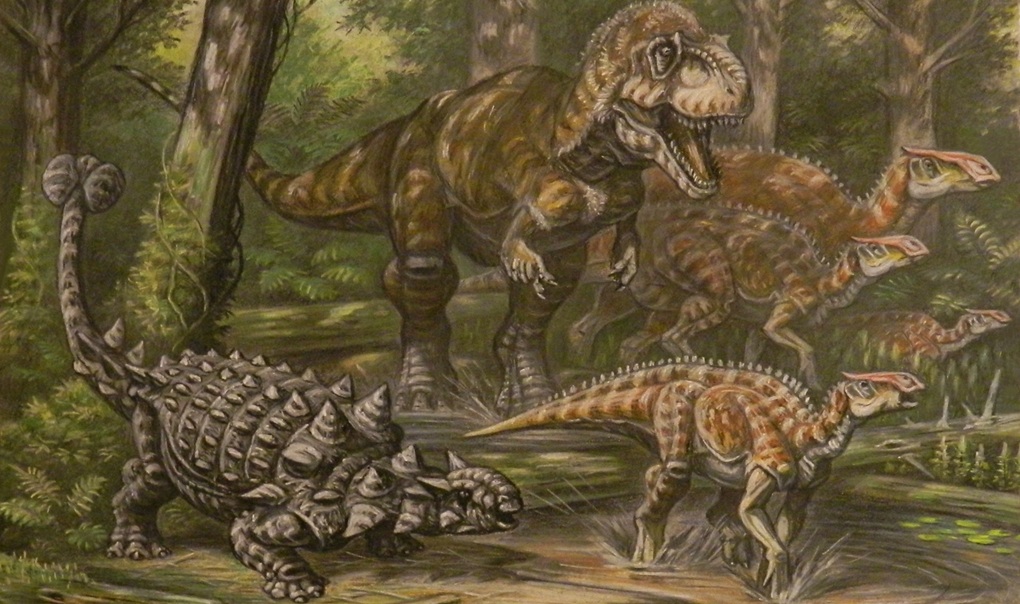
The discovery of dinosaurs that survived serious injuries or illnesses raises intriguing questions about possible social care behaviors. Some specimens show evidence of injuries or disabilities that would have made survival difficult without assistance. For example, a Diplodocus specimen with severe vertebral fusion would have had limited mobility but lived long enough for substantial bone remodeling to occur. While this doesn’t necessarily prove social care, it suggests these animals could survive despite significant disabilities. Some modern birds and reptiles do exhibit rudimentary care for injured or ill group members, raising the possibility that some dinosaurs—particularly highly social species—might have done the same. The discovery of multiple disabled individuals within single bonebeds (such as in some hadrosaur assemblages) might indicate that these animals remained within their social groups despite their conditions, possibly receiving indirect benefits from group living.
The Future of Dinosaur Paleopathology

The field of dinosaur paleopathology continues to evolve rapidly as new specimens are discovered and new analytical techniques are developed. Emerging technologies such as portable X-ray fluorescence allow field researchers to begin analyzing potential pathologies even before fossils are fully excavated. Advanced DNA and protein recovery techniques may eventually allow researchers to identify specific pathogens that infected dinosaurs, though this remains challenging due to the degradation of biomolecules over millions of years. Increasingly sophisticated computer modeling can simulate how pathological conditions would have affected dinosaur biomechanics and behavior. As our understanding of modern wildlife diseases improves, so too does our ability to interpret ancient pathologies. The integration of veterinary science, human medicine, comparative anatomy, and paleontology promises to yield even more detailed insights into the health challenges faced by dinosaurs throughout their 165-million-year reign on Earth.
Conclusion
As paleontologists continue to unearth and analyze dinosaur remains, the distinctions between sickness, injury, and deformity become increasingly nuanced. Each fossil with abnormal features tells a story of an individual animal’s life experiences and challenges. Whether showing evidence of cancer, healed fractures, infections, or congenital abnormalities, these specimens provide valuable windows into the biological realities faced by dinosaurs. The study of these ancient pathologies not only enriches our understanding of prehistoric life but also highlights the remarkable continuity of biological processes across vast evolutionary time. Through careful scientific investigation, these silent bones continue to speak, revealing that even the mightiest dinosaurs faced many of the same health challenges that affect animals today.