Washington state – Amid the towering evergreens and sprawling wilderness areas, native carnivores are staging a remarkable recovery, breathing new life into ecosystems long deprived of their presence.
The Gray Wolf’s Steady March Back

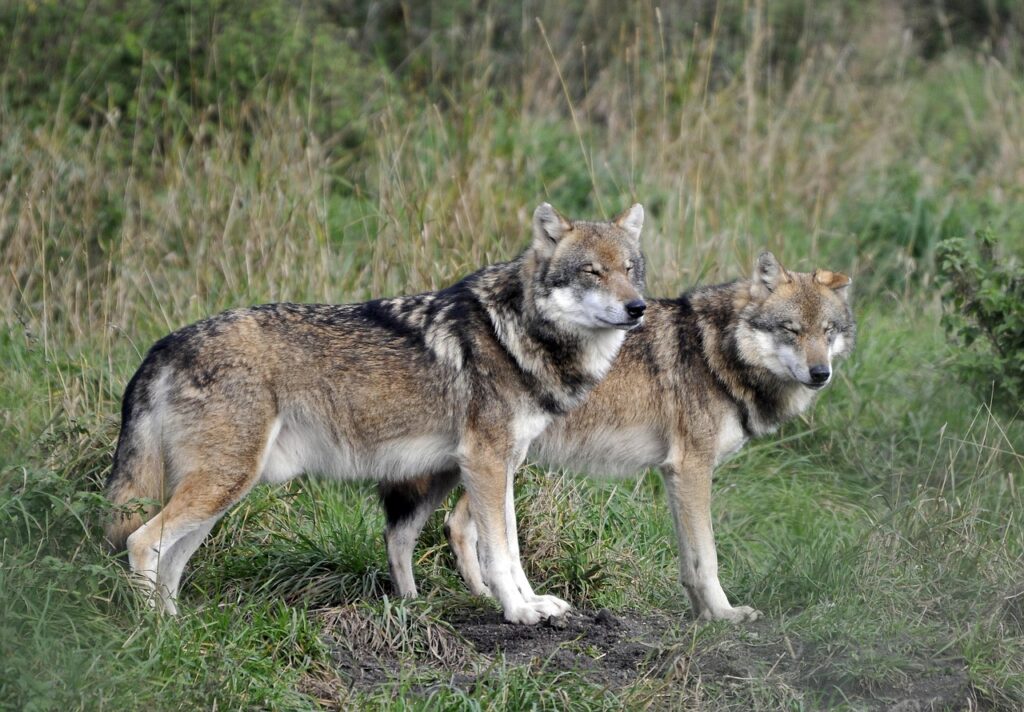
The Gray Wolf’s Steady March Back (Image Credits: Pixabay)
Gray wolves, once nearly eradicated from Washington, have shown persistent growth in recent years. State wildlife officials documented multiple packs establishing territories across the eastern Cascades and beyond. This resurgence marks a pivotal shift, as wolves recolonize areas untouched by their kind for decades.
The Washington Department of Fish and Wildlife’s latest reports highlight this progress. In December 2025, monitoring efforts confirmed active wolf activity in several regions, including the southern Cascades where a pack reinhabited territory for the first time in nearly a century. Though a 9% dip occurred in the 2024 minimum count, overall numbers remain on an upward trajectory, signaling robust recovery under conservation plans.
Experts attribute this to protective measures and habitat connectivity. Wolves now number in the dozens across packs, fostering genetic diversity and pack stability. Such developments underscore the success of state-led initiatives in balancing human needs with wildlife restoration.
Broader Carnivore Recovery Efforts
Beyond wolves, other carnivores contribute to Washington’s ecological revival. Black bears and cougars, already present in modest numbers, benefit from overlapping conservation strategies that enhance prey availability and reduce conflicts. These species help maintain natural balances, preying on herbivores and controlling populations that might otherwise overgraze vegetation.
State agencies coordinate closely with federal partners to monitor these animals. For instance, trail camera networks and aerial surveys provide data on movement patterns, revealing how corridors between protected lands facilitate dispersal. Wolverines, though rarer in Washington, occasionally appear in sightings from the northern borders, hinting at potential expansion as habitats improve.
This multifaceted approach ensures no single species dominates recovery narratives. Instead, it paints a picture of interconnected wild spaces where carnivores thrive together. Public education campaigns further support these efforts by promoting coexistence through livestock protection programs.
Ecological Ripples of the Comeback
The return of these carnivores triggers profound changes in Washington’s landscapes. Wolves, in particular, influence riverine areas by curbing elk numbers, allowing willow and cottonwood to regenerate along streams. This trophic cascade, observed in similar recoveries elsewhere, bolsters biodiversity and stabilizes soil against erosion.
Local ecosystems respond swiftly to such shifts. Bird species increase in recovering riparian zones, while beaver populations expand with safer foraging opportunities. These indirect benefits extend to fisheries, as healthier streams support salmon runs vital to the region’s culture and economy.
Yet, challenges persist, including human-wildlife encounters in rural areas. Agencies address these through non-lethal deterrents and compensation for losses, ensuring the comeback sustains momentum without backlash.
Navigating Hurdles in Conservation
Despite successes, wolf recovery faces ongoing obstacles. Livestock depredation incidents prompt debates over management, with some advocating for controlled hunting while others push for stricter protections. The 2025 monthly updates from wildlife officials detail these tensions, emphasizing adaptive strategies to minimize conflicts.
Habitat fragmentation from development poses another threat. Urban sprawl in growing counties pressures migration routes, necessitating expanded green corridors. Collaborative efforts with landowners and tribes aim to bridge these gaps, fostering resilient populations.
Funding remains crucial, drawn from state budgets and federal grants. Recent estimates suggest sustained investment could double wolf packs within a decade, provided political support holds.
- Active wolf packs documented in at least eight regions as of late 2025.
- Minimum population count hovered around 100 individuals in 2024, with breeding pairs increasing.
- Key recovery areas include the Colville National Forest and Okanogan-Wenatchee.
- Non-lethal conflict tools, like guard dogs, reduced depredations by 40% in monitored zones.
- Genetic monitoring ensures diverse lineages to prevent inbreeding.
- Public reporting hotlines aid in real-time tracking and response.
Key Takeaways
- Wolves’ return enhances ecosystem health through balanced predator-prey dynamics.
- Conservation success relies on community involvement and adaptive policies.
- Future monitoring will track expansion into western Washington territories.
As Washington’s carnivores reclaim their roles, the state stands as a model for wildlife restoration in the West. This revival not only enriches natural heritage but also invites reflection on humanity’s place within it. What steps can communities take to support this ongoing journey? Share your thoughts in the comments.