When we think of armored warfare, modern tanks typically come to mind – heavily protected vehicles with offensive capabilities designed to withstand enemy fire while delivering devastating attacks. Yet, 100 million years before humans conceived of armored military vehicles, nature had already perfected its version of a living tank. Ankylosaurs, with their heavily armored bodies, defensive weapons, and low-slung profiles, bear remarkable similarities to modern armored vehicles. These prehistoric herbivores evolved some of the most sophisticated defensive adaptations ever seen in terrestrial vertebrates, leading paleontologists to frequently compare them to the armored behemoths of modern battlefields. This article explores the fascinating parallels between ankylosaurs and tanks, examining how these ancient dinosaurs might truly represent nature’s original armored fighting vehicles.
The Ankylosaur Family: Nature’s Armored Division

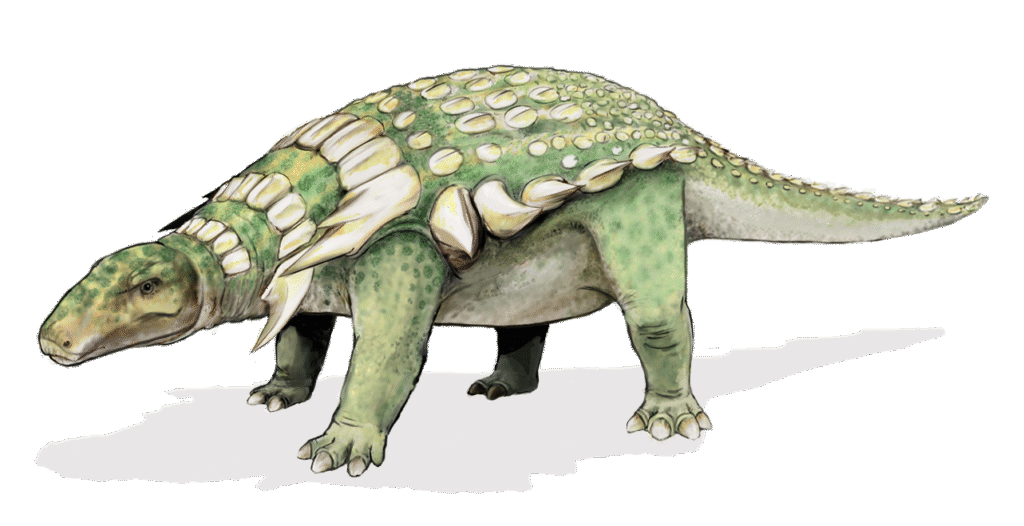
Ankylosaurs belonged to the thyreophoran dinosaurs, a group characterized by their armored bodies. This family of dinosaurs lived during the Late Jurassic to Late Cretaceous periods, approximately 163 to 66 million years ago. The ankylosaur family included two main groups: the Ankylosauridae, known for their club tails, and the Nodosauridae, which possessed more elaborate shoulder spikes but lacked tail clubs. These herbivorous dinosaurs were quadrupedal, meaning they walked on all fours, which gave them a stable, tank-like stance. Their global distribution is evidenced by fossils found across North America, Europe, Asia, Australia, and Antarctica, demonstrating the success of their defensive evolutionary strategy. Like military vehicles designed for different terrains, different ankylosaur species evolved regional adaptations while maintaining their core protective features.
Battlefield Anatomy: The Body Plan of a Living Tank
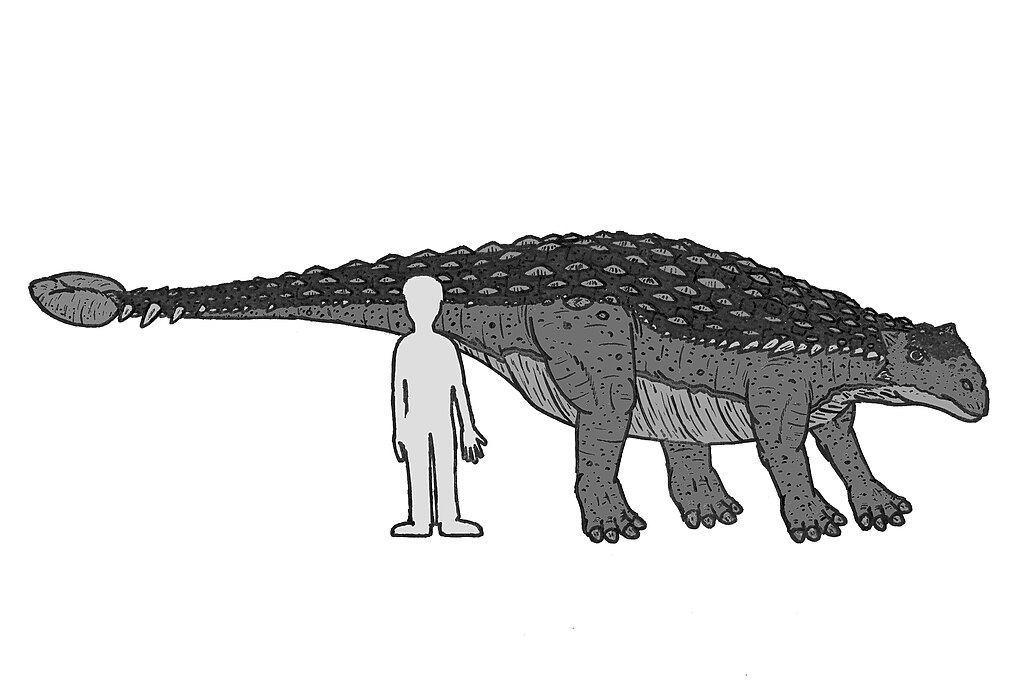
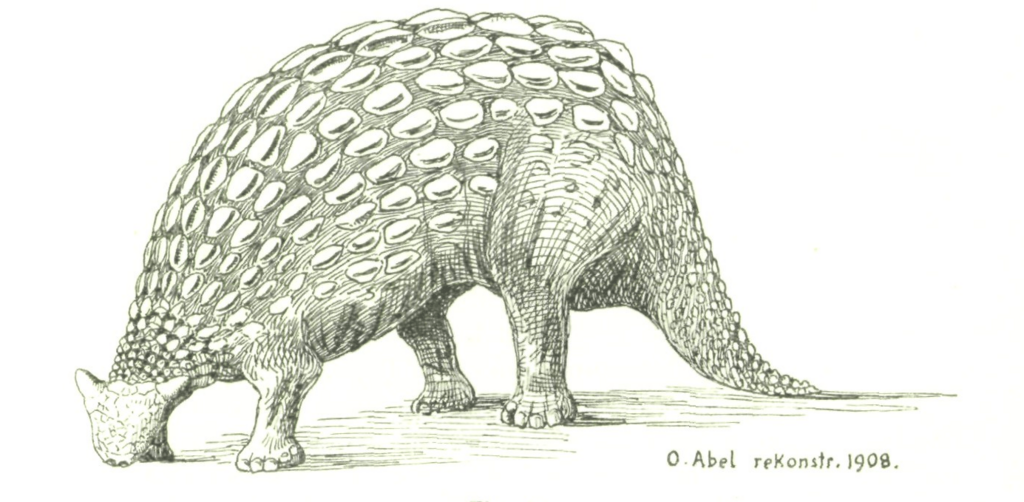
Ankylosaurs possessed a remarkably tank-like body structure that served as an excellent defensive platform. These dinosaurs typically measured between 13 to 23 feet (4 to 7 meters) in length, with broad, flat bodies that kept them close to the ground, similar to the low profile of modern tanks designed to minimize target area. Their center of gravity was low, making them difficult to topple, which is another principle employed in armored vehicle design. Ankylosaurs had relatively short, powerful limbs positioned at the edges of their wide bodies, creating a stable base that could support their heavy armor. Their barrel-shaped torsos were wide and robust, providing ample internal space for organs while maximizing the surface area covered by protective armor. This body design wasn’t coincidental but represented an evolutionary solution to survival that parallels the engineering principles behind modern armored vehicles.
Composite Armor: Osteoderms as Natural Plating
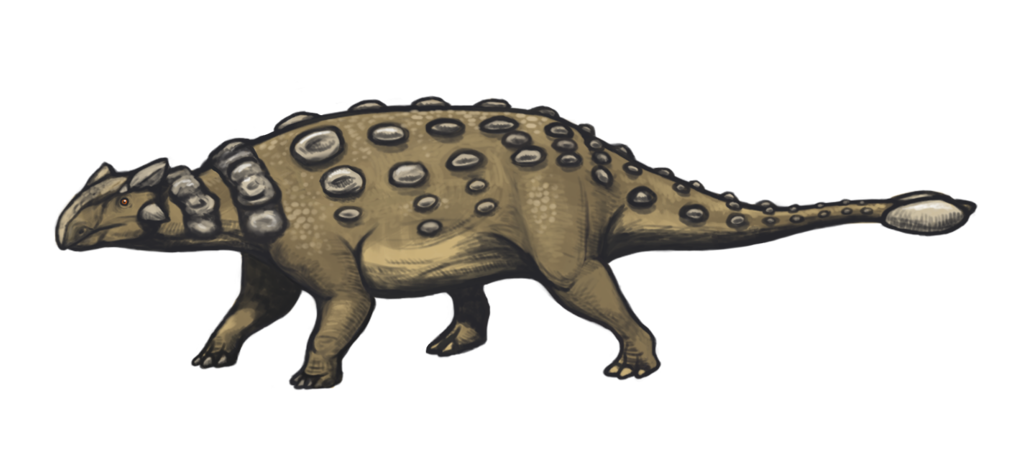
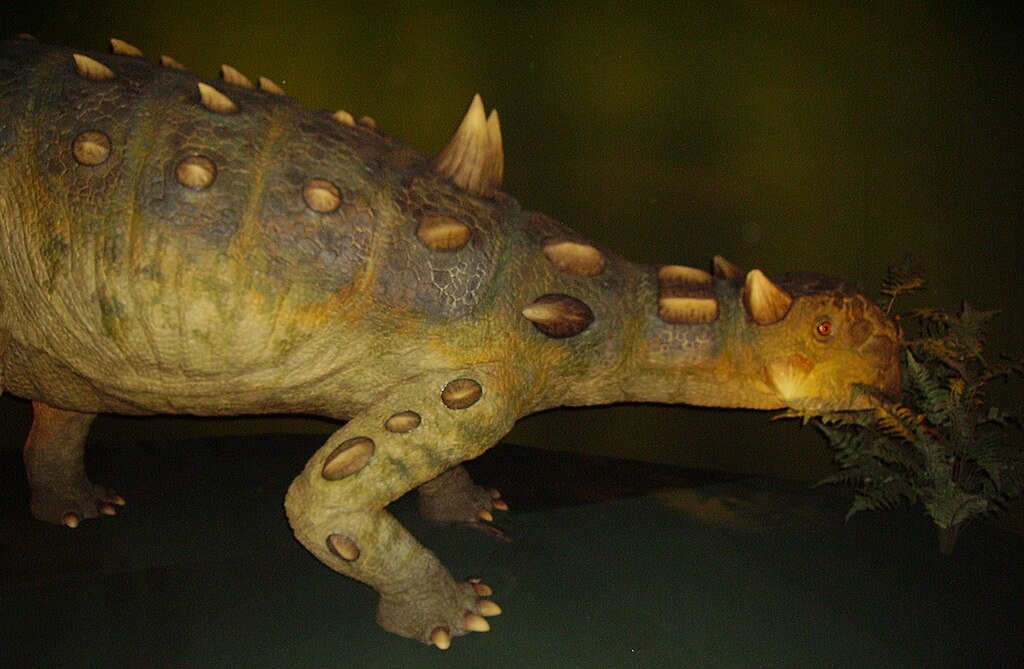
The most striking feature of ankylosaurs was their extensive natural armor composed of bony plates called osteoderms embedded in the skin. These osteoderms weren’t uniform but varied in size, shape, and thickness across the dinosaur’s body, creating a comprehensive protective system. The armor typically consisted of large plates over vital areas, smaller scales in between, and specialized defensive structures in strategically important regions. This heterogeneous armor system is remarkably similar to the composite armor of modern tanks, which combines different materials and thicknesses to maximize protection. Paleontologists studying well-preserved specimens like Borealopelta from Alberta, Canada, have documented how these osteoderms were arranged in semi-regular rows, forming a continuous protective shell. Some ankylosaur species even had armor incorporating air spaces and varied densities, creating a surprisingly sophisticated defense system that could absorb and deflect impacts – a principle not unlike the spaced armor used in modern military vehicles.
Offensive Capabilities: Tail Clubs as Turret Weapons
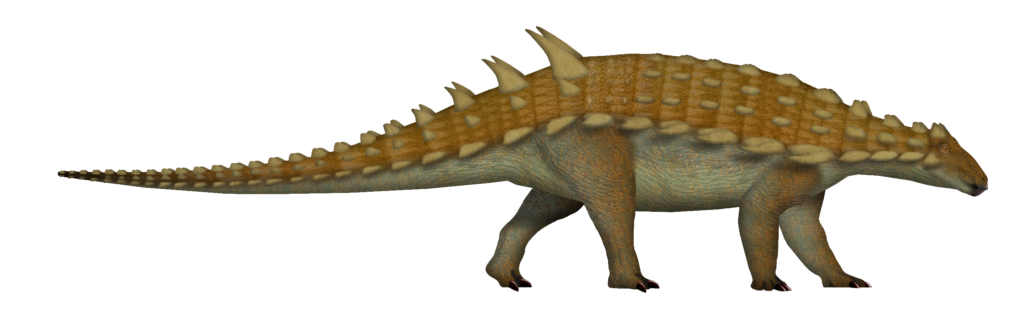
While tanks are equipped with cannons, many ankylosaurs, particularly those in the Ankylosauridae family, possessed tail clubs that served as formidable weapons. These clubs weren’t simple bony knobs but sophisticated structures formed by the fusion of several vertebrae into a handle, with large osteoderms forming a heavy striking surface. Research by paleontologists has estimated that the largest ankylosaur tail clubs could deliver blows with forces measured in thousands of newtons – enough to break bones of predators or competing ankylosaurs. The tail was flexible at its base but became increasingly rigid toward the club, creating a precise swinging mechanism controlled by powerful muscles. This natural weapon system draws parallels to the turret-mounted weapons of tanks, which can be directed toward threats while the main body remains protected. Recent studies even suggest that different ankylosaur species evolved variations in their tail clubs specialized for different types of impacts, similar to how different tank models carry different weapons systems for various battlefield roles.
Tactical Mobility: Speed and Maneuverability
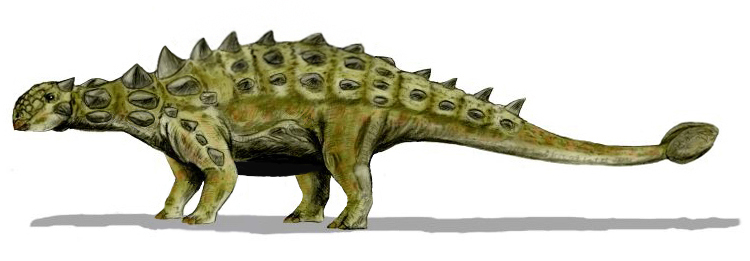
Despite their heavy armor, ankylosaurs weren’t entirely immobile, though they certainly weren’t built for speed. Biomechanical studies suggest they could probably move at speeds of 6-8 kilometers per hour (4-5 mph), comparable to a human walking pace. This limited mobility mirrors early tanks, which sacrificed speed for protection. Ankylosaurs’ wide stance and short legs gave them excellent stability, allowing them to pivot efficiently to face threats, similar to how tanks can rotate in place. Trackway fossils indicate ankylosaurs had a side-to-side swaying gait that was energy-efficient for their body type. Their leg muscles were optimized for power rather than speed, giving them the ability to hold their ground when confronted – a crucial capability shared with tanks, which are designed to maintain position under fire. Some evidence also suggests that ankylosaurs could navigate difficult terrain thanks to their low center of gravity, making them adaptable to various environments, just as modern tanks are designed with specific terrain capabilities in mind.
Sensory Systems: The Dinosaur’s Battlefield Awareness
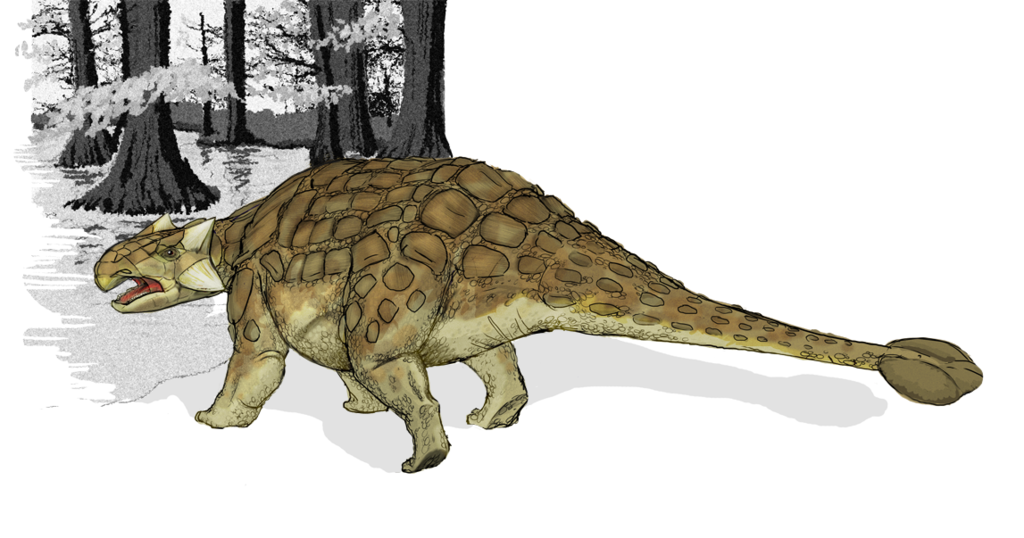
Like modern tanks with their periscopes and sensors, ankylosaurs needed ways to monitor their surroundings despite their armored encasement. These dinosaurs had relatively small eyes positioned on the sides of their heads, providing a wide field of view to detect approaching predators. Their nasal passages were complex and elongated, suggesting an enhanced sense of smell that could have detected predators before they were visible. Recent research on ankylosaur brain endocasts indicates they had well-developed olfactory bulbs but modest optical lobes, confirming their reliance on smell over sight. Some species possessed intricate air passages within their armored heads that may have enhanced their hearing capabilities by acting as resonating chambers. This multi-sensory awareness system allowed ankylosaurs to compensate for their limited mobility by detecting threats early and orienting their defenses appropriately. While not as technologically advanced as a tank’s thermal imaging or radar, these biological sensory adaptations served a similar function in providing battlefield awareness despite heavy armor.
Thermal Management: Cooling a Living Fortress

One of the challenges faced by both ankylosaurs and modern tanks is heat management. For tanks, engines, nd weapons systems generate enormous heat that must be dissipated to maintain function. Similarly, ankylosaurs faced the problem of regulating body temperature while encased in insulating armor. Recent research suggests ankylosaurs developed specialized vascular systems beneath their armor to help with cooling. The bony plates themselves often contained channels for blood vessels, potentially serving as radiators to release heat. Some scientists have proposed that the distinctive patterns of ankylosaur armor might have helped create airflow patterns across the dinosaur’s body during movement, enhancing cooling. Larger ankylosaur species faced greater challenges with heat dissipation due to their lower surface-area-to-volume ratio, possibly explaining why some species evolved elaborate nasal passages that could have helped cool blood traveling to the brain. This biological solution to the heat problem parallels the extensive cooling systems incorporated into tank design, where radiators, fans, and fluid circulation systems protect sensitive components from overheating.
Battlefield Tactics: How Ankylosaurs Used Their Defenses
Understanding how ankylosaurs employed their defenses requires scientific inference based on their anatomy and modern animal behavior. The primary strategy was likely passive deterrence – their armored appearance alone would have discouraged many predators from attacking. When confronted, ankylosaurs probably adopted a defensive posture, lowering their body to the ground to protect their less-armored underbelly while positioning their tail for counterattacks. Some species, particularly nodosaurs, had large shoulder spikes that would have made them difficult to approach from the front or sides, creating a zone of protection similar to the frontal armor priority of tanks. In group situations, there’s speculation that ankylosaurs might have formed defensive circles with their tails facing outward, not unlike the defensive formation sometimes used by armored vehicles. Their tactical approach was fundamentally defensive rather than offensive, relying on outlasting predators rather than outrunning them. This defensive specialization mirrors the role of tanks in establishing and holding positions rather than engaging in rapid maneuvers.
Evolutionary Arms Race: Predators vs. Living Tanks

The extensive armor of ankylosaurs didn’t evolve in isolation but as part of an ongoing evolutionary arms race with predatory dinosaurs. During the Cretaceous period, these herbivores faced formidable threats from tyrannosaurids, carcharodontosaurids, and other large theropods equipped with powerful jaws and teeth. As predators evolved stronger bite forces and more sophisticated hunting strategies, ankylosaurs responded with increasingly complex armor arrangements and more effective weapons. Some fossil evidence shows predator tooth marks on ankylosaur armor, suggesting encounters where the defense system was tested but not breached. Certain ankylosaur species developed specialized armor arrangements specifically at the height where large predators would typically attack, similar to how tanks have their heaviest armor at the most vulnerable or targeted areas. This evolutionary pressure resulted in regional variations in ankylosaur armor, with different species developing specialized defenses based on the particular predators in their environment. The parallels to military vehicle development are striking, as tank armor has continuously evolved in response to developments in anti-tank weapons.
Power Systems: Fueling the Biological Tank

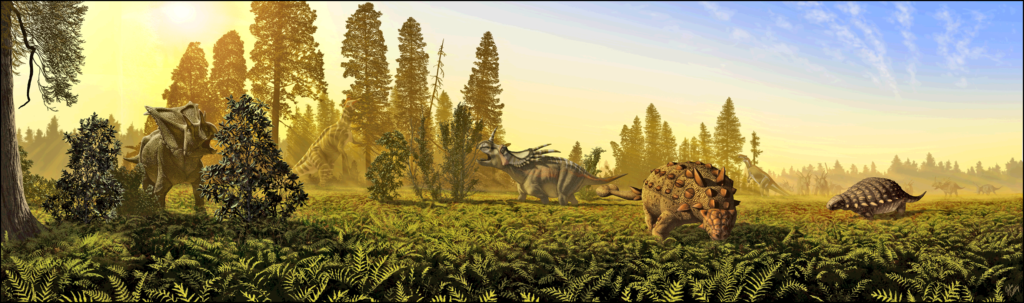
Tanks require sophisticated engines and fuel systems to power their movement and operations. Similarly, ankylosaurs needed efficient biological “engines” to sustain their heavily armored bodies. These dinosaurs were obligate herbivores with specialized digestive systems capable of processing tough plant material. Their broad mouths and leaf-shaped teeth were designed for stripping vegetation rather than chewing it thoroughly. Analysis of fossilized ankylosaur gut contents reveals they consumed a diet of ferns, conifers, and flowering plants, likely focusing on high-volume, relatively low-nutrition food sources. To extract sufficient energy from this diet, ankylosaurs almost certainly possessed large fermentation chambers in their digestive tracts, where gut bacteria would break down plant cellulose. This efficient digestive system provided the steady energy supply needed to maintain their massive bodies and power their defensive capabilities. Just as tank designers must balance armor weight with engine capacity, the evolution of ankylosaurs balanced defensive needs with metabolic efficiency, resulting in dinosaurs that were walking fortresses powered by sophisticated biological fuel systems.
Engineering Parallels: Convergent Design Principles
The similarities between ankylosaurs and tanks represent a fascinating case of convergent design principles, where natural selection and human engineering arrived at comparable solutions to similar problems. Both ankylosaurs and tanks prioritize protection over speed, using armor distribution that is heaviest where attacks are most likely. The low-profile, wide-base design that provides stability is common to both, demonstrating how physics dictates certain optimal solutions regardless of whether the designer is evolution or human engineers. Both systems incorporate weapons that can be deployed while maintaining a defensive posture. Even the materials science shows parallels, with modern composite tank armor conceptually similar to the varied density and structure of ankylosaur osteoderms. These similarities aren’t coincidental but reflect fundamental principles of defensive design. Engineers studying biomimetics have actually examined ankylosaur armor for insights that might improve modern protective systems, recognizing that 100 million years of evolutionary refinement produced solutions worth understanding. The primary difference remains that ankylosaurs developed through natural selection’s trial and error over millions of years, while tanks represent the accelerated application of human knowledge to similar problems.
Modern Discoveries: New Insights into Ankylosaur Armor

Recent paleontological discoveries have dramatically enhanced our understanding of ankylosaur armor and its tank-like qualities. The 2017 discovery of the nodosaur Borealopelta markmitchelli in Alberta, Canada, provided an unprecedented look at intact armor arrangement, showing how individual plates were positioned to create an interlocking defensive system. Advanced imaging techniques, including CT scanning and synchrotron radiation, have allowed scientists to examine the internal structure of osteoderms, revealing complex arrangements of different tissue types that enhanced their protective capabilities. Studies of the microstructure of ankylosaur armor have shown evidence of bone remodeling throughout life, suggesting that, like modern tank armor, which undergoes modifications based on battlefield experiences, ankylosaur armor continued to develop in response to injuries. Chemical analysis of exceptionally preserved specimens has even revealed pigmentation patterns, indicating that some ankylosaurs had camouflage coloration – another parallel to tanks, which are typically painted to blend with their environment. New fossil discoveries in Asia have expanded our understanding of ankylosaur diversity, showing regional variations in armor design that may represent adaptations to different predator threats, similar to how tanks are modified for different theaters of operation.
Beyond the Battlefield: The Ecological Role of Armored Dinosaurs

While the tank comparison focuses on defensive capabilities, ankylosaurs were more than just walking fortresses – they were integral components of Mesozoic ecosystems. As large herbivores, they would have consumed significant quantities of vegetation, shaping plant communities through their feeding habits. Their digestive systems likely made them important in nutrient cycling, breaking down tough plant material and distributing fertilizing waste across their habitats. Some paleontologists speculate that their feeding activities may have created clearings in prehistoric forests, similar to how modern elephants modify woodland environments. Their armored bodies would have made adult ankylosaurs virtually impervious to most predators, potentially allowing them to access feeding grounds too dangerous for other herbivores. This ecological role contrasts with tanks, which are designed specifically for conflict rather than ecosystem function. The ankylosaur’s success as a biological tank must be measured not just by its defensive capabilities but by its 85-million-year evolutionary persistence as a vital part of dinosaur ecosystems across multiple continents. Their remarkable armored adaptations served not just for individual survival but also contributed to the complex ecological relationships that characterized the Mesozoic world.
Conclusion
The comparison between ankylosaurs and tanks reveals fascinating parallels between nature’s evolutionary solutions and human engineering. Both represent heavily armored, weapon-bearing systems designed to withstand attacks while maintaining defensive integrity. The ankylosaur’s combination of passive armor, active defensive weapons, sensory awareness, and efficient power systems made it a remarkably effective biological equivalent to the modern armored vehicle. While separated by over 66 million years, both designs converged on similar solutions to the fundamental problem of survival in hostile environments. As paleontologists continue to uncover new details about these remarkable dinosaurs, the tank analogy provides an accessible framework for understanding their specialized adaptations. Perhaps most impressively, ankylosaurs achieved their tank-like design through the gradual process of natural selection, developing sophisticated defensive systems without the benefit of conscious engineering. In this respect, they may represent one of the most successful armored designs in the history of life on Earth – nature’s original tanks, patrolling the prehistoric world long before humans conceived of armored warfare.