Western Indian Ocean – Essential habitats for sharks and rays, many on the brink of extinction, stand largely unprotected against intensifying fishing pressures, according to a recent analysis by the IUCN Species Survival Commission Shark Specialist Group.
A Regional Biodiversity Crisis Emerges
A Regional Biodiversity Crisis Emerges (Image Credits: Imgs.mongabay.com)
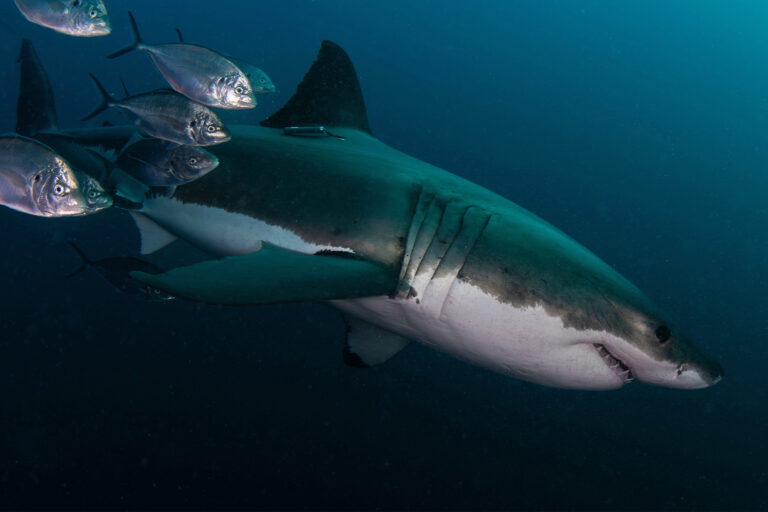
The Western Indian Ocean supports remarkable diversity among chondrichthyans – sharks, rays, and chimaeras – with 270 species confirmed across 54 families. Intense fishing activities have triggered sharp population declines and even local extinctions for several species. Experts now estimate that significant portions of these populations face heightened vulnerability. This situation underscores the urgency for targeted conservation measures in one of the world’s most chondrichthyan-rich marine regions.
Researchers highlighted how overexploitation compounds other stresses, leaving ecosystems imbalanced. The study’s findings drew from collaborative workshops and data synthesis, painting a stark picture of ongoing losses. Regional fisheries, both artisanal and industrial, capture these animals at alarming rates, often as bycatch or targeted catches.
Mapping 125 Critical Habitats
Through the Important Shark and Ray Areas (ISRA) initiative, scientists identified 125 discrete habitats spanning more than 2.8 million square kilometers – roughly 10% of the region’s surface area – from surface waters down to depths of about 2,000 meters. These zones serve vital functions such as nurseries, feeding grounds, and migration corridors for over one-third of the area’s chondrichthyan species, totaling 104 kinds. Notably, 76% of the species associated with these ISRAs appear on the IUCN Red List as threatened with extinction.
The identification process relied on diverse evidence sources, including visual censuses, fish market surveys, and citizen science contributions. Unpublished data proved crucial, broadening coverage to more species and locations. A key workshop in Durban, South Africa, in September 2023 brought together experts to delineate these three-dimensional areas precisely.
- Visual census accounted for 25% of evidence.
- Fish-market and landing site surveys provided 22.6%.
- Citizen science contributed 9.5%.
Protection Shortfalls Exposed
Despite growth in marine protected areas, only 7.1% of ISRA habitat overlaps with existing MPAs, while fully protected no-take zones cover a mere 1.2%. Seychelles and the Chagos Archipelago showed the highest levels of no-take protection, offering models for others. Many ISRAs remain exposed to fishing gear, exacerbating declines in already vulnerable populations.
This gap highlights biases in current protections, which often favor larger, more accessible sites over remote or deep-water habitats. Policymakers now face clear data to prioritize expansions. The analysis modeled factors like species traits and national jurisdictions to pinpoint improvement opportunities.
Opportunities for Urgent Action
The study presents a roadmap for aligning protections with international goals, such as the Global Biodiversity Framework. Enhanced MPA networks could safeguard these hotspots effectively. Integrating ISRAs into spatial planning promises benefits for fisheries sustainability and ecosystem health.
Conservationists urge swift incorporation of unpublished data and expanded monitoring. Countries in the region stand to gain from collaborative efforts, boosting both marine life and local economies dependent on healthy oceans.
Key Takeaways
- 125 ISRAs harbor 104 species, 76% threatened.
- Just 1.2% fully protected from fishing.
- Evidence from workshops and diverse sources guides future safeguards.
These revelations demand immediate steps to shield the Western Indian Ocean’s sharks and rays before losses become irreversible. Stronger protections could restore balance to vital marine ecosystems. What steps should regional governments take next? Share your thoughts in the comments.