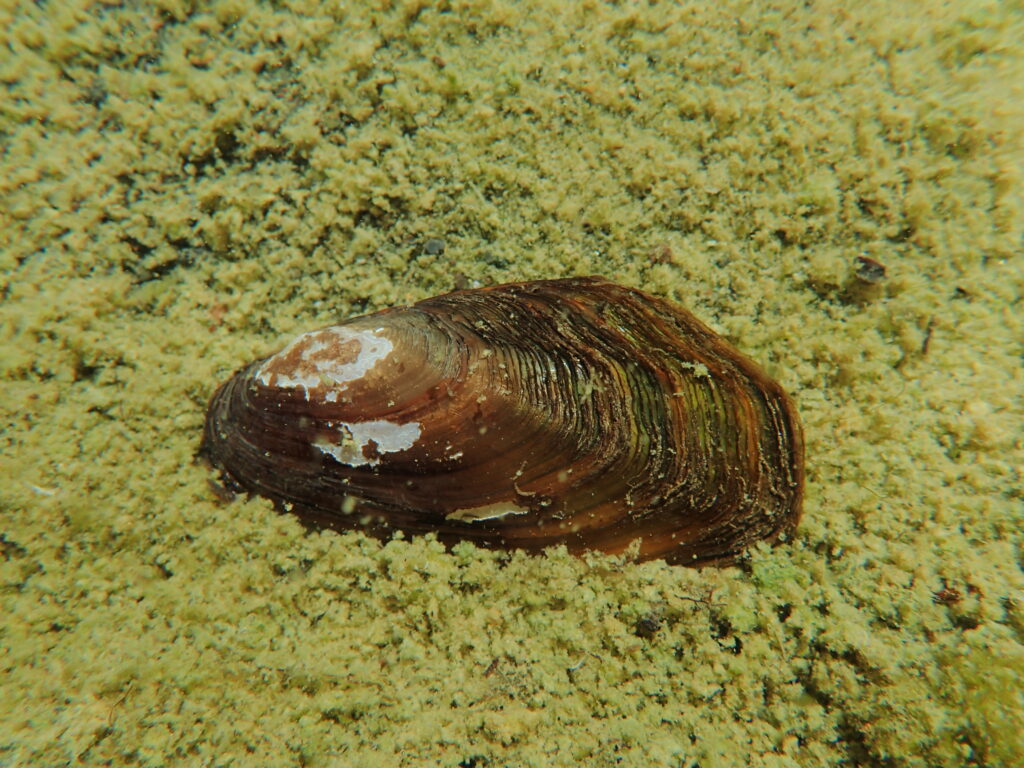
The Center for Biological Diversity notified the U.S. Fish and Wildlife Service on March 17 that it intends to sue the agency for missing a key deadline on protecting the western ridged mussel under the Endangered Species Act. This unassuming bivalve mollusk, native to rivers across the West Coast states, Idaho, and Nevada, filters vast amounts of water daily but has vanished from 43 percent of its historical range. Experts warn that without swift federal action, the species faces an unfolding extinction crisis amid mounting environmental pressures.
River Sentinels Under Siege
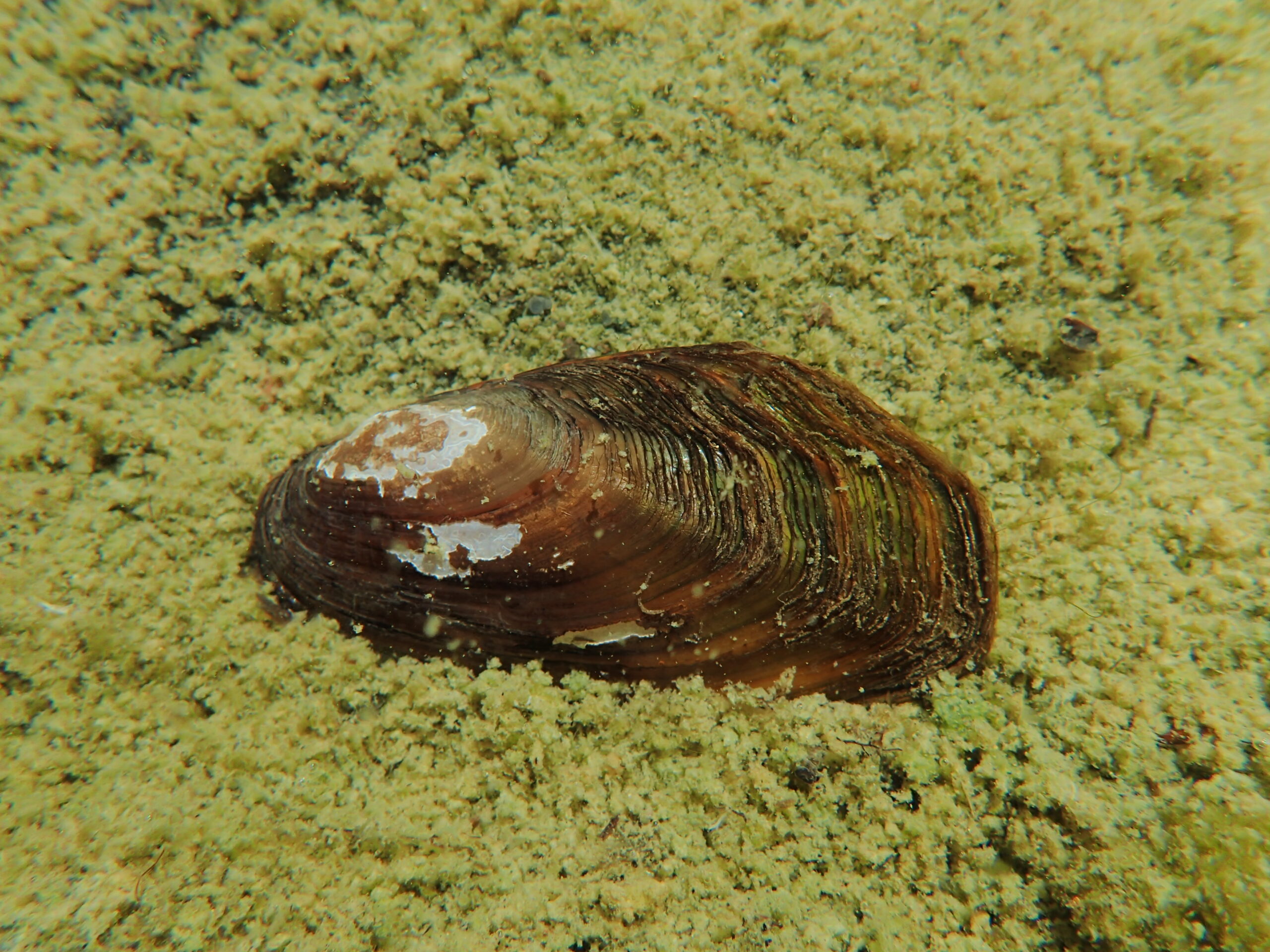
River Sentinels Under Siege (Image Credits: Upload.wikimedia.org)
Western ridged mussels burrow deep into river sediments, often remaining nearly buried for decades in cold, flowing streams. Unlike many freshwater mussels that sit atop substrates, these unique creatures – the sole members of their genus Gonidea angulata – thrive partially hidden, moving only short distances over lifetimes that can exceed 60 years. Their slow growth and longevity make them sensitive barometers of river health.
These mussels perform vital ecological services by filtering gallons of water each day. They remove algae, bacteria, pollutants, and even pharmaceuticals, boosting clarity for fish like salmonids. Reproduction adds another layer of intricacy: females release larvae, called glochidia, that must latch onto specific host fish – such as hardhead, pit sculpin, or tule perch – to mature before settling on the riverbed. This fish dependency underscores their vulnerability in altered ecosystems.
Threats Eroding a Fragile Existence
Dams have fragmented habitats across the Columbia and Snake river basins, blocking host fish migrations and curtailing mussel reproduction. Degraded water quality from agricultural and urban runoff compounds the issue, while climate-driven droughts shrink flows and raise temperatures in once-suitable streams.
Mysterious die-offs have struck populations in Oregon, Washington, and Idaho, hinting at disease or other localized killers. Invasive species like zebra and quagga mussels further threaten natives by overgrowing their shells, sometimes to fatal effect. Habitat modifications, including channelization and sedimentation, have erased the species from 46 percent of revisited historical sites, contracting its range northward by about 475 miles.
- Dams and habitat fragmentation blocking fish hosts.
- Pollution and runoff harming water quality.
- Drought and climate shifts altering flows.
- Invasive mussels colonizing native shells.
- Enigmatic die-offs and diseases.
- Sedimentation and channelization destroying substrates.
Petition Timeline and Federal Delay
The Xerces Society petitioned the Fish and Wildlife Service in August 2020 to list the mussel as endangered and designate critical habitat. The agency responded positively in a 90-day finding on July 27, 2021, acknowledging substantial evidence of threats from habitat loss, invasives, disease, and inadequate regulations. Yet the required 12-month determination never materialized by the August 2021 deadline.
This lapse violates the Endangered Species Act’s mandate for timely reviews, leaving the mussel without protections as threats intensify. The Center’s notice demands action within 60 days, threatening federal court if unmet. Such delays, advocates argue, exacerbate risks for species on the brink.
Call to Action from Conservation Frontlines
“Western ridged mussels quietly do enormous work keeping our rivers clean but they’re disappearing from many rivers in an unfolding extinction crisis,” said Meg Townsend, a freshwater attorney with the Center for Biological Diversity. She emphasized their potential 60-year lifespans and urgent need for safeguards.
The notice targets top officials, including Interior Secretary Doug Burgum and Fish and Wildlife Director Brian Nesvik. In Idaho, state efforts combat invasives like quagga mussels in the Snake River, partly to aid natives.
Key Takeaways
- The western ridged mussel has lost 43% of its range and filters essential pollutants from western rivers.
- Fish and Wildlife Service missed a 2021 deadline for a critical listing decision.
- Center for Biological Diversity’s 60-day notice could lead to federal litigation.
As rivers across the West signal distress through vanishing mussels, federal intervention could safeguard broader ecosystems. Protecting these filter feeders promises cleaner waters for fish, wildlife, and communities alike. What steps should agencies take next to halt this decline? Tell us in the comments.