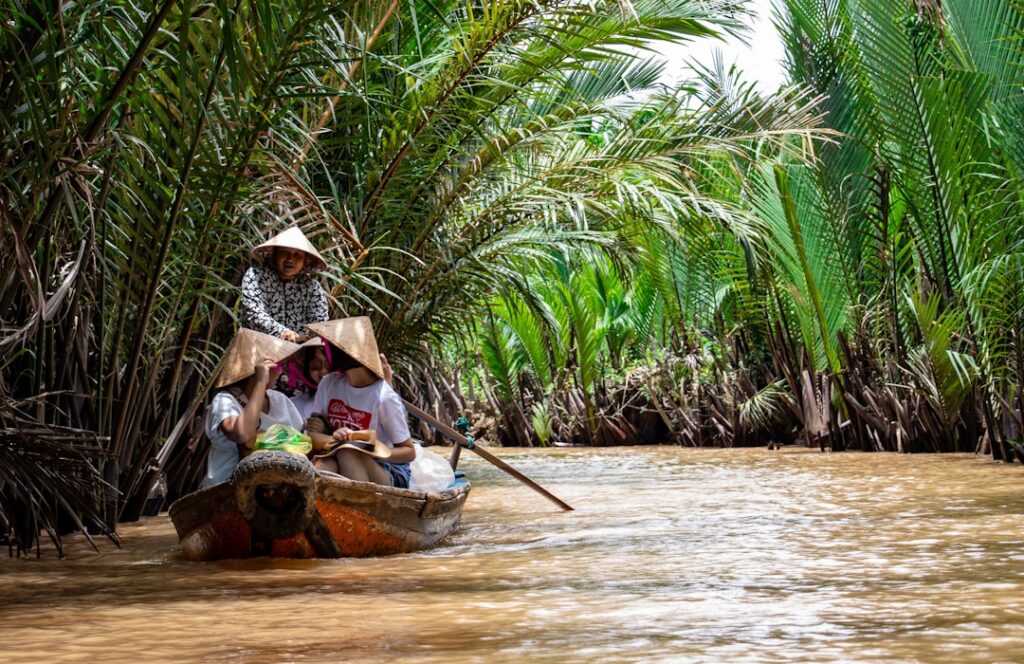
Vietnam’s Mekong Delta – Southeast Asia’s renowned rice basket – confronts profound climate challenges that imperil its role as a food production powerhouse. Home to 18 million residents, the region supplies half of the nation’s rice and 65 percent of its aquaculture output. Escalating pressures from environmental shifts demand innovative responses to preserve water resources essential for livelihoods and ecosystems.
A Region Under Siege from Multiple Fronts
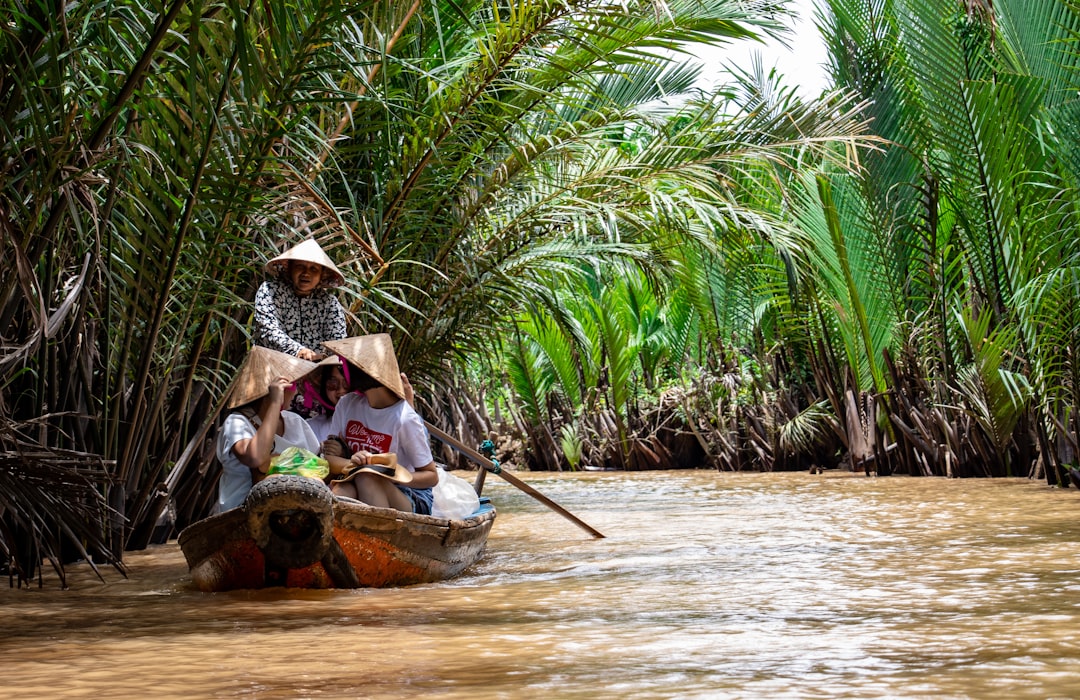
A Region Under Siege from Multiple Fronts (Image Credits: Unsplash)
Climate vulnerability places the Mekong Delta among the world’s top three most at-risk areas. Rising sea levels have accelerated saltwater intrusion, contaminating freshwater supplies critical for agriculture. Land subsidence, occurring at five times the global average rate in some spots, compounds erosion along coastlines.
Groundwater depletion and water pollution further strain resources, with only a fraction of wastewater treated adequately. Upstream dams disrupt natural sediment and water flows, exacerbating droughts and floods. These factors have led to substantial crop losses, including 30 percent annually from severe pest outbreaks tied to erratic weather.
Nature-Based Solutions Take Root
Recent initiatives harness ecosystems to counter these threats, proving more effective than hard infrastructure alone. The IUCN’s Mekong FLOW project, launched this year, targets wetland restoration across the basin, including Vietnam. It aims to reconnect habitats, bolster fisheries, and enhance flood protection for millions dependent on these systems.
In the Delta specifically, efforts restore up to 200 hectares with biodiverse crops and fisheries, while creating buffer zones in key wetlands like the Bassac Marshes. Mangrove planting behind sea dykes in Soc Trang and Bac Lieu provinces reinforces natural barriers against erosion and intrusion. These approaches mimic pre-human intervention dynamics, allowing floodwater to recharge aquifers naturally.
Boosting Agriculture and Aquaculture Resilience
Farmers adopt techniques like Alternate Wetting and Drying (AWD) irrigation, which cuts water use while stabilizing rice yields amid salinity spikes. Rice-duck systems integrate livestock into fields, where ducks control pests and weeds, slashing chemical inputs by half in some cases. Integrated Pest Management employs biopesticides and drones, reducing spraying needs by 55 percent and boosting net profits per hectare by 30 percent.
Aquaculture benefits from Recirculating Aquaculture Systems (RAS) combined with Integrated Multi-Trophic Aquaculture (IMTA). These optimize water recirculation, curb groundwater extraction, and mitigate diseases like White Faeces Syndrome. Training programs reached over 250 participants in 2025, equipping households with sustainable tech for shrimp farming.
- AWD maintains yields with less water and fewer emissions.
- Rice-duck farming enhances soil health naturally.
- RAS-IMTA promotes efficient, low-impact seafood production.
- Mangrove buffers shield against sea level rise.
- Wetland restoration supports fisheries providing 80 percent of local protein.
Measuring Progress and Overcoming Hurdles
Projects demonstrate tangible gains: Vietnam’s 2025 paddy forecast hit 43.9 million tonnes, with Delta innovations credited for resilience against droughts and salinity. Yet challenges persist, including scaling efforts amid land use pressures from shrimp ponds and development. Community involvement proves vital, as seen in grassroots Ramsar site designations and farmer workshops.
International partnerships, like those with The Coca-Cola Foundation funding $2 million for Mekong FLOW, accelerate implementation. Policymakers now view saltwater and floods less as foes and more as manageable assets through ecosystem-aligned strategies.
| Threat | Nature-Based Countermeasure | Key Benefit |
|---|---|---|
| Saltwater intrusion | Mangrove restoration | Filters saline water, stabilizes soil |
| Water scarcity | AWD irrigation | Reduces usage, sustains yields |
| Pest outbreaks | Rice-duck & IPM | Cuts chemicals, boosts profits |
| Coastal erosion | Wetland buffers | Enhances flood protection |
- Wetlands underpin the Delta’s food security and flood defenses.
- Hybrid solutions blend restoration with tech for dual gains.
- Community-led efforts ensure long-term adoption.
As the Mekong Delta pivots toward these green strategies, its water future brightens with restored balance between nature and necessity. What steps can global leaders take to support such transitions? Share your views in the comments.