You’ve probably heard people say we should learn from history. But here’s the thing: most of us don’t actually dig into what that means in practical terms. When you look at ancient civilizations that survived droughts, famines, wars, and complete societal upheaval, you start to see patterns. These societies weren’t just lucky. They built systems, adapted relentlessly, and understood something we’re still trying to grasp today. Honestly, it’s remarkable how relevant their struggles feel in our current moment of climate uncertainty and rapid change.
Let’s be real, we tend to think of ancient people as primitive or less capable than us. That’s a mistake. Their rise and fall reveal patterns of growth, decline, and resilience that still resonate today. What if the solutions to some of our toughest challenges were already figured out thousands of years ago? So let’s dive in.
The Roman Empire: Masters of Adaptation and Innovation
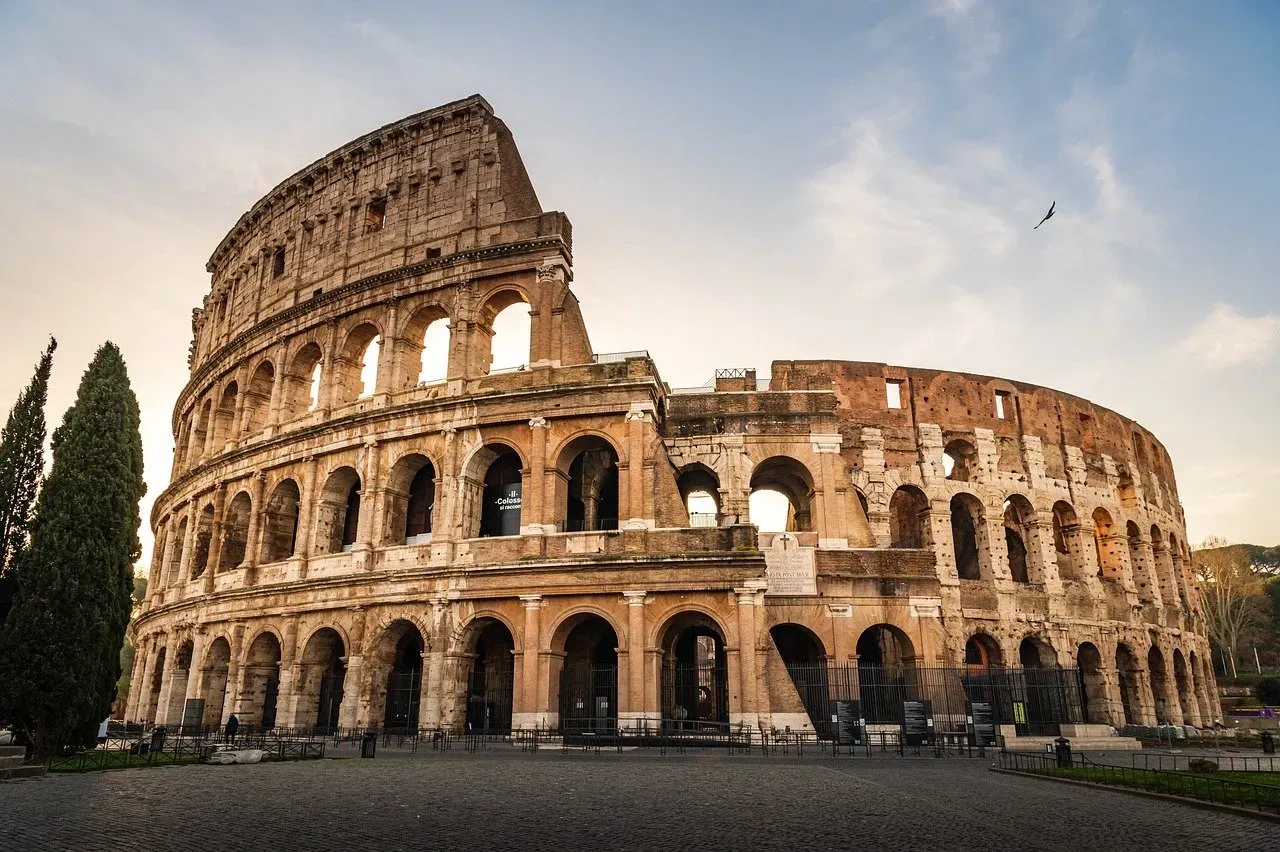
The Roman Empire was one of the most technologically advanced civilizations of antiquity, with some of the more advanced concepts and inventions forgotten during the turbulent eras of Late Antiquity and the early Middle Ages. What made them truly resilient wasn’t just their military might. It was their relentless willingness to borrow, adapt, and improve upon ideas from others.
The Romans, both in the eras of the Roman Republic and the Empire, had a knack for stealing, adapting, and improving upon technologies, tactics, and ideas they encountered from other cultures – often those they fought, ranging from the Etruscans to the Greeks and Persians. Think about that for a second. They weren’t too proud to learn from conquered enemies. Their concrete, roads, and aqueducts weren’t entirely original inventions, but the Romans perfected them and deployed them across an empire that spanned continents. Perhaps most impressive of all, Roman aqueducts were so well built that some are still in use to this day.
The Empire’s infrastructure and longevity provided excellent opportunity for development, but more importantly the application of discoveries. While Greek philosophers or Persian inventions may have been more innovative or numerous, few civilisations have overseen the implementation of new technologies across a vast population, bringing the theoretical to the practical. Today, we often develop amazing technologies but struggle with implementation at scale. The Romans figured that out two thousand years ago.
The Maya Civilization: Sustainable Water Management in a Harsh Environment
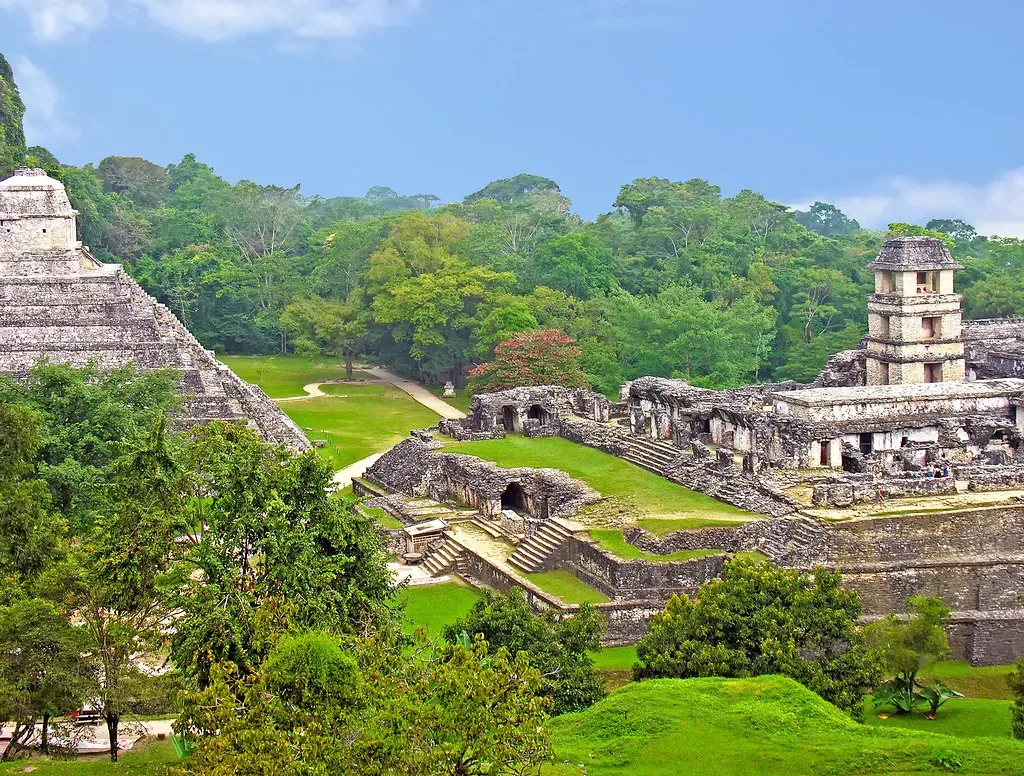
Water management was crucial for the Mayan civilization’s survival and growth. The Mayans developed sophisticated techniques to harness natural water sources, adapting to seasonal rainfall patterns and creating complex irrigation systems. Living on the Yucatan Peninsula with no surface water and a six-month dry season sounds impossible, yet the Maya thrived for roughly two millennia.
Similar to modern water management, the Maya directed, stored and transported water with canals, dams, sluices and berms. To filter water, however, the Maya used several natural resources, starting with quartz sand and zeolite sand – both of which were only available in distant areas. They even used aquatic plants like cattails and water lilies to naturally filter and purify their reservoir water. Their understanding of constructed wetlands for cleaning water naturally is something modern engineers are only now rediscovering as sustainable solutions.
The Maya water management system relied mainly on harvesting and storing rainwater. This allowed the Maya to survive the dry season, but the success of the system and the resulting growth in population also made the Maya vulnerable to drought. There’s an important lesson buried in that vulnerability. Their greatest strength became their greatest weakness when conditions changed. It reminds us that even the smartest systems need backup plans and flexibility.
Ancient Egypt: The Power of Social Cohesion and Cooperative Systems

The success of ancient Egyptian civilization came partly from its ability to adapt to the Nile’s conditions for agriculture. The predictable flooding of the Nile and controlled irrigation of its fertile valley produced surplus crops, which supported a more dense population, and thereby substantial social and cultural development. What’s fascinating isn’t just their agricultural prowess but how they organized society to make it all work.
The pyramids and other monuments were built by Egyptian laborers who either donated their time as community service or were paid for their labor. From the top of the hierarchy to the bottom, everyone understood their place and what was required of them for their own success and that of the kingdom. That sense of collective responsibility kept Egypt functioning for over three thousand years. No single person could manage everything, so they created layers of administration where each tier supported the others.
The economy was centrally organized, with a fixed wage and state distribution system. Through this process, the properly functioning state (proof of the king being in accord with ma’at) provided for the populace. This principle of ma’at, meaning cosmic balance and harmony, wasn’t just philosophy. It was practical policy. When everyone feels like they’re part of something bigger and getting their fair share, societies don’t collapse from internal conflict. We could use more of that thinking today.
Mesopotamia: Crisis Management Through Innovation and Infrastructure
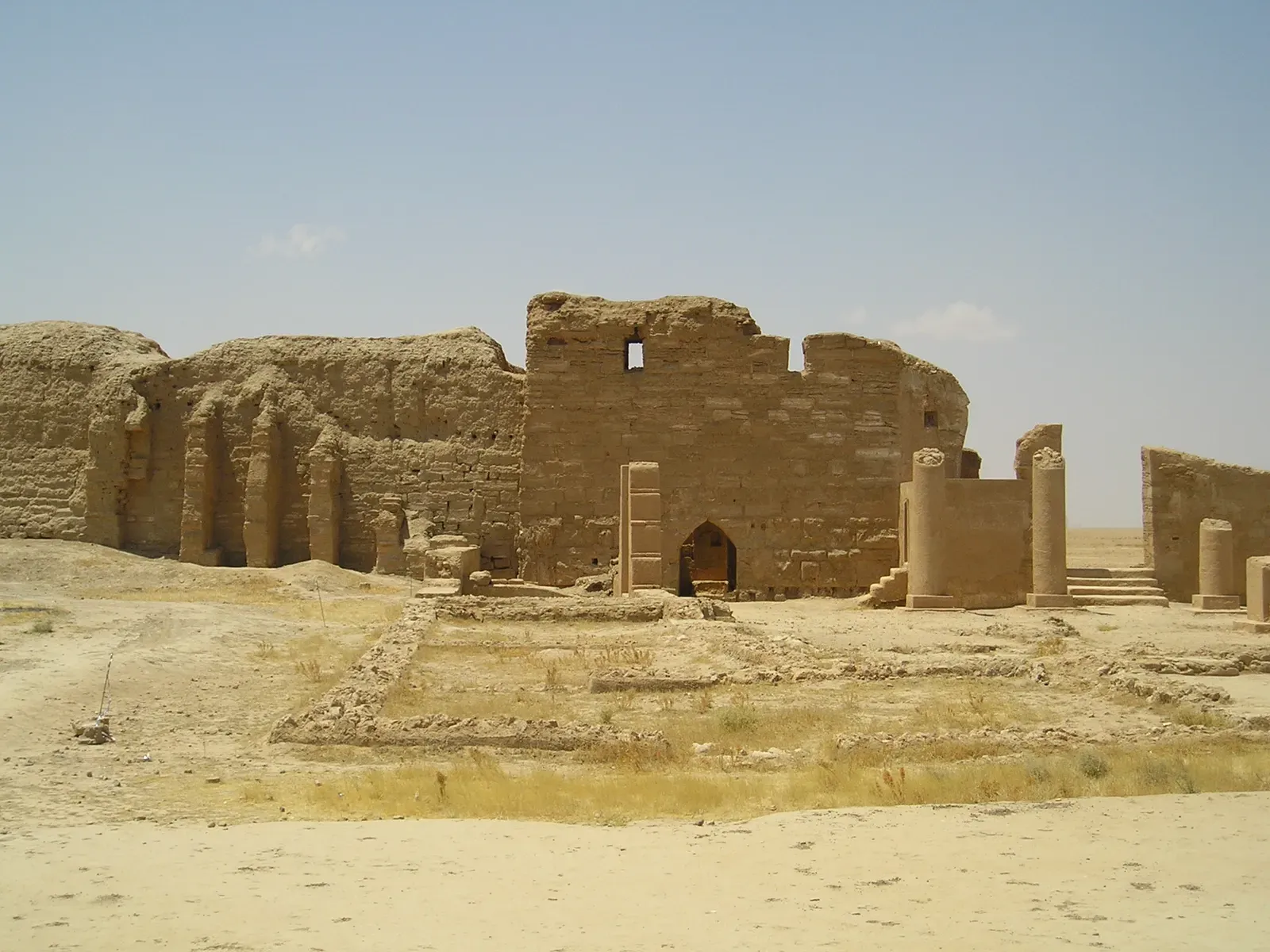
Mesopotamia is a land where floods have occurred very frequently. Many destructive floods had been registered by historians, who noted also the food control schemes used in those times. Unlike Egypt’s predictable Nile floods, the Tigris and Euphrates were temperamental and dangerous. Floods were a regular occurrence in Mesopotamia, and the danger of destructive flooding was very real. Unlike the Nile, whose annual flood arrived at an ideal point within the agricultural cycle, the timing of the arrival of high water in both the Tigris and the Euphrates was poorly synchronized with the needs of cultivators.
They began by building reservoir basins for the annual overflow to run into, and levees to hold the waters back. Over time, they combined these approaches with an extensive network of canals and arrived at an ingenious solution: irrigation. Mesopotamians didn’t just react to crises. They built systems to anticipate and mitigate them. Flood protection and irrigation management have been two of Mesopotamia’s most pressing concerns since the dawn of civilization, during the Sumerians, Akkadians, Babylonians, Assyrians, and Islamic periods. All of these civilizations invested heavily in better organizing and managing their water resources.
It’s honestly impressive how they turned a disaster-prone environment into the cradle of civilization. They built centralized systems to coordinate massive infrastructure projects. Powerful kings and priestly classes played a crucial role in coordinating irrigation projects, distributing resources, and managing food supplies. These centralized systems ensured that resources were allocated efficiently, particularly during times of crisis. When the stakes are survival, you learn to get organized fast.
The Byzantine Empire: Endurance Through Flexibility

Past civilizations that weathered challenges often demonstrated remarkable adaptation and resilience. The Byzantine Empire, for instance, faced numerous threats but endured for over a thousand years. Their ability to adapt to changing circumstances, both internal and external, highlights the importance of flexibility and innovation in sustaining a civilization. While not as ancient as the others, the Byzantine Empire deserves mention for its sheer staying power.
The Byzantines faced enemies from all sides, religious schisms, plagues, and economic crises. Yet they survived because they refused to be rigid. They adapted military tactics, shifted economic policies, borrowed from neighboring cultures, and weren’t afraid to completely reinvent themselves when necessary. Those that adapted survived and shaped the future. Resilience grows from community, innovation and learning from failure.
What kept them going for a millennium after Rome fell was their willingness to constantly evolve. They understood that what worked yesterday might not work tomorrow. As we face global challenges in the 21st century, these lessons in adaptability are more relevant than ever. The world changes. Societies that can’t or won’t change with it don’t last.
Conclusion
Ancient civilizations offer valuable lessons for modern society. Their rise and fall reveal patterns of growth, decline, and resilience that still resonate today. From environmental challenges to social inequality, many issues faced by ancient societies mirror our own. These five civilizations teach us something crucial: resilience isn’t about avoiding problems. It’s about building systems that can handle them.
The Romans showed us the value of adaptation and stealing good ideas wherever you find them. The Maya demonstrated sustainable resource management, even if they eventually pushed it too far. Egypt proved that social cohesion and everyone pulling in the same direction creates lasting stability. Mesopotamia taught us that anticipating crises and building infrastructure to handle them is essential. The Byzantines reminded us that flexibility and willingness to change keeps societies alive.
The rise and fall of past civilizations offer a treasure trove of wisdom for humanity. These historical narratives remind us of the impermanence of power, the dangers of hubris, the need for adaptability, the benefits of cultural exchange, and the imperative of environmental stewardship. By heeding these lessons, we can navigate the complexities of our own era and work collectively to build a more sustainable and resilient future.
Here’s the thing though: knowing these lessons and actually applying them are two different challenges. What will you take from these ancient stories? What does resilience look like in your life, your community, or your society right now?