Imagine walking deep into a cave, torch in hand, and suddenly the light catches the wall – and there it is. A bison painted in stunning detail, muscles in motion, eyes alive with a kind of energy that simply should not exist tens of thousands of years after it was made. That feeling? That is what archaeologists experience time and again across the world, from the limestone cliffs of Indonesia to the underground galleries of France and Spain. It stops you cold.
Ancient cave art is not just old paint on rock. It is a window, possibly the most powerful one we have, into the minds of people who walked this earth long before the written word, the wheel, or the city. Their overwhelming subject of choice was animals. Not landscapes, not patterns, not self-portraits. Animals. You have to wonder why. What were they trying to say? What did they know, feel, or believe about the creatures they depicted with such breathtaking skill? The answers are as fascinating as they are complex. Let’s dive in.
The Staggering Age of the World’s Oldest Animal Art
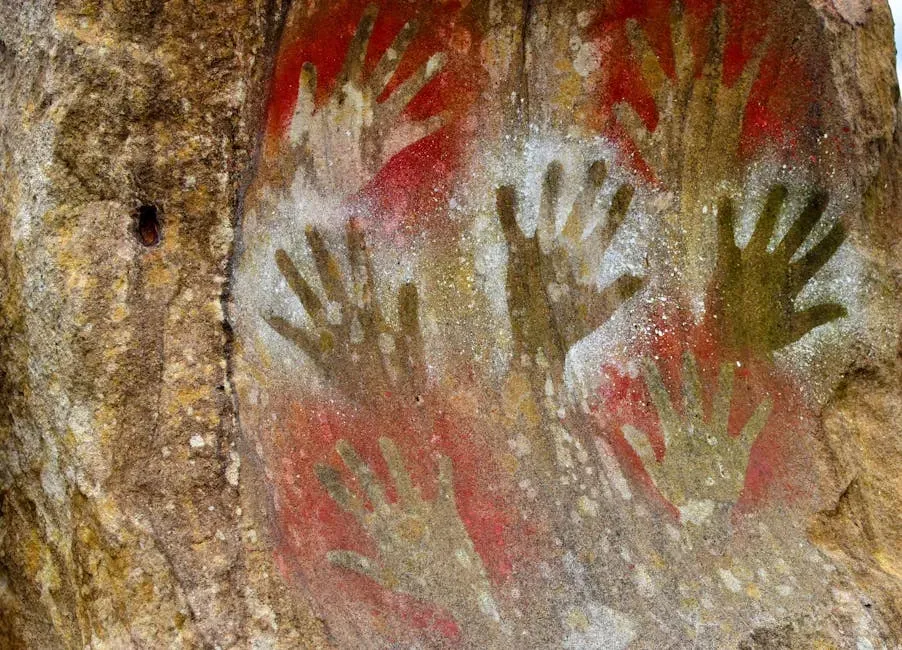
Let’s be real – most people think of French caves like Lascaux when they hear “cave art.” But the timeline stretches much further back than most realize, and it does not even start in Europe. The earliest known cave painting of an animal, believed to be at least 45,500 years old, shows a Sulawesi warty pig. The image appears in the Leang Tedongnge cave on Indonesia’s Sulawesi island. That is not a typo. Forty-five thousand years.
Sulawesi also has the first known cave painting of a hunting scene, believed to be at least 43,900 years old. These Sulawesi cave paintings demonstrate the artists’ ability to depict creatures that existed in the world around them, and predate the famous paintings in France’s Lascaux cave by tens of thousands of years. Think about that for a moment. Lascaux – the cave most schoolbooks celebrate as the pinnacle of prehistoric art – is almost a newcomer compared to what was happening in Southeast Asia.
Animals Dominated the Visual World of Early Humans
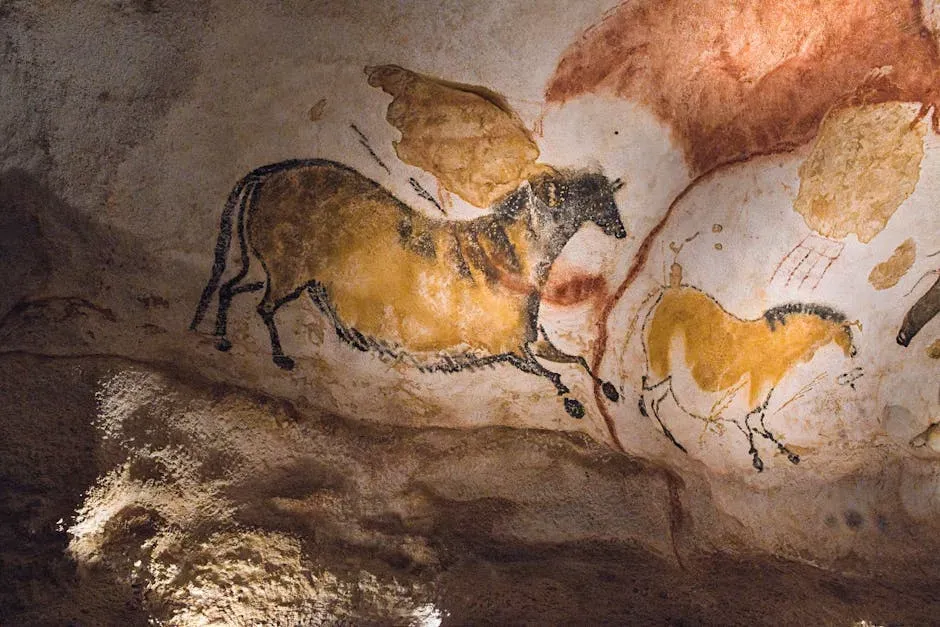
The most striking feature of Paleolithic cave art is the overwhelming focus on animals, which are depicted with remarkable naturalism and detail. Artists rendered species like bison, horses, aurochs, mammoths, and deer with an acute sense of anatomy and movement, reflecting a profound observational skill. You would not expect such precision from people we sometimes imagine as primitive. Honestly, some of this work puts modern wildlife illustrators to shame.
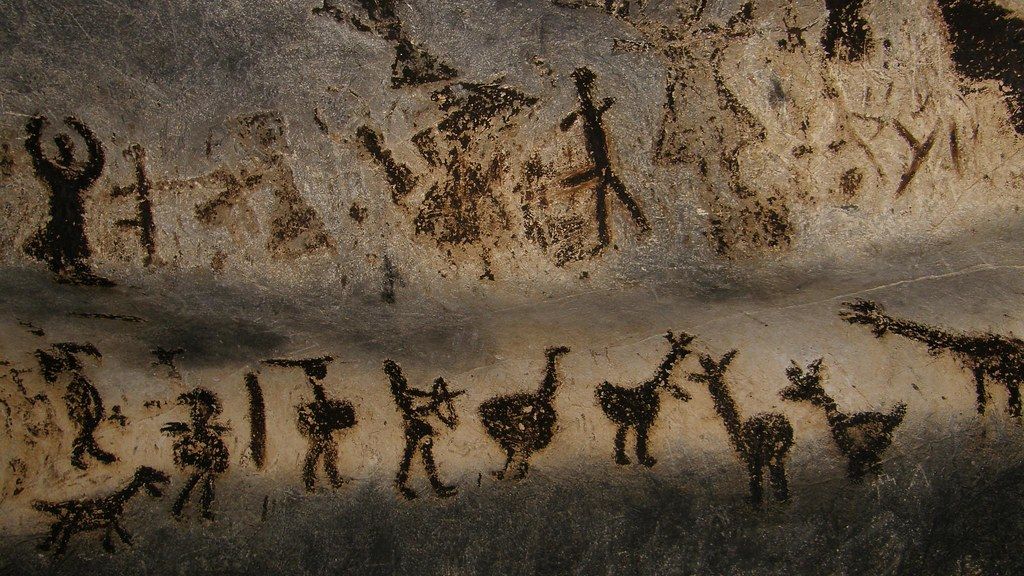
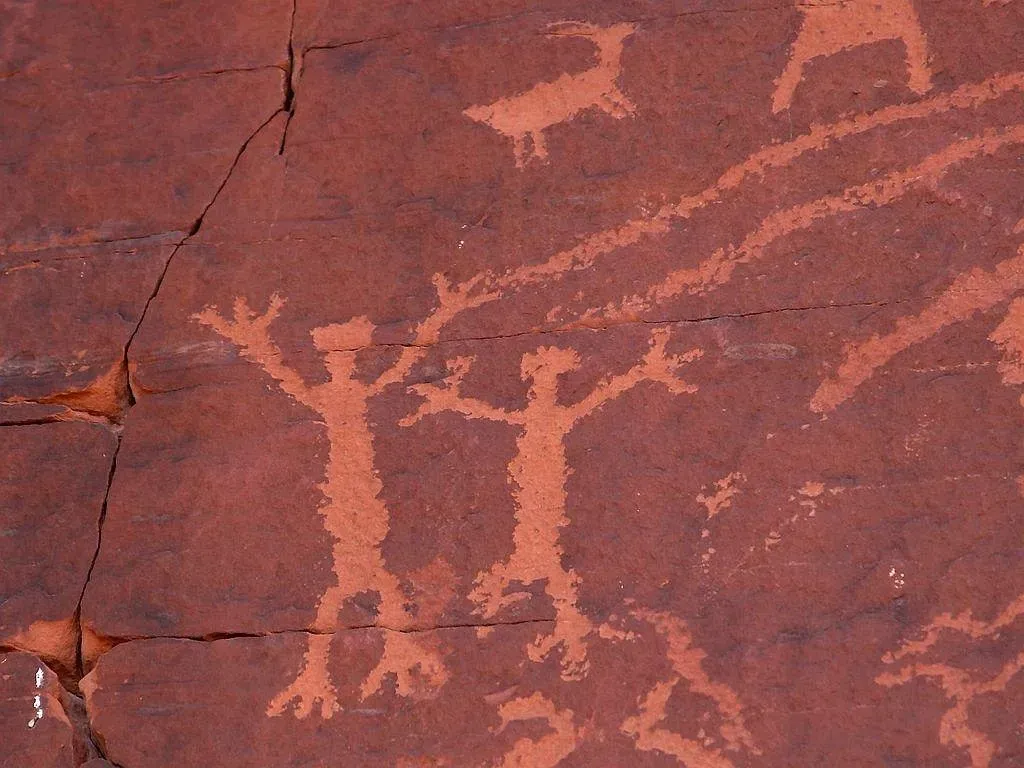
The animal figures dominate the cave walls, often appearing without any detailed background or context, emphasizing the animal itself as the subject of the composition. In stark contrast to the vivid, realistic portrayal of animals, human figures are rare, often rendered as crude stick figures or abstract anthropomorphs. This disparity highlights a worldview where the animals occupied the central stage of the visual record. It tells you something profound about how these early humans ranked themselves relative to the animal world – which is to say, they clearly did not see themselves as the most important thing in it.
Predators, Not Just Prey: A Wider View Than You’d Expect
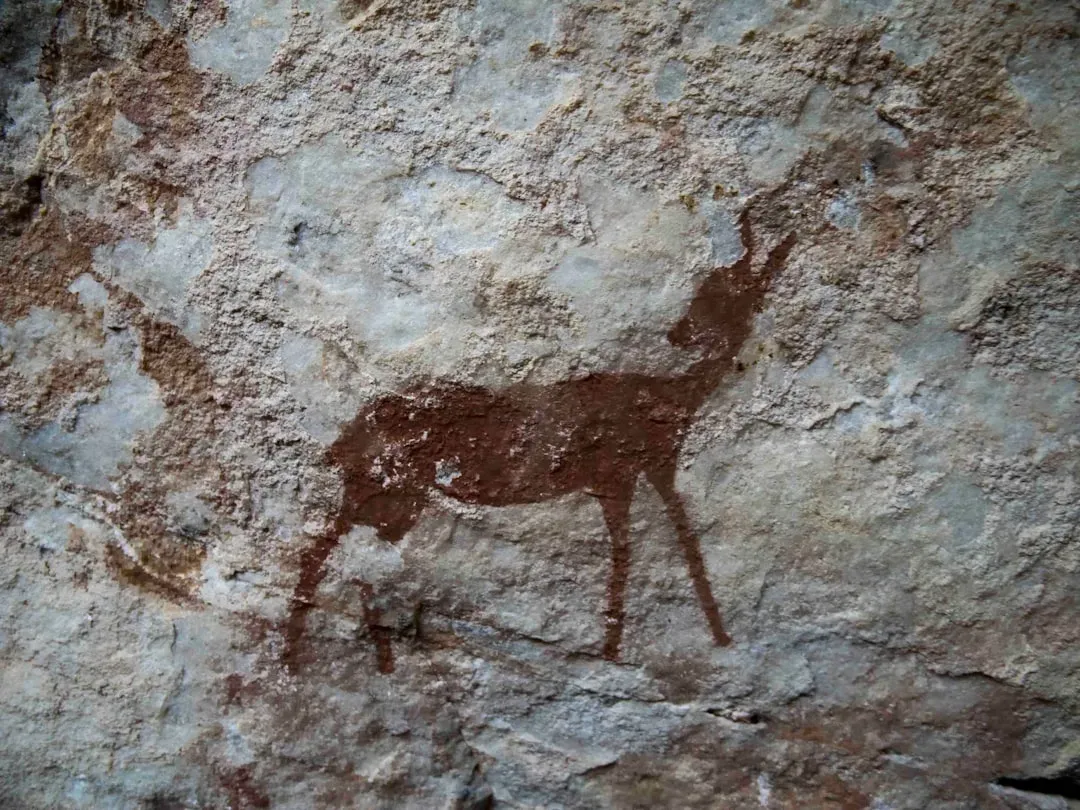
Beyond the large herbivores, the artists also depicted formidable predators, such as cave lions, bears, and rhinoceroses, especially in sites like Chauvet Cave. The presence of both prey and predator species indicates that the art was not limited only to animals hunted for food. This is where things get really interesting. If cave art were purely a hunting manual or a food wish-list, you would expect only edible animals on the walls. But that is not what you find.
Researchers have consistently demonstrated that the animals most often represented in Paleolithic caves are among the ones least frequently consumed as food. The people who lived at Altamira ate almost no bison, dining primarily on the meat of red deer. Likewise, at Lascaux images of horses, bovids and red deer dominate, whereas reindeer, the primary dietary item in the food debris, are not depicted at all. You could compare it to modern people who fill their homes with paintings of wolves or eagles but rarely eat either. The choice of subject speaks to something deeper than the dinner table.
Hunting Magic and the Power of Symbolic Thinking
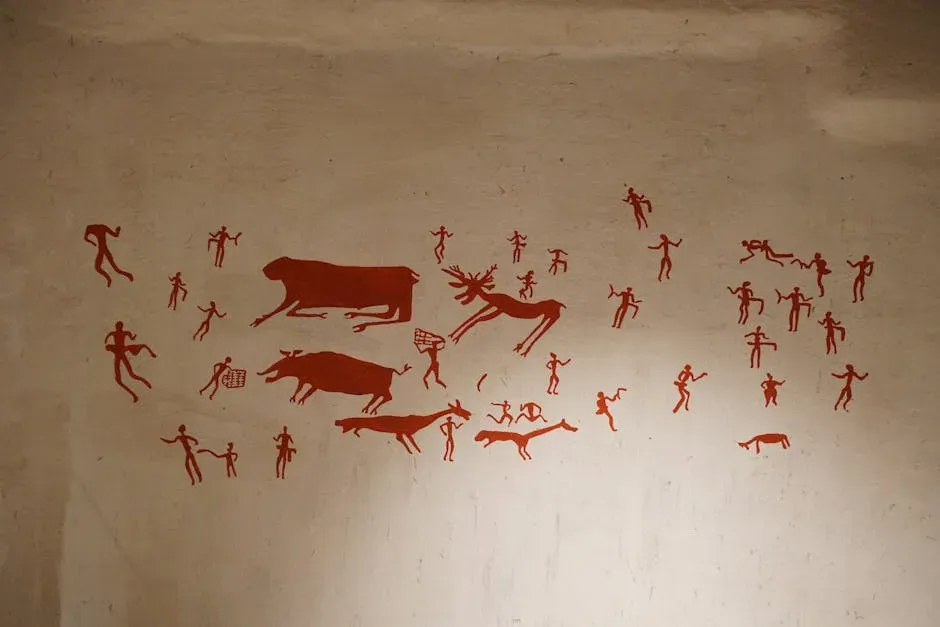
One of the earliest and most enduring interpretations of this animal-centric art is the theory of “Hunting Magic,” which focuses on the economic and practical necessity of the animals for survival. This theory suggests that the paintings were a form of sympathetic magic, intended to influence reality by depicting the desired outcome of the hunt. By painting an animal, the Paleolithic artist was believed to secure its capture or ensure the continued abundance of the species. Think of it like a prehistoric vision board – if you paint the hunt going well, maybe it will.
This functional approach is supported by the existence of animals shown with spears or arrows penetrating their bodies, suggesting a ritual preparation for the actual hunt. The depiction of pregnant animals could also be interpreted as a plea for fertility, aimed at multiplying the herds that were the primary food source. However, this theory is not without its cracks. The hunting magic theory is complicated by archaeological evidence showing that the depicted animals do not always correlate directly with the primary prey found in nearby habitation sites. For example, at Lascaux, reindeer bones are the most common faunal remains, yet horses and aurochs dominate the paintings. This discrepancy suggests that the art’s purpose extended beyond a simple tally or blessing of the species most frequently consumed.
Animals as Spiritual Guides and Sacred Beings
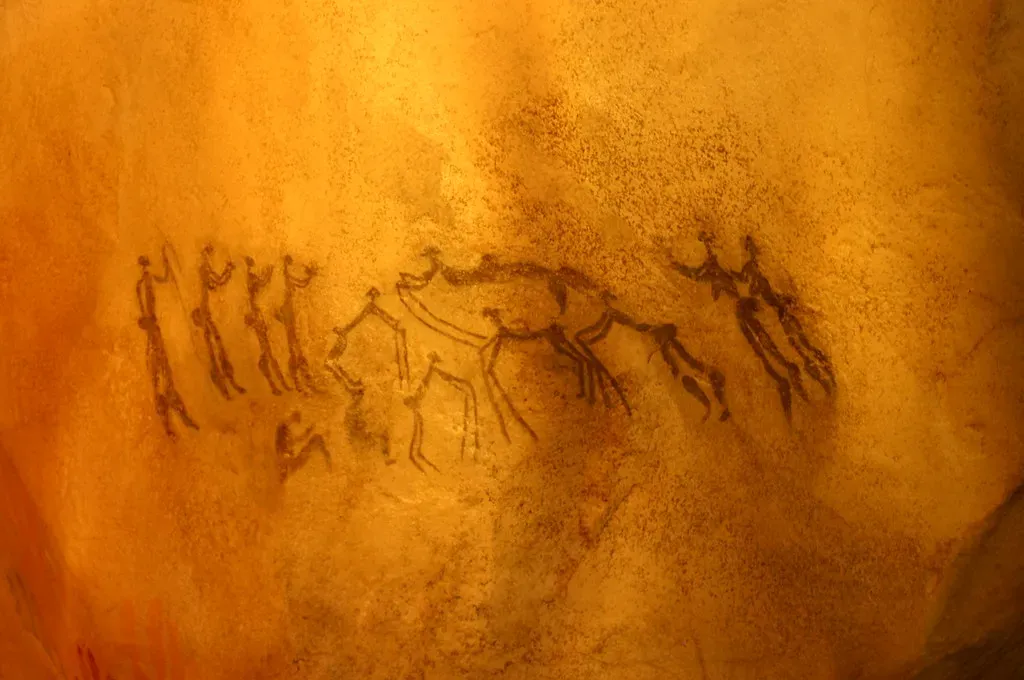
Moving beyond the utilitarian interpretation, the animals also appear to have played symbolic and spiritual roles, suggesting a complex cosmological relationship with early humans. The theory of Shamanism posits that the caves were sites for trance rituals, and the animals were spirit guides or entities encountered in altered states of consciousness. I find this interpretation almost more believable than the hunting magic theory, especially when you consider how far into the dark, deep sections of caves much of this art was placed.
For researcher Jean Clottes, the Chauvet Cave is a space that fosters contact between the real world and the spirit world. He even suggested that the cave bear played the role of the mediator. Indeed, the Chauvet Cave is a subterranean space heavily frequented by this animal. Cave art is a symbolic representation of codes produced by Paleolithic human thinking. Although this cannot be a definitive conclusion, we can say that parietal art symbolizes the fusion of the Paleolithic human and animal worlds, whereas today we perceive these two entities as dissociated from each other.
The Accuracy of Animal Depictions Reveals Deep Observation
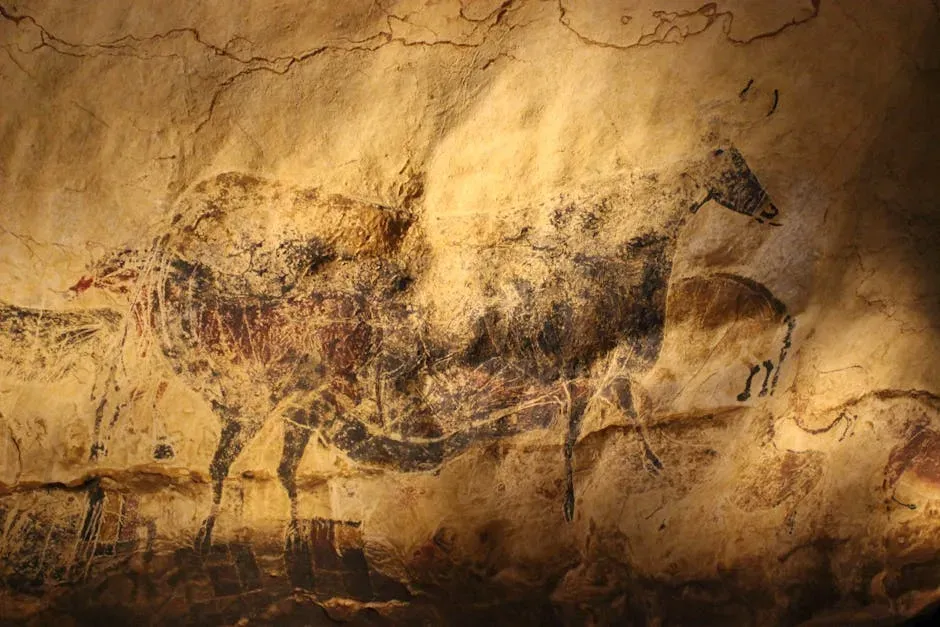
A 2012 study found that prehistoric cave artists depicted the walking gait of four-legged animals with greater accuracy than modern artists, suggesting close observation of prey animals was important for survival. That is a remarkable finding. These were not guesses or rough sketches from memory – these were the results of incredibly careful, sustained observation of living animals in the wild. These early humans paid attention in a way that most modern people simply never have to.
The drawings are elegant, lively, simple to view but accurate enough to determine the species that they were drawing. This level of precision required both cognitive sophistication and an intimate, long-term relationship with the animals being depicted. They tell us about the minds and lives of ancient humans as well as about their relationship with the now extinct megafauna that surrounded them. In a very real sense, cave art is also a scientific record, preserving details of species behavior and anatomy that no other source from this era comes close to capturing.
Animal-Human Hybrids: Crossing the Boundaries of Species
An impressive 12-inch composite creature, carved from the ivory of a mammoth, fuses animal and human elements. Its beastly attributes include a lion’s head and the elongated body and forelimbs of a big cat, while the legs, feet and bipedal stance are clearly modeled on the human form. The sculpture was discovered in Germany in the Hohlenstein-Stadel cave in 1939 and is the oldest example of an imaginary form in history. That is extraordinary. You are talking about a being that never existed, born entirely inside a human mind, and carved with stunning craft tens of thousands of years ago.
This hypothesis suggests that each clan or human group is represented by a symbolic animal, its totem, a being possibly worshipped for the protection it brings and the ancestral heritage it embodies. It’s hard to say for sure whether every hybrid figure was totemic, but the recurring blending of human and animal traits across so many different cultures and time periods is no accident. This thinking process of representation followed by re-description allowed early hominids the ability to direct attention away from the external world and toward internal thoughts and planned actions. This allows the individual to escape reality and provides a way of sharing knowledge and experience through imagination.
Cave Art as a Window Into Early Human Storytelling and Knowledge
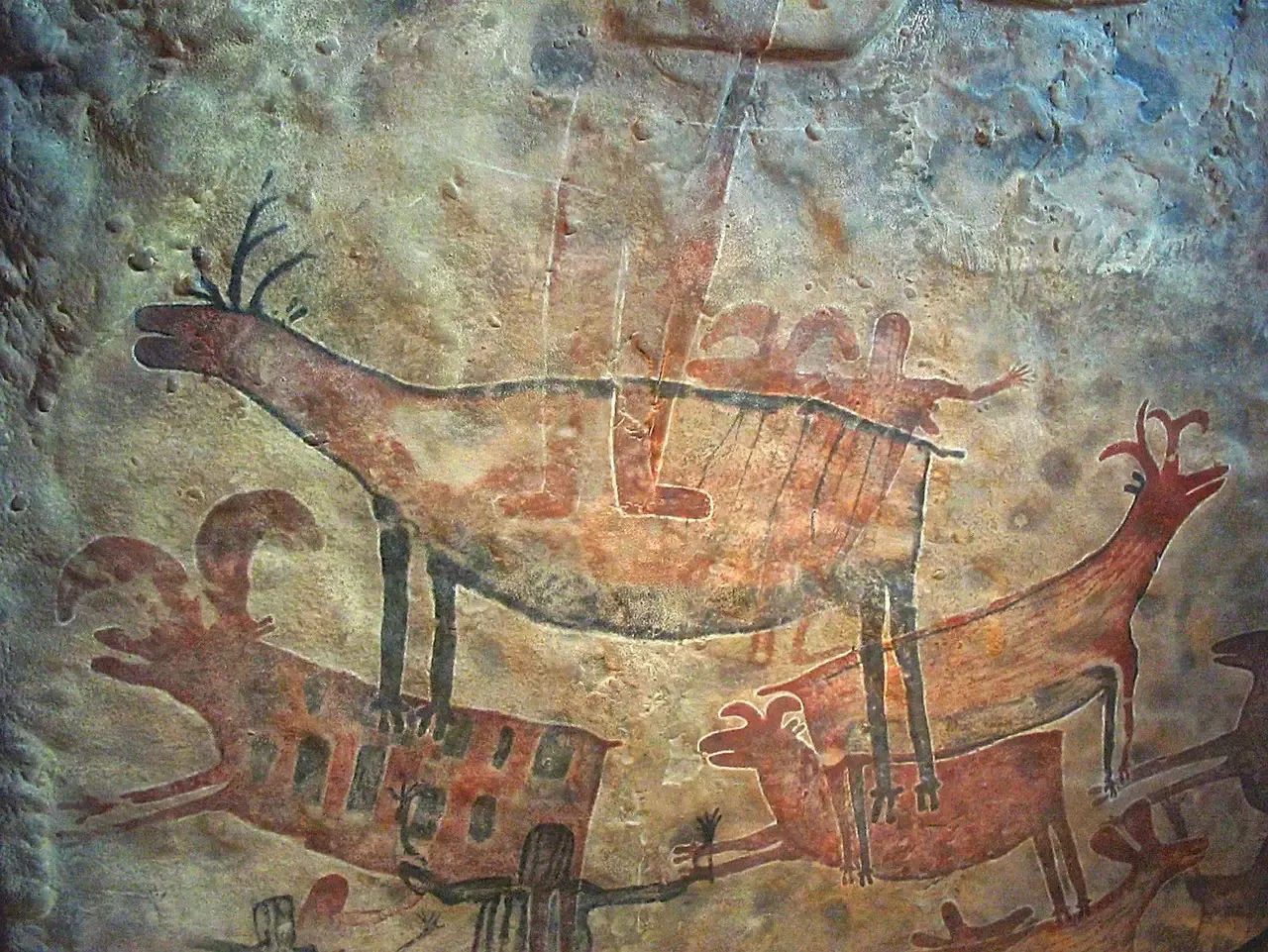
Some of the oldest known art may hint at the beginning of language development, while later examples portray narratives with human and animal figures. Images painted, drawn or carved onto rocks and cave walls, found across the globe, reflect one of humans’ earliest forms of communication, with possible connections to language development. The paintings were not random. They were deliberate, often arranged in scenes that seem to tell a story. Think of them as the world’s first illustrated books.
Although the purposes of these paintings are unknown, they provide immense historical information about humans, their relationship with animals and nature, the stages of prehistoric hunter-gathering and the eventual transition into more sedentary civilizations with domesticated animals. These paintings mark a shift in how early humans thought about and engaged with their environment – from focusing on survival and daily mundane necessities to cultivating what could be the earliest threads of human culture. In other words, animal art was not just art. It was the beginning of culture itself – a shared story, passed from one generation of cave-painters to the next, about the creatures that defined their world.
Conclusion
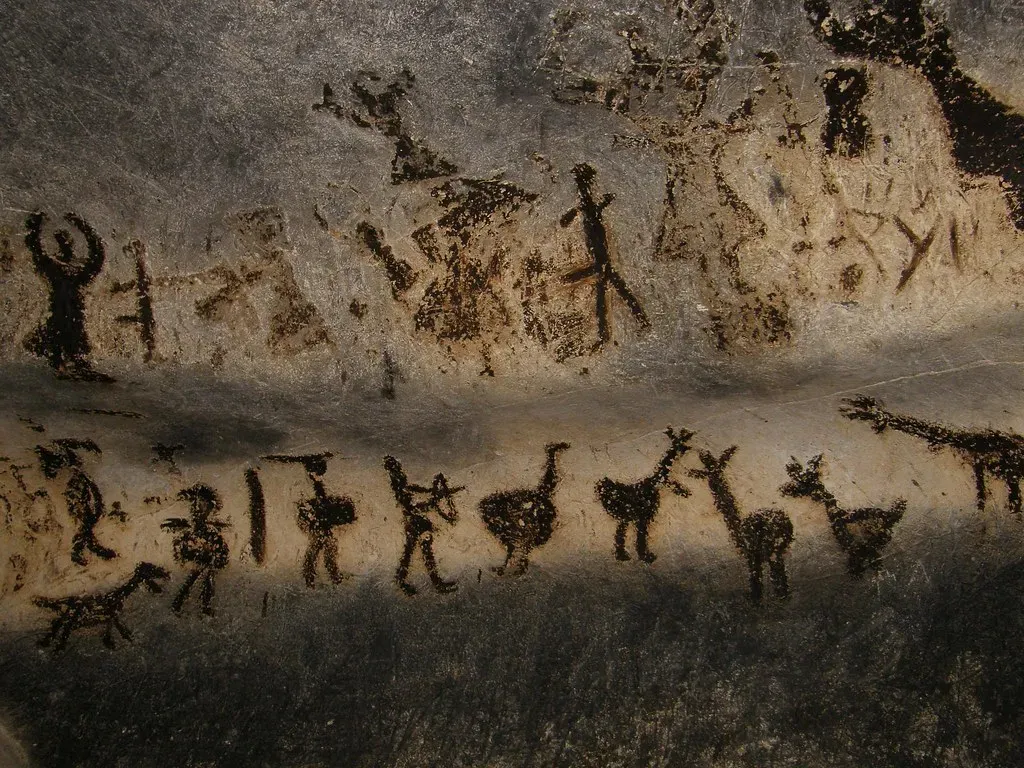
Ancient cave art is one of the most humbling things our species has ever left behind. When you look at a bison painted with precision in the depths of a cave 40,000 years ago, you are not looking at the work of a primitive mind. You are looking at someone who watched, wondered, feared, revered, and ultimately tried to make meaning out of the animals that surrounded them. That is not so different from what we do today.
What these images collectively reveal is that early humans did not simply tolerate animals or exploit them. They studied them with extraordinary care, wove them into ritual and spiritual life, and used them to tell the very first stories humanity ever told. The animal was not just food. It was metaphor, spirit, teacher, and muse – all at once.
The next time you see a photograph of cave art, look a little longer. You are not just seeing pigment on stone. You are seeing the first moment a human mind looked at a creature and thought: this matters enough to remember. What would you have painted on those walls?