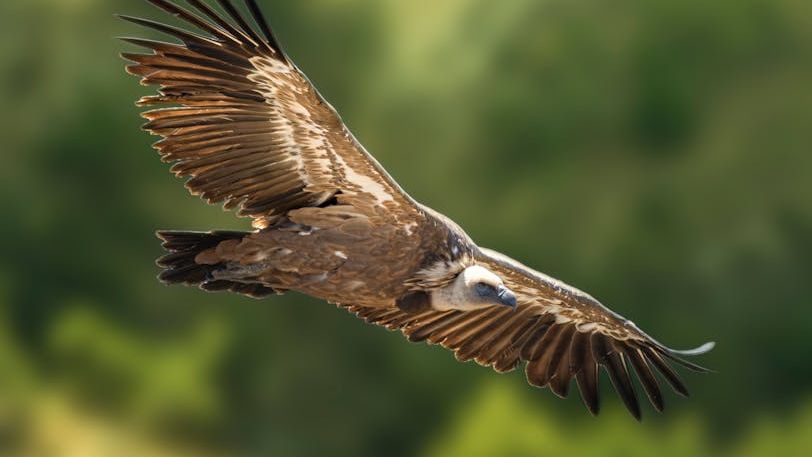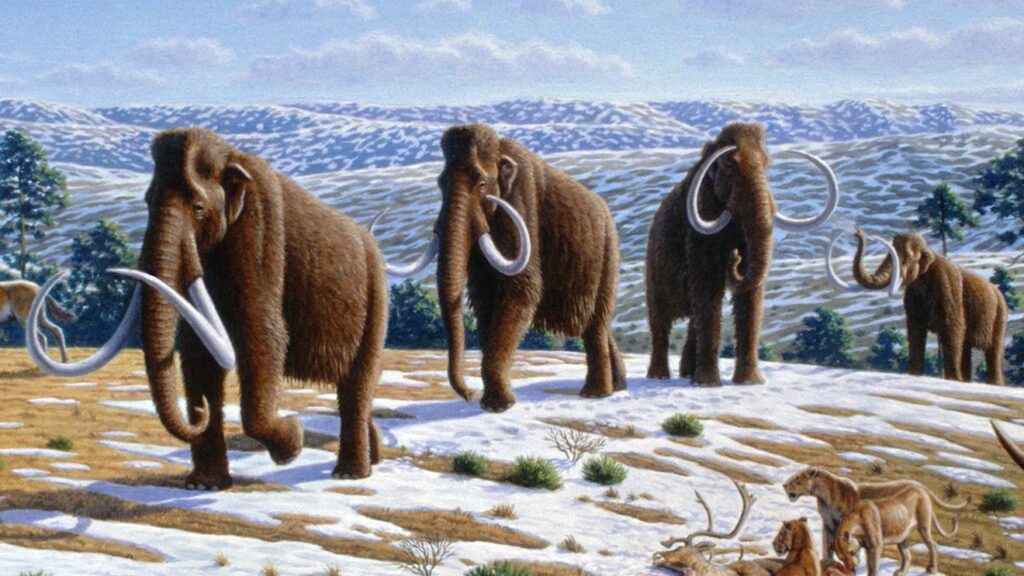
Have you ever watched a nature documentary and thought about your own life? It’s strange how a simple clip of a bird adapting to its environment can suddenly feel incredibly personal. The truth is, evolution isn’t just a distant biological process that happened millions of years ago. It’s happening right now, all around us, constantly shaping how organisms respond to change.
When you think about personal growth, you might imagine self-help books and motivational seminars. Yet some of the most profound lessons about transformation come from looking at how living things adapt and evolve. These natural processes offer surprising insights into how you might navigate your own challenges, setbacks, and transformations. Let’s dive into what nature has been teaching us all along.
The Power of Small, Consistent Changes Over Time

Individuals best adapted to their environments are more likely to survive and reproduce, and as long as there is variation between them and that variation is heritable, there will be inevitable selection of individuals with the most advantageous variations. This isn’t a dramatic overnight transformation. Think of it like compound interest in your personal development account.
In your own life, this principle mirrors the tiny daily habits that eventually create massive shifts. You don’t wake up one day fluent in a new language or suddenly physically fit. Instead, you practice fifteen minutes daily, or you take one extra walk each week. Even if the reproductive advantage is very slight, over many generations any advantageous heritable trait becomes dominant in the population. Similarly, those minor improvements you make each day accumulate into something transformative over months and years. Here’s the thing: most people give up because they don’t see immediate results, forgetting that nature doesn’t work in dramatic leaps either.
Variation Is Your Greatest Asset
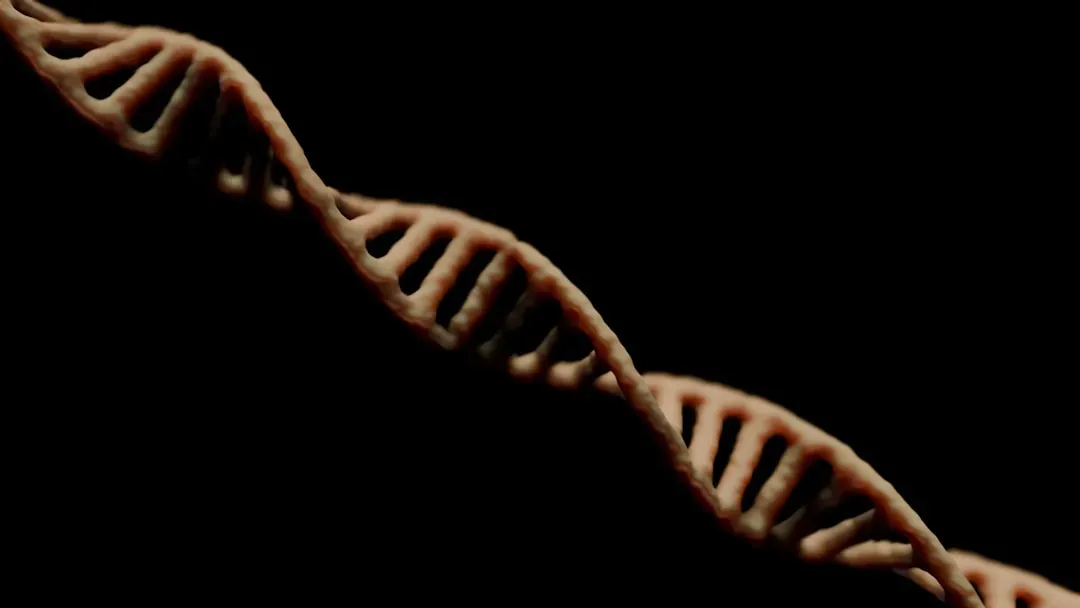
Individuals in a population are naturally variable, meaning that they are all different in some ways, and this variation means that some individuals have traits better suited to the environment than others. In evolution, diversity within a population provides the raw material for adaptation. Without variation, species would be vulnerable to extinction when environments shift.
This has direct implications for you. Embracing your unique quirks, talents, and perspectives isn’t just feel-good advice; it’s an evolutionary strategy. The skills and traits you possess that differ from others around you might be exactly what’s needed when circumstances change. Maybe your unconventional thinking style feels like a disadvantage in a rigid workplace, yet it becomes invaluable when innovation is required. The mutation of genes is an important source of genetic variation within a population, and mutations can be harmful, neutral, or sometimes helpful, resulting in a new, advantageous trait. Your differences are not flaws to be corrected but potential advantages waiting for the right moment.
Adaptation Requires Responding to Environmental Pressure

An adaptation is a feature that arose and was favored by natural selection for its current function, and adaptations help an organism survive and reproduce in its current environment. Species don’t evolve in comfortable, unchanging conditions. They adapt when forced to by environmental pressures, resource scarcity, or new predators.
Similarly, your most significant personal growth often occurs during challenging periods. Job loss, relationship endings, health scares – these painful moments create pressure that forces you to develop new skills and perspectives. I’ve noticed people who’ve never faced adversity often struggle more later in life because they haven’t developed that adaptive muscle. It’s not that you should seek out suffering, but recognizing that difficulty is often the catalyst for growth can change how you respond to it. Adaptation is defined as the process through which organisms enhance their survival and reproductive success in specific environments, and this process is vital as it allows species to become better suited to their habitats over time.
Not All Traits Need to Be Perfect – Good Enough Often Wins

Most of the variation in many traits has no impact on survival or reproduction, and because they don’t affect reproduction one way or another, sometimes they stick around. Evolution doesn’t aim for perfection; it selects for what works well enough to survive and reproduce. This is liberating when you think about your own development.
You don’t need to master everything or become the absolute best. Sometimes being competent across multiple areas serves you better than being exceptional in one. It is possible that if circumstances change, a variation that was once neutral can become helpful or harmful. That random hobby you picked up years ago might suddenly become relevant in a new career path. The skill you thought was just “okay” might be exactly what distinguishes you in a particular situation. Let go of perfectionism and embrace functional adequacy – it’s evolutionarily sound.
Resilience Is Built Through Evolutionary History
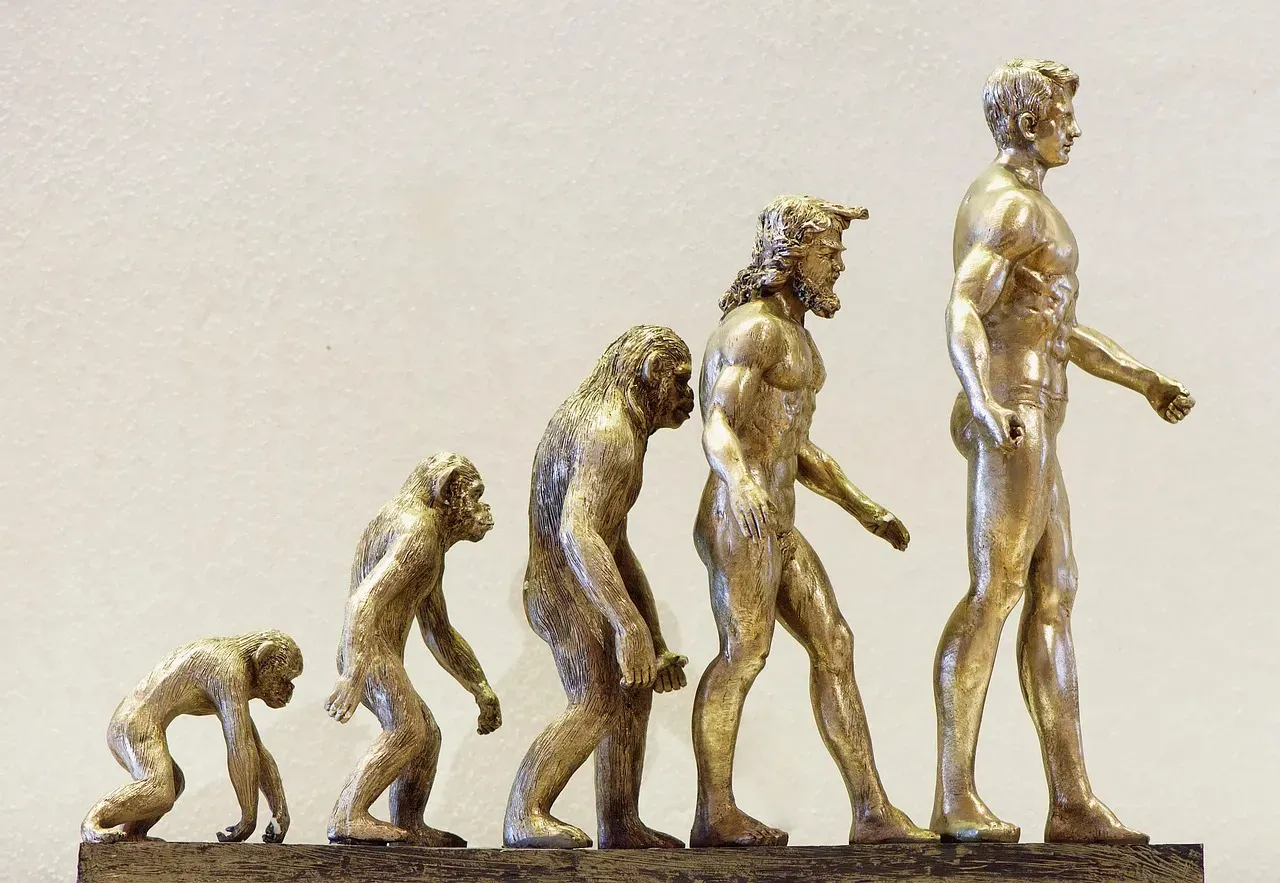
Evolution occurs rapidly and is an ongoing process in our environments, and evolutionary principles need to be built into conservation efforts, particularly given the stressful conditions organisms are increasingly likely to experience. Research shows that ongoing evolutionary change is the norm in nature and is one of the dynamic processes that generate and maintain biodiversity.
Your personal resilience works similarly. Each challenge you overcome, each adaptation you make, builds your capacity to handle future difficulties. Adaptation is not painless – unaware that first-year problem sets were meant to be worked collaboratively, some sequester themselves and struggle alone with a mountain of work. The struggles you’ve navigated have already shaped your ability to cope with stress and uncertainty. Honestly, people who seem naturally resilient have usually just been through more adaptive cycles. They’ve practiced bouncing back so many times it becomes almost automatic. Your evolutionary history – your personal past – is constantly informing your present capacity to thrive.
Community and Cooperation Enhance Survival
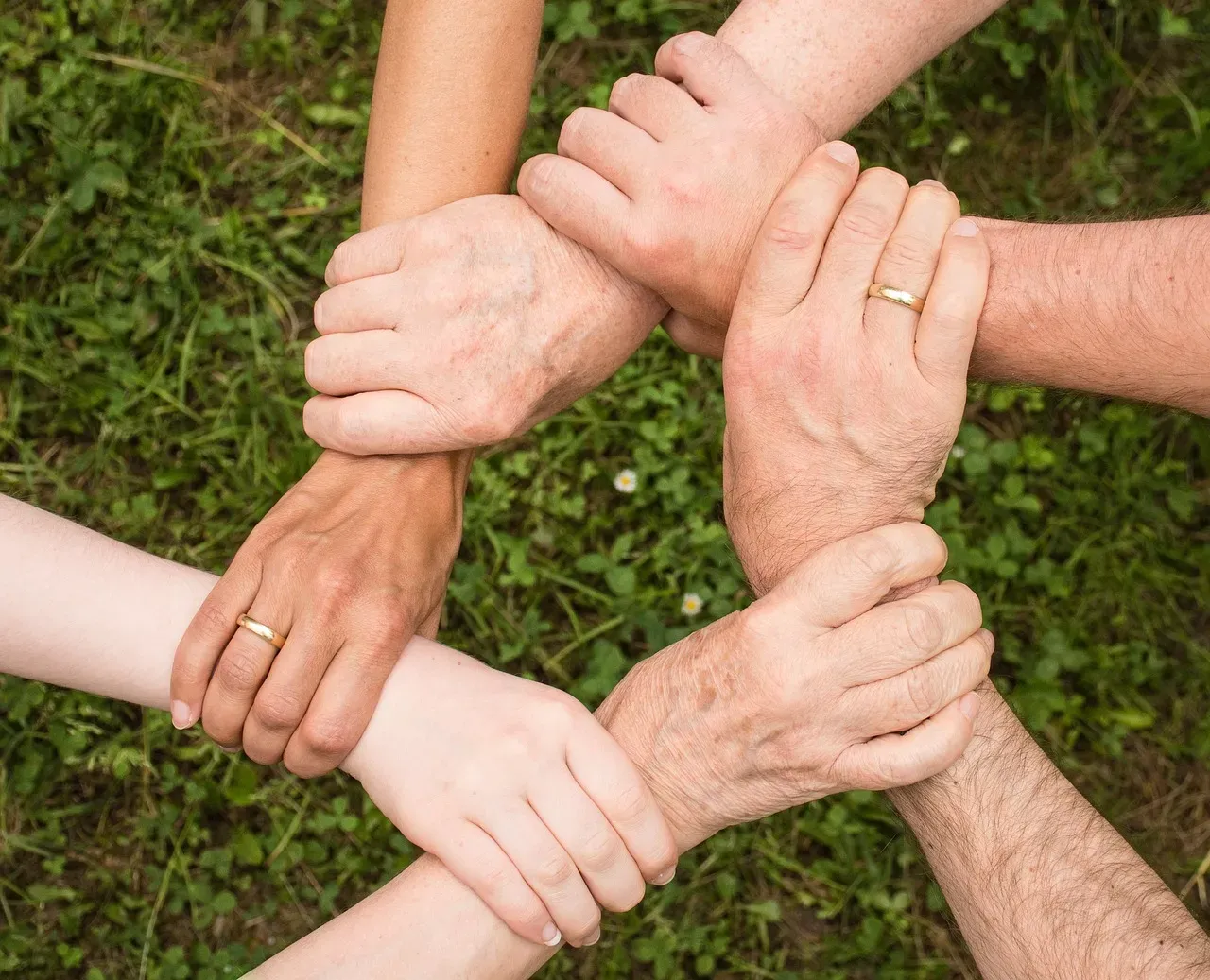
Adaptation is easier in a community; adaptation meant confronting fears, reaching out for help, and leveraging colleagues’ strengths and backgrounds, and the importance of a good support network cannot be overstated. While popular culture often emphasizes “survival of the fittest” as ruthless competition, evolution frequently favors cooperation and mutual support.
Think about how much faster you learn when someone mentors you, or how much easier difficult transitions become with friends who support you. Two or more species co-adapt and co-evolve as they develop adaptations that interlock with those of the other species. Your growth doesn’t happen in isolation. The relationships you cultivate, the communities you join, and the people who challenge and support you all contribute to your adaptive capacity. Isolation might feel safe, yet it actually limits your evolutionary potential. Collaboration isn’t weakness; it’s evolutionary wisdom.
Fitness Isn’t About Strength – It’s About Reproduction of Ideas

Fitness is a measure of reproductive success, and those individuals who leave the largest number of mature offspring are the fittest. In biological terms, fitness has nothing to do with physical strength and everything to do with successfully passing on genetic information to future generations.
In your personal context, this translates to the impact and legacy you create. The ideas you share, the people you mentor, the positive changes you inspire – these are your “offspring.” You might not be the loudest voice in the room or the most traditionally successful person, yet if your contributions influence others and create lasting change, you’re “fit” in evolutionary terms. Fitness does not pertain to physical appearance or athletic ability; rather, it refers to an organism’s capacity to survive and reproduce within its environment. Your real success is measured by what continues beyond you, not by superficial markers of achievement.
Ongoing Adaptation Is a Continuous Process

Adaptation is an ongoing process – evolutionary processes favor those with more opportunities at any given moment, but the shape of the evolutionary landscape changes over time. Species don’t reach some final, perfect form and stop evolving. The environment keeps changing, and successful organisms keep adapting.
This is perhaps the most important lesson for your personal growth. You never really “arrive.” There’s no destination where you’ve finally achieved all your goals and can stop developing. Life continues shifting, presenting new challenges and opportunities that require fresh adaptations. Ongoing evolutionary change is the norm in nature and is one of the dynamic processes that generate and maintain biodiversity patterns and processes. The skills that served you brilliantly five years ago might be less relevant now. The person you’re becoming is always a work in progress, shaped by continuous interaction with your changing environment. Embrace this. Growth isn’t a project with an endpoint; it’s the fundamental nature of being alive.
Conclusion

The parallels between biological evolution and personal growth reveal something profound: the principles that have shaped life on Earth for billions of years are the same ones that can guide your own development. Small consistent changes, embracing variation, responding to pressure, building resilience through experience, leveraging community, focusing on meaningful impact, and committing to ongoing adaptation – these aren’t just self-help concepts but evolutionary truths.
Nature has been experimenting with growth and adaptation far longer than humans have been writing books about it. Perhaps the most reassuring lesson is that evolution doesn’t demand perfection or rapid transformation. It simply requires you to keep responding, keep adjusting, and keep moving forward. What aspect of evolutionary wisdom resonates most with where you are right now in your own growth journey?