Picture an animal roughly the size of a school bus, spending nearly every waking hour eating just to stay alive. No breaks. No shortcuts. Just a relentless, day-after-day grind against hunger, predators, harsh weather, and a body that demanded enormous fuel to keep moving. That was daily life for the plant-eating giants of the Mesozoic Era.
Herbivorous dinosaurs are often painted as the gentle underdogs of the prehistoric world, quietly munching leaves while the carnivores get all the dramatic glory. Honestly, that image doesn’t do them justice. Their survival story was every bit as brutal, complex, and fascinating as any predator’s. From the battle against bad teeth to the struggle of raising young in a world full of things that wanted to eat you, these animals faced obstacles that would have broken most modern creatures. Let’s dive in.
The Never-Ending Battle to Find Enough Food
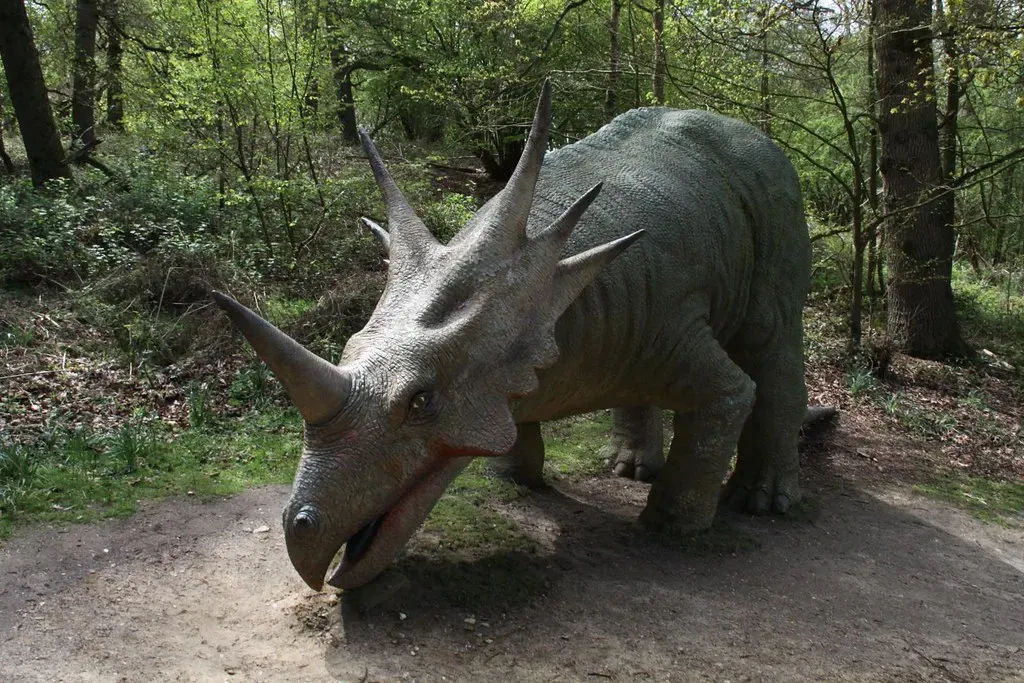
Here’s the thing about being a plant-eater in the Mesozoic: you had to eat constantly, and a lot of it. Even in some harsh and semi-arid environments, multiple species of gigantic plant-eating dinosaurs co-existed, and these herbivores, with their massive bodies and comparatively tiny heads, needed to consume vast amounts of food to survive. Think about that for a moment. A tiny head attached to a body weighing dozens of tons. The math alone is staggering.
Plant-eaters usually had to consume a much larger volume of material than meat-eaters in order to get the same number of calories, because leaves, twigs, and roots are low in calories. Imagine spending your entire day eating salad, knowing you still might not get enough energy. That was their reality, every single day, from the moment they hatched.
Digesting Food That Was Incredibly Hard to Break Down
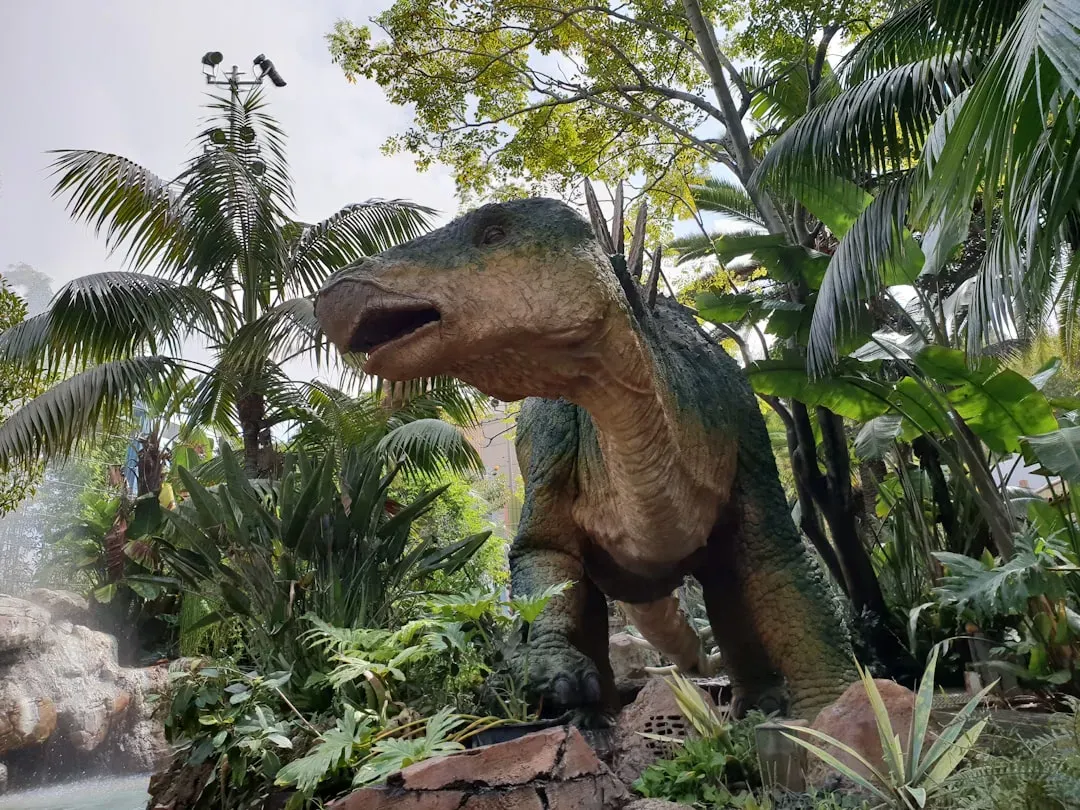
While herbivory is one of the most common ways of life for animals, it’s surprisingly difficult to eat plants. Unlike meat, which is easily broken down in the gut, plants are generally made up of tough fibres and complex carbohydrates which are hard to digest. Teeth are on the front line of this dietary battle, breaking open plants and cutting them into smaller pieces so that gut bacteria can break them down more efficiently. You might never have thought about it that way, but chewing a fern was genuinely hard work.
Plant-eaters usually had larger digestive systems than meat-eaters, needed to digest large amounts of tough plant fibers. Some dinosaurs swallowed rocks, called gastroliths, to help grind up the fibers in their guts. Some, like Ankylosaurus, even had fermentation chambers, where plant fibers were dissolved. It’s a bit like having a composting system inside your body. Creative? Absolutely. Comfortable? Probably not.
Competing With Other Herbivores for the Same Plants
You might assume that plant-eaters all just got along, happily grazing side by side. That’s a lovely image, but it misses a huge daily pressure. The impact of such large herds on the plant life of the time must have been great, suggesting constant migration in search of food. When you have dozens or even thousands of massive animals feeding in the same area, you strip the landscape bare remarkably fast.
Researchers from Bristol University’s School of Earth Sciences and the Natural History Museum believe that herbivorous dinosaurs survived by evolving skull and jaw adaptations optimised for particular diets. This ensured that different dinosaurs were not competing for the same plant material. For example, some dinosaurs, such as Camarasaurus, had a strong jaw and bite which could chomp through tough leaves and branches, while others, such as Diplodocus, had weaker bites and delicate skulls more suited to ferns and soft leaves. Evolution essentially handed each species its own menu.
Keeping Their Teeth From Wearing Out Completely
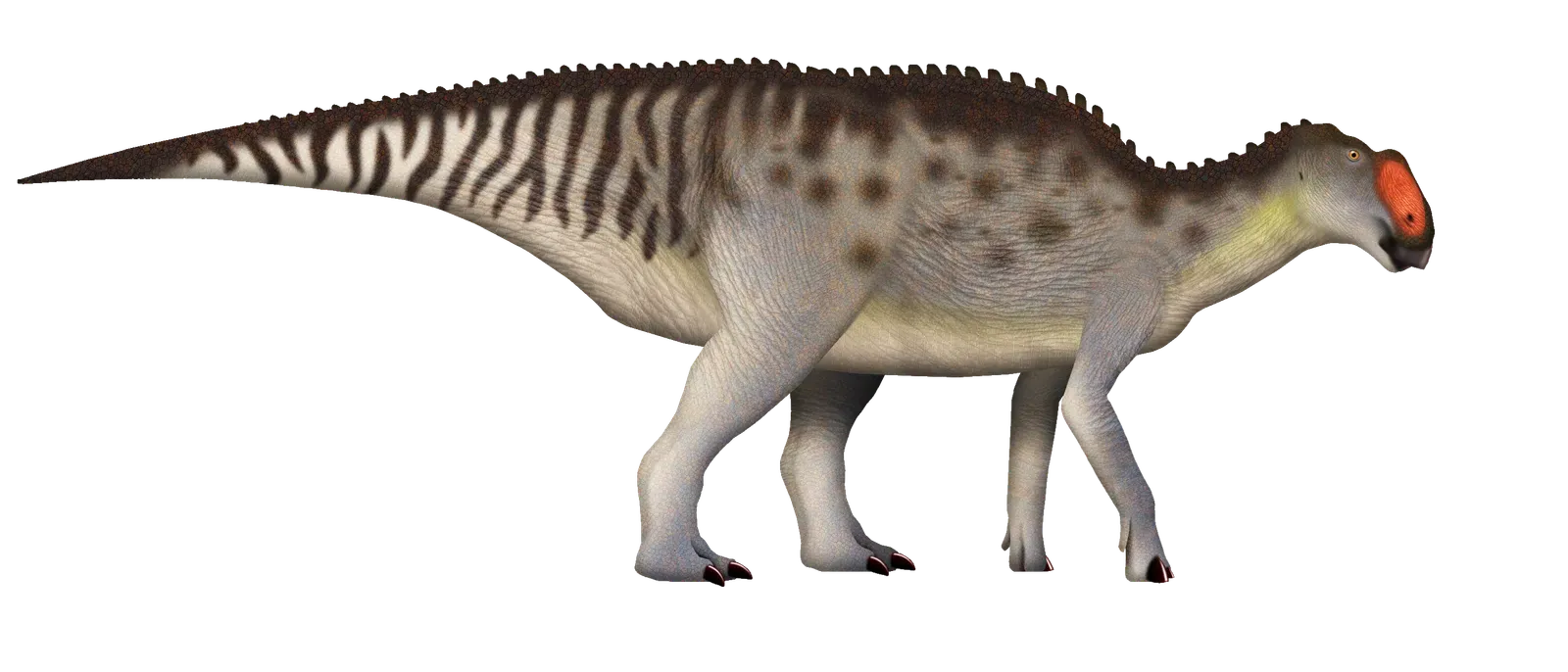
This one genuinely surprises most people. At the end of the Cretaceous, the duck-billed hadrosaurs were the most advanced herbivores on Earth. New research has revealed just how voracious these dinosaurs were, with their average tooth worn away in less than two months as they consumed enormous amounts of plants. Some of Earth’s most successful herbivores may have had hundreds of thousands of teeth in their lifetime. Hundreds of thousands of teeth. Let that sink in.
Researchers think this is because later ornithopods must have been feeding on tough plants that rapidly eroded their teeth. As they wore away at a huge rate, these dinosaurs would have needed to build up banks of teeth in their skulls to stop themselves from starving. Losing the ability to chew meant death by starvation. Many herbivorous dinosaurs had to evolve various ways of circumventing plant defenses, such as specialized teeth and broader guts. Their bodies were basically in a constant arms race with their own food.
Surviving Constant Predator Threats
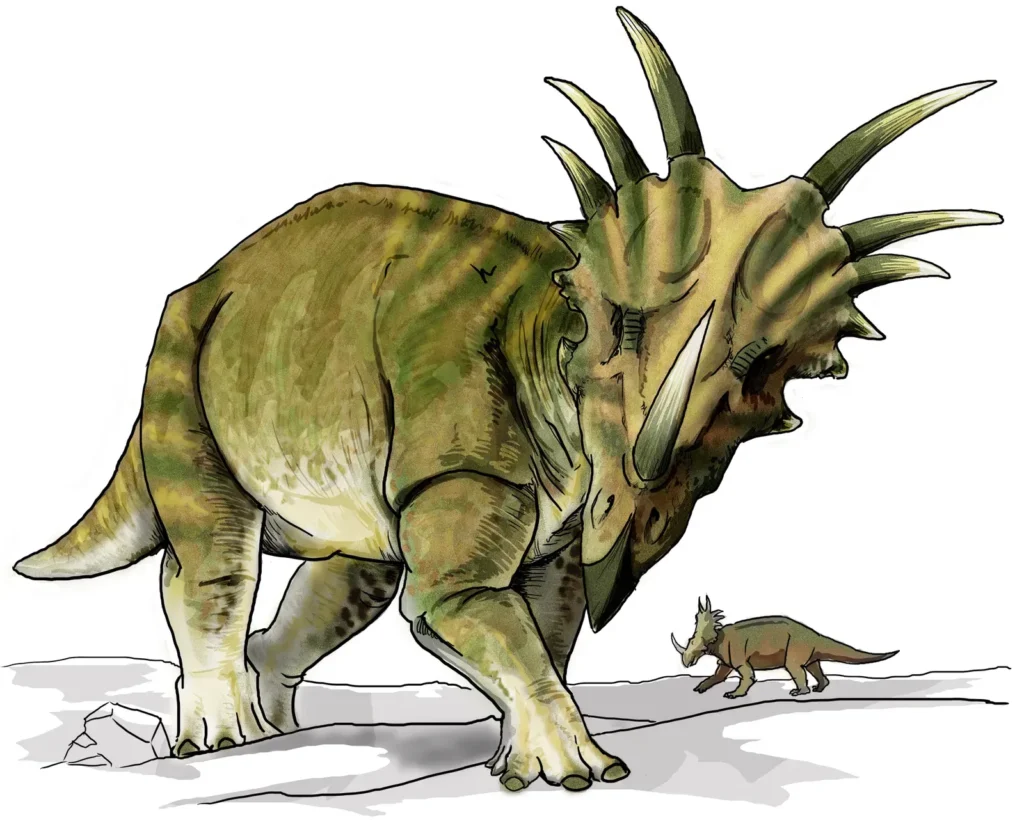
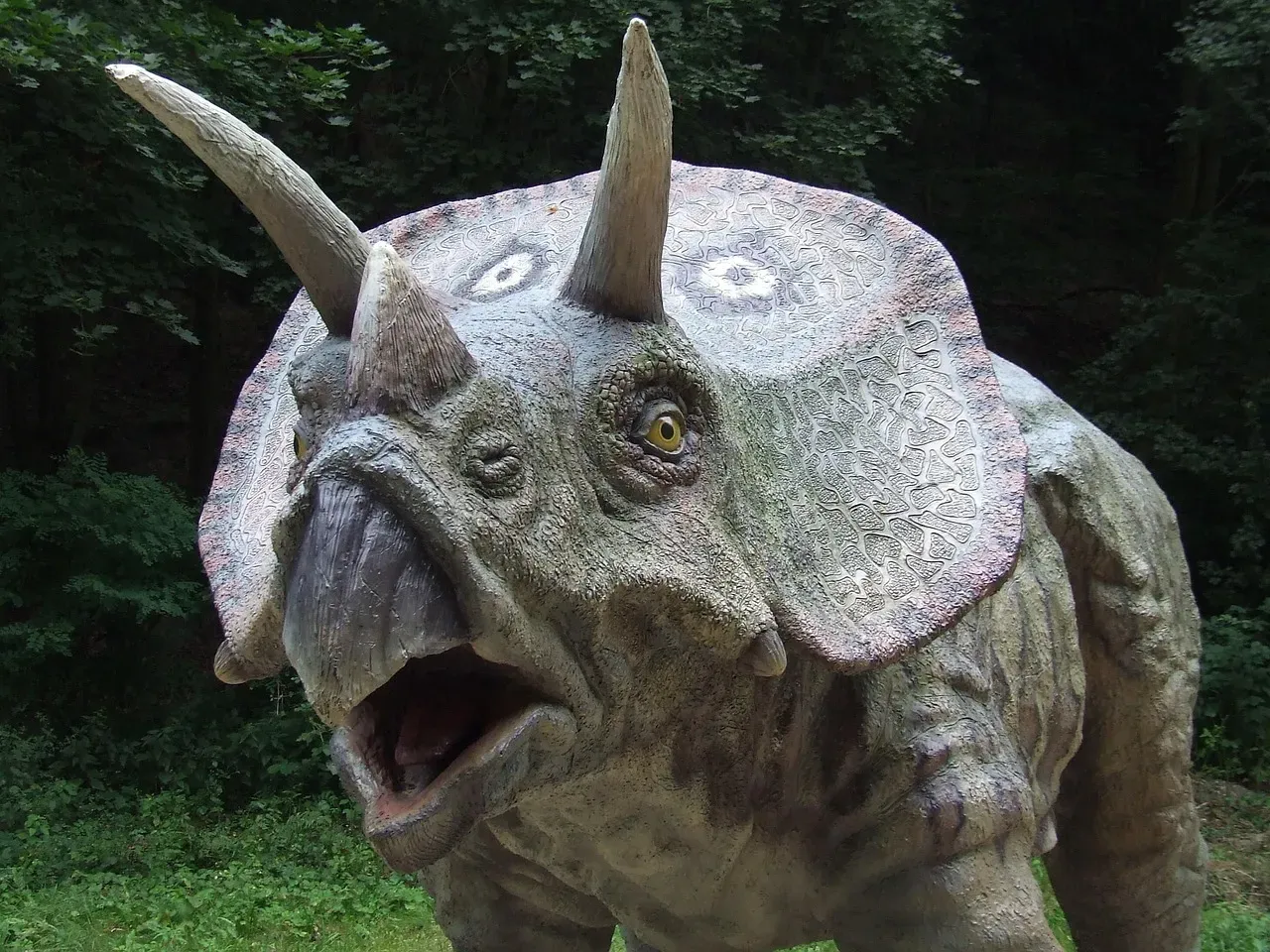
Let’s be real: being a plant-eater in a world full of apex predators was terrifying. When it comes to herbivorous dinosaurs, few are as instantly recognizable as Triceratops, a creature that not only survived in a world dominated by predators but may have actively stood its ground against them. Its skull, making up nearly a third of its total body length, was one of the most formidable natural defenses of any plant-eating dinosaur, with brow horns reaching up to a meter long. That’s an animal that refused to just be prey.
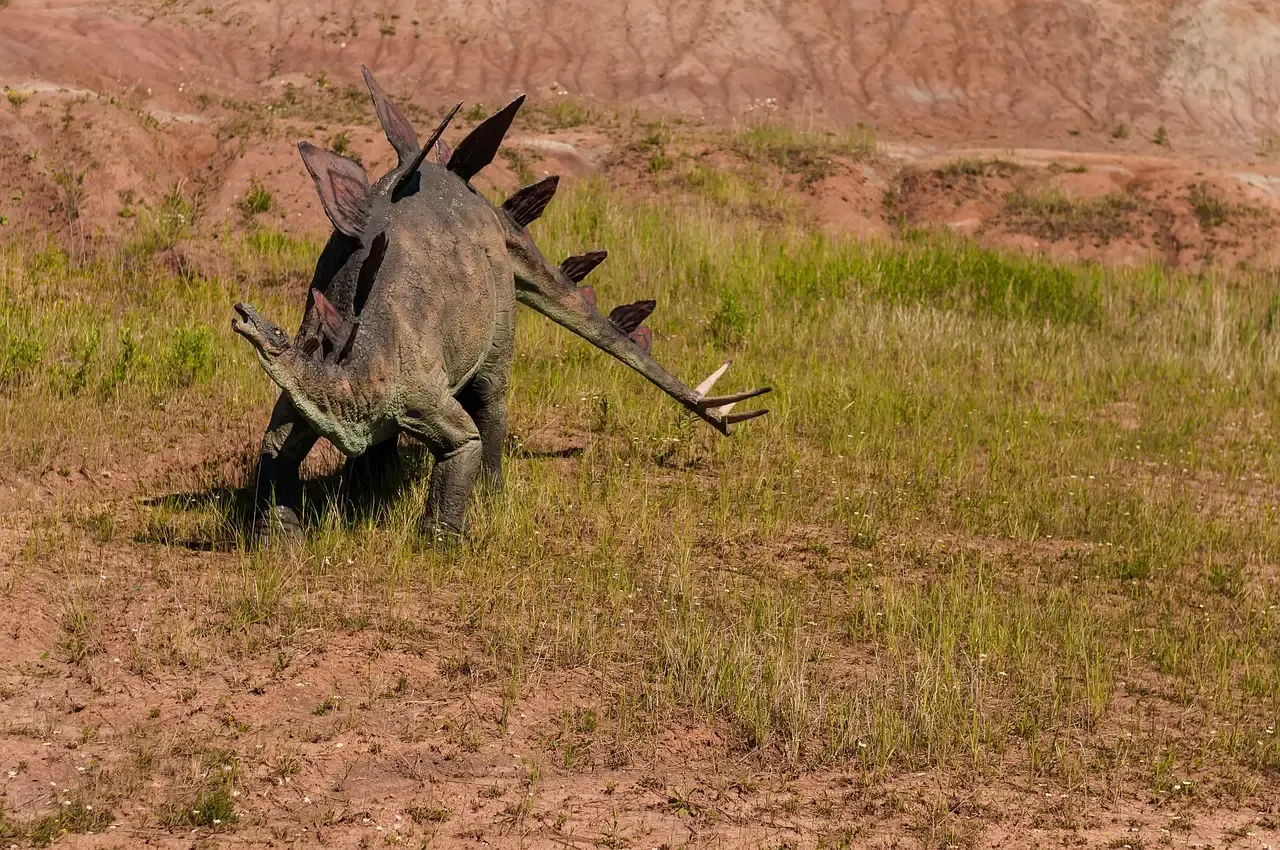
The discovery of an Edmontosaurus fossil with a partially healed bite wound from Tyrannosaurus rex is one of the clearest pieces of evidence of a direct predator-prey interaction, showing that some individuals survived attacks from the mightiest carnivore of their time. Survived. That word matters. Herbivores developed defensive adaptations given their vulnerability to predation. For instance, Stegosaurus sported protective spikes and plates and would swing its tail to fend off carnivorous threats. These combined traits were vital for survival, allowing herbivores to sustain themselves while remaining vigilant against potential predators.
The Enormous Pressure of Moving and Migrating
![The Enormous Pressure of Moving and Migrating (Own work[1], CC BY-SA 4.0)](https://nvmwebsites-budwg5g9avh3epea.z03.azurefd.net/dinoworld/0d09bd0b15ae18a3e4d465fa835bc765.webp)
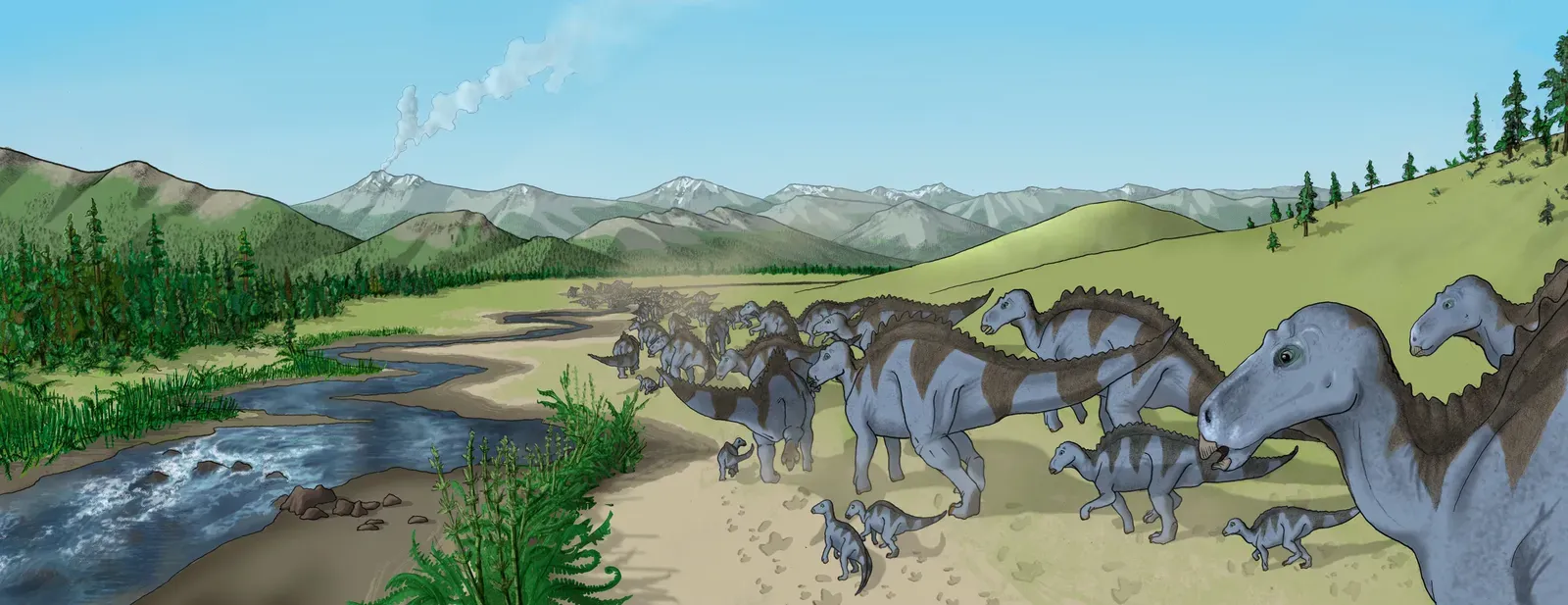
Staying in one place was never really an option. The Cretaceous ornithischian bonebeds found throughout western North America provide the best evidence for migration, as large numbers of mega-herbivores would be ecologically unsustainable if they did not move from place to place exploiting resources. Think of it like a mobile buffet situation, except you’re the one doing all the walking to find the buffet.
Trackways of hundreds or even thousands of herbivores indicate that duck-bills, or hadrosaurids, may have moved in great herds, like the American Bison or the African Springbok. Environmental shifts, such as climate changes and plant availability, drastically shaped dinosaurs’ feeding and migratory patterns, ensuring their survival in an ever-evolving ecosystem. Migration wasn’t a choice. It was a daily survival strategy built into their biology.
Raising Young in an Extremely Dangerous World
Protecting offspring was one of the most demanding challenges herbivorous dinosaurs faced. Dinosaurs may have congregated in herds for defense, for migratory purposes, or to provide protection for their young. A young dinosaur was essentially the perfect prey item. Slow, small, and unequipped with any serious defenses, juveniles were vulnerable from their very first day.
New fossil discoveries indicate the presence of social cohesion throughout life and age-segregation within a herd structure, in addition to colonial nesting behaviour. These findings provide the earliest evidence of complex social behaviour in Dinosauria, predating previous records by at least 40 million years. The presence of sociality in different sauropodomorph lineages suggests a possible Triassic origin of this behaviour, which may have influenced their early success as large terrestrial herbivores. In other words, community was not just comforting. It was critical.
Coping With Climate and Seasonal Food Shortages
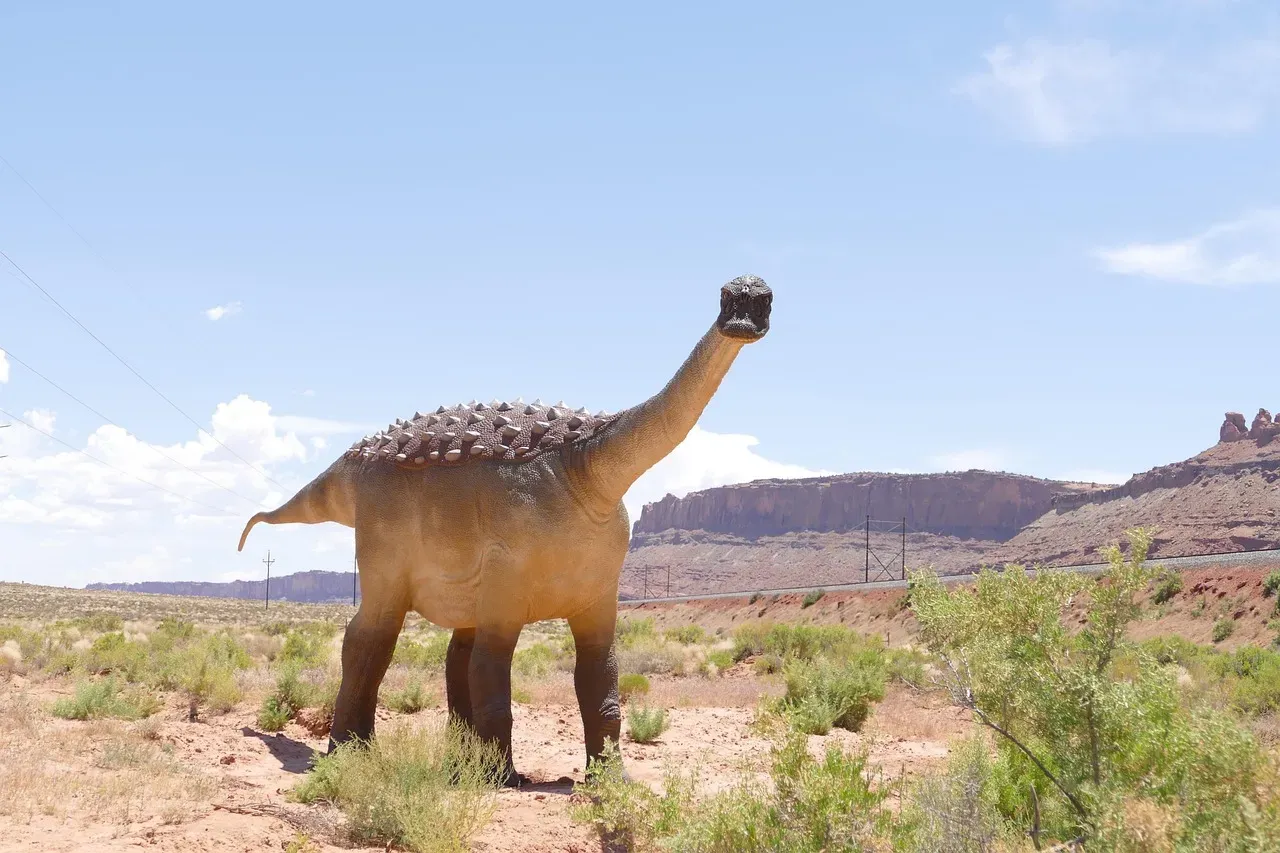
The Mesozoic world was not a paradise of endless green pastures. Seasons shifted, droughts came and went, and plant availability was never guaranteed. As vegetation patterns changed due to the climate, dinosaur feeding habits adapted accordingly. Research suggests that during the Jurassic period, rising CO2 levels contributed to extensive plant growth, offering a buffet for herbivorous dinosaurs. When conditions were good, they were very good. When things turned dry or cold, the pressure intensified dramatically.
Many plants we see today were eaten by herbivorous dinosaurs. Soft and spongy moss, spindly and fragrant pine trees, and Ginkgo biloba, one of the oldest living tree species in the world, made it onto their plates. Paleontologists believe that about roughly two-thirds of all dinosaurs were herbivores. That means the competition for seasonal food was fierce, constant, and unforgiving. Survive the dry season or starve. No middle ground.
Conclusion
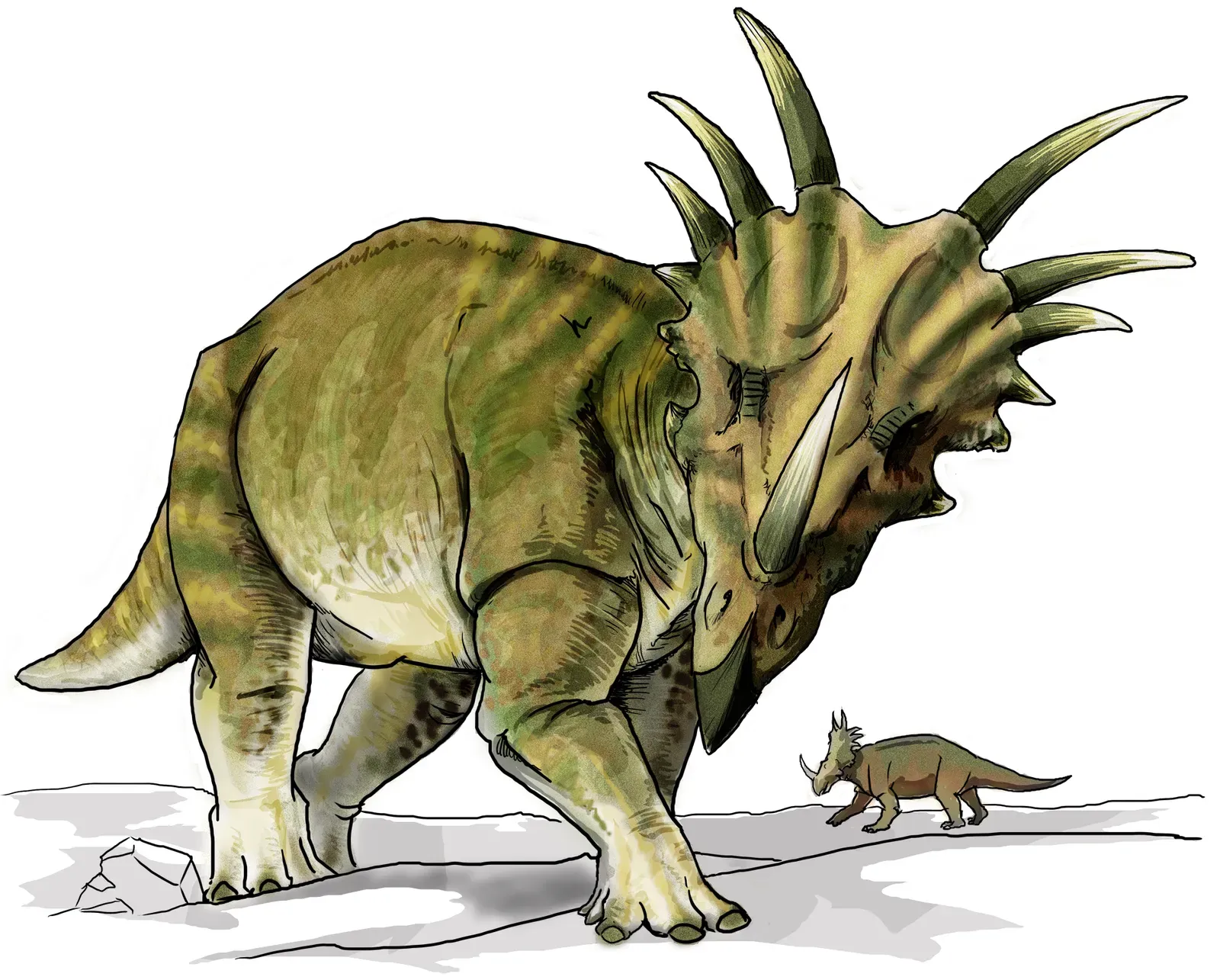
You might look at a sauropod or a Triceratops in a museum and see something slow, prehistoric, and almost peaceful. The reality was something entirely different. Every single day, herbivorous dinosaurs were fighting on multiple fronts: finding enough food, digesting something their bodies weren’t perfectly designed for, growing new teeth before the old ones wore down, outrunning or outmuscling predators, traveling vast distances, and protecting their most vulnerable members. Their survival wasn’t luck. It was the product of millions of years of breathtaking biological innovation.
What’s remarkable is how much modern science is still uncovering about these ancient animals. Each new fossil discovery reframes what we thought we knew. The plant-eaters weren’t the background characters in the story of the dinosaur age. In many ways, they were the whole story. So next time you look at a herbivorous dinosaur, maybe ask yourself: would you have survived a single week in their world?