
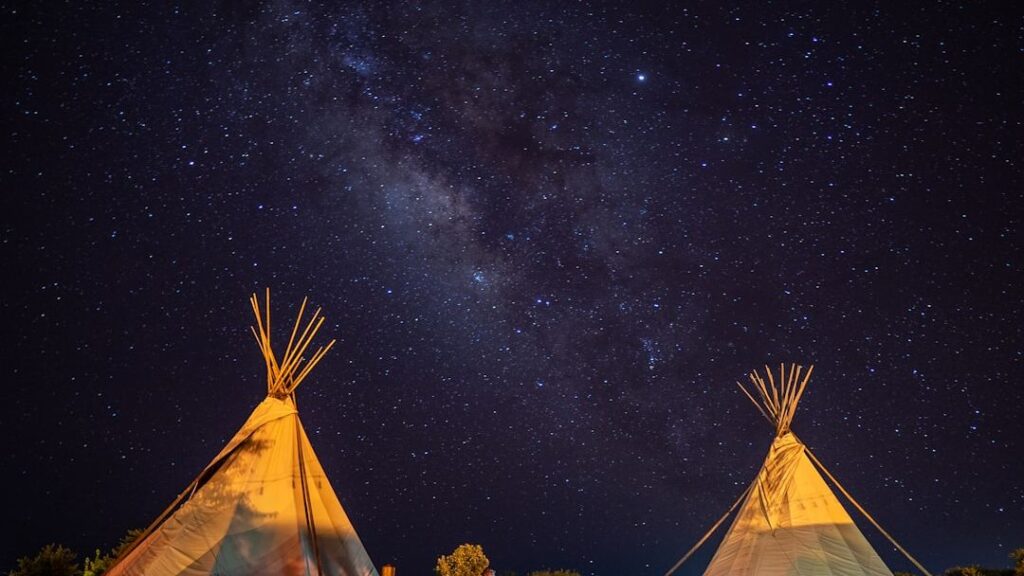
Have you ever gazed up at the night sky and wondered how people long ago made sense of all those twinkling lights? The ancient peoples of North America looked at the same stars we see today, yet their interpretation was profoundly different from our modern scientific understanding. Their cosmos wasn’t just a collection of distant objects. It was alive, breathing, interconnected with every aspect of earthly existence.
These weren’t primitive beliefs born of ignorance. Honestly, when you dig into the details, you’ll find sophisticated systems of thought that wove together astronomy, spirituality, agriculture, and social organization into one seamless worldview. Let’s dive in and explore how diverse indigenous cultures across the continent understood their place in the universe.
The Universe as a Living Being
Indigenous North American people viewed the sun, moon, and stars as revealing the fundamental order of the world, integrating human behavior with nature. This wasn’t abstract philosophy. Think of it this way: when you understand that celestial bodies aren’t just objects but living entities with power and intention, your entire relationship with the sky changes.
An important practice across many regions was animism, where all objects, places, and creatures possessed a soul, and death or misfortune was often associated with failing to honor the soul of a slain animal. The cosmos extended this belief upward. Stars weren’t merely burning gas millions of miles away – they were beings with agency, ancestors transformed, or gods watching over the people below. Every element of the universe breathed with its own spirit.
Three Realms of Existence
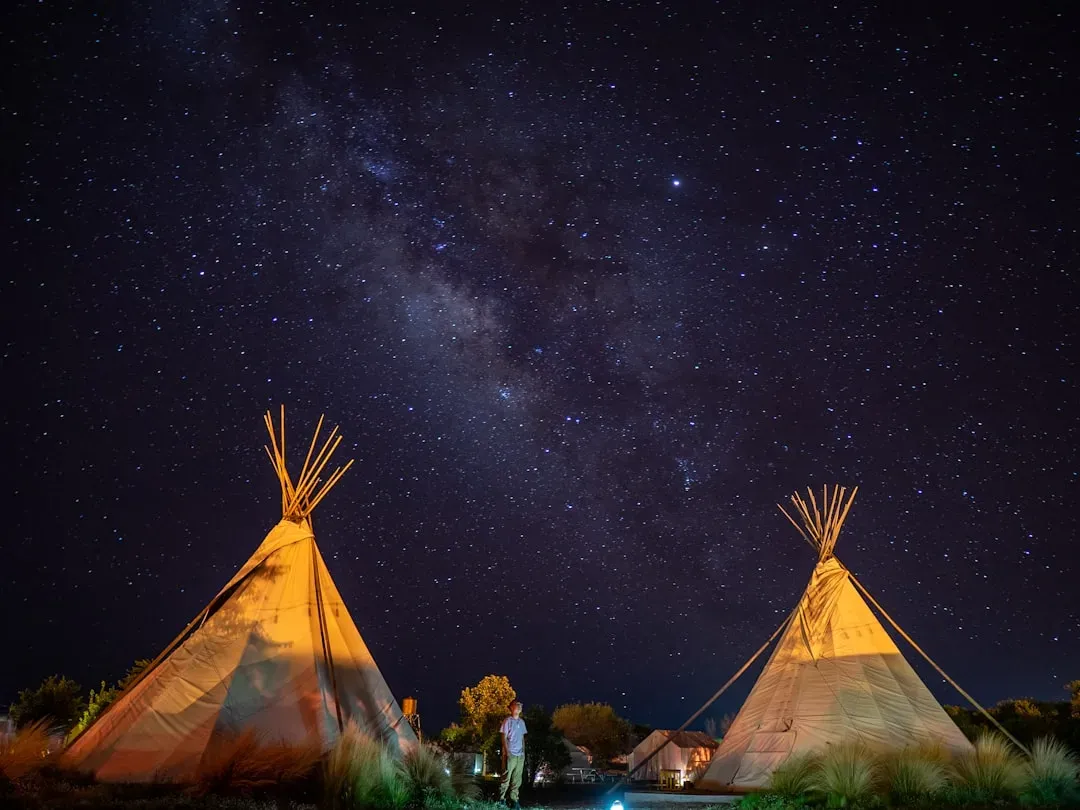
For Native Americans, the universe generally consisted of three realms: the lower world below the earth’s surface, the upper world above the highest trees, and the middle world in between. Picture it like a cosmic sandwich, but far more dynamic than that sounds.
Rather than thinking of these as three physical realms, they functioned as three social realms or polities requiring the same negotiations within and across them as human societies. You weren’t just living on earth – you were participating in constant dialogue between these layered worlds. Geographical features like caves and mountains held symbolic value as crossing places between the upper and nether worlds, while cardinal directions were connected to specific colors and gods.
Sky Woman and the Creation Above
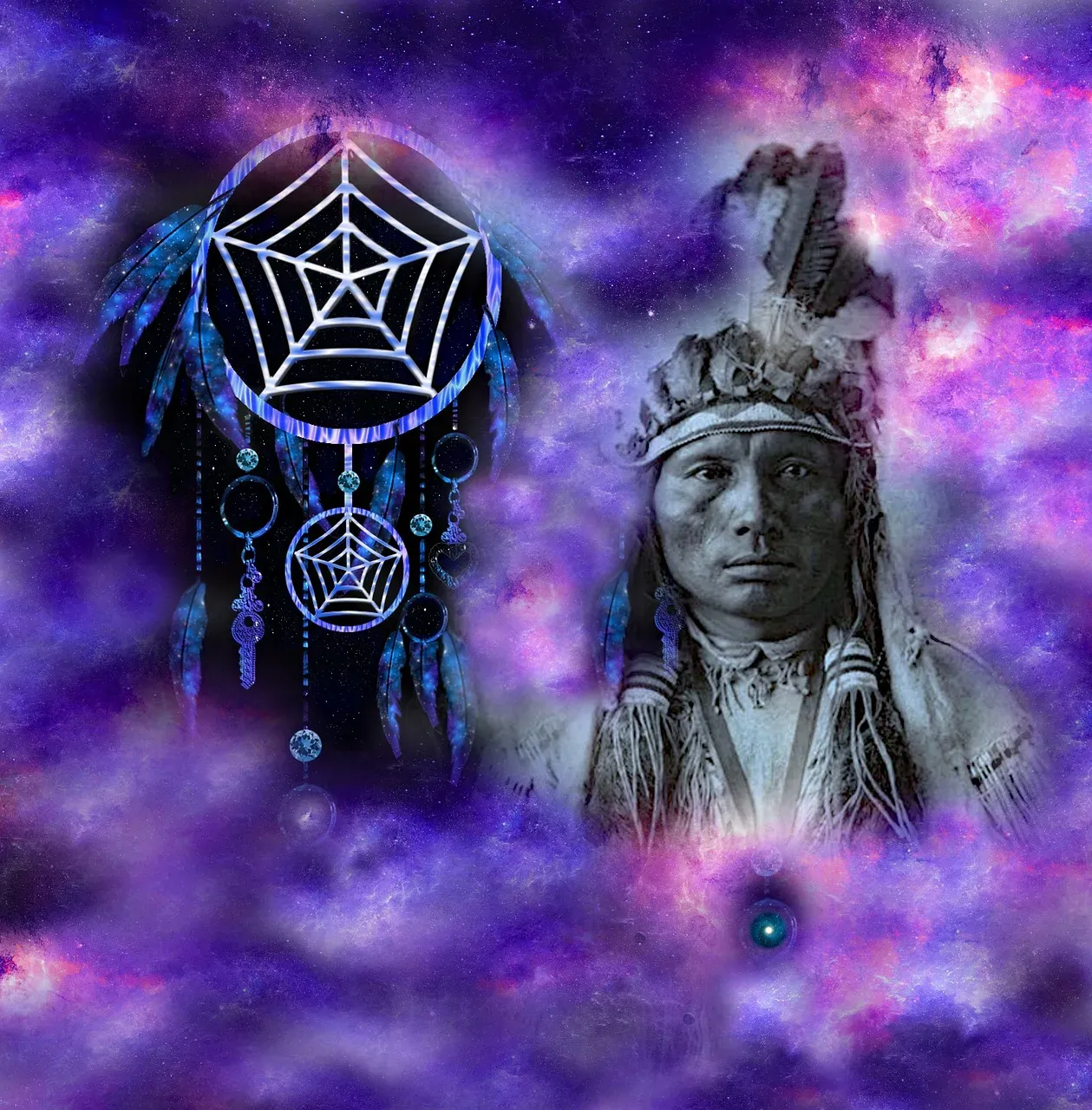
Long before the world was created, there existed an island floating in the sky where Sky People lived quietly and happily, never experiencing death, birth, or sadness. This origin story, told by the Iroquois and related peoples, positions the cosmos as beginning in a perfect celestial realm. Something about that resonates, doesn’t it? The idea that we all descended from something pure and harmonious.
In the Sky World, people had supernatural powers, and at the center stood a great tree that gave them light through its many fruits. When Sky Woman fell through a hole created in this tree, animals in the water world below worked together to create land for her. The Good Spirit took his mother’s head and hung it in the sky as the sun, fashioning stars and moon from her body. The cosmos, then, is literally built from divine sacrifice and transformation.
Sacred Directions and the Four Corners

From the Four Directions – west, north, east, south – came the four winds, each accompanied by specific colors, with the cross shape symbolizing all directions. This wasn’t just about navigation. The four directions formed a spiritual compass that organized the entire universe.
East stands for wisdom helping people live good lives, and traditional people rise in the morning to pray facing the dawn, asking for wisdom and understanding. The south represents warmth and growing, with life of all things coming from the south, along with warm and pleasant winds. Meanwhile, the west is where the great Thunderbird lives, sending thunder and rain, making it the source of water that nothing can live without. North brings cold, cleansing winds of winter, and facing these winds like the buffalo teaches patience and endurance.
Stars as Ancestors and Storytellers
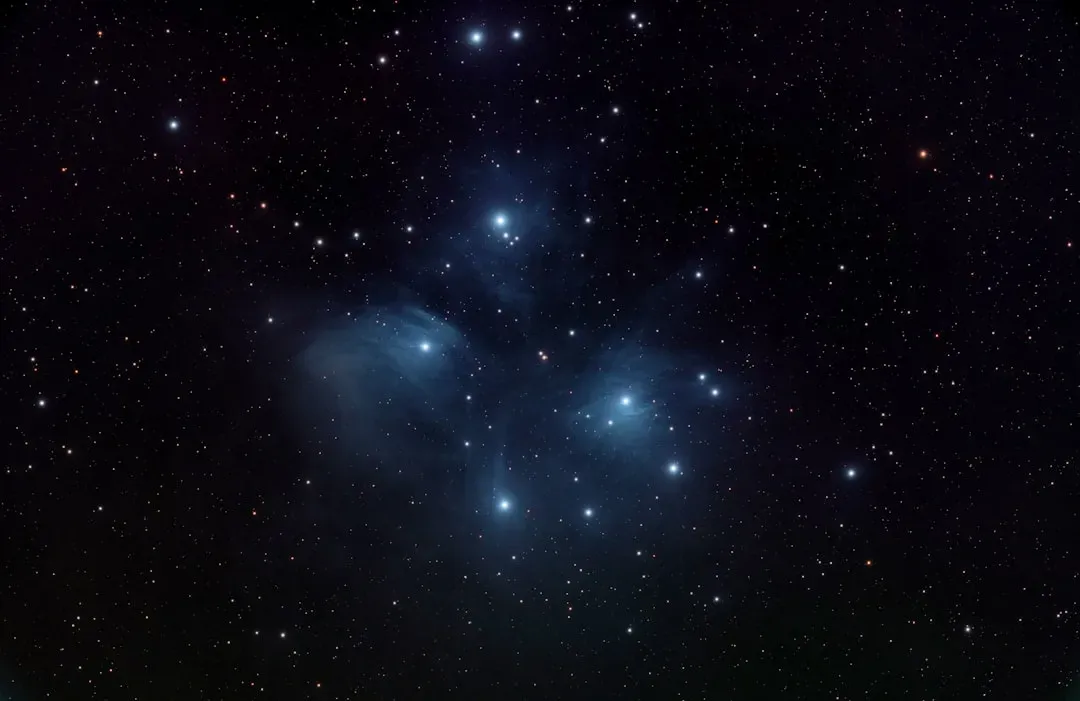
Indigenous tribes had differing ideas about what the stars meant, some believing the night sky had spiritual meaning while others attributed human-like qualities to the twinkling objects. Constellations weren’t random patterns. They were memory devices, teaching tools, maps, and calendars all rolled into one.
Indigenous cultures painted their constellations atop Greek and Roman ones with loons, fishers, thunderbirds, the hole in the sky where we come from, and Mista Muskwa, the bear that sits atop the Big Dipper. These weren’t just pretty stories. The telling of elaborate sky stories about stars and constellations created mental maps of the night sky that were critical for navigational purposes, especially during months of total darkness. The cosmos served intensely practical purposes while remaining deeply spiritual.
The Pawnee and Celestial Governance
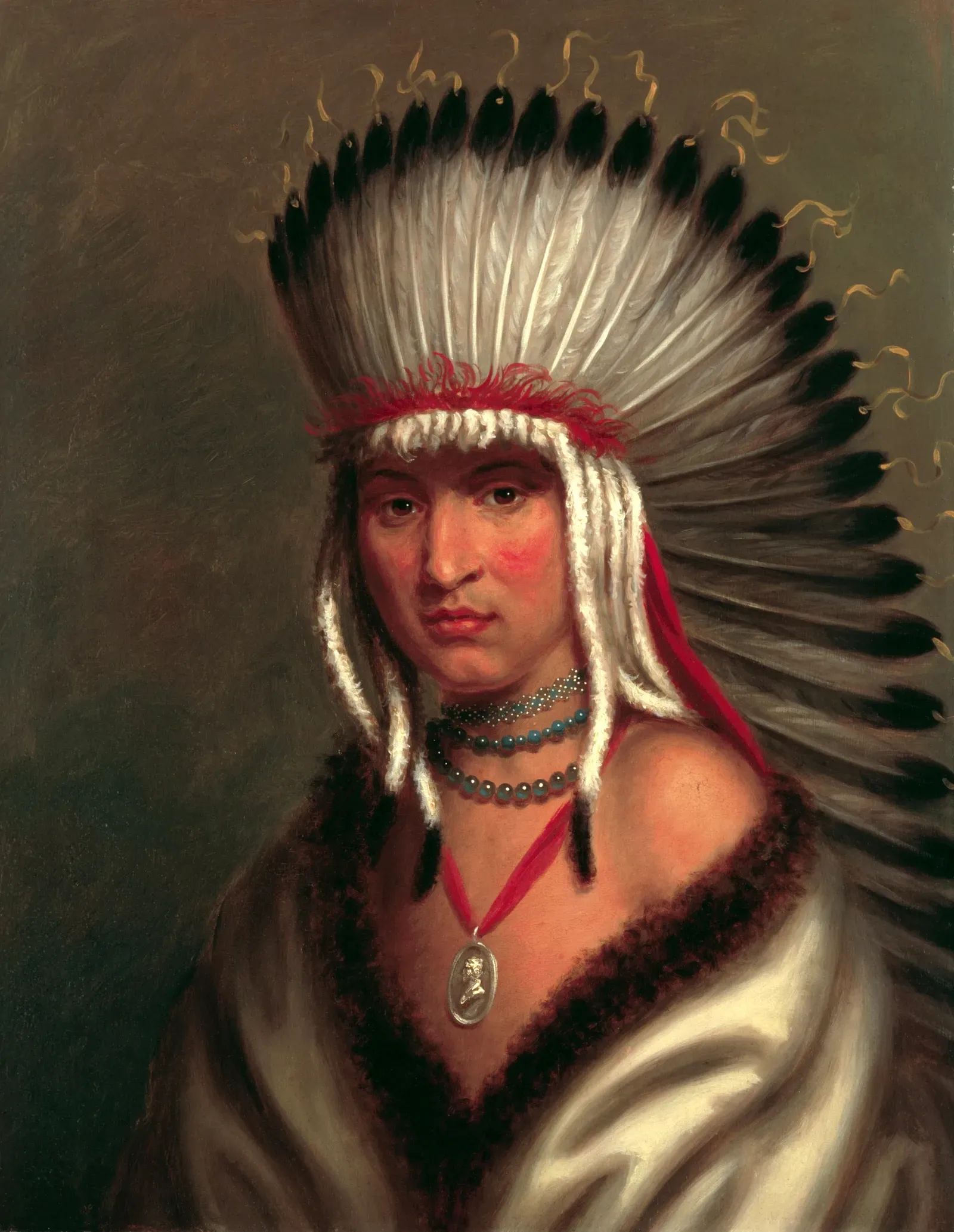
The Skidi band of the Pawnee referred to a ring of stars as “The Council of Chiefs,” believing it represented their governance style of elders holding council, and they used the stars to set agricultural patterns and embody societal values. Here’s where it gets fascinating: the cosmos wasn’t just a model for society – it was the blueprint.
The Council of Chiefs connected to their “Chief Star” (Polaris), representing their primary god Tirawahat, and they built lodges with openings at the top to allow a clear view of the Council stars. Architecture, religion, politics, and astronomy merged seamlessly. You didn’t separate these aspects of life because they were all part of the same cosmic order.
Mesoamerican Vertical and Horizontal Cosmos
The axis mundi in Mesoamerican cosmology vertically consisted of three worlds – the surface of Earth in the middle, a world above where stars are, and a world below the surface – while horizontally it had four directions and a center. The Aztec and Maya peoples developed exceptionally complex cosmological systems.
The cosmology of Aztec religion divides the world into thirteen heavens and nine earthly layers, with the first heaven overlapping the first terrestrial layer so heaven and earth meet at the surface, each level associated with specific deities and astronomical objects. The Maya believed thirteen heavens were arranged in layers above the earth, which rested on the back of a huge crocodile floating on the ocean, with nine underworlds arranged in layers beneath. It’s hard to say for sure, but this multilayered vision suggests a cosmos far more intricate than a simple sky-and-ground duality.
Time, Sacrifice, and Cosmic Balance
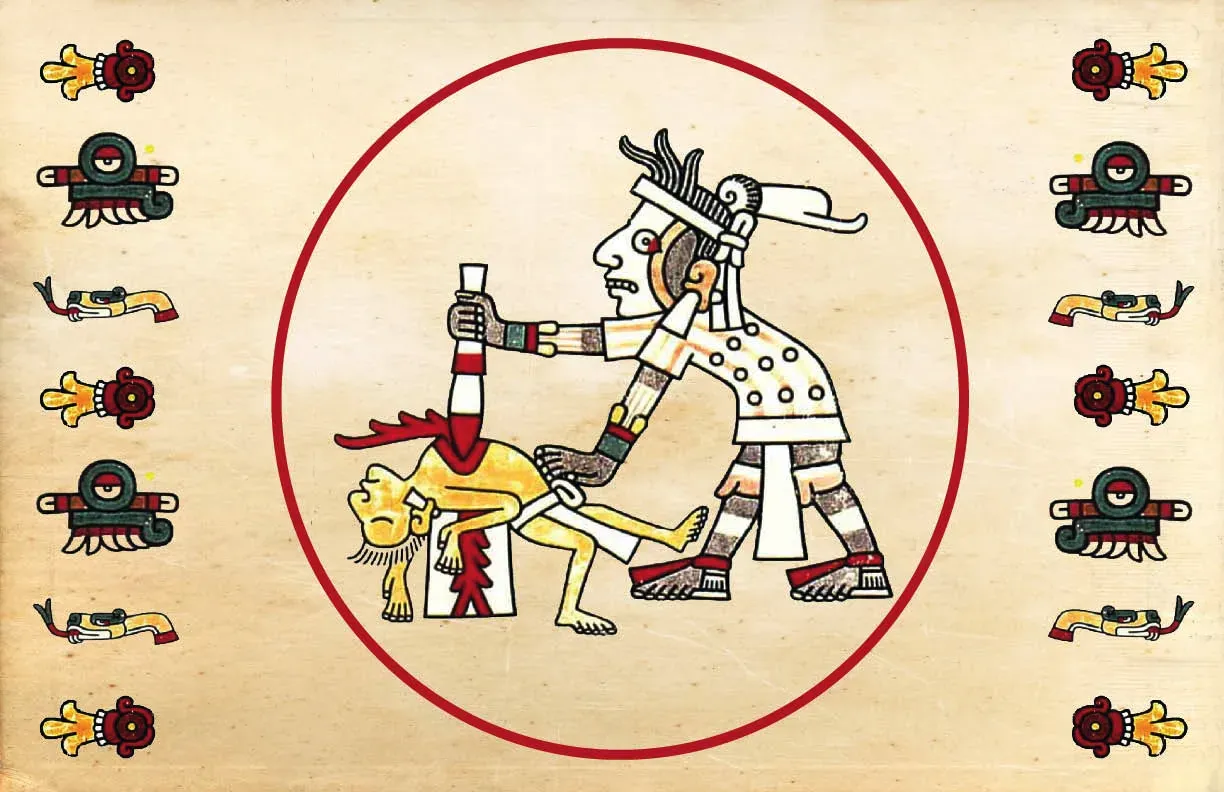
To the Aztecs, death was instrumental in the perpetuation of creation, with gods and humans alike bearing responsibility to sacrifice themselves to allow life to continue. This might sound grim to modern ears, but it reflected a profound understanding of cosmic interdependence.
Blood fed the gods and kept the sun from falling, with priests offering their own blood by cutting ears, arms, tongue, thighs, chest, or genitals, or offering human life. Maya priest-astronomers viewed time as a majestic succession of cycles without beginning or end, with all time periods considered as gods – time itself was believed to be divine. The cosmos demanded participation, not just observation. You weren’t a passive spectator beneath the stars; you were an active participant keeping the universe spinning.
Conclusion: A Universe of Relationships
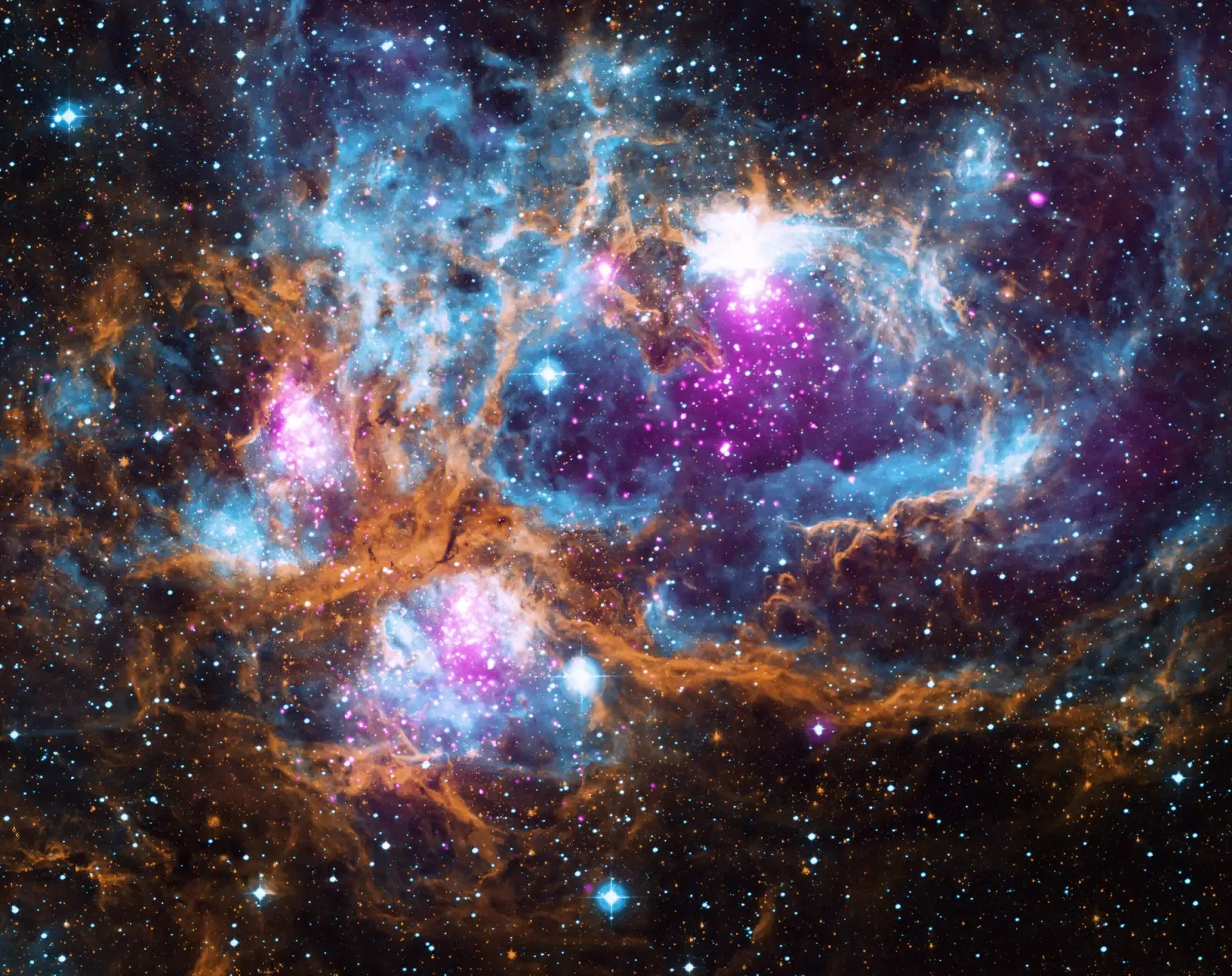
Ancient North Americans saw the cosmos as a web of relationships rather than a collection of objects. Sky, earth, underworld, directions, seasons, ancestors, animals, and humans all existed in constant conversation. This wasn’t superstition – it was a holistic framework for understanding existence itself.
These cosmological beliefs guided everything from when to plant crops to how to organize society, from architectural design to personal spiritual practice. The stars weren’t distant and irrelevant; they were immediate, alive, and deeply connected to daily life. When you understand this perspective, you realize these ancient peoples possessed a wisdom we’ve largely forgotten: that we’re not separate from the cosmos but woven into its very fabric.
What would it mean for us today to reclaim even a fraction of that cosmic awareness? The ancient North American view reminds us that we too are part of something infinitely larger than ourselves. Perhaps that’s the most important teaching these stellar traditions can offer.


