When we imagine the prehistoric world of dinosaurs, we often picture them roaming across sun-drenched landscapes. But Earth’s climate 65-235 million years ago experienced the same weather patterns we see today, including rain. From gentle drizzles to torrential downpours, dinosaurs had to deal with wet weather just like modern animals. But without written records or video footage, how do paleontologists determine what these magnificent creatures did during rainstorms? Through fossil evidence, comparative studies with modern relatives, and understanding of dinosaur anatomy and physiology, scientists have developed fascinating theories about dinosaur behavior during precipitation events. Let’s explore how these ancient reptiles might have coped when the skies opened up.
Evidence in the Fossil Record

The fossil record provides some tantalizing clues about dinosaur behavior during rainstorms. Remarkably preserved trackways occasionally show dinosaur footprints alongside raindrop impressions in the same sedimentary layers, confirming dinosaurs were active during at least some precipitation events. In Mongolia’s Gobi Desert, fossils of Oviraptor have been found in brooding positions atop nests, suggesting these dinosaurs continued protecting their eggs even during sandstorms and possibly rainstorms. Additionally, some fossils show evidence of water-related injuries or drowning, indicating not all dinosaurs successfully navigated heavy rains and resulting floods. These preserved moments give paleontologists valuable glimpses into how these creatures interacted with their environment during inclement weather.
Shelter-Seeking Behaviors
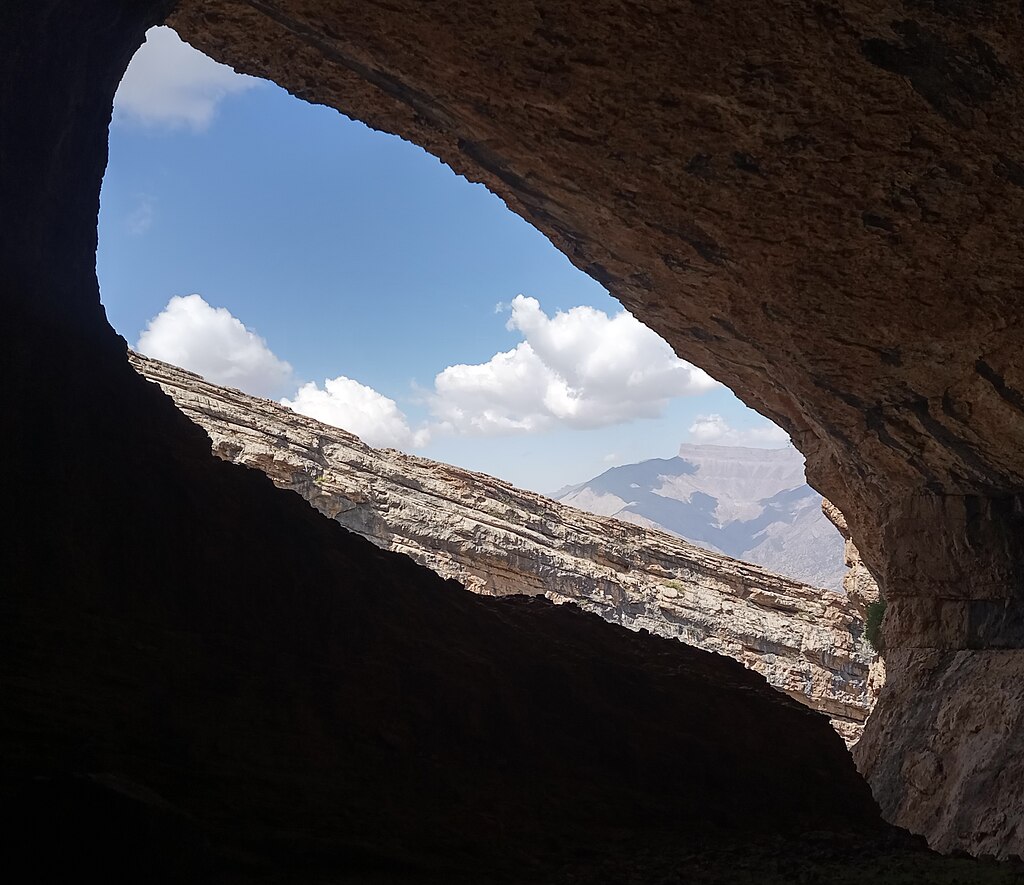
Many dinosaurs likely sought shelter during heavy rainstorms, similar to modern animals. Smaller dinosaurs might have retreated beneath dense vegetation, rock overhangs, or into burrows for protection. Paleontologists have discovered evidence of dinosaur burrows, such as those attributed to the small ornithopod Oryctodromeus, which could have served as refuge during storms. Larger dinosaurs would have had fewer options for complete coverage, but they might have utilized forests for partial protection from rain and wind. Some herding species potentially gathered together, with adults positioning themselves to shield juveniles from the harshest elements. The instinct to seek protection during adverse weather conditions is deeply ingrained in vertebrate behavior and would have been present in dinosaurs as well.
Thermoregulation Challenges
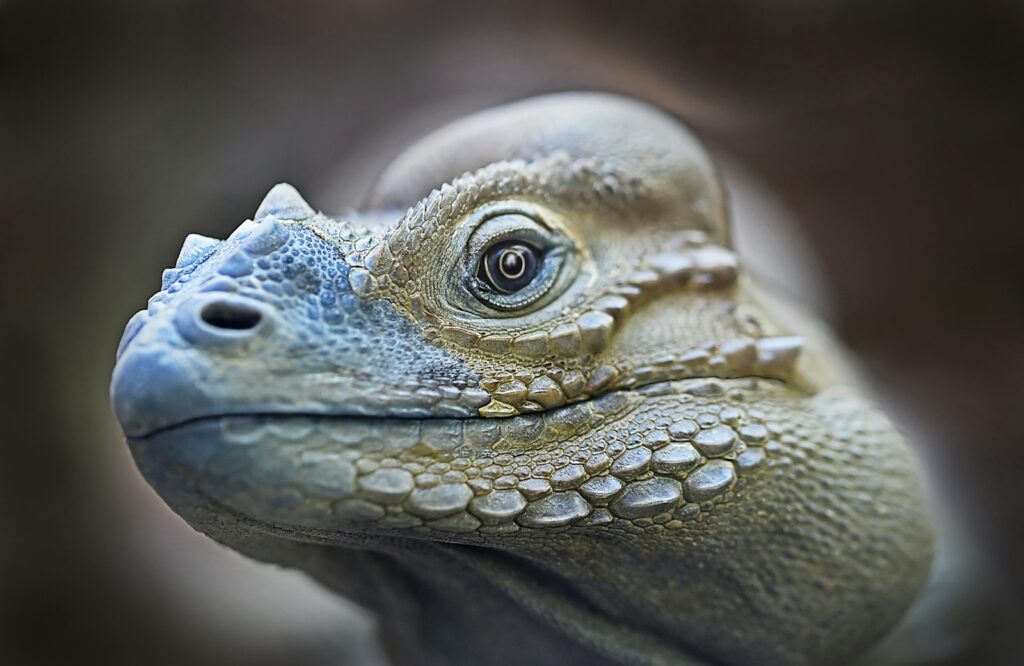
Rainstorms presented significant thermoregulation challenges for dinosaurs, particularly if they were endothermic (warm-blooded) as many scientists now believe. Rainfall could potentially cool dinosaur bodies rapidly, requiring physiological responses to maintain optimal body temperature. Larger dinosaurs, with their lower surface-area-to-volume ratio, likely maintained body heat more effectively during rain compared to smaller species. Some dinosaurs might have adjusted their behavior during rainfall by reducing activity to conserve energy or seeking sunny patches after storms to rewarm. Feathered dinosaurs faced particular challenges, as wet feathers lose much of their insulating properties—similar to modern birds who appear noticeably smaller when their feathers are soaked. These thermoregulatory concerns would have influenced how different dinosaur species responded to rainy conditions.
Feeding Opportunities
Rainstorms likely created unique feeding opportunities that some dinosaurs may have exploited. Modern ecosystems experience increased animal activity following rainfall as insects emerge, plants become more accessible, and prey animals move about. Insectivorous dinosaurs might have taken advantage of insects forced from hiding by rain, while herbivores could have found plants more easily manipulated after being softened by water. For large predators, rainstorms could have provided tactical advantages, with precipitation masking sounds and scents during hunting. Some fossil evidence suggests certain dinosaurs continued active feeding during rainfall, particularly in environments where precipitation was common. These feeding adaptations would have varied widely across different dinosaur species and ecosystems.
Adaptations to Wet Environments
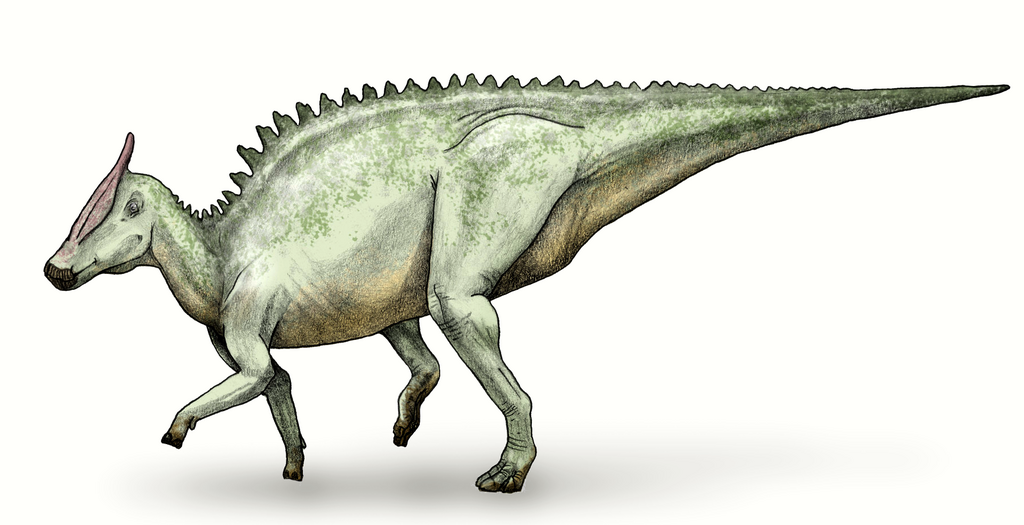
Many dinosaur species evolved specific adaptations that helped them thrive in habitually rainy environments. Some hadrosaurids (duck-billed dinosaurs) had specialized nasal passages that might have prevented water inhalation during heavy rainfall. The iconic crests of lambeosaurines potentially served multiple functions, including keeping rain from entering their nostrils. Ceratopsians, with their large neck frills, may have benefited from these structures shedding water away from their bodies during storms. Some theropods had specialized drainage channels in their skull structures that would have helped manage water runoff. Dinosaurs in consistently wet environments likely evolved behavioral and physiological adaptations to handle regular precipitation, just as modern animals have region-specific adaptations to their local climate conditions.
Nesting Behaviors During Rain

Protecting eggs and young would have been a critical concern for dinosaurs during rainstorms. Fossil evidence shows many dinosaur species built sophisticated nests, some with features that could have provided drainage during wet weather. Certain species appear to have selected nesting sites on elevated ground or under protective vegetation, reducing flooding risks. The brooding posture preserved in some theropod fossils suggests active protection of eggs, potentially including sheltering them from rain with their bodies or feathered arms. Some dinosaurs, like the previously mentioned Oviraptor, have been fossilized while apparently protecting their nests during storms, demonstrating parental care behaviors similar to modern birds. These adaptations would have been crucial for reproductive success in environments with seasonal or unpredictable rainfall.
Migration Patterns and Seasonal Rains
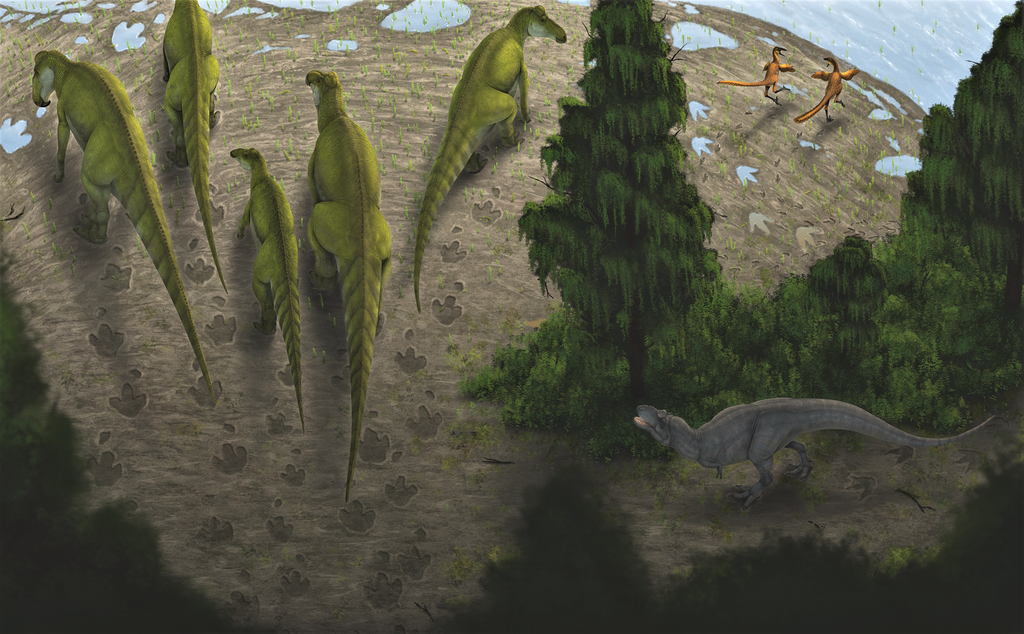
Seasonal rainfall patterns likely influenced dinosaur migration and behavior on a larger scale. Evidence suggests some dinosaur species undertook seasonal migrations, potentially timing their movements with predictable rainy seasons when vegetation would be most abundant. In regions with monsoon-like conditions, dinosaurs may have developed specific behavioral adaptations for these recurring wet periods. Some species might have moved to higher ground during known rainy seasons to avoid flooding, while others perhaps deliberately followed the rains to exploit resulting vegetation growth. Fossil records showing seasonal congregation of certain species in specific areas support the theory that dinosaurs adjusted their range and activities based on predictable weather patterns, including rainfall cycles.
Dinosaur Skin and Feathers in Rain

The various skin coverings of dinosaurs would have responded differently to rainfall. Dinosaurs with primarily scaled skin, like many sauropods and some ornithischians, likely had water-resistant exteriors similar to modern reptiles, allowing rain to run off relatively efficiently. In contrast, feathered dinosaurs faced more complex challenges. While some feather structures might have provided initial water resistance, heavily soaked feathers would have compromised insulation and potentially flight capabilities in avian dinosaurs. Some feathered dinosaurs possibly had water-repellent oils similar to modern birds, though this remains speculative. The discovery of dinosaur skin impressions with varied textures suggests different species evolved skin adaptations suited to their specific environments, including adaptations to handle regular precipitation.
Comparative Behavior with Modern Relatives
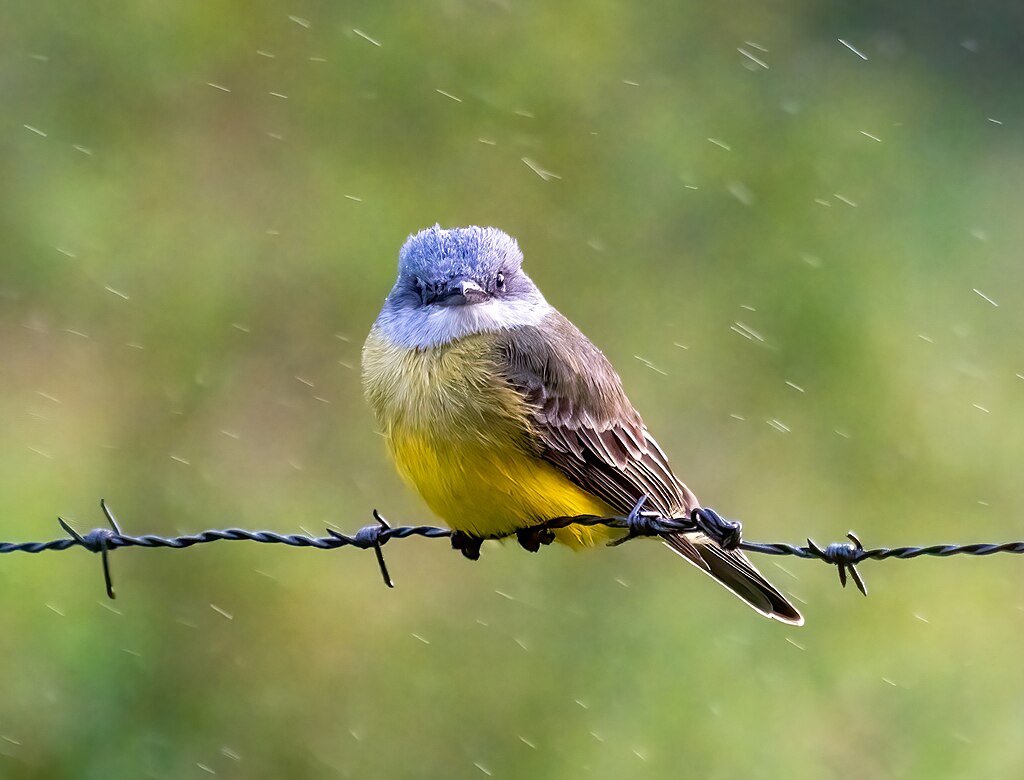
Studying the behavior of dinosaurs’ closest living relatives provides valuable insights into possible rainstorm responses. Modern birds, as direct dinosaur descendants, demonstrate diverse rain-coping strategies, from seeking shelter to waterproofing their feathers with specialized oils. Many birds continue feeding and remain active during light rain but seek cover during heavy downpours. Crocodilians, another relatively close relative, typically remain in water during rain and show little behavioral change. Meanwhile, many modern reptiles decrease activity and seek shelter during rainfall to manage thermoregulatory challenges. By examining these behavioral patterns in extant relatives, paleontologists can develop more informed hypotheses about how different dinosaur lineages might have responded to precipitation, recognizing that dinosaurs likely displayed a similar diversity of adaptations.
The Impact of Severe Weather Events

Severe weather events beyond ordinary rainstorms would have presented serious challenges to dinosaur populations. Fossil evidence occasionally shows mass dinosaur deaths associated with flooding events, suggesting not all species successfully navigated extreme weather. Hurricanes, typhoons, and monsoons likely affected coastal-dwelling dinosaur species particularly severely, potentially influencing their evolution and distribution. Some fossil sites show evidence of dinosaurs being caught in sudden floods or mudslides triggered by heavy rainfall, preserving their final moments. These catastrophic weather events, while relatively rare, would have served as significant evolutionary pressures, potentially favoring dinosaurs with behaviors or physical adaptations that improved survival chances during severe precipitation events and their aftermath.
Regional Variations in Rain Responses

Dinosaur responses to rainfall likely varied dramatically depending on their native ecosystems. Species evolving in consistently wet environments, like lush forests or coastal regions, probably developed more sophisticated adaptations for handling regular precipitation compared to those from arid environments. Desert-dwelling dinosaurs might have been particularly vulnerable to sudden rainstorms and flash flooding but may have evolved behaviors to exploit brief water availability. Polar dinosaurs, which experienced months of darkness and potentially different precipitation patterns, likely developed unique adaptations for their extreme environments. The remarkable diversity of dinosaur species across different habitats suggests equally diverse strategies for handling rainfall, with regional specializations that matched local precipitation patterns and intensities.
Rainwater as a Resource
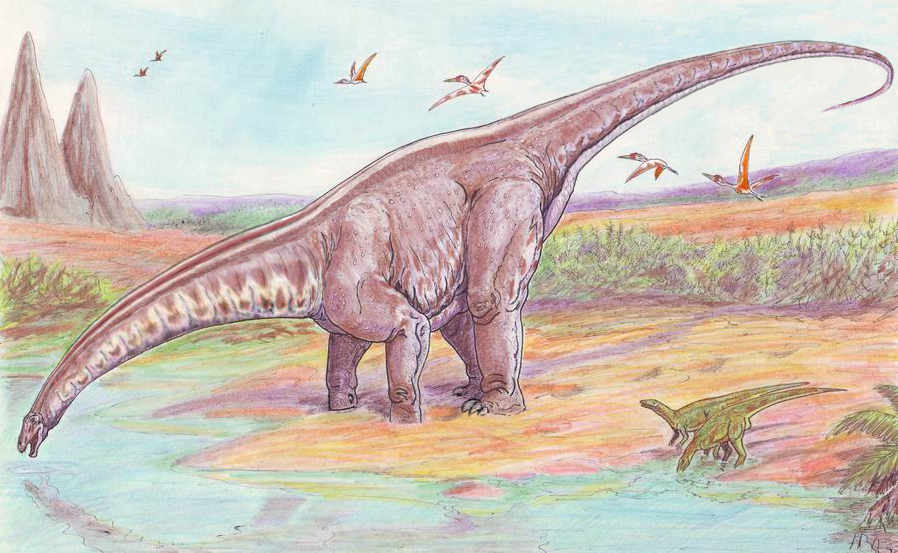
Beyond representing a challenge, rainstorms provided critical resources that dinosaurs likely exploited. Fresh drinking water would have become temporarily abundant during and after rainstorms, potentially drawing dinosaurs to newly formed puddles, streams, and water bodies. Some herbivorous dinosaurs might have taken advantage of rainwater collected in plant structures. Fossil evidence occasionally shows congregation of different dinosaur species around water sources, suggesting communal use of such resources. Rain also impacted plant growth, soil conditions, and insect populations, indirectly affecting dinosaur feeding opportunities. Like modern animals that become more active after rainfall to utilize newly available resources, dinosaurs almost certainly had behavioral adaptations to maximize the benefits that came with precipitation events while minimizing associated risks.
Sensory Perception During Rainfall
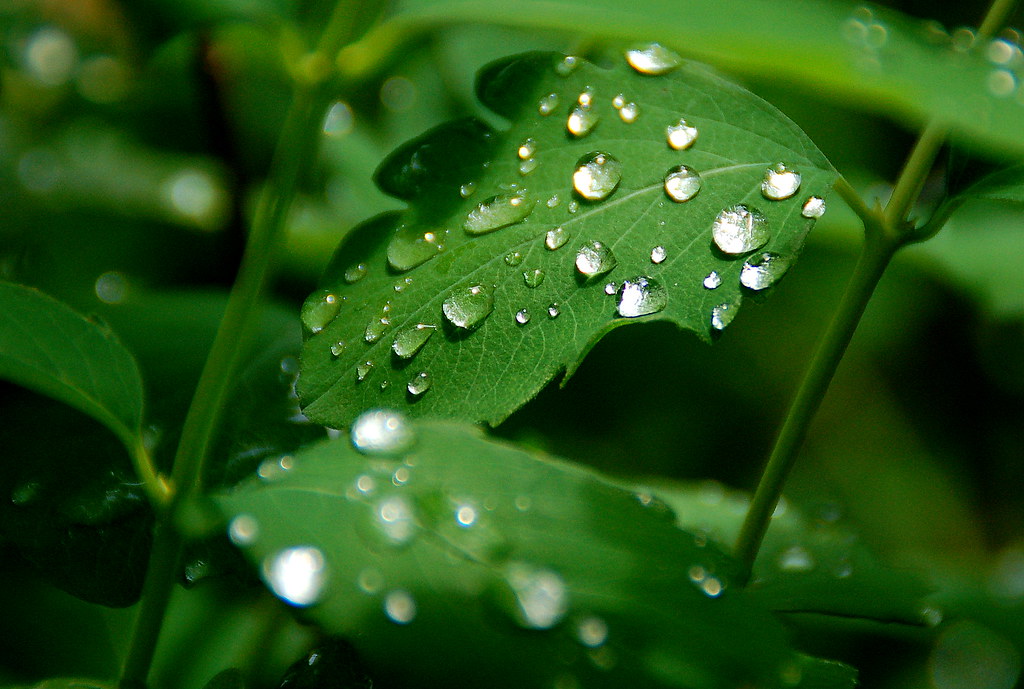
Rainstorms would have significantly affected dinosaur sensory capabilities, potentially altering their behavior. Heavy rainfall creates considerable ambient noise that would have masked sounds, potentially making auditory communication between dinosaurs more difficult and affecting predator-prey dynamics. Scent markers and airborne odors, important for many modern reptiles and birds, would have been diluted or washed away by rain. Visual perception would have been reduced during heavy downpours, especially for species without specialized adaptations for seeing in low-light or obscured conditions. These sensory challenges might have prompted some dinosaurs to reduce activity during heavy rain, while others possibly evolved specialized adaptations to maintain sensory acuity despite precipitation. The size and shape of dinosaur sensory organs preserved in fossils provide clues about their potential effectiveness during various weather conditions, including rainfall.
Conclusion
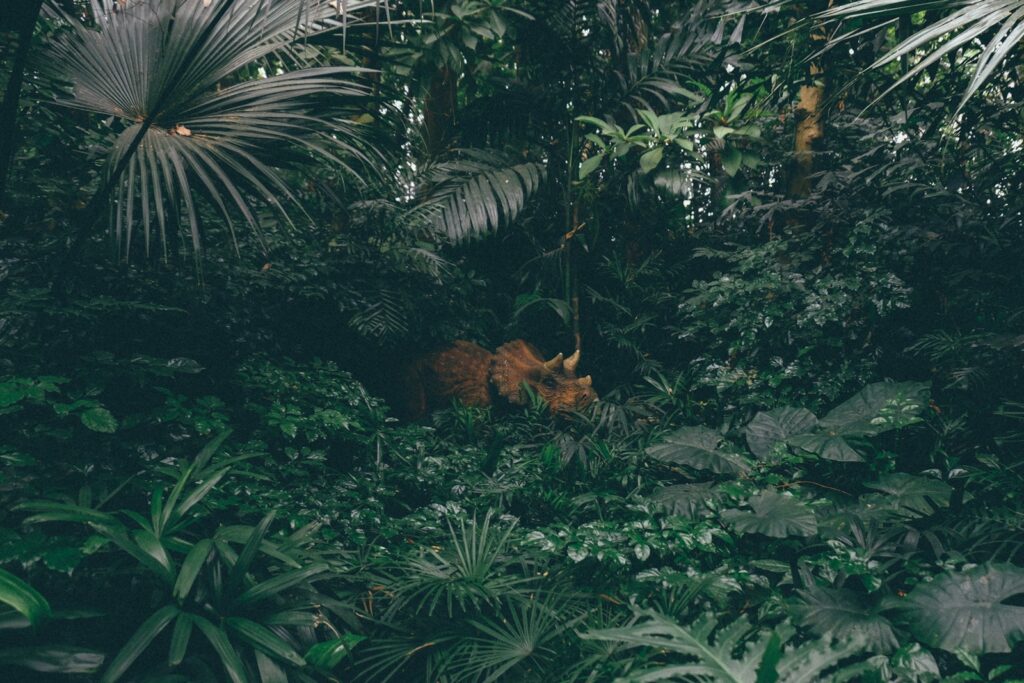
The question of how dinosaurs behaved during rainstorms offers a fascinating window into the daily lives of these ancient creatures. While direct observation remains impossible, the combination of fossil evidence, comparative studies with modern animals, and understanding of dinosaur physiology allows paleontologists to develop compelling theories about their responses to precipitation. From seeking shelter and adjusting feeding patterns to protecting nests and exploiting new resources, dinosaurs likely exhibited diverse and sophisticated behaviors during wet weather. These adaptations would have been shaped by their specific evolutionary history, body size, ecological niche, and native habitat. As paleontological techniques continue to advance, we may uncover even more evidence of how these remarkable animals navigated the rainy days of the Mesozoic era, further enriching our understanding of dinosaur behavior and the prehistoric world they inhabited.