Imagine stumbling upon a massive thigh bone buried in your backyard, longer than a baseball bat and thicker than a tree trunk. Your heart would race, your mind would spin with questions, and you’d probably come up with some wild theories about what creature could have possibly left such remains. This exact scenario played out countless times throughout human history, long before we knew anything about dinosaurs or had the scientific tools to properly identify fossils.
Ancient Dragons and Mythical Beasts
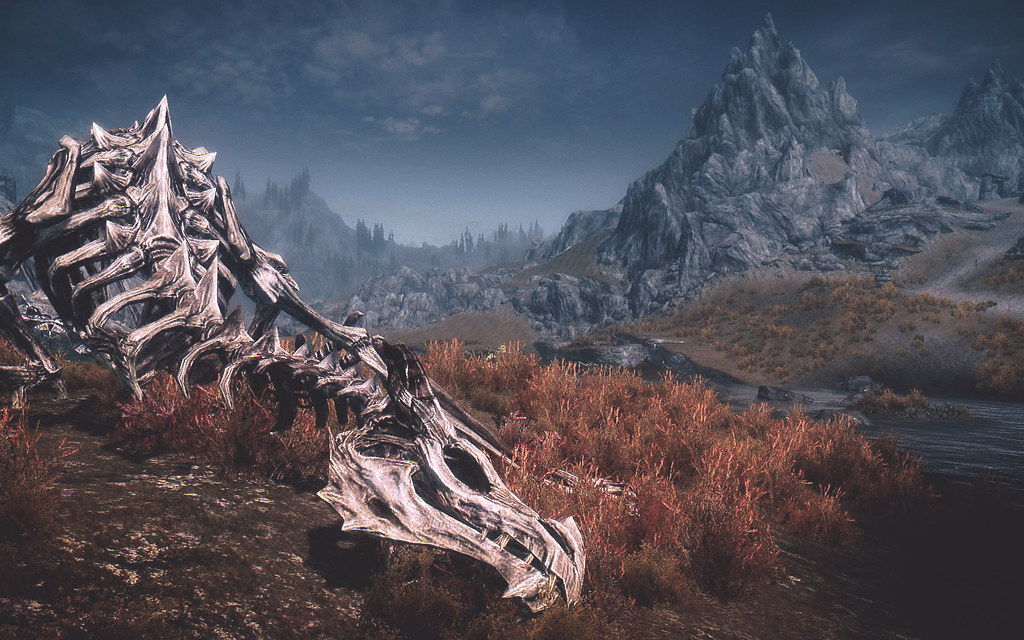
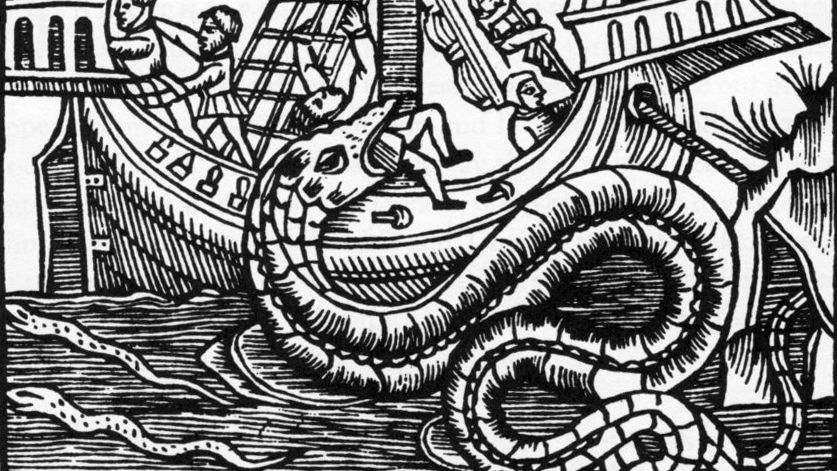
Throughout ancient civilizations, enormous bones discovered on the earth were often attributed to dragons and other legendary creatures. The Chinese had perhaps the most organized approach to these findings, carefully cataloging what they called “dragon bones” and grinding them into powder for traditional medicine. These fossilized remains were so deeply embedded in Chinese culture that they developed an entire trade around harvesting and selling them.
Greek historians like Herodotus wrote about discovering massive bones that they believed belonged to heroes and giants from their mythology. When ancient Greeks found the skull of a woolly mammoth in Crete, the large central nasal opening was interpreted as a single eye socket, giving birth to the legend of the Cyclops. The connection between physical evidence and mythological explanation seemed perfectly logical to people who had no framework for understanding prehistoric life.
Biblical Giants and Nephilim
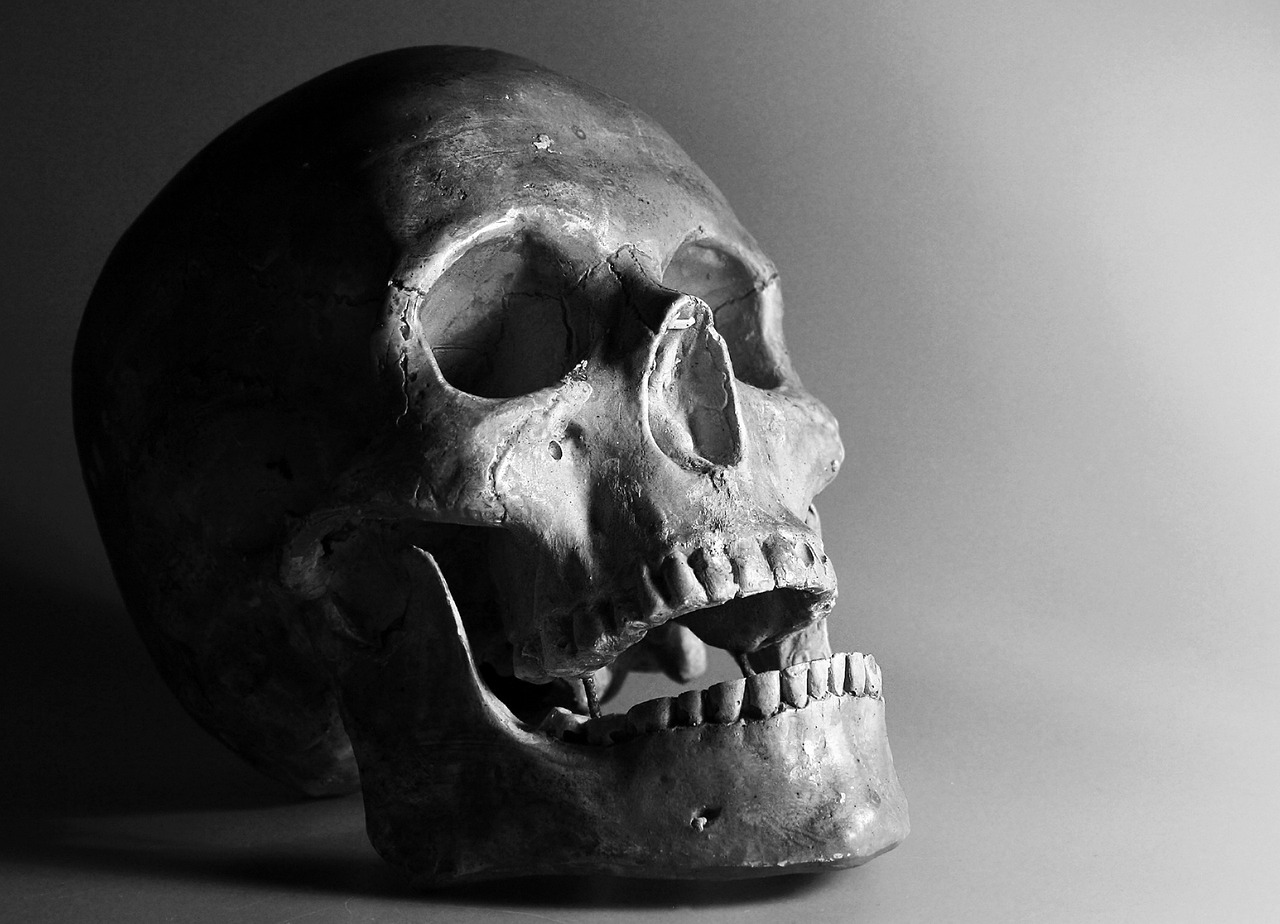
Medieval Christians had a ready explanation for any oversized bones they encountered: they must have belonged to the giants mentioned in the Bible. The Book of Genesis speaks of the Nephilim, described as “mighty men of old, men of renown,” and any fossil discovery was quickly attributed to these biblical figures. Churches across Europe displayed what they claimed were the bones of saints and biblical giants, with some cathedrals housing supposed ribs and vertebrae of enormous proportions.
One famous example occurred in 1613 when French workers discovered massive bones near the town of Teutobourg. The remains were immediately declared to be those of the Teutonic king Teutobochus, a giant who supposedly fought against the Roman general Marius. The bones were ceremoniously transported to Paris and displayed as proof of biblical accounts, though we now know they likely belonged to a mastodon or similar prehistoric mammal.
Elephant Graveyards and War Relics
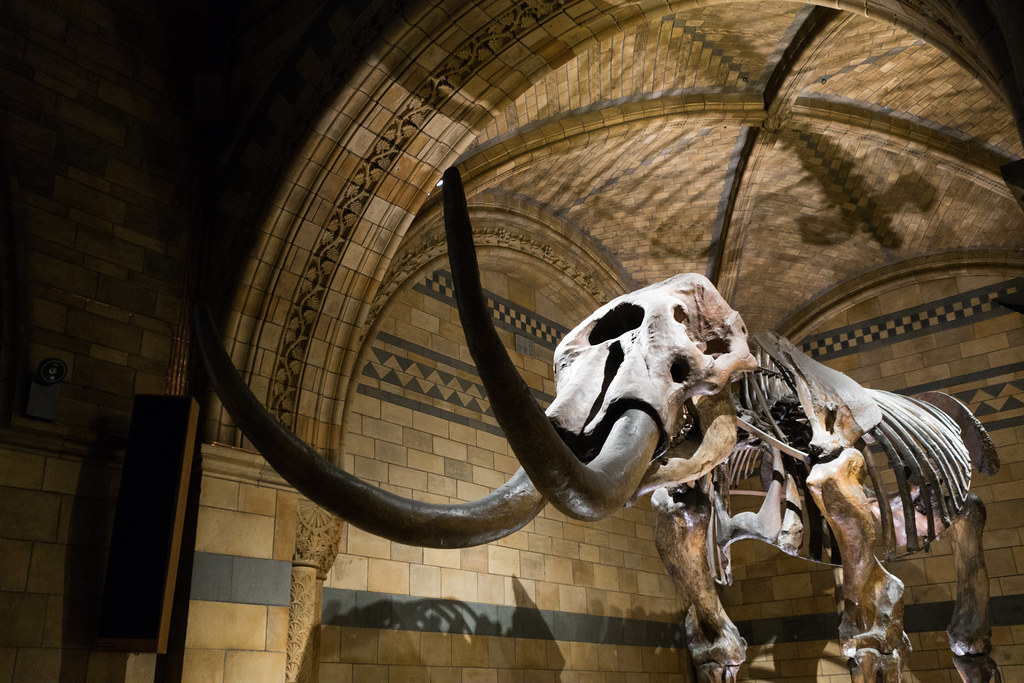
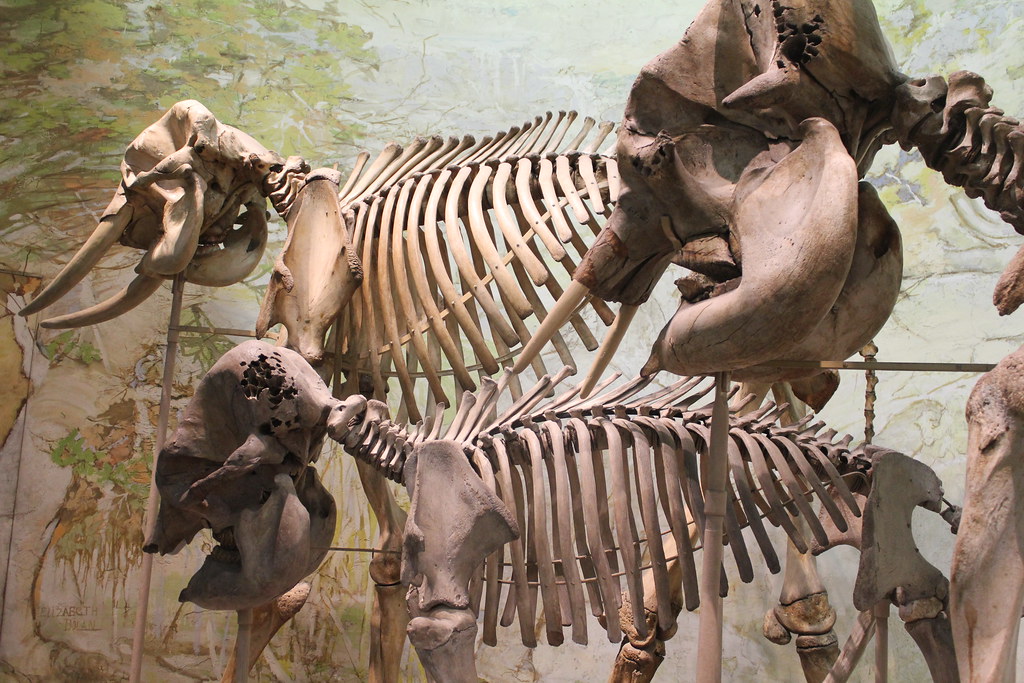
In regions where elephants were known to exist, ancient peoples developed more practical explanations for large bone discoveries. Mediterranean cultures, familiar with war elephants used by military leaders like Hannibal, often attributed fossilized remains to elephants that had died in ancient battles. This explanation seemed particularly plausible in areas where historical records documented the passage of armies with elephant divisions.
The Roman writer Pliny the Elder documented several instances where communities believed they had found the remains of elephants from famous military campaigns. These discoveries were often treated as historical artifacts rather than natural specimens, with local communities sometimes building monuments or shrines around the sites. The practical nature of this explanation made it far more acceptable than supernatural alternatives to people who valued rational thinking.
Unicorns and Magical Creatures

Single large bones, particularly those with unusual shapes or protrusions, were frequently identified as evidence of unicorns and other magical creatures. Long, spiraled fossils were especially prized as “unicorn horns” and commanded enormous prices in medieval markets. These supposed unicorn horns were believed to have powerful magical properties, including the ability to neutralize poison and cure various ailments.
The trade-in unicorn horns became so lucrative that an entire industry developed around their authentication and sale. Royal courts across Europe paid fortunes for what they believed were genuine unicorn horns, often displaying them as symbols of power and purity. The irony is that many of these “unicorn horns” were fossilized tusks from narwhals or prehistoric mammals, making them far more ancient and remarkable than their purchasers ever imagined.
Underground Demons and Evil Spirits
Some cultures viewed large bone discoveries as evidence of malevolent supernatural forces. In certain regions of medieval Europe, fossilized remains were believed to be the bones of demons or evil spirits that had been banished to the underworld. These discoveries were often quickly reburied or blessed by religious authorities to prevent any potential harm to the community.
Native American traditions also included explanations for large bone discoveries, though these were often more sophisticated than European interpretations. Many tribes had creation stories that included references to giant animals or spiritual beings, and fossil discoveries were integrated into these existing belief systems rather than being dismissed as supernatural threats.
Ancient Human Ancestors
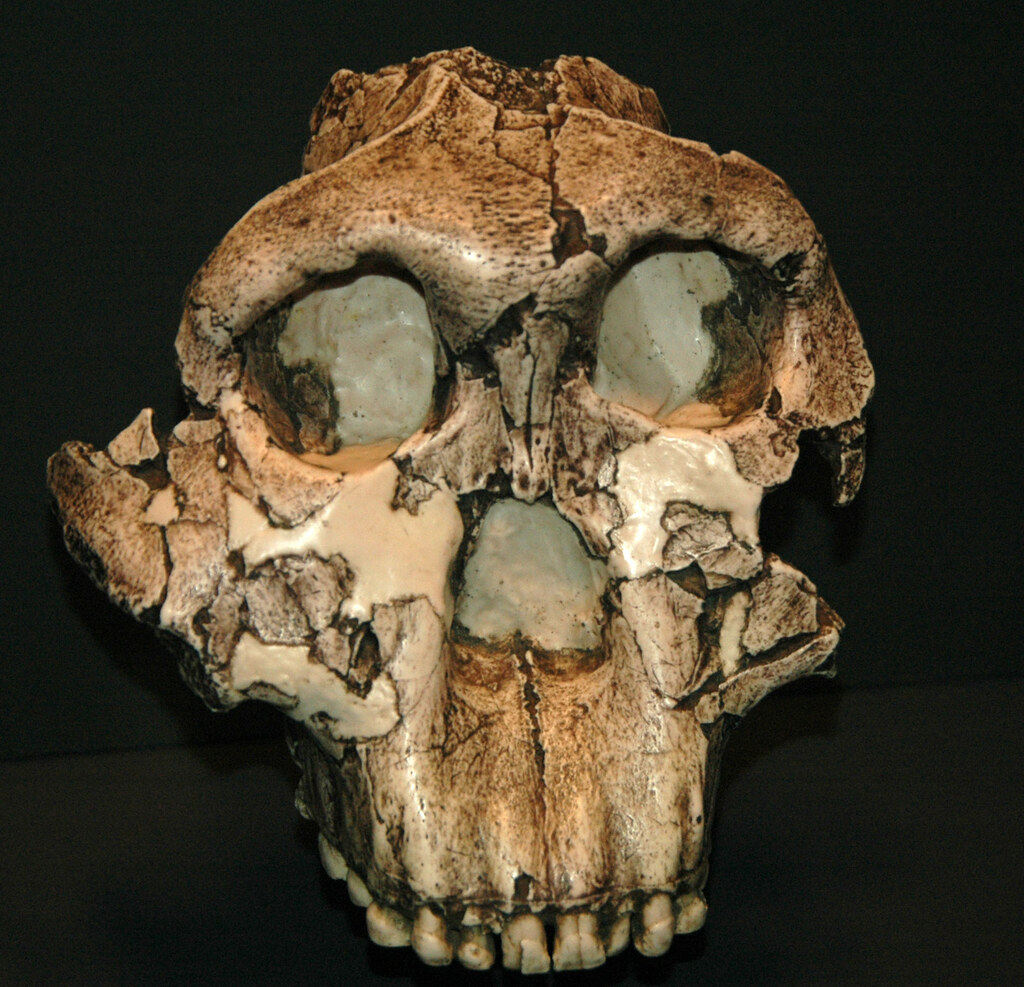
As Renaissance thinking began to emphasize observation and reason, some scholars started proposing that large bones might belong to ancient human ancestors who were simply much larger than modern people. This theory gained traction during the 16th and 17th centuries when intellectual curiosity began to challenge traditional religious explanations for natural phenomena.
The idea that humans had once been giants seemed to explain both the physical evidence and various cultural references to large people in ancient texts. This theory was particularly popular among scholars who wanted to maintain religious orthodoxy while acknowledging the reality of the physical evidence they were discovering. It represented a compromise between faith-based explanations and emerging scientific thinking.
Crystallized Remains of Ancient Floods
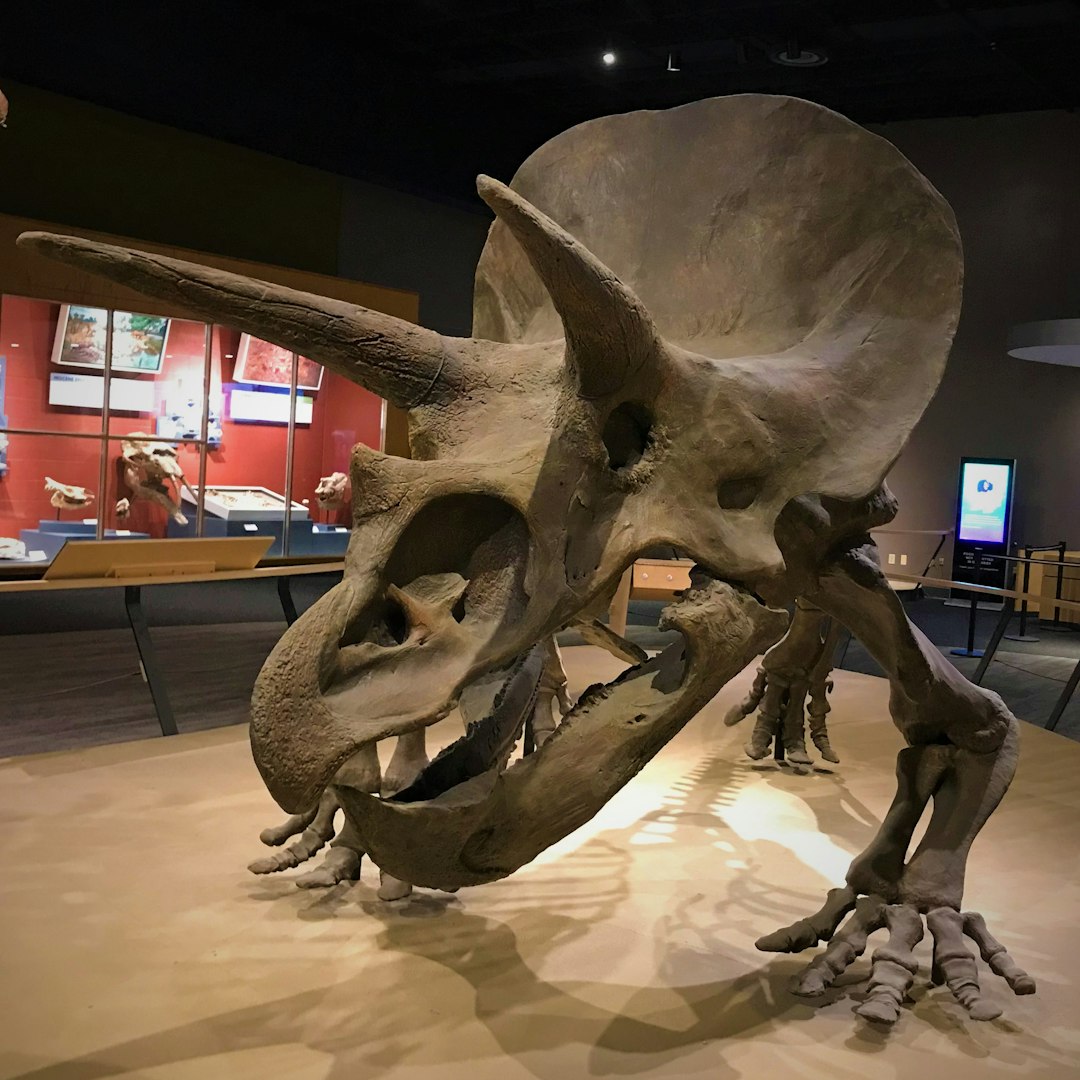
The concept of fossils as organic remains was not immediately obvious to pre-scientific observers. Many scholars proposed that large bones were mineral formations that had crystallized in the shape of bones during ancient floods or geological events. This theory attempted to explain both the bone-like appearance and the stone-like composition of fossilized remains.
Leonardo da Vinci was among the first to challenge this crystallization theory, arguing that the complex internal structure of fossils could only result from actual organic remains. His observations of fossil shells found in mountain regions led him to conclude that these areas had once been underwater, representing some of the earliest geological thinking in European history.
Seeds of Future Giants
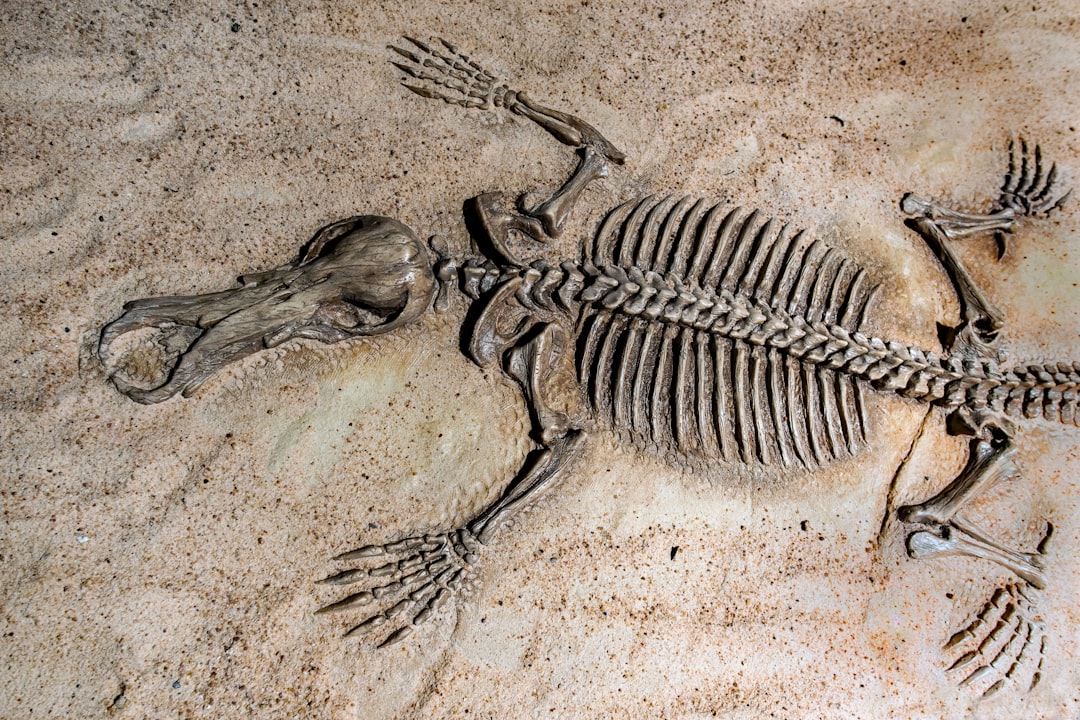
A particularly creative explanation suggested that large bones were actually “seeds” planted by divine forces, waiting for the right conditions to grow into new giant creatures. This theory combined religious belief with a primitive understanding of reproduction and growth, suggesting that God had scattered these bone seeds throughout the earth for future use.
This explanation was especially popular among scholars who wanted to maintain that all life was part of a divine plan while acknowledging that the bones seemed to be organic. The theory suggested that humanity might someday witness the resurrection of these giant creatures, adding an element of prophecy to paleontological discoveries.
Tricks of the Devil
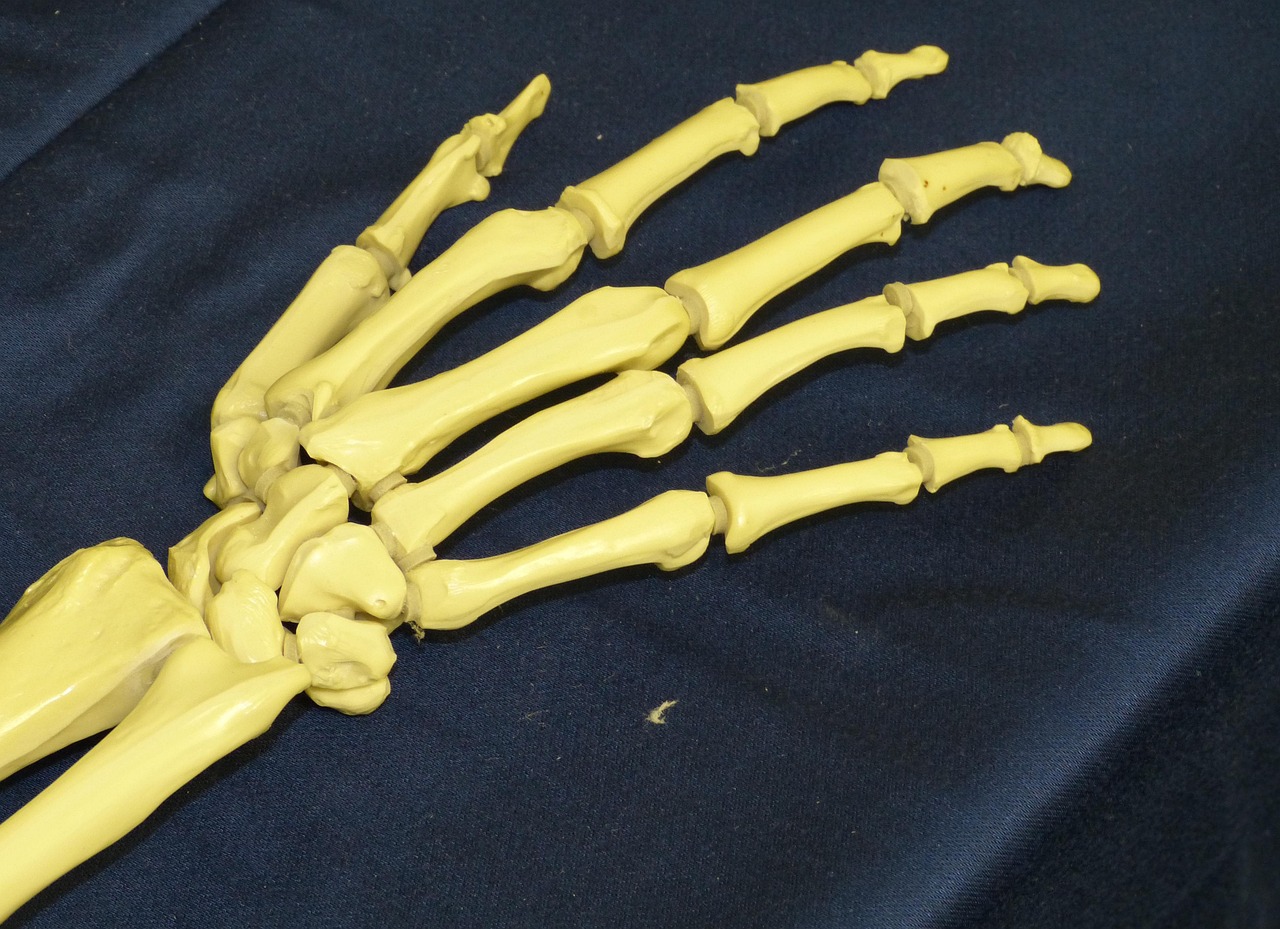
Some religious authorities declared that large bone discoveries were deliberate deceptions planted by Satan to test human faith. According to this theory, the devil had buried fake bones in the earth to trick people into believing in creatures that contradicted religious teachings. This explanation allowed religious communities to acknowledge the physical evidence while maintaining their theological beliefs.
The “devil’s tricks” theory became particularly popular when fossil discoveries began to challenge established religious timelines. Rather than accept that the earth might be older than biblical accounts suggested, some religious leaders found it easier to attribute all contradictory evidence to supernatural deception.
Sports of Nature
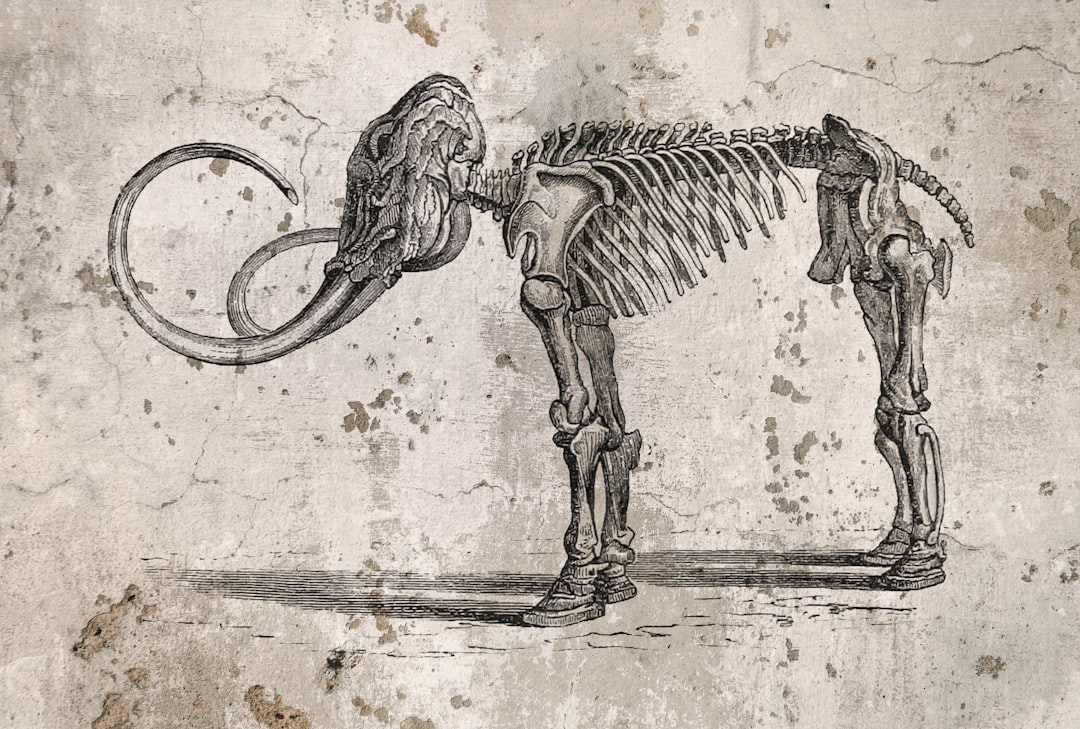
The concept of “lusus naturae” or “sports of nature” was widely accepted among medieval scholars as an explanation for unusual natural phenomena. According to this theory, nature occasionally produced strange and wonderful creations just for the sake of variety, without any particular purpose or meaning. Large bones were often classified as examples of nature’s playful creativity.
This explanation was particularly appealing because it didn’t require any supernatural intervention or challenge to existing religious beliefs. It simply suggested that the natural world was more diverse and creative than humans had previously understood, which seemed like a reasonable and non-threatening explanation for unusual discoveries.
Victims of Divine Wrath
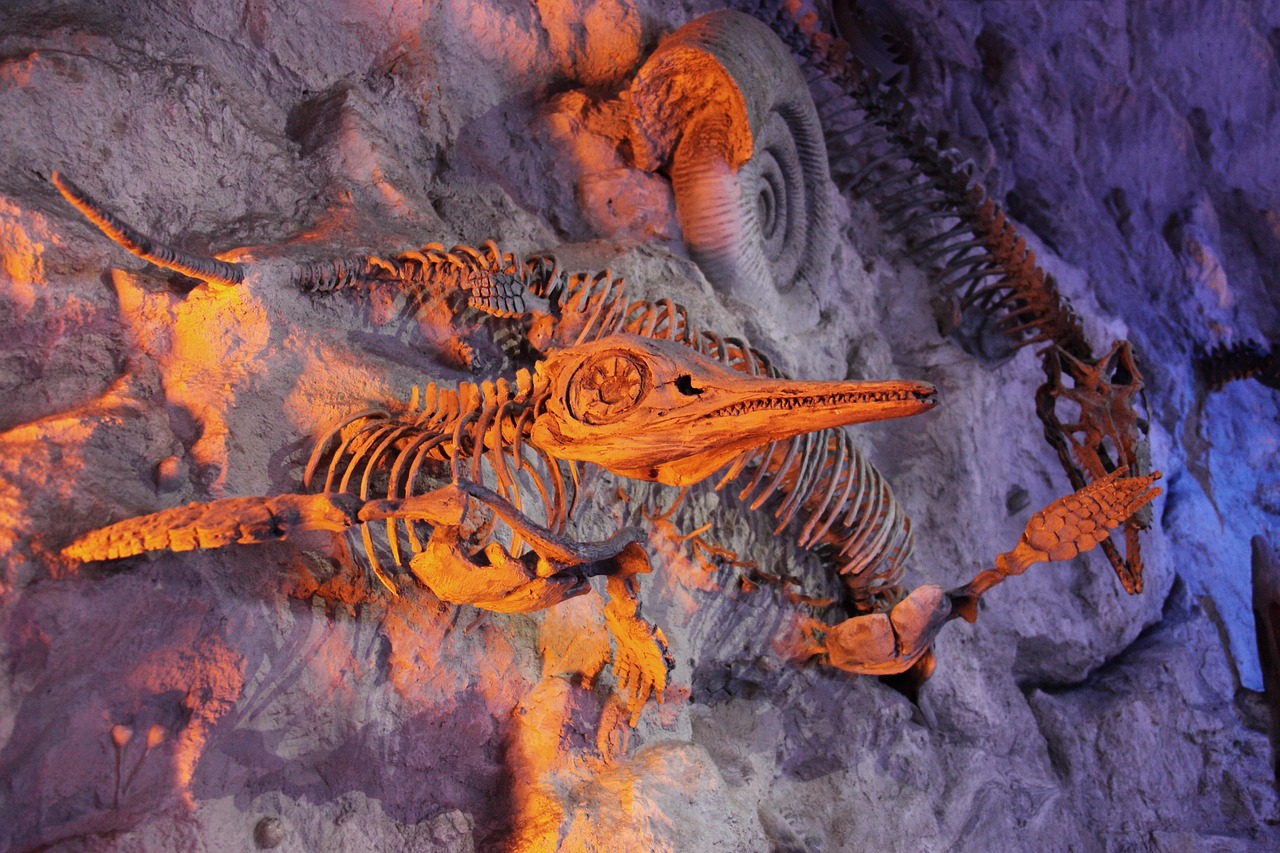
Many communities interpreted large bone discoveries as evidence of divine punishment for ancient sins. The theory suggested that God had destroyed giant creatures or people as punishment for their wickedness, leaving their bones as a warning to future generations. This explanation was particularly popular in regions where religious authorities wanted to use fossil discoveries as moral teaching tools.
The Great Flood described in biblical accounts was often cited as the specific event that killed and buried these giant creatures. This theory had the advantage of explaining both the existence of the bones and their burial on the earth while reinforcing religious teachings about divine justice and the consequences of sin.
Failed Experiments of Creation
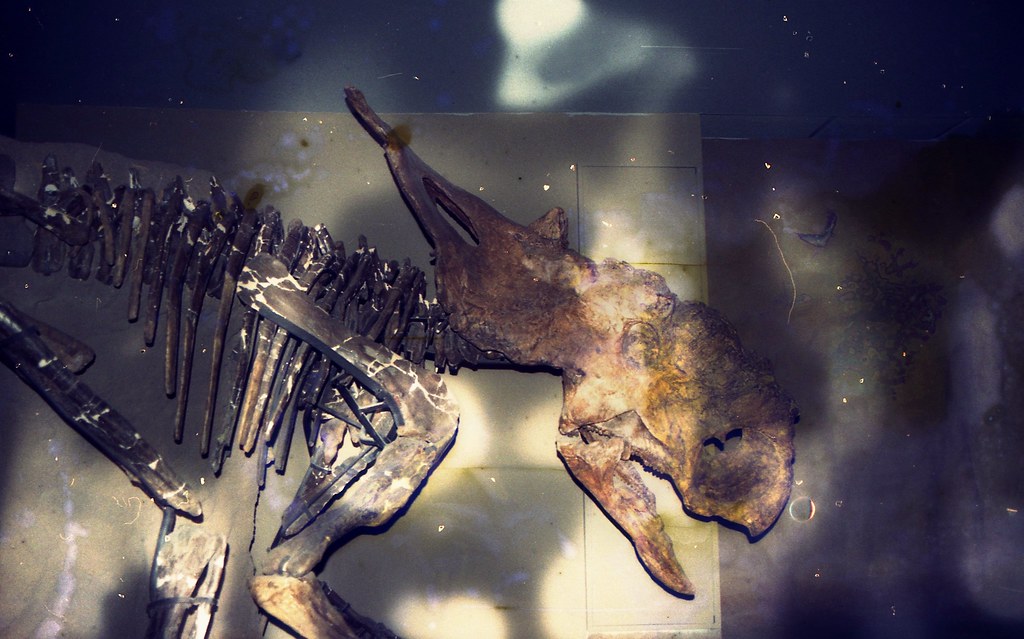
Some philosophical thinkers proposed that large bones represented failed experiments in the process of creation. According to this theory, divine forces had tried multiple approaches to creating life, and some of these early attempts had been discarded in favor of more successful designs. The large bones were evidence of these abandoned prototypes.
This explanation appealed to people who wanted to maintain religious beliefs while acknowledging that the natural world seemed to contain evidence of creatures that no longer existed. It suggested that creation was an ongoing process rather than a single event, allowing for the possibility of change and development over time.
The Birth of Scientific Paleontology
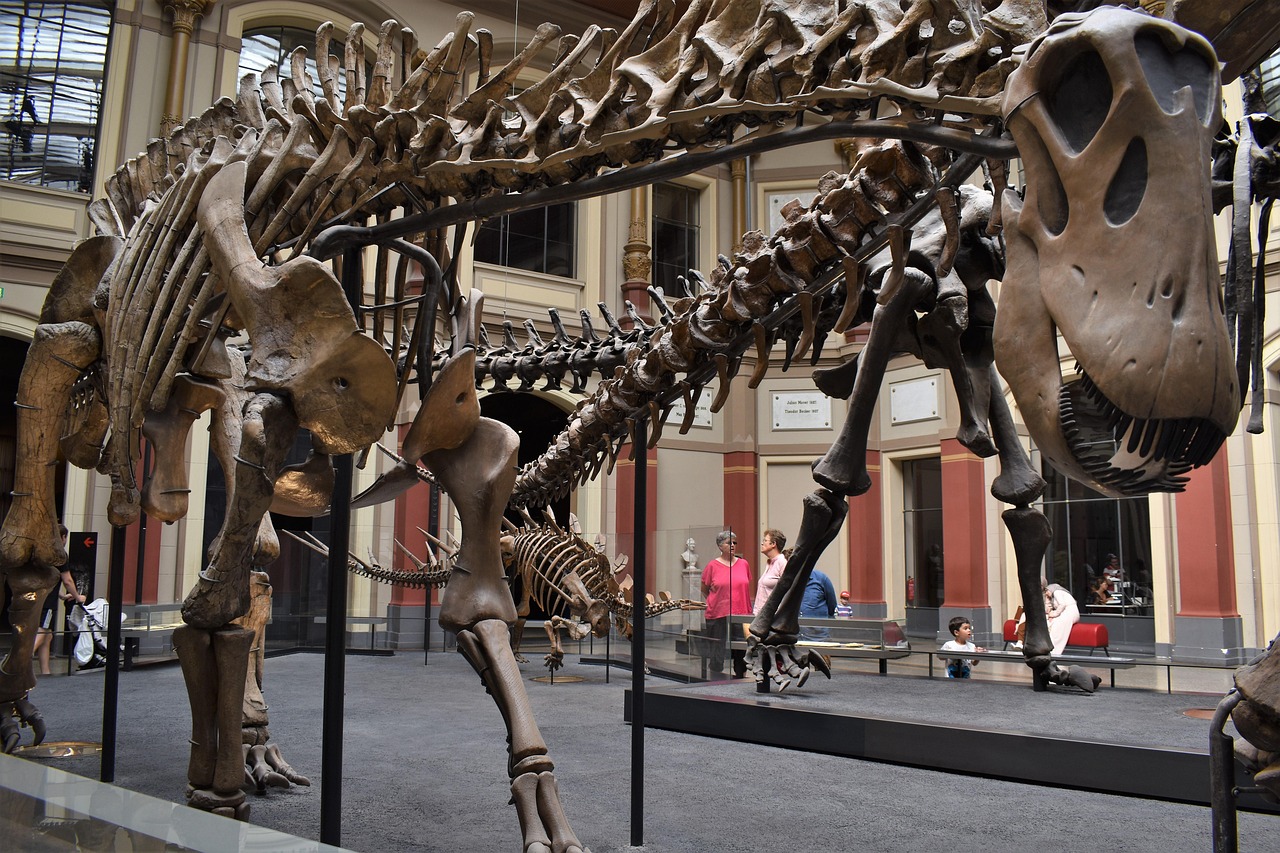
The transition from mythological explanations to scientific understanding began in the 17th and 18th centuries as scholars started applying systematic observation and analysis to fossil discoveries. Robert Hooke, better known for his work with microscopes, was among the first to propose that fossils were actual remains of once-living creatures that had become extinct.
The development of geology as a scientific discipline provided the framework necessary for understanding fossils in their proper context. As scientists began to study rock layers and understand the concept of geological time, they realized that the earth was far older than previously believed and that it had been populated by creatures very different from those alive today.
When Dinosaurs Finally Emerged
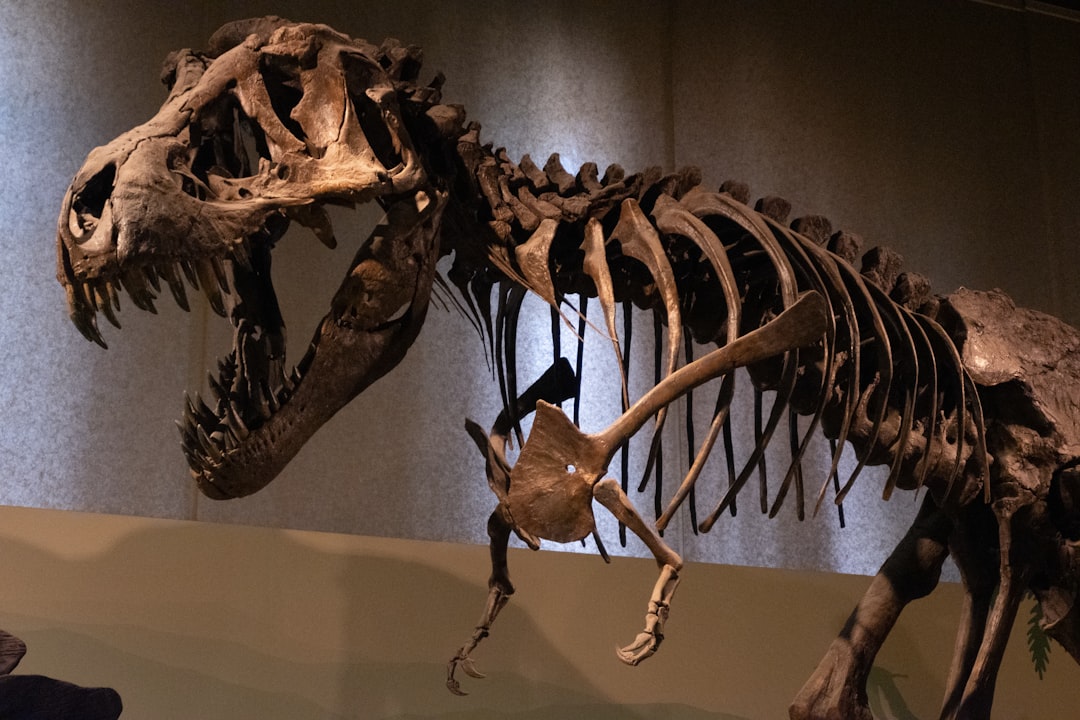
The formal recognition of dinosaurs as a distinct group of extinct reptiles didn’t occur until the 19th century when scientists like Richard Owen coined the term “dinosaur” and began to understand the true nature of these prehistoric creatures. The first dinosaur fossils to be scientifically described were found in England, including specimens of Megalosaurus and Iguanodon.
The revelation that these bones belonged to enormous reptiles that had lived millions of years ago was initially met with skepticism and resistance from both religious authorities and the general public. The concept of extinction was still controversial, and the idea that the earth had once been populated by creatures so different from modern animals challenged fundamental assumptions about the nature of life and creation.
A World Transformed by Truth
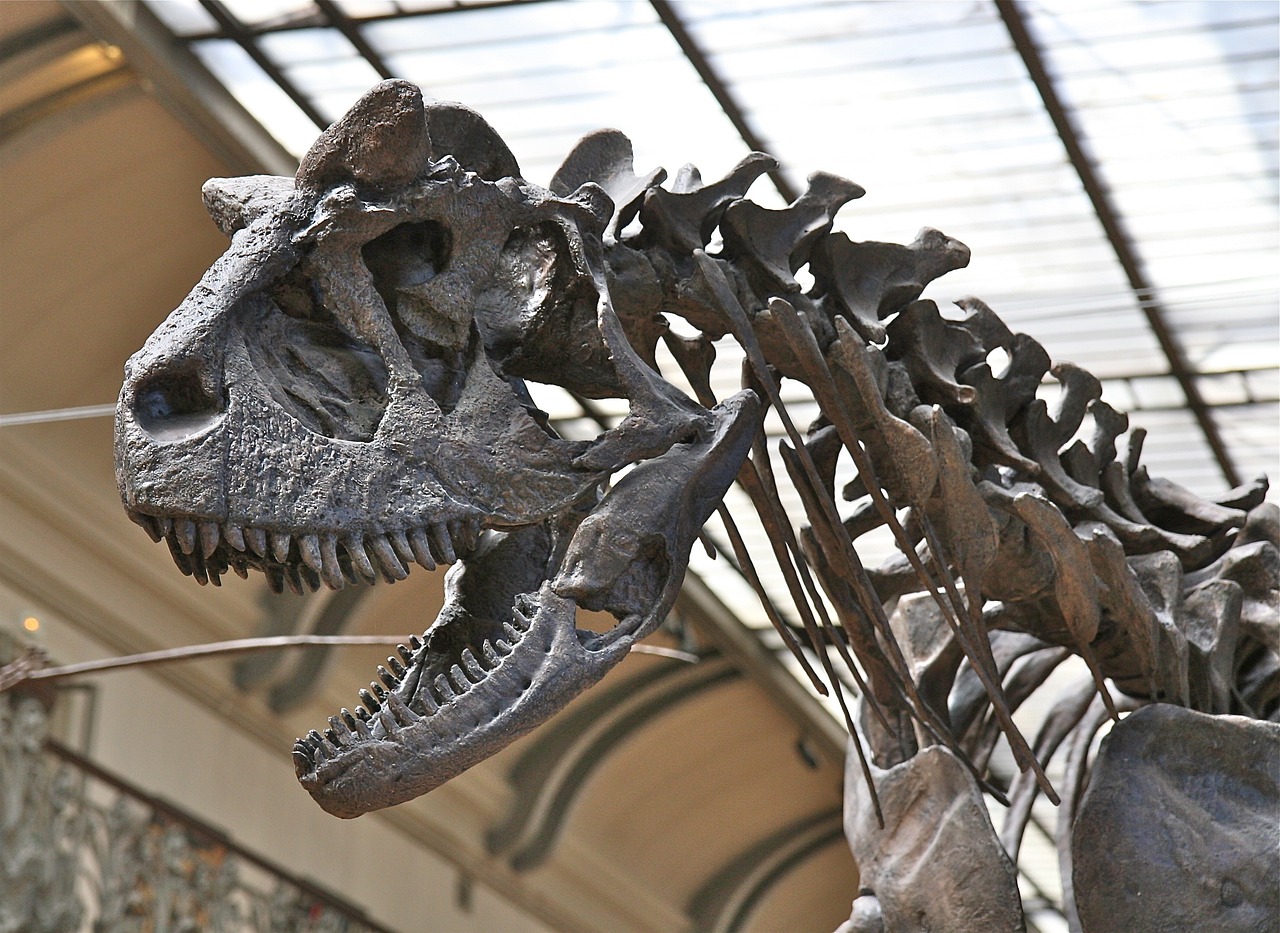
The journey from mythological explanations to scientific understanding represents one of humanity’s greatest intellectual achievements. What our ancestors interpreted as evidence of dragons, giants, and divine intervention turned out to be something far more extraordinary: a window into deep time and the incredible diversity of life that has existed on our planet. These ancient bones weren’t the remains of mythical creatures or biblical giants, but rather the preserved remnants of an entire lost world of dinosaurs and other prehistoric animals.
The stories our ancestors told about these mysterious bones reflect their creativity, their spiritual beliefs, and their desperate desire to make sense of the world around them. While their explanations may seem naive by today’s standards, they represent humanity’s constant drive to understand and explain the unknown. The transition from folklore to science didn’t happen overnight, and it required countless individuals to challenge established beliefs and pursue evidence-based explanations.
Conclusion
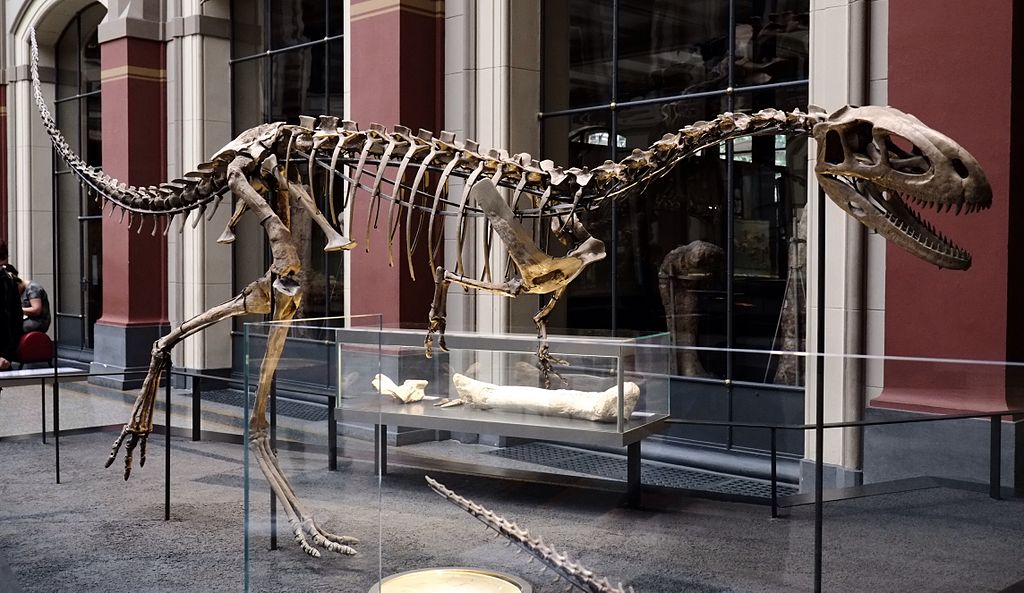
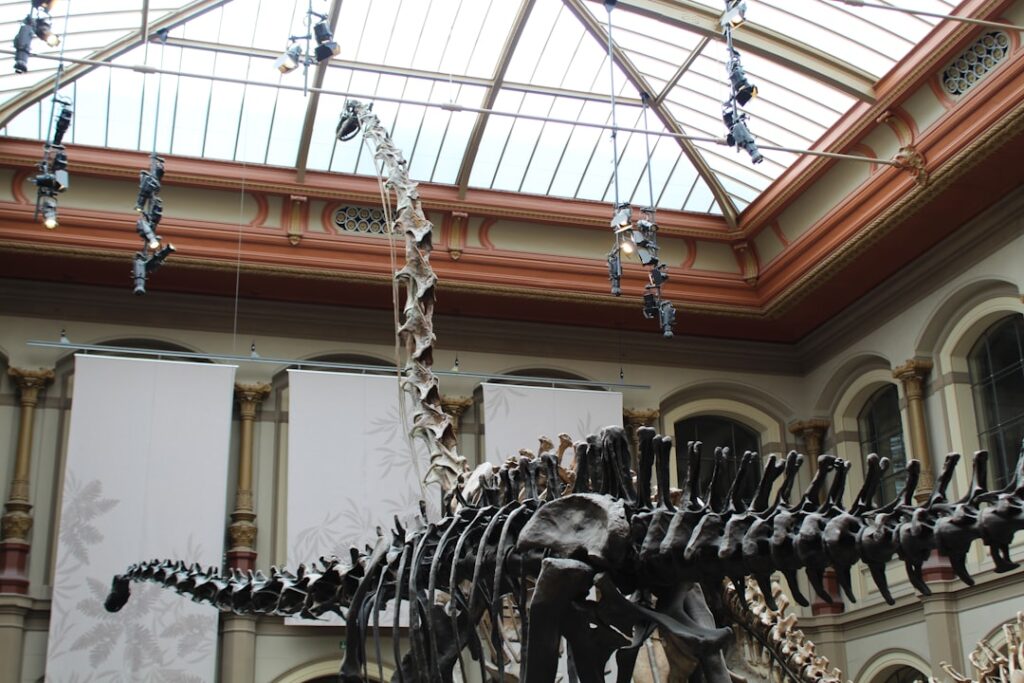
Today, when we look at a dinosaur skeleton in a museum, we see the culmination of centuries of human curiosity and scientific progress. Those ancient bones that once inspired tales of dragons and giants now tell us stories that are far more incredible than any myth: stories of creatures that ruled the earth for over 160 million years, of mass extinctions and evolutionary innovations, and of a planet that has been constantly changing throughout its 4.5-billion-year history. What did our ancestors think these bones were? They thought they were magical, supernatural, and divine. In a way, they weren’t entirely wrong.