
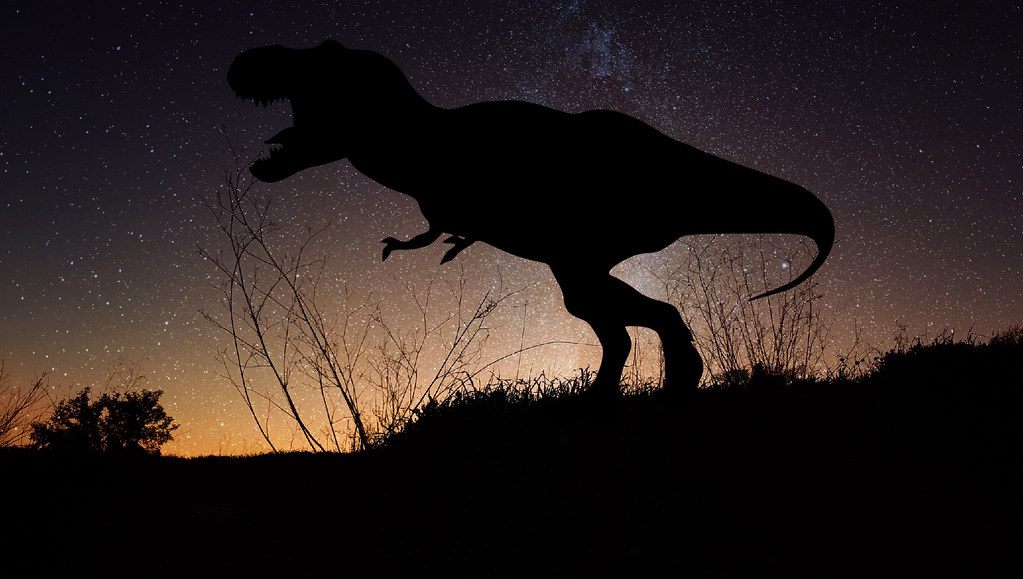
Look up at the night sky, picture a Tyrannosaurus roaring across a steamy floodplain, and then think about your last horoscope. On the surface, those three things feel like they live in completely different worlds: science museums, pop culture, and distant galaxies. But underneath, they are all doing something similar: yanking us out of our tiny daily worries and reminding us that we are part of a story so ancient, so bizarre, and so wildly grand that our school textbooks barely scratched the surface.
I still remember standing under a full-dome planetarium show about the early universe right after walking through a dinosaur exhibit in the same museum. The emotional whiplash was real: bones from a world 70 million years gone, followed by simulations of galaxies forming billions of years before that. Toss in the very human habit of drawing zodiac animals in the sky, and it hit me like a quiet shock: we have always been trying to make sense of a cosmos and a history that utterly dwarf us. Once you really let that sink in, everyday life starts to feel less like a grind and more like a small, bright subplot in a very old, very strange epic.
Deep Time: Dinosaurs As Our First Real Glimpse of an Ancient Earth
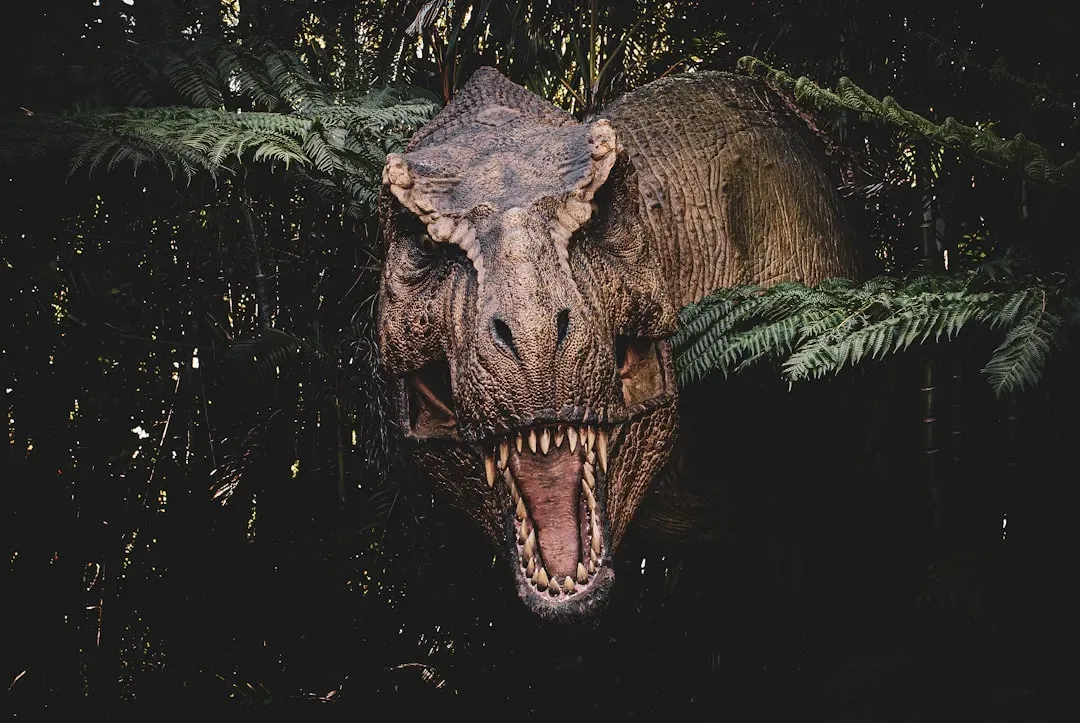
One of the most unsettling and exhilarating ideas humans ever stumbled into is deep time, the realization that Earth’s history stretches back billions of years. Dinosaurs were the first pop‑culture ambassadors of this idea: gigantic, clawed proof that there were entire worlds before ours, with their own dramas, ecosystems, and endings. When we say that dinosaurs ruled the planet tens of millions of years ago, we are not just tossing around big numbers; we are saying that human history is a late‑breaking twist in a staggeringly long narrative.
Think about the absurd scale: the time between Tyrannosaurus rex and your existence is so great that the distance between T. rex and an early dinosaur ancestor is roughly similar in length. What we call “prehistory” is not one vague blob; it is layered like a vast library where each shelf is a vanished world. Dinosaurs force us to admit that our sense of time, tuned to deadlines and weekend plans, is hopelessly narrow. Once that hits, the idea that the story of life on Earth is older and stranger than we were taught stops feeling like poetry and starts feeling like basic realism.
Cosmic Stardust: Dinosaurs and Humans Built From the Same Ancient Atoms
There is a wild, almost mystical‑sounding scientific fact that still gives me chills: the calcium in dinosaur bones and the calcium in your teeth were both forged in stars that died long before Earth existed. Before there were forests, oceans, or reptiles, there were massive stars burning through their fuel, exploding, and spewing heavy elements into space. Those atoms wandered for eons, eventually collapsing into new star systems, one of which became our Sun and its planets.
So when you stand in front of a fossil skeleton, you are looking at star‑made matter temporarily arranged as a dinosaur, just as your body is star‑made matter temporarily arranged as you. The same is true for the rocks beneath your feet, the meteors streaking overhead, and the rings of Saturn. That connection collapses the distance between “out there” and “down here”; it means the deep universe is not just a backdrop but the literal source material for every living thing that has ever walked, crawled, or bloomed on this planet.
Astrology: An Ancient Attempt to Humanize a Terrifyingly Large Universe
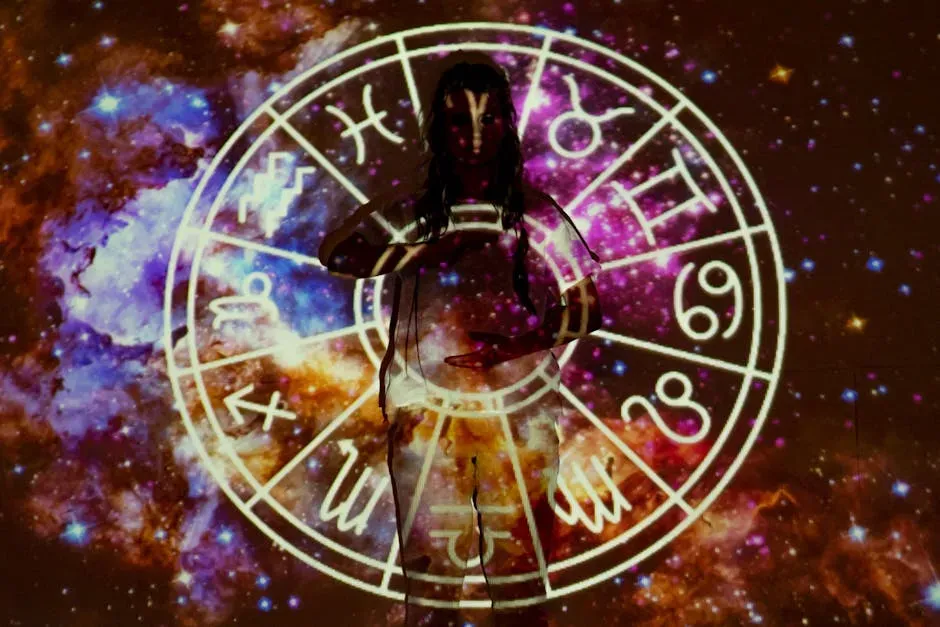
Astrology is not science, but it absolutely is a revealing human reaction to the cosmic scale. Long before we had telescopes or models of galaxy formation, people looked up at a chaotic sky and did something very human: they turned stars into stories. Constellations, zodiac signs, and birth charts are basically narrative coping tools, ways of saying, “This vast, cold universe has something to do with me.” It is an emotional technology, not an empirical one.
Even if you treat horoscopes as entertainment, the popularity of astrology says something profound: we cannot resist connecting our tiny individual lives to the grand patterns above. The deep universe is indifferent; it just does what gravity and physics demand. Astrology, in contrast, insists the cosmos is personal, almost conversational. I am firmly on the side of astronomy for facts, but I think astrology still matters as a mirror of our craving for meaning in a universe that otherwise offers us none by default.
Extinction and Catastrophe: The Universe Is Beautiful and Brutal
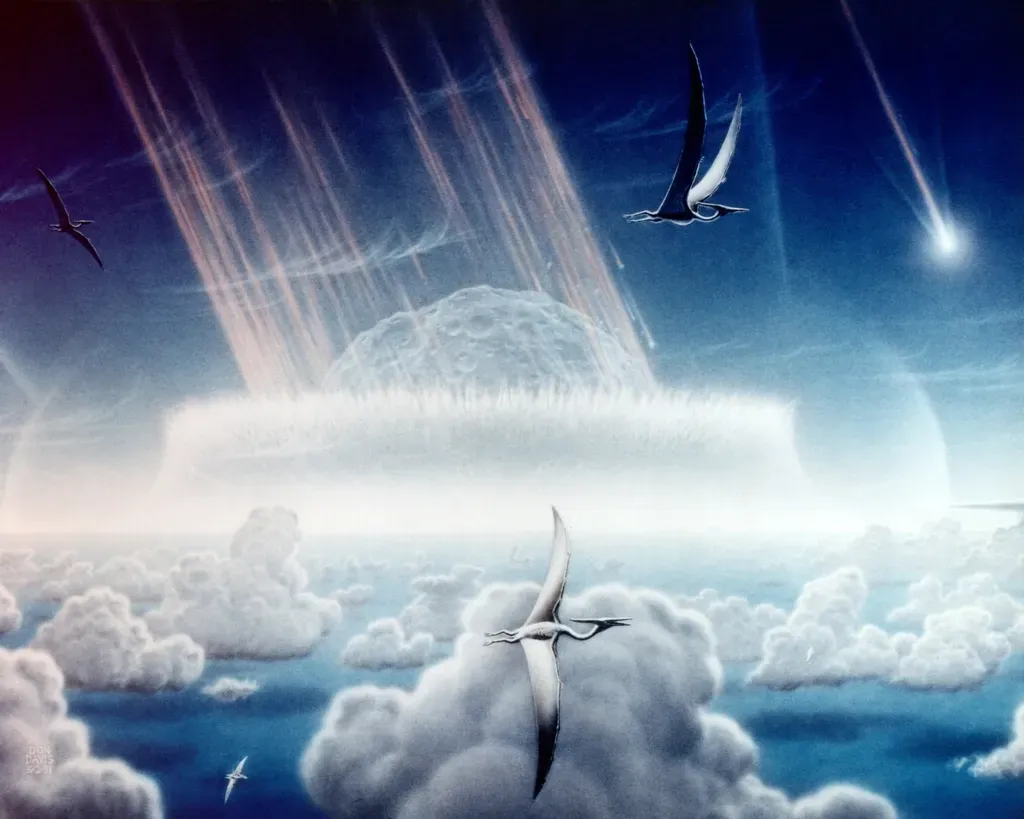
The dinosaurs did not fade away gently; their era ended in a violent punctuation mark, almost certainly triggered by a large asteroid impact. That single event unleashed heat, shock waves, wildfires, and a global climate shock that wiped out a huge portion of life on Earth. In cosmic terms, it was one more small collision in a universe where rocks slam into each other all the time, but on Earth it rearranged everything, clearing ecological space for mammals to rise and, much later, for us to exist.
This is where the deep universe and dinosaur history really fuse: the same gravitational ballet that gracefully organizes galaxies also occasionally hurls planet‑killing debris our way. The universe is not a gentle spiritual backdrop; it is gorgeous and merciless at the same time. When school lessons reduce extinction to a paragraph and the cosmos to a diagram, they sand off that brutal edge. The real story is stranger: we are only here because of a cosmic accident that obliterated almost everything large and land‑dwelling before us.
Patterns in the Sky and on Earth: From Constellations to Climate Cycles

Astrology tries to read human fate in the movement of planets, and while that does not hold up scientifically, there is a deeper kernel of truth: the heavens really do shape Earth’s long‑term story. Subtle shifts in our planet’s orbit and tilt help drive long ice ages and warm periods. The Sun’s cycles influence space weather and, indirectly, our technology and infrastructure. Over deep time, the dance of Earth around the Sun has repeatedly reshaped climates, habitats, and therefore the kind of life that thrives.
Dinosaurs lived through their own long swings of climate and geography as continents drifted and sea levels rose and fell. The night skies above them were different too: star patterns slowly change as our solar system moves through the galaxy. The idea that “as above, so below” is not literally true in the astrological sense, but it is metaphorically accurate. The big cosmic patterns do leak downward into geology, climate, and evolution, rewriting Earth’s script again and again.
The Psychological Shock of Scale: Why Our Brains Resist the Full Story
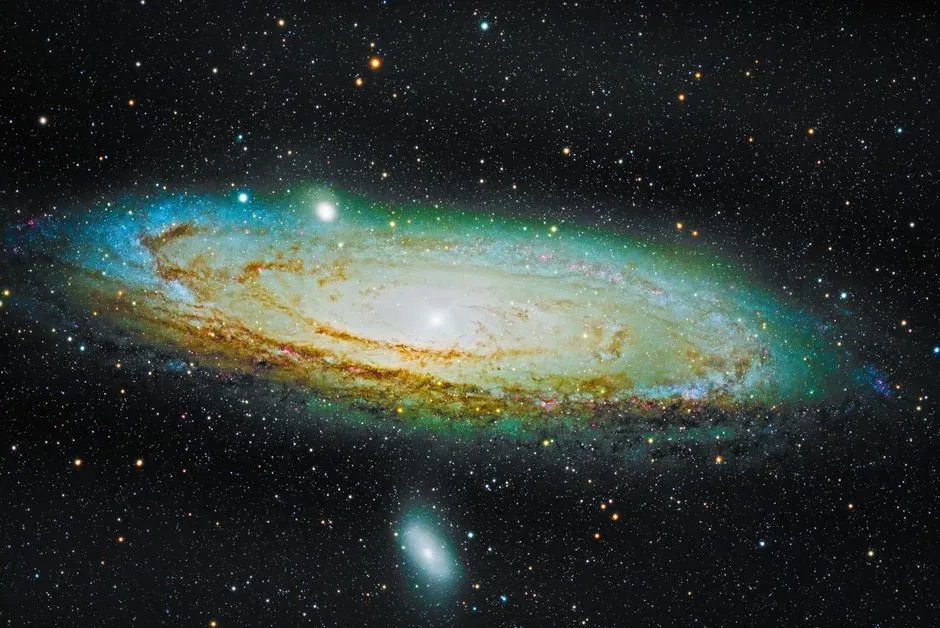
One reason the full story of life and the universe still feels under‑taught is simple: our brains were not built for it. Human minds evolved to track immediate landscapes, small groups, and lifespans measured in decades, not billions of years and light‑years. When we hear that the universe is roughly thirteen billion years old or that a galaxy is so far away its light has been traveling since before dinosaurs evolved, it slides right off our mental grip like water off glass.
Because of that, we unconsciously shrink the story down. School curricula condense deep time into a neat timeline, astrology squeezes the cosmos into personality archetypes, and popular culture turns dinosaurs into movie monsters rather than inhabitants of complex, alien ecosystems. There is nothing wrong with simplifying to understand, but if we stop there, we end up with a comforting toy version of reality. The older I get, the more convinced I am that genuine awe requires us to push past that first layer of simplification and let the true scale unsettle us.
Meaning Without Center Stage: We Are Not the Point, and That Is Liberating
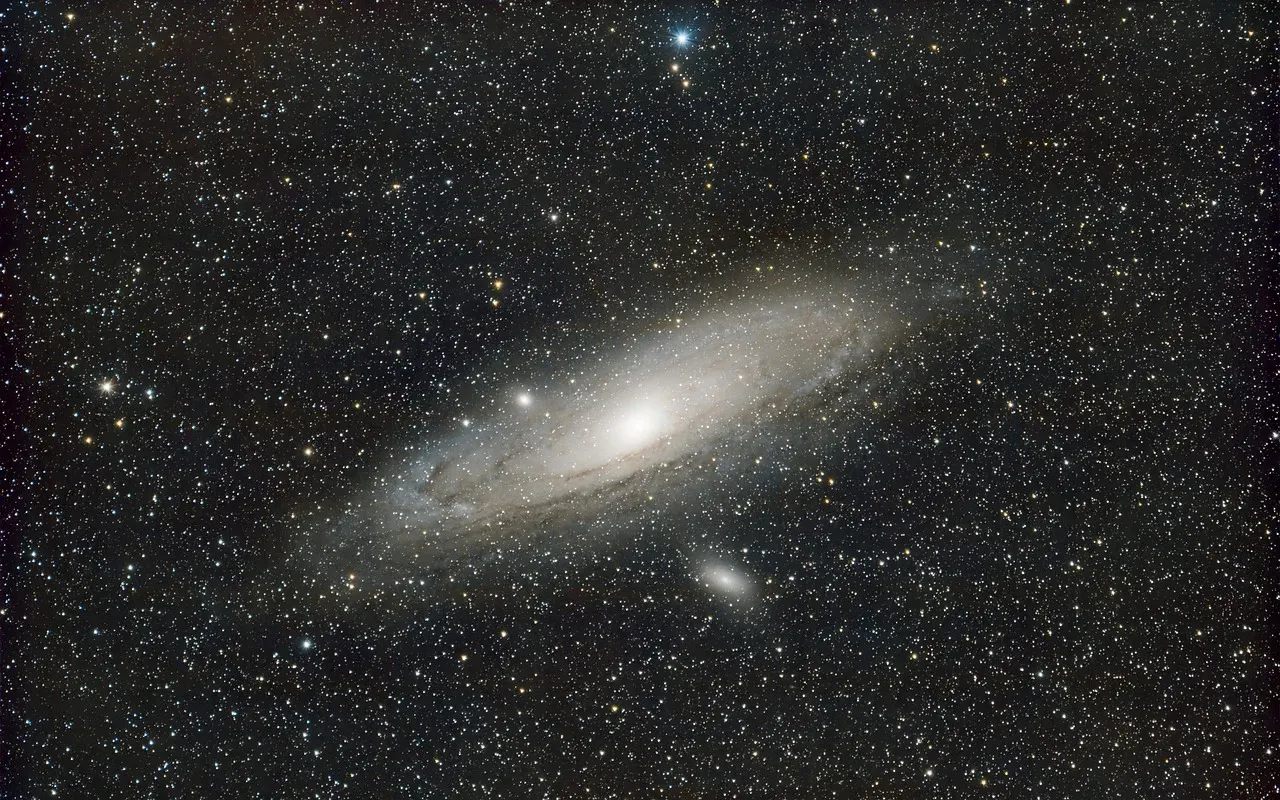
Both dinosaurs and cosmology quietly wreck the instinctive human belief that we are the main characters of existence. Dinosaurs thrived for tens of millions of years without any need for humans; galaxies formed, merged, and burned long before brains like ours lit up on this planet. The universe does not revolve around us, and Earth is not even close to the geometric center of anything important on cosmic scales. From one angle, that can feel crushing, like somebody just told you your favorite story was never about you at all.
But there is another, more liberating way to see it. If we are not the central purpose of creation, then the pressure to make our lives “cosmically significant” evaporates. We become free to craft local meaning: to care for each other, to explore, to create, to study fossils and starlight, simply because curiosity and compassion feel right. Dinosaurs, astrology, and the deep universe all expose our tiny size in different ways, but they also open the door to a humbler, less egocentric kind of meaning that does not depend on being the chosen species.
Re‑Enchantment Through Science: When Facts Are Wilder Than Myths
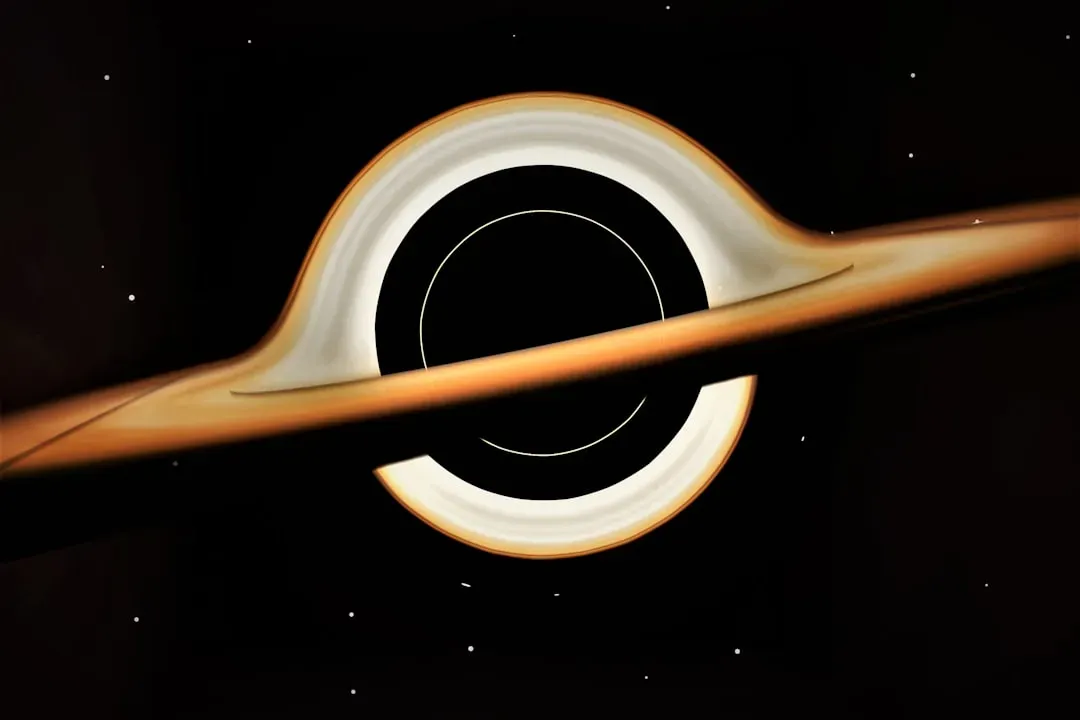
People sometimes treat science as if it is in competition with wonder, as though understanding how something works automatically drains it of magic. In reality, the opposite is happening with dinosaurs and the cosmos. The more we learn, the less tidy and more astonishing the story becomes: feathered predators with complex social behavior, deep‑sea creatures surviving a mass extinction, black holes twisting space and time, planets forming in dusty disks where new stars ignite. The truth is not a boring replacement for myth; it is an upgrade in strangeness.
Astrology kept the sky emotionally alive for millions of people over centuries, but modern astronomy and paleontology can do something even more radical: they let us feel awe without bending the facts. To me, that is the real re‑enchantment of the world. We do not have to choose between a dead, cold universe and a comforting fantasy. We can accept the harshness and indifference of cosmic reality and still feel a gut‑level sense of wonder that something like a dinosaur skeleton or a Hubble‑deep field image can even exist at all.
A Universe of Stories: Why This Older, Stranger History Matters Now
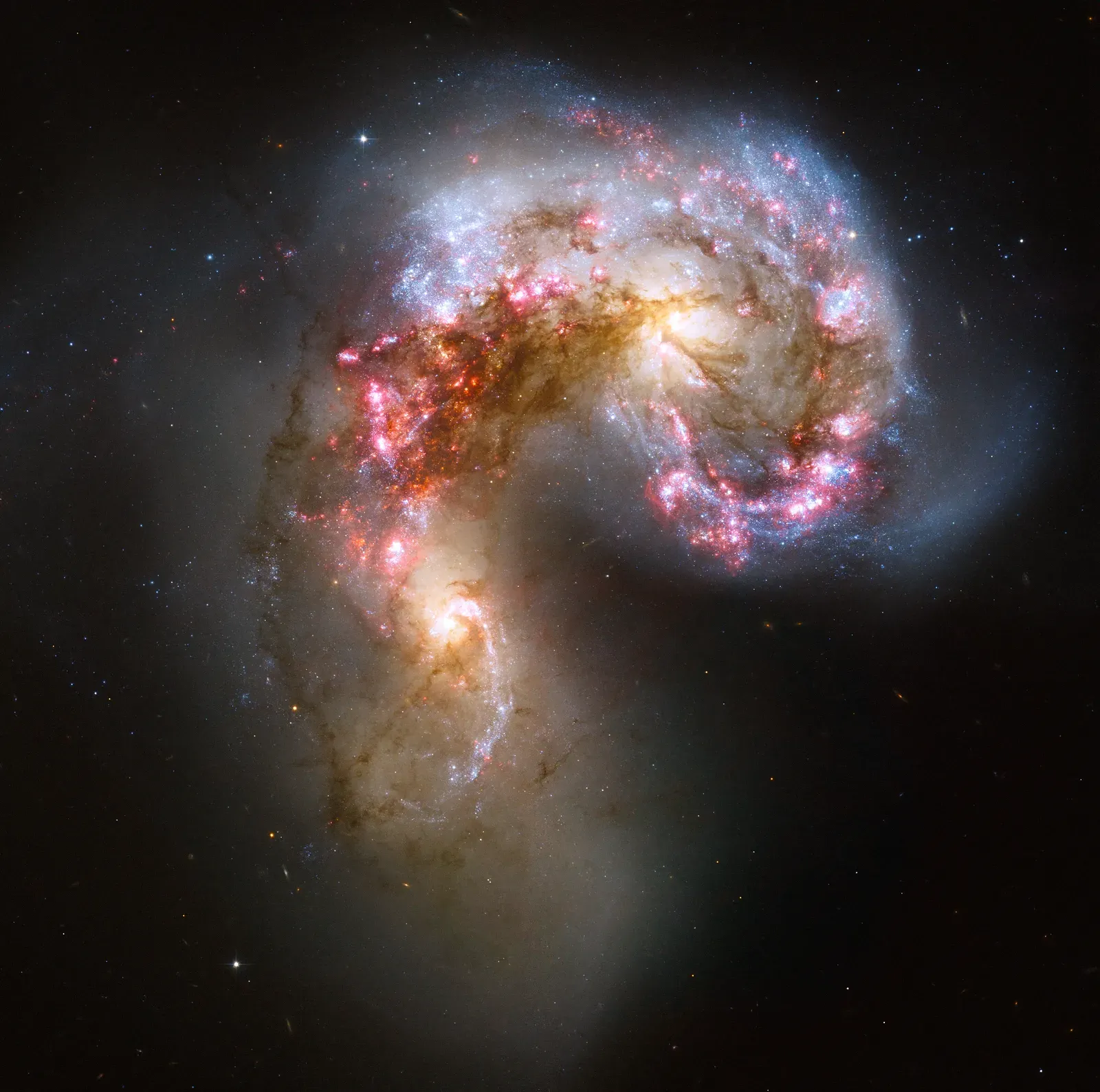
All of this might sound like beautiful trivia, the kind of thing you think about in a museum or on a late‑night walk and then set aside when the workweek starts. I think that is a mistake. Letting the real scale of life and the universe sink in subtly shifts how we see our moment in history: climate change, species loss, and technological risks stop feeling like abstract policy debates and start looking like turning points in a story that has been running for billions of years. We are not just tweaking a system; we are tinkering with the fate of a fragile, improbable biosphere that took cosmic ages to assemble.
Knowing that dinosaurs were wiped out by a sudden catastrophe and that the cosmos has no built‑in safety net makes our responsibilities feel heavier and more urgent. At the same time, realizing that we are conscious stardust, capable of reflecting on all this, is weirdly empowering. The universe took an almost absurdly long route to get to beings who can argue about horoscopes, reconstruct vanished ecosystems, and map galaxies. That does not mean we were destined, but it does mean we are rare – and that what we do next really matters.
Conclusion: Embracing Our Small, Astonishing Part in a Vast Story
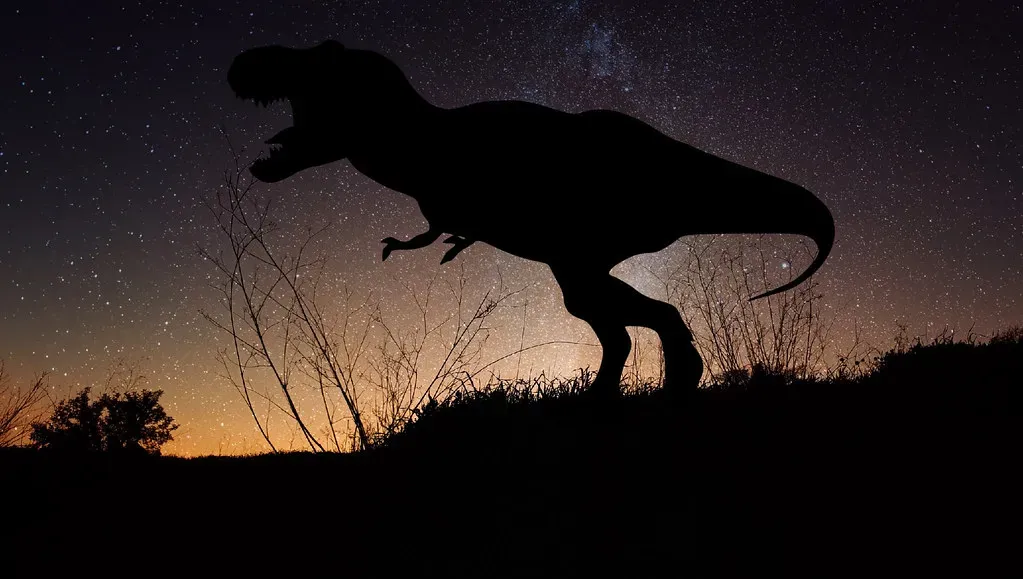
If there is a single lesson tying dinosaurs, astrology, and the deep universe together, it is that we have been underestimating reality. School lessons, pop horoscopes, and even many museum plaques give us a version of Earth’s story that is flatter and tamer than it deserves. The truth is that life on this planet is older, stranger, more fragile, and more magnificent than the tidy narratives we grew up with. Dinosaurs remind us that entire worlds can rise and vanish; astrology shows how desperately we want to matter within a vast sky; cosmology reveals a universe that is violent, creative, and utterly indifferent, yet somehow capable of producing creatures who can feel awe.
My own opinion is that we should stop treating this as trivia and start treating it as a kind of moral orientation. Once you feel, not just know, that you are a short‑lived arrangement of ancient stardust standing on a planet that has survived impacts, extinctions, and climate lurches, it becomes much harder to be casual about how we treat each other or this world. We do not need to be the center of the universe to live meaningful, urgent, beautiful lives; we just need to recognize the astonishing backdrop we have inherited. In a story this vast and improbable, the real question is not whether you were meant to be here, but what you will choose to do with the brief and luminous moment you have.