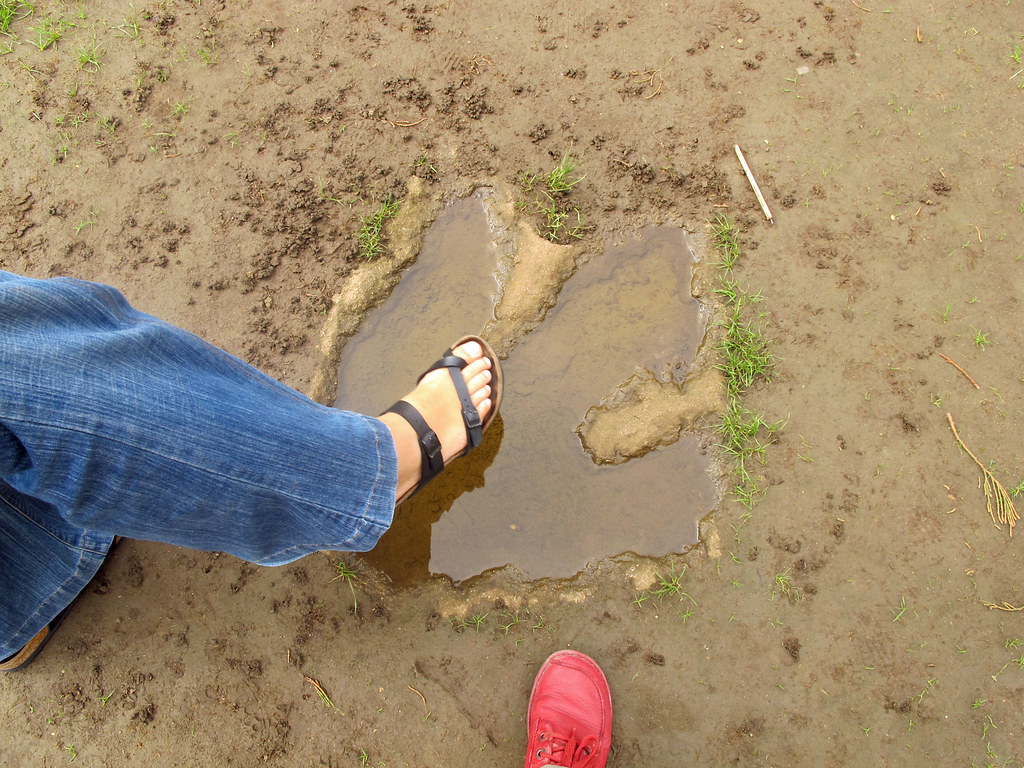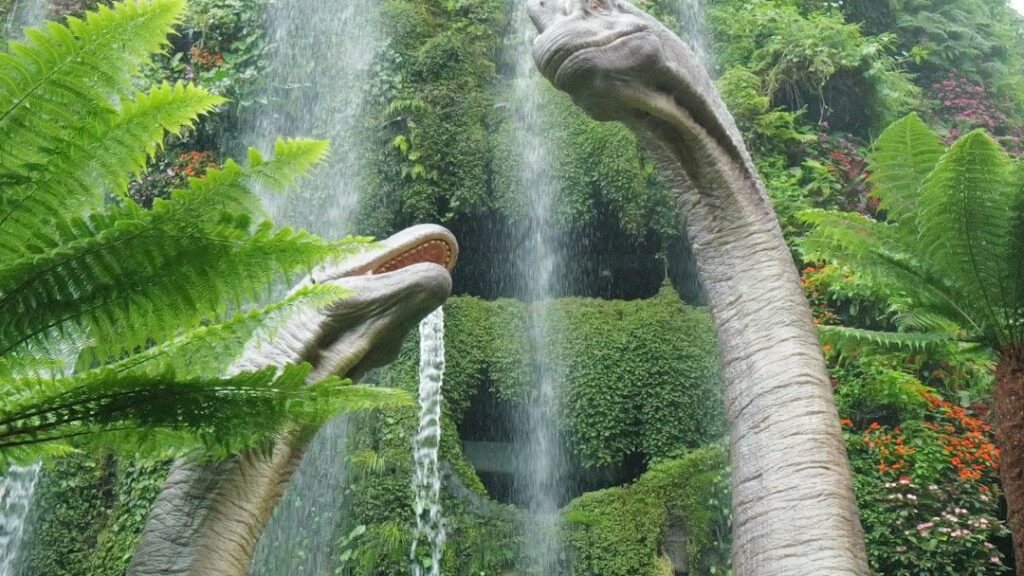
You might think creatures that lived millions of years ago have nothing to tell us about today’s world. Yet dinosaurs hold secrets locked in their bones, teeth, and the very rocks surrounding them. These ancient giants witnessed Earth’s most dramatic climate episodes, from scorching greenhouse conditions to catastrophic cooling events that redefined life itself.
Understanding how these prehistoric animals responded to environmental upheaval offers more than historical curiosity. It provides a window into what happens when our planet’s climate undergoes rapid, severe change. Let’s dive in.
Ancient Atmospheres Were Radically Different
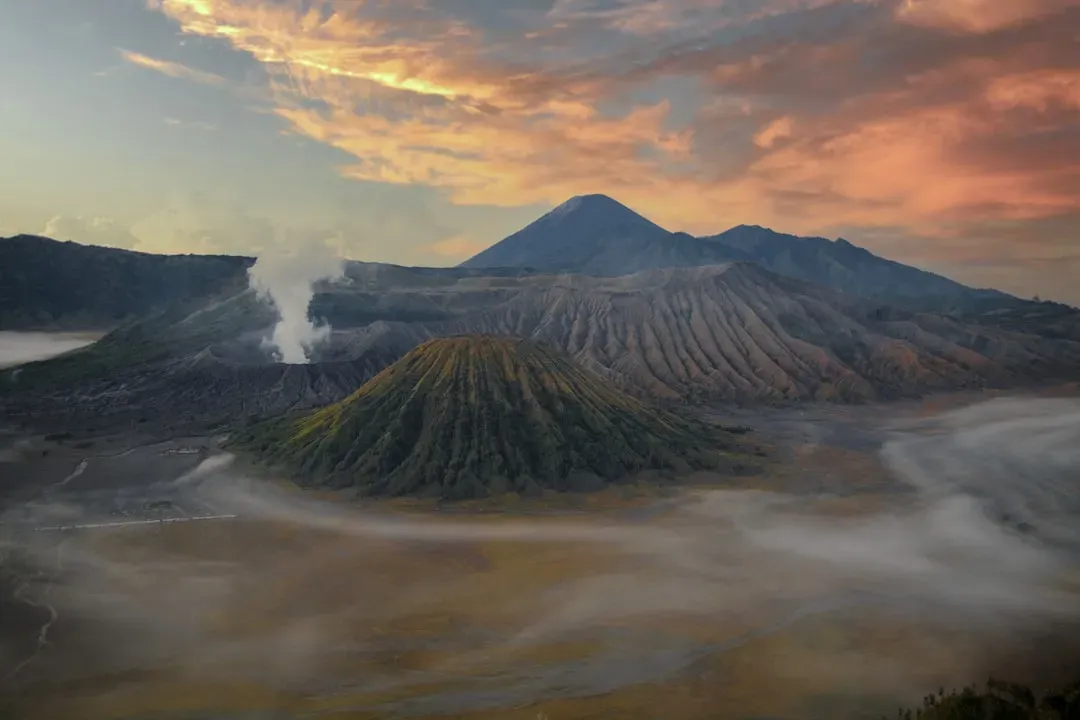
During the Cretaceous period, atmospheric CO2 levels reached as high as about 2,000 parts per million, average temperatures were roughly 5 to 10 degrees Celsius higher than today, and sea levels were 50 to 100 meters higher. Think about that for a moment. The world dinosaurs inhabited was fundamentally different from ours.
The Late Jurassic saw four times the amount of atmospheric carbon dioxide compared to pre-industrial levels, around 1,200 parts per million, compared to 280 parts per million before the Industrial Revolution. Honestly, these aren’t just numbers on a page. They represent an alien Earth, where massive volcanic activity constantly pumped greenhouse gases into the atmosphere. This wasn’t a planet humans could have survived on without serious technological help.
Dinosaur Teeth Became Climate Time Capsules
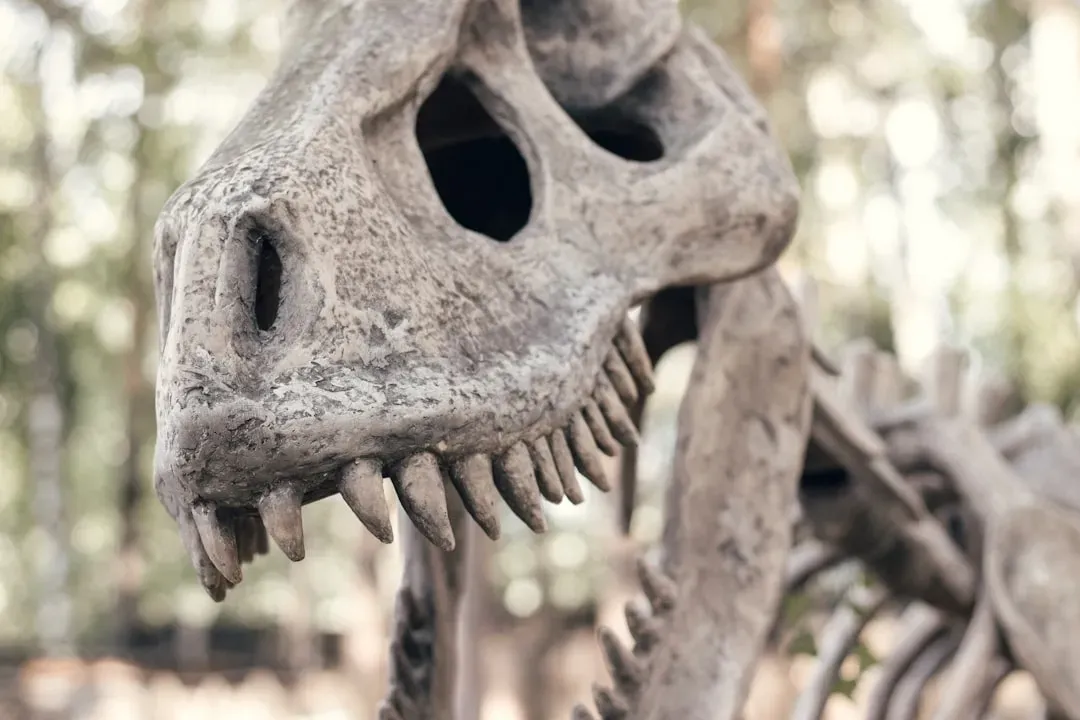
Here’s something fascinating: scientists recently discovered they could read ancient climate conditions directly from fossilized dinosaur teeth. Tooth enamel is a hard tissue that can survive for millions of years, making dinosaur teeth a robust time capsule for learning about the ancient climate. The breakthrough came from analyzing oxygen isotopes trapped in the enamel.
The atmosphere of Earth during the Mesozoic era, between 252 and 66 million years ago, contained far more carbon dioxide than it does today and total photosynthesis from plants around the world was twice as high as it is today. This discovery turned dinosaurs into inadvertent climate scientists, recording atmospheric conditions with every breath they took. It’s hard to say for sure, but this method might revolutionize how we understand deep time climates.
The Speed of Change Matters More Than the Change Itself
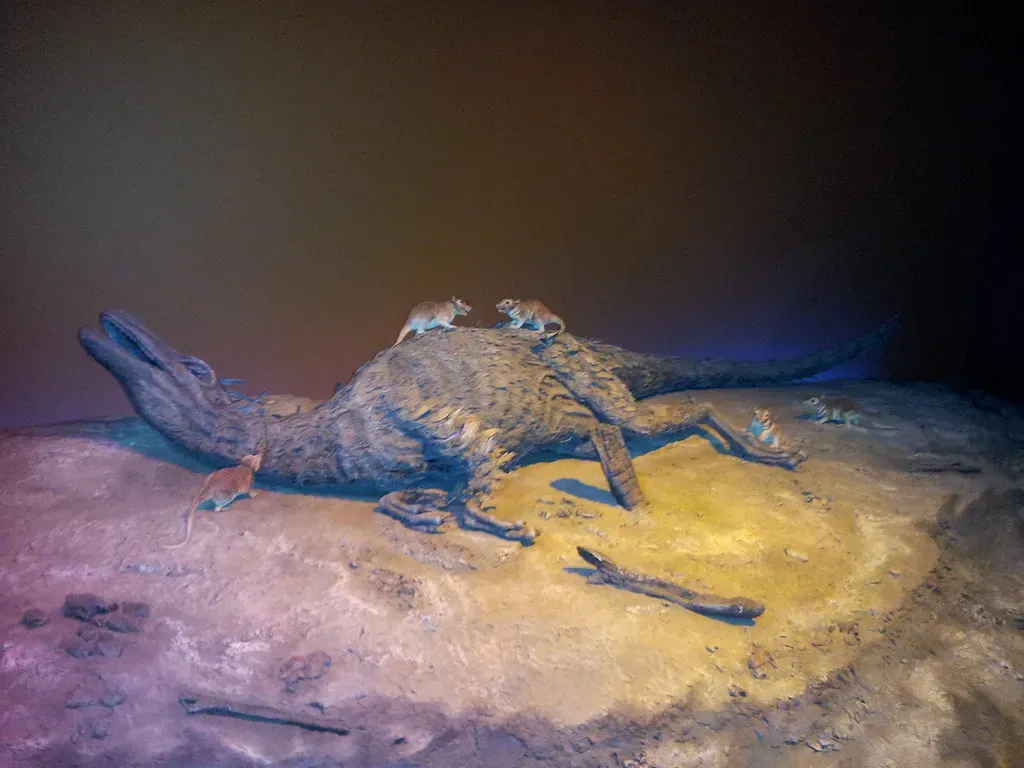
Let’s be real: Earth has experienced high CO2 levels before. So why should we worry now? The rate of change that we are experiencing today because of human-driven greenhouse gas emissions is among the very highest that the Earth has ever seen. That’s the crucial difference.
Although carbon dioxide levels have been much higher in the past, they generally increased slowly, giving plants and animals time to adapt. When the rate of climate change was staggeringly fast, like today, there were big problems. Evolution needs time to work its magic. Rapid change doesn’t allow species to develop adaptations gradually. The fossil record shows that when climate shifted abruptly, mass extinctions followed.
Cold-Adapted Dinosaurs Survived When Others Couldn’t
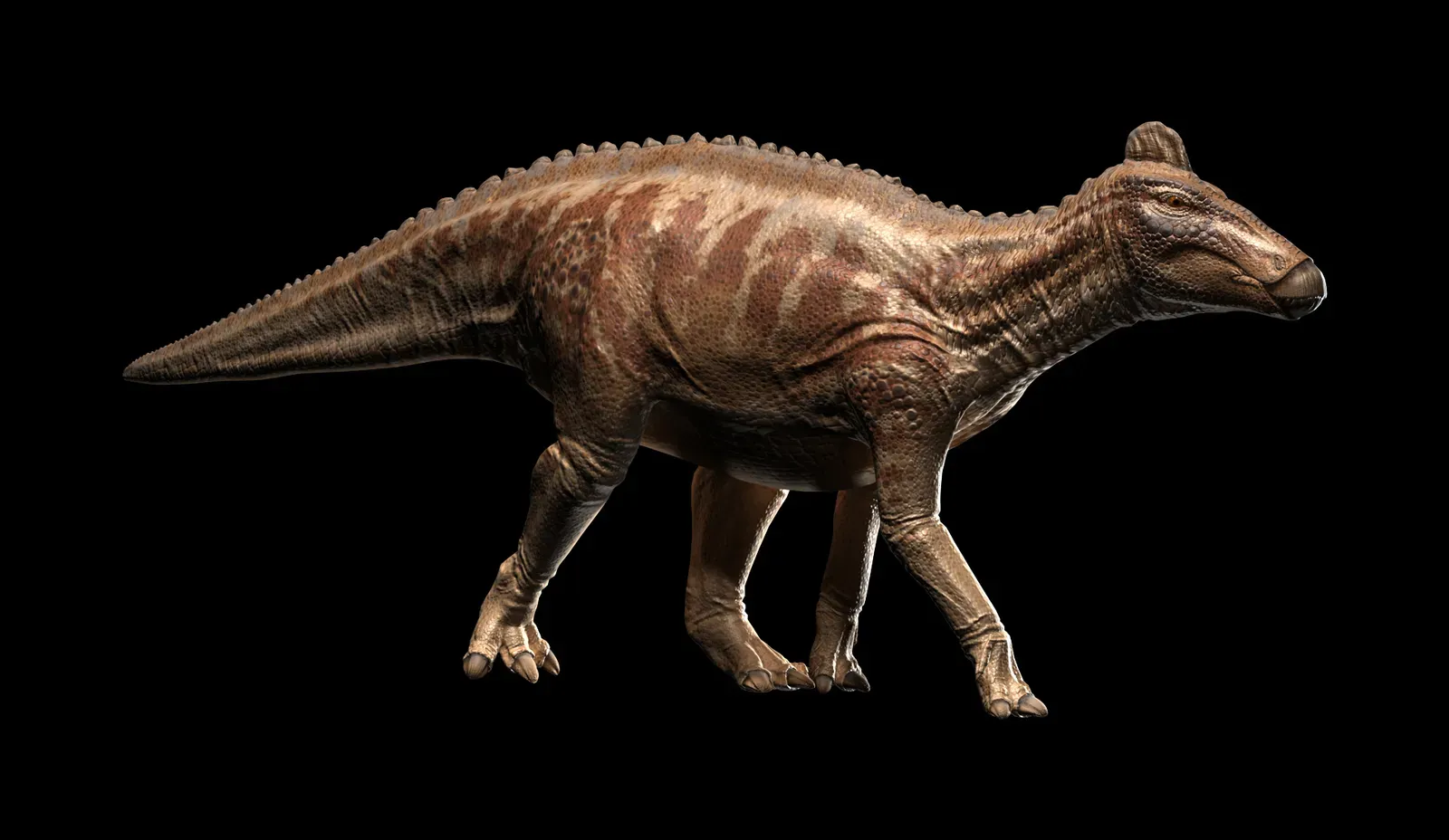
A new study presents the first physical evidence that Triassic dinosaur species, then a minor group largely relegated to the polar regions, regularly endured freezing conditions there. This discovery flips the traditional narrative on its head. We typically imagine dinosaurs as heat-loving reptiles, yet some thrived in harsh, cold environments.
During volcanic eruptions’ fiercest phases, they would have belched sulfur aerosols that deflected so much sunlight, they caused repeated global volcanic winters that overpowered high greenhouse-gas levels. These winters might have lasted a decade or more. Cold-adapted, insulated dinosaurs were able to hang on. Their feathered bodies gave them an evolutionary edge when the climate turned brutal, allowing early dinosaurs to eventually dominate the planet after their less-prepared competitors vanished.
Climate Shaped Where Dinosaurs Could Live
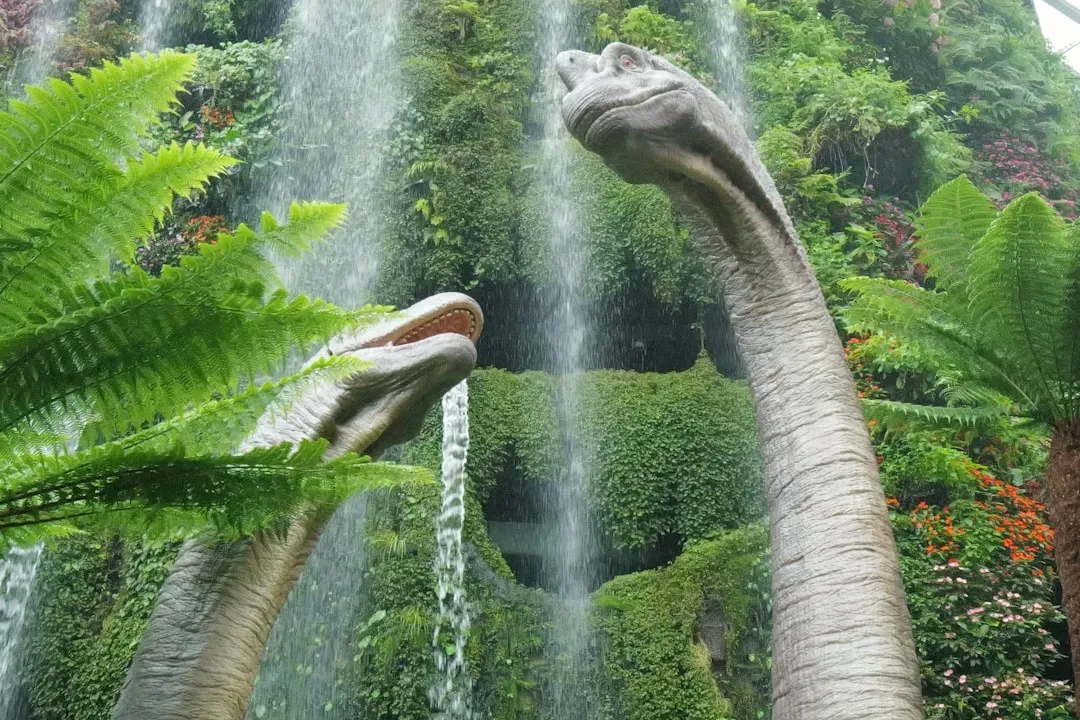
Not all dinosaurs roamed everywhere. Uniquely among dinosaurs, sauropods occupied climatic niches characterized by high temperatures and strongly bounded by minimum cold temperatures. This constrained the distribution and dispersal pathways of sauropods to tropical areas, excluding them from latitudinal extremes. Those massive long-necked giants needed warmth to maintain their enormous bodies.
The adoption of endothermy enabled theropods and ornithischians to thrive in colder environments. This allowed the dinosaurs to venture into colder climates, where they could remain active for longer periods, grow faster, and produce more offspring. Different dinosaur groups evolved distinct thermoregulatory strategies, which determined their geographic ranges. This shows how intimately climate controls the distribution of life across Earth’s surface.
Mass Extinctions Follow Predictable Climate Thresholds
Major mass extinctions in the Phanerozoic can be linked to thresholds in climate change that equate to magnitudes greater than 5.2 degrees Celsius and rates greater than 10 degrees Celsius per million years. Scientists have now quantified what it takes to trigger planetary catastrophe. These aren’t random events; they follow mathematical patterns.
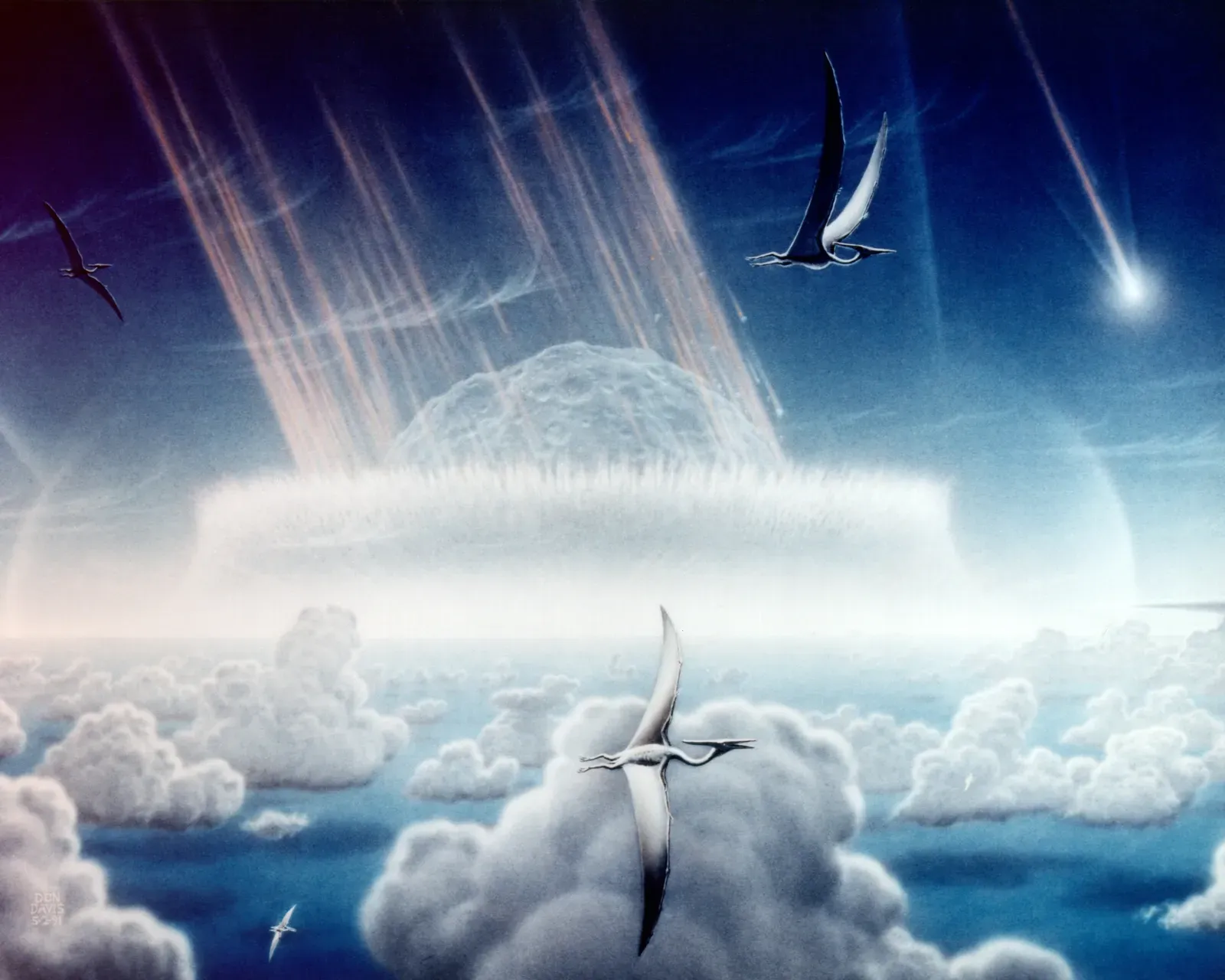
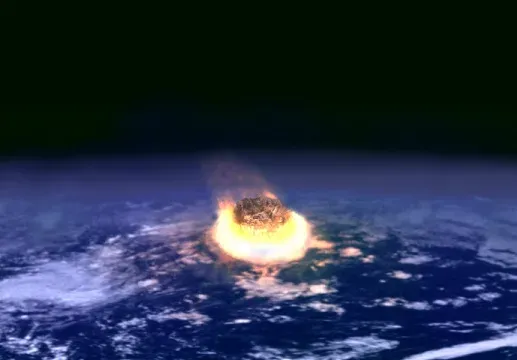
It is estimated that 75 percent or more of all animal and marine species on Earth vanished during the most famous dinosaur extinction event. The asteroid that struck 66 million years ago caused immediate devastation, yet dust blocked the sun to an extent that plants were unable to photosynthesize for almost two years afterward. Without photosynthesis, entire food webs collapsed. Herbivores starved, then carnivores followed.
Ecosystems Take Geological Time to Recover
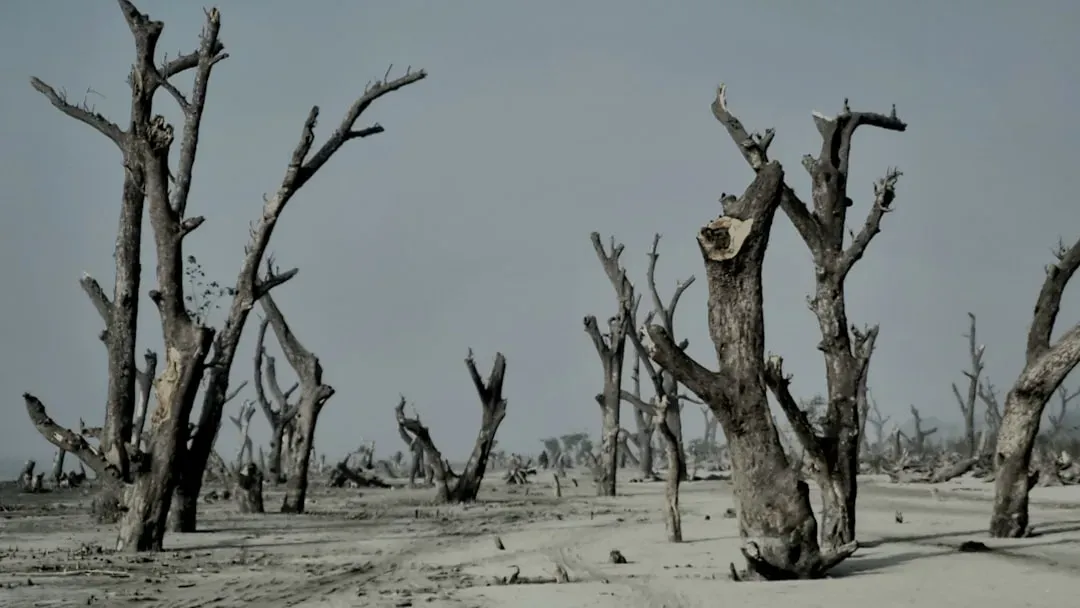
After mass extinctions, life doesn’t just bounce back quickly. More than 66 million years ago Earth saw a rapid loss rate of biodiversity and rapid changes to global climate. Prior research suggests it took 100,000 to 300,000 years to reach a new ecological equilibrium. That’s roughly the entire evolutionary history of modern humans.
The extinction also provided evolutionary opportunities: in its wake, many groups underwent remarkable adaptive radiation, sudden and prolific divergence into new forms and species. Mammals, previously small and marginal, exploded into ecological niches left vacant by dinosaurs. Still, this recovery wasn’t fast by human standards. If current biodiversity loss accelerates into a true mass extinction, we’re talking about recovery timescales that dwarf recorded human civilization.
Lessons for Our Climate Future
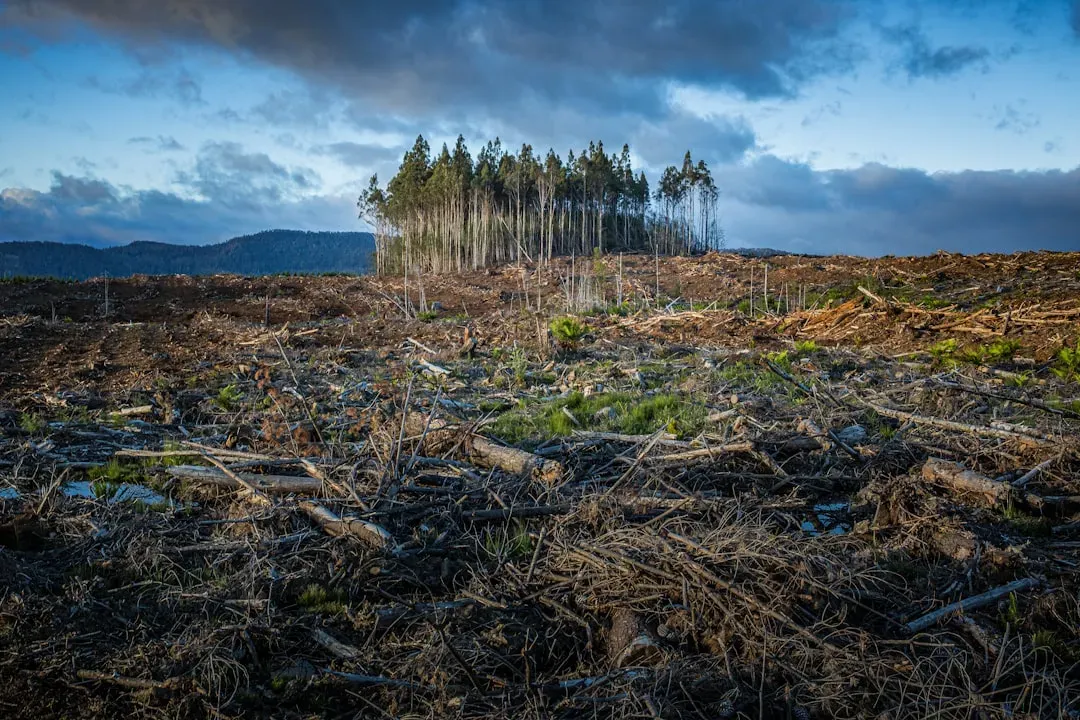
Reversing greenhouse gas emissions trends would diminish extinction risks by more than 70 percent, preserving marine biodiversity accumulated over the past approximately 50 million years of evolutionary history. The paleoclimate record offers both warning and hope. We know catastrophic climate change causes mass extinction. We also know that limiting warming preserves life.
Today’s atmospheric CO2 concentration, approximately 421 parts per million, corresponds in the most recent marine fossil record to a biodiversity loss of 6.39 percent. Unabated fossil fuel use could elevate atmospheric CO2 concentration to 800 parts per million by 2100, approaching the 870 parts per million mean concentration of the last 19 natural extinction events. The numbers speak clearly. Dinosaurs survived in high-CO2 worlds because change happened slowly. Our current trajectory mirrors the speed of past catastrophes, not the gradual shifts that allowed adaptation.
Conclusion
Dinosaurs weren’t just fascinating creatures from a distant past. They’re witnesses to Earth’s climate extremes, survivors of volcanic winters, and ultimately victims of rapid environmental collapse. Their story teaches us that life can endure high temperatures and elevated CO2, but only when given time to adapt. Rapid change kills.
We’re currently conducting an uncontrolled experiment with our atmosphere, pushing CO2 levels toward concentrations not seen since dinosaurs walked the Earth. The difference? We’re doing it roughly a thousand times faster than natural geological processes. The fossil record shows what happens next.
What do you think about these lessons from deep time? Can we learn from ancient extinctions before history repeats itself?